Cloud Computing
Viewing all posts categorized under Cloud Computing.

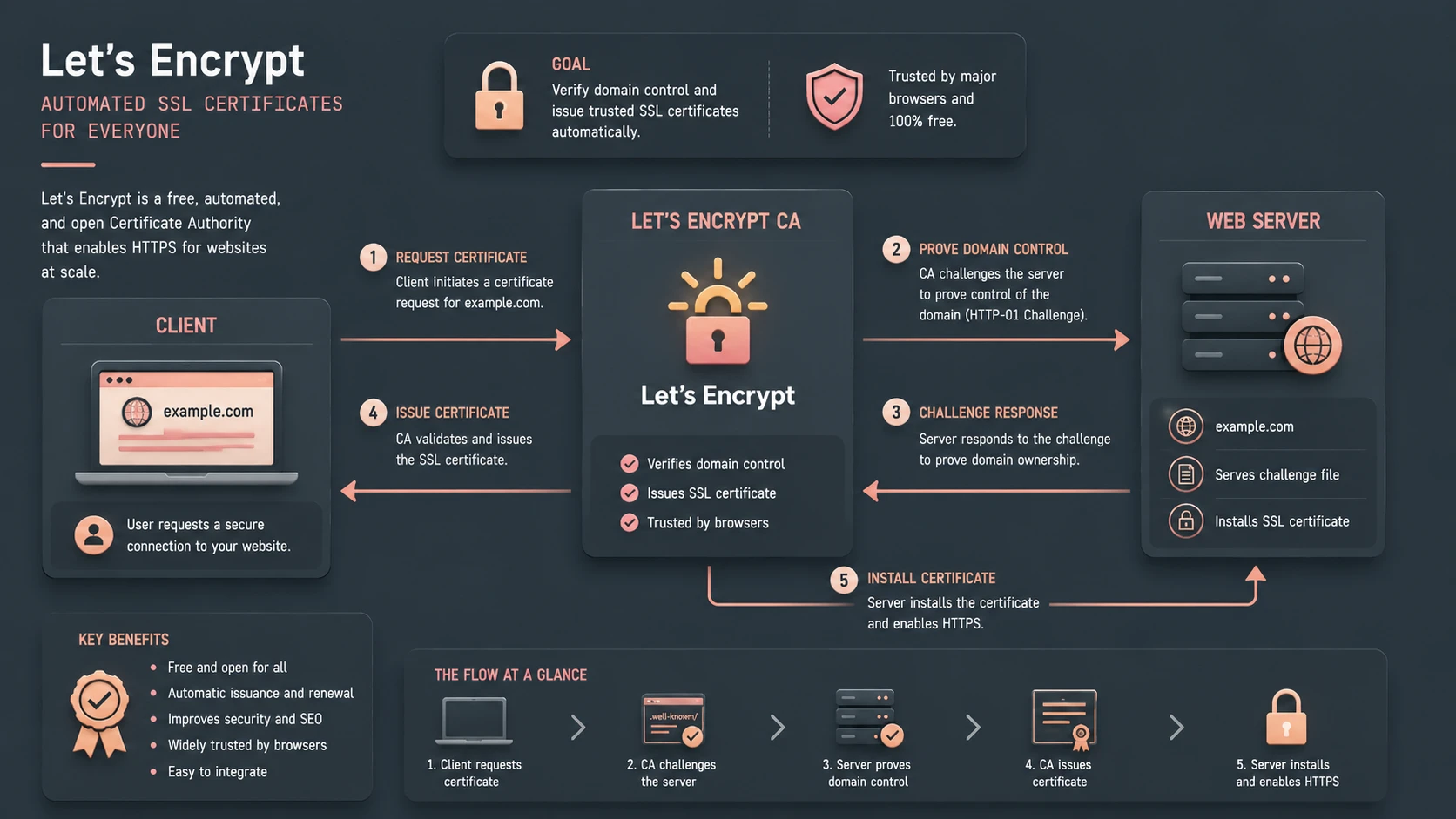
Let's Encrypt Public Beta: Automating SSL/TLS Certificate Provisioning via ACME Protocol
Let's Encrypt enters public beta with a mission to simplify HTTPS adoption through free, automated SSL/TLS certificates using the ACME protocol. This article examines the architecture, certificate lifecycle, validation workflow, operational benefits, security considerations, and enterprise adoption strategies from the perspective of October 2015.
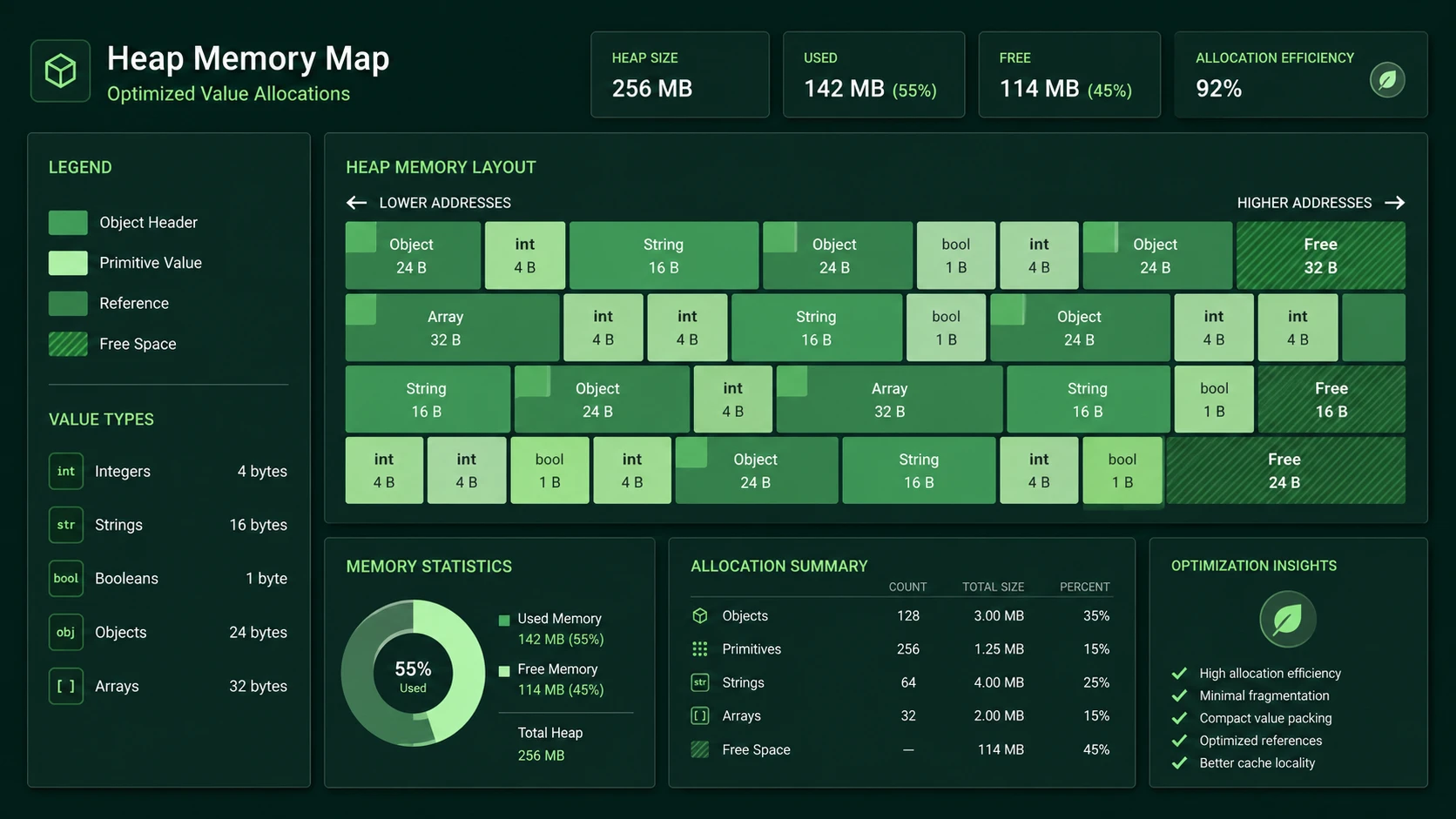
PHP 7.0 Previews: Memory Allocations and the Zend Engine 3 Redesign
PHP 7.0 preview releases introduce one of the most significant architectural upgrades in PHP's history. Centered around the redesigned Zend Engine 3, the upcoming release focuses on reduced memory consumption, improved execution performance, and better scalability for enterprise applications. This article analyzes PHP 7.0 previews from the perspective of September 2015.
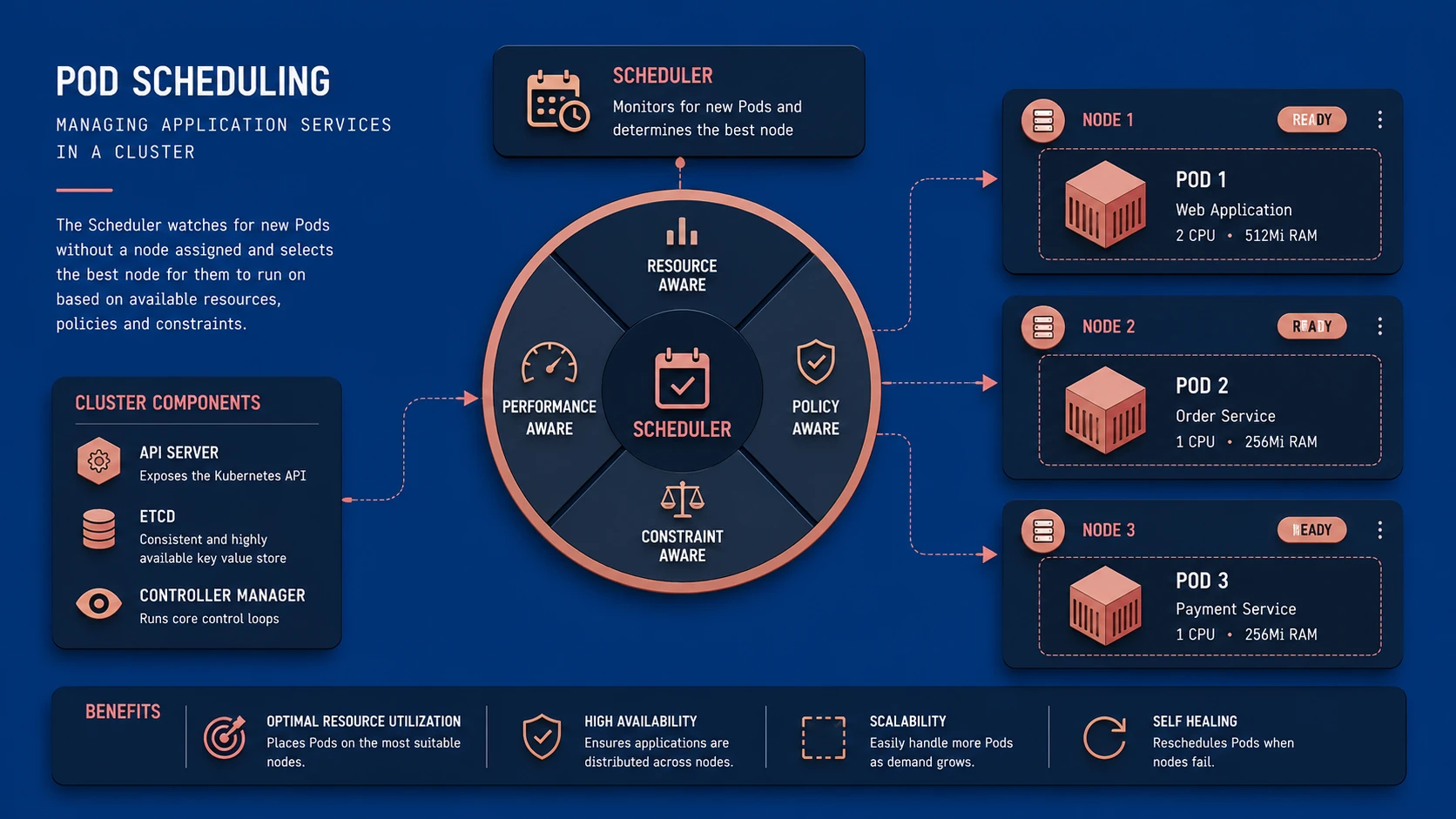
Kubernetes 1.0: Pods, Replication Controllers, and Cluster Services
With the release of Kubernetes 1.0, Google has introduced a production-ready container orchestration platform inspired by years of operating large-scale distributed systems. Kubernetes automates application deployment, container scheduling, service discovery, and infrastructure management through concepts such as Pods, Replication Controllers, and Services. This article examines Kubernetes 1.0 from the perspective of July 2015, exploring its architecture, enterprise use cases, scalability, and operational considerations.
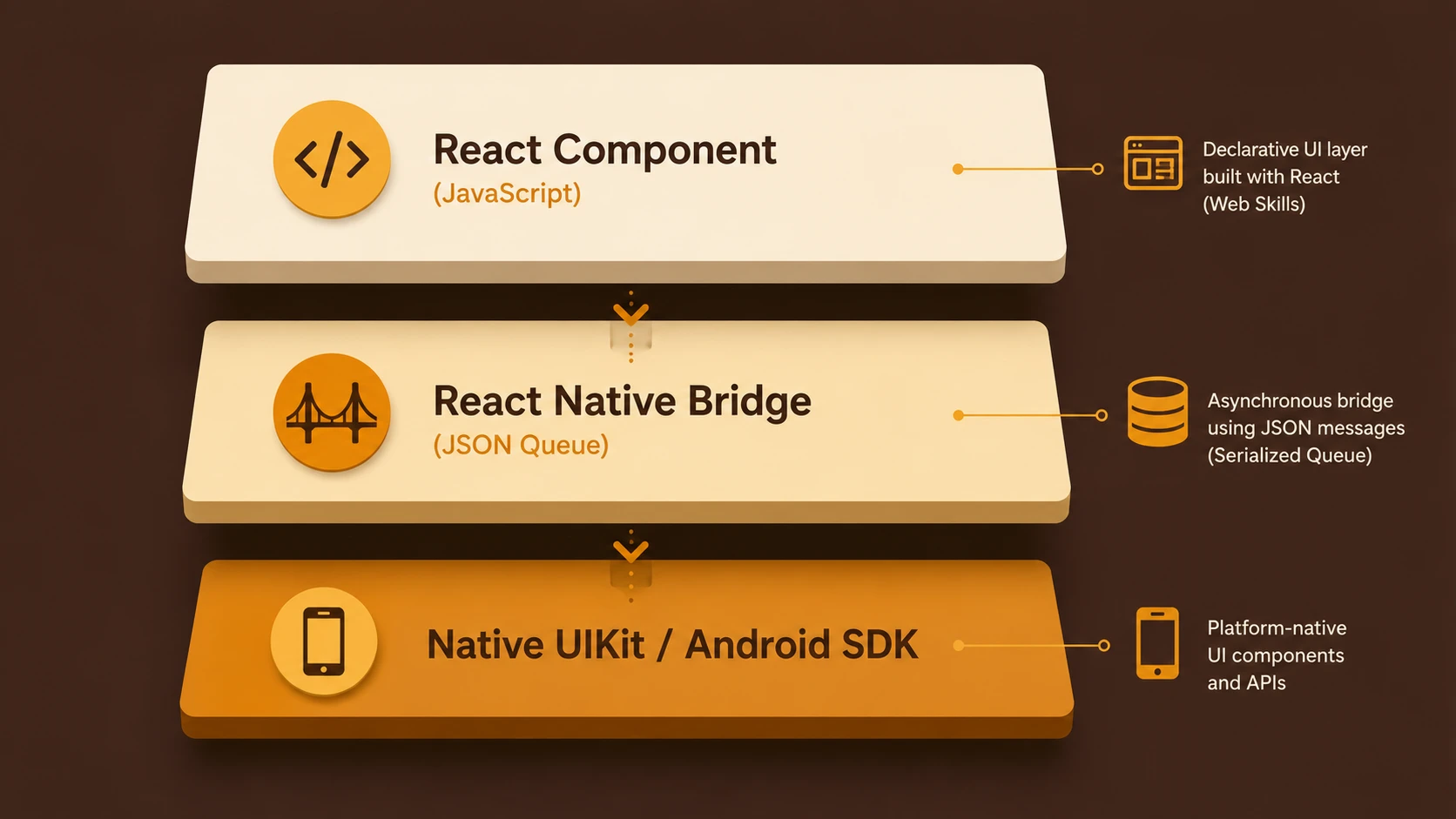
React Native Release: Building Mobile Apps with Native UI Controls and JavaScript
React Native introduces a new approach to native mobile application development by combining JavaScript, React components, and native platform controls. This article examines the framework's architecture, rendering model, performance characteristics, enterprise use cases, and adoption considerations from the perspective of May 2015.
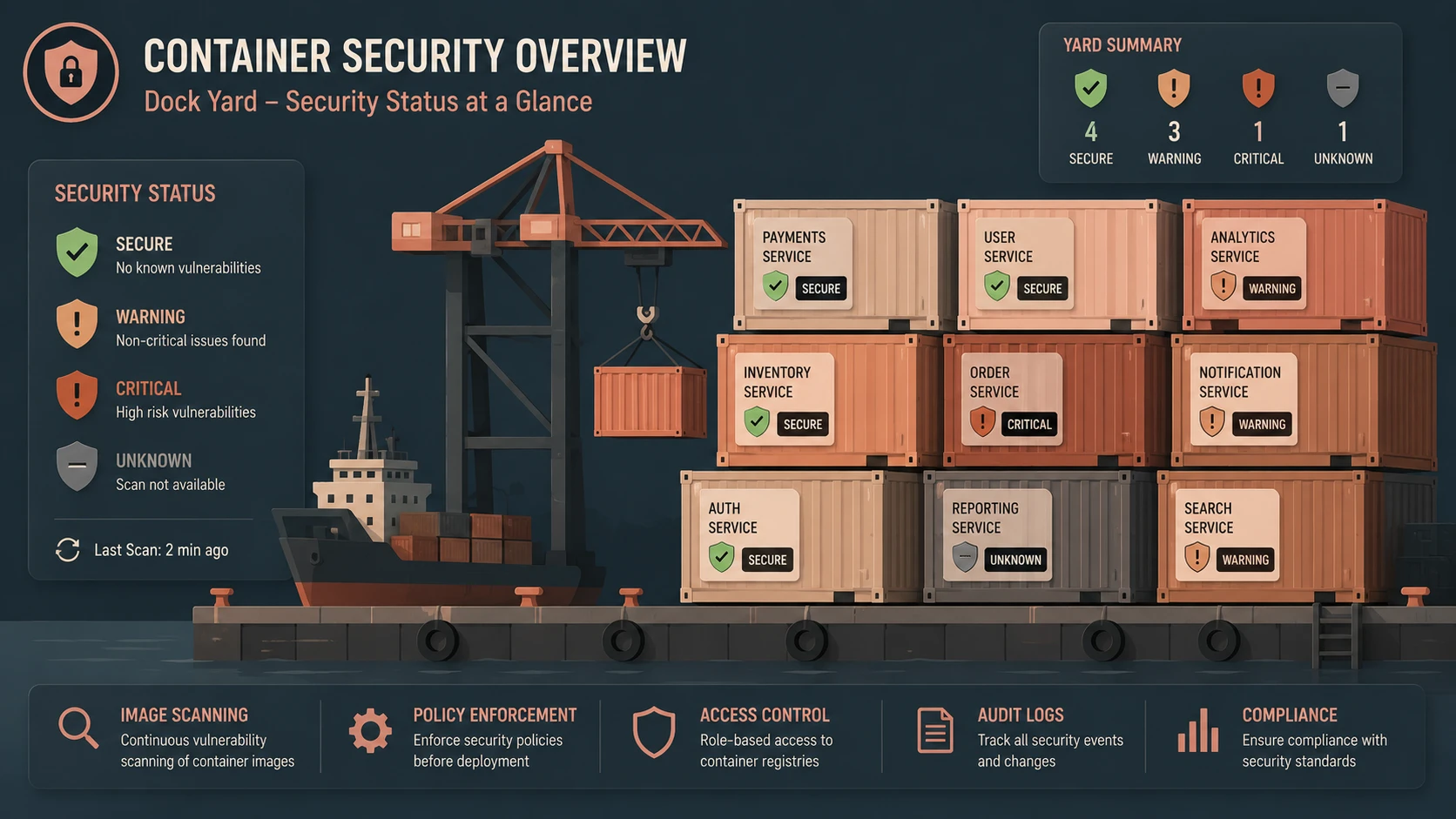
Docker 1.6: Engine Labels, Registry API v2, and Container Security Policies
Docker continues to mature as an enterprise container platform with the release of Docker 1.6. New capabilities including Engine Labels, Registry API v2, and improved security controls strengthen container deployment, orchestration, and image management. This article examines Docker 1.6 from the perspective of March 2015, evaluating its architecture, enterprise applications, and operational considerations.
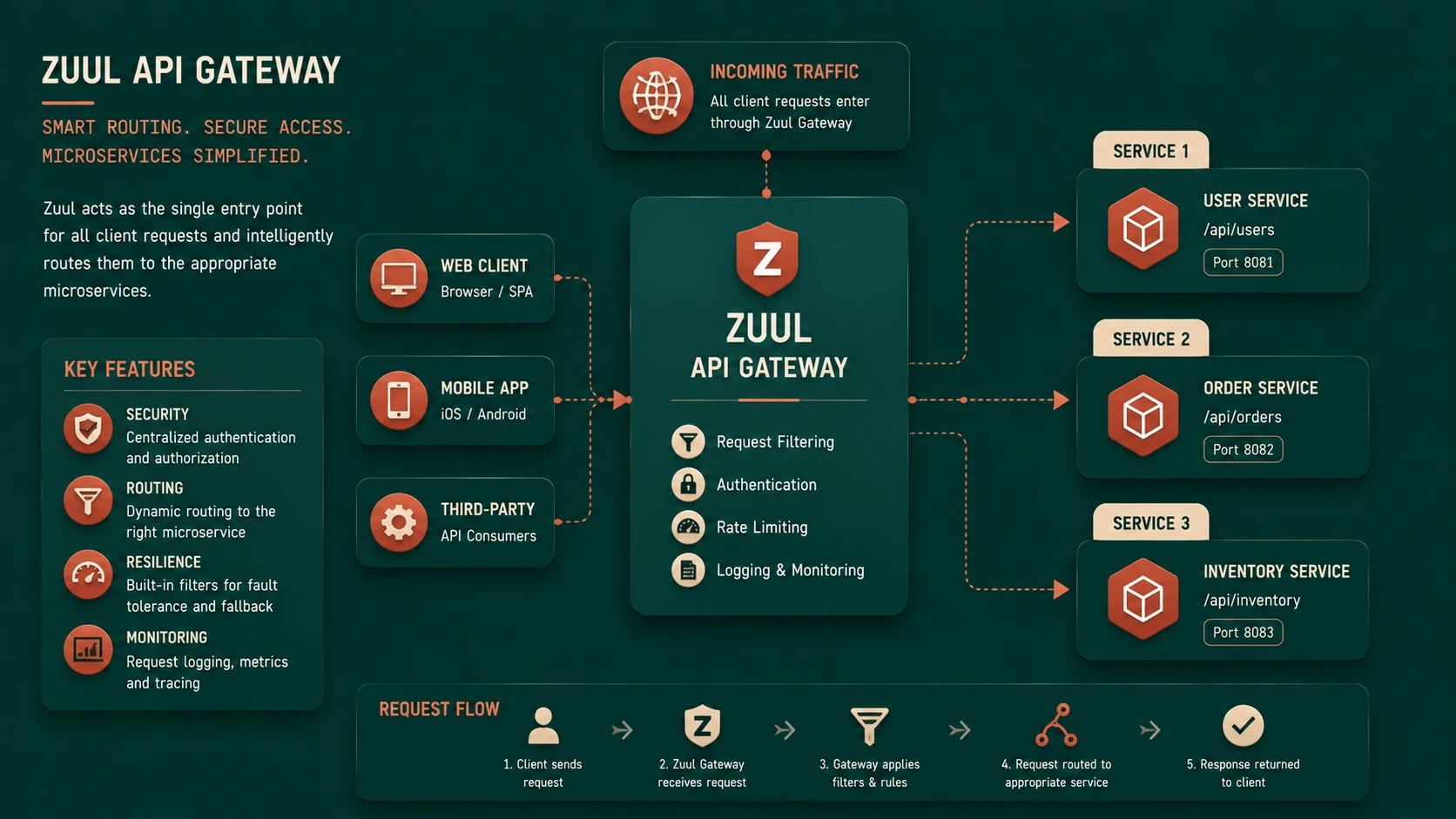
Microservices Architecture: Orchestrating Netflix OSS Eureka and Zuul Gateways
As organizations adopt microservices, service discovery and intelligent request routing become critical architectural concerns. This article examines Netflix OSS Eureka and Zuul from the perspective of February 2015, exploring service registration, API gateway design, resilience patterns, scalability, and enterprise deployment considerations.
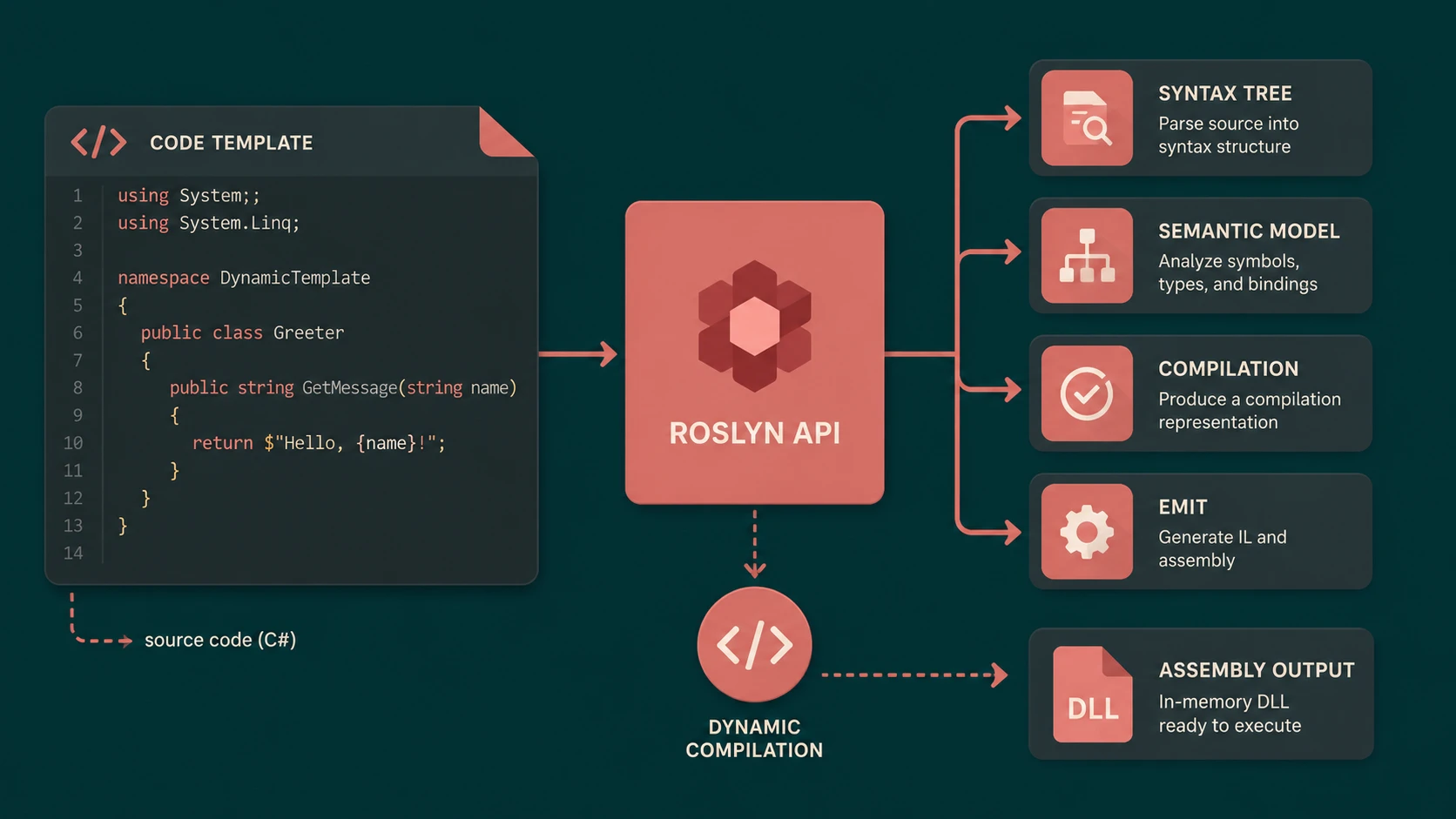
C# 6.0 and Roslyn Compiler: String Interpolation and Null-Conditional Operators
Microsoft continues modernizing the .NET ecosystem with the Roslyn compiler platform and the evolving C# 6.0 language. Features such as string interpolation and the null-conditional operator aim to reduce boilerplate code while improving readability and developer productivity. This article examines these technologies from the perspective of December 2014, focusing on enterprise architecture, compiler innovation, and practical adoption strategies.
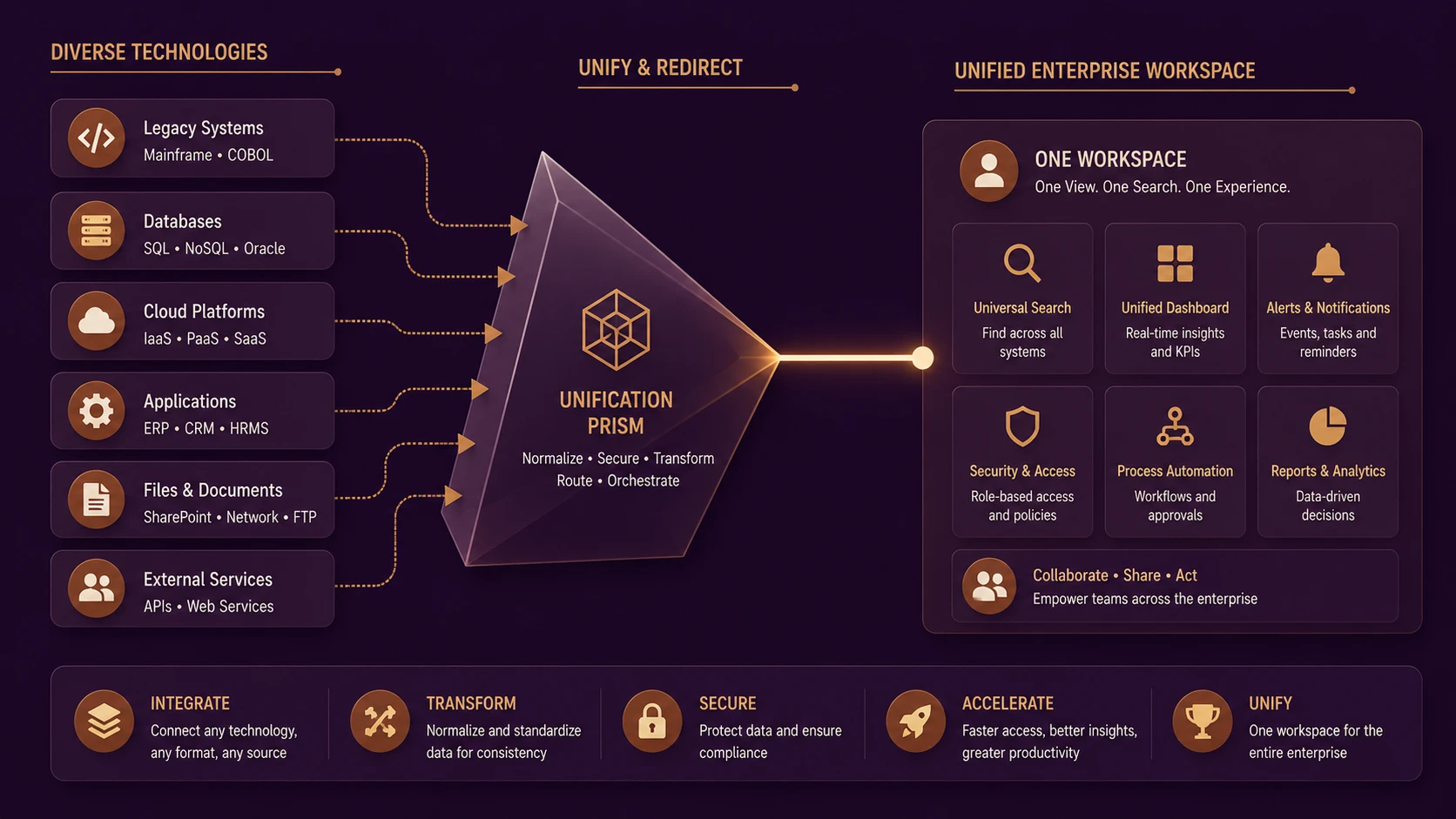
Software Development Trends: Enterprise Technologies Reshaping Engineering in 2014
Software development in 2014 is undergoing one of its most significant transitions in recent years. Cloud computing, DevOps, responsive design, mobile platforms, NoSQL databases, Continuous Delivery, and modular application architectures are fundamentally changing how enterprise software is designed, deployed, and maintained. This article reviews the most influential development trends from the perspective of November 2014.
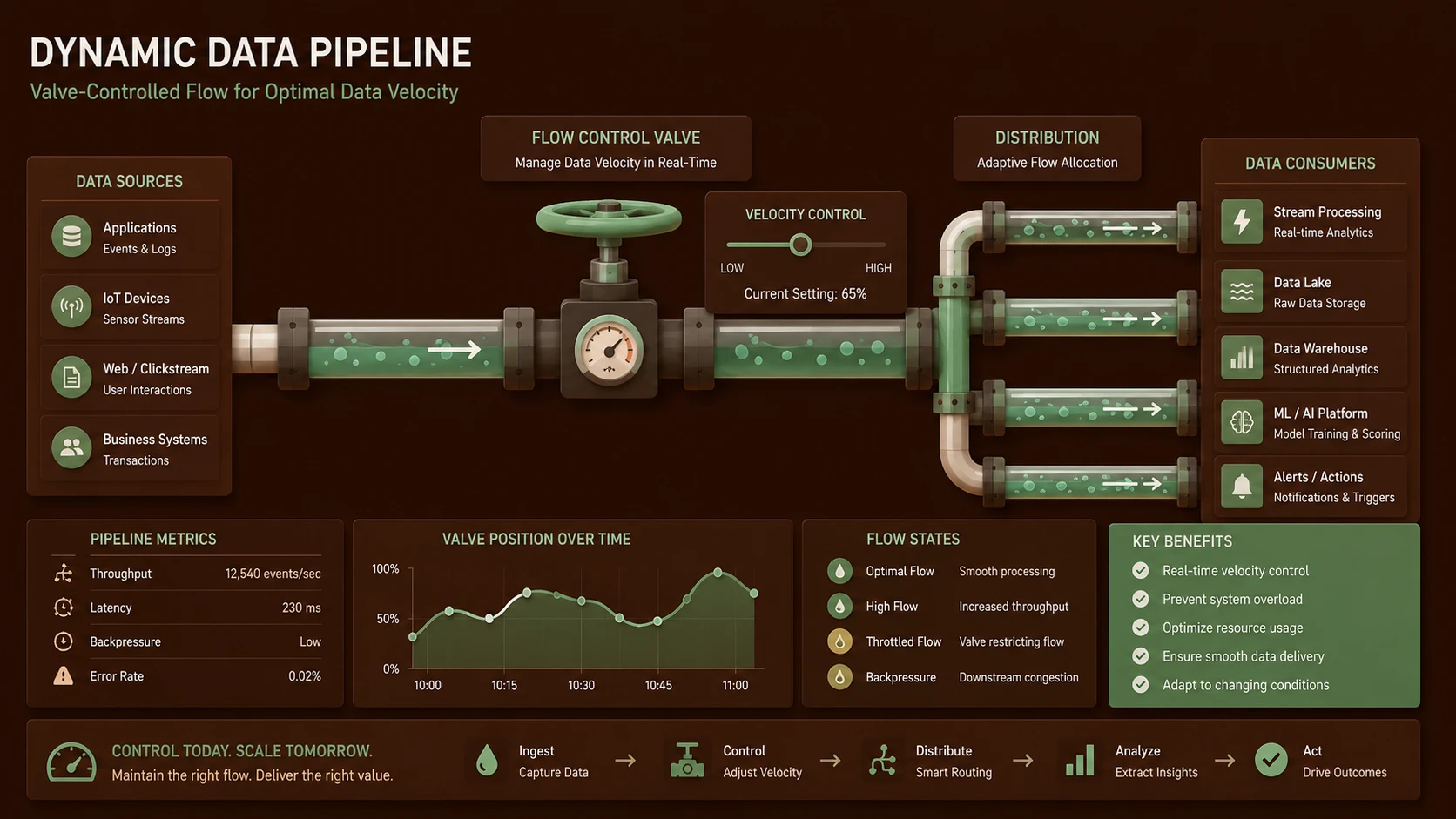
Node.js Streams v2: Navigating Backpressure and Readable/Writable Modes
Node.js Streams v2 introduces significant improvements to the platform's streaming architecture, simplifying stream implementation while providing more predictable handling of readable and writable streams. With improved backpressure management, standardized APIs, and enhanced interoperability, Streams v2 enables enterprise developers to build scalable network services, file processing pipelines, and high-throughput applications. This article examines Streams v2 from the perspective of November 2014, exploring its architecture, enterprise use cases, performance considerations, and best practices.
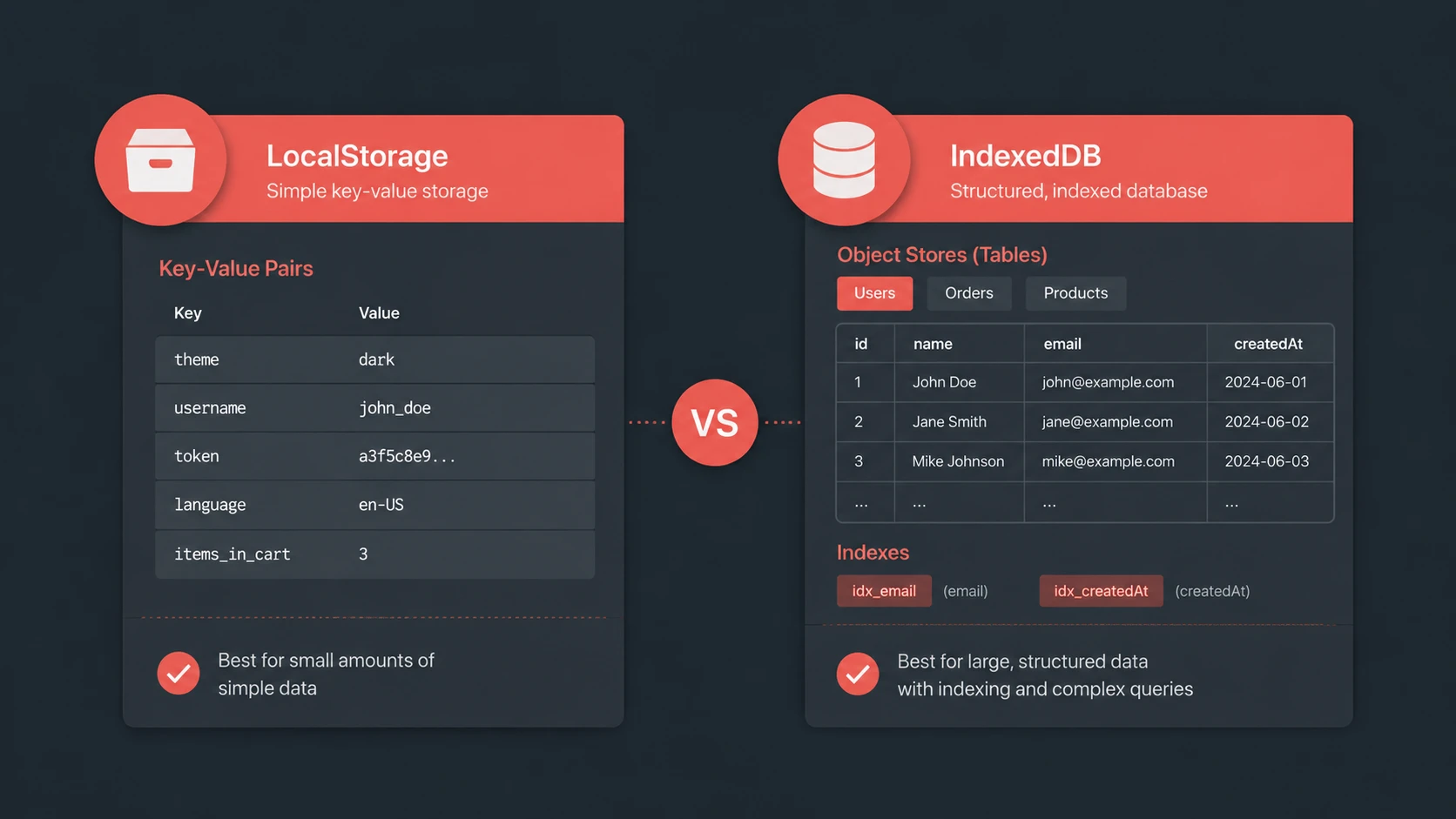
IndexedDB vs. LocalStorage: Choosing Client-Side Databases for Web Apps
Modern web applications increasingly require client-side storage for offline functionality, performance optimization, and responsive user experiences. This article compares IndexedDB and LocalStorage from the perspective of August 2014, examining architecture, performance, scalability, security, browser capabilities, and enterprise adoption strategies.
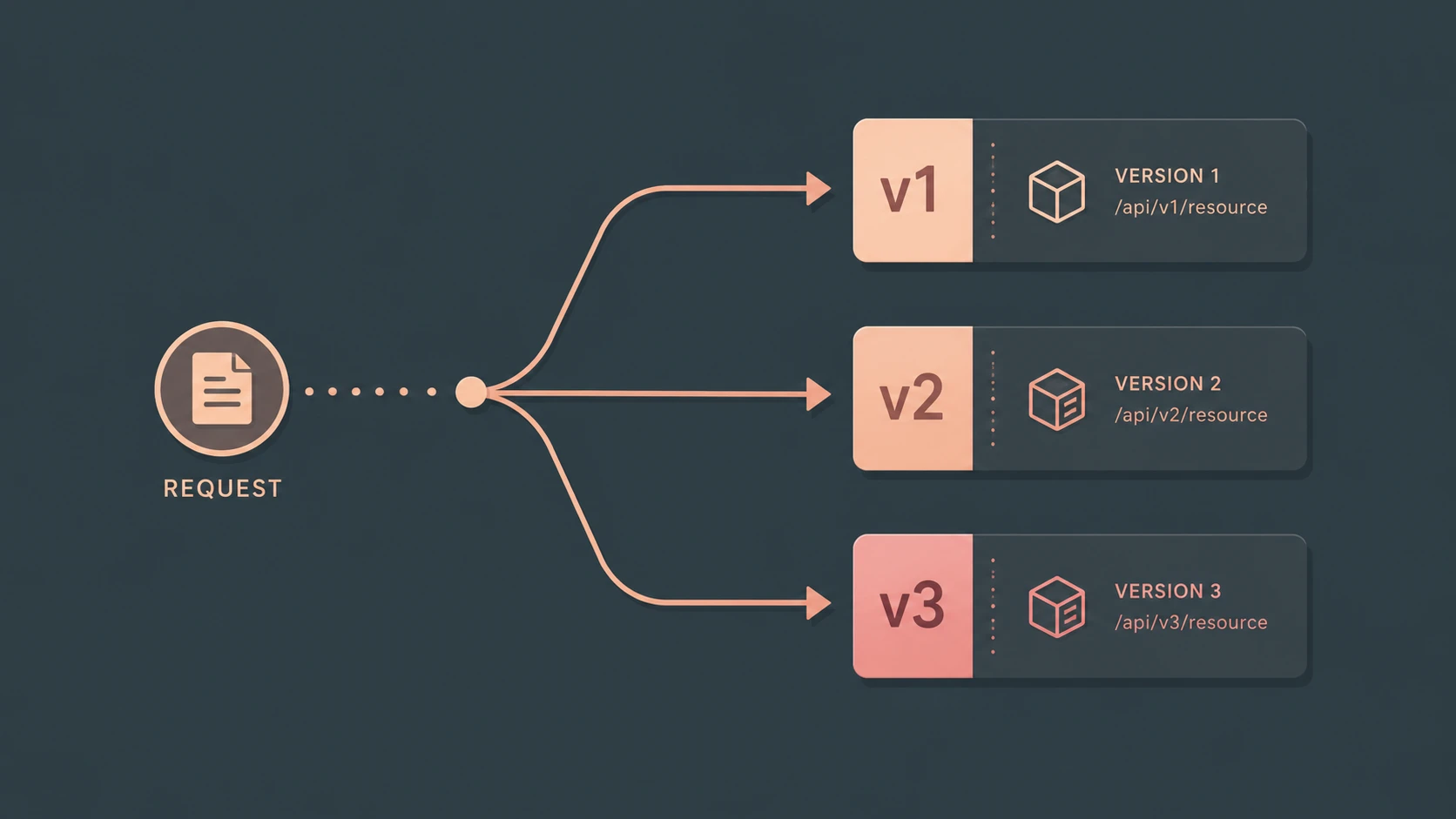
REST API Versioning: Comparing URI, Header, and Query Parameter Strategies
As RESTful APIs become foundational to enterprise software, managing change without disrupting existing clients has become a major architectural challenge. This article examines API versioning strategies—including URI, custom headers, media type negotiation, and query parameters—along with their trade-offs, governance considerations, and adoption guidance from the perspective of July 2014.
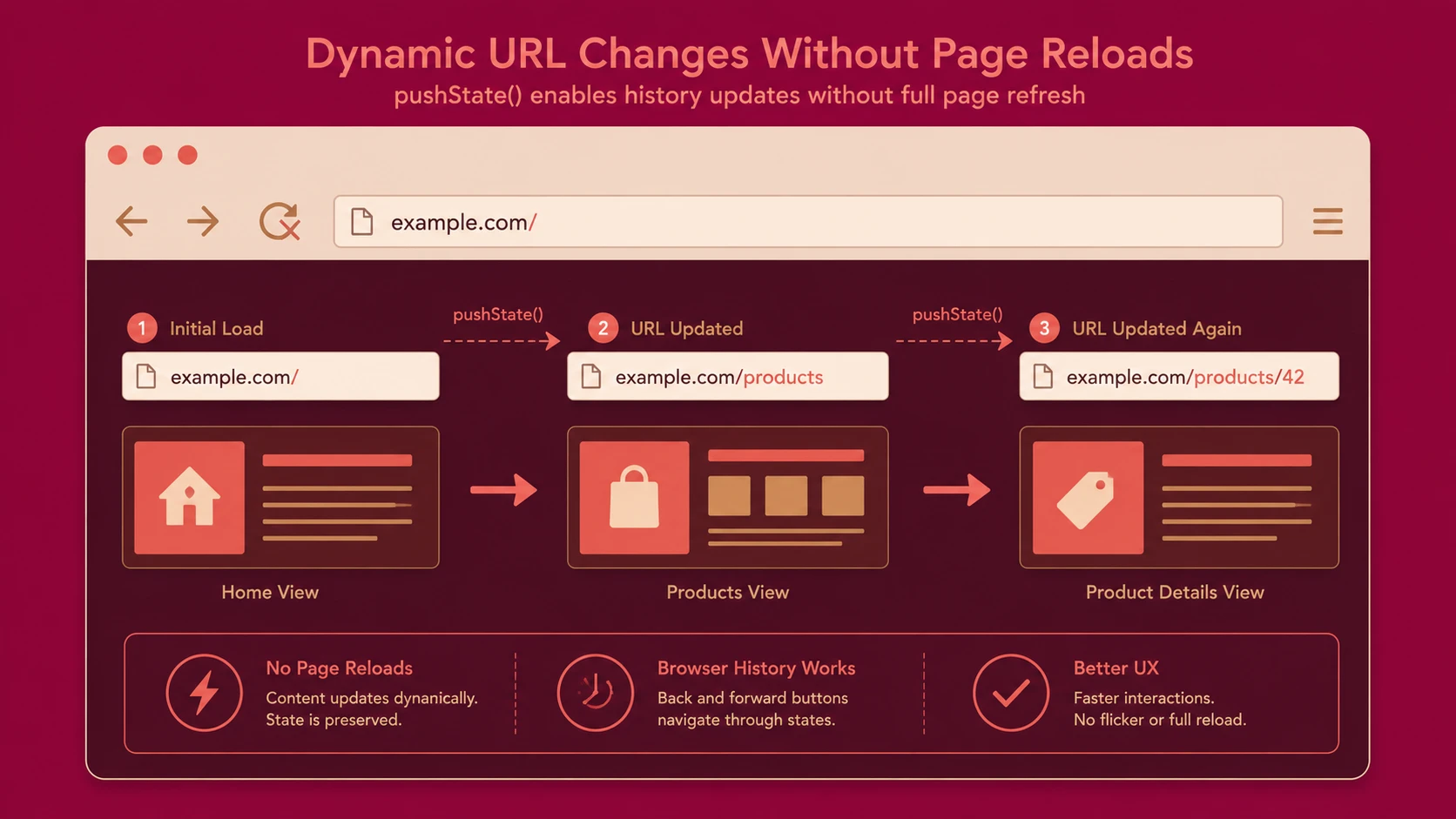
Single Page Application Routing: Managing Client States with HTML5 History API
As Single Page Applications become increasingly common, client-side routing has become a critical architectural concern. This article examines the HTML5 History API, route management, browser navigation, URL design, and enterprise implementation strategies from the perspective of May 2014.
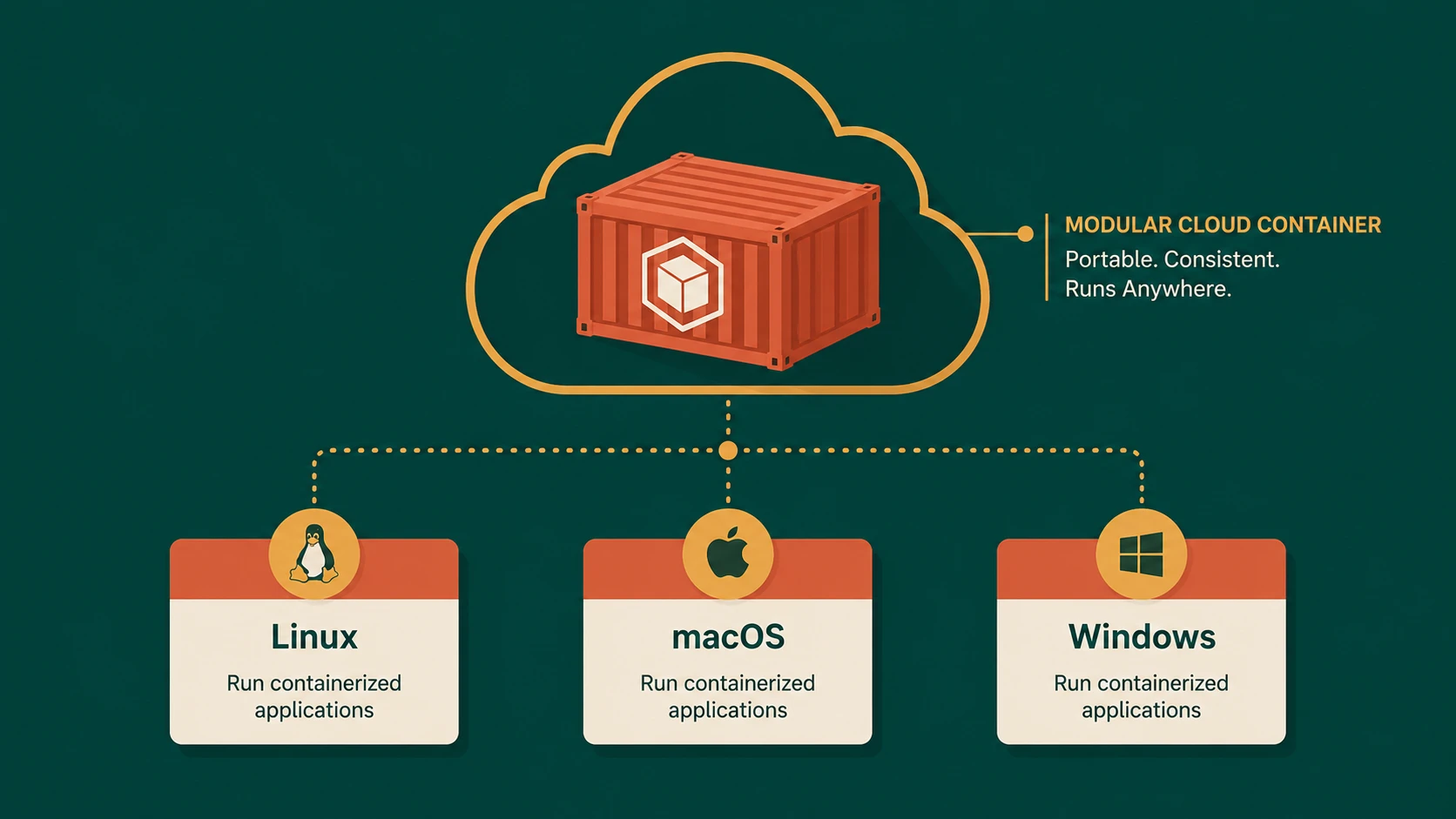
ASP.NET vNext: Designing a Cross-Platform, Modular .NET Runtime for Cloud
Microsoft has unveiled its vision for ASP.NET vNext, introducing a modular web framework designed with cloud deployment, high performance, and cross-platform capabilities in mind. This article analyzes the announcement from the perspective of May 2014, exploring the architectural direction, runtime model, enterprise implications, and adoption considerations for modern .NET applications.
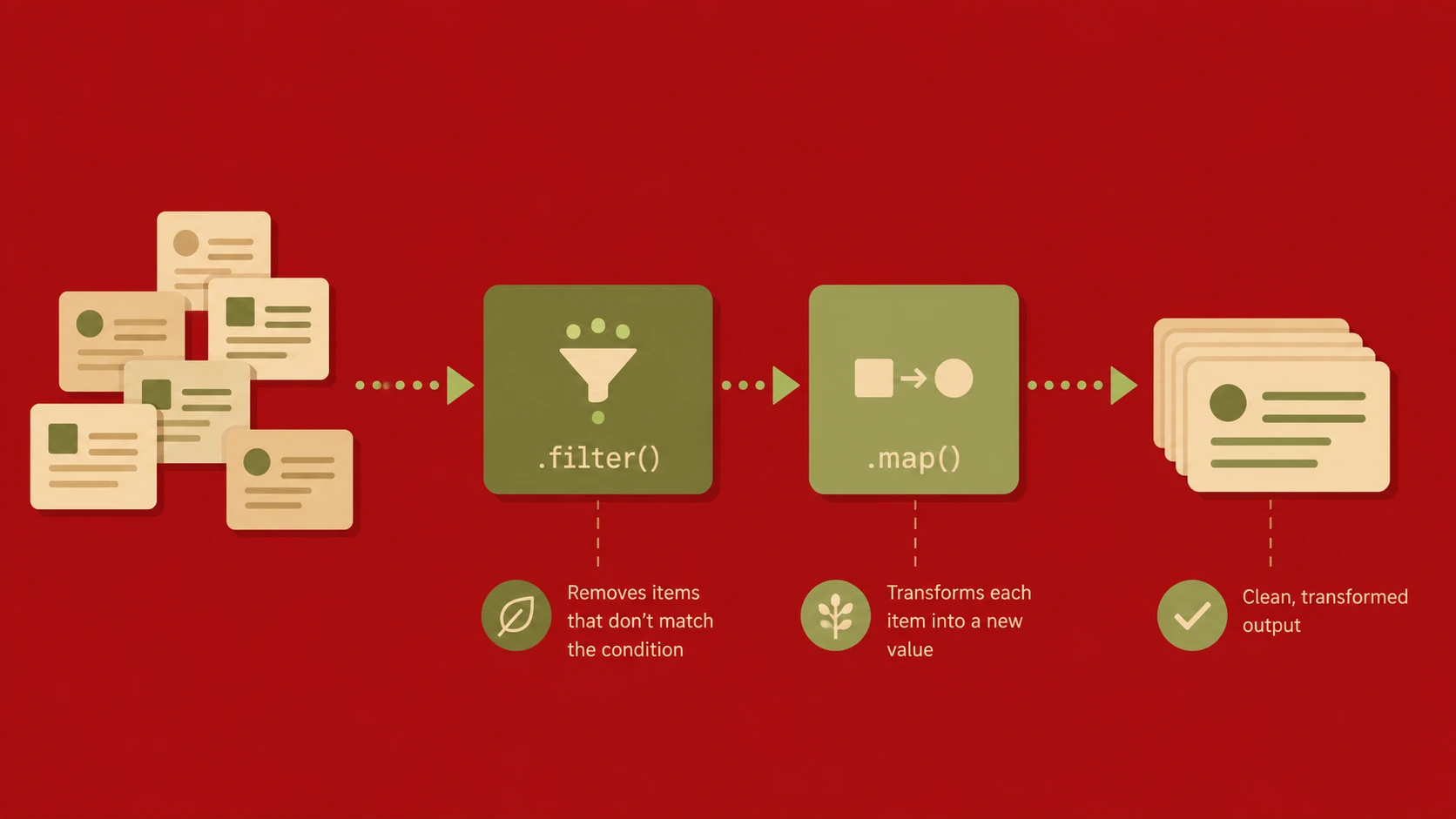
Java 8: Lambda Expressions, Streams API, and the End of PermGen Memory
Java 8 introduces one of the most significant updates to the Java platform in recent years, featuring Lambda Expressions, the Streams API, a modern Date and Time API, and the removal of PermGen memory in favor of Metaspace. This article examines these capabilities from the perspective of March 2014, evaluating their architectural impact, enterprise adoption considerations, and practical implications for large-scale Java development.
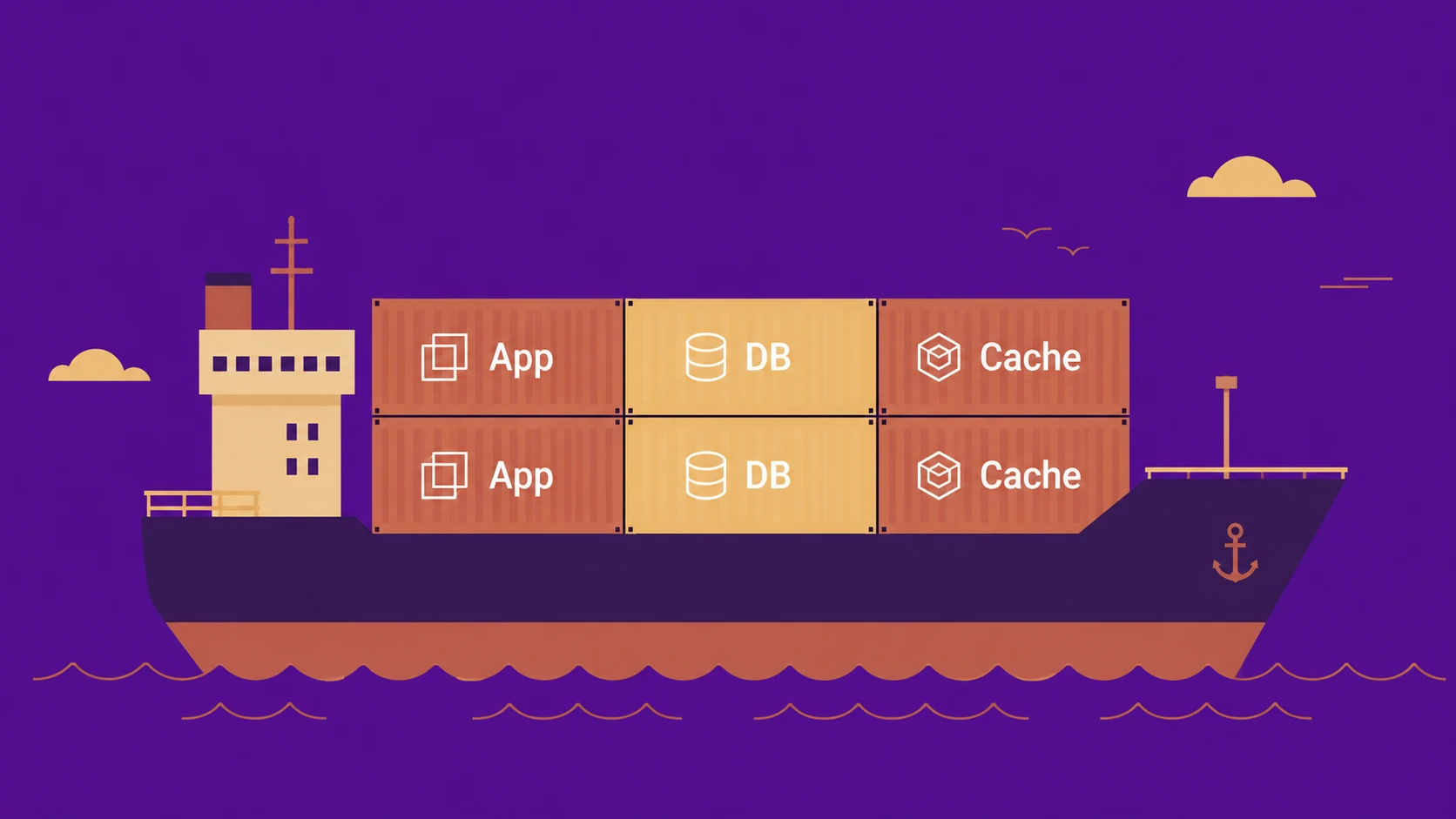
Docker 1.0: Establishing the Standard Container Runtime for Enterprise Cloud
Docker is approaching its 1.0 release, introducing a standardized container format and tooling that simplifies application packaging, deployment, and portability. This article explores Docker's architecture, Linux container technology, image management, operational considerations, and enterprise adoption strategies from the perspective of January 2014.