Cloud Computing
Viewing all posts categorized under Cloud Computing.

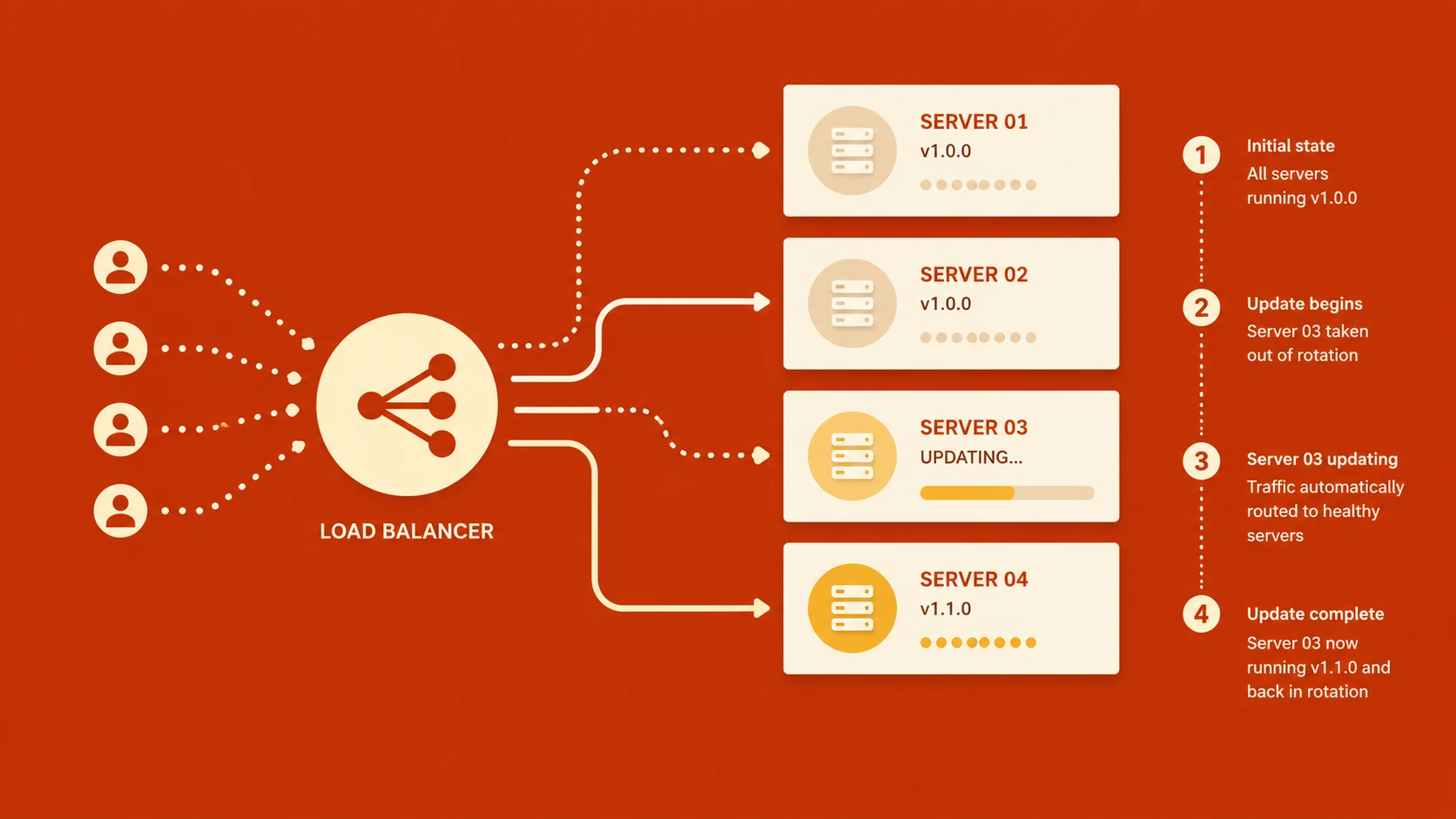
Ansible Playbooks: Orchestrating Zero-Downtime Application Deployments
Ansible has rapidly emerged as a lightweight IT automation platform by eliminating the need for managed agents while using simple YAML-based playbooks to automate infrastructure provisioning, configuration management, and application deployment. As enterprises increasingly embrace DevOps practices, Ansible Playbooks provide a practical approach to orchestrating repeatable, zero-downtime deployments. This article examines Ansible from the perspective of December 2013, exploring its architecture, deployment strategies, scalability, security considerations, and enterprise adoption.
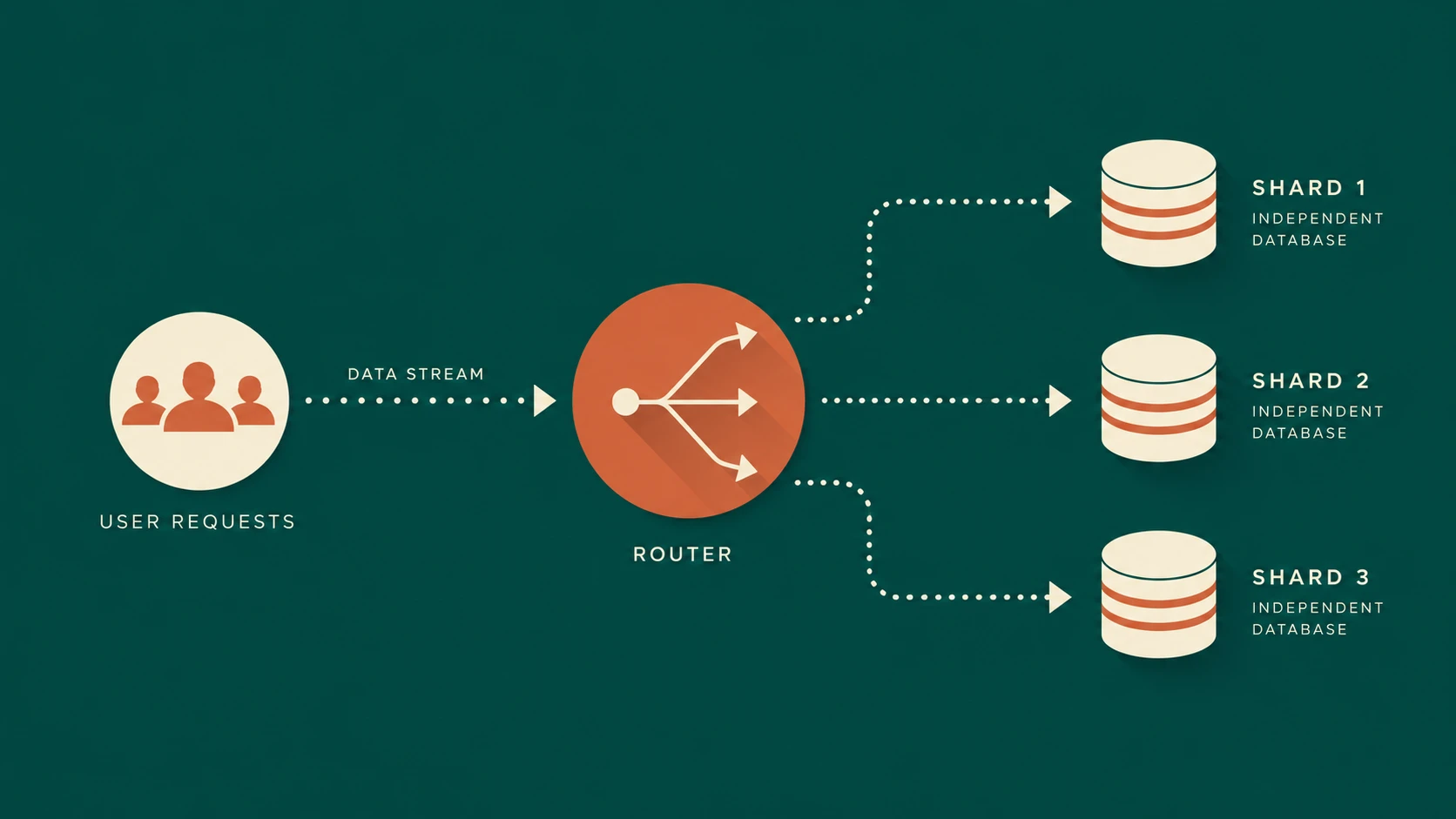
Database Sharding Patterns: Architecting Horizontal Scale-Out for Web SaaS
As Software as a Service platforms continue to grow, vertically scaling a single database server becomes increasingly difficult. This article explores database sharding patterns, shard key selection, routing architectures, operational challenges, and enterprise best practices for building horizontally scalable web applications from the perspective of late 2013.
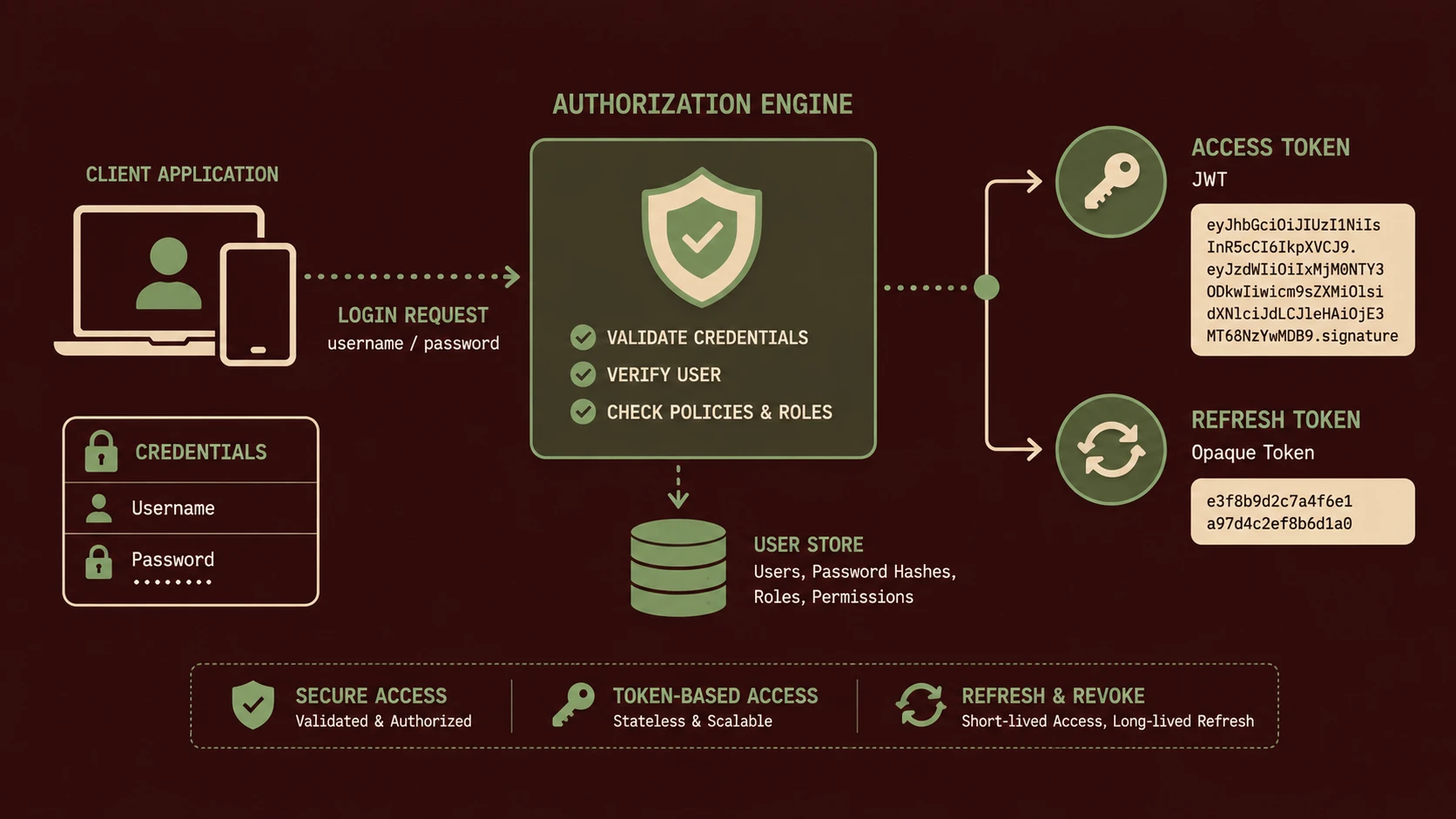
OAuth 2.0 Authorization Server Implementation: Managing Access Tokens and Refresh Tokens
As organizations standardize API security around OAuth 2.0, implementing a robust authorization server becomes a critical architectural responsibility. This article examines authorization server design, token lifecycle management, refresh tokens, security practices, and enterprise deployment considerations from the perspective of October 2013.
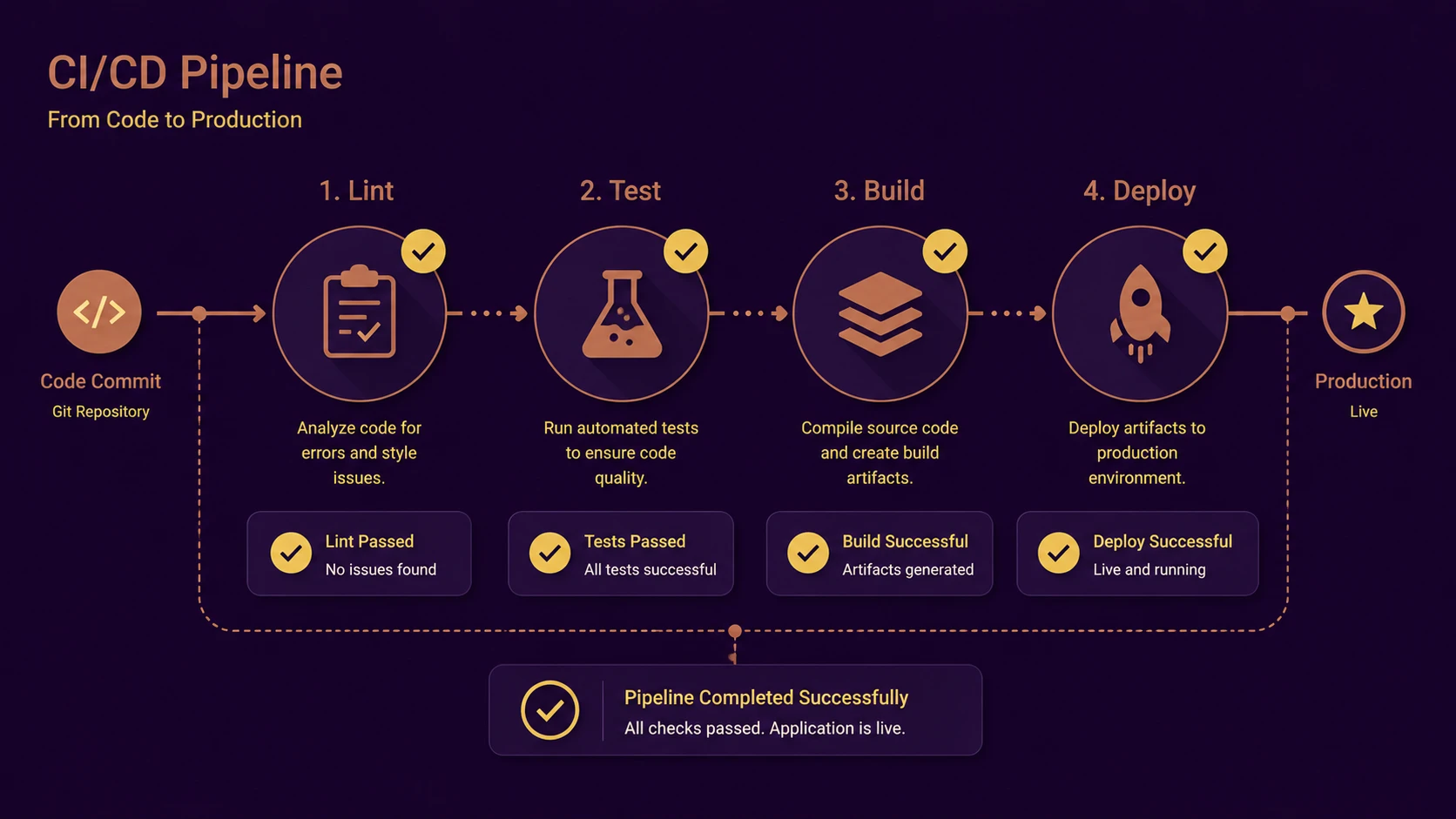
Jenkins CI Pipelines: Automating Unit Testing, Linting, and Artifact Storage
Continuous Integration is becoming a foundational practice for enterprise software development, and Jenkins has emerged as one of the most widely adopted automation servers. This article examines Jenkins from the perspective of August 2013, exploring CI pipeline architecture, automated testing, code quality validation, artifact management, and enterprise adoption strategies.
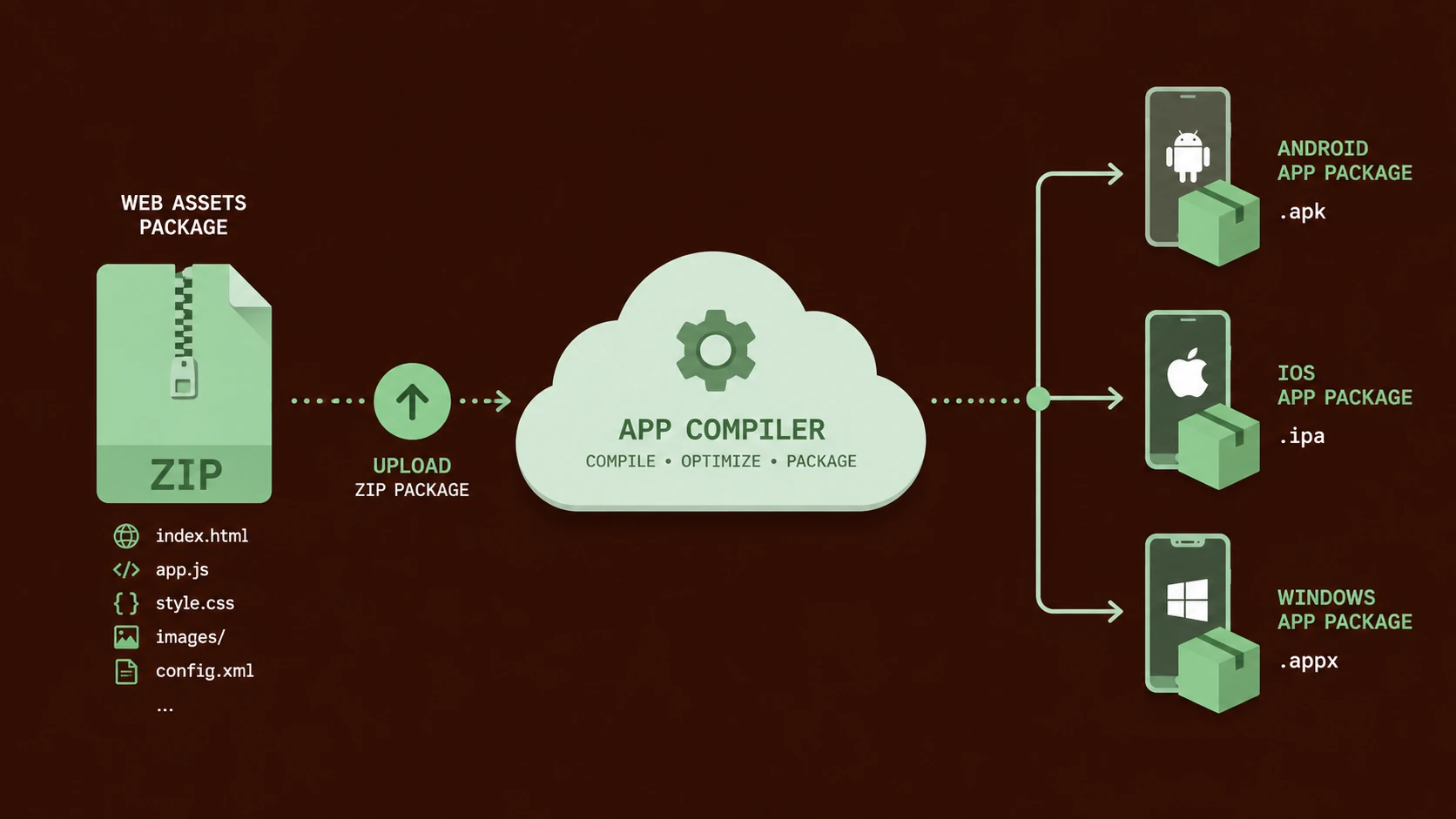
PhoneGap Build: Compiling Cross-Platform Native Packages in the Cloud
PhoneGap Build introduces a cloud-based compilation service that enables developers to package HTML5, CSS3, and JavaScript applications into native mobile applications without maintaining multiple platform-specific SDKs. As enterprise mobility accelerates, PhoneGap Build offers a streamlined approach to cross-platform application deployment. This article examines PhoneGap Build from the perspective of July 2013, exploring its architecture, enterprise use cases, security considerations, and role in modern mobile development.
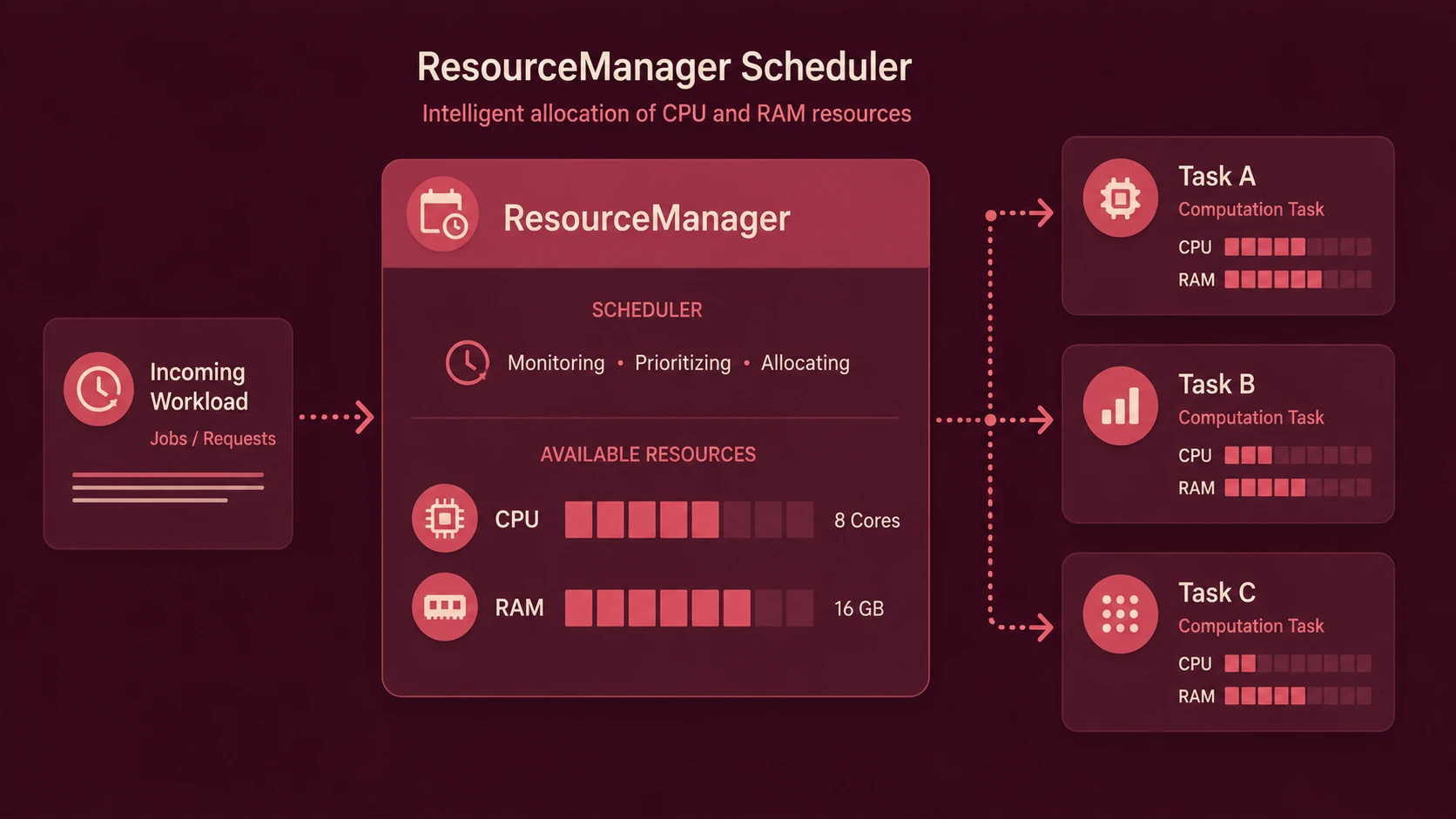
Hadoop 2.0 YARN: Splitting Resource Management from MapReduce Computation
Hadoop 2.0 introduces Yet Another Resource Negotiator (YARN), one of the most significant architectural changes since Hadoop's inception. By separating cluster resource management from the MapReduce processing model, YARN transforms Hadoop into a general-purpose distributed computing platform capable of supporting multiple application frameworks. This article examines Hadoop 2.0 YARN from the perspective of June 2013, exploring its architecture, enterprise implications, scalability improvements, and deployment considerations.
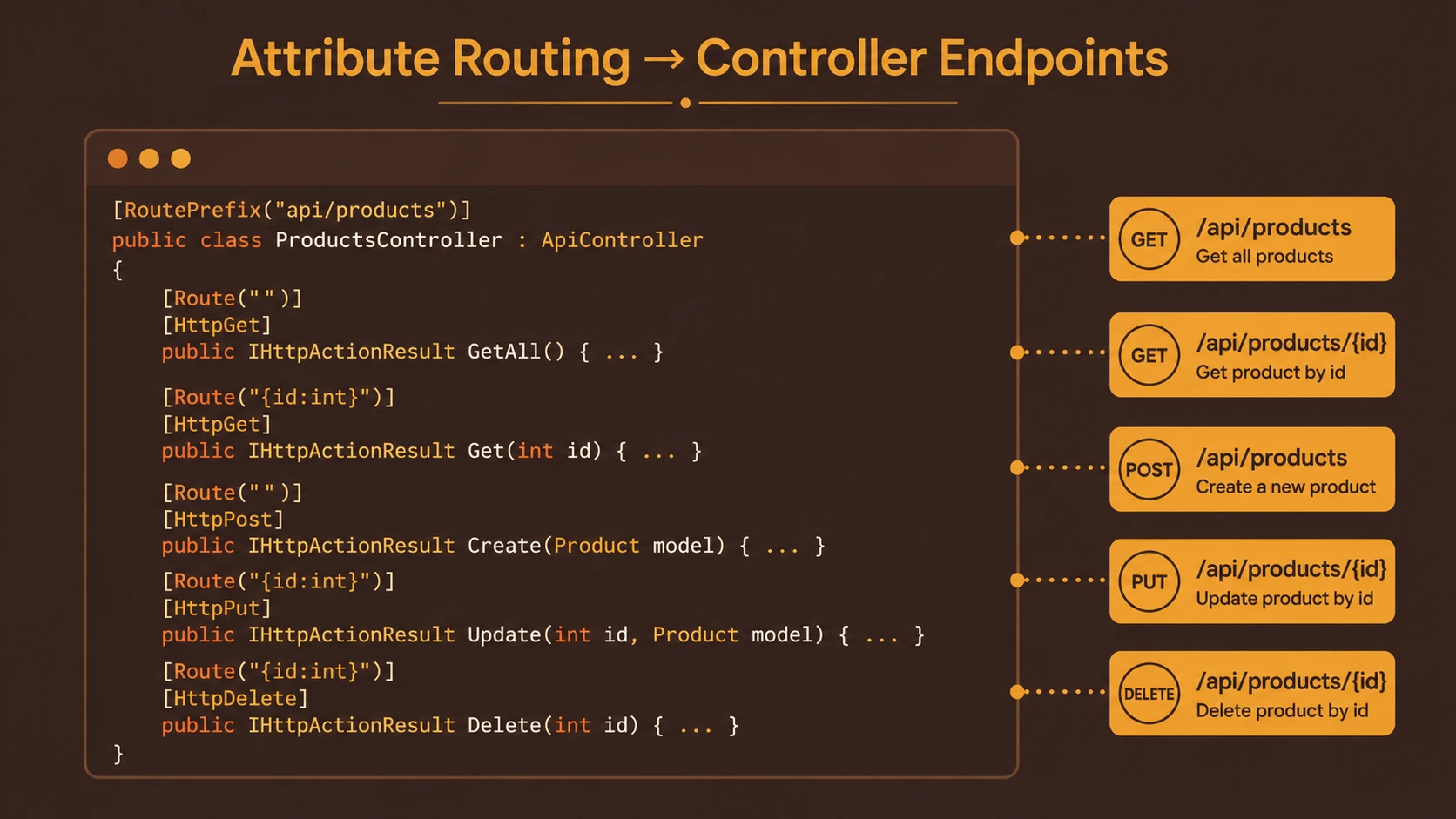
ASP.NET MVC 5: Attribute Routing and OWIN Authentication Integration
Microsoft has announced the direction of the next generation of ASP.NET MVC with a focus on more flexible routing, improved authentication through OWIN, and deeper integration with modern web application architecture. This article examines the emerging capabilities expected in ASP.NET MVC 5 from the perspective of April 2013 and discusses how these changes could influence enterprise web development.
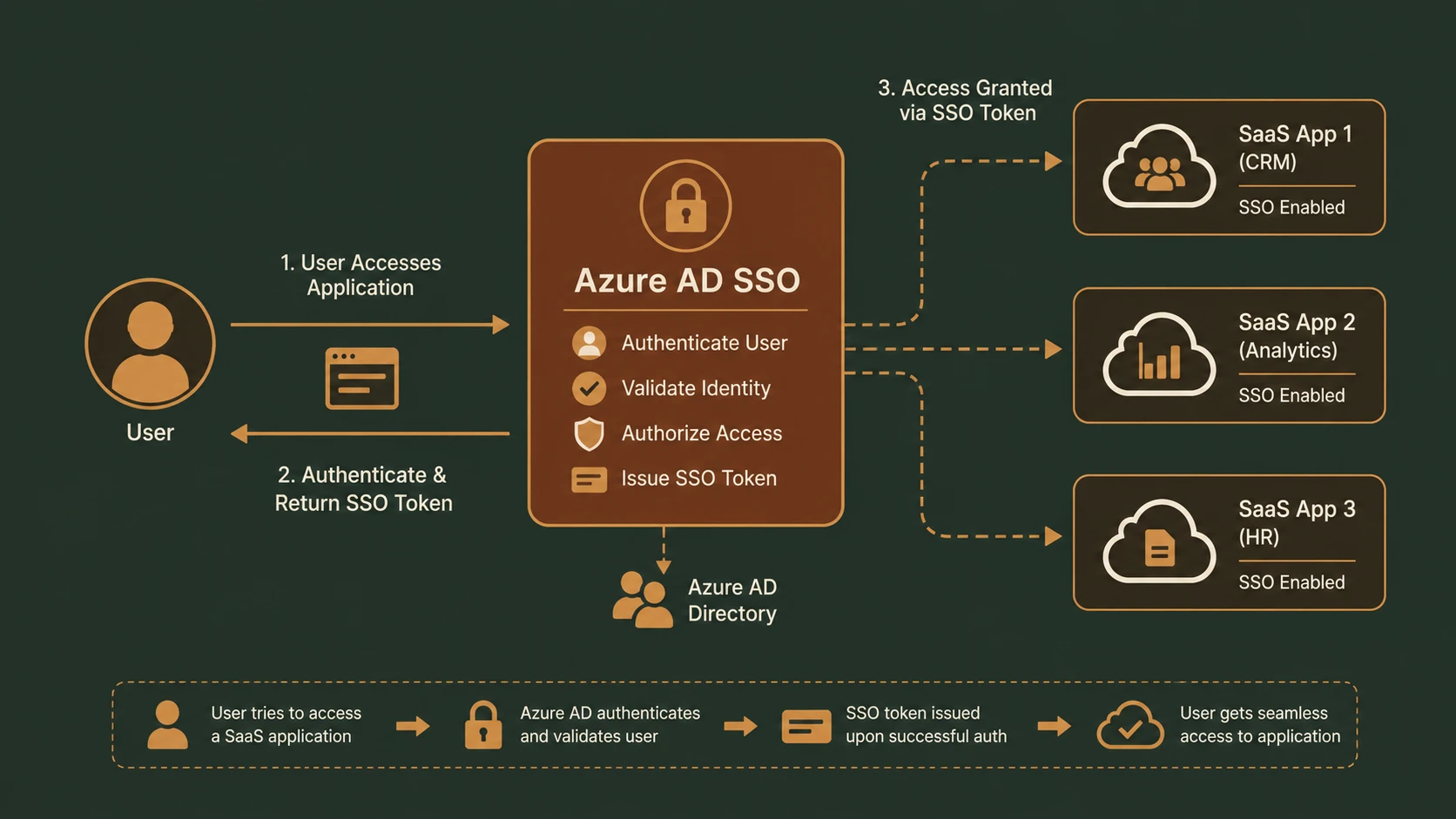
Windows Azure AD: Identity Management and Single Sign-On for Enterprise SaaS
Windows Azure Active Directory introduces Microsoft's cloud-based identity management service, enabling enterprises to extend on-premises Active Directory identities into cloud applications while simplifying authentication and single sign-on. This article examines Windows Azure AD from the perspective of February 2013, exploring its architecture, enterprise integration, security model, and its role in supporting the growing adoption of Software as a Service solutions.
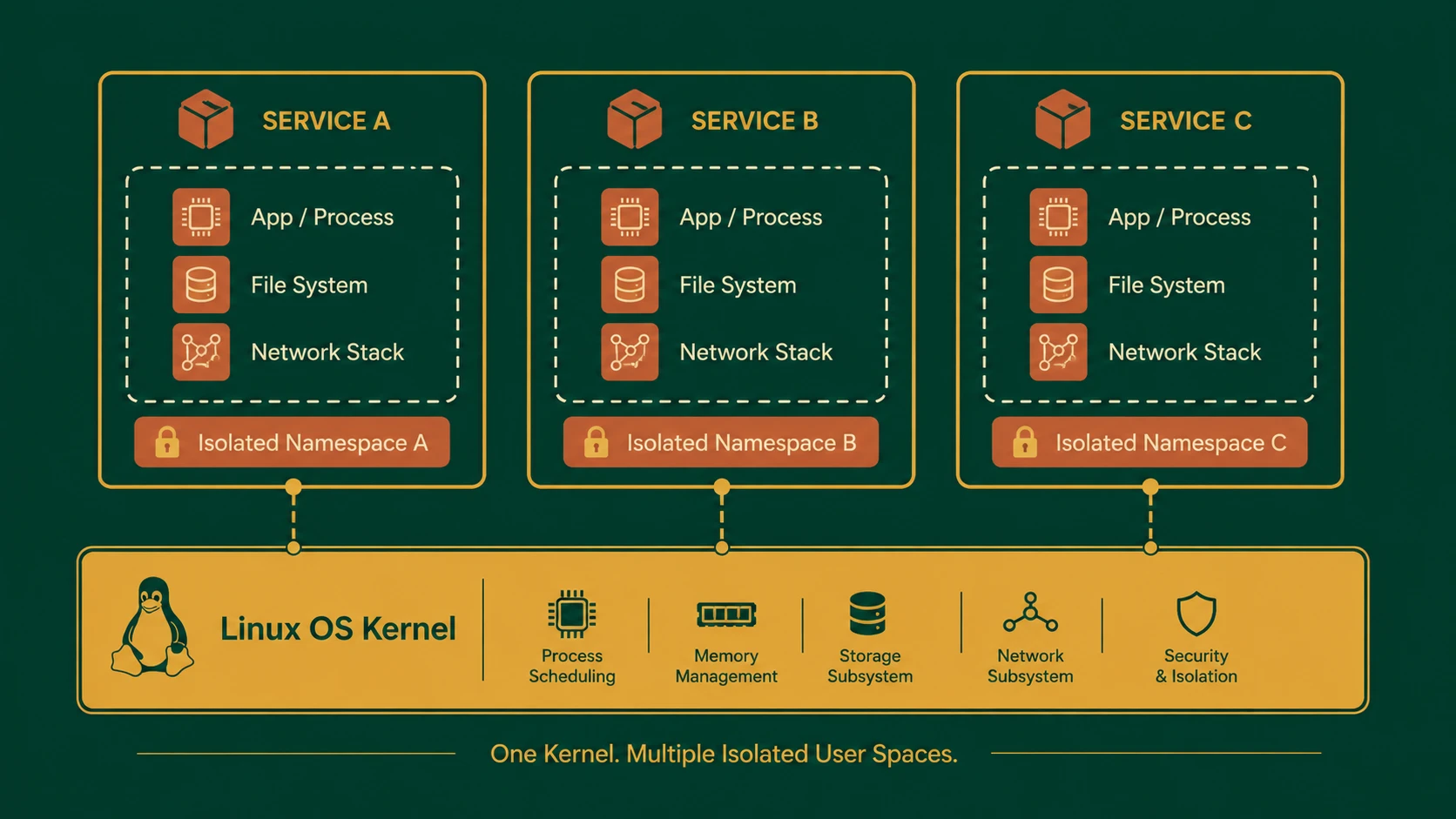
LXC Containers and the Early Seeds of dotCloud's Docker Project
Linux Containers (LXC) are gaining attention as an efficient operating-system-level virtualization technology, while dotCloud has begun work on a new container-based application packaging project. This article analyzes LXC architecture, enterprise use cases, operational benefits, and the early technical direction of dotCloud's emerging container initiative from the perspective of January 2013.
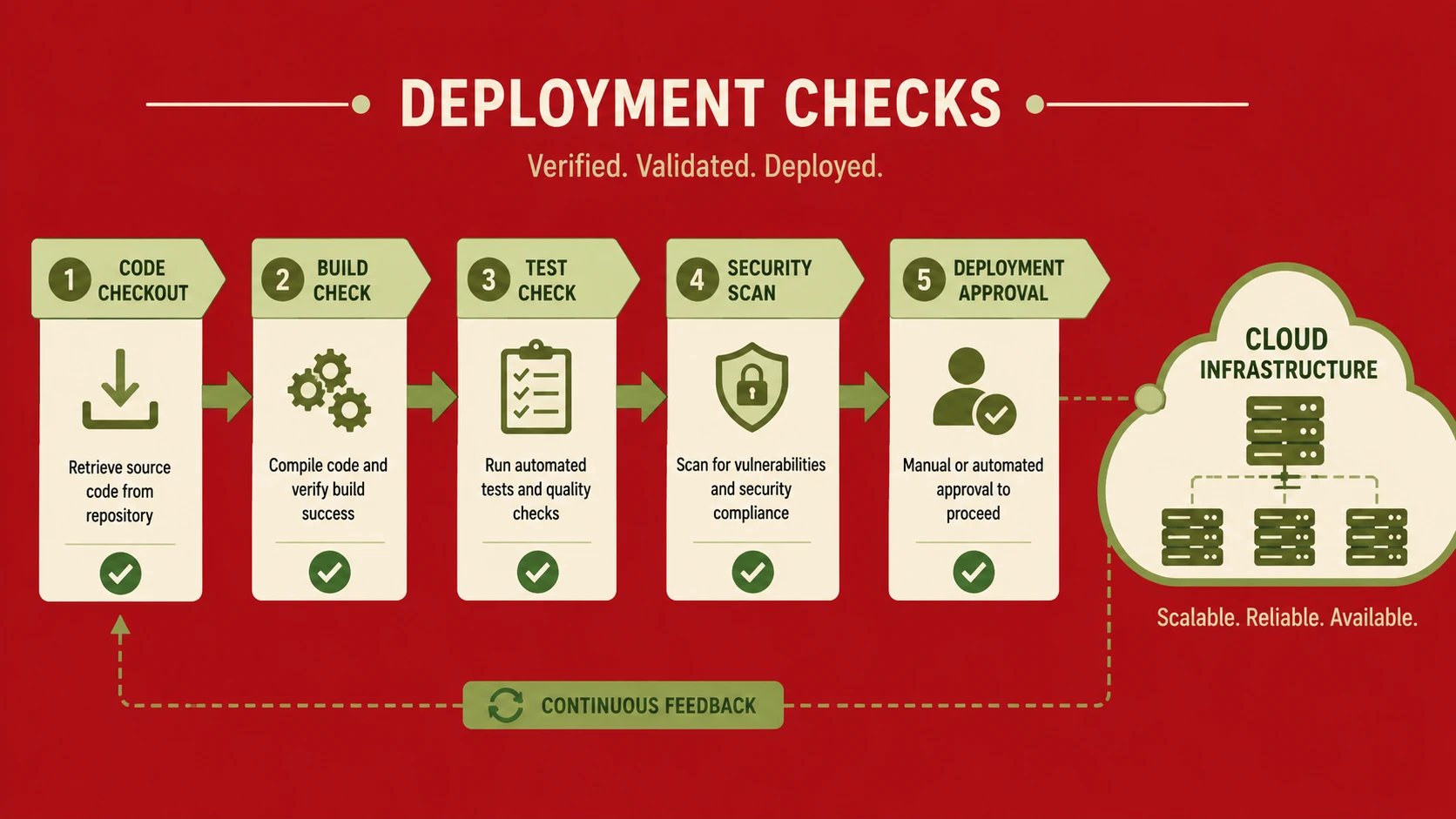
Continuous Delivery: Moving from Sprint Releases to Daily Deploys
Enterprise software organizations are increasingly seeking faster and more reliable release processes. Continuous Delivery has emerged as a disciplined engineering practice that automates software delivery while reducing deployment risk. This article examines Continuous Delivery from the perspective of November 2012, exploring its architecture, tooling, enterprise benefits, challenges, and adoption strategies.
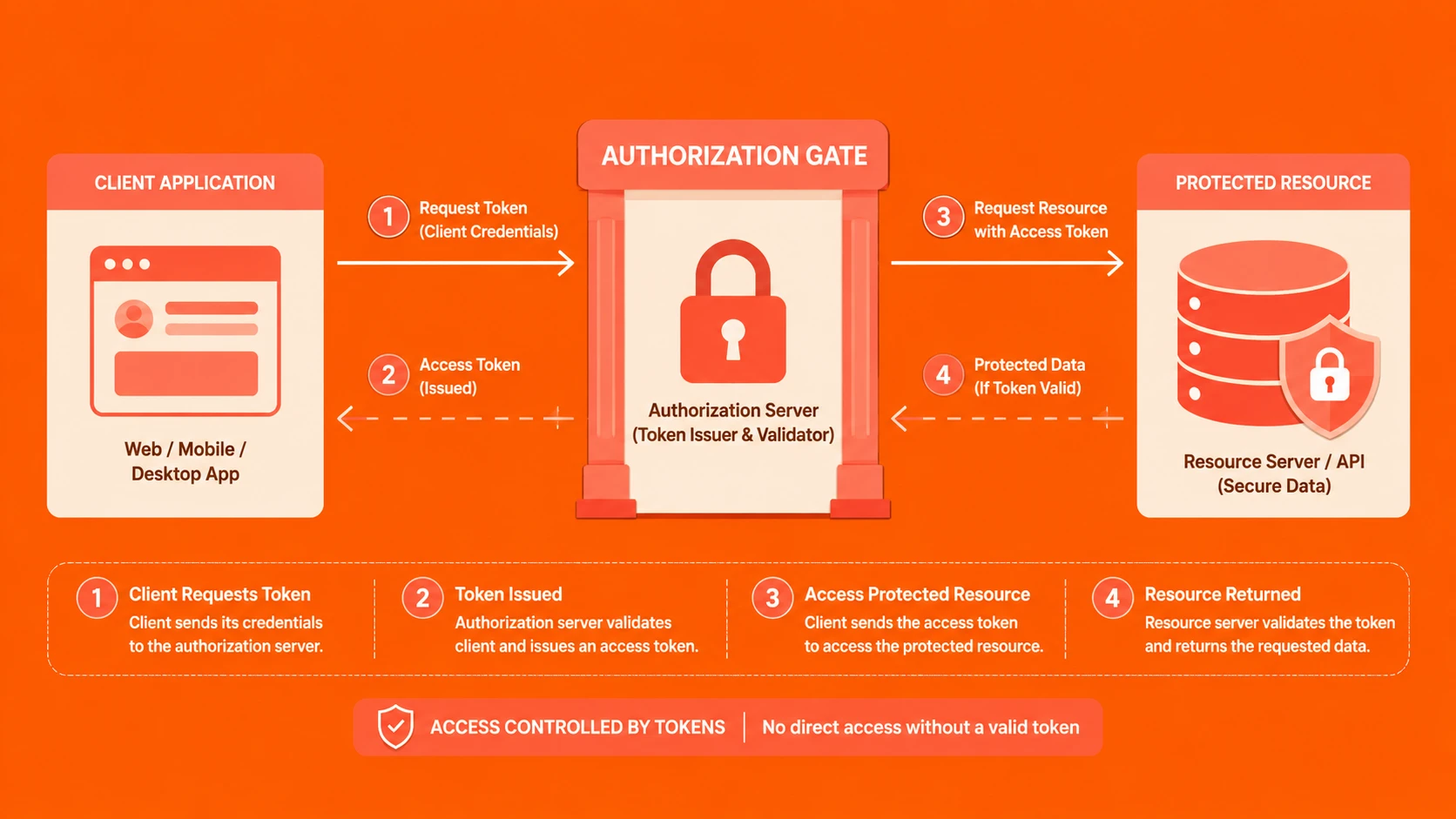
OAuth 2.0 RFC 6749: Standardizing Authorization for Web APIs
OAuth 2.0 has been standardized as RFC 6749, providing a flexible authorization framework for web applications, mobile clients, and APIs. This article examines its architecture, authorization flows, security model, enterprise adoption strategies, and implementation considerations from the perspective of October 2012.
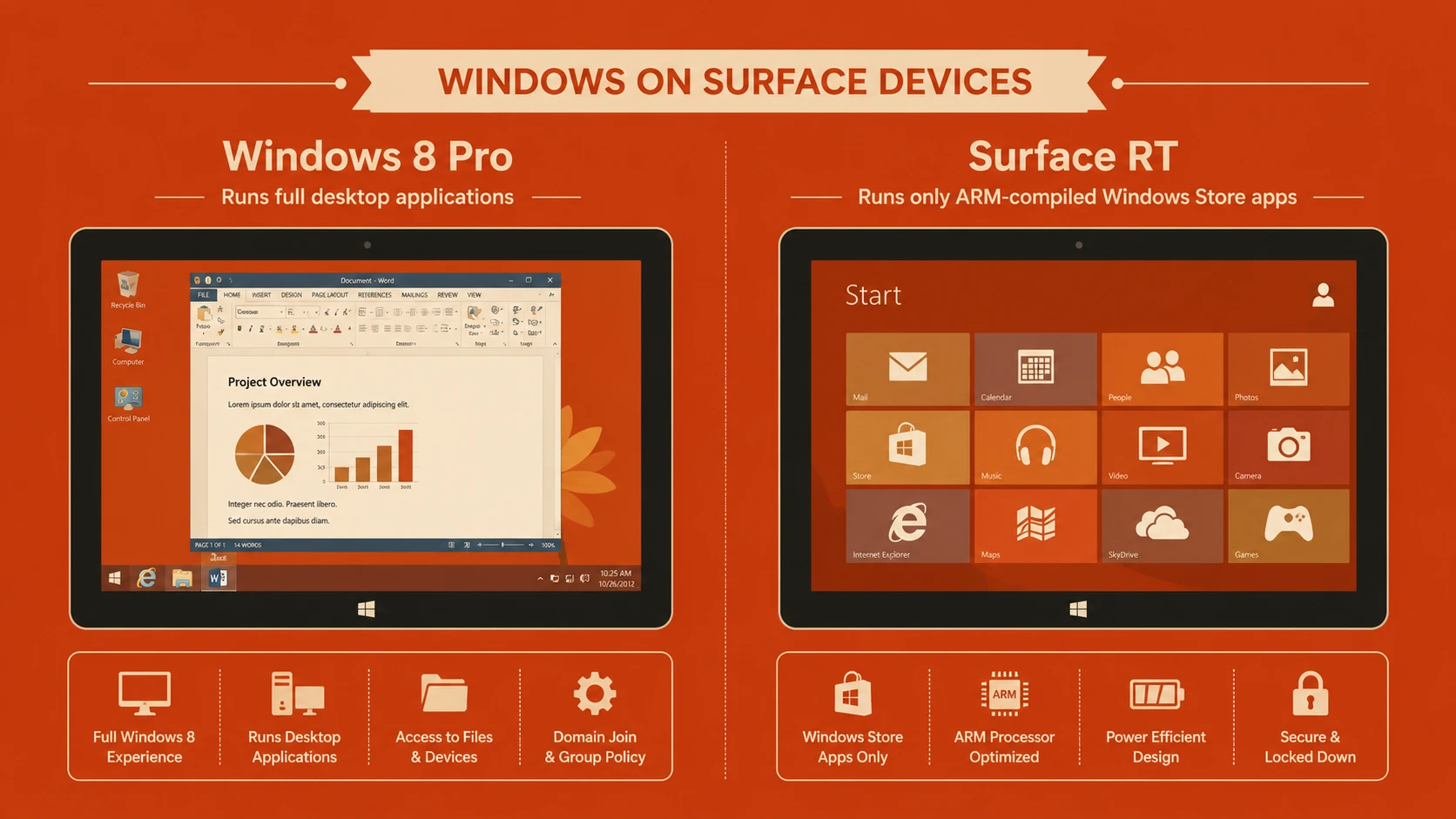
Windows 8 and Surface RT: Microsoft's Risky Dual-OS Launch
Microsoft has unveiled Windows 8 alongside its Surface tablet family, introducing a bold dual-operating-system strategy built around Windows 8 and Windows RT. Combining a touch-first interface, the new Metro design language, ARM processor support, and Microsoft's first self-designed hardware, this launch represents one of the company's most ambitious platform transitions. This article examines the architecture, enterprise implications, deployment considerations, and strategic risks of Microsoft's Windows 8 initiative from the perspective of August 2012.
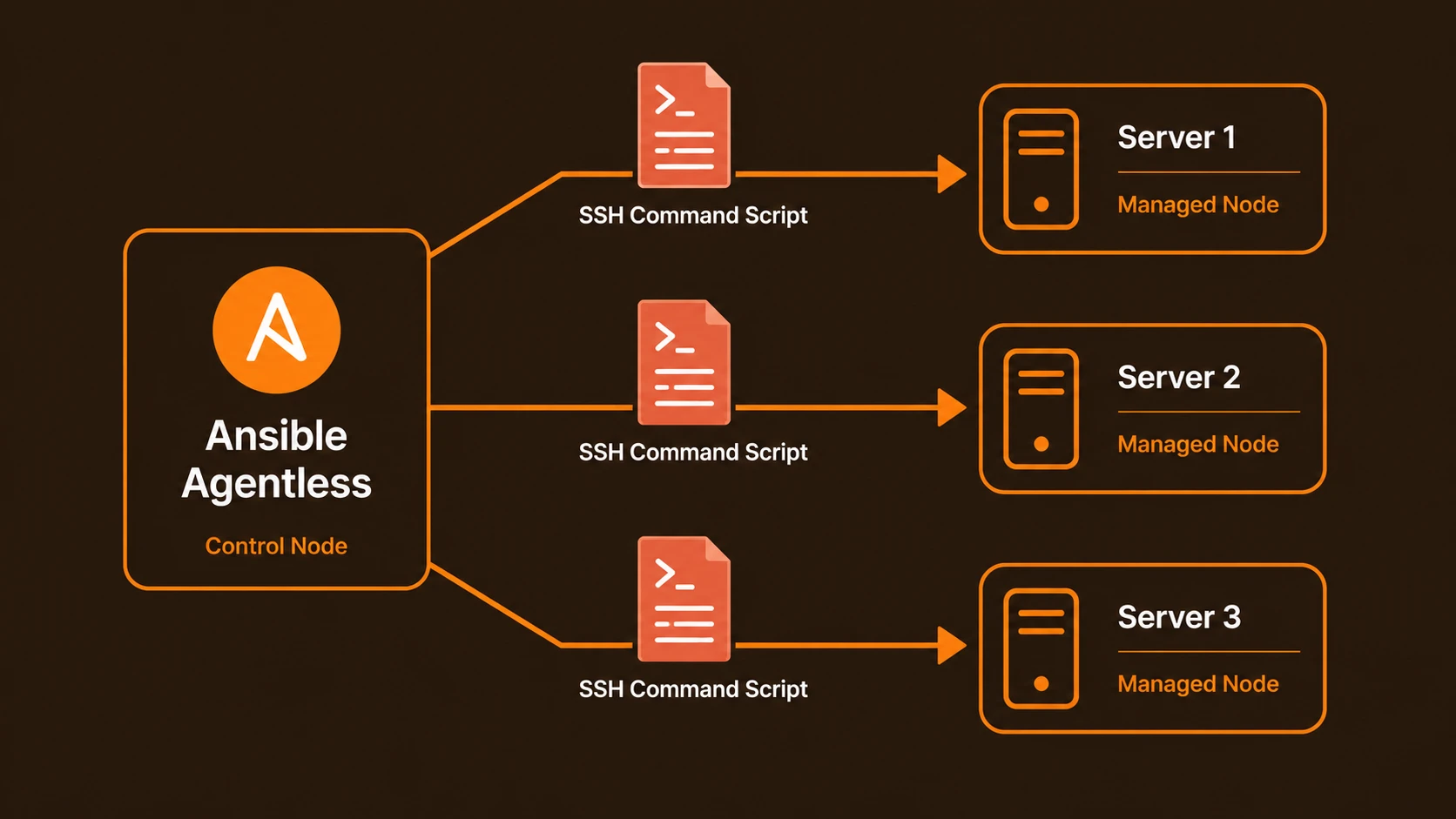
Infrastructure Automation: Ansible vs. Puppet and Chef in 2012
As enterprise IT environments continue growing in complexity, infrastructure automation has become a strategic priority. This article compares Ansible, Puppet, and Chef from the perspective of June 2012, examining their architectures, deployment models, scalability, operational characteristics, and suitability for enterprise infrastructure management.
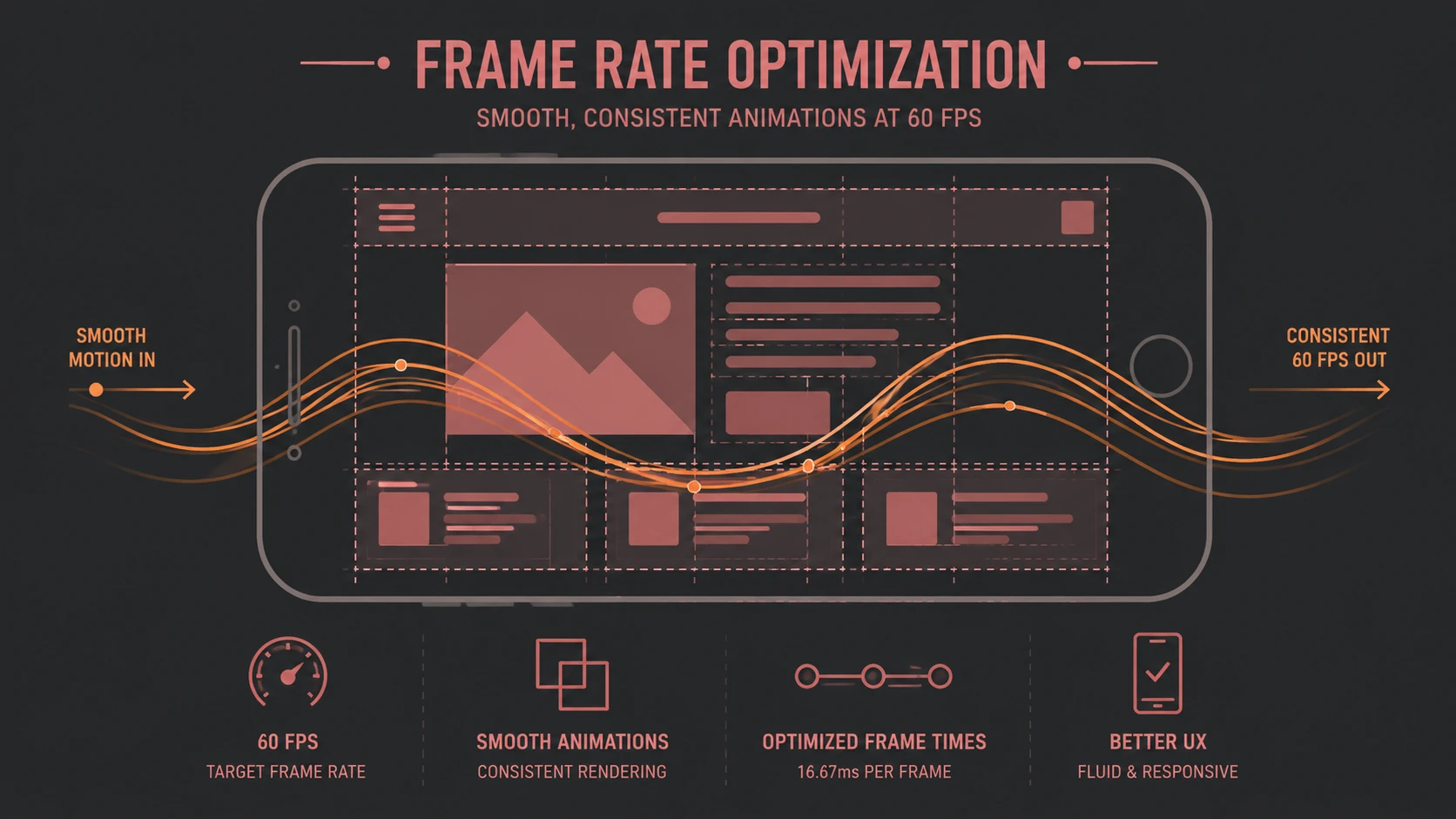
Android 4.1 Jelly Bean: Project Butter and Butter-Smooth UI
Android 4.1 Jelly Bean introduces Project Butter, Google's comprehensive initiative to improve interface responsiveness, animation smoothness, and touch performance across Android devices. Beyond visual improvements, Jelly Bean delivers architectural enhancements that strengthen Android as an enterprise-ready mobile platform. This article examines Project Butter, the underlying engineering changes, enterprise implications, performance characteristics, and deployment considerations from the perspective of May 2012.
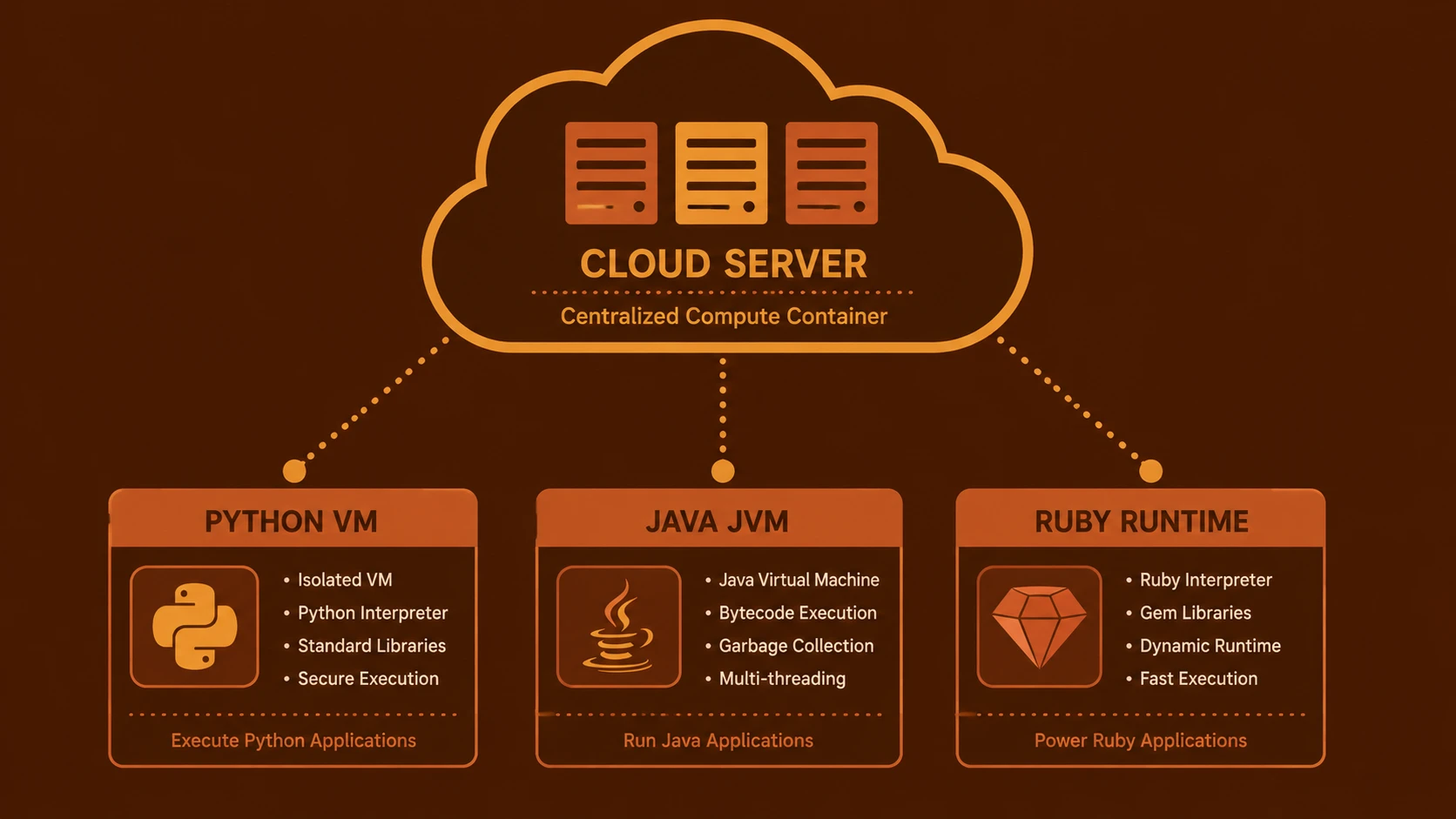
Polyglot Cloud: Heroku's Expansion into Python and Java Support
Heroku has expanded beyond its Ruby roots by introducing first-class support for Python and Java applications, positioning itself as a broader Platform-as-a-Service provider. This article analyzes the architectural implications, enterprise adoption strategies, deployment model, scalability considerations, and business impact from the perspective of May 2012.