Cloud Computing
Viewing all posts categorized under Cloud Computing.


App Store Valuations: Analyzing the $1B Instagram Acquisition
Facebook has announced its intention to acquire Instagram for approximately $1 billion, marking one of the largest acquisitions in the short history of the mobile application industry. This article examines the business rationale, valuation metrics, mobile ecosystem implications, and enterprise lessons from the perspective of March 2012.
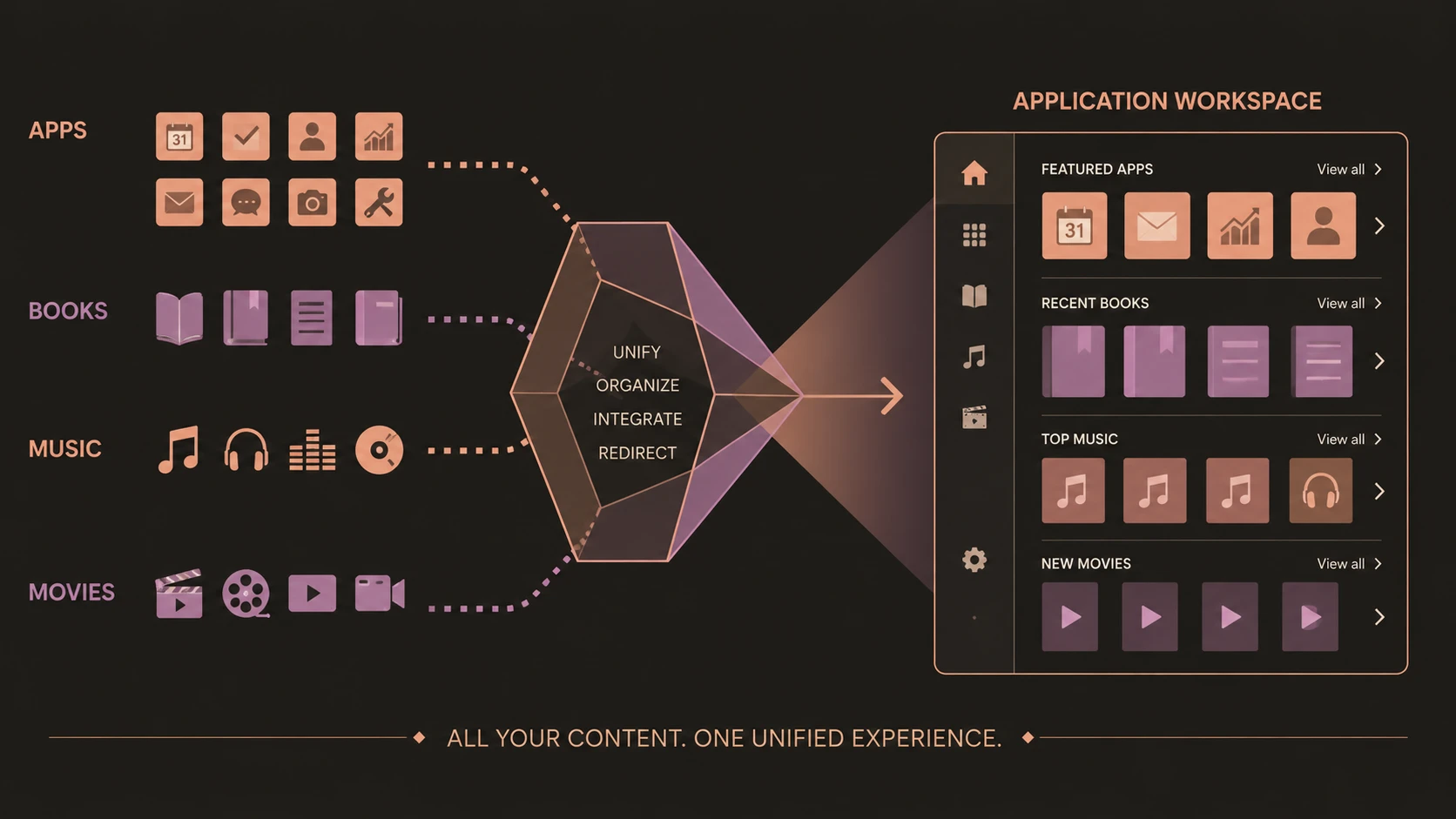
Google Play: Merging Android Market into a Unified Content Hub
Google has introduced Google Play, consolidating Android Market, Google Music, Google eBooks, and movie services into a single digital distribution platform. This article examines the architecture, enterprise impact, application distribution model, and opportunities created by Google's unified ecosystem from the perspective of March 2012.
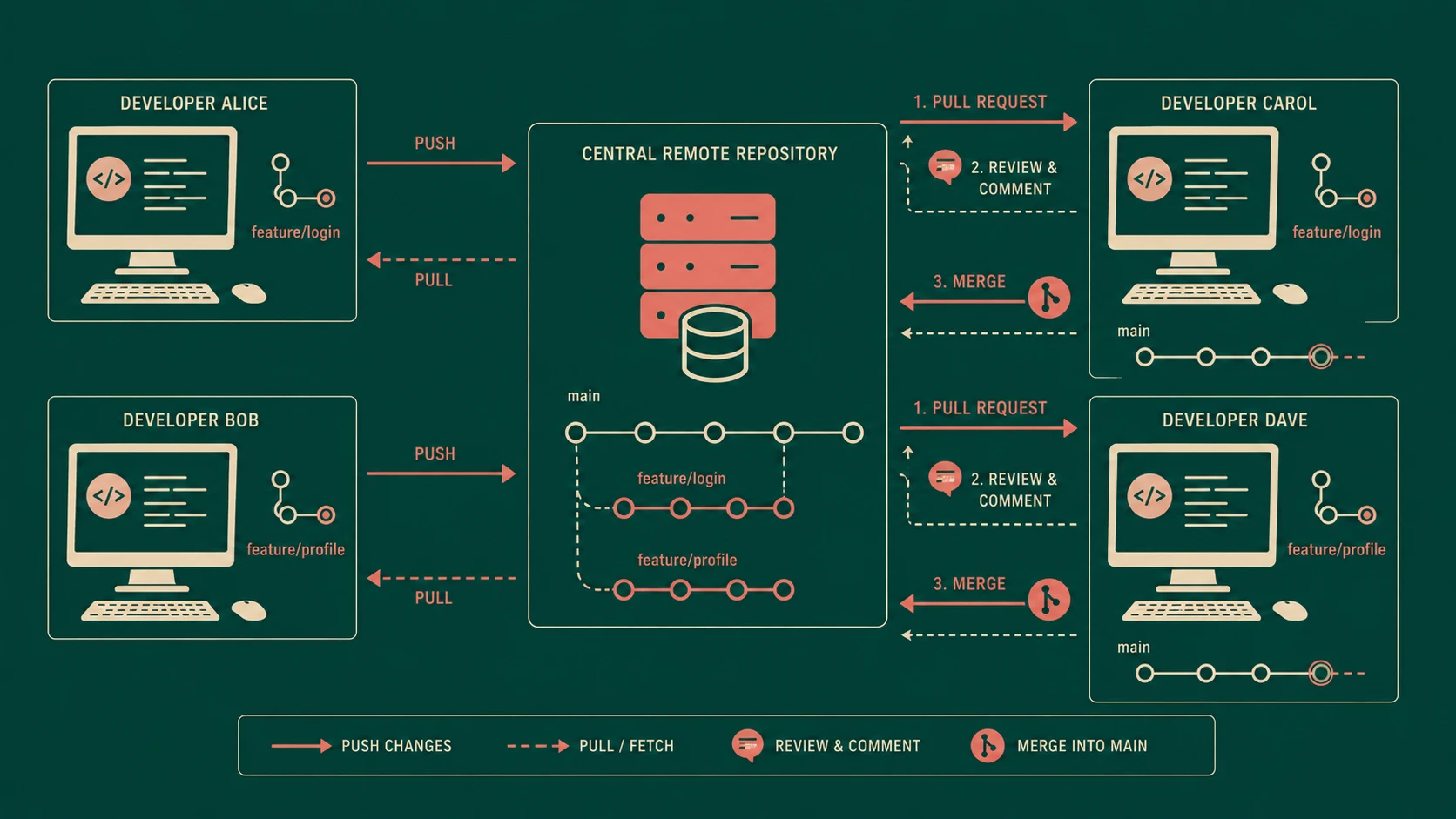
Social Coding: How GitHub is Redefining Team Collaboration
GitHub has rapidly emerged as more than a Git hosting platform. This article explores how social coding, pull requests, forks, issue tracking, and collaborative development practices are influencing enterprise software engineering as of early 2012.
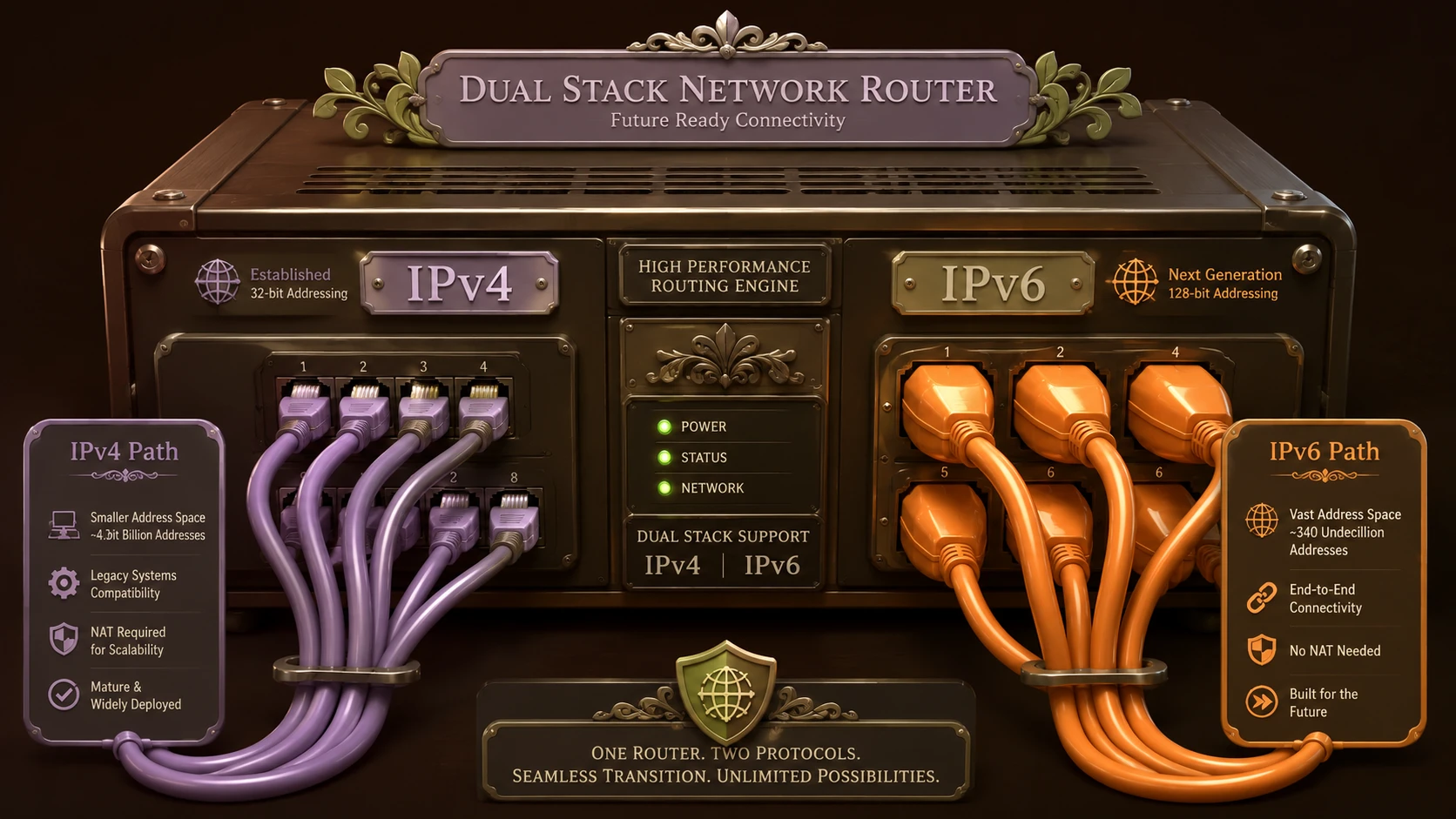
IPv6 World Launch: Preparing Enterprise Infrastructure for the Switch
On June 6, 2012, the World IPv6 Launch marks an important milestone in the Internet's evolution as major content providers, ISPs, and networking companies permanently enable IPv6 services. This article examines what the launch means for enterprise IT teams and outlines practical strategies for planning IPv6 adoption.
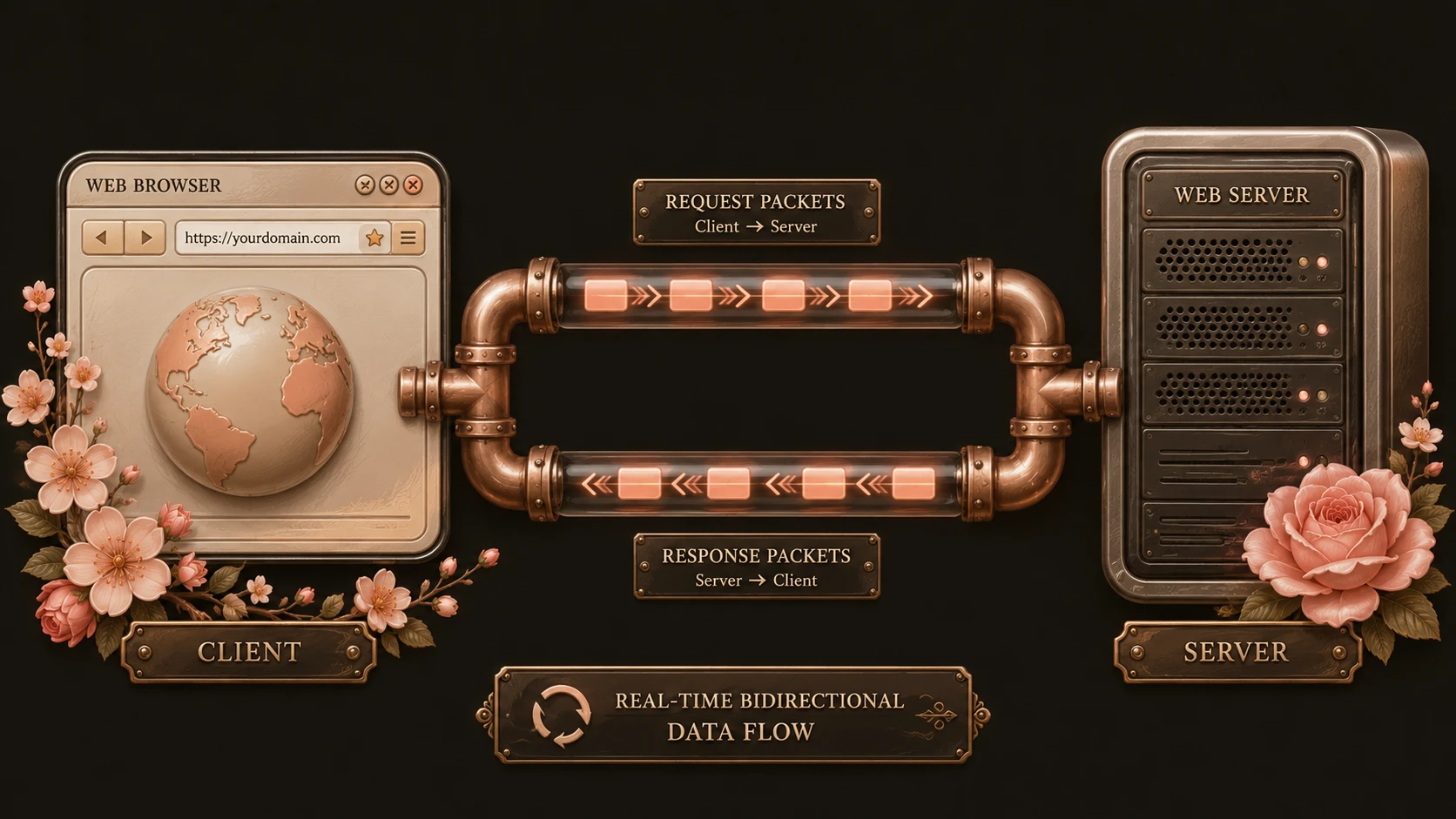
WebSockets RFC 6455: Finalizing the Standard for Real-Time Web
With RFC 6455 officially published as the WebSocket Protocol, the web platform gains a standardized mechanism for persistent, bidirectional communication between browsers and servers. This milestone opens new possibilities for enterprise collaboration, real-time dashboards, financial systems, and interactive web applications.

Siri and the Mobile Future: The Emergence of Voice User Interfaces
With the introduction of Siri alongside the iPhone 4S, voice interaction has entered mainstream mobile computing. While voice recognition has existed for years, Siri introduces a conversational approach that could significantly influence mobile application design, enterprise productivity, and the future of natural user interfaces.

SaaS vs. On-Premise: Key Lessons from the Launch of Office 365
Microsoft's launch of Office 365 marks a significant milestone in enterprise cloud computing. Combining Exchange Online, SharePoint Online, Lync Online, and Office productivity tools, Office 365 introduces a compelling Software-as-a-Service model for organizations evaluating the transition from traditional on-premise infrastructure. This article examines the architectural implications, benefits, challenges, and adoption strategies from the perspective of June 2011.

The Chromebook Era: Can the Browser Become the Operating System?
Google's introduction of Chromebooks represents a bold rethinking of personal computing, placing the web browser at the center of the user experience. As enterprises increasingly adopt cloud applications and web services, organizations must evaluate whether browser-centric computing can become a practical alternative to traditional desktop operating systems.
Android Ice Cream Sandwich: Unifying Phone and Tablet SDKs
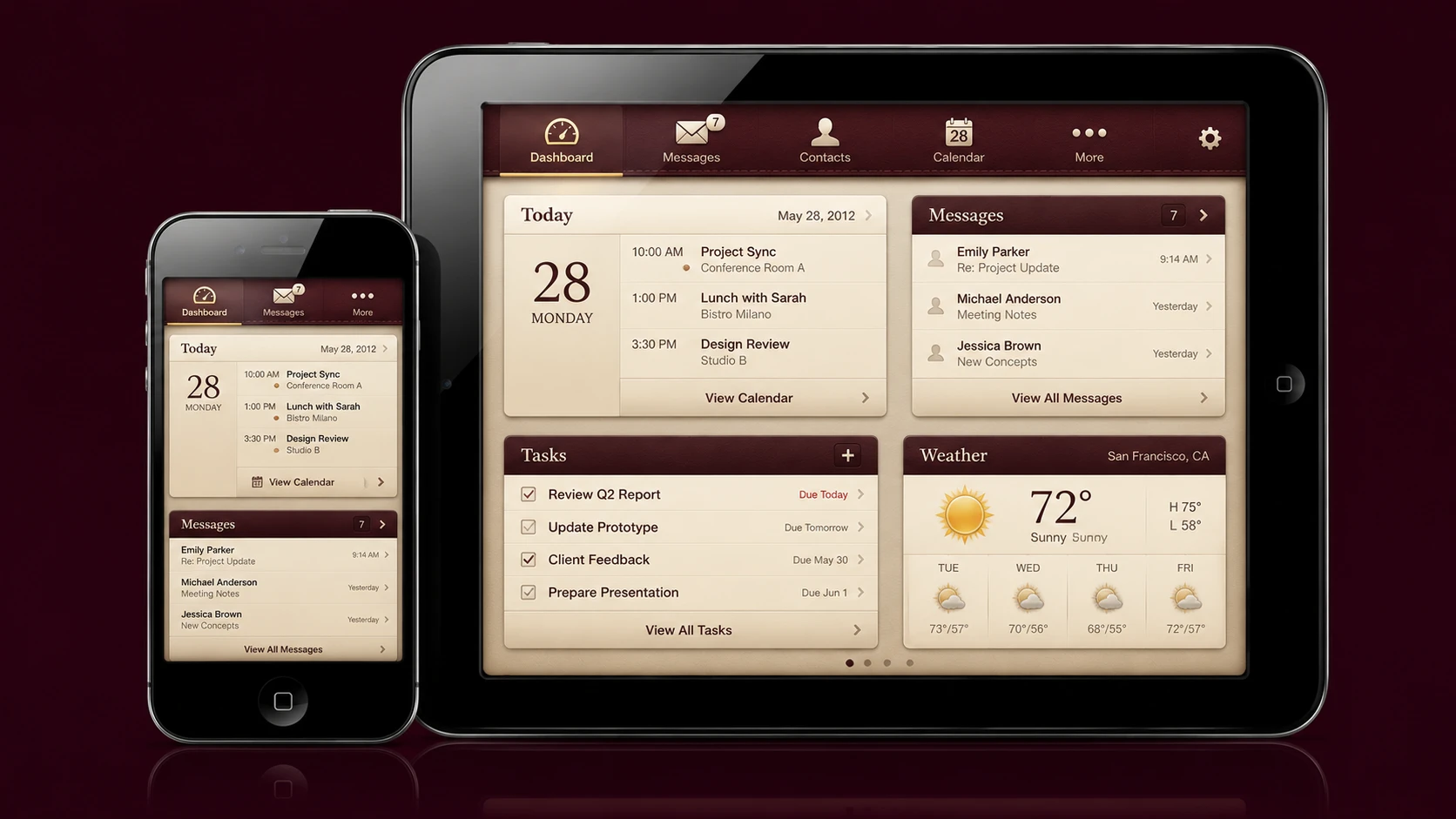
Announced at Google I/O 2011, Android Ice Cream Sandwich represents Google's strategy to unify smartphone and tablet development under a single platform. This article explores the architectural implications, developer opportunities, and enterprise considerations from the perspective of May 2011.

High Availability Lessons: Analyzing the 2011 AWS US-East Outage
The April 2011 AWS US-East outage has become one of the most significant cloud infrastructure events of the year. This article analyzes what happened based on information available following the incident, discusses the architectural implications for enterprise workloads, and outlines practical high availability strategies for organizations adopting cloud computing.

Entity Framework 4.1: Code-First Development and DbContext API
Entity Framework 4.1 introduces one of the most anticipated enhancements to Microsoft's data access platform: Code-First development and the simplified DbContext API. These features enable developers to build domain models before databases while reducing complexity and improving productivity. This article examines the architecture, benefits, limitations, and enterprise adoption considerations from the perspective of March 2011.
Salesforce Acquires Heroku: What this Means for the Future of PaaS
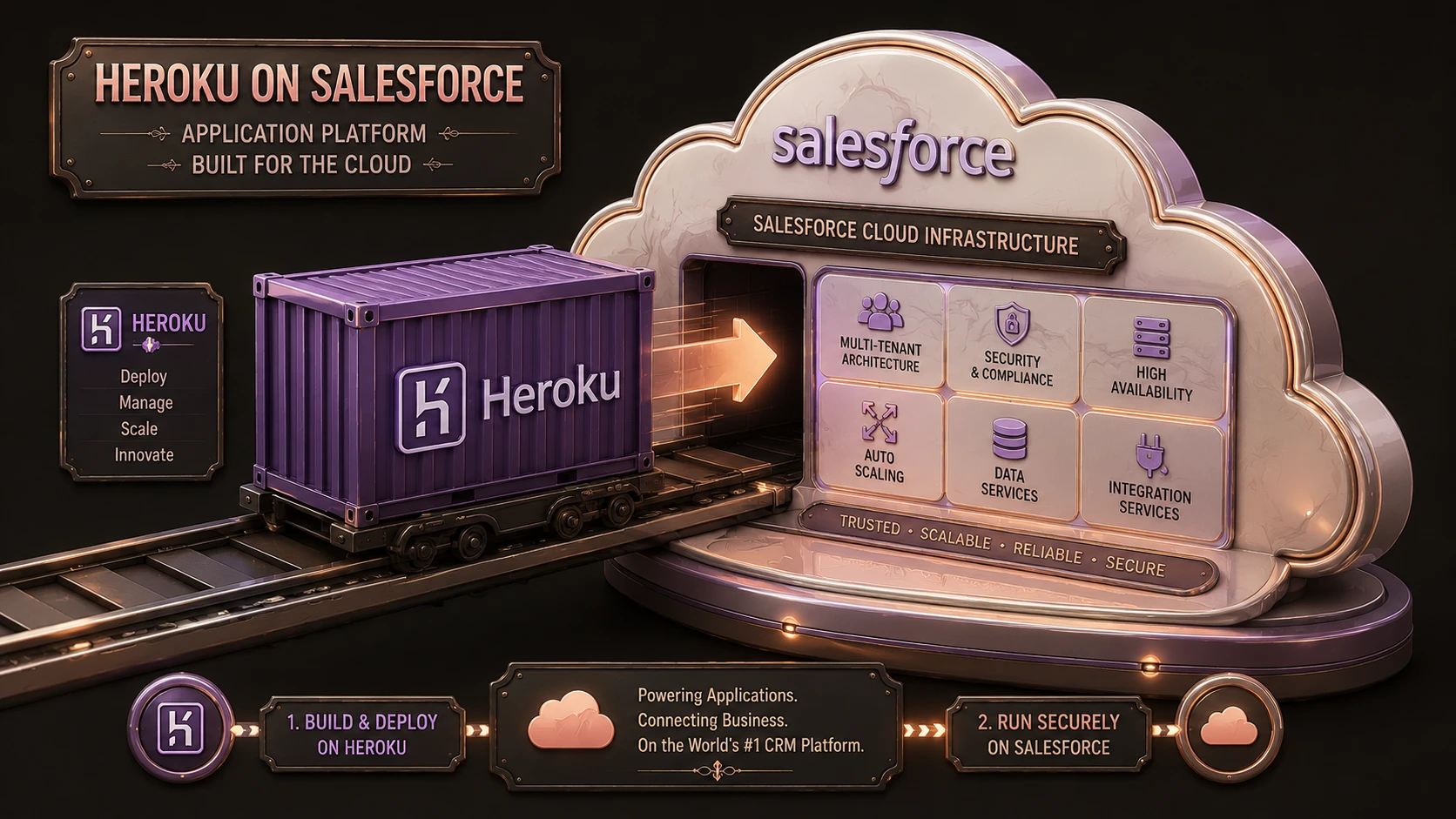
Salesforce's acquisition of Heroku marks one of the most significant cloud platform announcements of 2010. The deal highlights growing enterprise interest in Platform as a Service (PaaS), modern application deployment, and cloud-native development. This article examines the acquisition from the perspective of December 2010 and explores its potential implications for enterprise architects, developers, and CIOs.

The Future of Mobile: Understanding the Rise of Android 2.3 Gingerbread
Android has quickly emerged as one of the most influential mobile operating systems in the industry. As anticipation builds around Android 2.3, code-named Gingerbread, enterprise architects and mobile developers are evaluating how the platform's continued evolution could reshape business mobility, application development, and enterprise device strategies.

jQuery Mobile and the Mobile Web: Building Cross-Platform Touch UIs
The rapid growth of smartphones is forcing enterprises to rethink how they deliver applications to employees and customers. jQuery Mobile introduces a framework focused on creating touch-friendly, cross-platform web interfaces using HTML5, CSS3, and JavaScript. This article examines its architecture, capabilities, limitations, and enterprise adoption considerations from the perspective of October 2010.
Entity Framework 4.0: Resolving the Object-Relational Impedance Mismatch
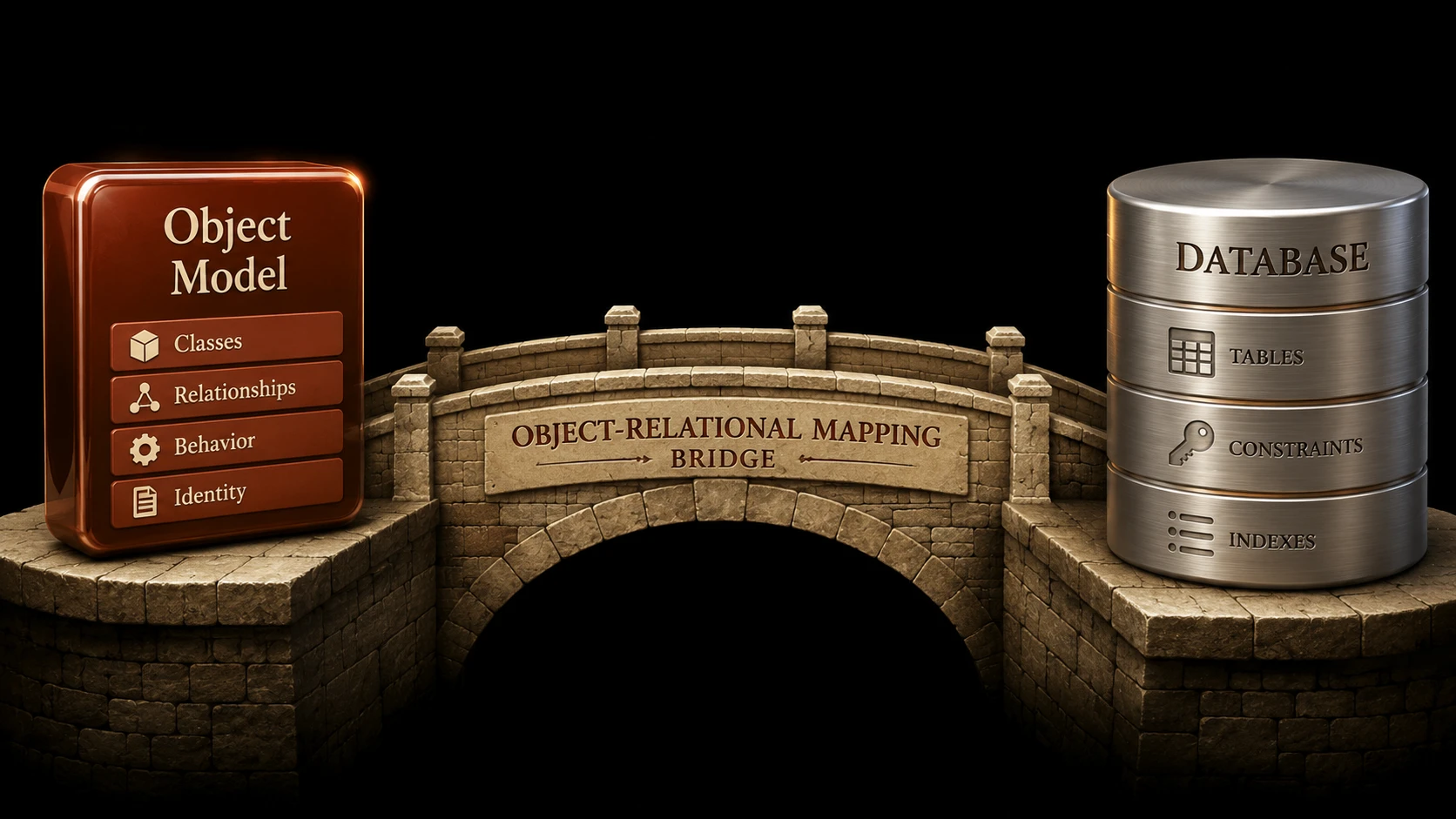
Entity Framework 4.0 represents a significant step forward for Microsoft's Object-Relational Mapping platform. With improved POCO support, better testability, foreign key associations, and cleaner persistence capabilities, enterprise developers can build maintainable and scalable data access layers while reducing the complexity of bridging object-oriented applications with relational databases.