Cloud Computing
Viewing all posts categorized under Cloud Computing.

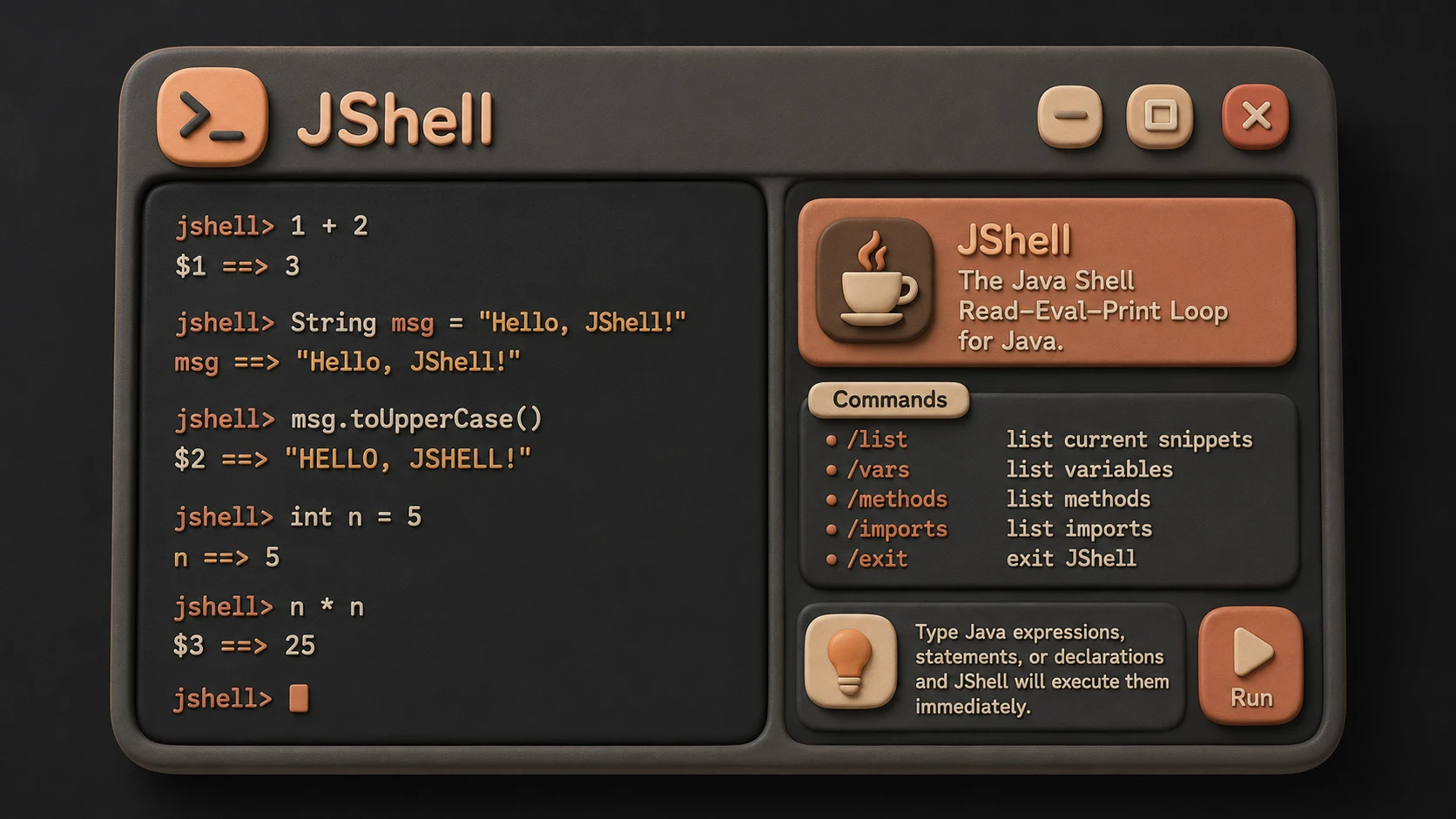
Java 9 Final Release: The Module System, JShell REPL, and G1 Garbage Collector
Java 9 marks one of the most significant platform releases since Java 8, introducing the Java Platform Module System, the JShell REPL, improvements to the G1 Garbage Collector, and numerous enhancements aimed at improving modularity, maintainability, and developer productivity. This article examines these capabilities from the perspective of September 2017.
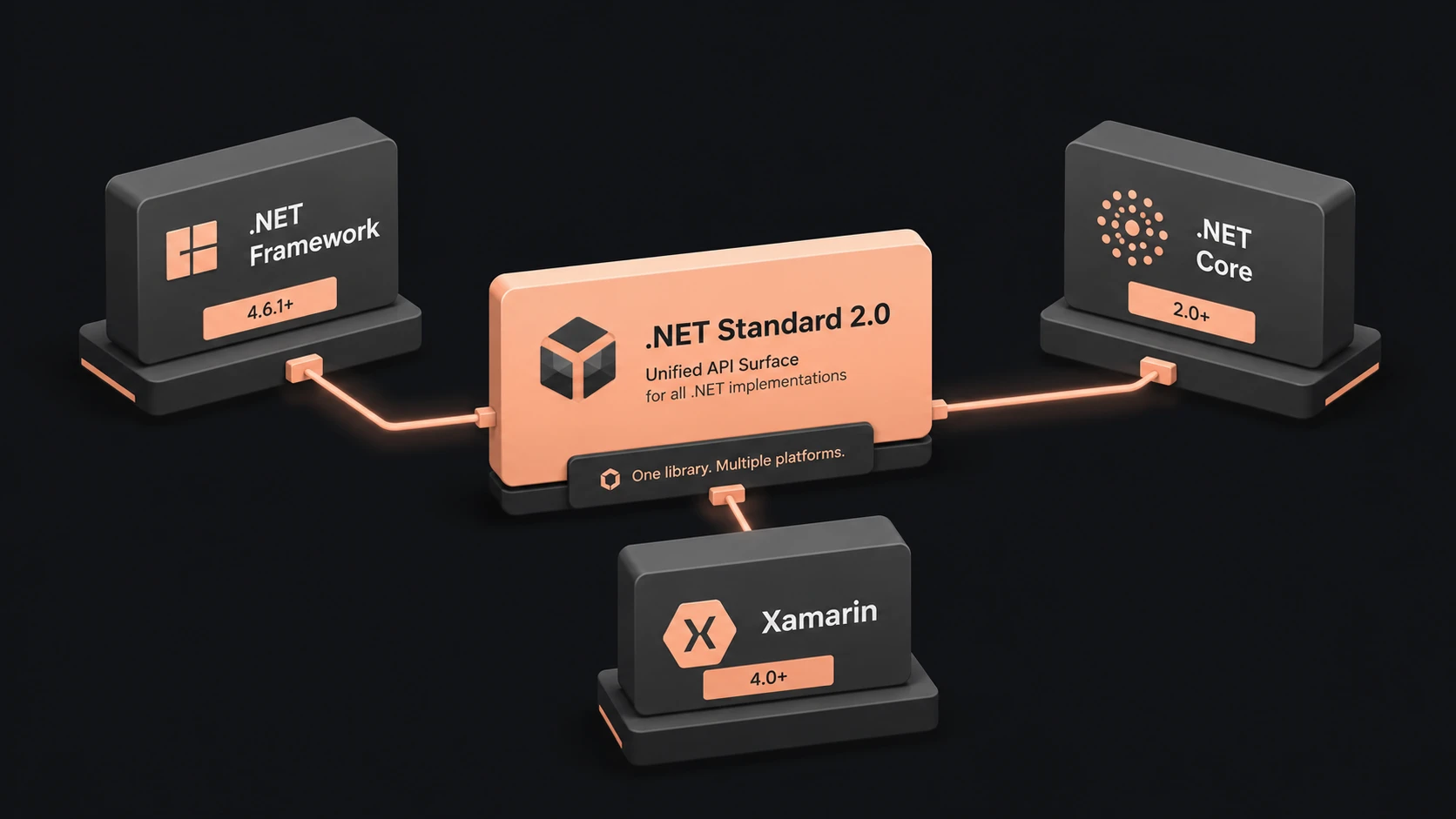
.NET Core 2.0 and .NET Standard 2.0: Unifying APIs across Cross-Platform Runtimes
.NET Core 2.0 and .NET Standard 2.0 represent a major milestone in Microsoft's cross-platform strategy by significantly expanding API compatibility, improving portability, and simplifying code sharing across .NET implementations. This article examines the release from the perspective of August 2017, exploring the architecture, enterprise implications, runtime improvements, and adoption strategies for modern software development.
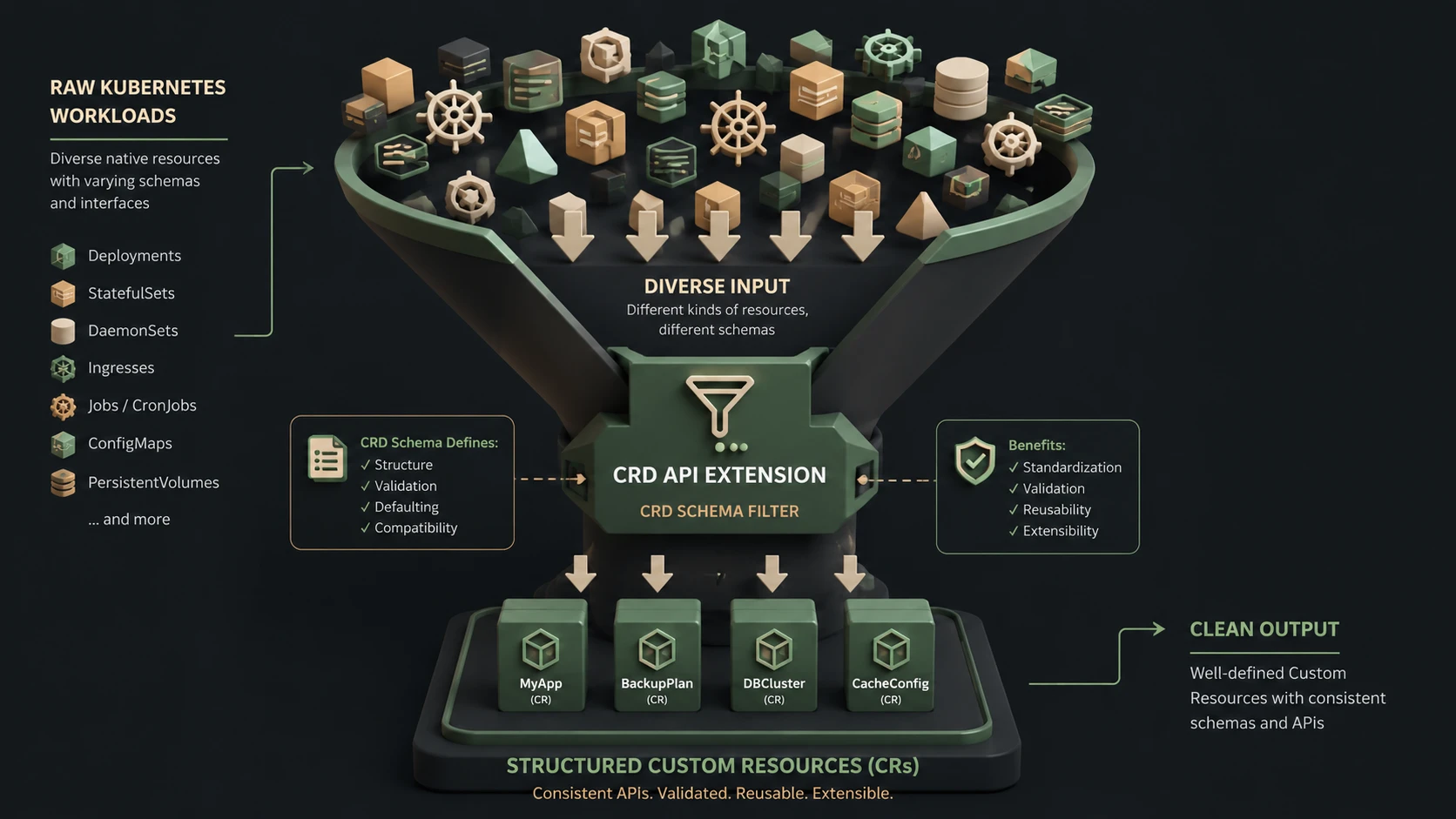
Kubernetes 1.7: Custom Resource Definitions (CRDs) and Operator Architectures
Kubernetes 1.7 introduces Custom Resource Definitions (CRDs) in beta, providing a significantly simpler mechanism for extending the Kubernetes API without writing custom API servers. Combined with the growing Operator pattern pioneered by CoreOS, CRDs enable enterprise teams to model complex distributed applications as first-class Kubernetes resources. This article examines Kubernetes 1.7 from the perspective of July 2017.
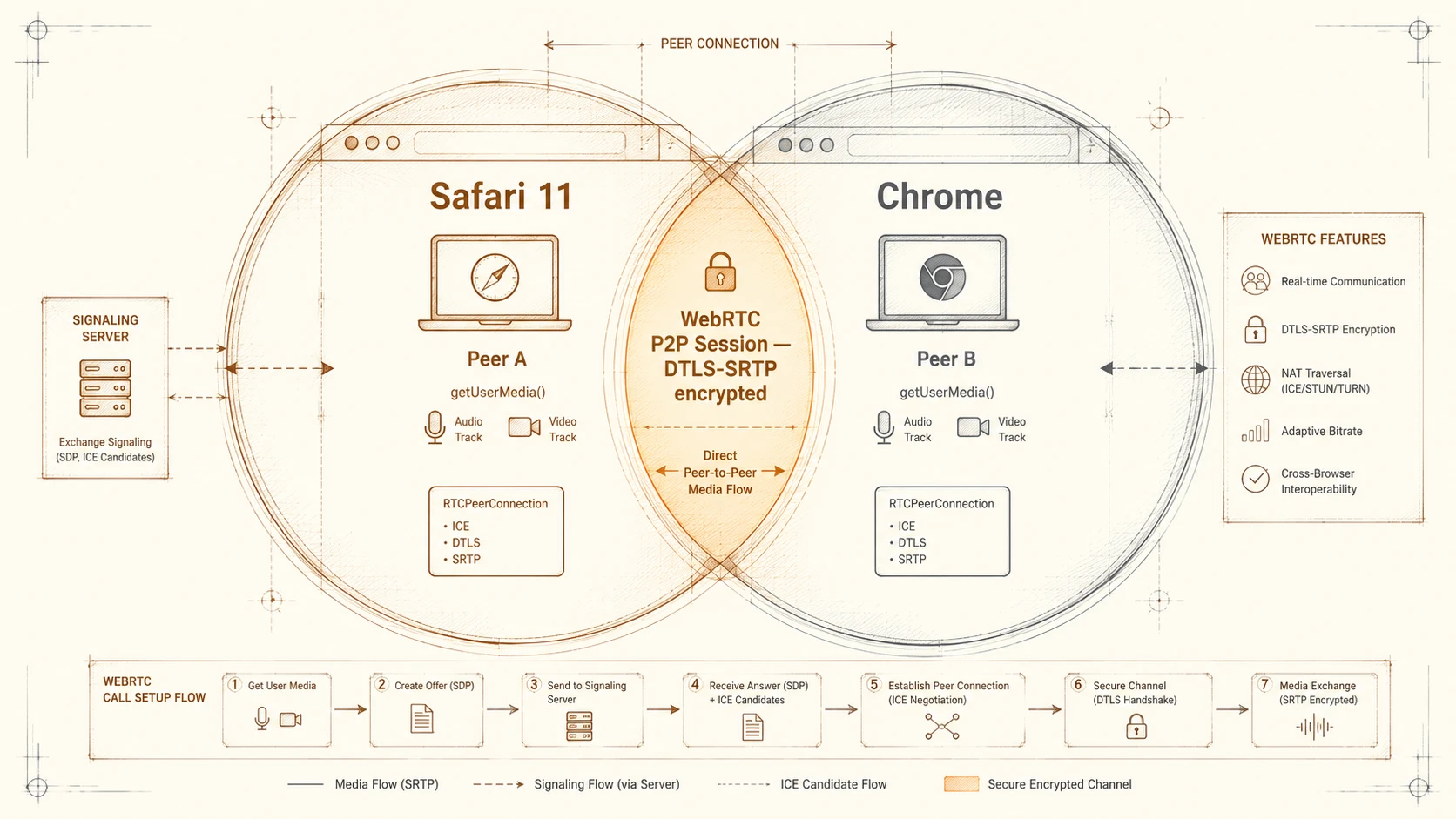
WebRTC Native Support in Safari 11: Real-Time Browser Communication is Complete
With Safari 11 introducing native WebRTC support, all major browser engines now provide a standardized foundation for real-time audio, video, and peer-to-peer data communication. This milestone significantly expands deployment opportunities for enterprise collaboration platforms, telemedicine, customer support, and browser-based conferencing solutions. This article examines the announcement from the perspective of June 2017.
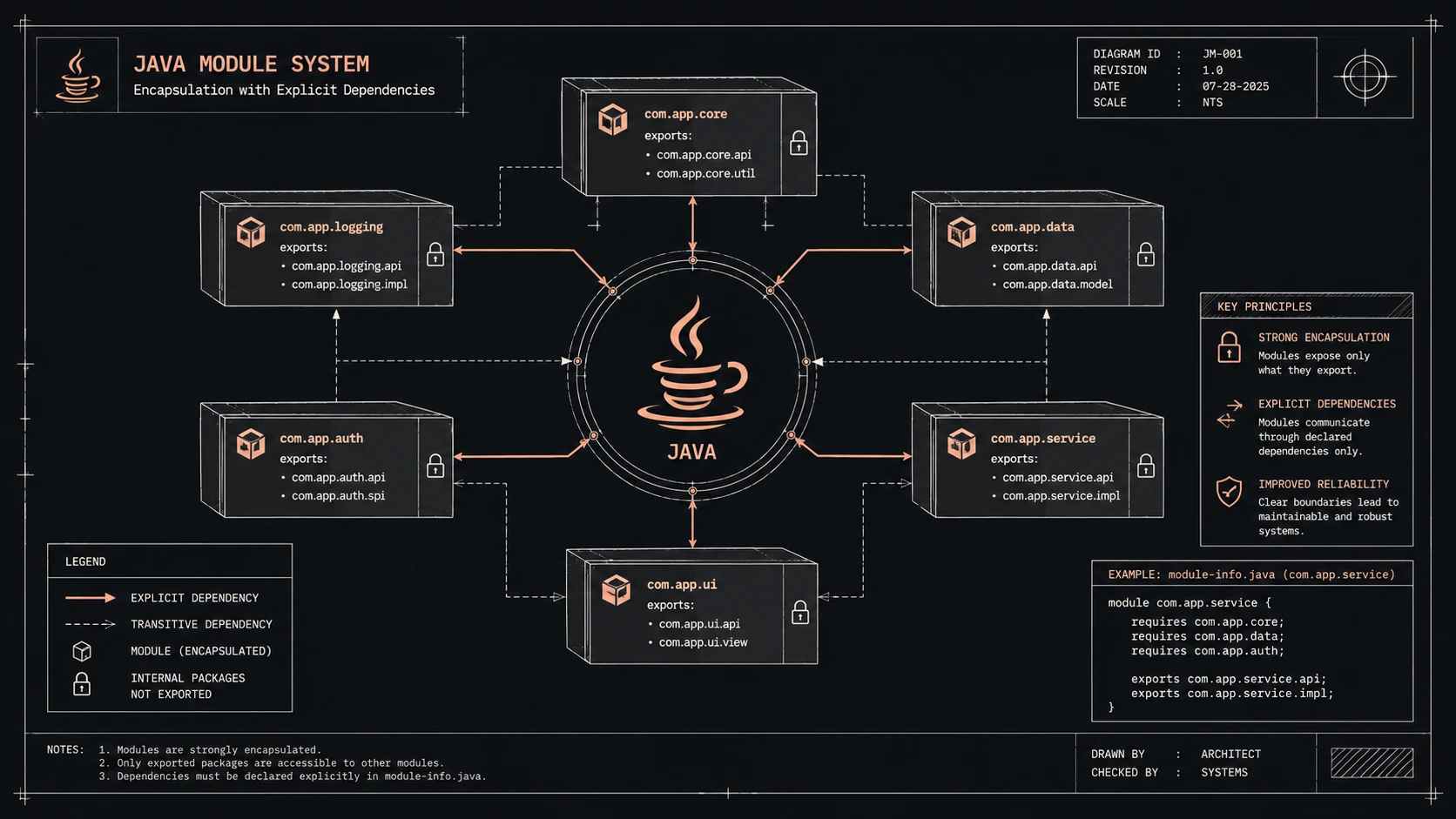
Java 9 Module System: Modularity and Encapsulation with Project Jigsaw Previews
Project Jigsaw previews introduce the Java Platform Module System (JPMS), bringing strong encapsulation, explicit module dependencies, and improved application modularity to the Java ecosystem. This article explores the architecture, module descriptors, dependency resolution, enterprise migration strategies, and adoption considerations from the perspective of March 2017.

Web Bluetooth API: Interfacing Browser Client JS with Physical IoT Devices
The Web Bluetooth API introduces a standardized mechanism for JavaScript applications to communicate directly with nearby Bluetooth Low Energy devices. This article examines the API architecture, security model, browser capabilities, enterprise use cases, performance considerations, and adoption strategy from the perspective of February 2017.
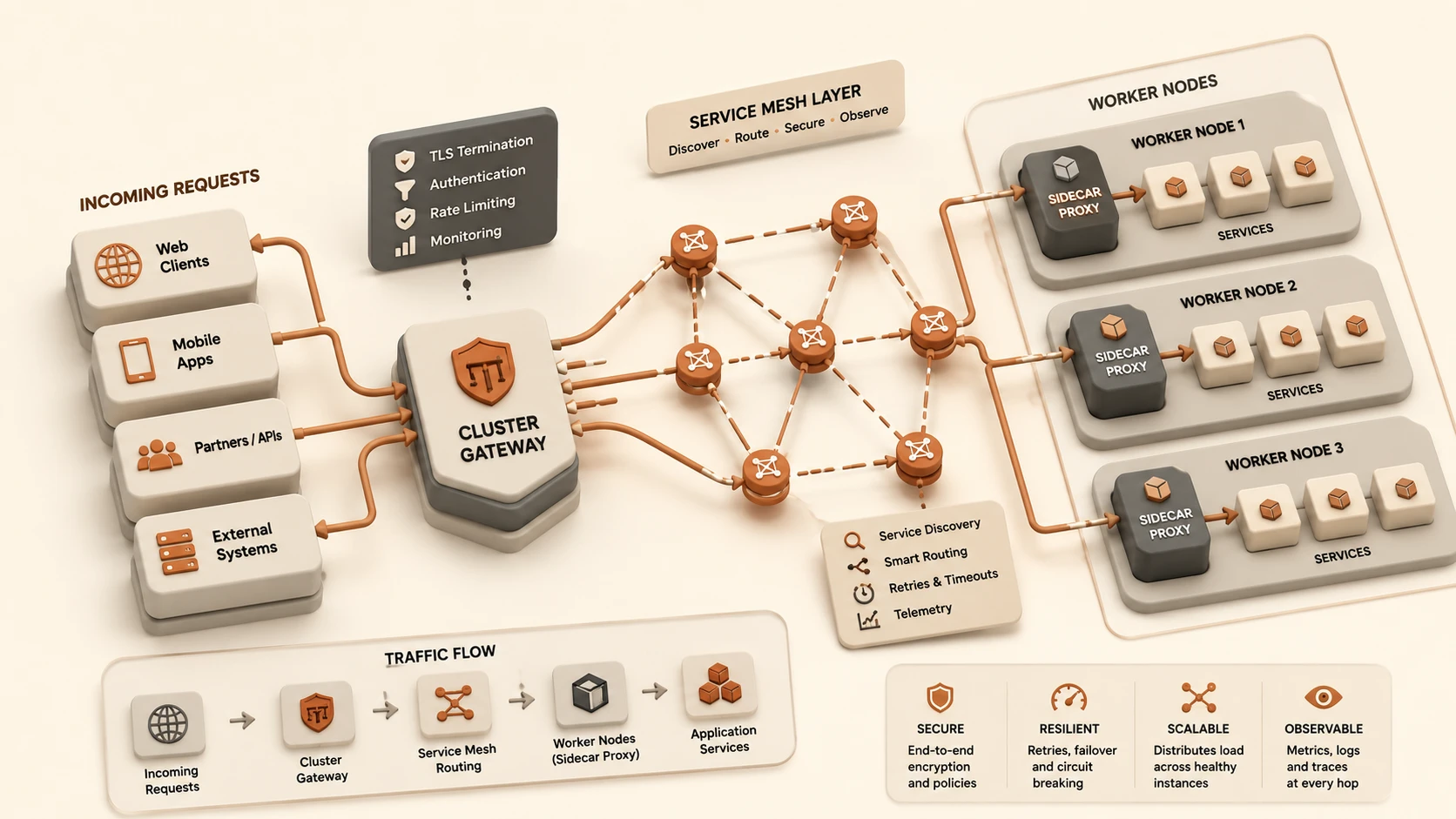
Docker Swarm Ingress Routing: Orchestrating Cluster Load Balancers
Docker 1.12 introduced Swarm Mode as a native clustering solution, bringing built-in orchestration, service discovery, and ingress routing to Docker Engine. This article examines the ingress routing architecture, routing mesh, service scheduling, networking model, and enterprise deployment considerations from the perspective of December 2016.
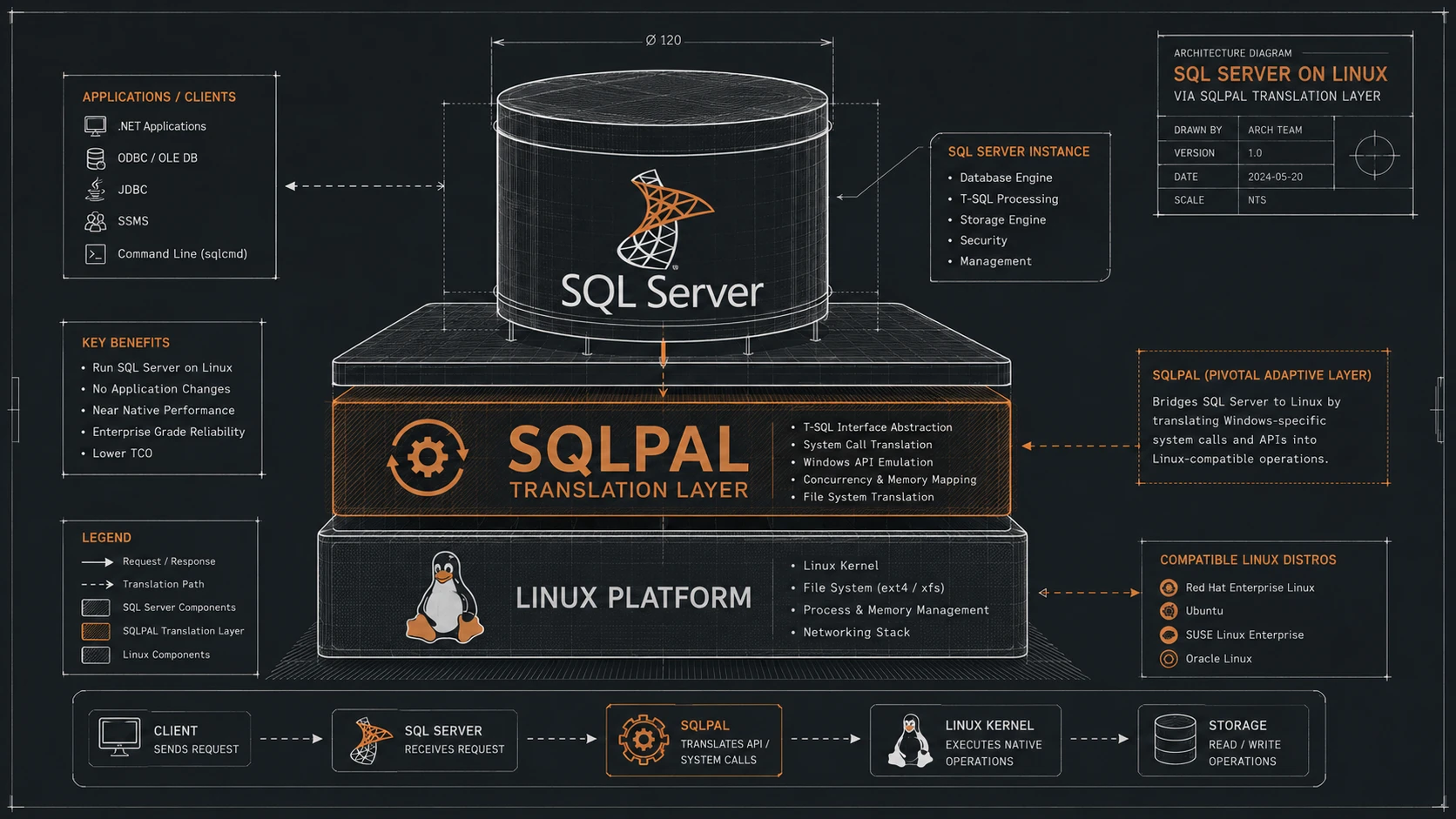
SQL Server on Linux: CoreCLR Compilation and SQLPAL Translation Layers
Microsoft's announcement of SQL Server for Linux marks one of the most significant platform shifts in the company's enterprise software strategy. Powered by the SQL Platform Abstraction Layer (SQLPAL), the Linux version preserves the SQL Server storage engine while adapting it to a new operating system. This article analyzes the announcement from the perspective of December 2016, exploring SQLPAL, platform abstraction, enterprise deployment, and architectural implications.
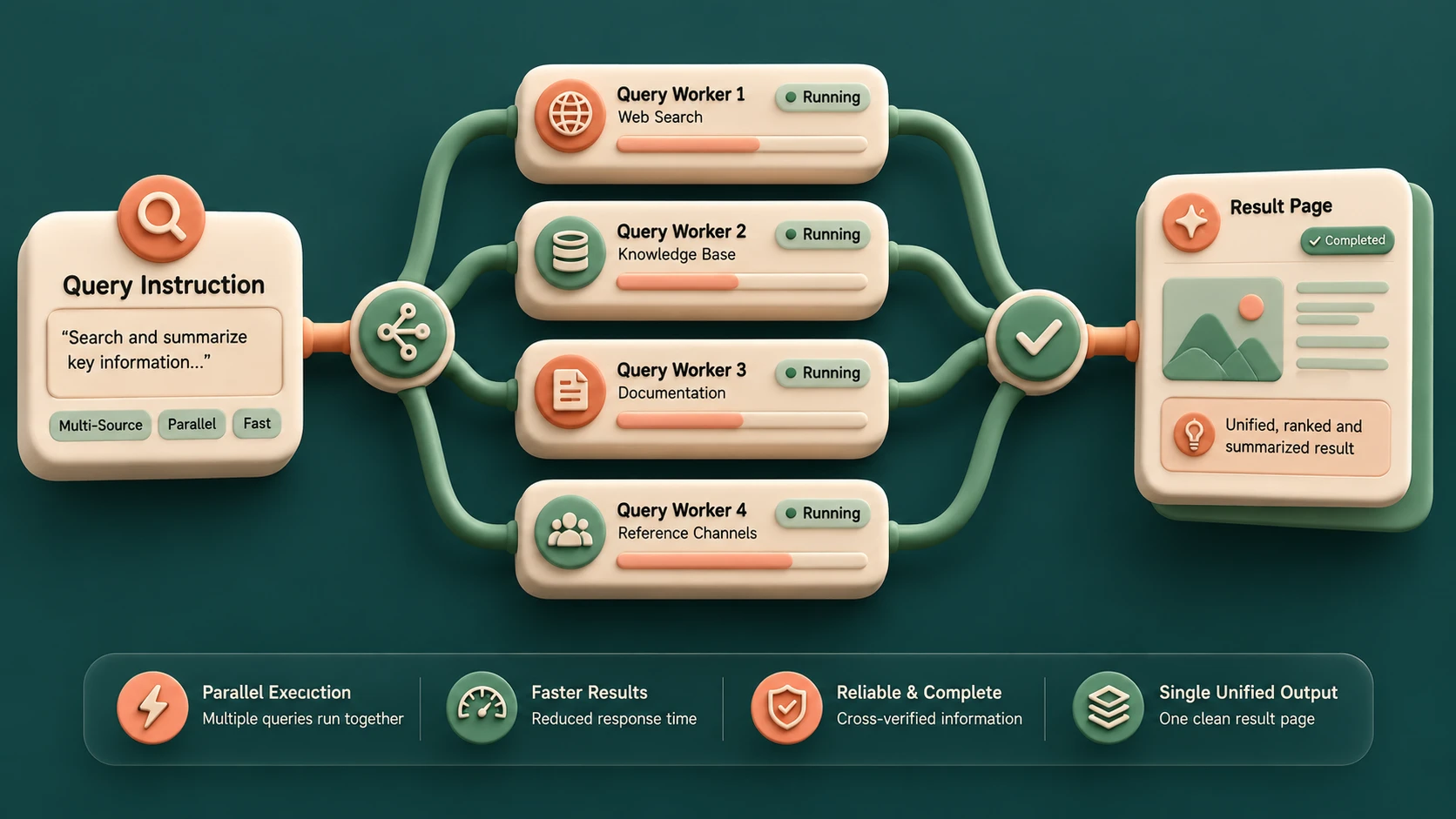
PostgreSQL 9.6: Parallel Query Execution and Scale-Out Architecture
PostgreSQL 9.6 introduces one of the most significant performance enhancements in the database's history through parallel query execution. Combined with replication improvements and continued reliability, PostgreSQL strengthens its position as an enterprise-grade relational database platform. This article examines PostgreSQL 9.6 from the perspective of August 2016, evaluating its architecture, enterprise adoption strategy, performance characteristics, and operational best practices.
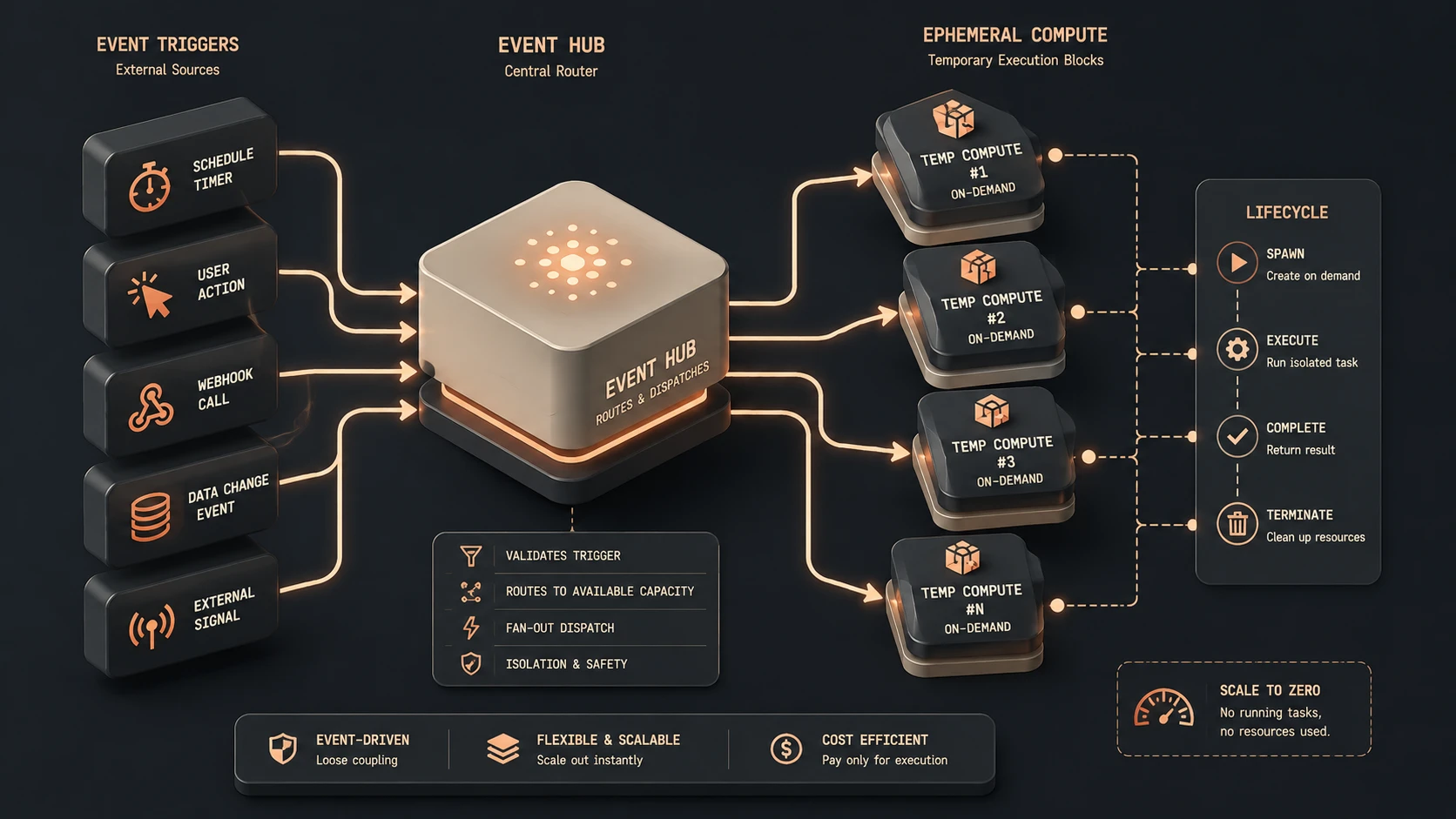
AWS Lambda and Serverless Framework: Deploying Event-Driven SaaS Backends
AWS Lambda has introduced a new execution model where code runs in response to events without provisioning or managing servers. Combined with the emerging Serverless Framework, organizations can simplify deployment, infrastructure management, and operational automation. This article examines the architecture, deployment pipeline, performance characteristics, and enterprise adoption considerations from the perspective of June 2016.
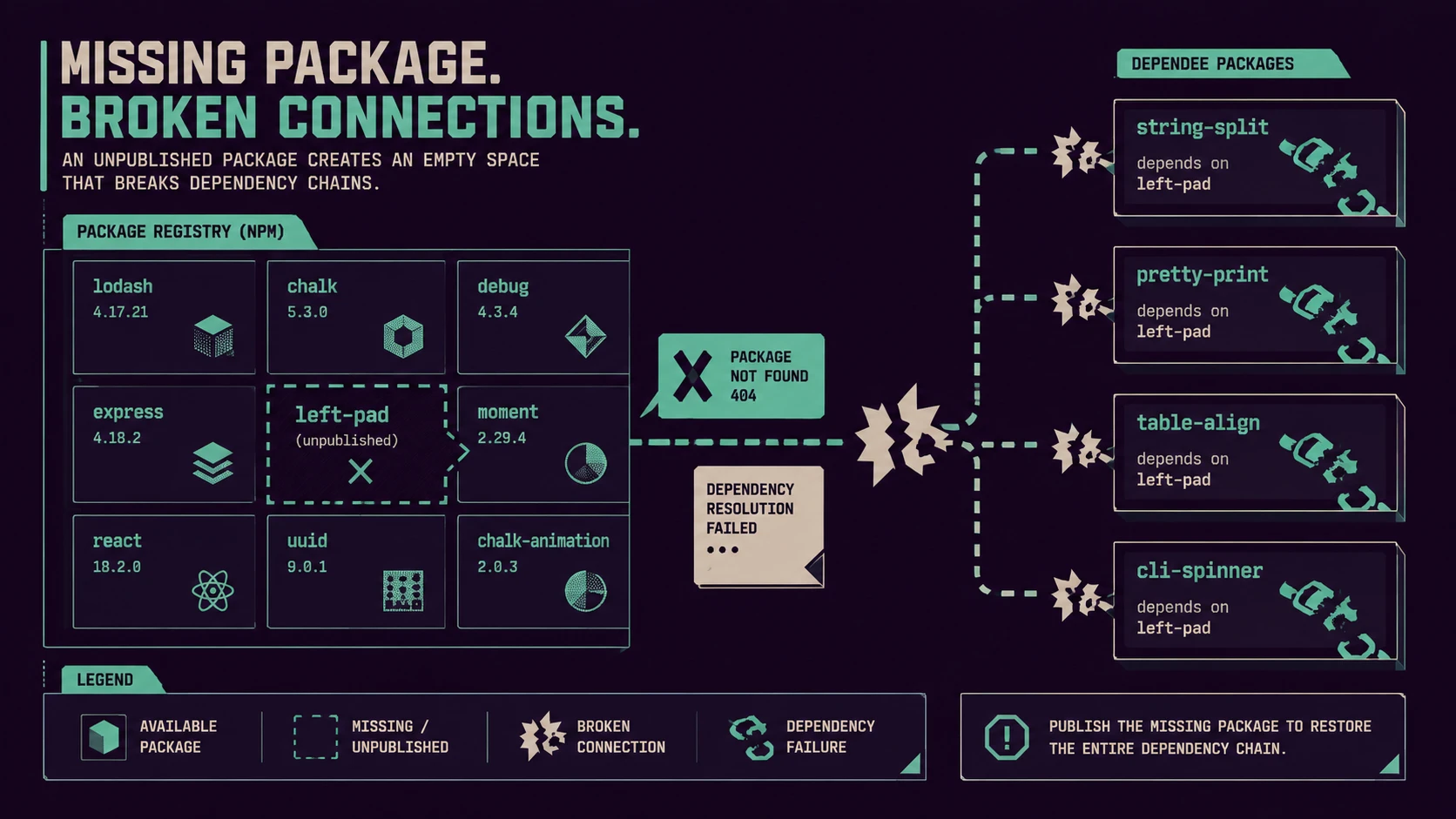
NPM Package Management Security: Deconstructing the Left-Pad Packaging Crisis
The unexpected removal of the Left-Pad package from the NPM registry exposed how deeply modern JavaScript applications depend on third-party packages. This article examines the incident from the perspective of March 2016, exploring dependency management, package registry governance, software supply chain security, and enterprise best practices for managing Node.js ecosystems.
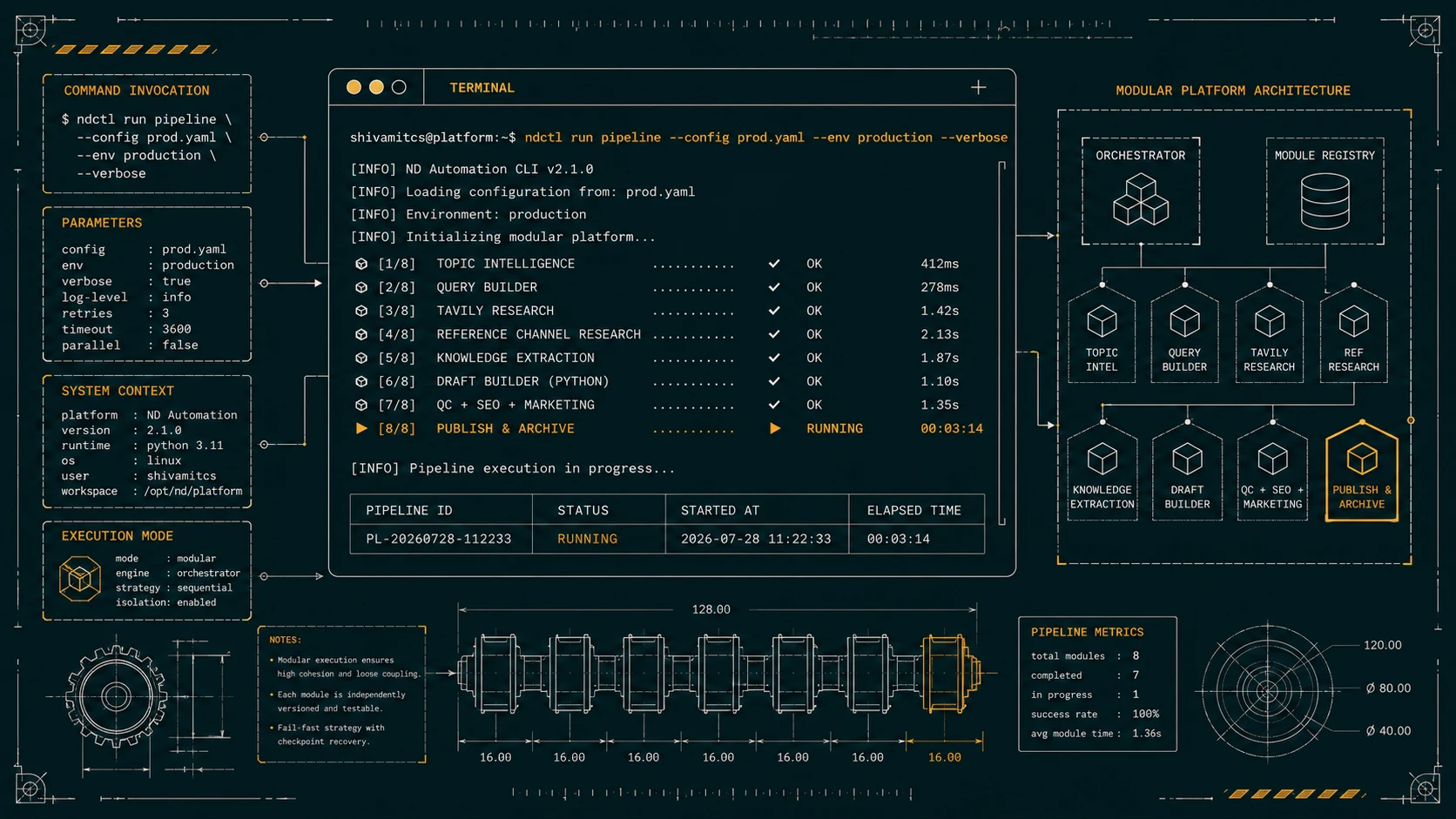
.NET Core 1.0: Cross-Platform Execution and the New CLI Pipeline
.NET Core 1.0 introduces a modular, cross-platform implementation of .NET together with a new command-line interface that simplifies development, dependency management, and deployment across Windows, Linux, and macOS. This article examines the architecture, runtime model, CLI pipeline, enterprise use cases, and adoption considerations from the perspective of February 2016.
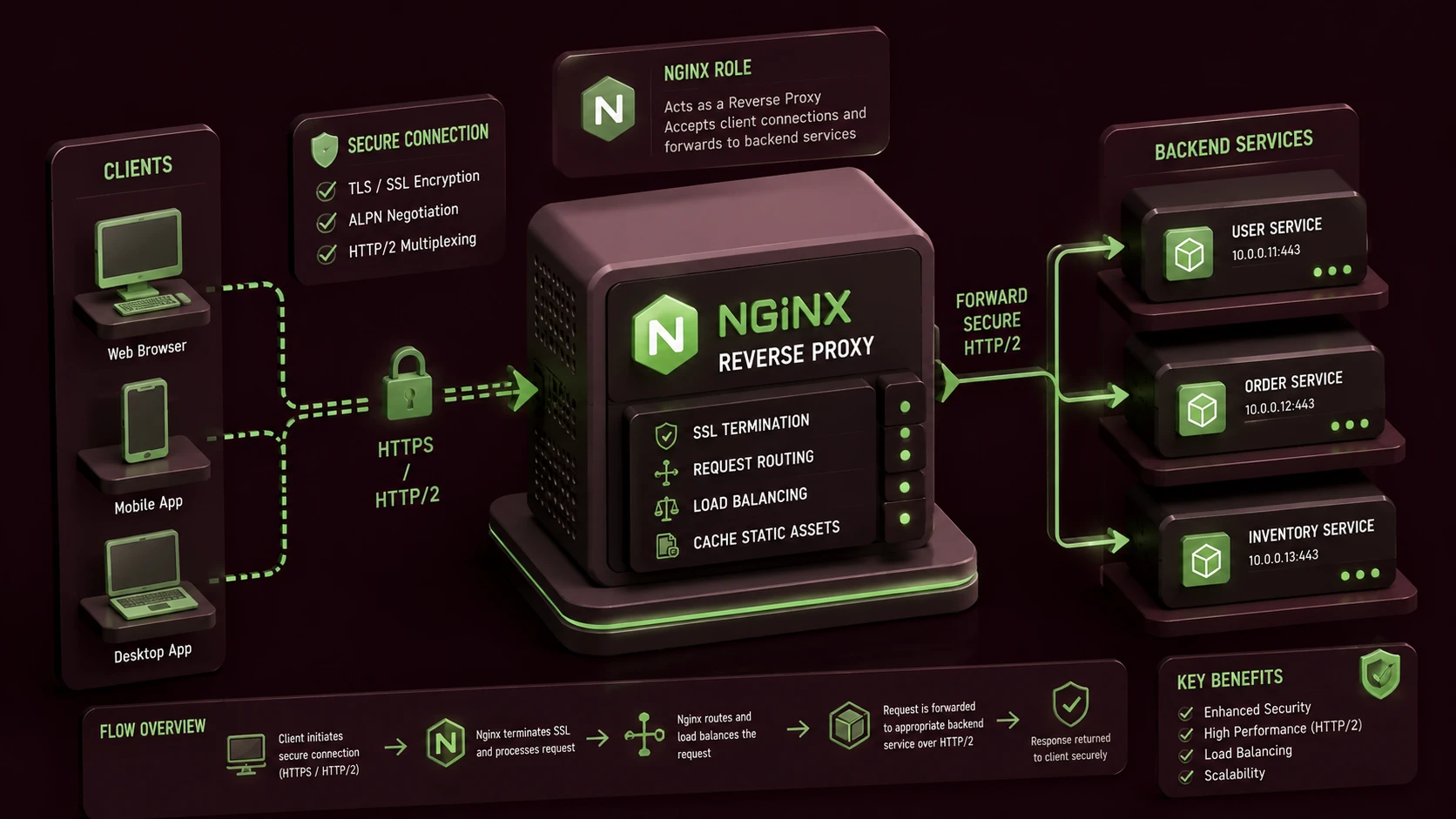
HTTP/2 in Production: Configuring Nginx Reverse Proxy with HTTPS Protocols
With HTTP/2 becoming available across modern browsers and web servers, enterprises are evaluating how the new protocol can improve website performance without changing application logic. This article examines HTTP/2 from the perspective of December 2015, focusing on Nginx reverse proxy deployments, HTTPS requirements, multiplexing, server configuration, performance benefits, and operational best practices.
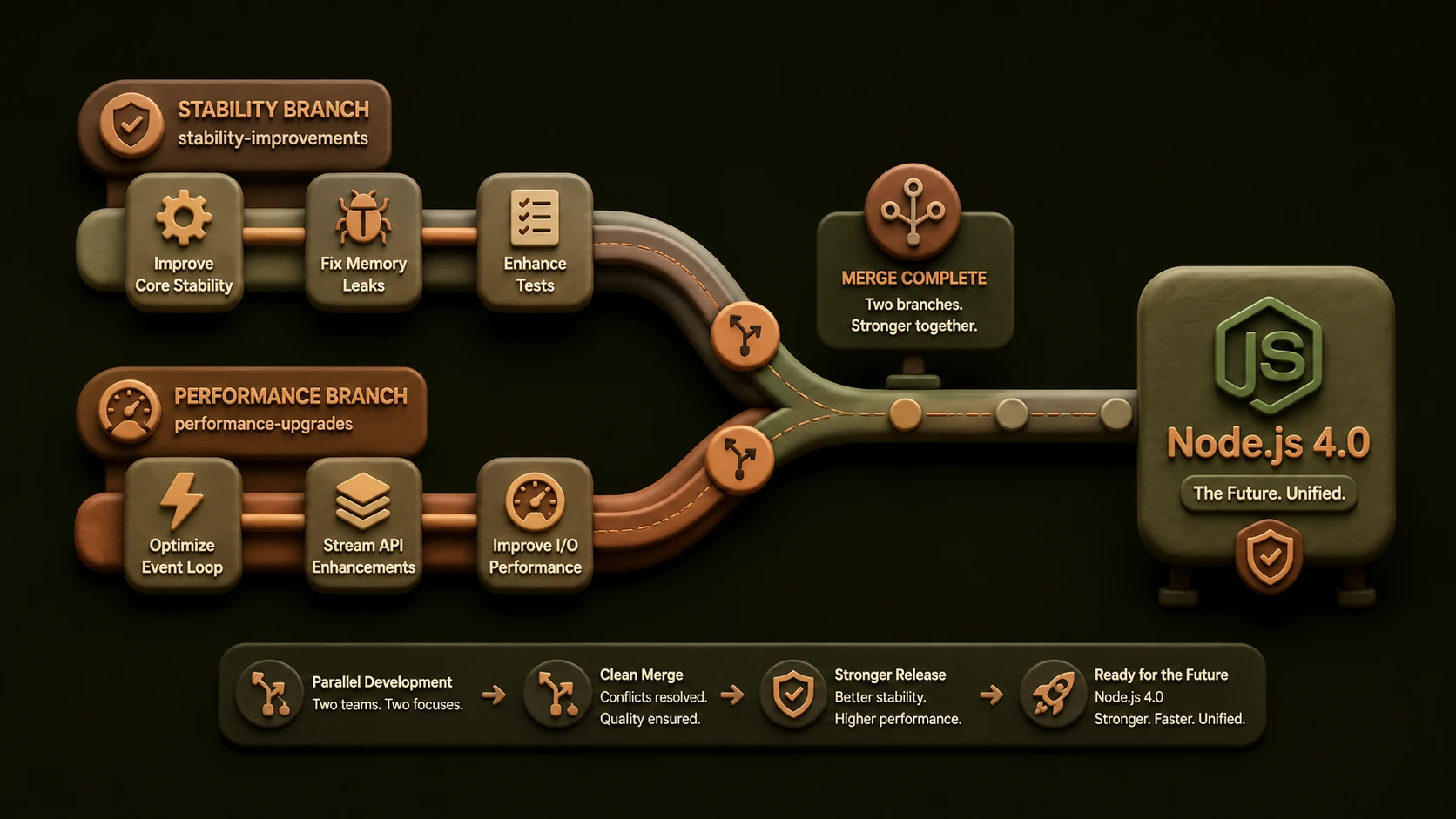
Node.js 4.0: The Historic Reconciliation of Node.js and the io.js Fork
Node.js 4.0 marks a pivotal milestone in the evolution of server-side JavaScript by unifying the previously divided Node.js and io.js projects. Combining modern JavaScript capabilities with an improved release process and stronger community governance, Node.js 4.0 provides enterprises with a stable platform for building scalable web services, APIs, and distributed applications. This article examines Node.js 4.0 from the perspective of December 2015, exploring its architecture, enterprise benefits, performance considerations, and adoption strategies.
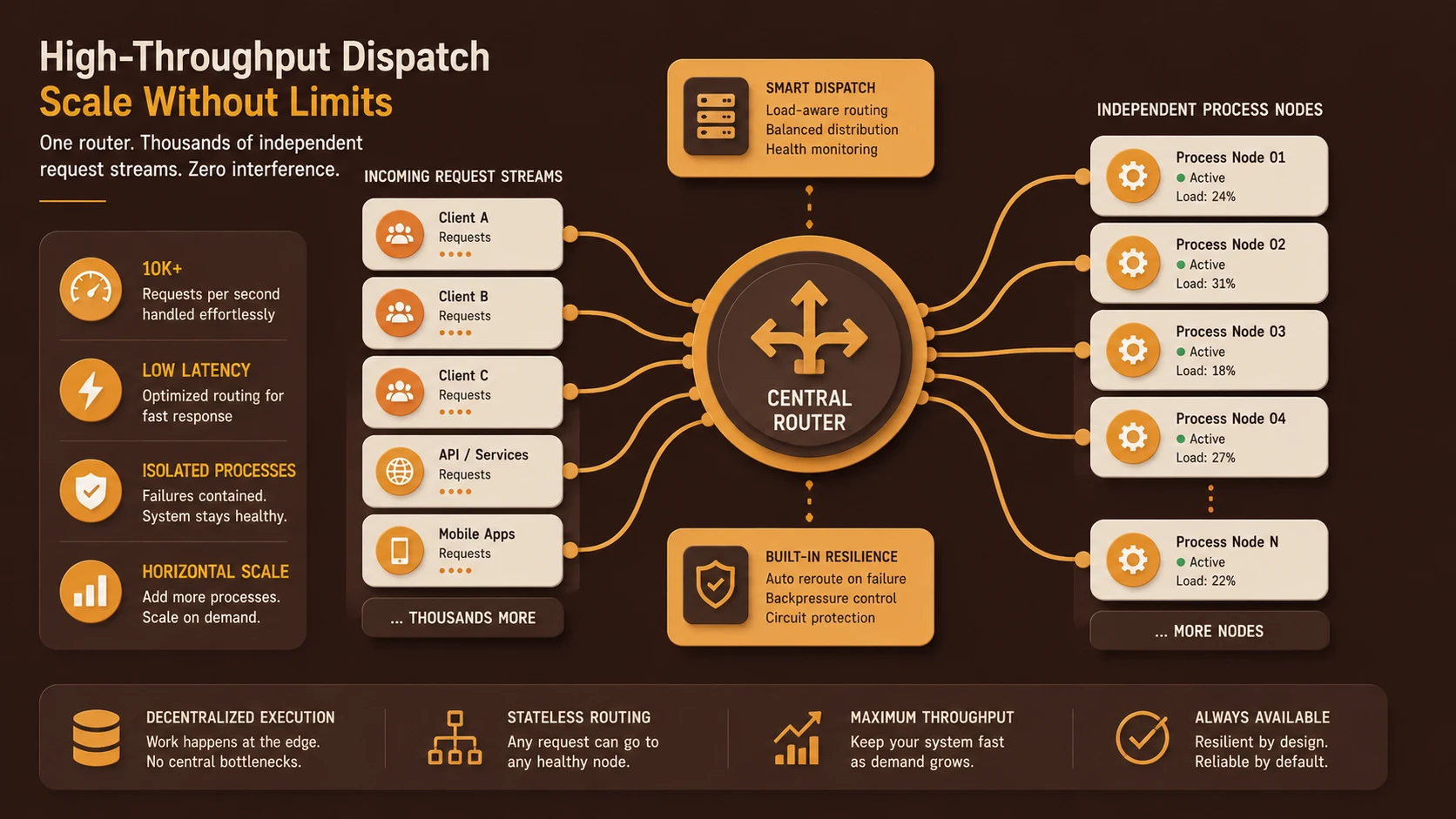
Phoenix Framework: Developing High-Concurrency Web APIs with Elixir and OTP
The Phoenix Framework has rapidly emerged as a promising web development platform for Elixir, combining the reliability of the Erlang VM with a productive MVC architecture. Built upon the OTP concurrency model, Phoenix enables developers to create highly concurrent web APIs and real-time applications capable of supporting demanding enterprise workloads. This article examines Phoenix Framework from the perspective of October 2015, exploring its architecture, concurrency model, enterprise use cases, scalability, performance characteristics, and adoption considerations.