Cloud Computing
Viewing all posts categorized under Cloud Computing.

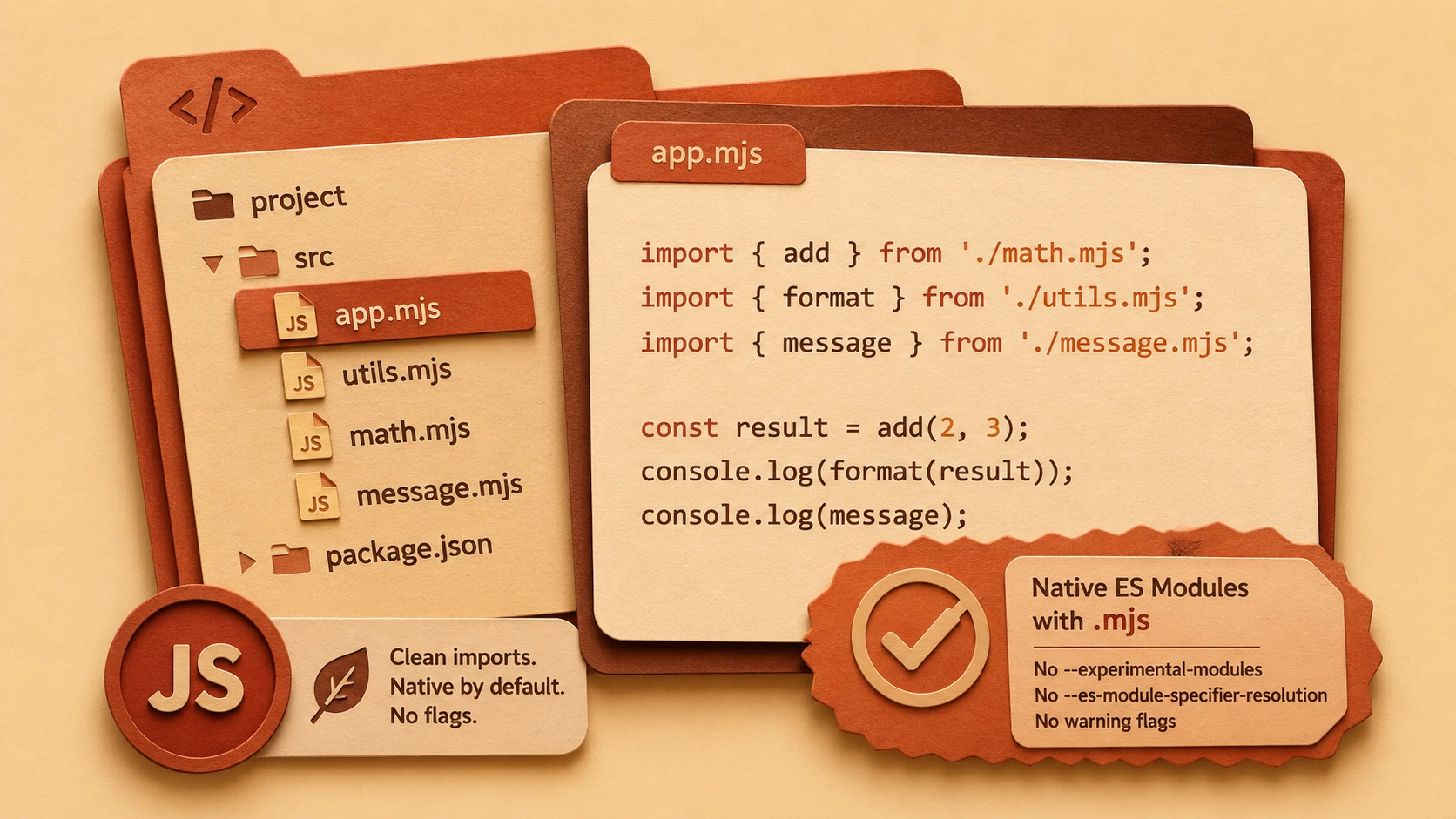
Node.js 13.0: Native ES Modules Support and the Removal of Compiler Flags
Node.js 13.0 significantly advances JavaScript server-side development by enabling native ECMAScript Modules without the experimental compiler flag. This release continues the modernization of the Node.js runtime, introduces improvements to module resolution, and helps align browser and server-side JavaScript development. This article examines the architecture, enterprise implications, migration considerations, and performance characteristics from the perspective of October 2019.
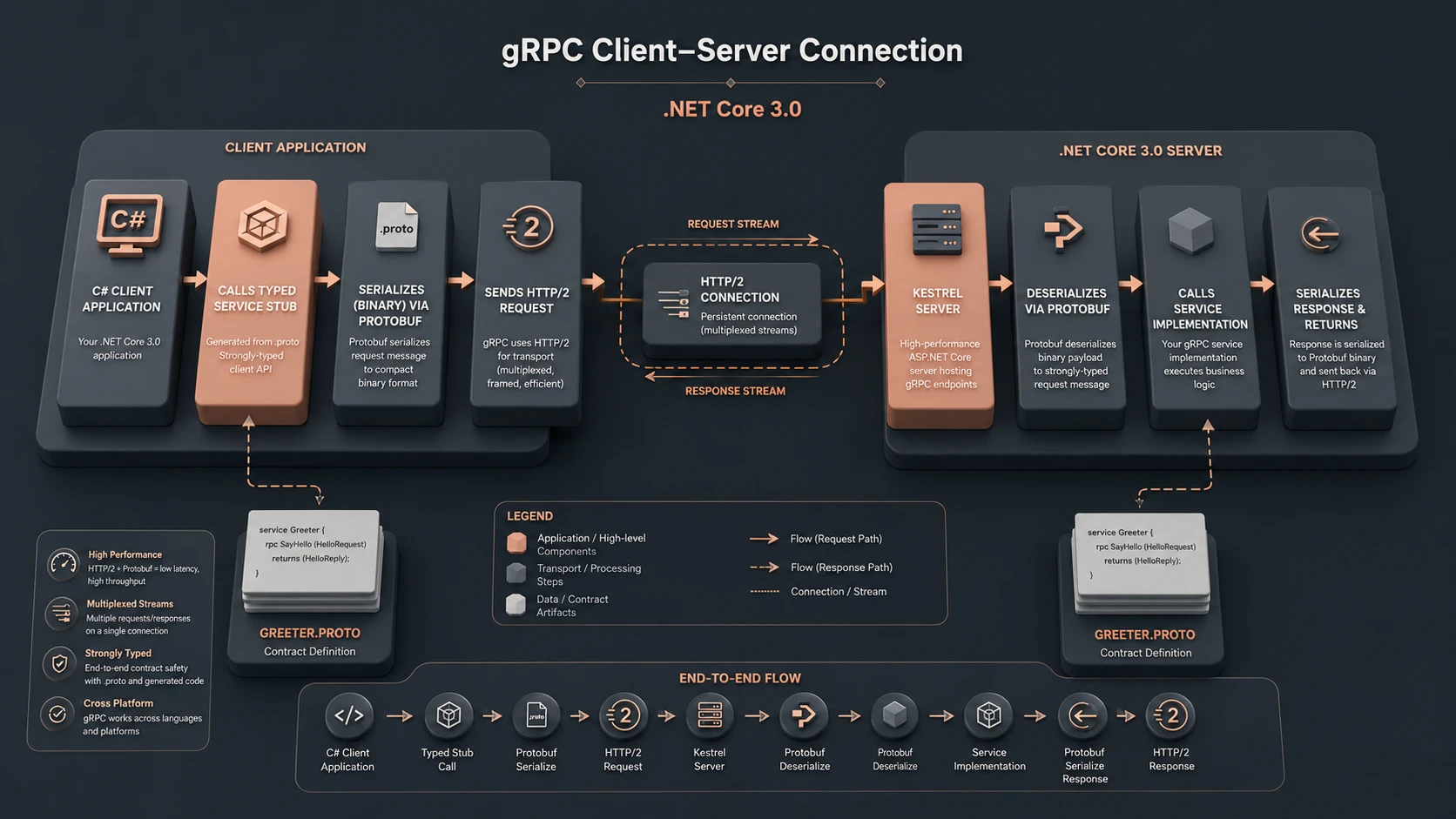
.NET Core 3.0: Standardizing C# 8.0, gRPC Templates, and Assembly Linkers
.NET Core 3.0 marks a major milestone in Microsoft's cross-platform development strategy by introducing full support for C# 8.0, first-party gRPC templates, Windows desktop application support, and assembly trimming capabilities. These enhancements strengthen .NET Core as the preferred platform for modern enterprise applications, cloud-native services, and high-performance distributed systems. This article examines .NET Core 3.0 from the perspective of October 2019.
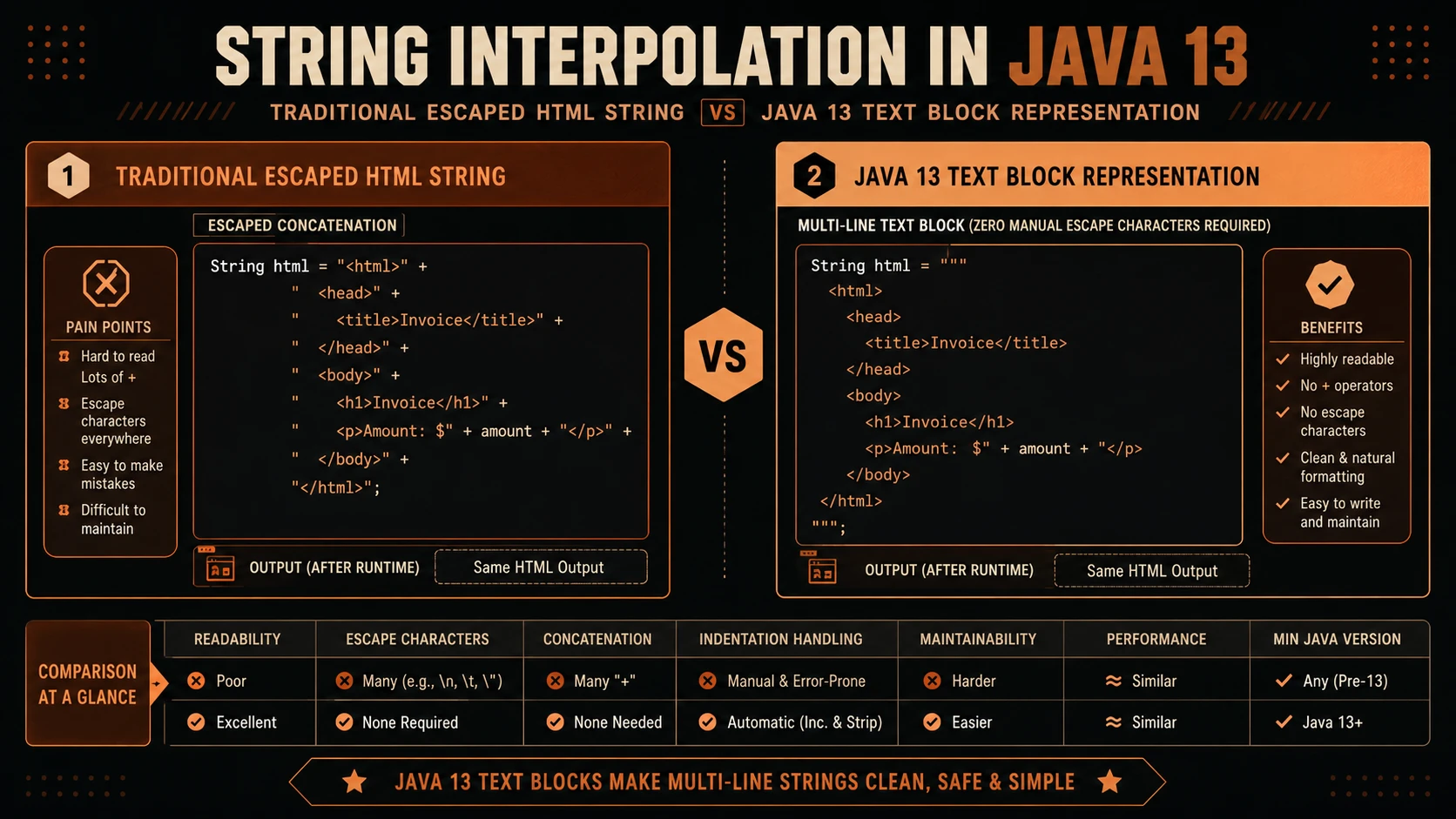
Java 13: Text Blocks Preview and Dynamic CDS Archive Configurations
Java 13 continues the OpenJDK six-month release cadence by introducing Text Blocks as a preview language feature, Dynamic Class Data Sharing (CDS) Archive support, continued Switch Expression refinements, and JVM improvements. This article examines these capabilities from the perspective of September 2019, focusing on enterprise software architecture, developer productivity, startup performance, and migration planning.
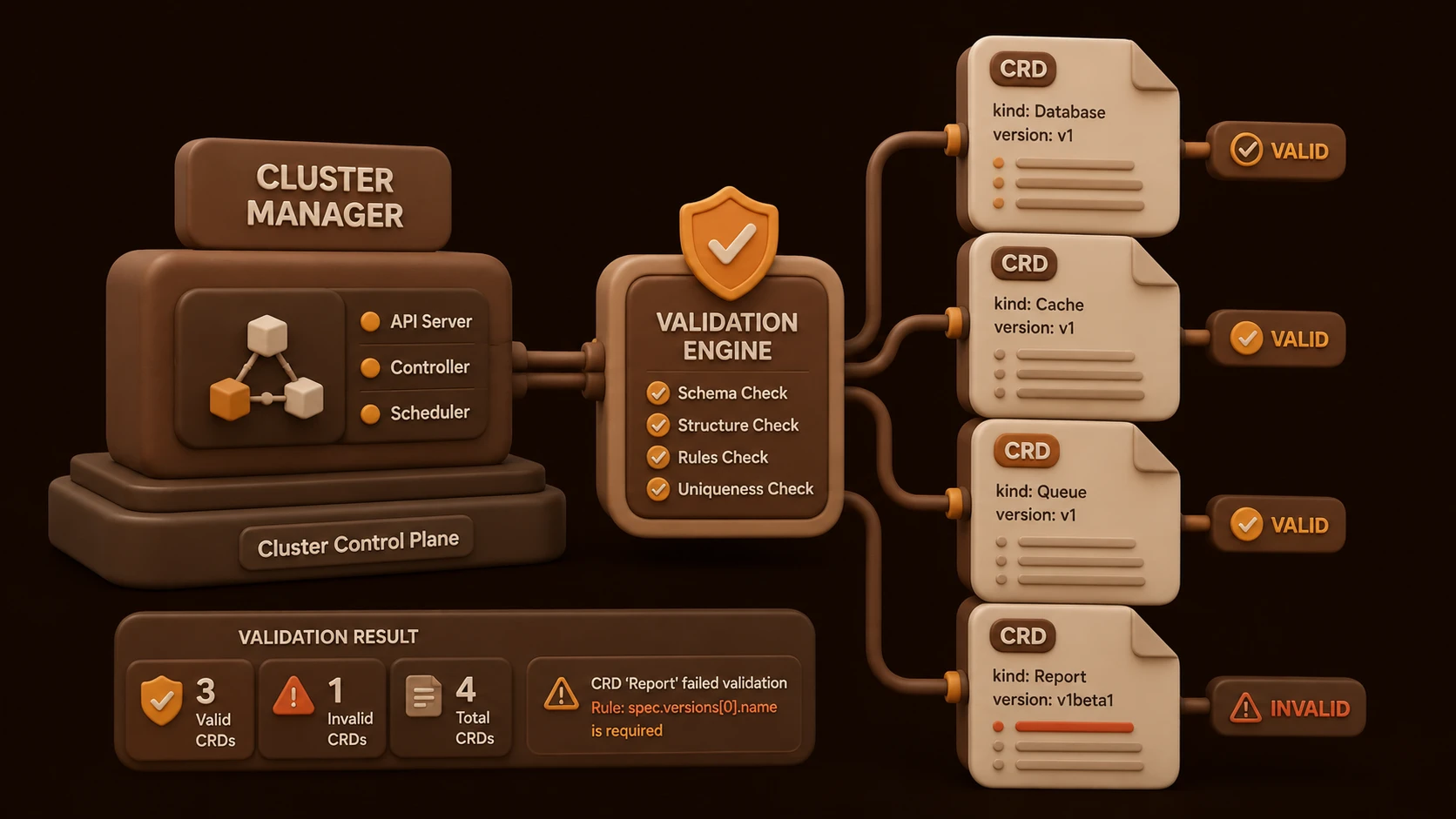
Kubernetes 1.15: Custom Resource Definition Validation and API Schemas
Kubernetes 1.15 significantly improves the maturity of Custom Resource Definitions (CRDs) by introducing stronger schema validation based on OpenAPI v3, enabling more reliable API extensions and reducing configuration errors. These enhancements simplify the development of Kubernetes Operators and custom platforms while improving API consistency across enterprise clusters. This article examines Kubernetes 1.15 from the perspective of August 2019.
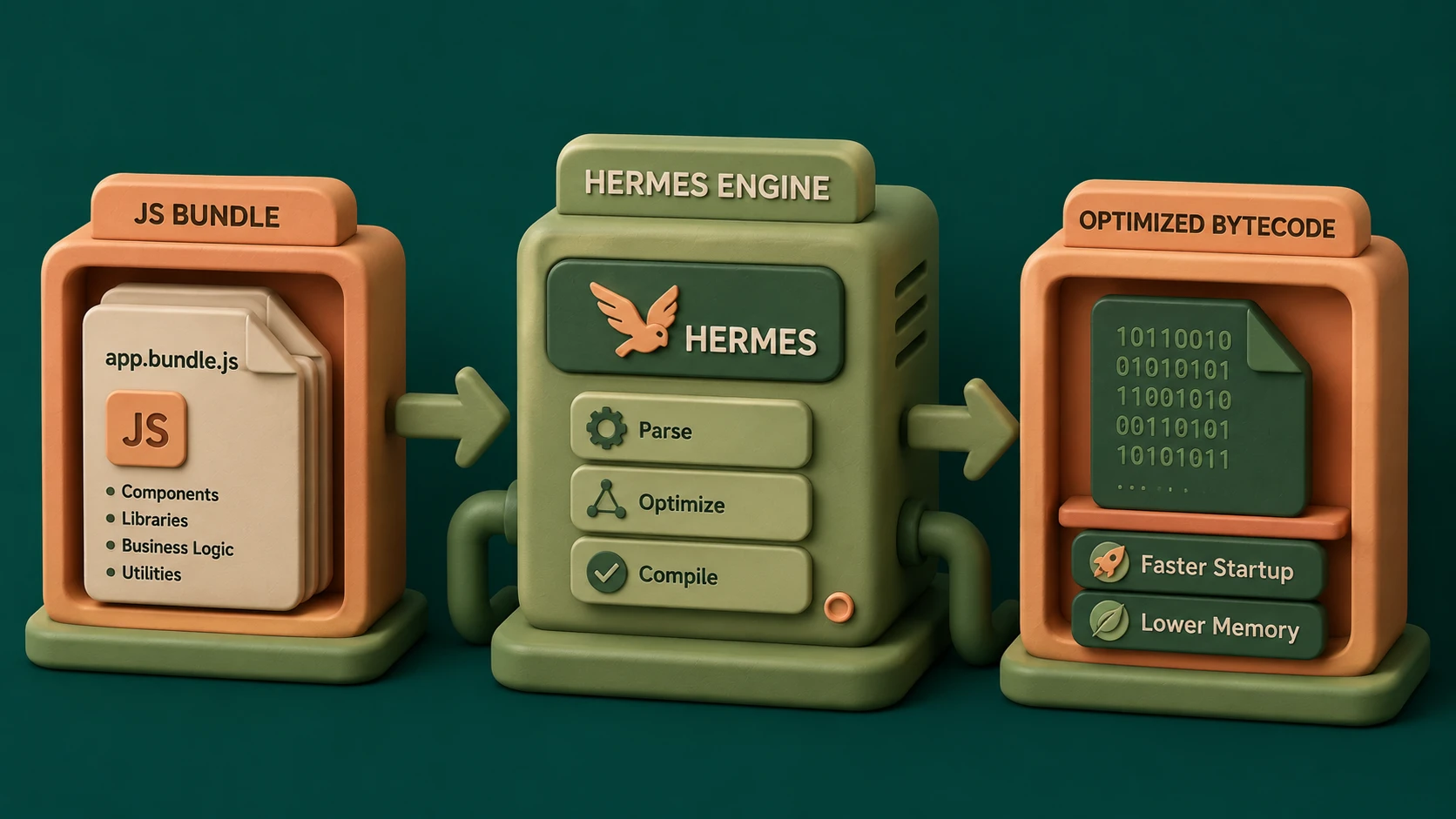
React Native 0.60: Autolinking, CocoaPods Integration, and Hermes JS Engine Previews
React Native 0.60 introduces automatic native module linking, first-class CocoaPods integration for iOS, AndroidX migration support, and preview support for the Hermes JavaScript engine on Android. This article examines these capabilities from the perspective of July 2019, focusing on enterprise mobile architecture, build pipelines, performance considerations, and migration strategies.
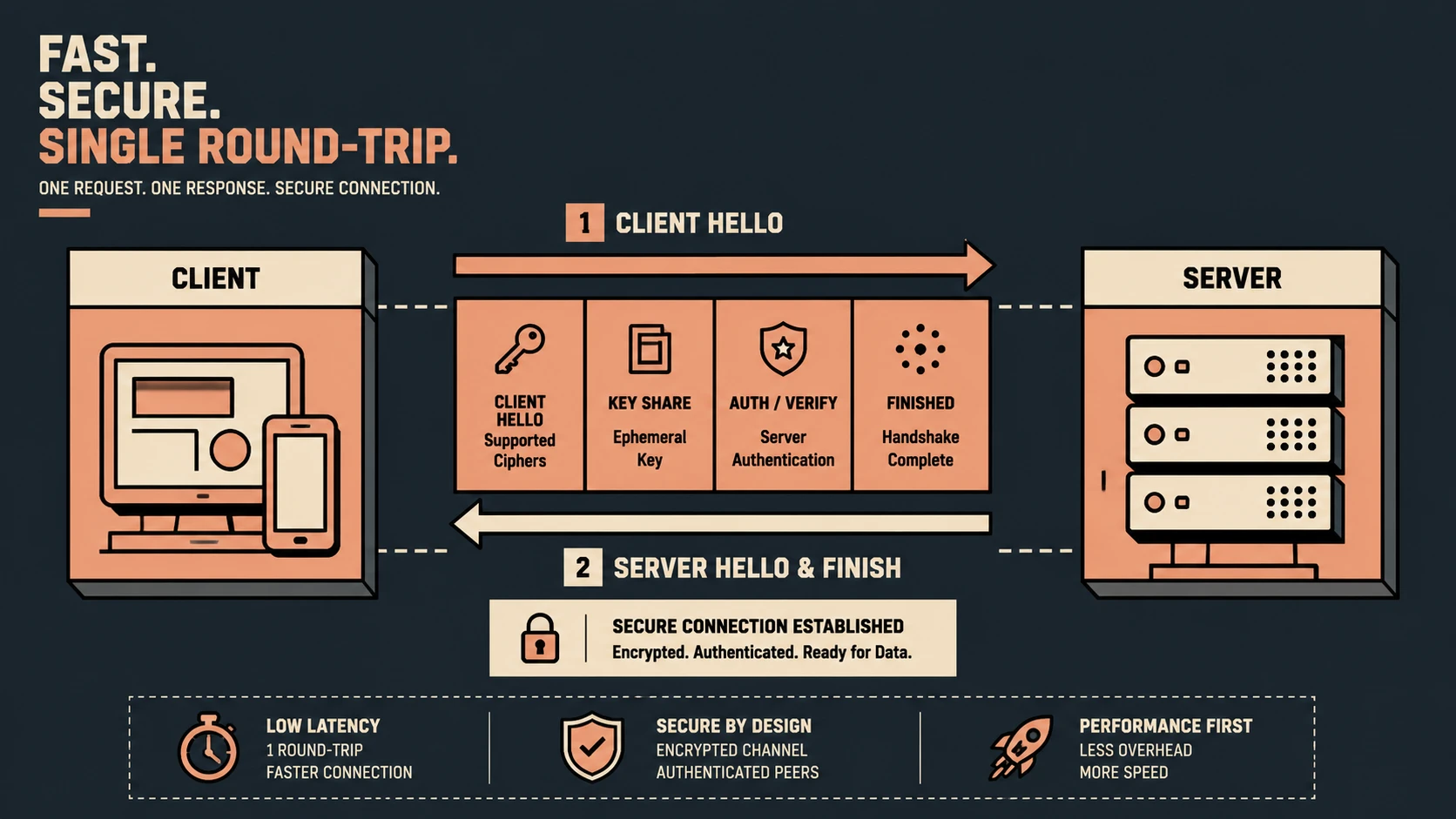
Go 1.12: TLS 1.3 Protocol Support, Module Proxies, and GC Sweep Speeds
Go 1.12 strengthens the Go ecosystem with production-ready TLS 1.3 support, improved module adoption through proxy infrastructure, faster garbage collection sweeping, and runtime optimizations. These enhancements further establish Go as a leading language for cloud infrastructure, distributed systems, networking services, and enterprise backend development. This article examines Go 1.12 from the perspective of May 2019.
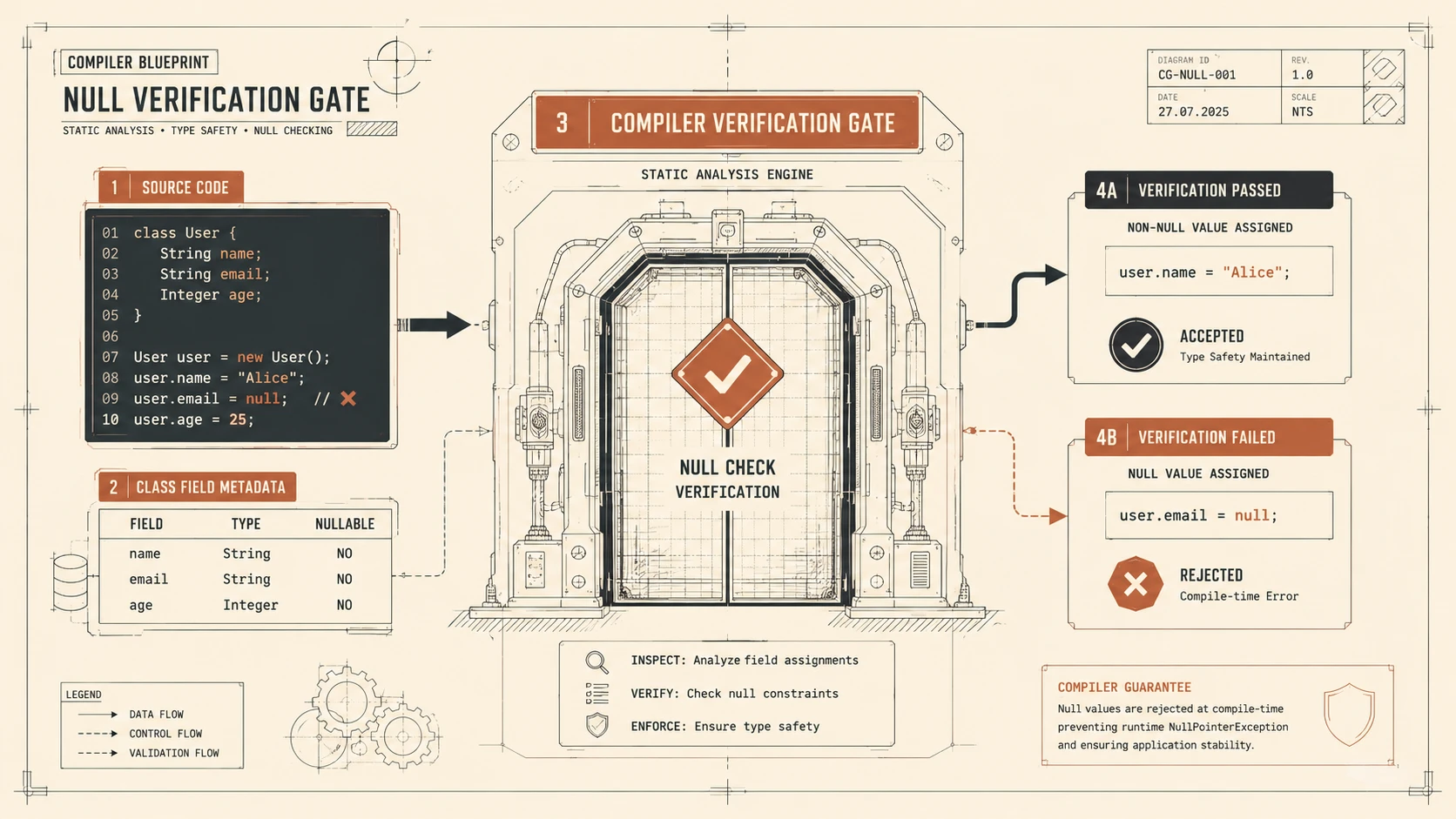
.NET Core 3.0 Previews: Desktop App Support and C# 8.0 Nullable References
.NET Core 3.0 Preview expands the platform beyond server-side workloads by introducing Windows desktop application support, continued ASP.NET Core improvements, enhanced runtime capabilities, and preview support for C# 8.0 nullable reference types. This article examines these capabilities from the perspective of April 2019 and explores their impact on enterprise application architecture and migration planning.
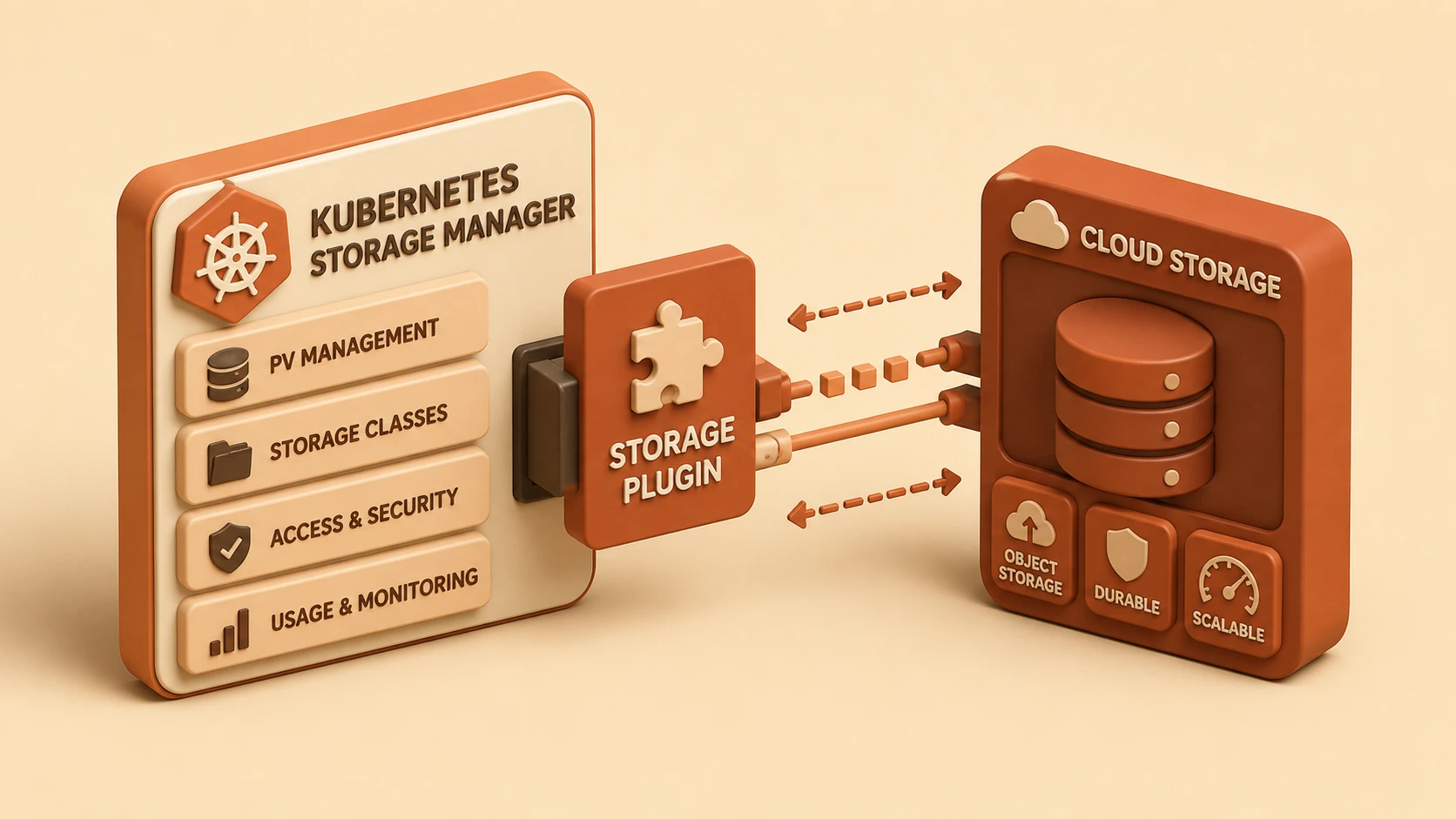
Kubernetes 1.13: Container Storage Interface (CSI) Graduation to GA
Kubernetes 1.13 marks a major milestone with the Container Storage Interface (CSI) graduating to General Availability. CSI establishes a standardized storage plugin architecture that enables storage vendors to innovate independently from Kubernetes releases while simplifying enterprise storage integration for stateful workloads. This article examines Kubernetes 1.13 from the perspective of December 2018.
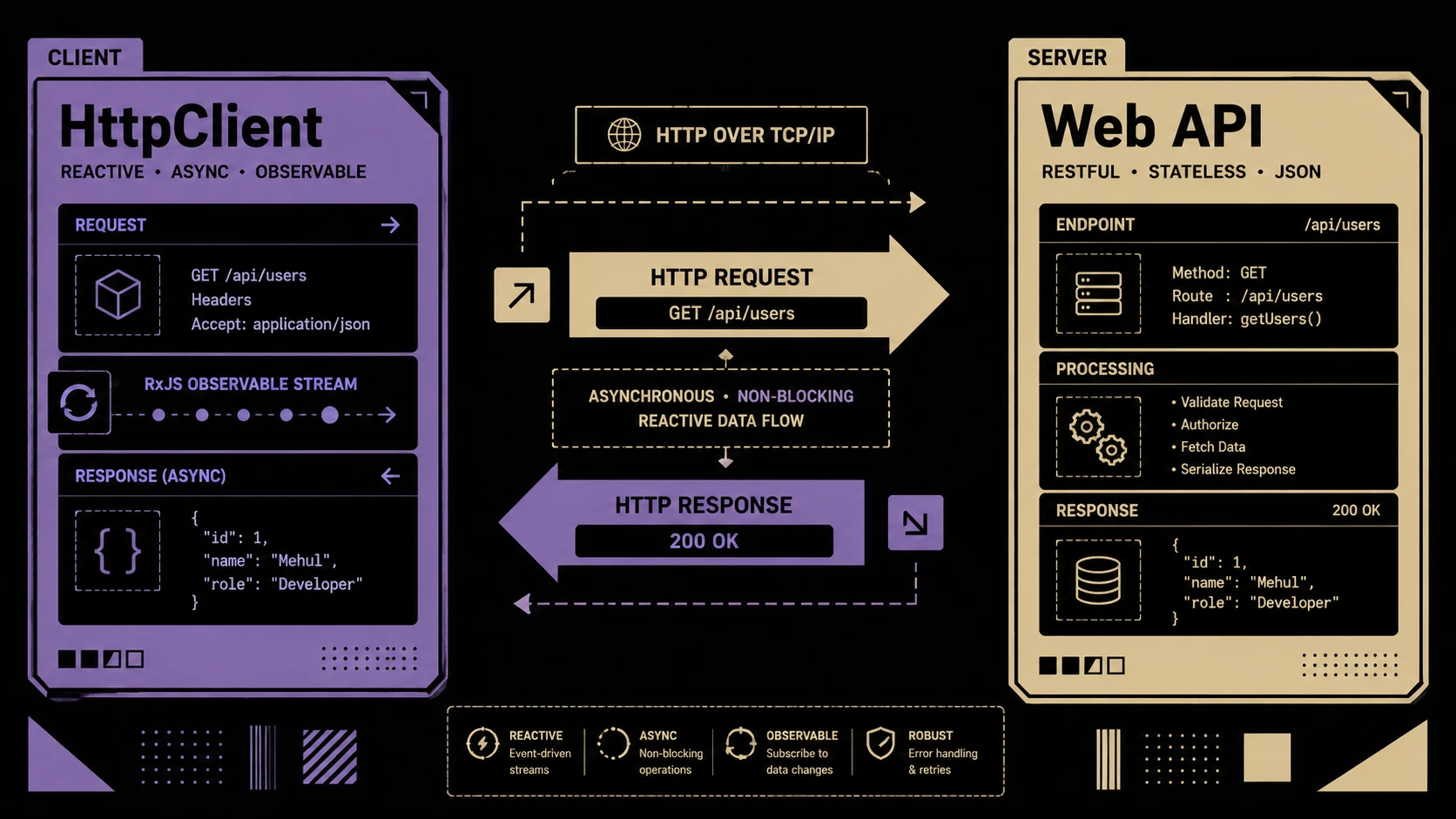
Java 11 LTS: Migrating to the Modular HTTP Client and G1 GC Default Upgrades
Java 11 becomes the next Long-Term Support (LTS) release, delivering a standardized HTTP Client API, continued improvements to the Java Platform Module System, G1 Garbage Collector enhancements, and numerous platform refinements. This article examines Java 11 from the perspective of September 2018, focusing on enterprise modernization, migration planning, and production adoption.

Kubernetes 1.11: IPVS Load Balancing and CoreDNS Cluster Integrations
Kubernetes 1.11 introduces major networking improvements with IPVS-based Service load balancing reaching General Availability and CoreDNS graduating to beta as a replacement for kube-dns. These enhancements improve scalability, networking performance, operational simplicity, and DNS reliability for production Kubernetes clusters. This article examines Kubernetes 1.11 from the perspective of July 2018.
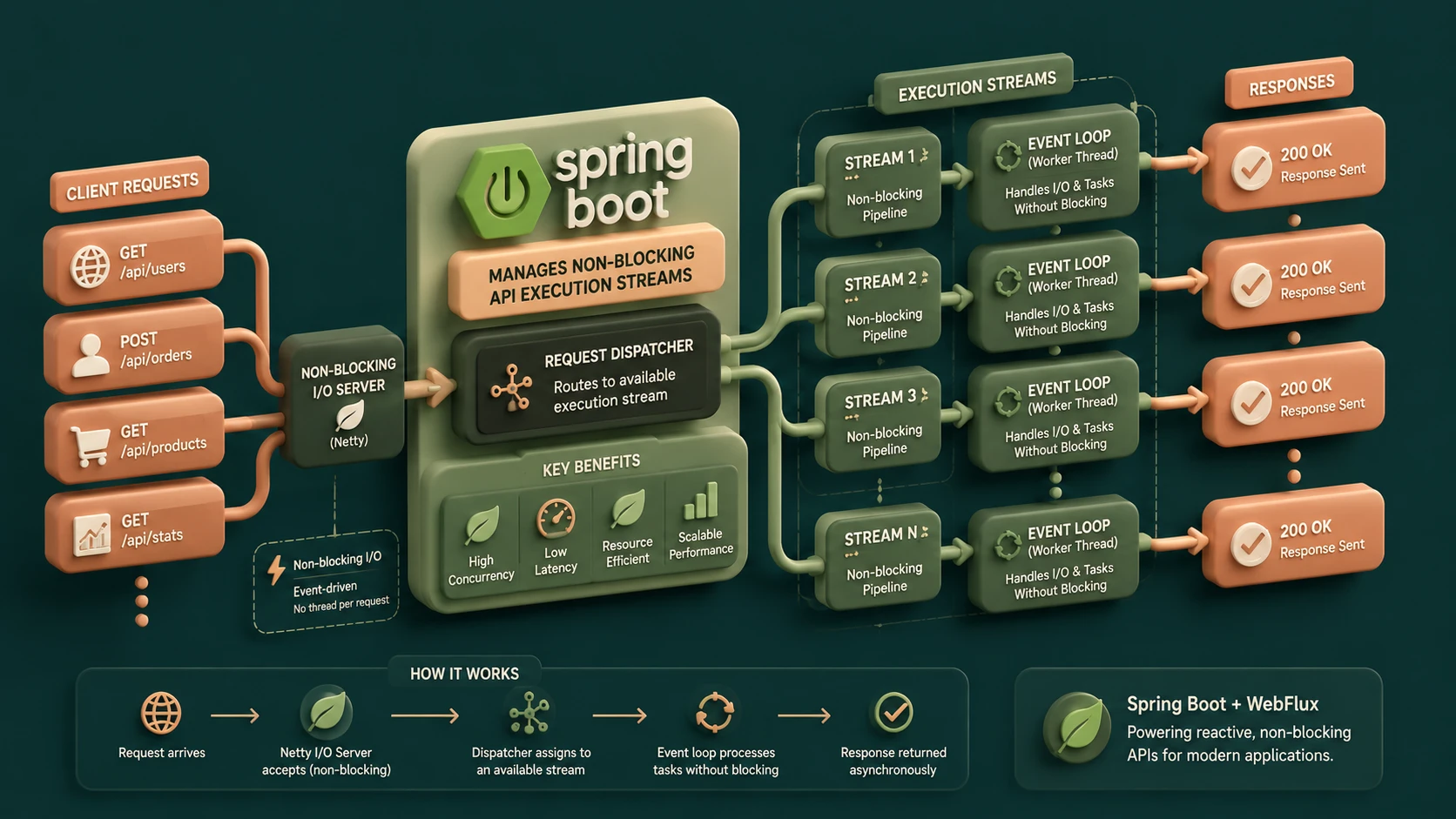
Spring Boot 2.0: Reactive Starters and WebFlux Production Integration
Spring Boot 2.0 introduces first-class support for Spring WebFlux, reactive starters, Project Reactor integration, and numerous production-ready improvements for cloud-native Java applications. This article examines the reactive programming model, architecture, deployment considerations, and enterprise adoption strategies from the perspective of April 2018.

iOS 11.3: Safari Native Service Workers and PWA Support
With iOS 11.3, Safari introduces native Service Worker support, enabling Progressive Web App (PWA) technologies on Apple's mobile platform. This milestone significantly improves cross-browser compatibility for offline web applications, intelligent caching, and background resource management. This article examines the announcement from the perspective of March 2018, evaluating its architecture, enterprise implications, performance characteristics, and adoption strategy.
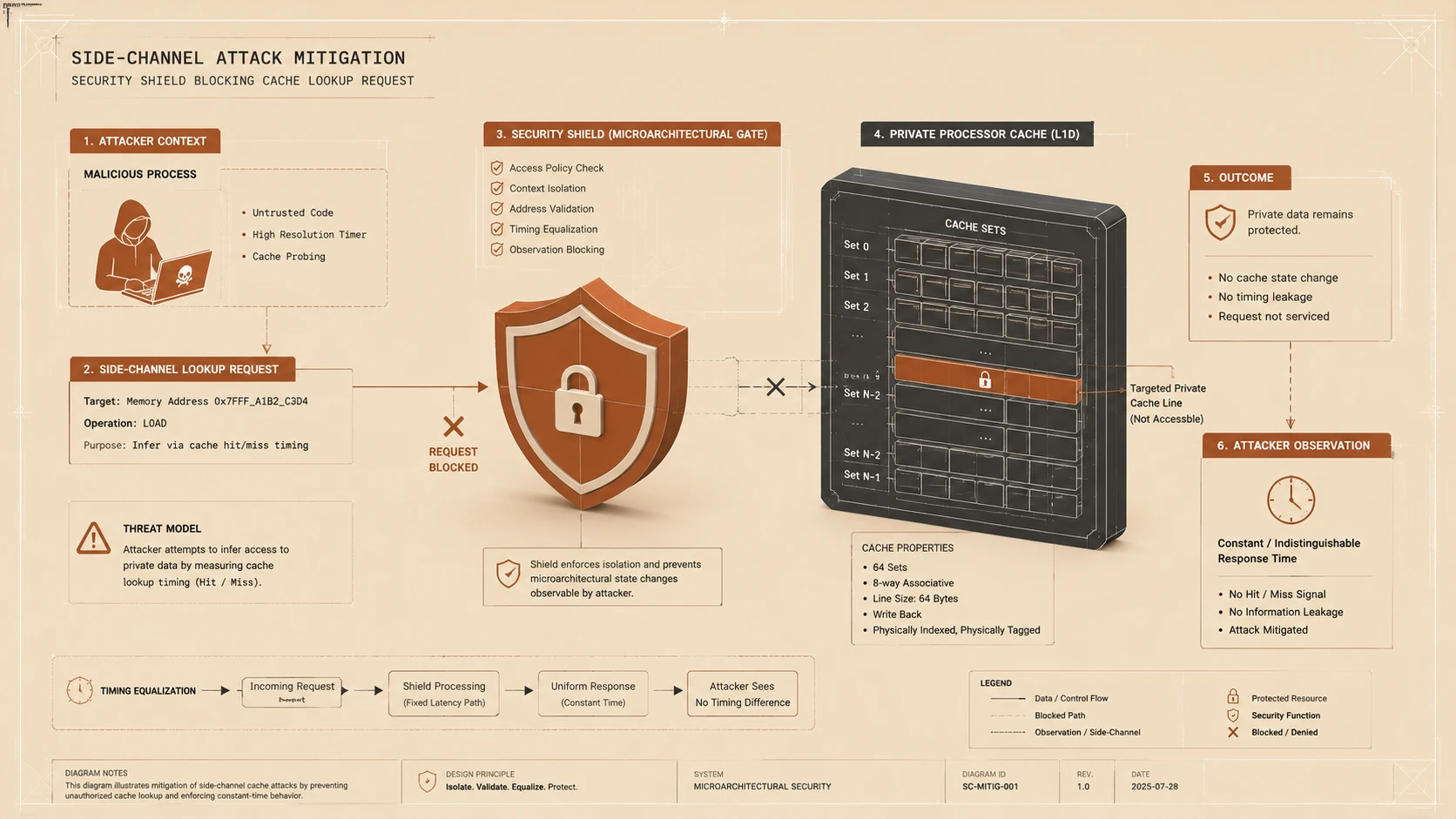
Spectre and Meltdown CPU Vulnerabilities: Mitigating Side-Channel Attacks in Web Browsers
The disclosure of Spectre and Meltdown has exposed fundamental side-channel vulnerabilities affecting modern processors. Browser vendors, operating system developers, cloud providers, and enterprise security teams are responding with coordinated mitigations designed to reduce the risk of data leakage through speculative execution attacks. This article examines the technical foundations, browser mitigations, enterprise implications, and deployment considerations as understood in January 2018.
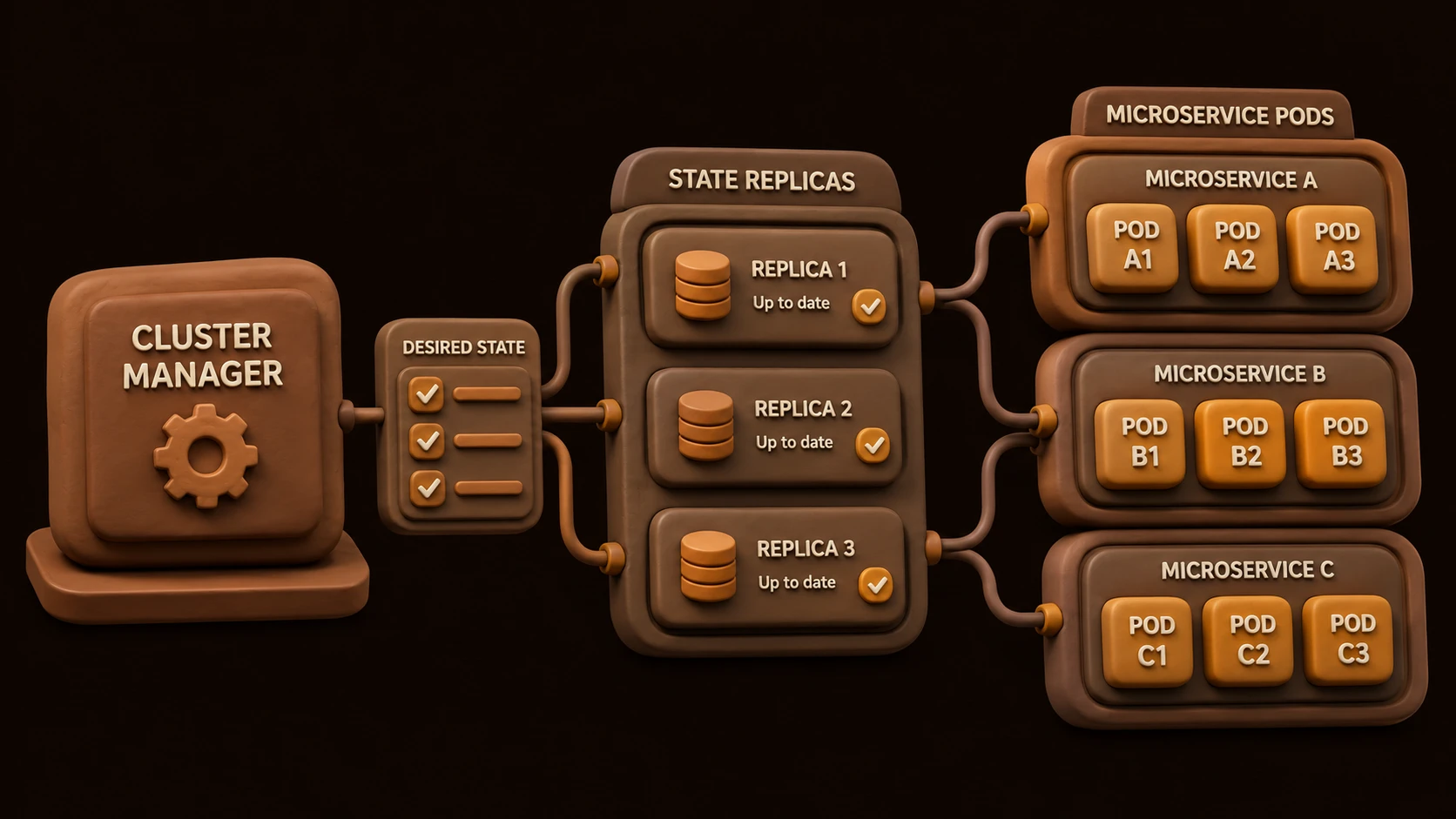
Kubernetes 1.9 Workloads API GA: The Stabilization of Production Pod Controllers
Kubernetes 1.9 marks a significant milestone with the General Availability of the Workloads API, providing stable APIs for Deployments, ReplicaSets, StatefulSets, and DaemonSets. This release strengthens Kubernetes as an enterprise-grade container orchestration platform by improving API consistency, operational stability, and production readiness. This article examines Kubernetes 1.9 from the perspective of December 2017.
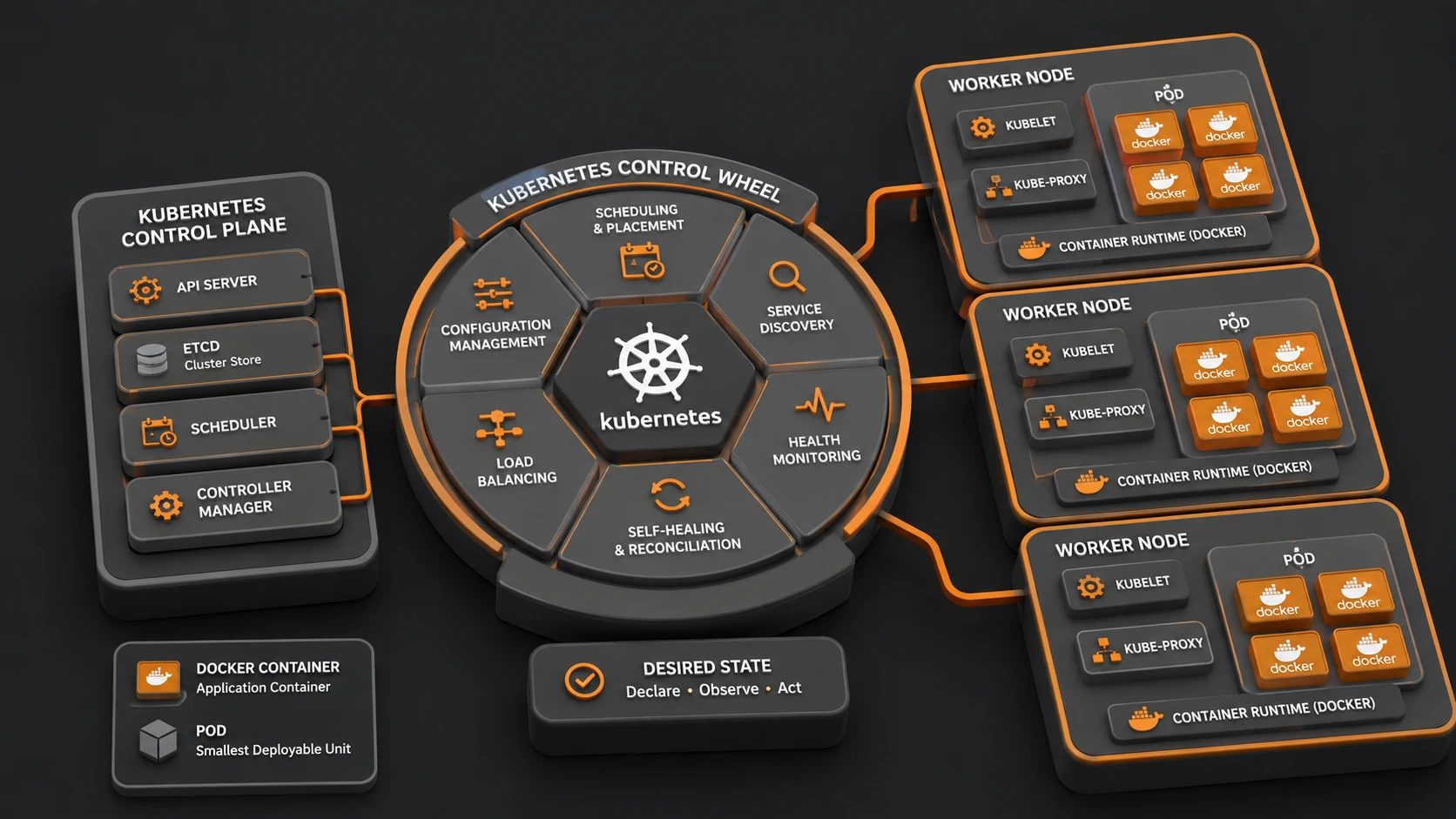
Docker and Kubernetes Native Integration: The End of Orchestration Wars
Docker's announcement of native Kubernetes support within Docker Enterprise Edition marks a major turning point for enterprise container platforms. Rather than forcing organizations to choose between Docker Swarm and Kubernetes, Docker is embracing Kubernetes as a first-class orchestrator alongside Swarm. This shift has significant implications for enterprise infrastructure, DevOps teams, and cloud-native application strategies. This article examines the announcement from the perspective of October 2017.