Architecture
Viewing all posts categorized under Architecture.

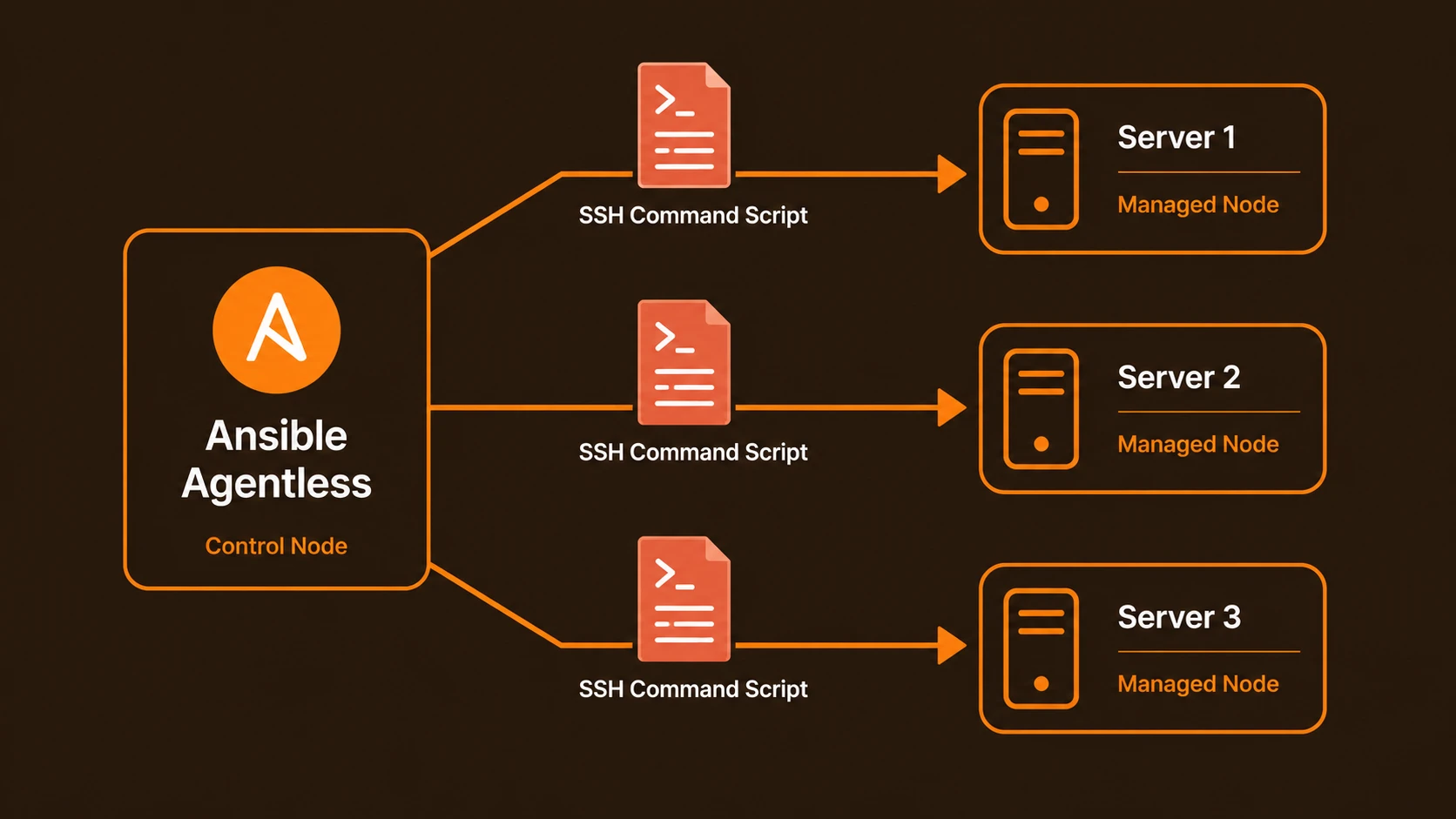
Infrastructure Automation: Ansible vs. Puppet and Chef in 2012
As enterprise IT environments continue growing in complexity, infrastructure automation has become a strategic priority. This article compares Ansible, Puppet, and Chef from the perspective of June 2012, examining their architectures, deployment models, scalability, operational characteristics, and suitability for enterprise infrastructure management.
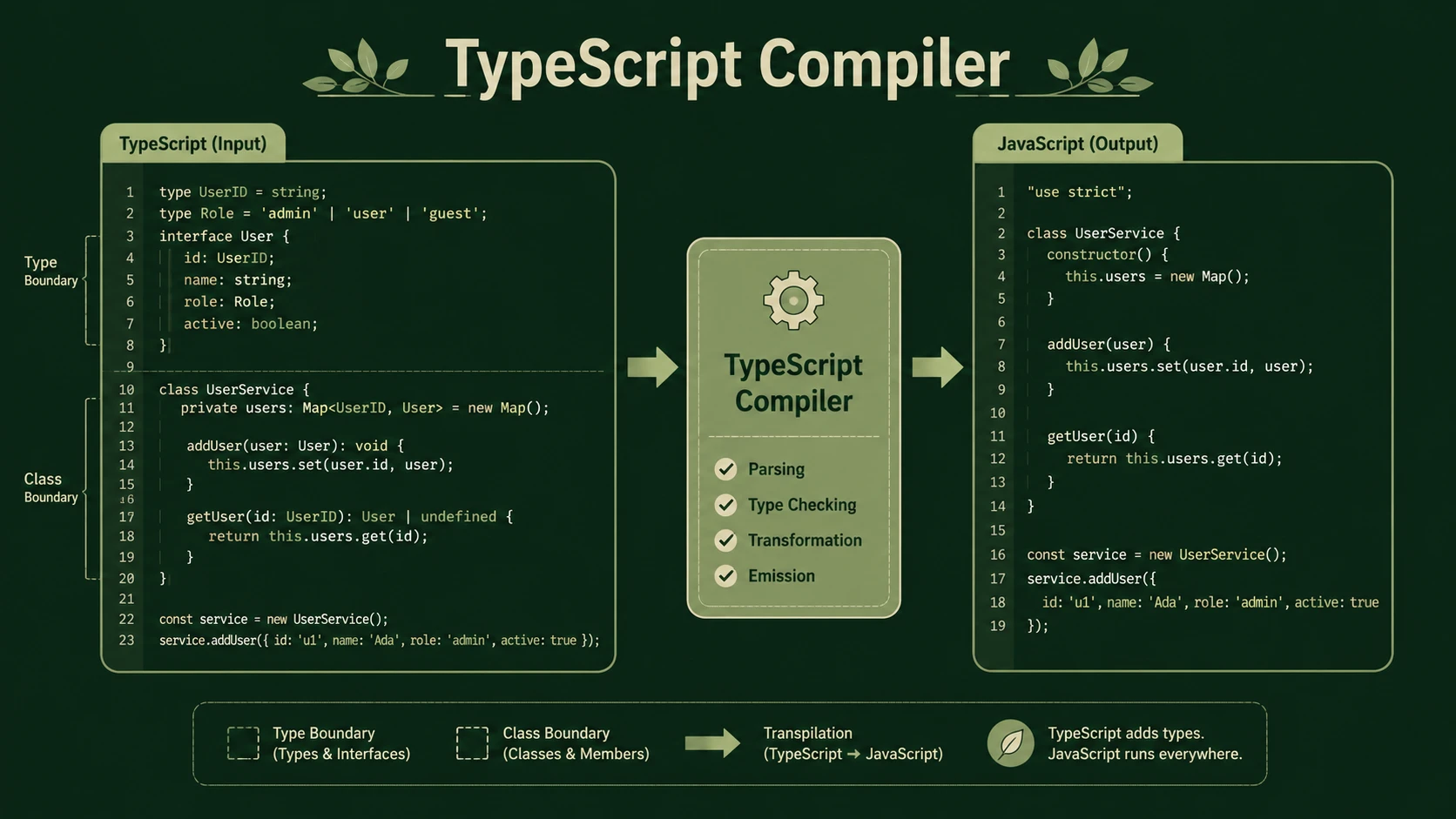
TypeScript Announcement: static type safety for JavaScript scale
Microsoft has announced TypeScript, a statically typed programming language that compiles to JavaScript. This article examines its architecture, language features, enterprise implications, and adoption considerations from the perspective of June 2012.
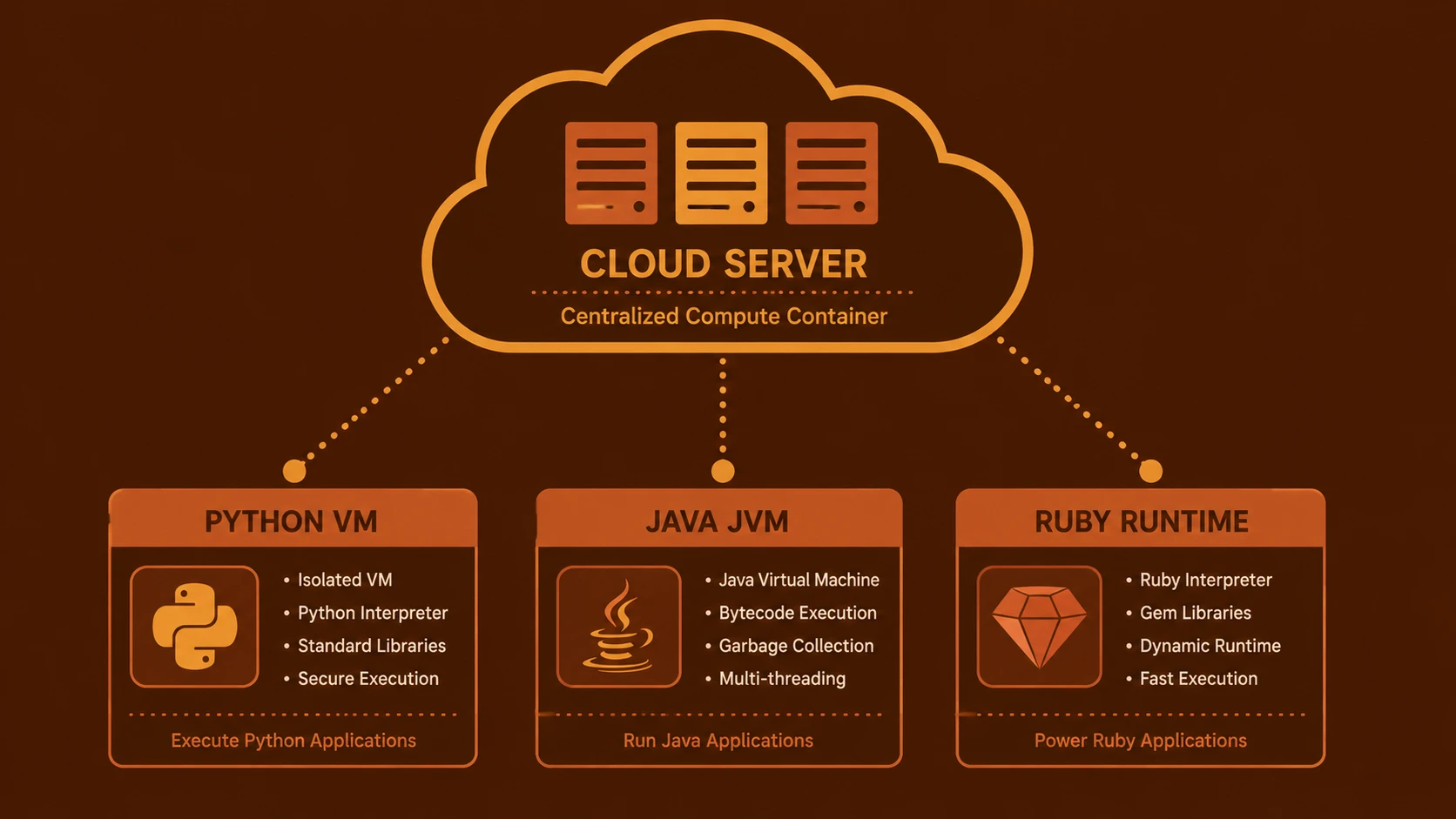
Polyglot Cloud: Heroku's Expansion into Python and Java Support
Heroku has expanded beyond its Ruby roots by introducing first-class support for Python and Java applications, positioning itself as a broader Platform-as-a-Service provider. This article analyzes the architectural implications, enterprise adoption strategies, deployment model, scalability considerations, and business impact from the perspective of May 2012.
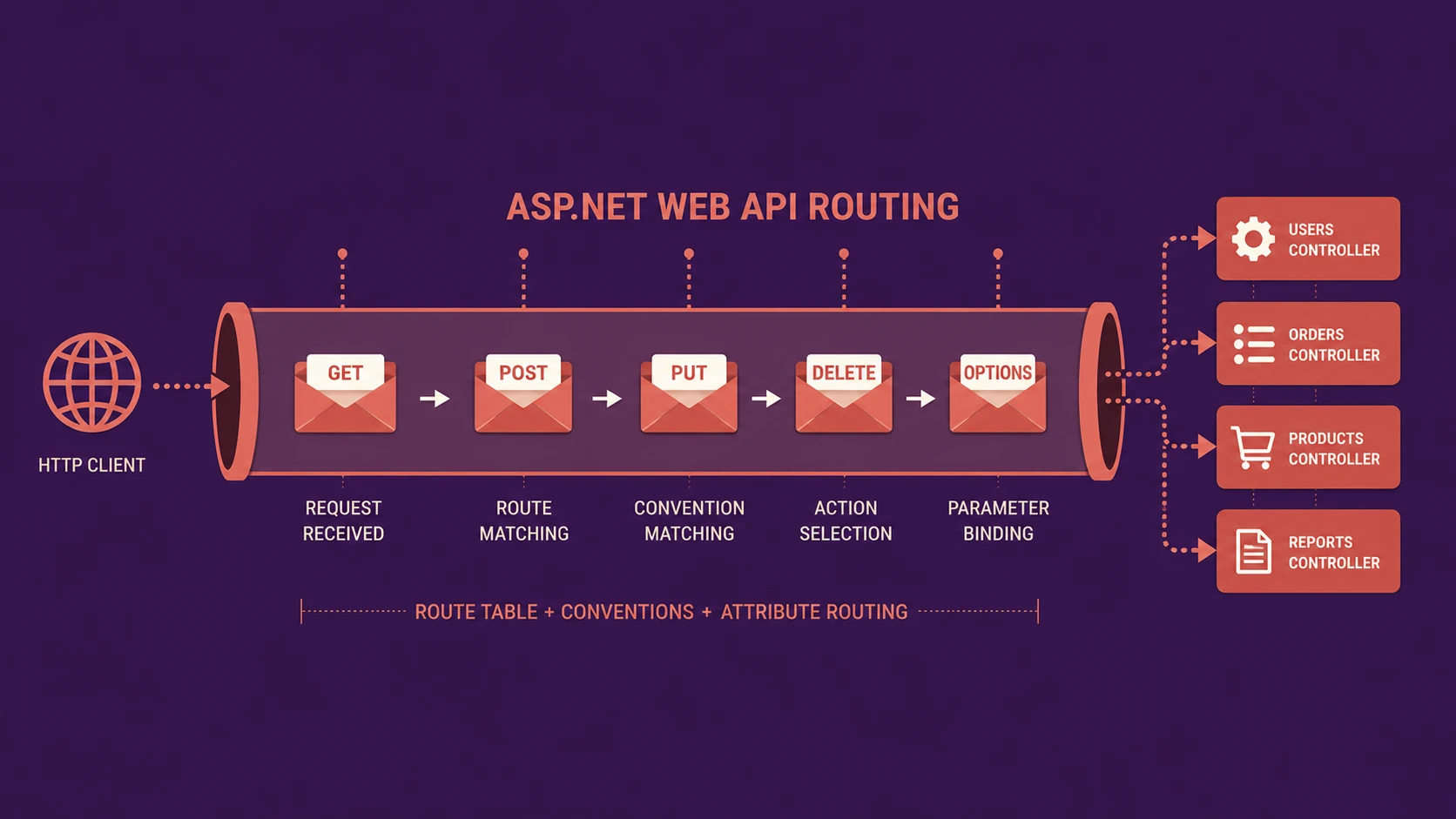
ASP.NET Web API: Designing RESTful APIs for the Modern Web
ASP.NET Web API introduces a modern programming model for building HTTP services that can be consumed by browsers, mobile applications, and enterprise systems. This article examines its architecture, design principles, enterprise adoption strategies, and implementation considerations from the perspective of April 2012.
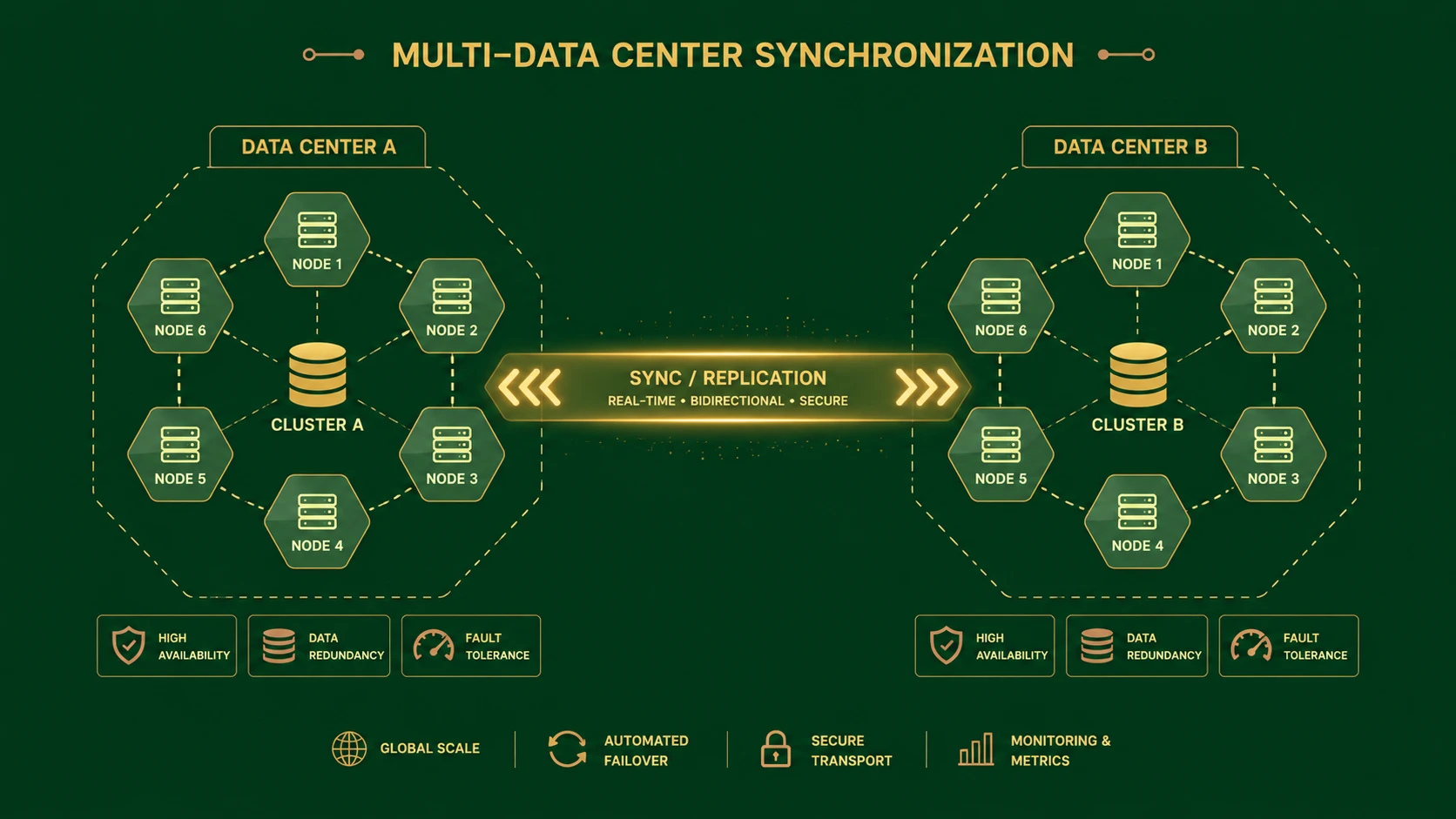
Apache Cassandra 1.1: Multi-Data Center Replication for Enterprise
Apache Cassandra 1.1 introduces significant improvements in multi-data center replication, operational management, and performance, making it an increasingly attractive option for enterprises requiring highly available, geographically distributed databases. This article examines Cassandra 1.1 from the perspective of April 2012, exploring its architecture, replication model, scalability characteristics, enterprise adoption considerations, and operational best practices.

App Store Valuations: Analyzing the $1B Instagram Acquisition
Facebook has announced its intention to acquire Instagram for approximately $1 billion, marking one of the largest acquisitions in the short history of the mobile application industry. This article examines the business rationale, valuation metrics, mobile ecosystem implications, and enterprise lessons from the perspective of March 2012.
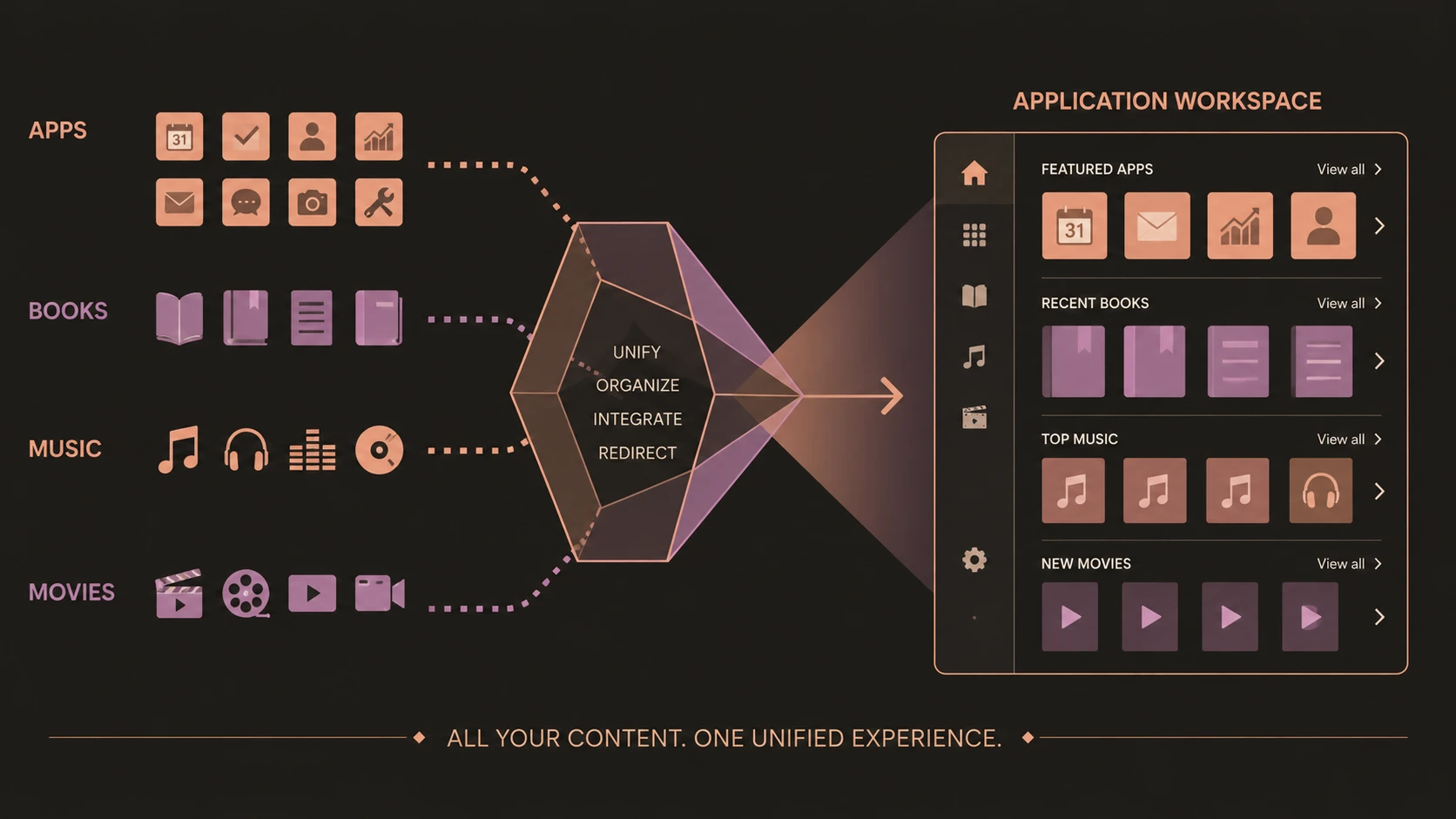
Google Play: Merging Android Market into a Unified Content Hub
Google has introduced Google Play, consolidating Android Market, Google Music, Google eBooks, and movie services into a single digital distribution platform. This article examines the architecture, enterprise impact, application distribution model, and opportunities created by Google's unified ecosystem from the perspective of March 2012.
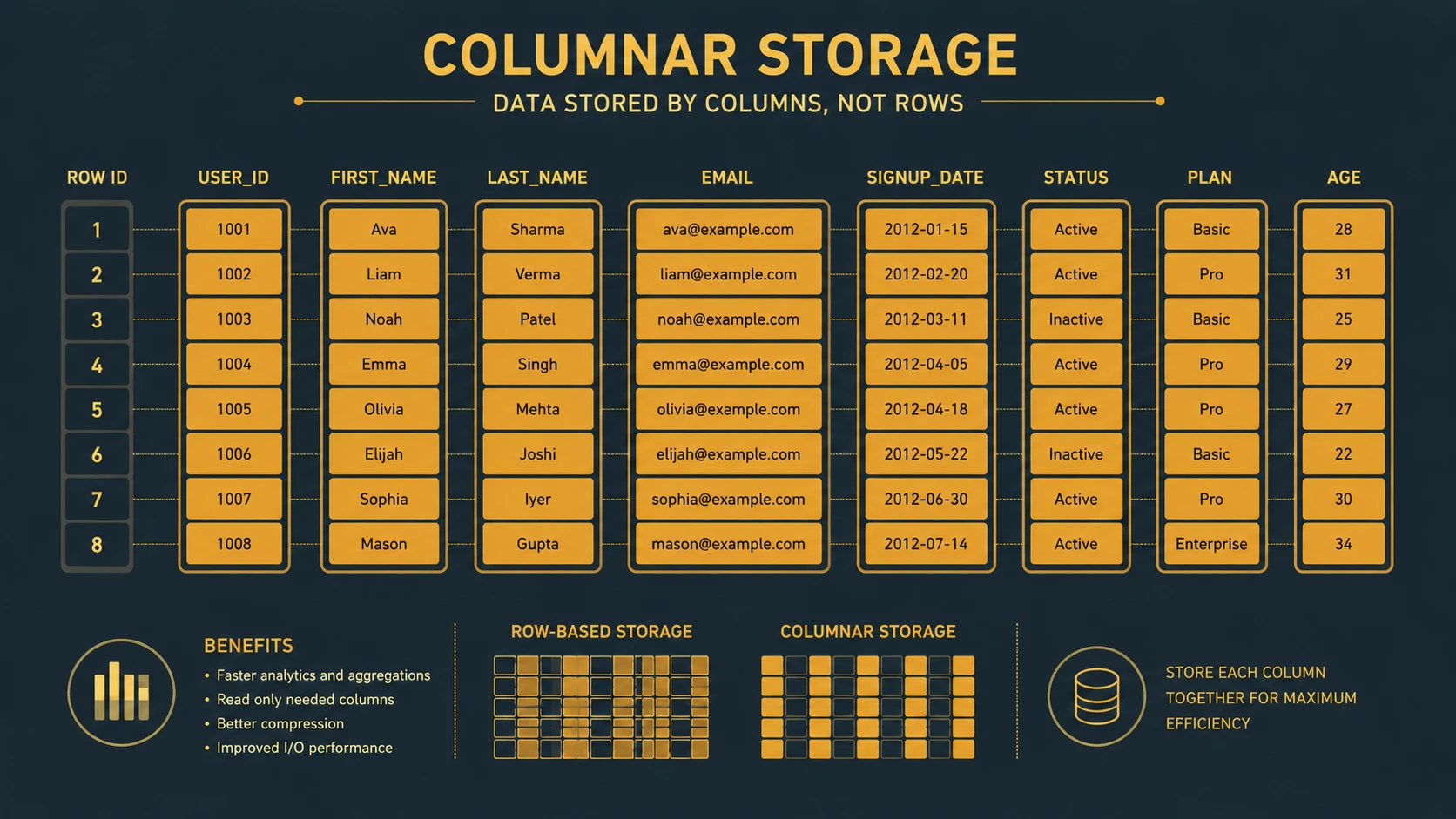
High-Performance Columnstore Indexes in SQL Server 2012
SQL Server 2012 introduces Columnstore Indexes to address the growing performance demands of enterprise data warehousing and business intelligence. This article examines the architecture, execution model, implementation considerations, and enterprise adoption strategies from the perspective of early 2012.
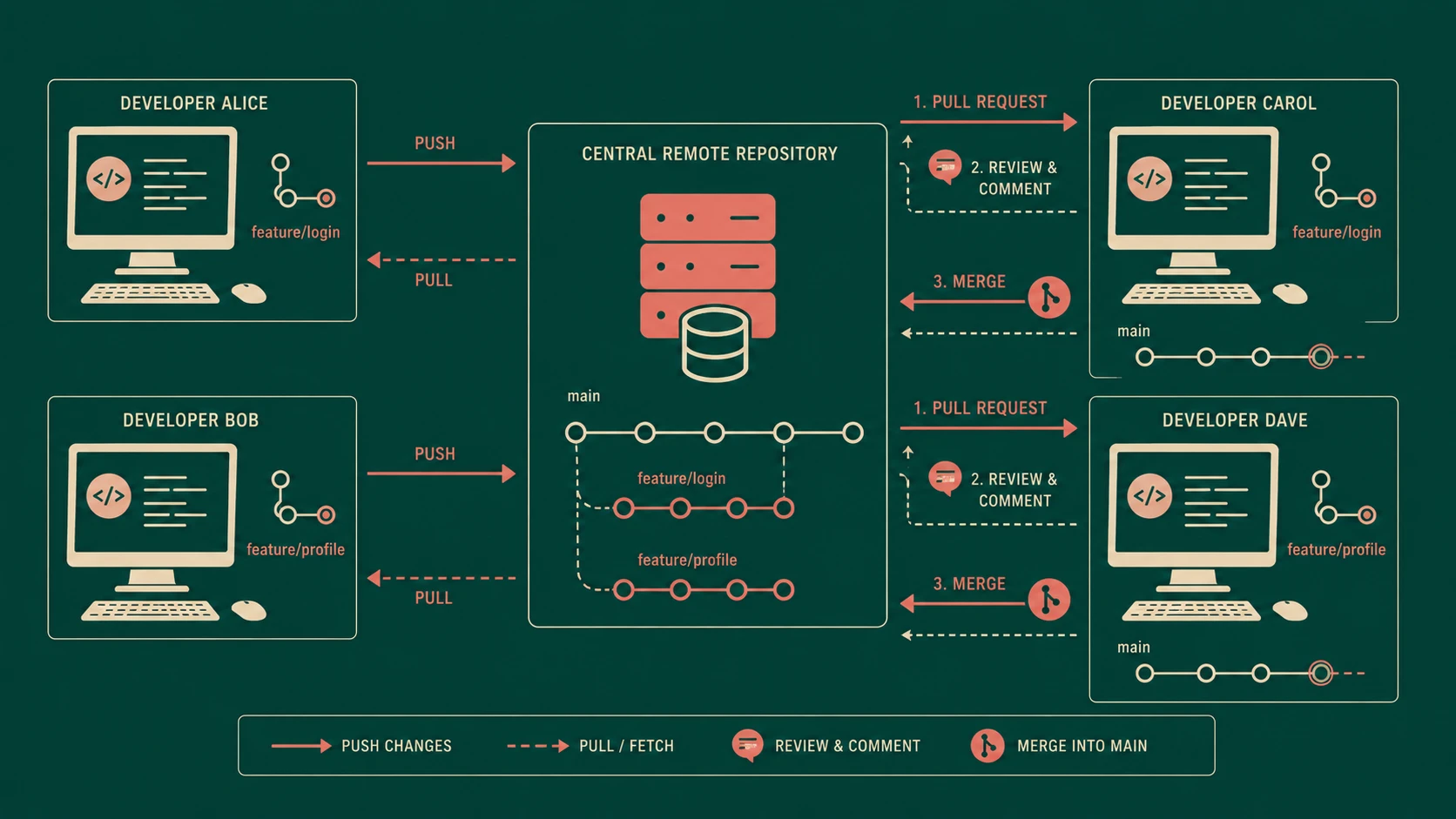
Social Coding: How GitHub is Redefining Team Collaboration
GitHub has rapidly emerged as more than a Git hosting platform. This article explores how social coding, pull requests, forks, issue tracking, and collaborative development practices are influencing enterprise software engineering as of early 2012.
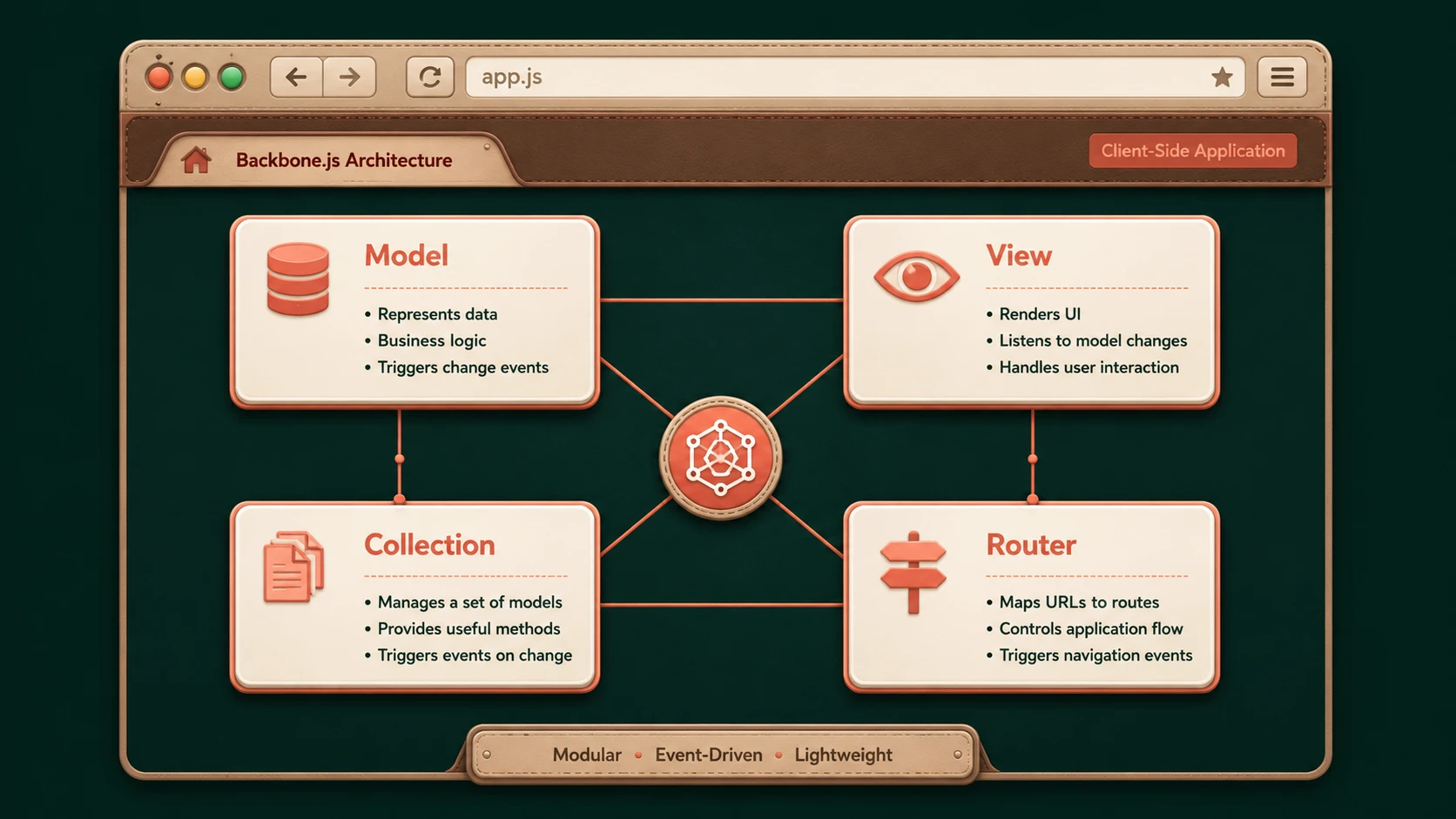
Single Page Applications: Architecting Web Apps with Backbone.js
As enterprise web applications become increasingly interactive, traditional multi-page architectures are giving way to client-driven experiences. Backbone.js provides a lightweight framework for organizing JavaScript applications using models, views, collections, and routers. This article examines Backbone.js, Single Page Application architecture, and enterprise adoption considerations from the perspective of January 2012.

IPv6 World Launch: Preparing Enterprise Infrastructure for the Switch
On June 6, 2012, the World IPv6 Launch marks an important milestone in the Internet's evolution as major content providers, ISPs, and networking companies permanently enable IPv6 services. This article examines what the launch means for enterprise IT teams and outlines practical strategies for planning IPv6 adoption.
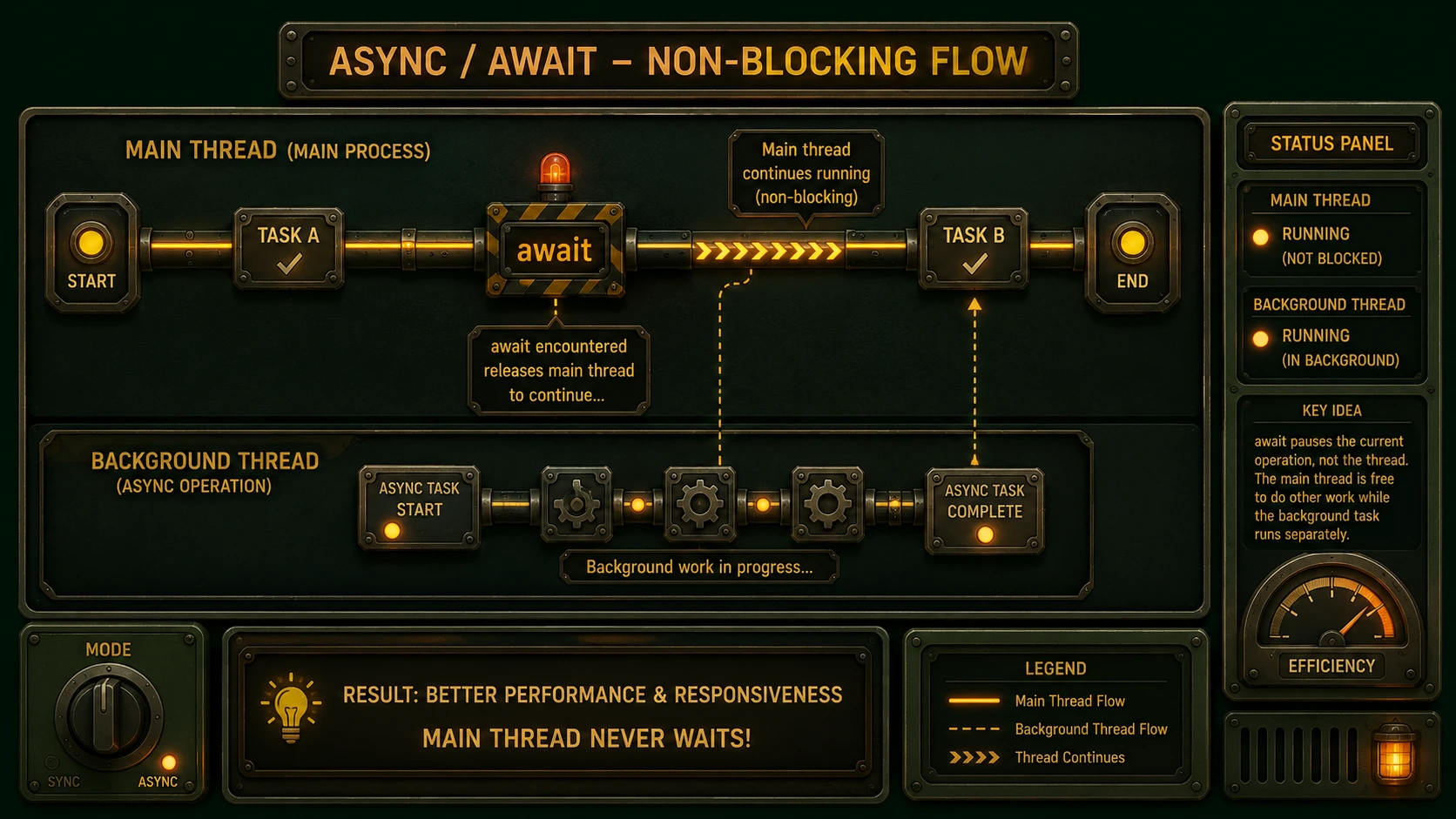
C# 5.0 Async and Await: How Microsoft Simplified Asynchrony
Microsoft's upcoming C# 5.0 language enhancements introduce async and await, promising to simplify asynchronous programming across desktop, web, and server applications. As developers evaluate the Async CTP and Visual Studio 11 previews, enterprise teams are beginning to assess how these language features could reshape application architecture and improve maintainability. This article examines the concepts, benefits, challenges, and adoption considerations from the perspective of December 2011.
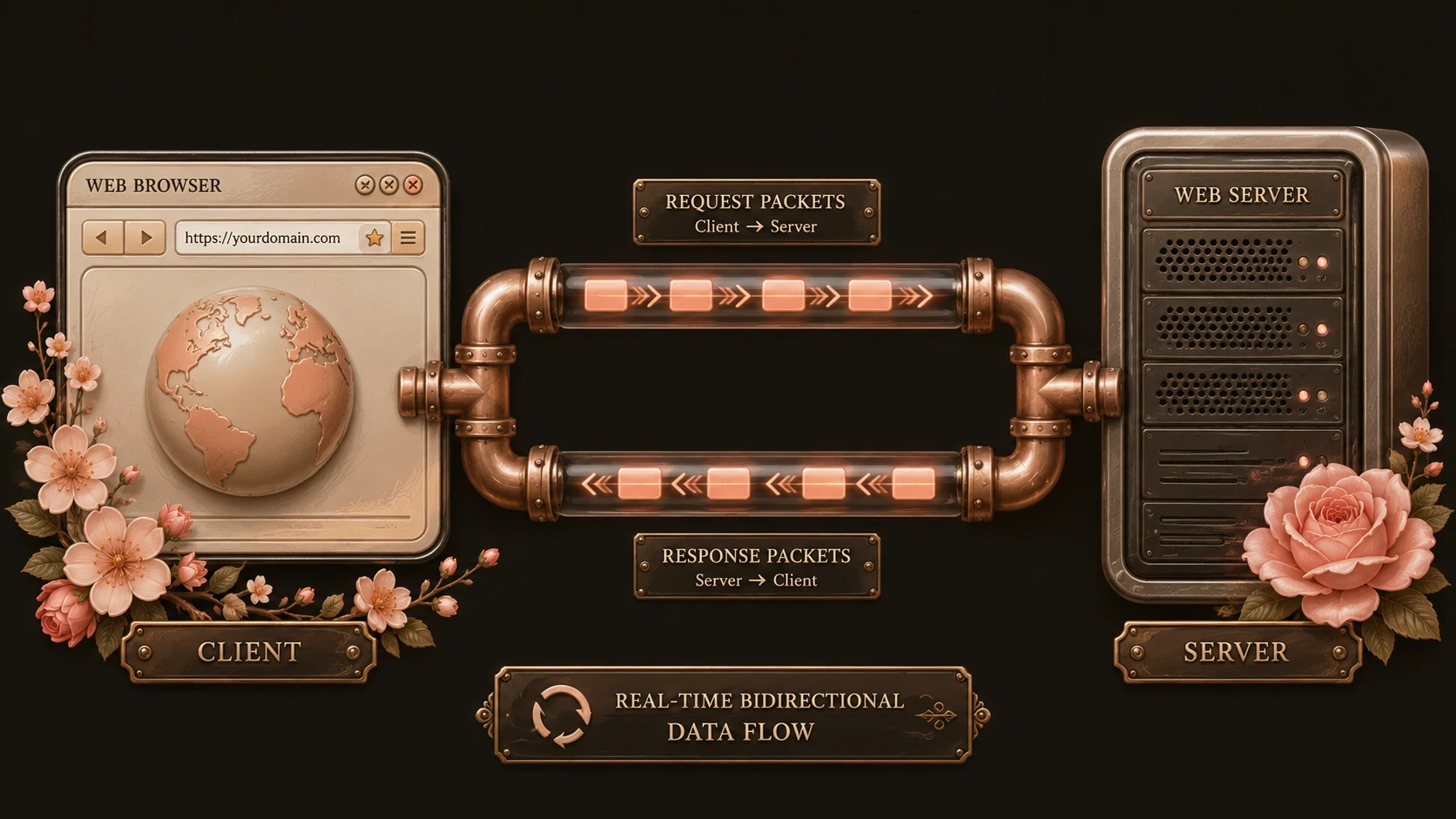
WebSockets RFC 6455: Finalizing the Standard for Real-Time Web
With RFC 6455 officially published as the WebSocket Protocol, the web platform gains a standardized mechanism for persistent, bidirectional communication between browsers and servers. This milestone opens new possibilities for enterprise collaboration, real-time dashboards, financial systems, and interactive web applications.
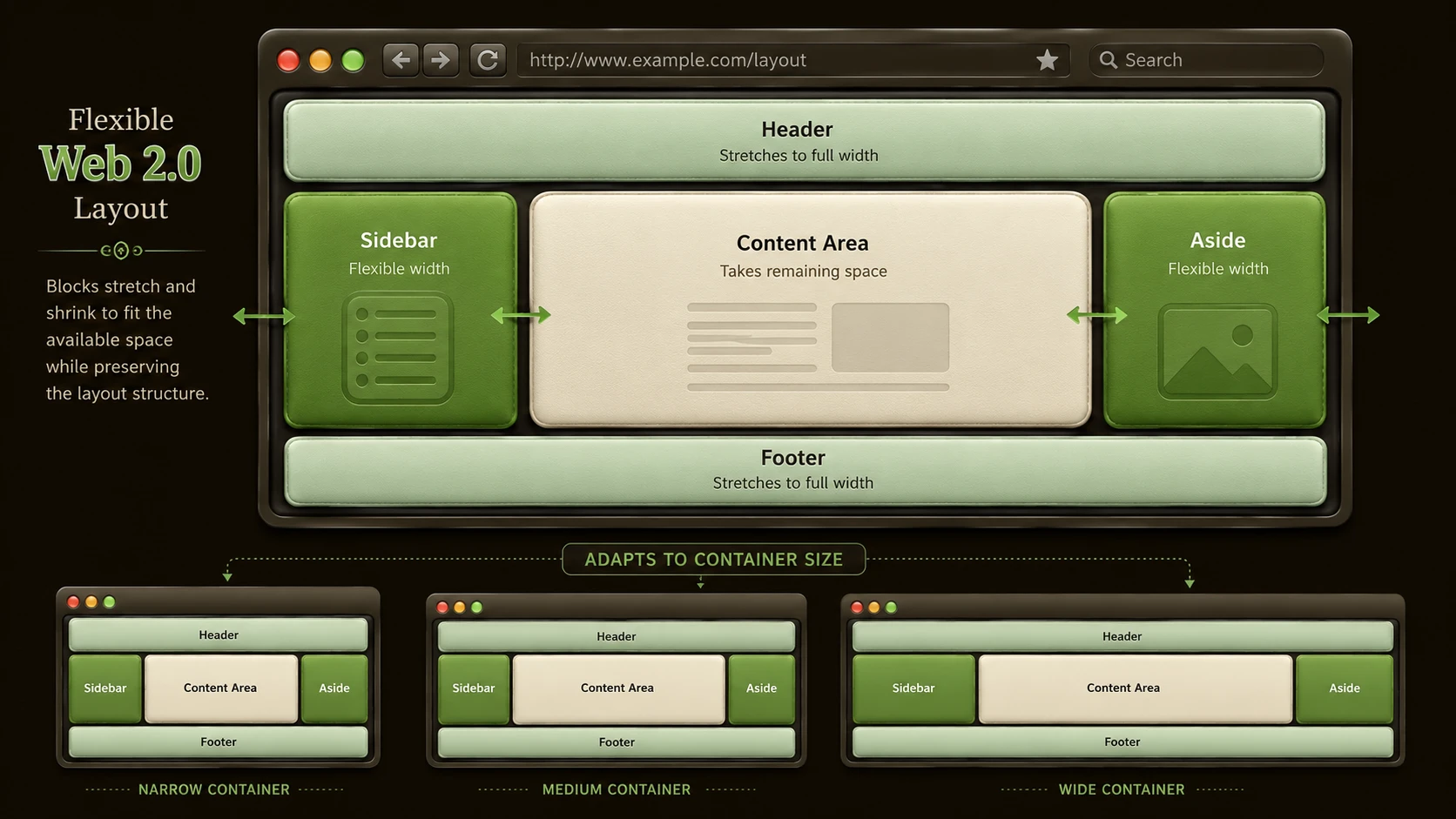
CSS3 Flexbox: The Layout Specification Web Designers Waited For
The CSS3 Flexible Box Layout Module introduces a fundamentally different approach to page layout by addressing many of the limitations of floats, tables, and absolute positioning. Although browser implementations are still evolving, Flexbox offers promising capabilities for building adaptable user interfaces. This article examines the technology, architectural implications, and enterprise adoption considerations from the perspective of November 2011.
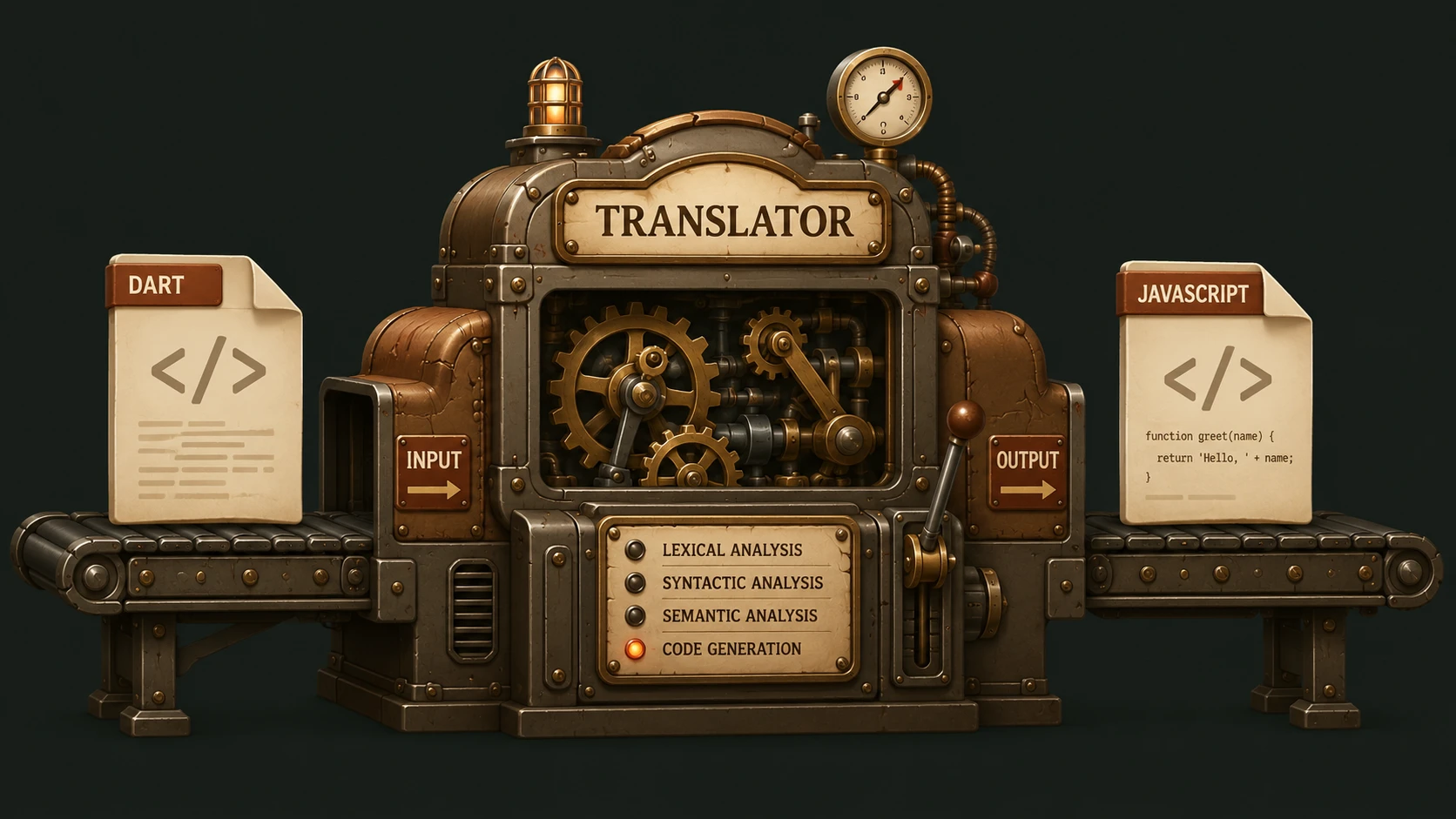
Dart Language: Google's Attempt to Replace JavaScript
Google has introduced Dart, a new structured programming language designed for scalable web application development. While JavaScript remains the foundation of the modern web, Dart proposes a different approach aimed at improving developer productivity, maintainability, and application scalability. This article examines Dart from the perspective of November 2011.