Software Development
Viewing all posts categorized under Software Development.

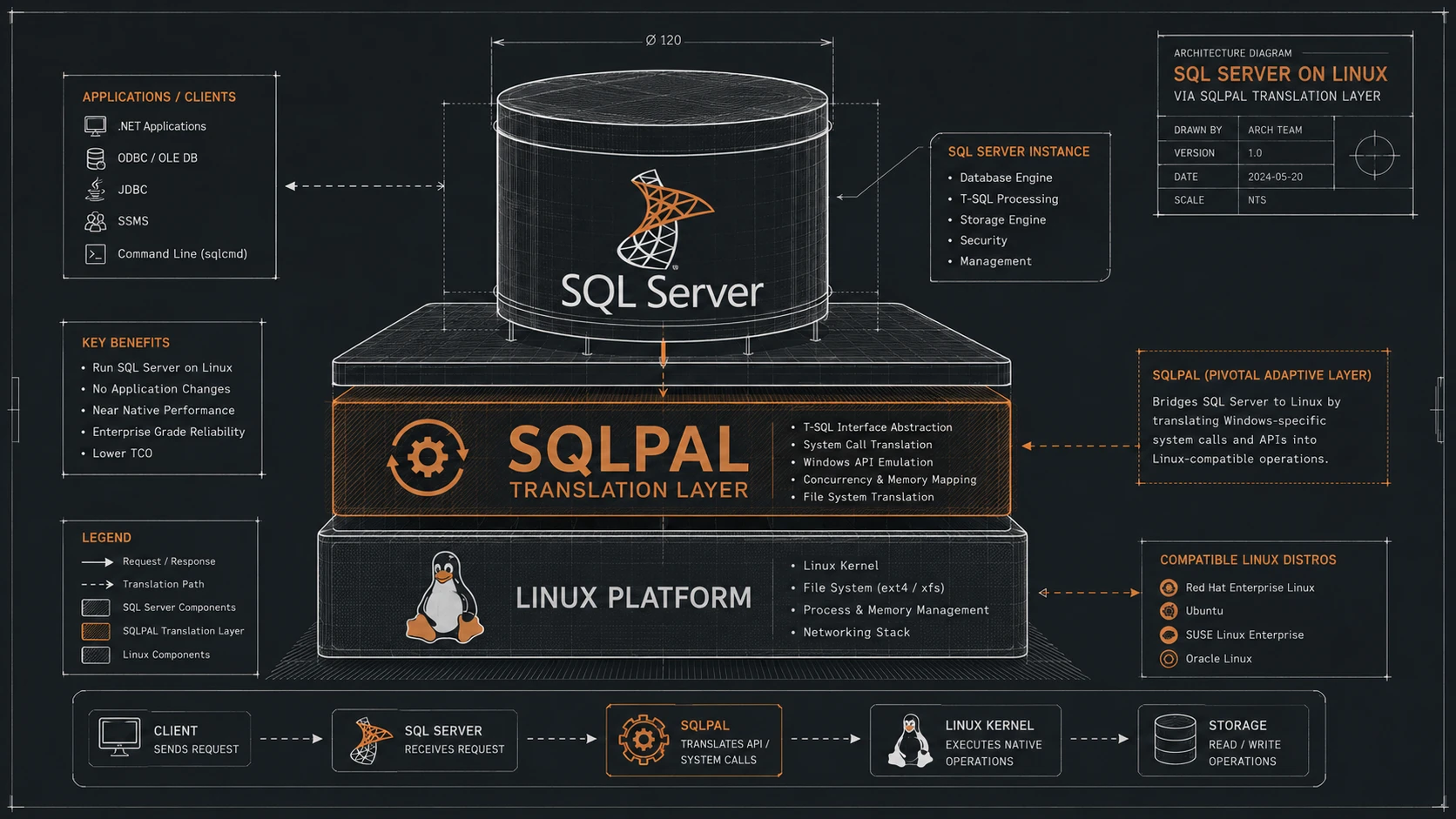
SQL Server on Linux: CoreCLR Compilation and SQLPAL Translation Layers
Microsoft's announcement of SQL Server for Linux marks one of the most significant platform shifts in the company's enterprise software strategy. Powered by the SQL Platform Abstraction Layer (SQLPAL), the Linux version preserves the SQL Server storage engine while adapting it to a new operating system. This article analyzes the announcement from the perspective of December 2016, exploring SQLPAL, platform abstraction, enterprise deployment, and architectural implications.
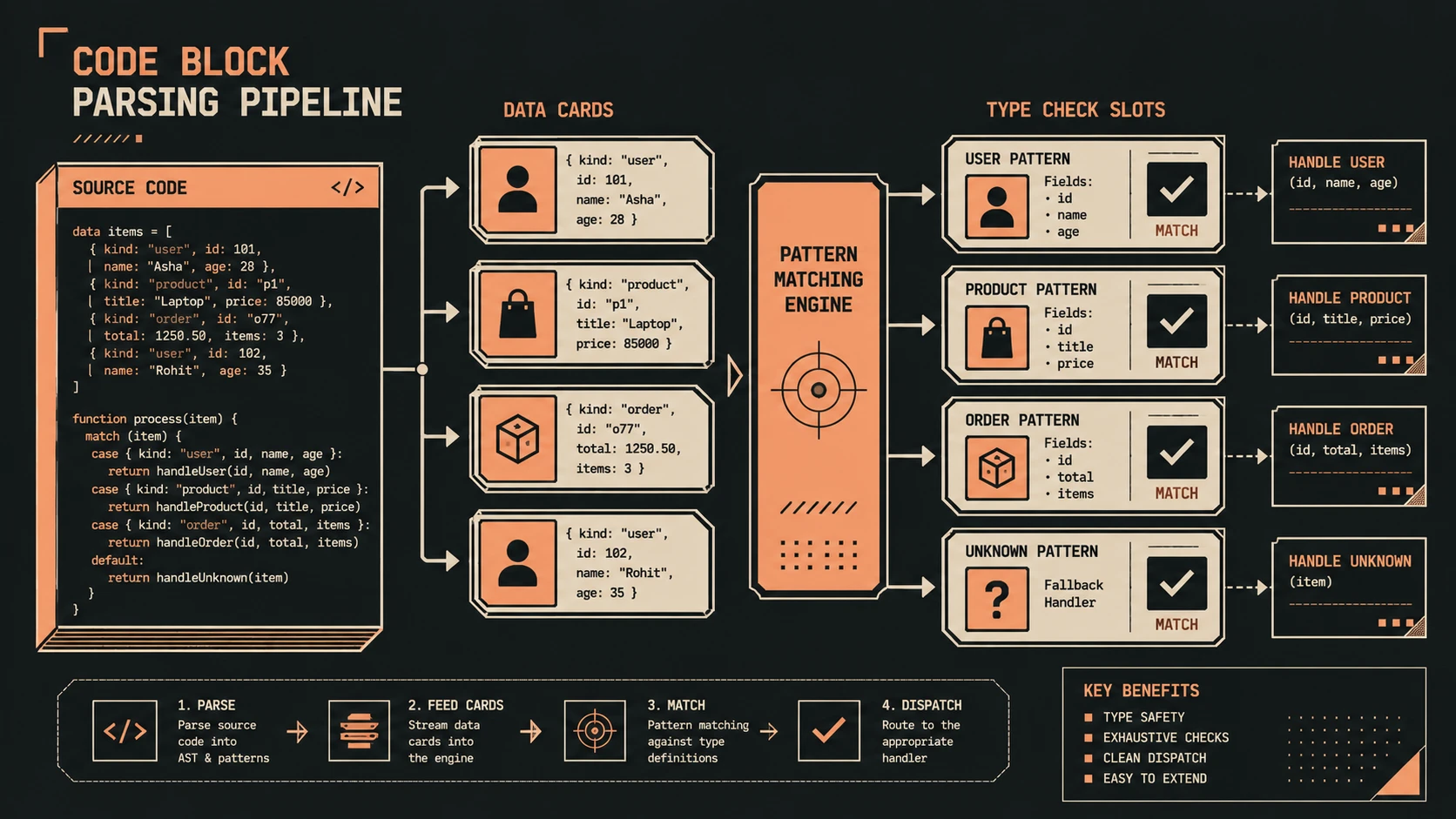
C# 7.0 Previews: Deconstructing Pattern Matching, Tuples, and Ref Returns
The C# 7.0 previews introduce pattern matching, tuples, deconstruction, ref returns, local functions, and other language enhancements designed to improve code clarity and performance. This article evaluates these preview capabilities from the perspective of November 2016 and examines their potential impact on enterprise .NET development.
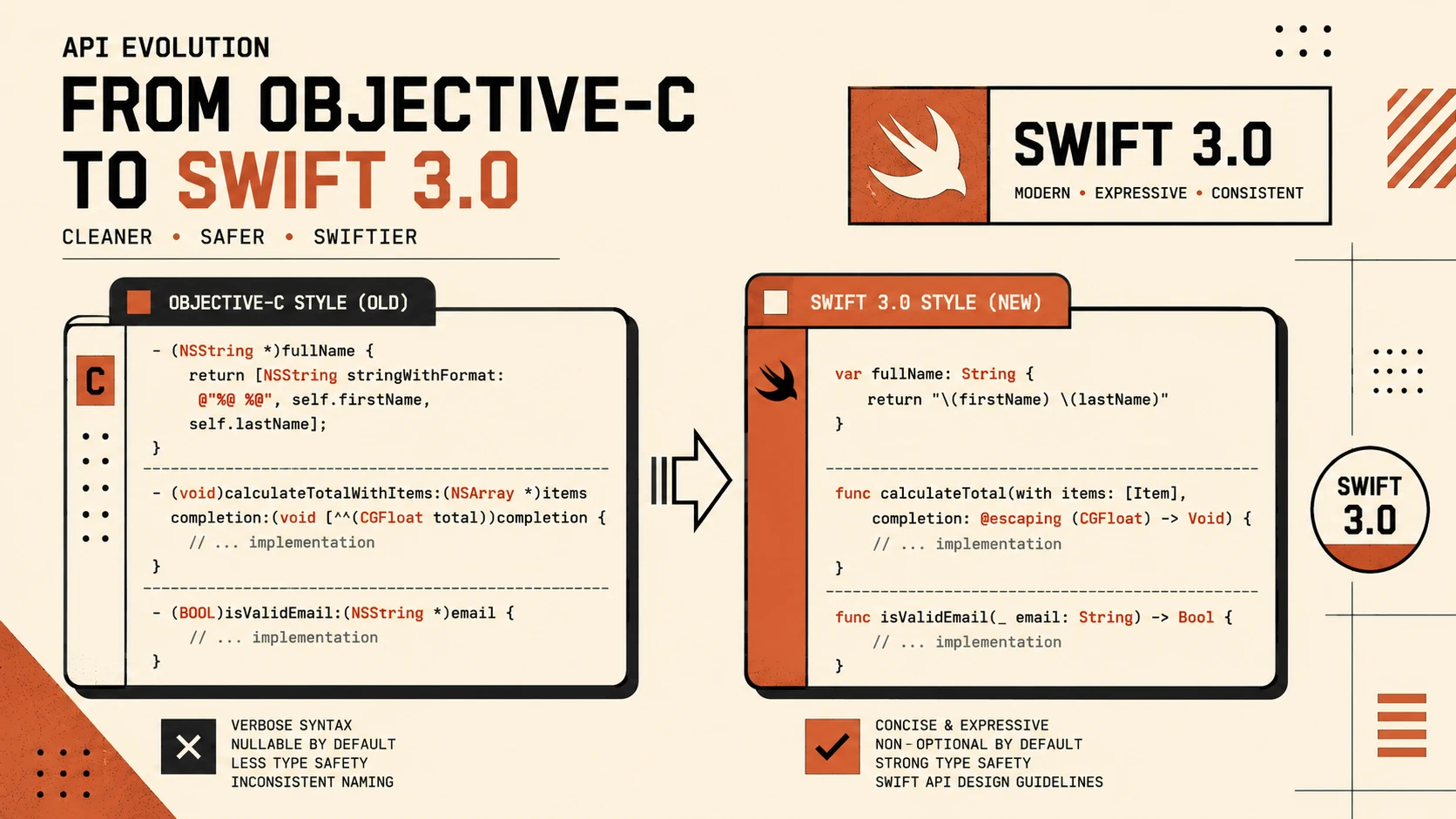
Swift 3.0 Source-Breaking Changes: Standardizing API Design Guidelines
Swift 3.0 represents the largest language refinement since Swift was introduced. By adopting comprehensive API Design Guidelines, simplifying syntax, improving interoperability with Objective-C, and introducing intentional source-breaking changes, Apple aims to create a more consistent and maintainable programming language for long-term application development. This article examines Swift 3.0 from the perspective of October 2016.
Webpack 2.0 Previews: Implementing Tree Shaking and Native ES Modules
Webpack 2.0 previews introduce significant improvements to modern JavaScript application development, including first-class ES2015 module support and tree shaking for eliminating unused code. As enterprise Single Page Applications continue growing in size and complexity, these enhancements promise smaller bundles, improved maintainability, and more efficient build pipelines. This article examines Webpack 2.0 preview capabilities from the perspective of August 2016.
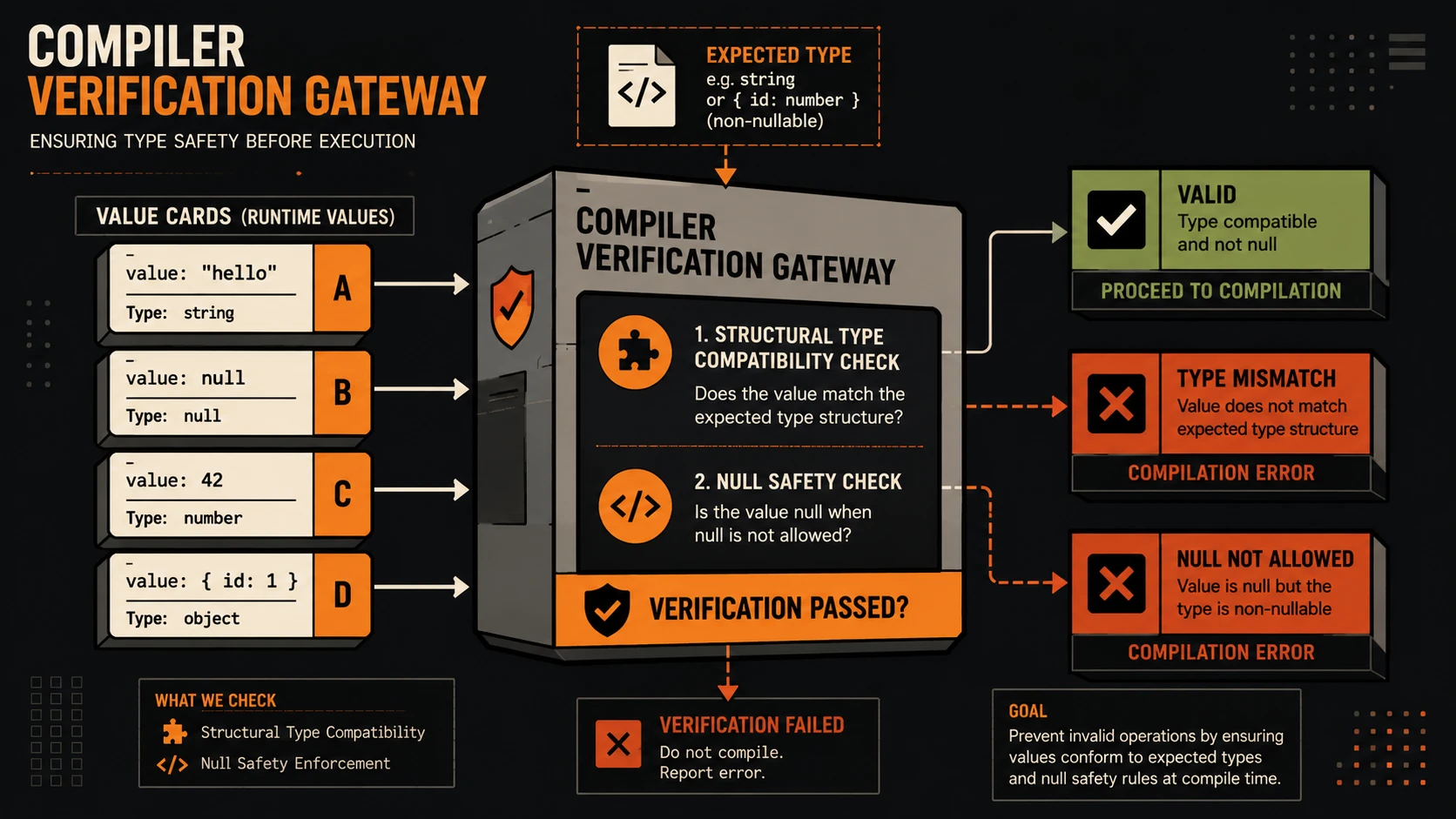
TypeScript 2.0: Strict Null Checking and Compiler Type Guarding
TypeScript 2.0 introduces one of the most important improvements to static typing for JavaScript developers. With strict null checking, control flow-based type analysis, improved type guards, and non-null assertion operators, Microsoft continues strengthening TypeScript as an enterprise development language. This article examines TypeScript 2.0 from the perspective of July 2016, evaluating its architecture, compiler innovations, enterprise adoption strategy, and practical implications for large-scale applications.

AWS Lambda and Serverless Framework: Deploying Event-Driven SaaS Backends
AWS Lambda has introduced a new execution model where code runs in response to events without provisioning or managing servers. Combined with the emerging Serverless Framework, organizations can simplify deployment, infrastructure management, and operational automation. This article examines the architecture, deployment pipeline, performance characteristics, and enterprise adoption considerations from the perspective of June 2016.
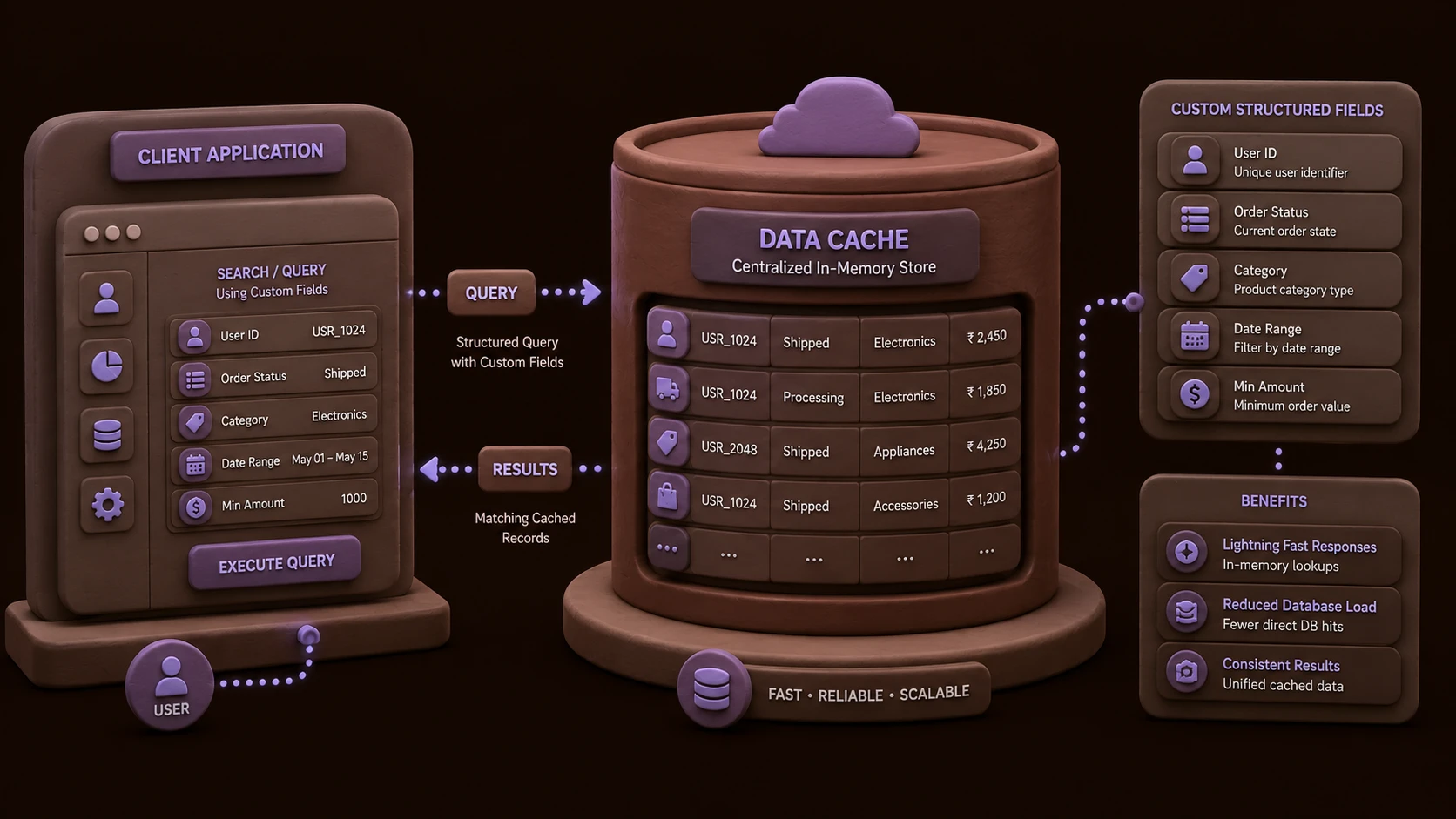
Apollo Client for GraphQL: Standardizing UI Caching and Query Normalization
Apollo Client introduces a comprehensive approach to consuming GraphQL APIs by combining query execution, normalized caching, and client-side state management. This article examines Apollo Client's architecture, caching strategies, query lifecycle, enterprise adoption considerations, and performance characteristics from the perspective of April 2016.
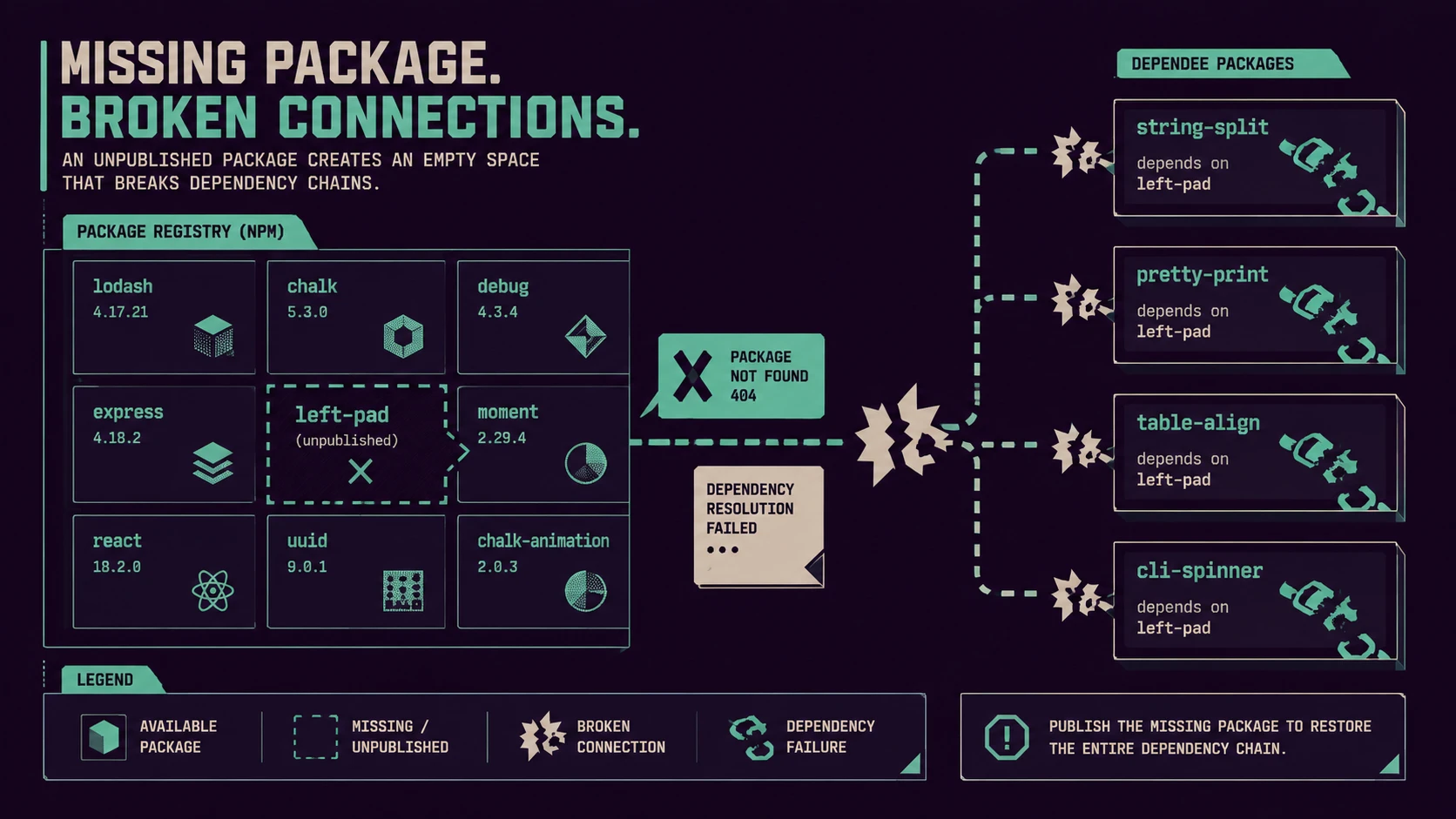
NPM Package Management Security: Deconstructing the Left-Pad Packaging Crisis
The unexpected removal of the Left-Pad package from the NPM registry exposed how deeply modern JavaScript applications depend on third-party packages. This article examines the incident from the perspective of March 2016, exploring dependency management, package registry governance, software supply chain security, and enterprise best practices for managing Node.js ecosystems.
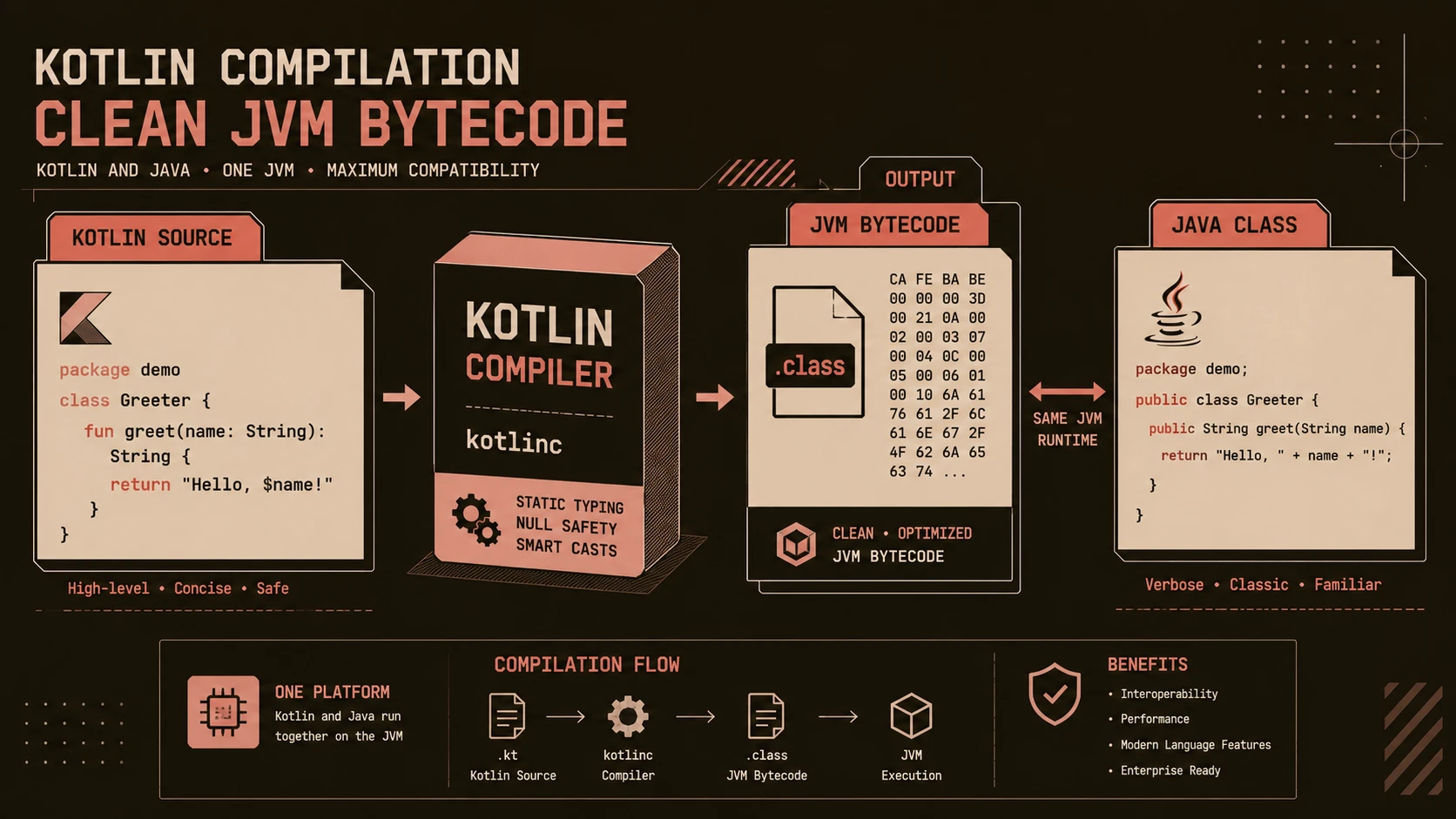
Kotlin 1.0 Release: Java Interoperability, Null Safety, and JVM Compilation
With the release of Kotlin 1.0, JetBrains delivers a stable, production-ready programming language designed for seamless Java interoperability, improved null safety, concise syntax, and efficient JVM compilation. Kotlin enables organizations to modernize existing Java applications while leveraging the mature Java ecosystem. This article examines Kotlin 1.0 from the perspective of March 2016, exploring its architecture, enterprise use cases, performance characteristics, scalability, and adoption considerations.
.NET Core 1.0: Cross-Platform Execution and the New CLI Pipeline
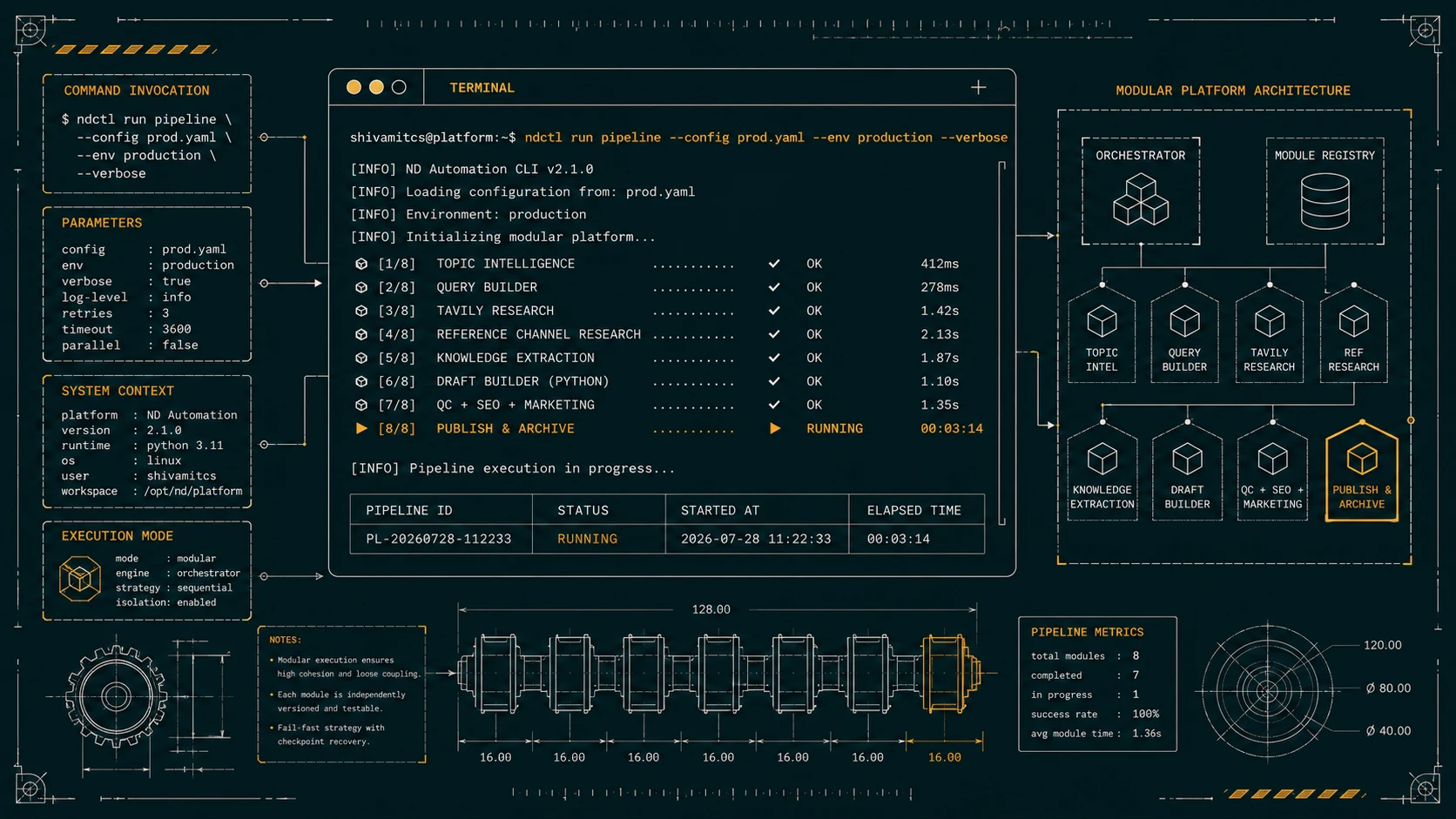
.NET Core 1.0 introduces a modular, cross-platform implementation of .NET together with a new command-line interface that simplifies development, dependency management, and deployment across Windows, Linux, and macOS. This article examines the architecture, runtime model, CLI pipeline, enterprise use cases, and adoption considerations from the perspective of February 2016.
Vue.js 2.0: Virtual DOM Implementation and Reactive Property Listeners
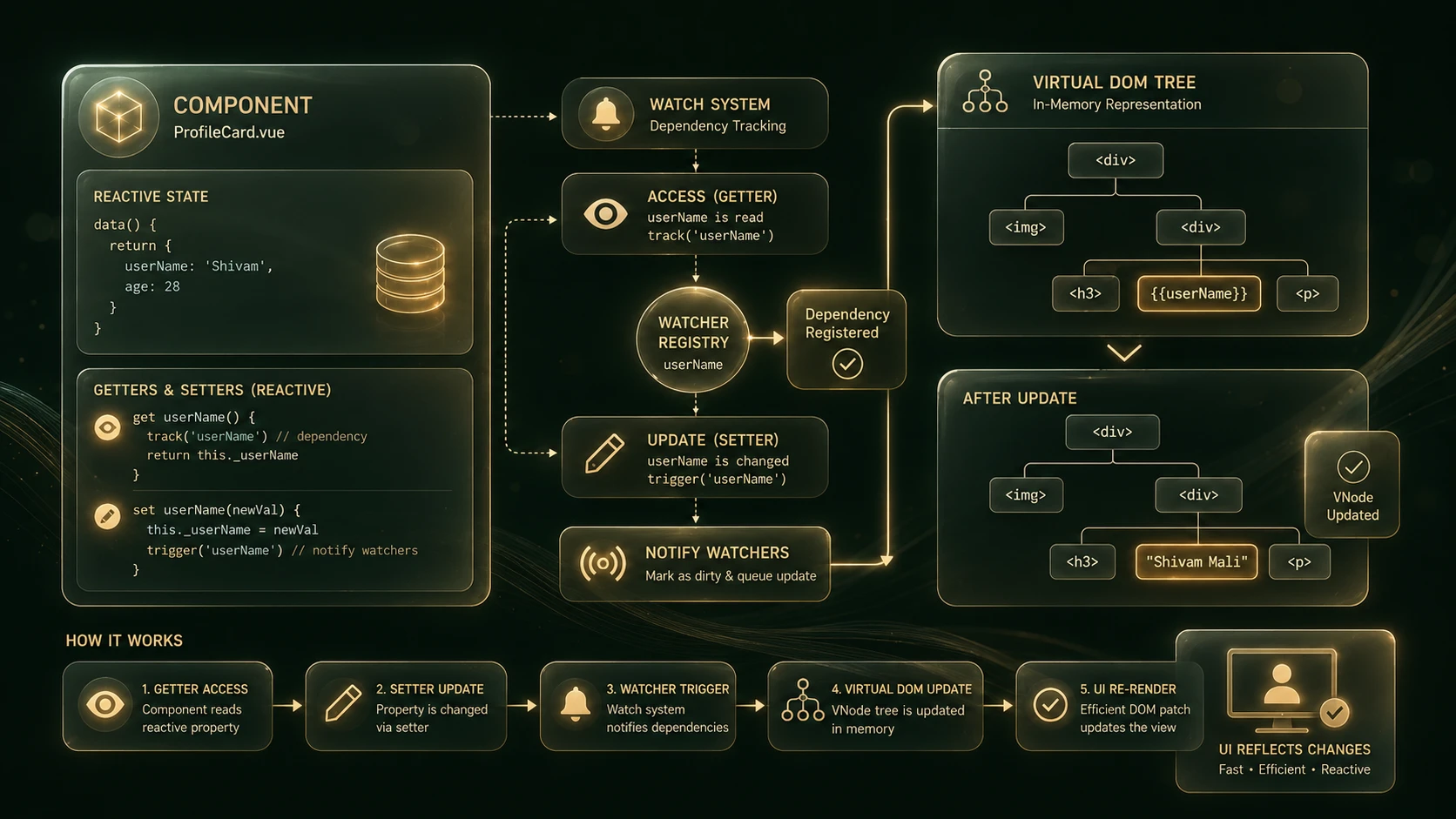
Vue.js 2.0 introduces a major architectural evolution with a Virtual DOM implementation, improved reactive data binding, faster rendering performance, and a more scalable component model. This article examines Vue.js 2.0 from the perspective of February 2016, evaluating its architecture, enterprise use cases, performance characteristics, and adoption considerations for modern web applications.
C# 6.0 Features: Null-Conditional Operators, Auto-Property Initializers, and String Interpolation
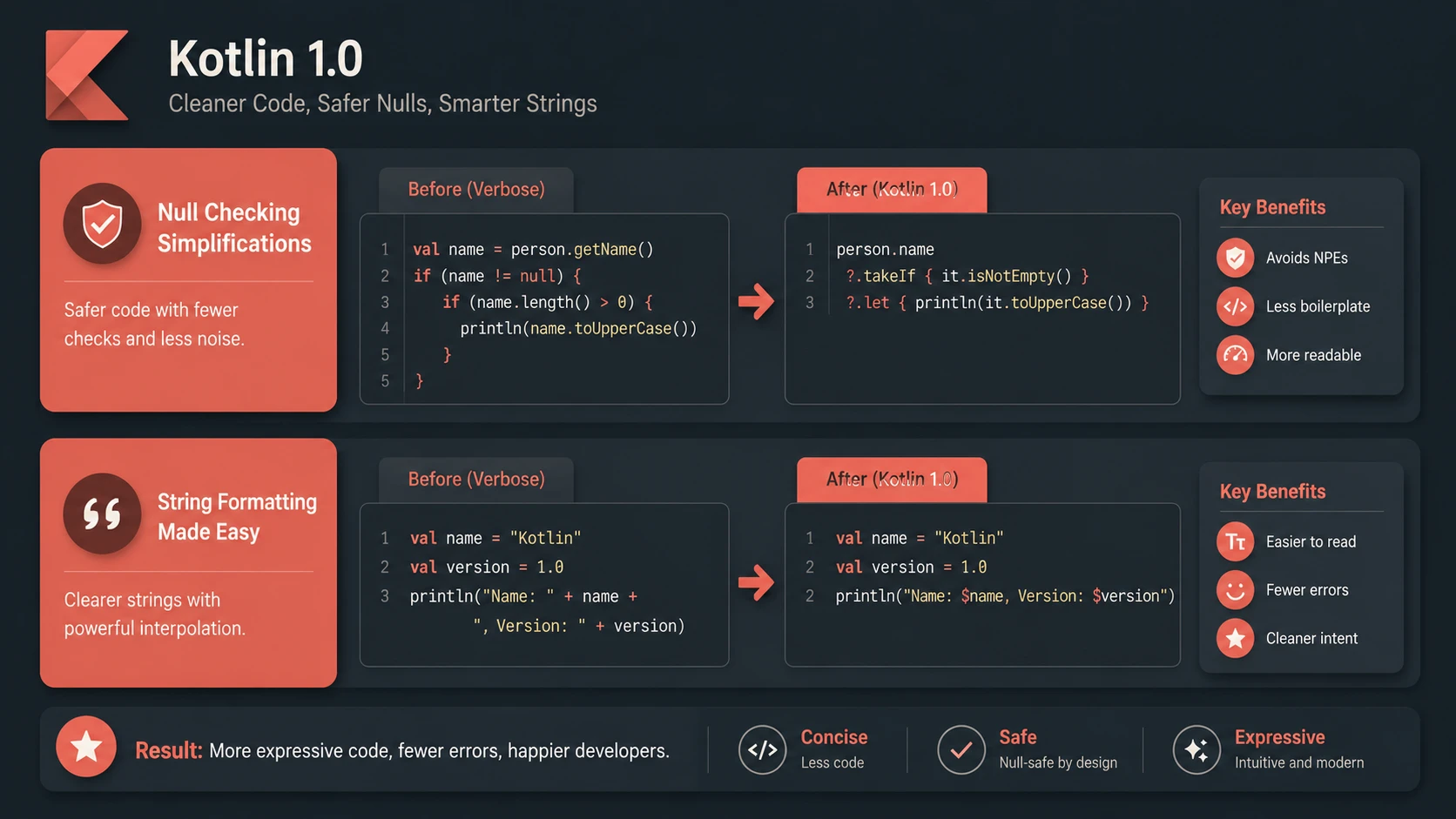
C# 6.0 introduces several language enhancements focused on developer productivity, readability, and safer code. This article explores null-conditional operators, auto-property initializers, string interpolation, and other key language improvements from the perspective of November 2015, highlighting their impact on enterprise software engineering.
Phoenix Framework: Developing High-Concurrency Web APIs with Elixir and OTP
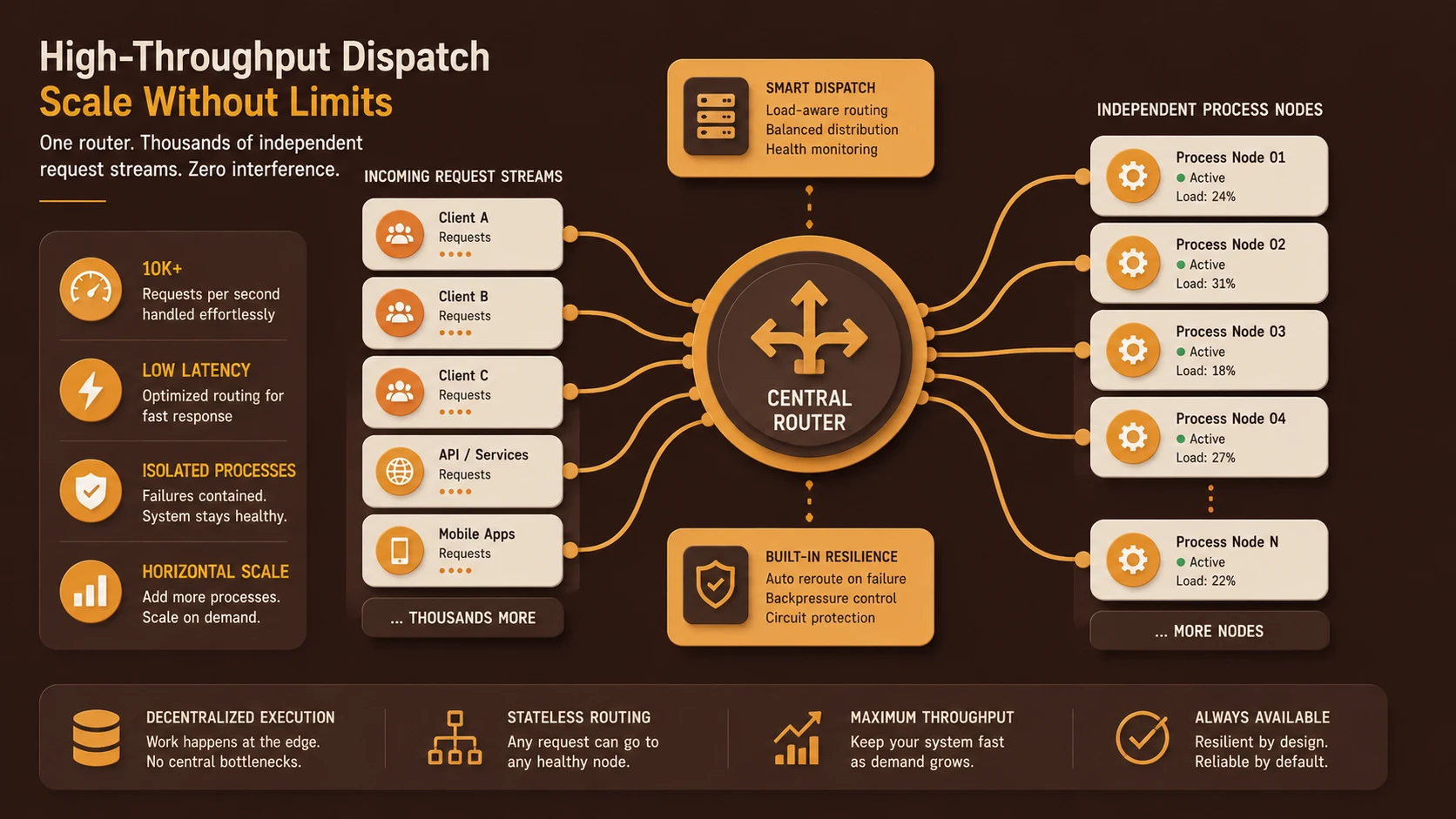
The Phoenix Framework has rapidly emerged as a promising web development platform for Elixir, combining the reliability of the Erlang VM with a productive MVC architecture. Built upon the OTP concurrency model, Phoenix enables developers to create highly concurrent web APIs and real-time applications capable of supporting demanding enterprise workloads. This article examines Phoenix Framework from the perspective of October 2015, exploring its architecture, concurrency model, enterprise use cases, scalability, performance characteristics, and adoption considerations.
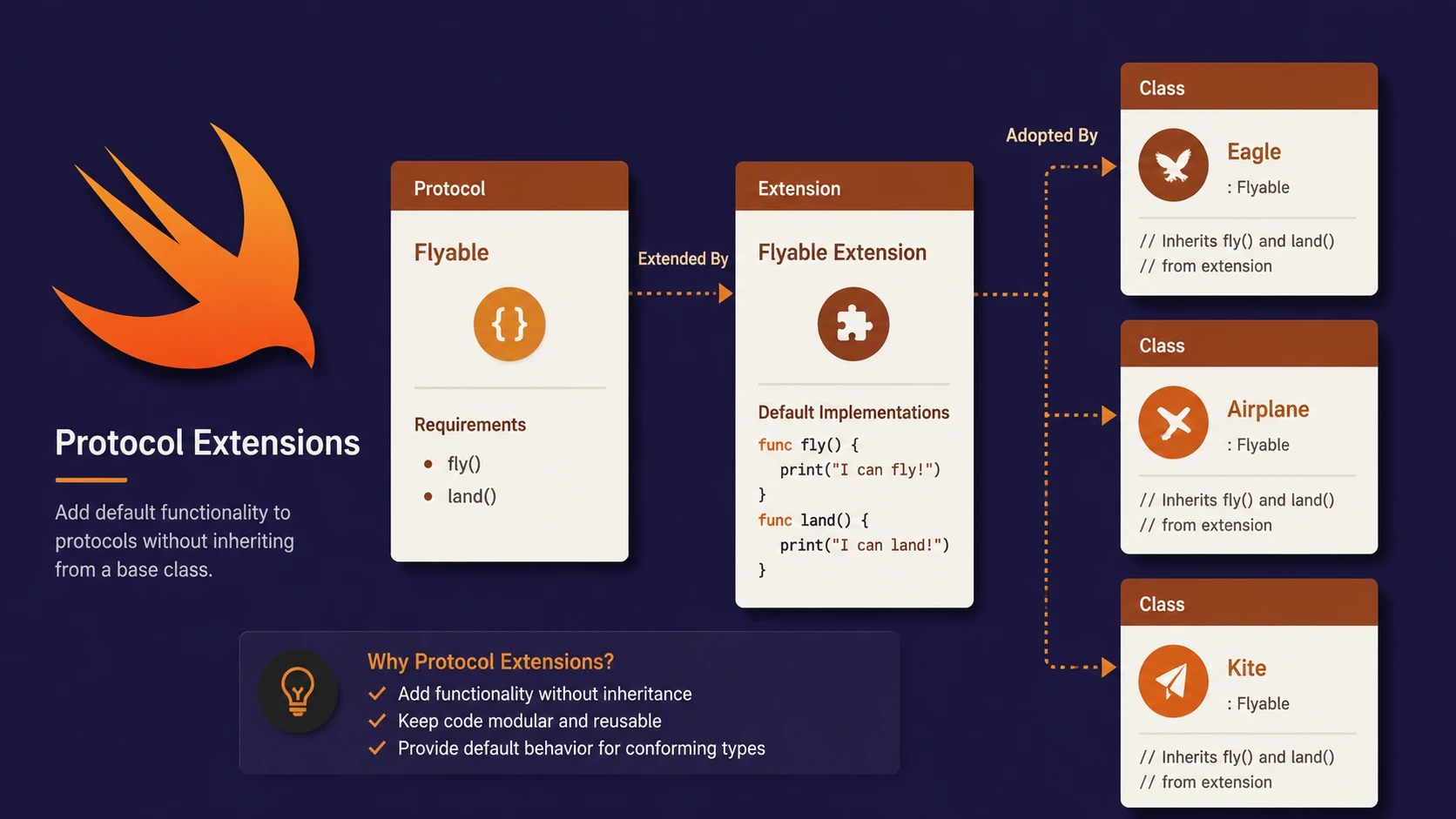
Swift 2.0 Open Source: Memory Management, Error Handling, and Protocol Extensions
Apple has released Swift 2.0 alongside the decision to open source the Swift programming language, marking a significant milestone in modern software development. With improvements including structured error handling, protocol extensions, compiler enhancements, and continued Automatic Reference Counting (ARC) optimizations, Swift 2.0 positions itself as a production-ready language for building reliable and maintainable applications. This article examines Swift 2.0 from the perspective of September 2015, exploring its architecture, enterprise implications, performance characteristics, and adoption strategy.
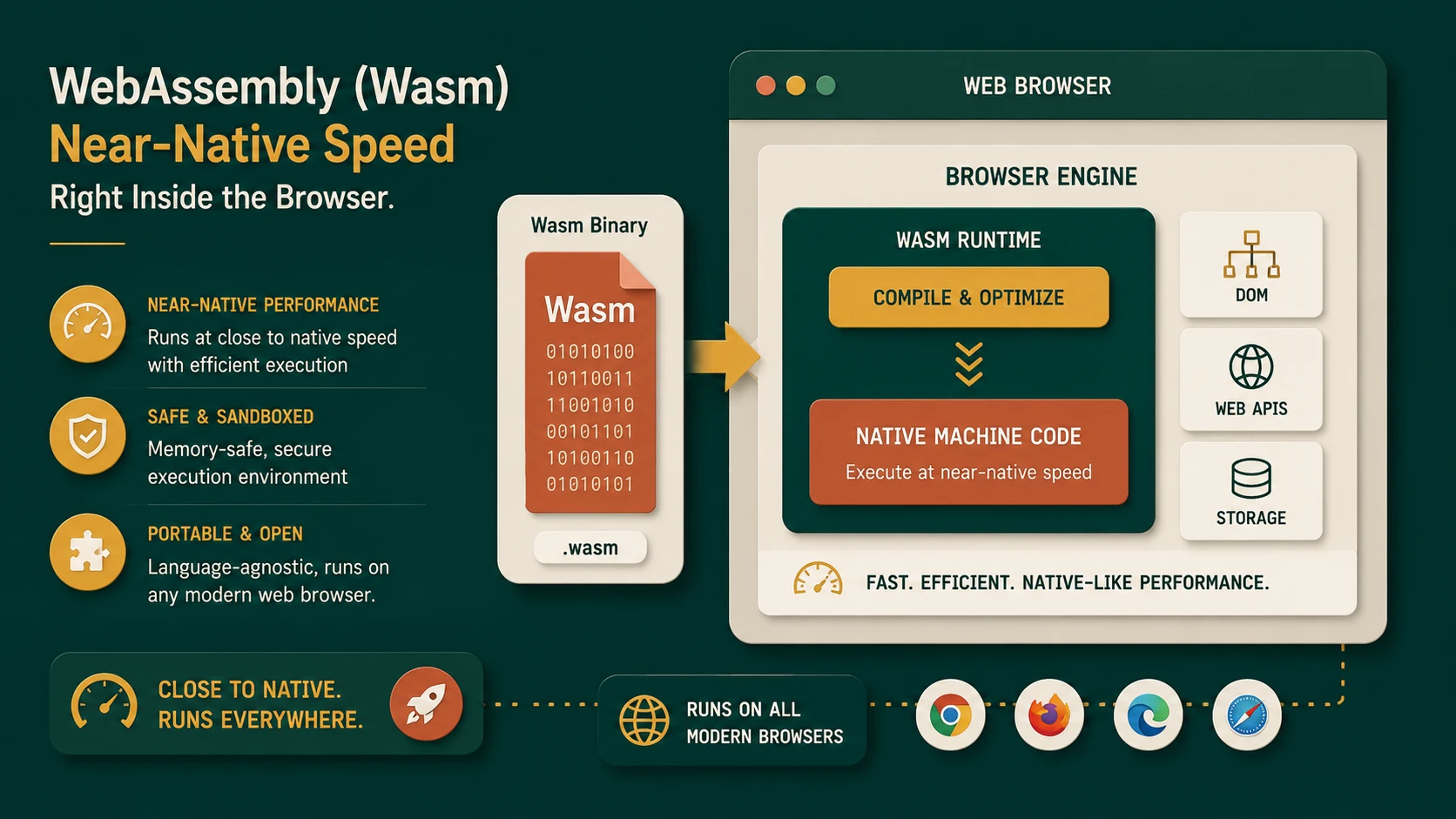
WebAssembly Announcement: Developing Native Code Runtimes inside Browser Engines
The WebAssembly initiative has been announced as a collaborative effort by major browser vendors to create a compact binary format for the web. This article examines the proposal from the perspective of August 2015, exploring its architecture, enterprise implications, performance goals, security model, and how it may influence the future of browser-based application development.