Database
Viewing all posts categorized under Database.

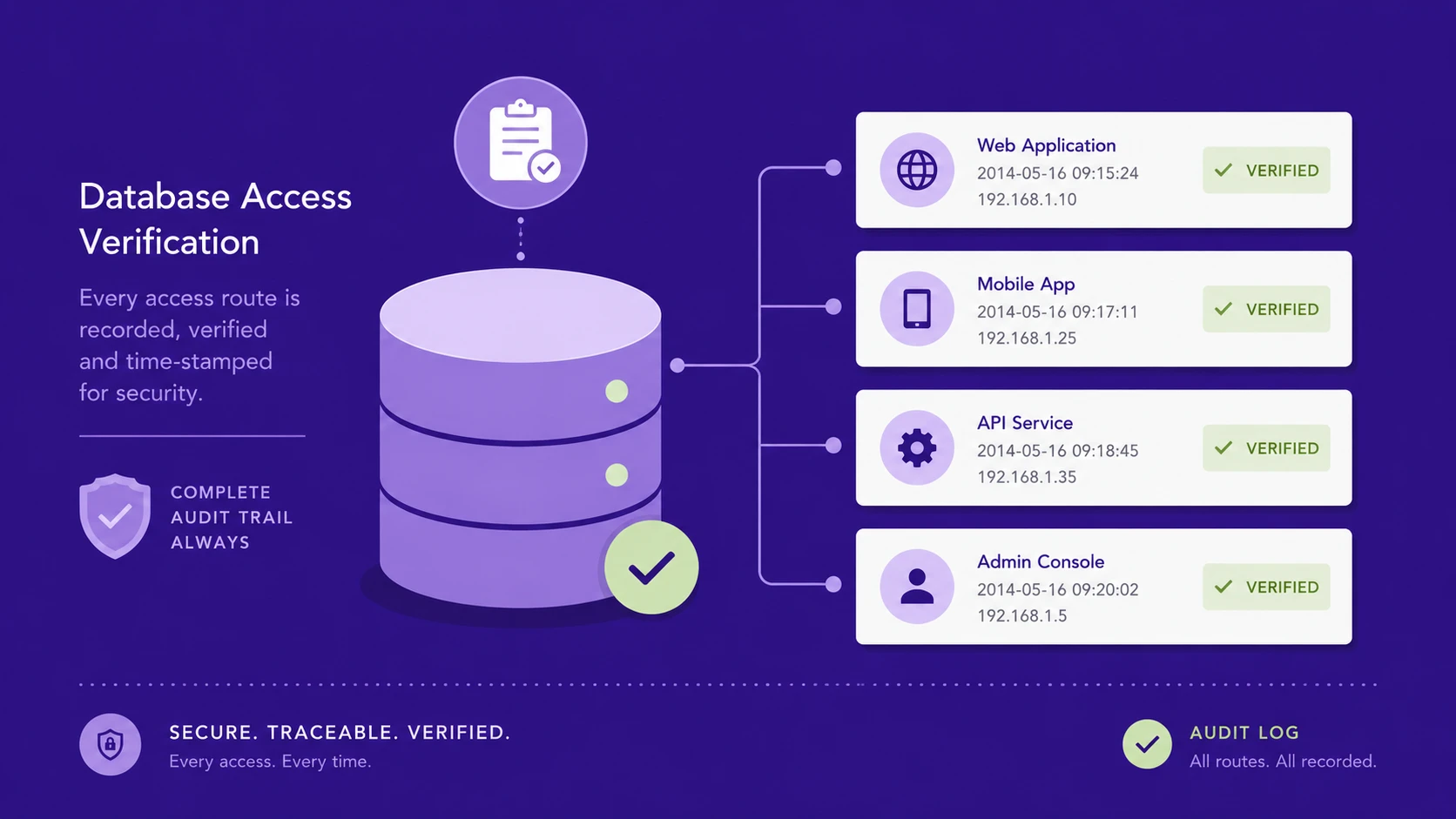
SQL Server Auditing: Monitoring Database Access and Tracking Audit Trails
As enterprise organizations place greater emphasis on regulatory compliance and data security, SQL Server Auditing has become an essential capability for tracking database access and administrative activity. This article examines SQL Server auditing from the perspective of August 2014, exploring its architecture, enterprise deployment strategies, performance considerations, and best practices for building reliable audit trails.
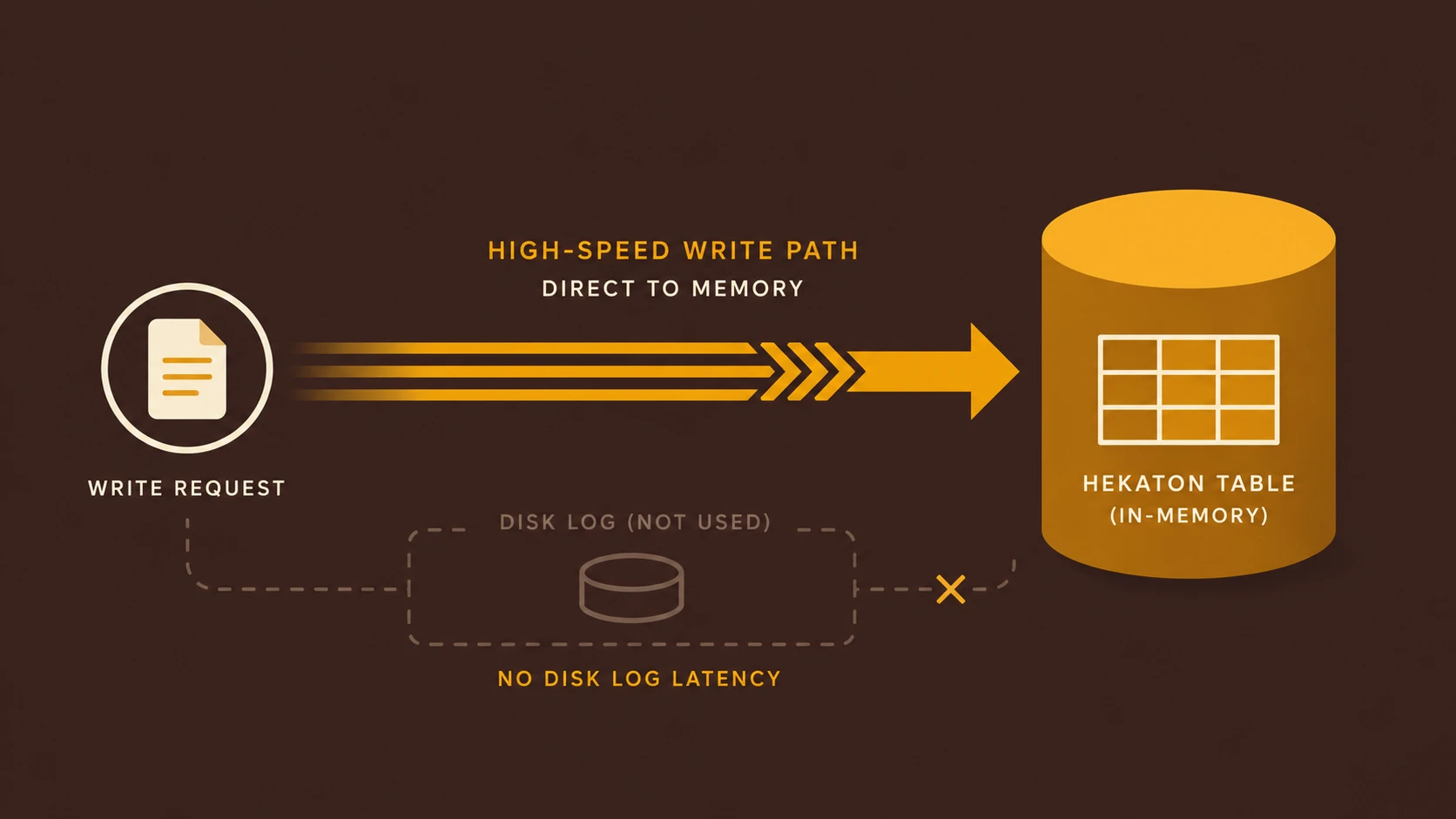
SQL Server 2014 In-Memory OLTP: Speeding Up Writes with Hekaton Tables
Microsoft has introduced SQL Server 2014 with In-Memory OLTP, code-named Hekaton, to address the growing demand for higher transactional throughput and lower latency. This article examines the architecture, enterprise use cases, performance characteristics, deployment strategies, and limitations of Hekaton from the perspective of February 2014.
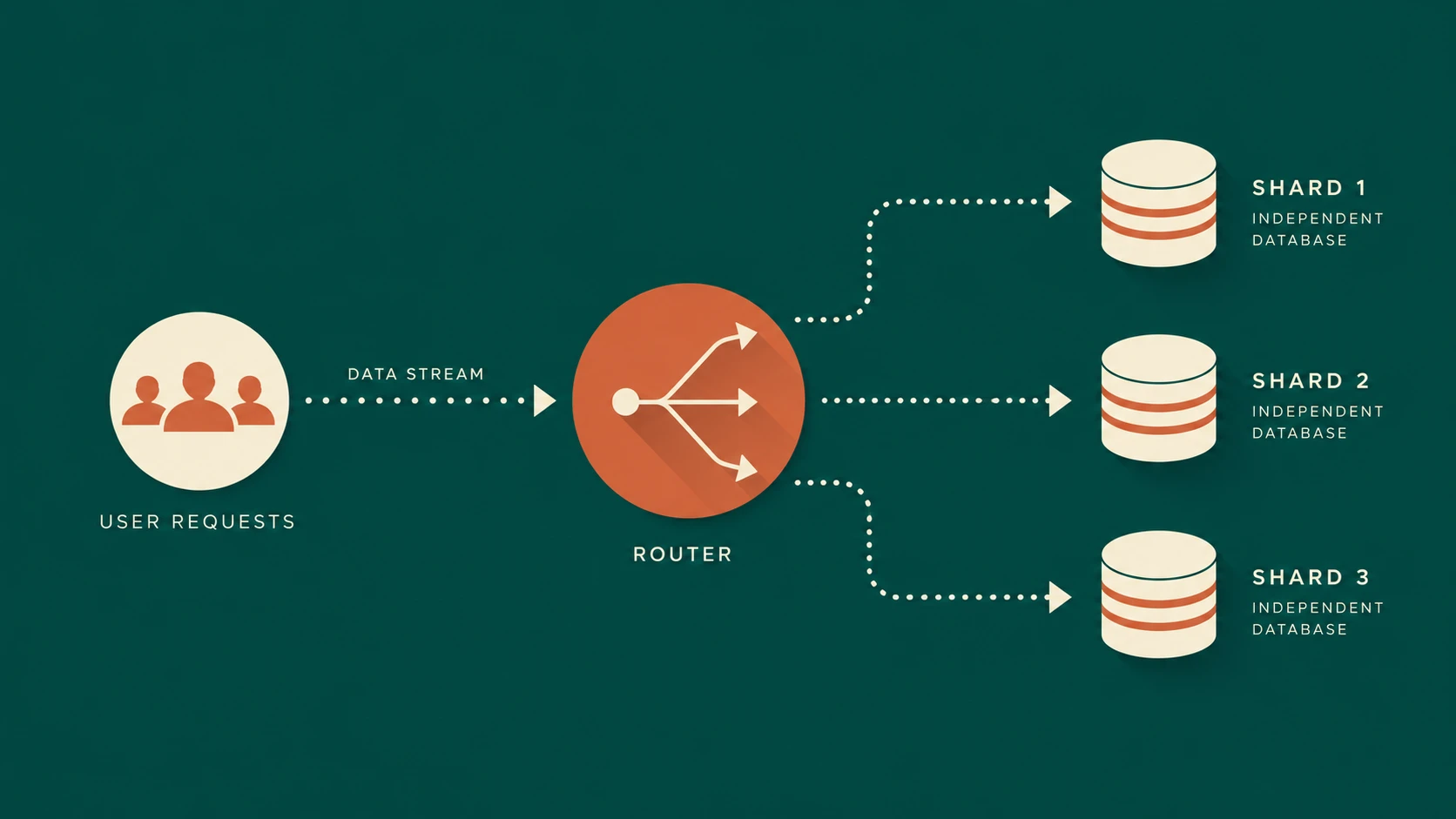
Database Sharding Patterns: Architecting Horizontal Scale-Out for Web SaaS
As Software as a Service platforms continue to grow, vertically scaling a single database server becomes increasingly difficult. This article explores database sharding patterns, shard key selection, routing architectures, operational challenges, and enterprise best practices for building horizontally scalable web applications from the perspective of late 2013.
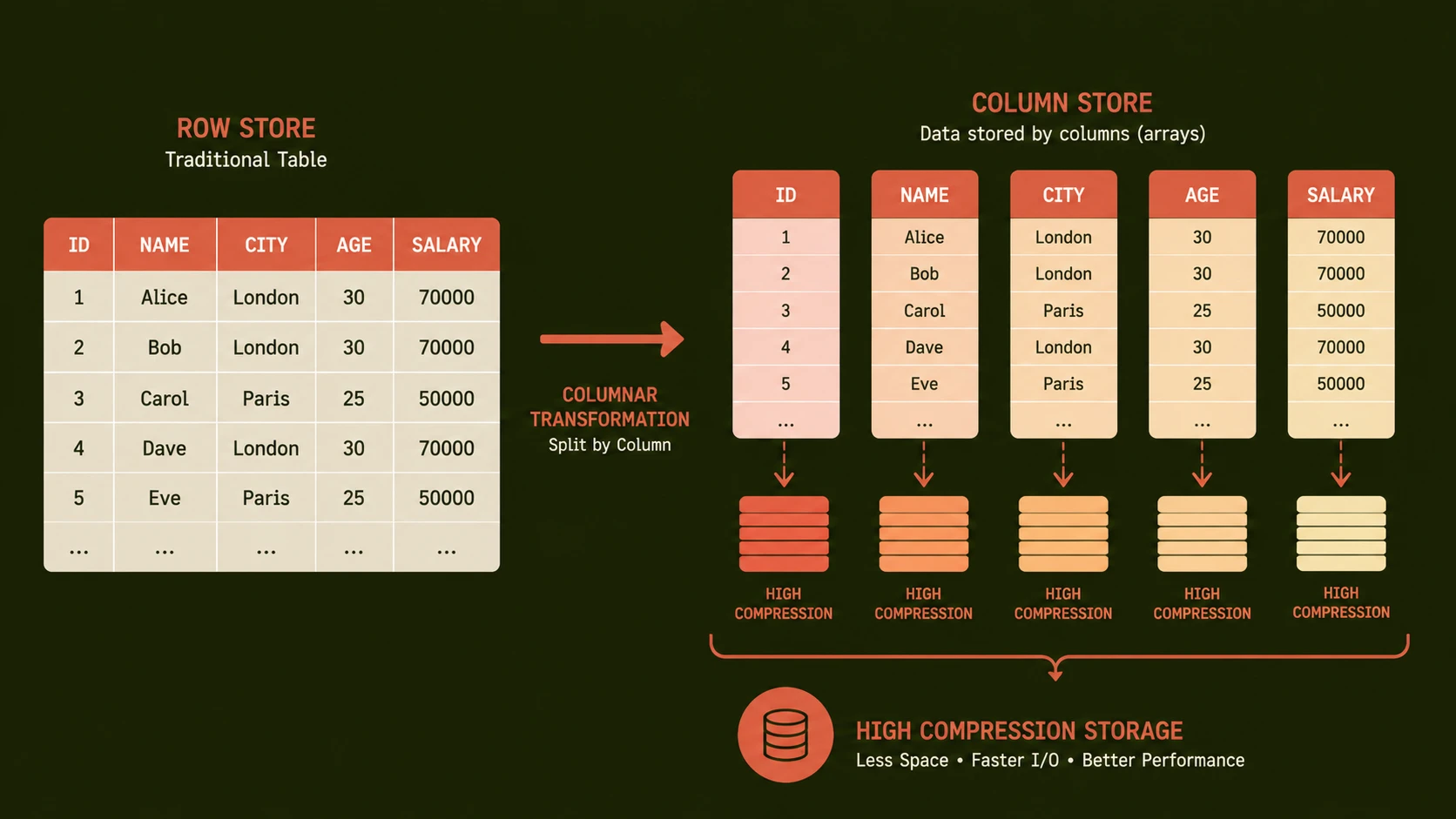
Clustered Columnstore Indexes in SQL Server 2014: Columnar Storage for OLAP Databases
The SQL Server 2014 preview introduces Clustered Columnstore Indexes, extending the columnstore innovations first introduced in SQL Server 2012. This article examines the architecture, updateable columnar storage model, performance implications, and enterprise adoption considerations from the perspective of August 2013.
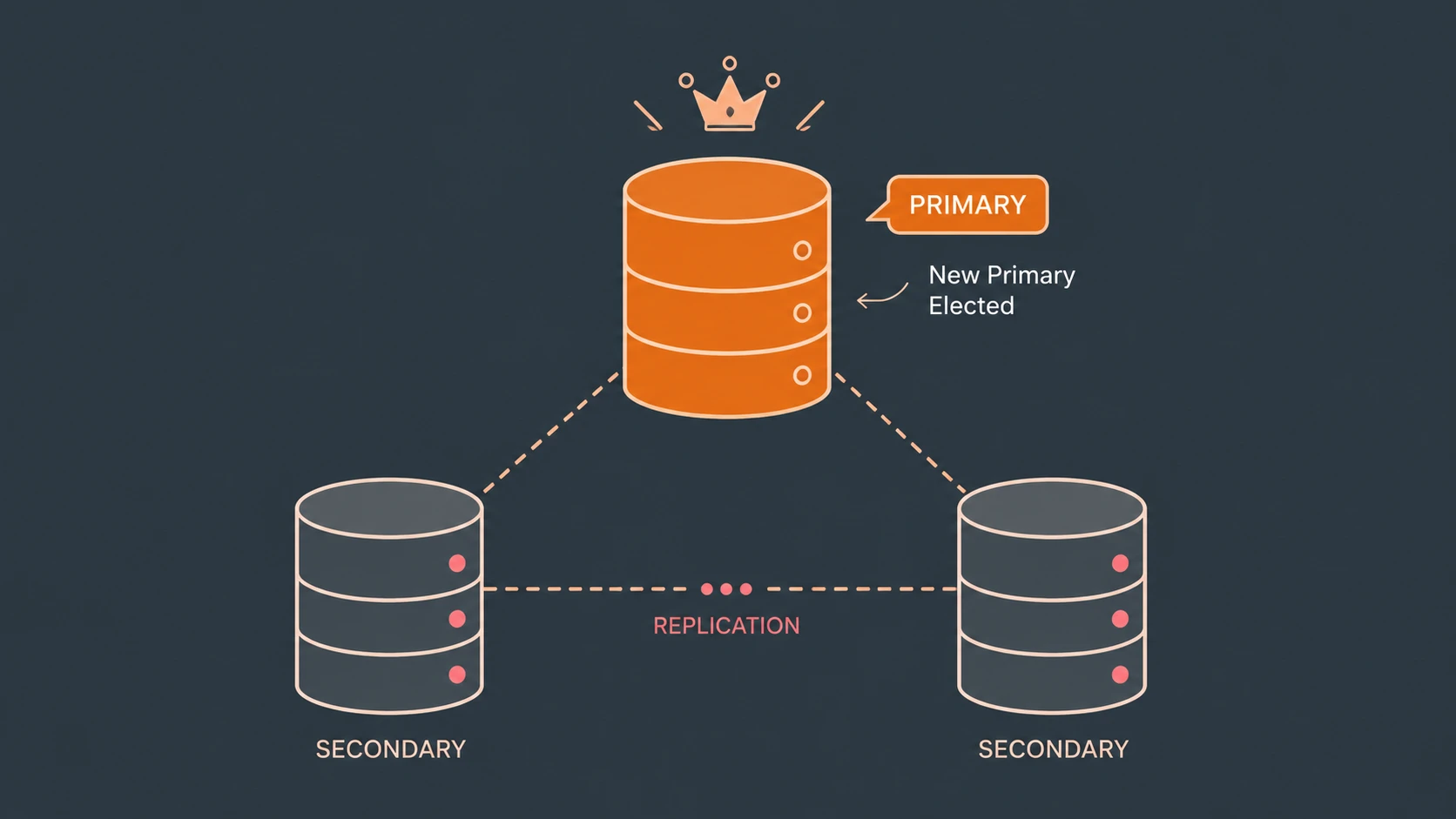
MongoDB Replica Set Elections: Maintaining High Availability During Primary Node Failures
MongoDB replica sets provide automatic failover by electing a new primary when the existing primary becomes unavailable. This article examines the architecture, election process, operational considerations, and enterprise best practices for designing highly available MongoDB deployments from the perspective of early 2013.
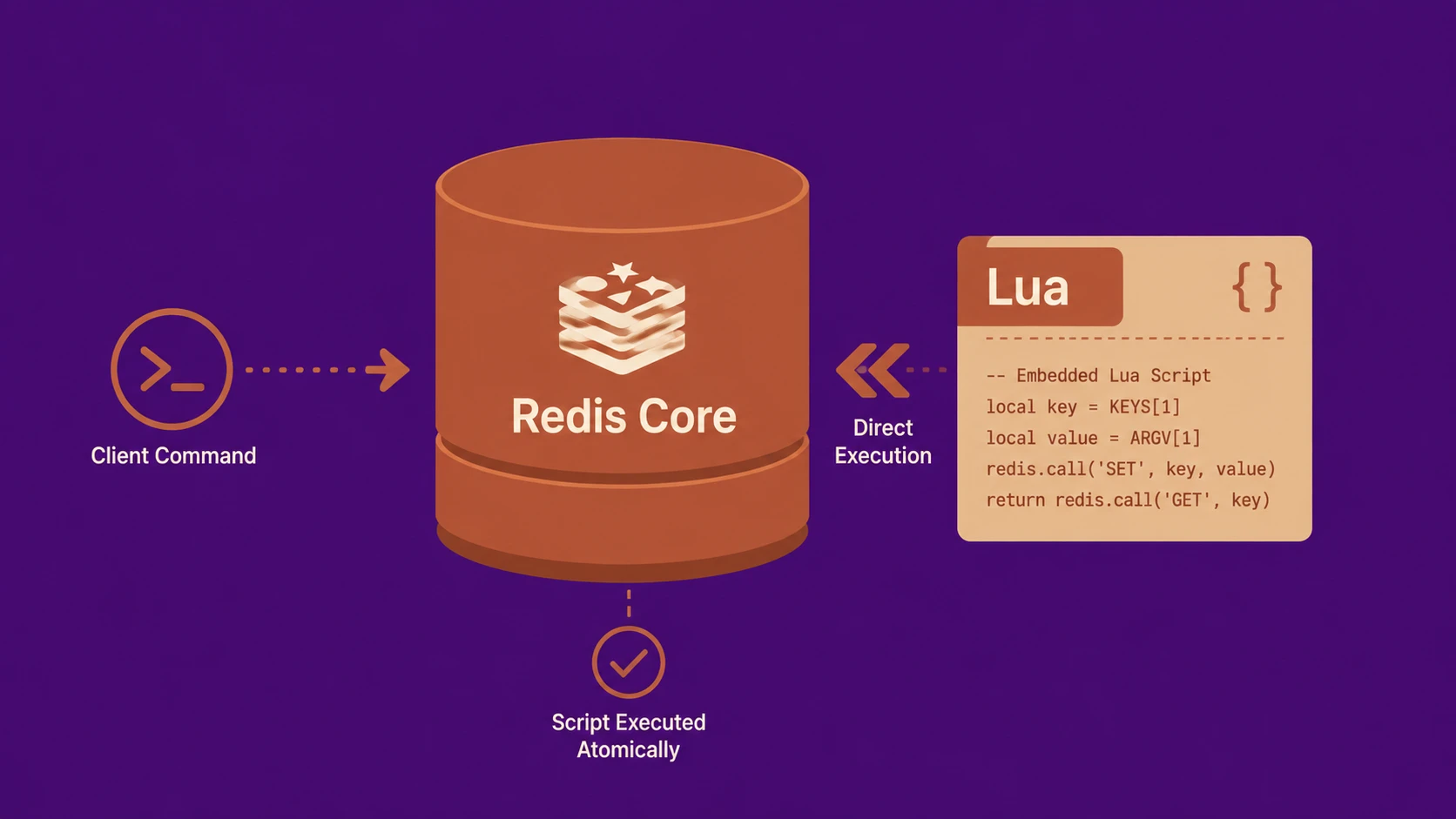
Redis 2.6: Lua Scripting, Server-Side Scripts, and Commands
Redis 2.6 introduces one of its most significant architectural enhancements: server-side Lua scripting. This article examines how Lua scripts execute atomically, how they improve performance for complex operations, and what enterprise architects should consider when adopting Redis scripting in production environments.
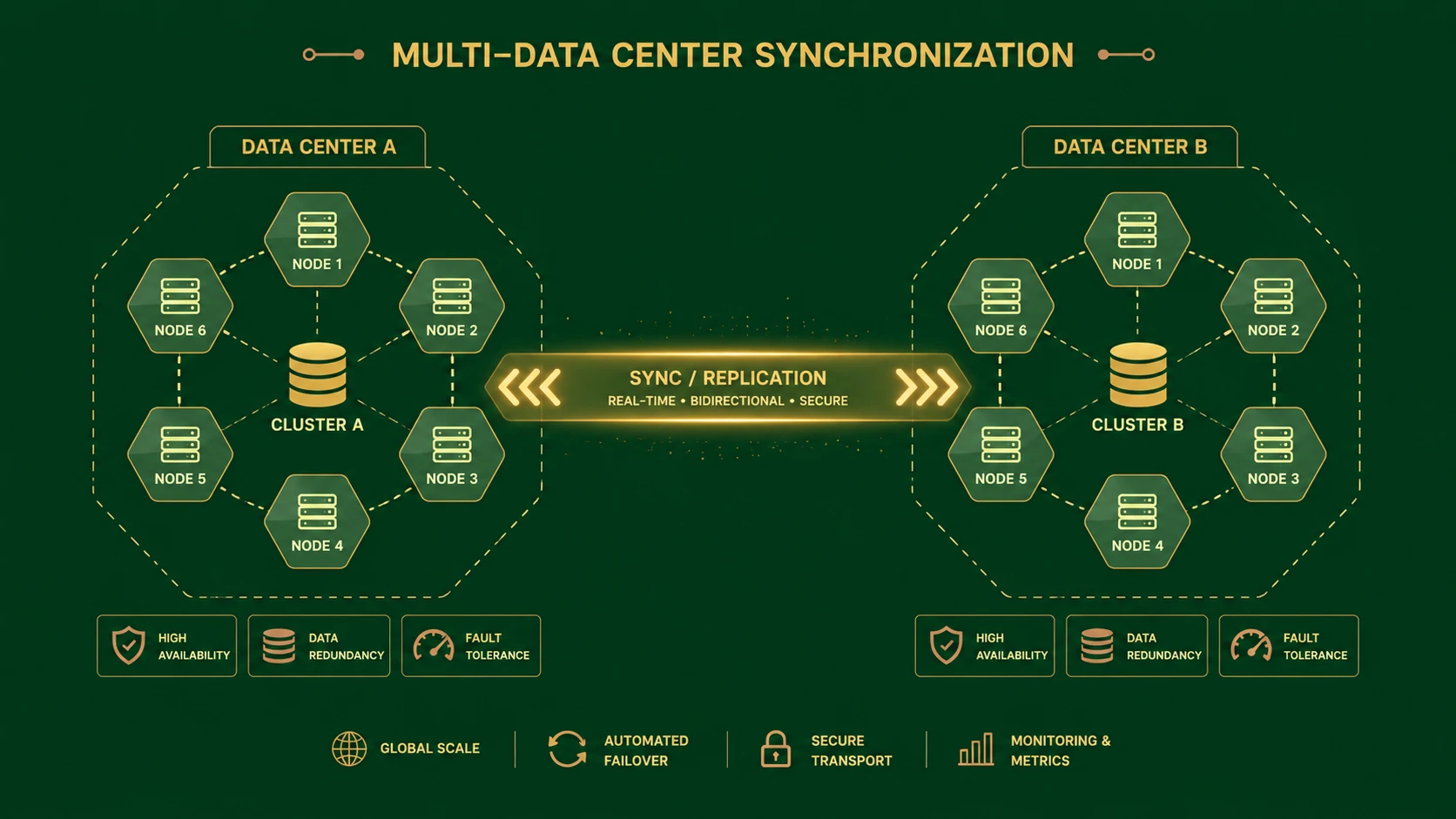
Apache Cassandra 1.1: Multi-Data Center Replication for Enterprise
Apache Cassandra 1.1 introduces significant improvements in multi-data center replication, operational management, and performance, making it an increasingly attractive option for enterprises requiring highly available, geographically distributed databases. This article examines Cassandra 1.1 from the perspective of April 2012, exploring its architecture, replication model, scalability characteristics, enterprise adoption considerations, and operational best practices.
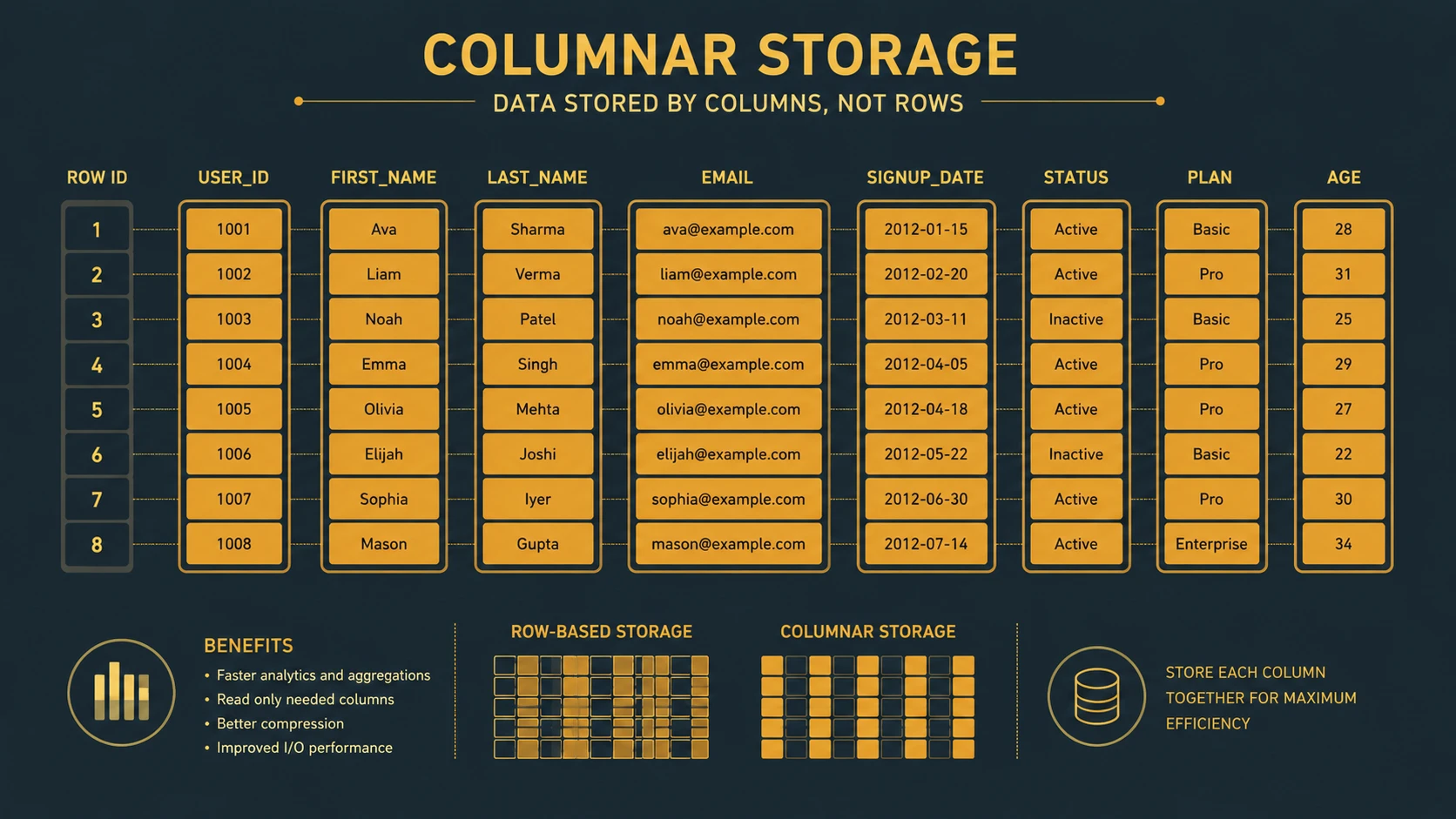
High-Performance Columnstore Indexes in SQL Server 2012
SQL Server 2012 introduces Columnstore Indexes to address the growing performance demands of enterprise data warehousing and business intelligence. This article examines the architecture, execution model, implementation considerations, and enterprise adoption strategies from the perspective of early 2012.
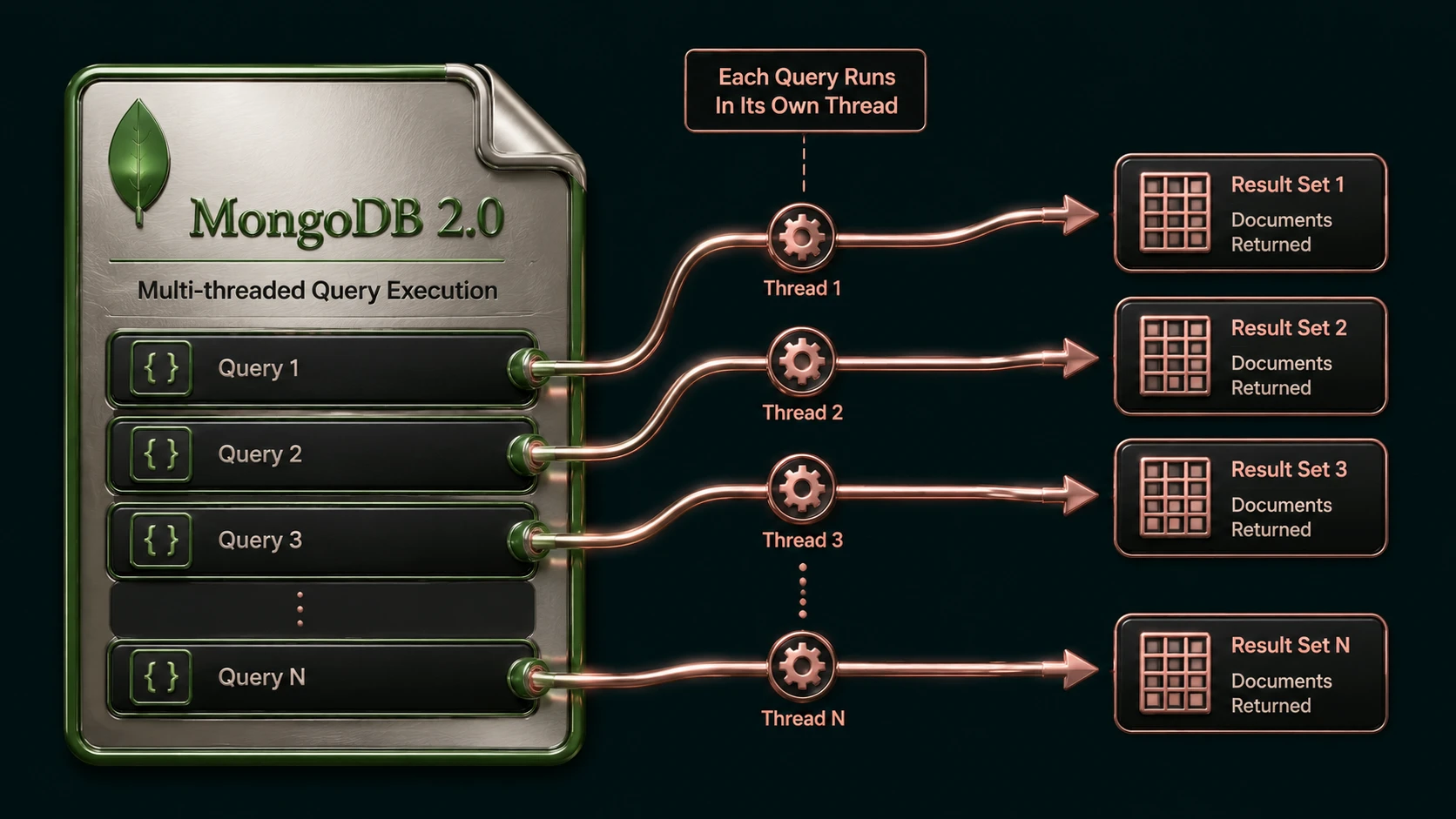
MongoDB 2.0: Concurrency, Indexing, and Enterprise Readiness
MongoDB 2.0 introduces significant improvements in concurrency, indexing, durability, and operational capabilities, positioning the document database as a stronger candidate for enterprise workloads. This article explores its architecture, new features, performance characteristics, and practical adoption considerations from the perspective of September 2011.
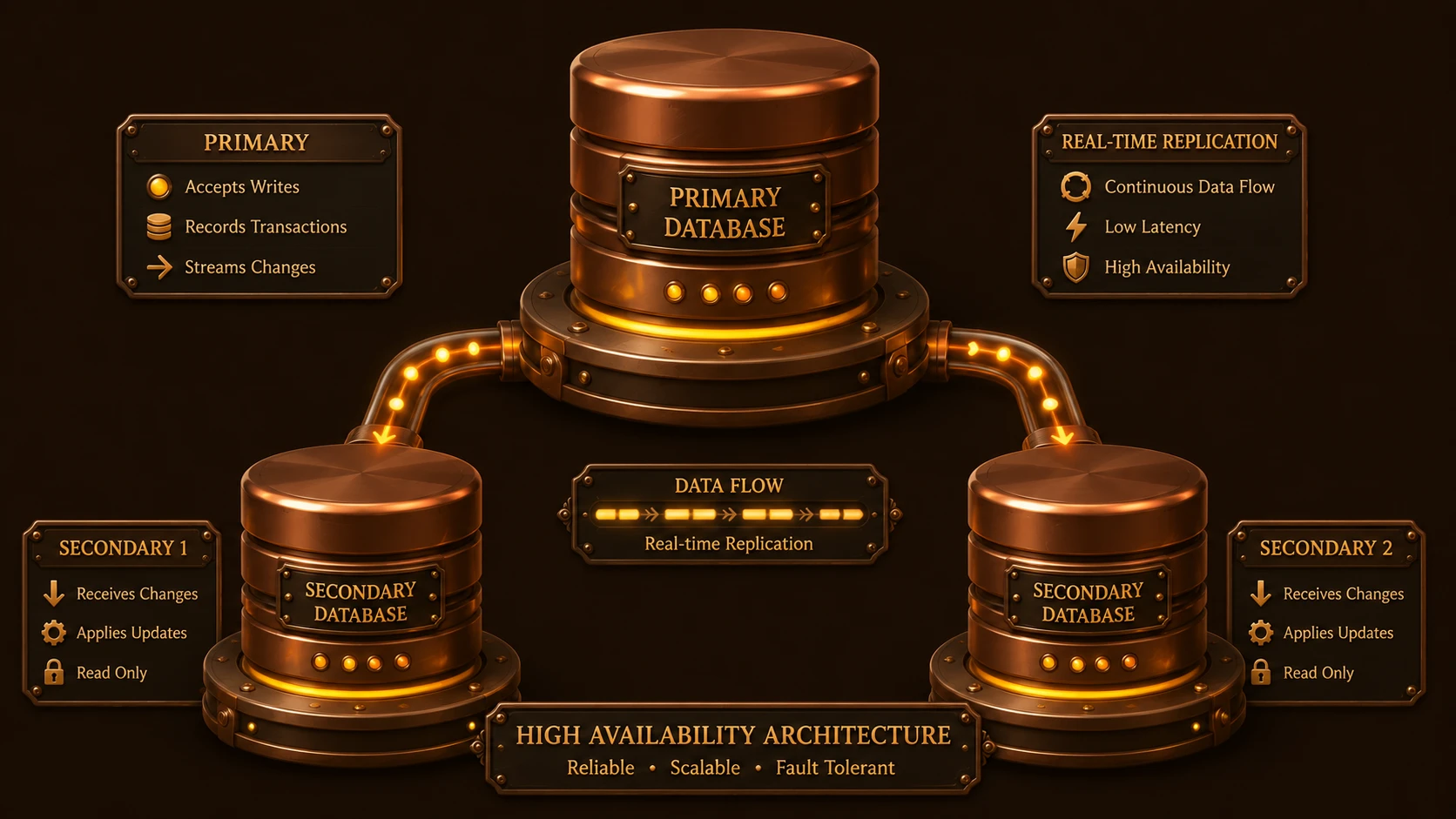
SQL Server 2012 AlwaysOn: Rethinking Database Disaster Recovery
Microsoft's SQL Server 2012 introduces the AlwaysOn family of high availability technologies, offering a new approach to database resiliency and disaster recovery. As organizations continue demanding higher uptime and improved business continuity, enterprise architects are evaluating how AlwaysOn can complement or replace traditional SQL Server failover strategies. This article explores the architecture, capabilities, and adoption considerations from the perspective of July 2011.

Entity Framework 4.1: Code-First Development and DbContext API
Entity Framework 4.1 introduces one of the most anticipated enhancements to Microsoft's data access platform: Code-First development and the simplified DbContext API. These features enable developers to build domain models before databases while reducing complexity and improving productivity. This article examines the architecture, benefits, limitations, and enterprise adoption considerations from the perspective of March 2011.

Database Normalization vs. Denormalization for Web-Scale Performance
As enterprise applications continue to grow in scale, database architects face an increasingly important design decision: should databases prioritize normalization for consistency or denormalization for performance? This article explores both approaches, their trade-offs, enterprise use cases, and practical recommendations from the perspective of November 2010.
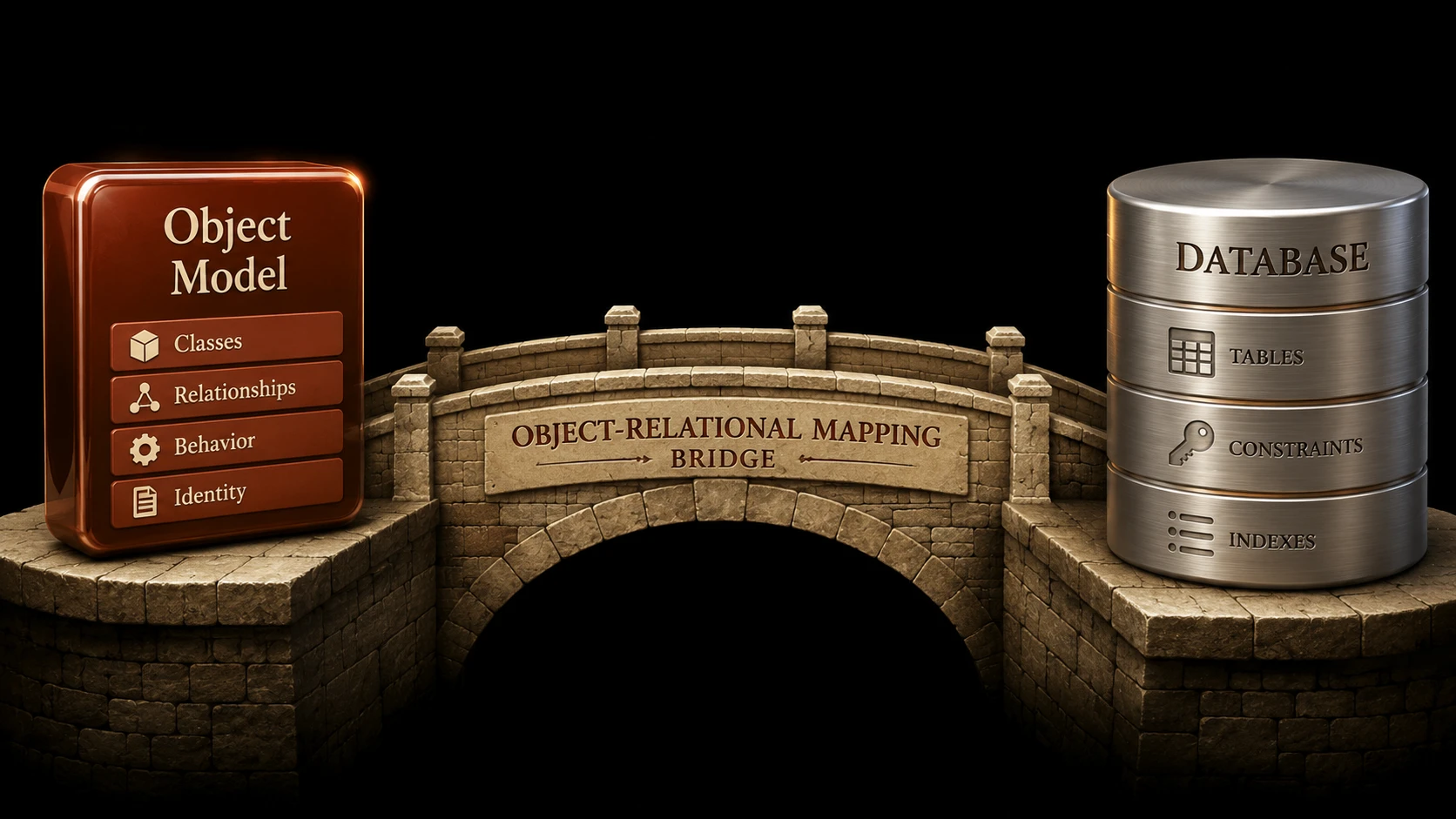
Entity Framework 4.0: Resolving the Object-Relational Impedance Mismatch
Entity Framework 4.0 represents a significant step forward for Microsoft's Object-Relational Mapping platform. With improved POCO support, better testability, foreign key associations, and cleaner persistence capabilities, enterprise developers can build maintainable and scalable data access layers while reducing the complexity of bridging object-oriented applications with relational databases.

Hadoop and MapReduce: Demystifying Big Data Processing for the Enterprise
As enterprise data volumes continue to grow beyond the capabilities of traditional databases, Hadoop and MapReduce are emerging as powerful distributed computing technologies. This article explores Hadoop architecture, MapReduce fundamentals, enterprise use cases, implementation strategies, and best practices from the perspective of mid-2010.

The OWASP Top 10 for 2010: Mitigating SQL Injection and XSS Vulnerabilities
As web applications become the foundation of enterprise systems, application security can no longer be treated as an afterthought. The 2010 OWASP Top 10 highlights the industry's most critical security risks, with SQL Injection and Cross-Site Scripting remaining among the most dangerous threats. This guide examines how enterprise teams can identify, mitigate, and manage these vulnerabilities using the technologies and best practices available in mid-2010.