Database
Viewing all posts categorized under Database.


RAG with pgVector: Beyond LLM Hallucinations
Learn what RAG is and how pgVector, a PostgreSQL extension, revolutionizes LLMs by enabling efficient vector search for enterprise knowledge.
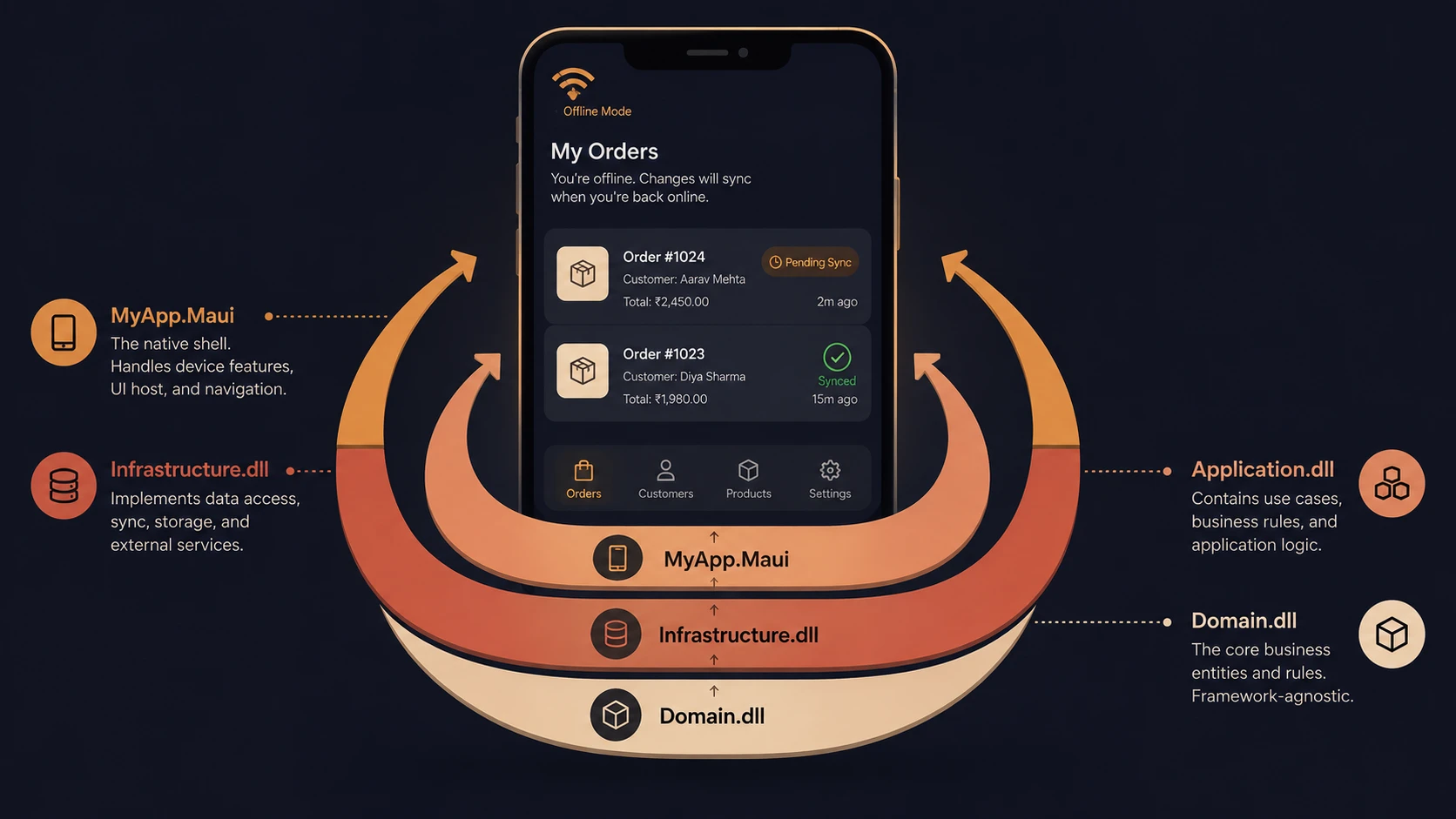
Clean Architecture in Blazor Hybrid: Building a Highly Resilient, Offline-First .NET MAUI App
How we built ContactHub — a cross-platform .NET MAUI mobile client sharing 95% of its UI with a Blazor WebAssembly admin dashboard, featuring offline SQLite caching and network sync orchestration.
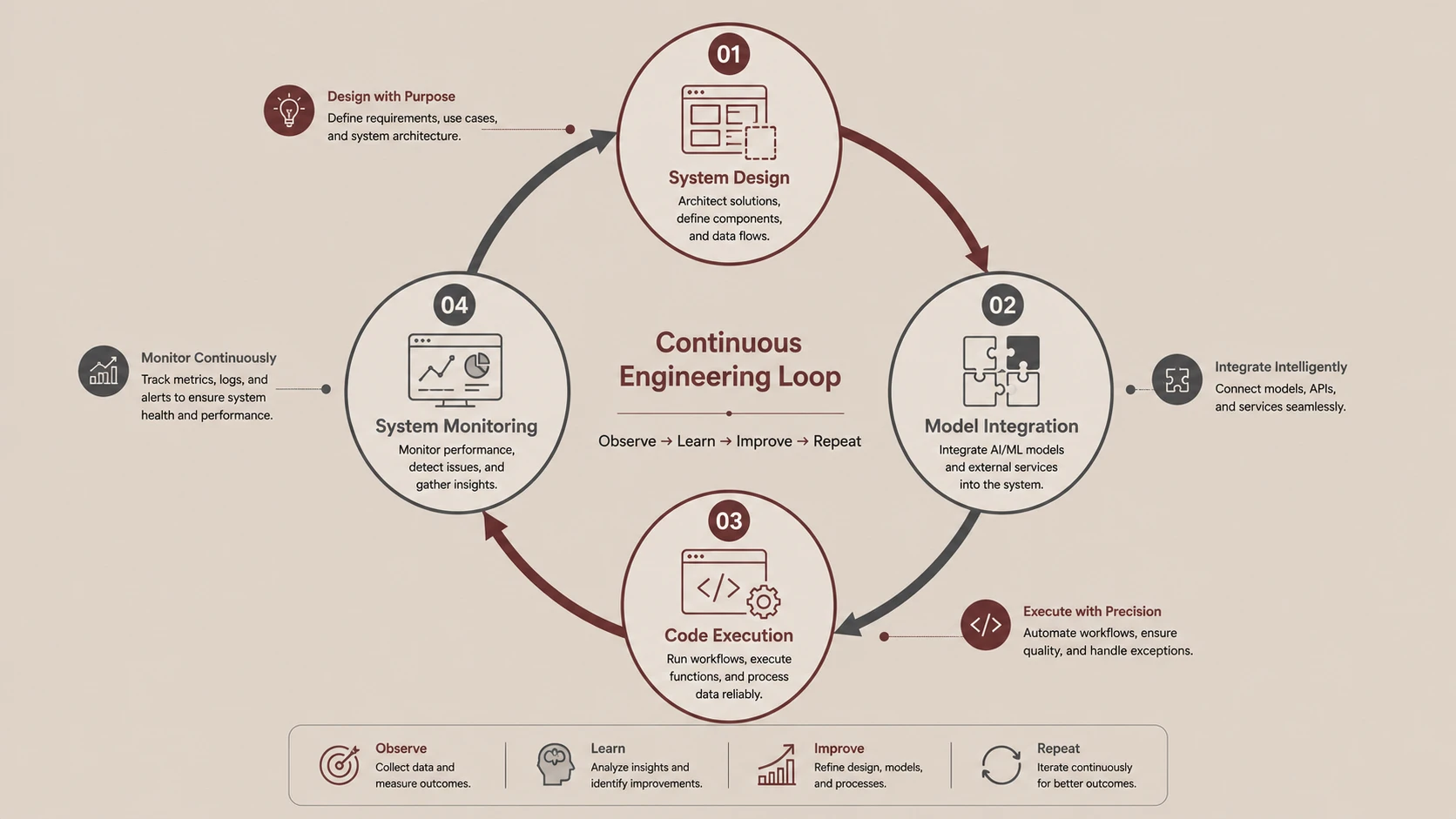
Full-Cycle Intelligence Engineer: Designing Systems That Think
Discover how Full-Cycle Intelligence Engineers design end-to-end AI systems that combine LLMs, AI agents, memory, reasoning, tool execution, feedback loops, and enterprise infrastructure into autonomous intelligent platforms.
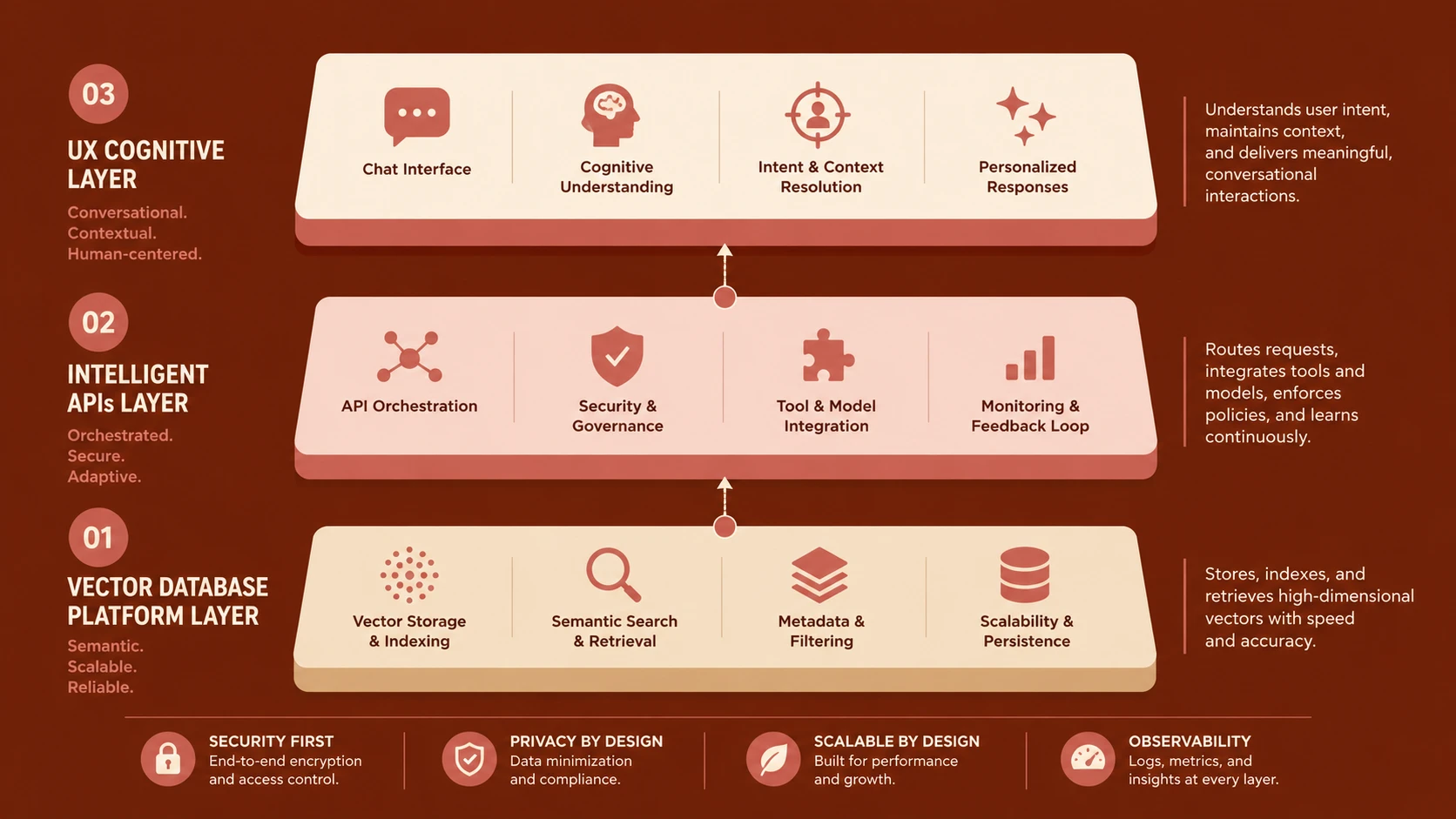
AI-First Full Stack: When Every Layer Learns
Artificial Intelligence is no longer an isolated feature embedded into applications. By early 2025, AI is becoming an architectural principle that permeates every layer of the software stack—from user interfaces and APIs to databases, cloud infrastructure, observability, security, and developer tooling. This article explores the emergence of the AI-First Full Stack architecture from the perspective of February 2025.
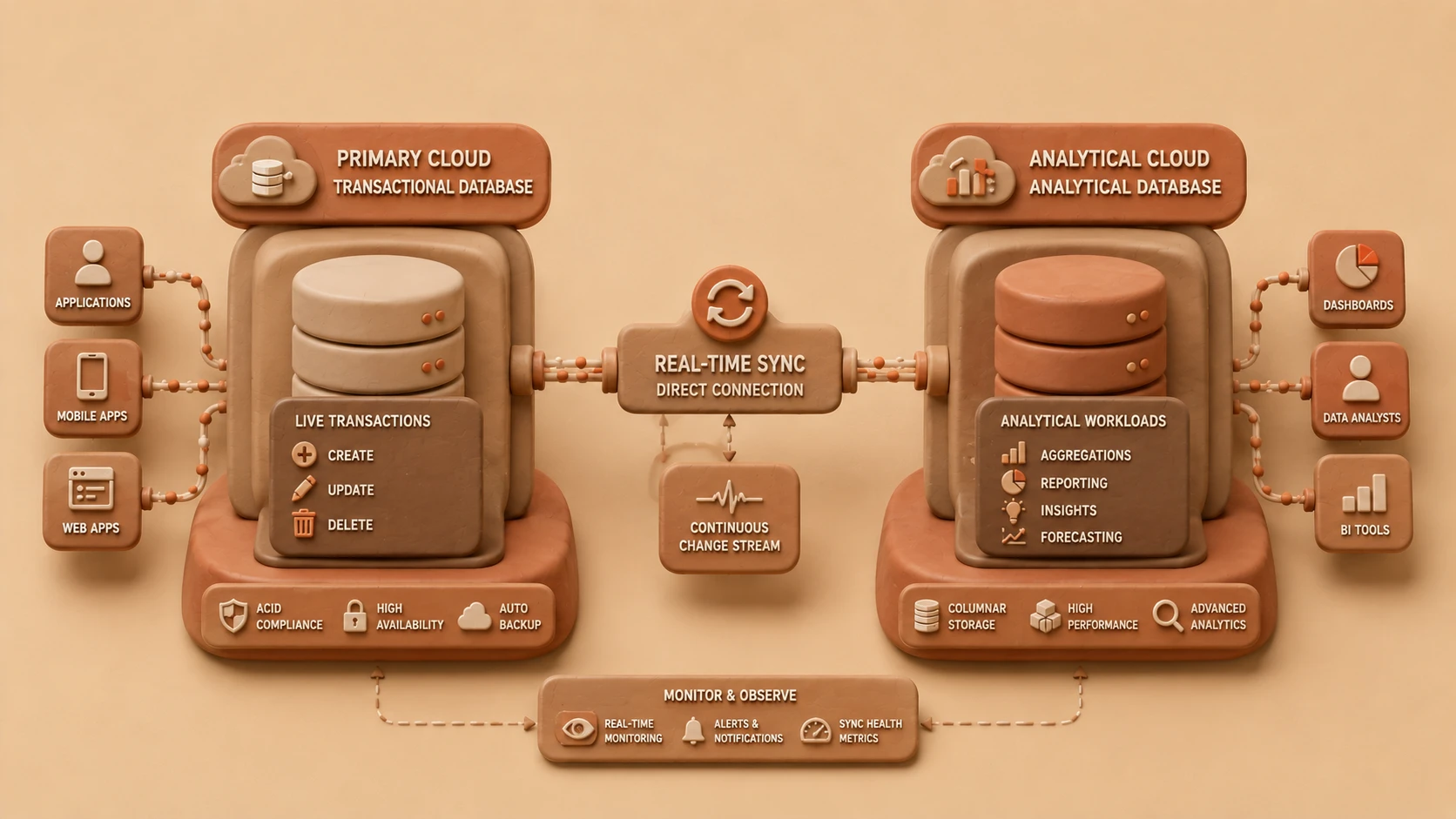
Hybrid Cloud APIs and Zero-ETL Pipelines: Building Real-Time Enterprise Data Architectures
By 2023, enterprises are increasingly replacing traditional batch-oriented ETL architectures with API-driven integration and Zero-ETL data pipelines. Hybrid cloud platforms, event streaming, managed databases, and cloud-native analytics services enable organizations to synchronize operational and analytical systems with minimal data movement. This article examines Hybrid Cloud APIs and Zero-ETL Pipelines from the perspective of August 2023.
Evolution of Serverless Beyond Functions
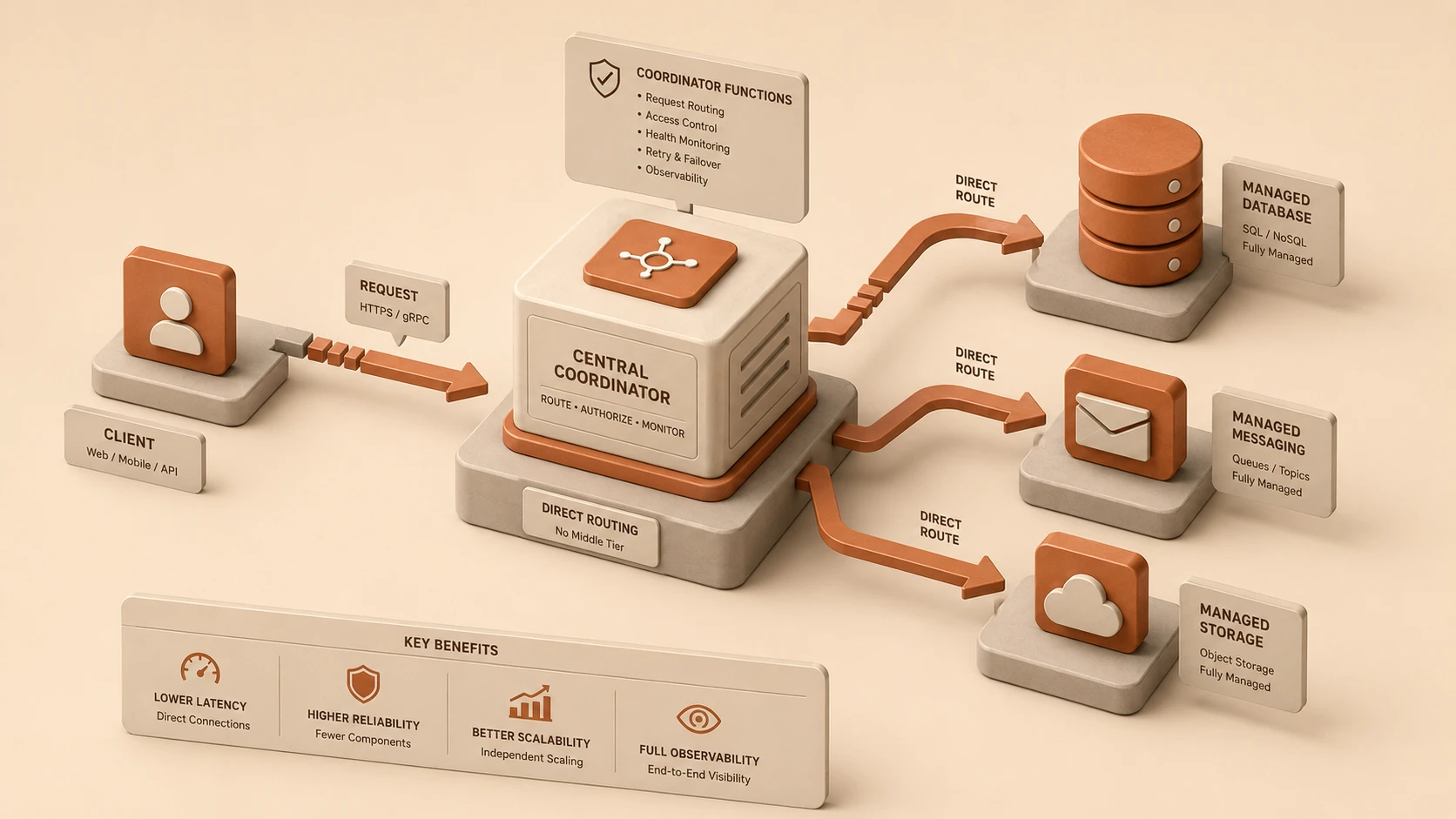
Serverless computing has matured far beyond simple Function-as-a-Service (FaaS). By early 2023, cloud providers increasingly offer serverless databases, containers, messaging, workflows, APIs, and event-driven integration services that enable organizations to build complete cloud-native platforms without managing infrastructure. This article examines the evolution of serverless computing from the perspective of March 2023.
Building Your First .NET MAUI App: A Complete Step-by-Step Guide
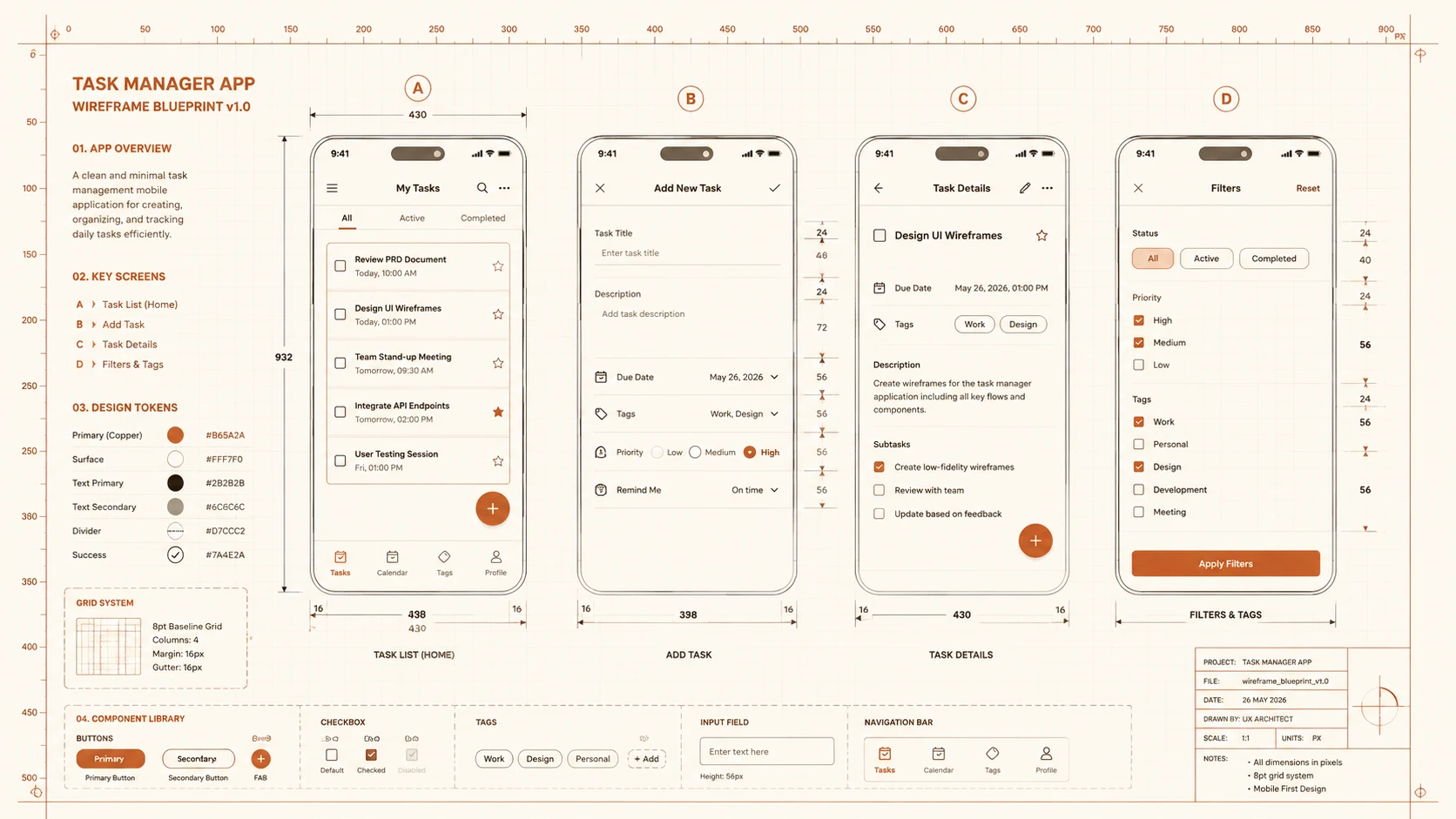
Walk through building a complete cross-platform task manager in .NET MAUI — covering Shell navigation, MVVM with CommunityToolkit, local SQLite storage, API calls, swipe-to-delete, pull-to-refresh, and platform-specific customisation from a single C# codebase.
React Native 0.62: Flipper Integration and Component Render Debugging
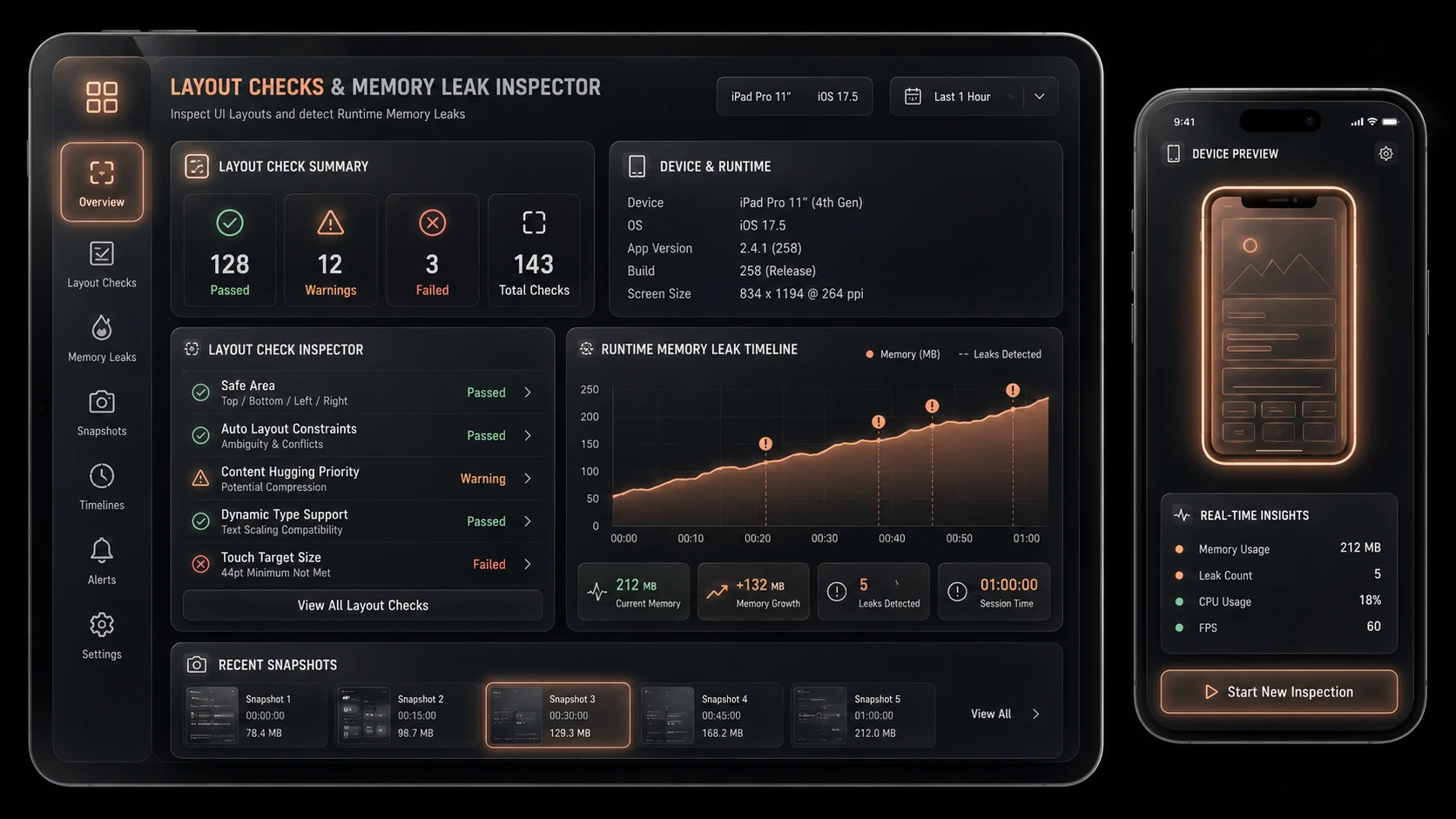
React Native 0.62 introduces native Flipper integration as the default debugging platform, improving inspection of layouts, network traffic, databases, logs, and React component rendering. Combined with Fast Refresh improvements and ongoing architecture refinements, this release significantly enhances developer productivity for enterprise mobile applications. This article examines React Native 0.62 from the perspective of February 2020.
Vue.js 3.0 Composition API RFC: Rethinking Code Reuse in Vue Apps
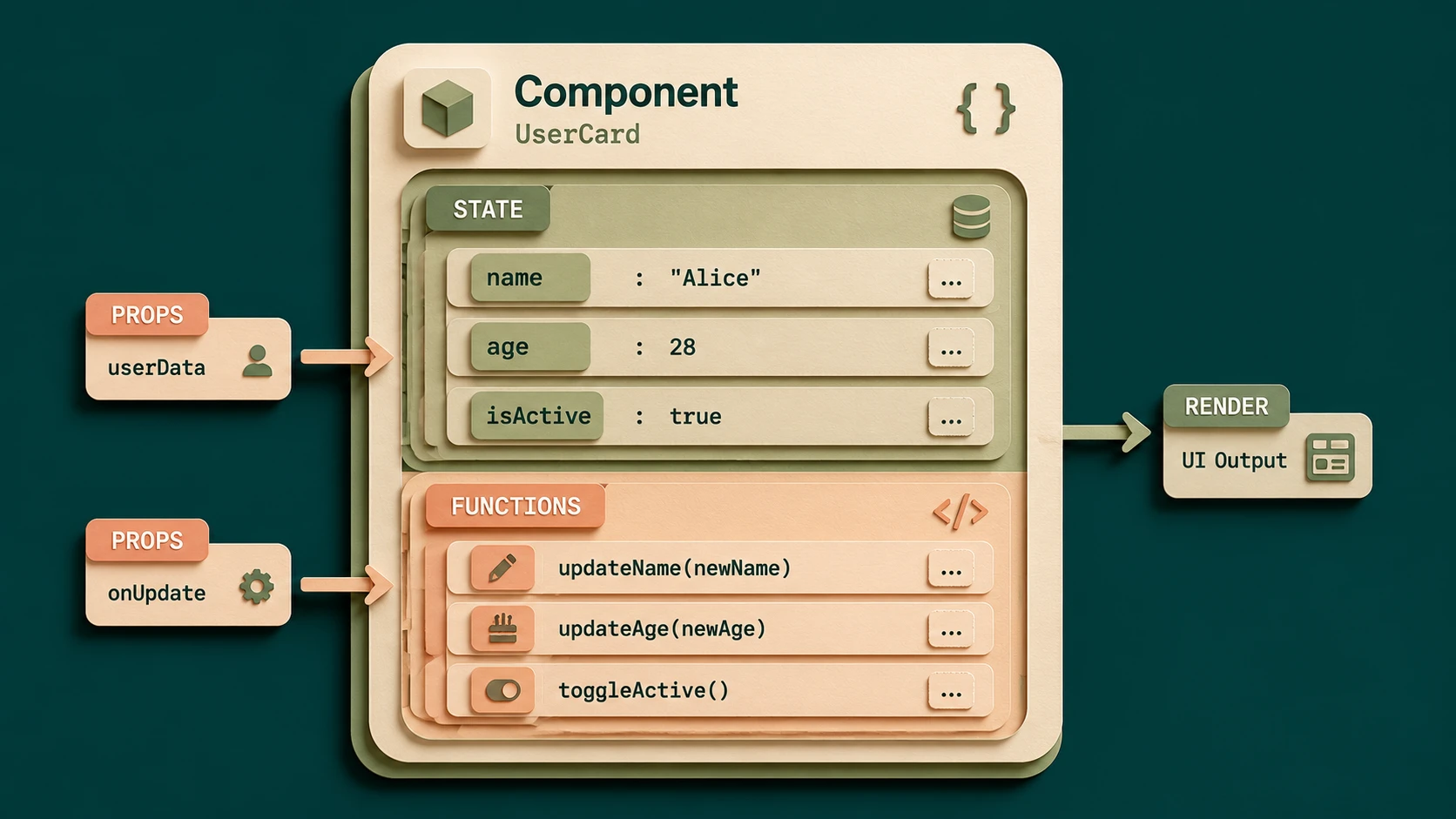
The Vue.js 3.0 Composition API RFC introduces a new programming model aimed at improving code organization, logic reuse, and scalability in large Vue applications. Rather than replacing the familiar Options API, the proposal offers an alternative approach that groups code by feature instead of component option. This article examines the Composition API RFC from the perspective of February 2019, when it was first introduced for community feedback.
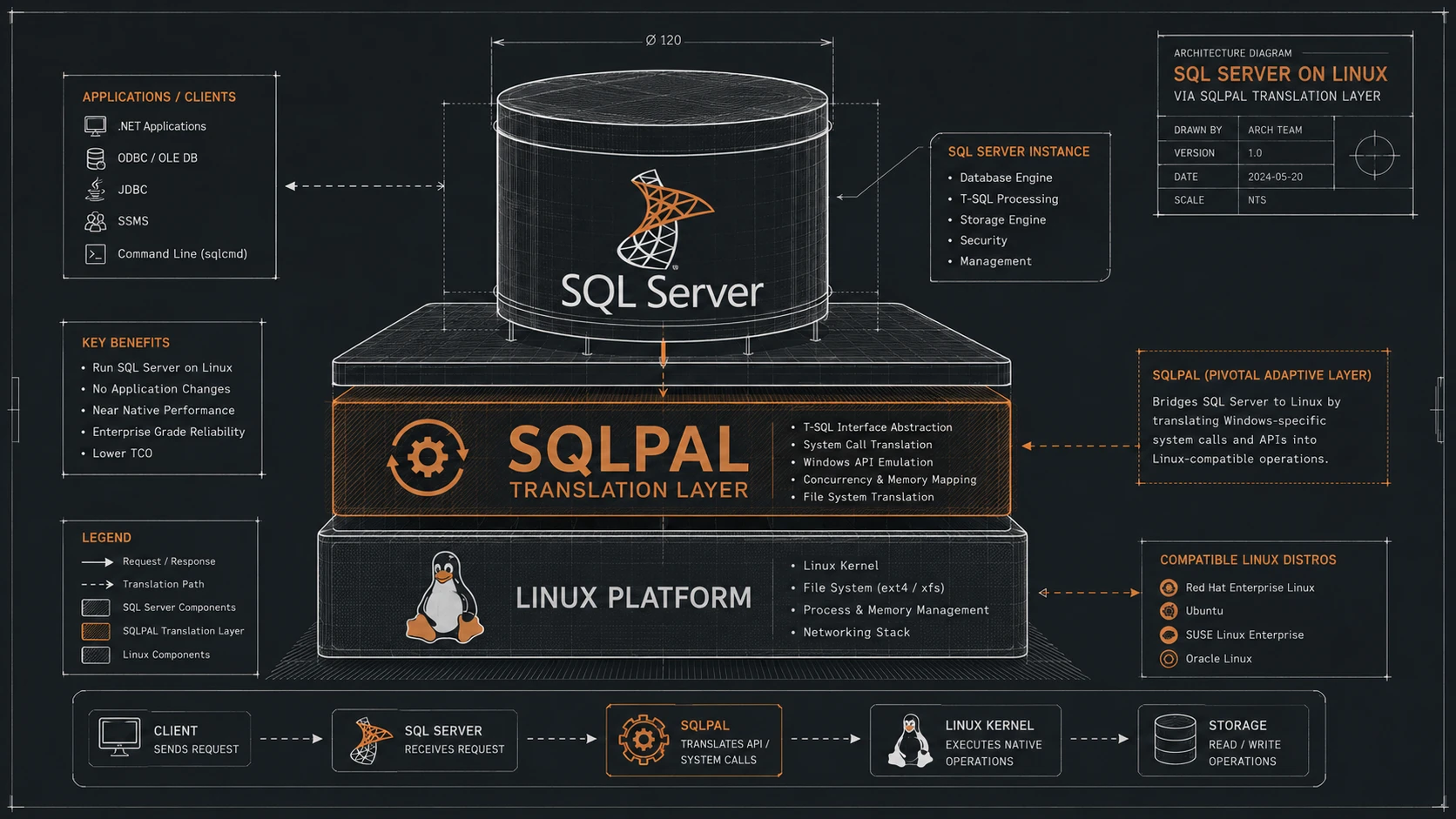
SQL Server on Linux: CoreCLR Compilation and SQLPAL Translation Layers
Microsoft's announcement of SQL Server for Linux marks one of the most significant platform shifts in the company's enterprise software strategy. Powered by the SQL Platform Abstraction Layer (SQLPAL), the Linux version preserves the SQL Server storage engine while adapting it to a new operating system. This article analyzes the announcement from the perspective of December 2016, exploring SQLPAL, platform abstraction, enterprise deployment, and architectural implications.
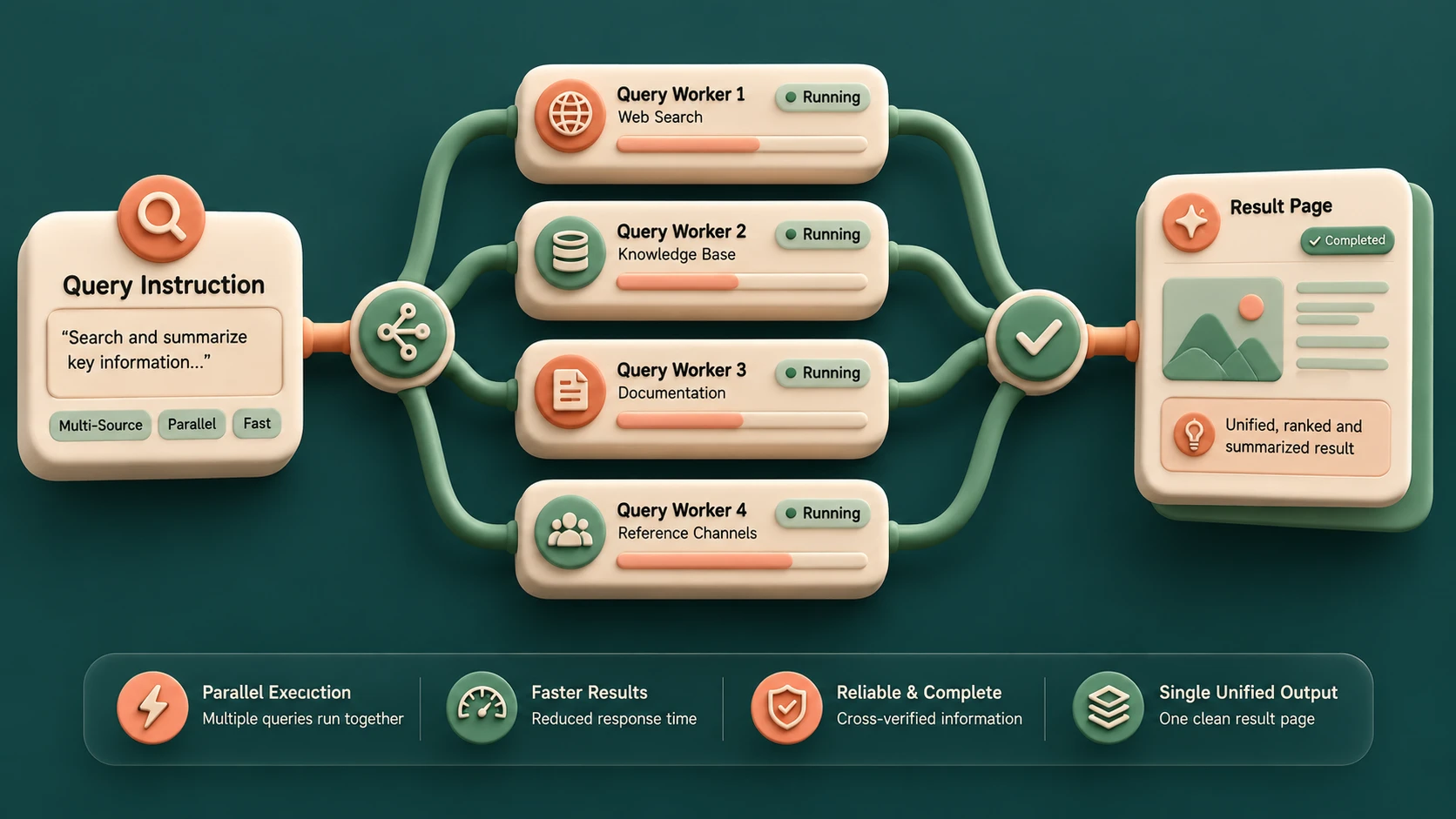
PostgreSQL 9.6: Parallel Query Execution and Scale-Out Architecture
PostgreSQL 9.6 introduces one of the most significant performance enhancements in the database's history through parallel query execution. Combined with replication improvements and continued reliability, PostgreSQL strengthens its position as an enterprise-grade relational database platform. This article examines PostgreSQL 9.6 from the perspective of August 2016, evaluating its architecture, enterprise adoption strategy, performance characteristics, and operational best practices.
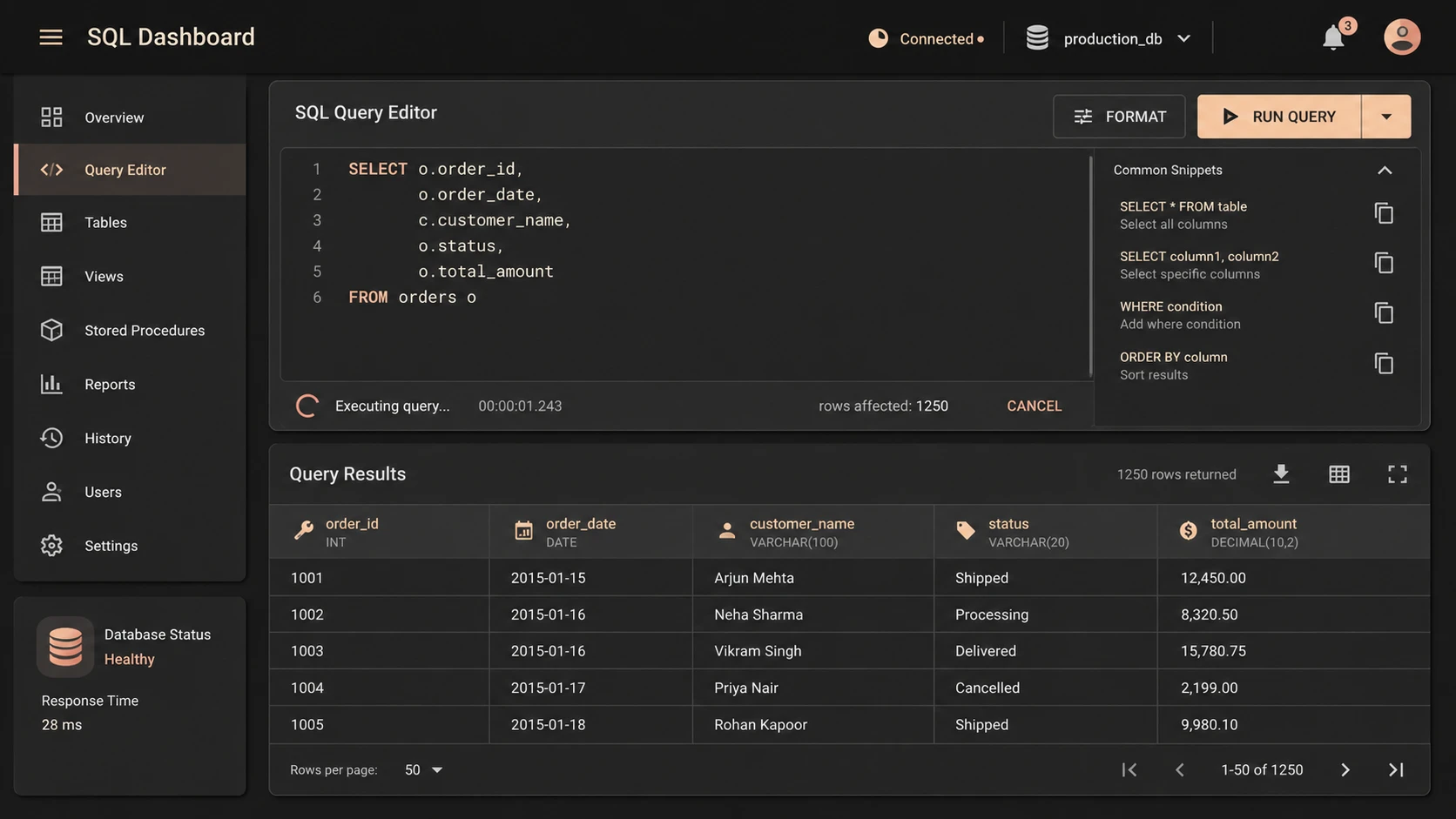
Apache Spark 1.4: Introducing DataFrames and Spark SQL for Distributed Datasets
Apache Spark 1.4 introduces DataFrames as a higher-level abstraction for distributed data processing, along with significant Spark SQL enhancements. This article examines the architecture, execution model, optimization strategies, enterprise adoption considerations, and performance implications from the perspective of July 2015.
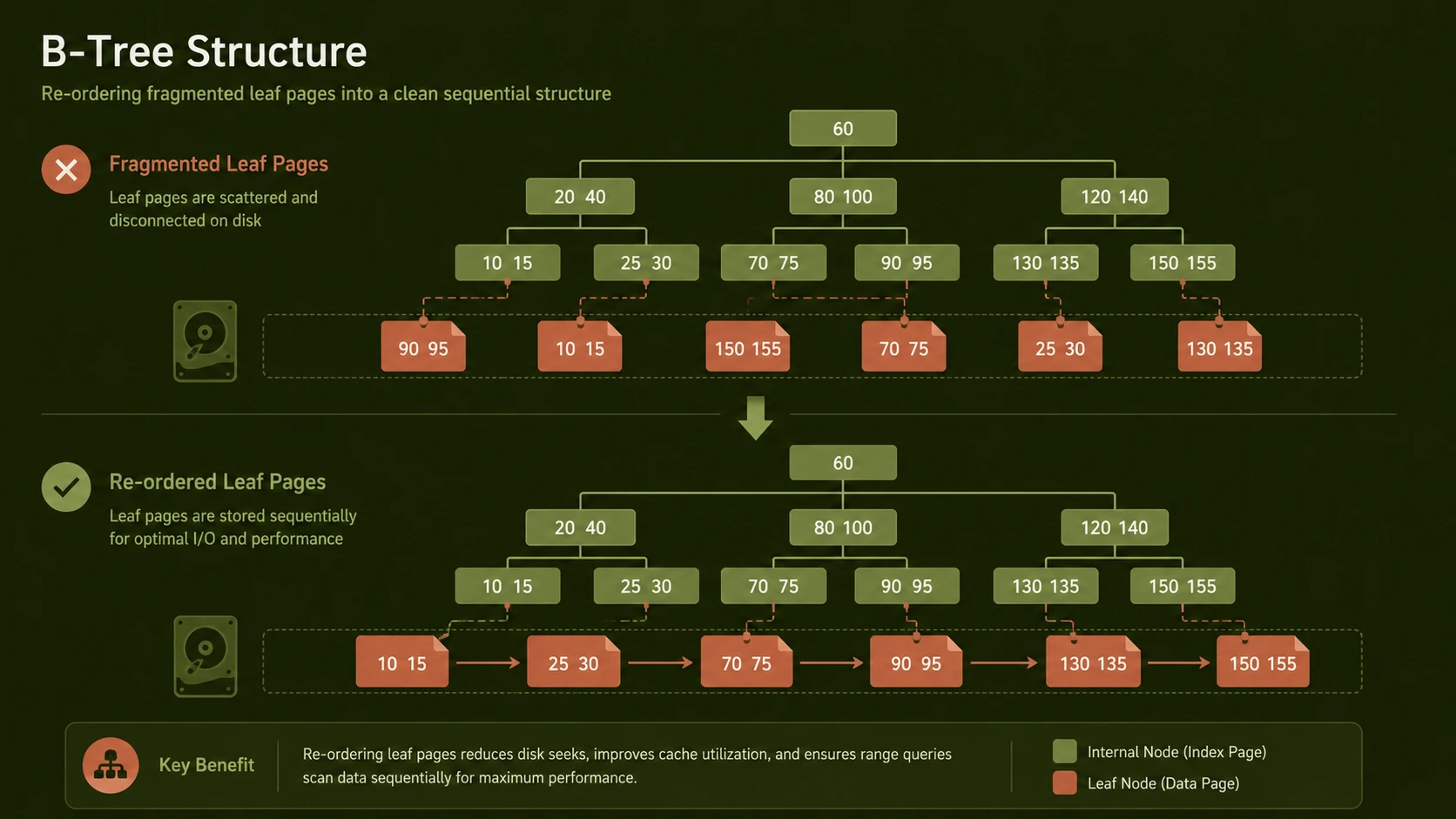
Database Index Fragmentation: Diagnosing and Rebuilding SQL Server B-Trees
As SQL Server databases grow, index fragmentation can significantly affect query performance, storage efficiency, and maintenance operations. This article explores how SQL Server B-Tree indexes become fragmented, how to diagnose fragmentation accurately, and when to reorganize or rebuild indexes from the perspective of late 2014.
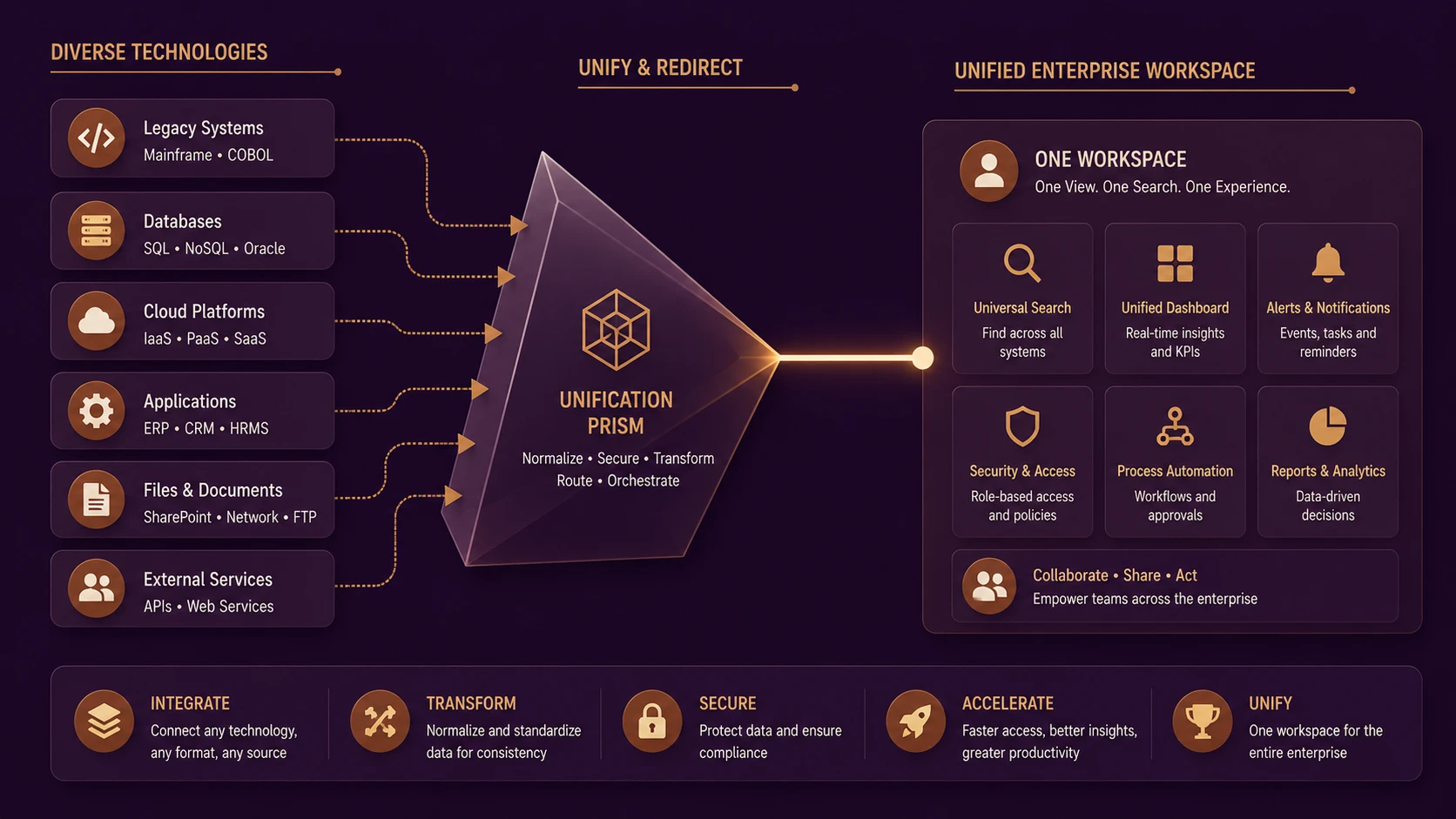
Software Development Trends: Enterprise Technologies Reshaping Engineering in 2014
Software development in 2014 is undergoing one of its most significant transitions in recent years. Cloud computing, DevOps, responsive design, mobile platforms, NoSQL databases, Continuous Delivery, and modular application architectures are fundamentally changing how enterprise software is designed, deployed, and maintained. This article reviews the most influential development trends from the perspective of November 2014.
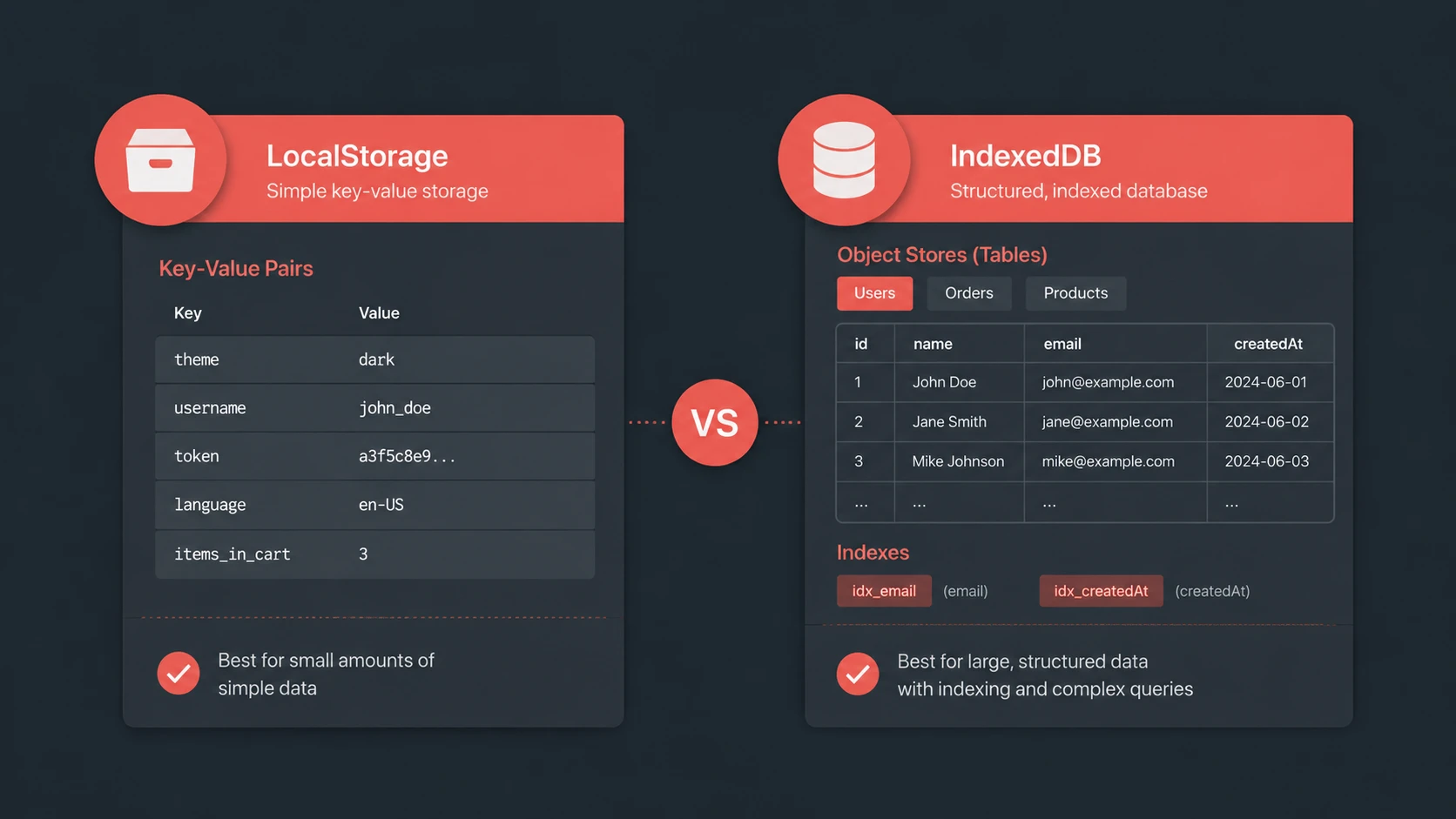
IndexedDB vs. LocalStorage: Choosing Client-Side Databases for Web Apps
Modern web applications increasingly require client-side storage for offline functionality, performance optimization, and responsive user experiences. This article compares IndexedDB and LocalStorage from the perspective of August 2014, examining architecture, performance, scalability, security, browser capabilities, and enterprise adoption strategies.