Cybersecurity
Viewing all posts categorized under Cybersecurity.

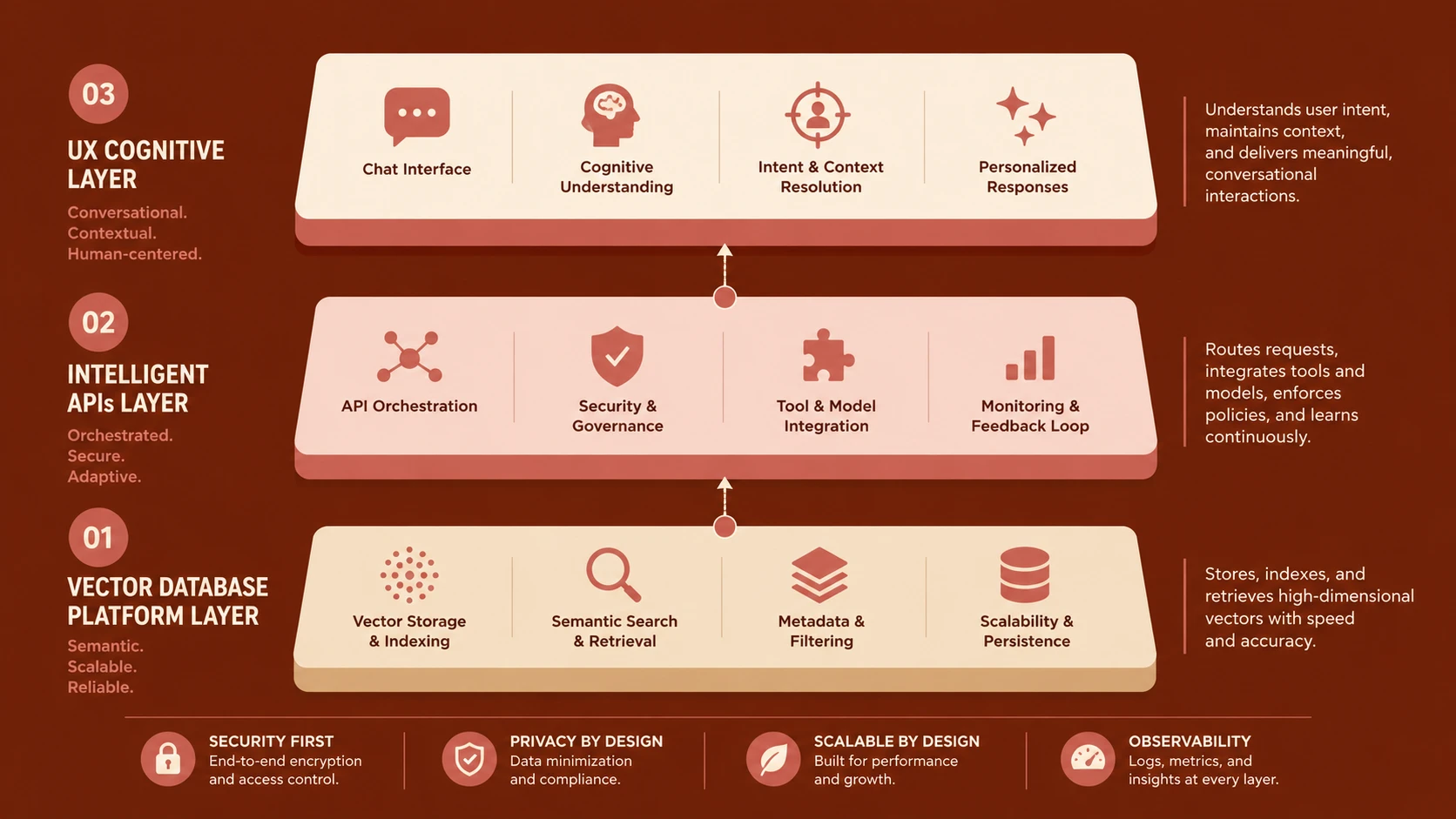
AI-First Full Stack: When Every Layer Learns
Artificial Intelligence is no longer an isolated feature embedded into applications. By early 2025, AI is becoming an architectural principle that permeates every layer of the software stack—from user interfaces and APIs to databases, cloud infrastructure, observability, security, and developer tooling. This article explores the emergence of the AI-First Full Stack architecture from the perspective of February 2025.
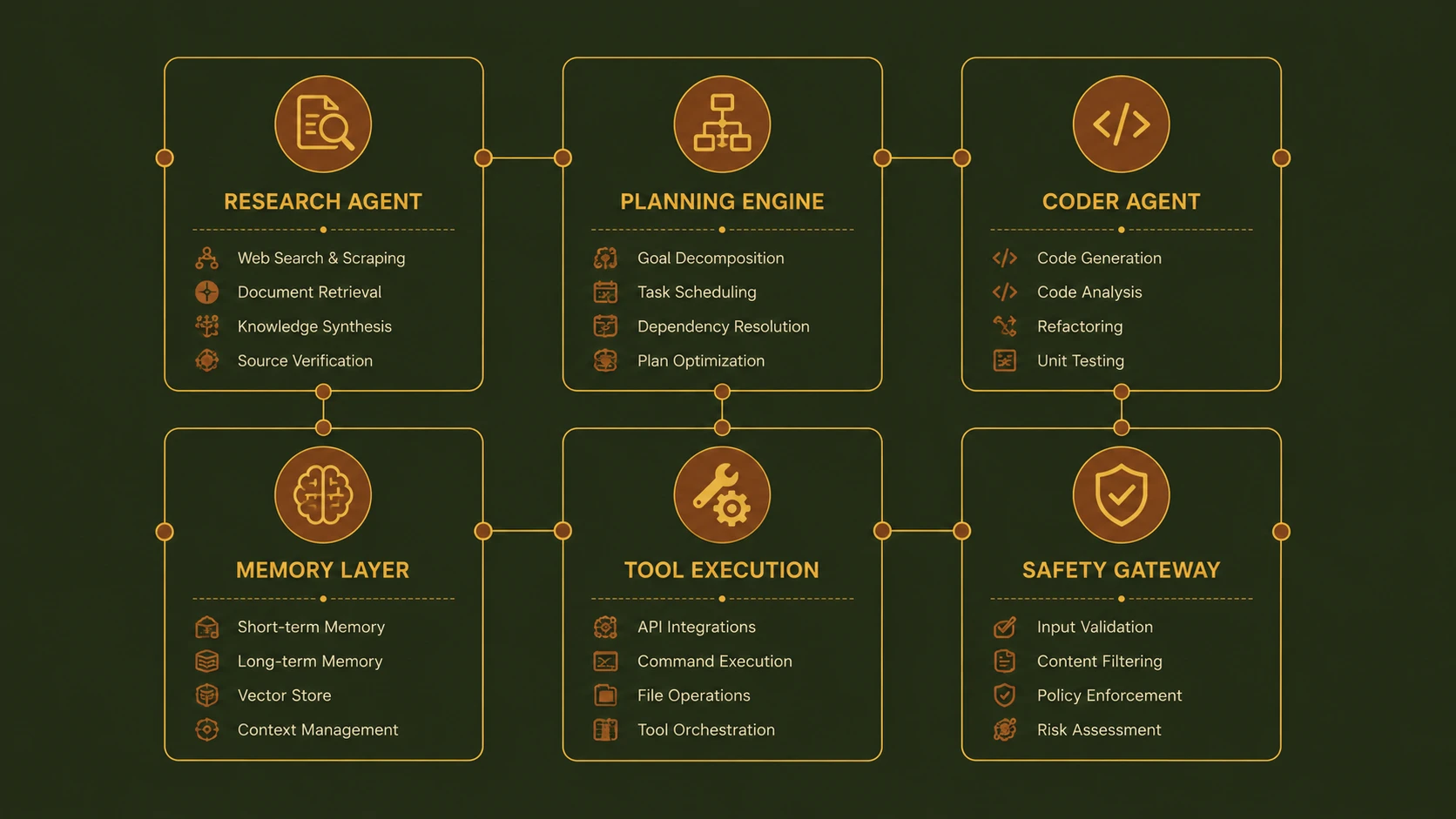
Agentic AI at Scale: Architecting Autonomous Systems
Generative AI is rapidly evolving from conversational assistants into autonomous systems capable of planning, reasoning, tool usage, workflow execution, and long-running task orchestration. Enterprise organizations are increasingly adopting Agentic AI architectures that combine large language models, retrieval systems, planning engines, memory, and secure execution environments to automate complex business processes. This article explores architectural patterns, governance, scalability, security, and implementation strategies for Agentic AI from the perspective of January 2025.
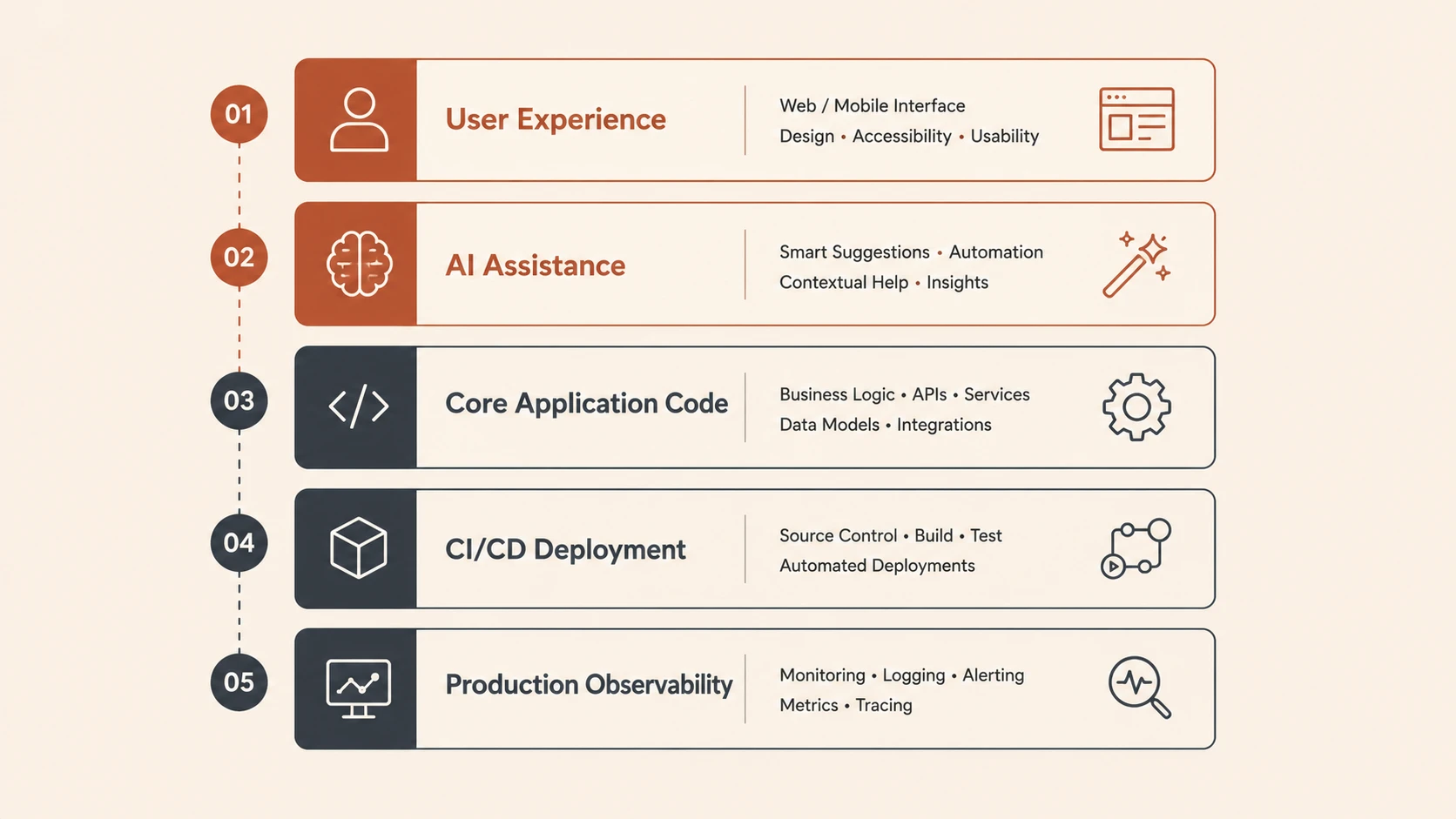
The Full-Cycle Engineer: When Developers Own Production, AI, and UX
By the end of 2024, software engineering has expanded far beyond writing application code. Modern developers increasingly participate in architecture, infrastructure, observability, AI integration, security, user experience, and business outcomes. This article examines the emergence of the Full-Cycle Engineer from the perspective of December 2024.
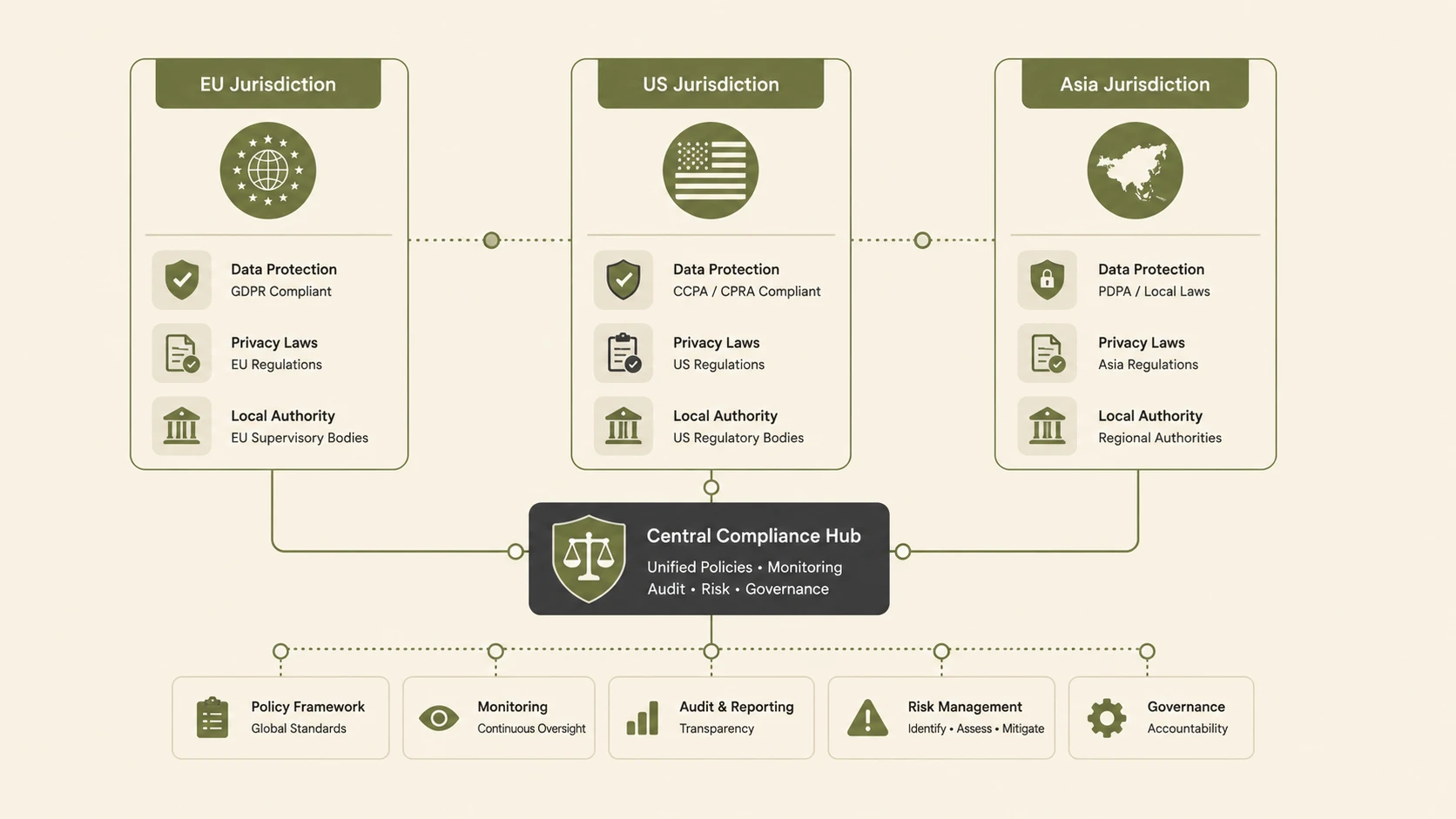
Data Sovereignty & Decentralized Architecture: Re-thinking Central Clouds
As data regulations evolve and organizations expand globally, enterprises are rethinking centralized cloud architectures in favor of distributed, sovereignty-aware platforms. This article explores data sovereignty, decentralized architectures, hybrid cloud strategies, edge computing, compliance, governance, and enterprise design patterns from the perspective of November 2024.
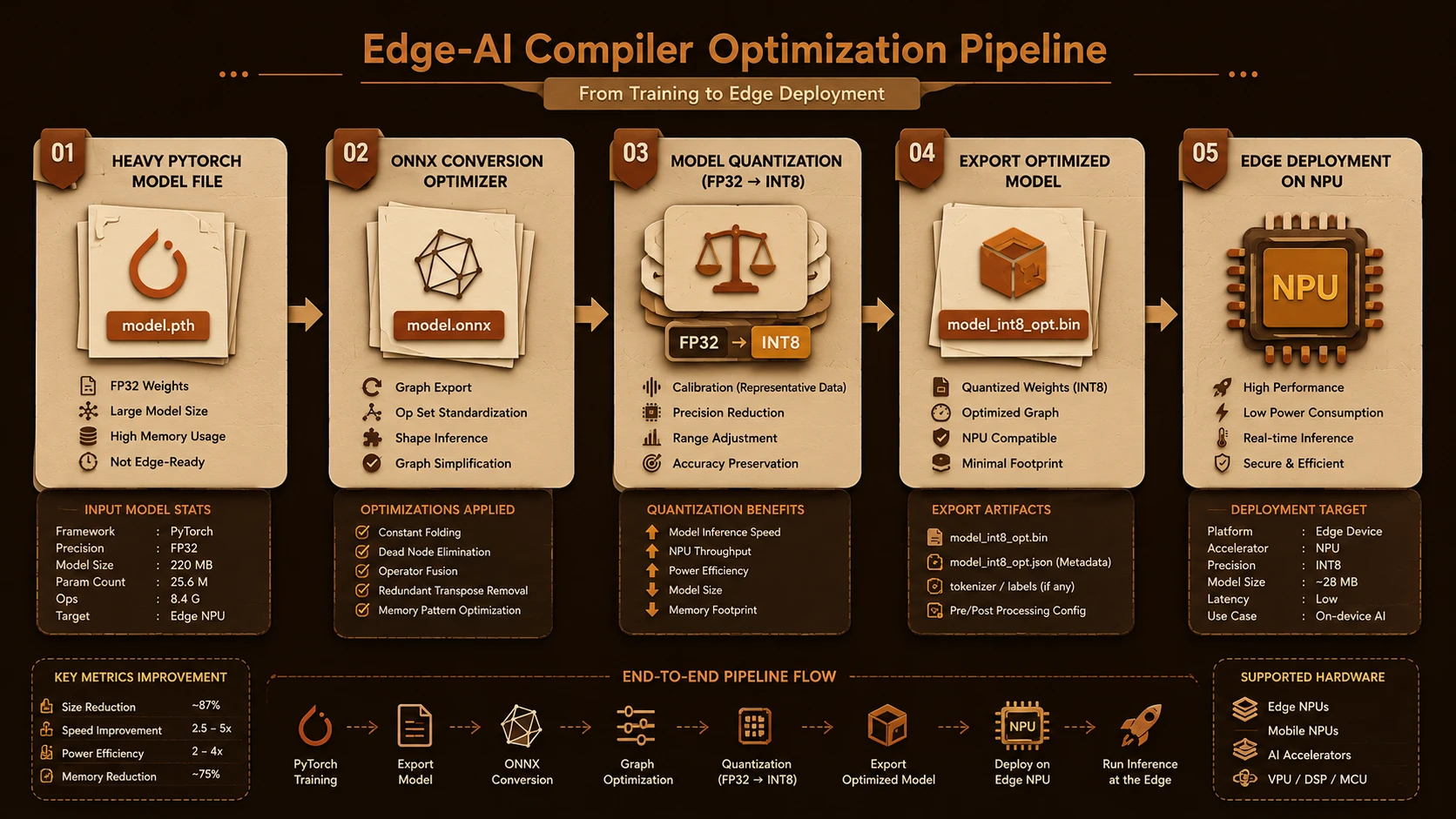
Edge-AI Workloads: Bringing ML to the Device, Not Just the Cloud
Artificial Intelligence is no longer confined to centralized cloud infrastructure. Advances in edge computing, specialized AI accelerators, lightweight foundation models, and optimized inference runtimes are enabling enterprises to execute machine learning workloads directly on devices. This article explores Edge AI architectures, deployment strategies, operational considerations, security, and enterprise adoption from the perspective of October 2024.
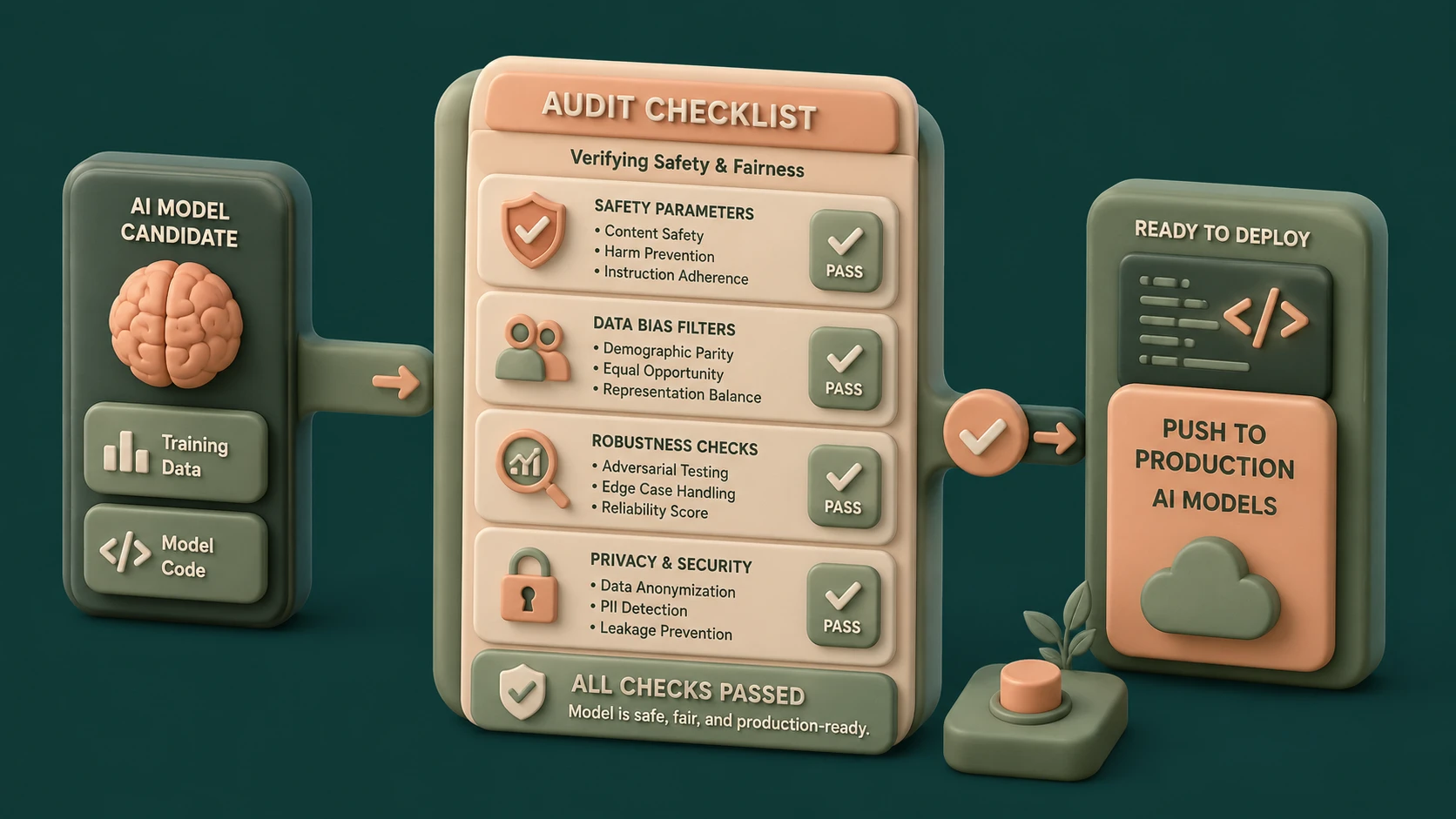
Trustworthy AI & Governance: Building Ethical AI Systems in the Stack
By late 2024, enterprise AI has moved beyond experimentation into business-critical operations. As organizations deploy Large Language Models, AI copilots, autonomous agents, and predictive systems across core business functions, governance has become as important as model performance. This article explores how Trustworthy AI, governance frameworks, observability, security, and ethical engineering are becoming foundational components of the modern enterprise technology stack.
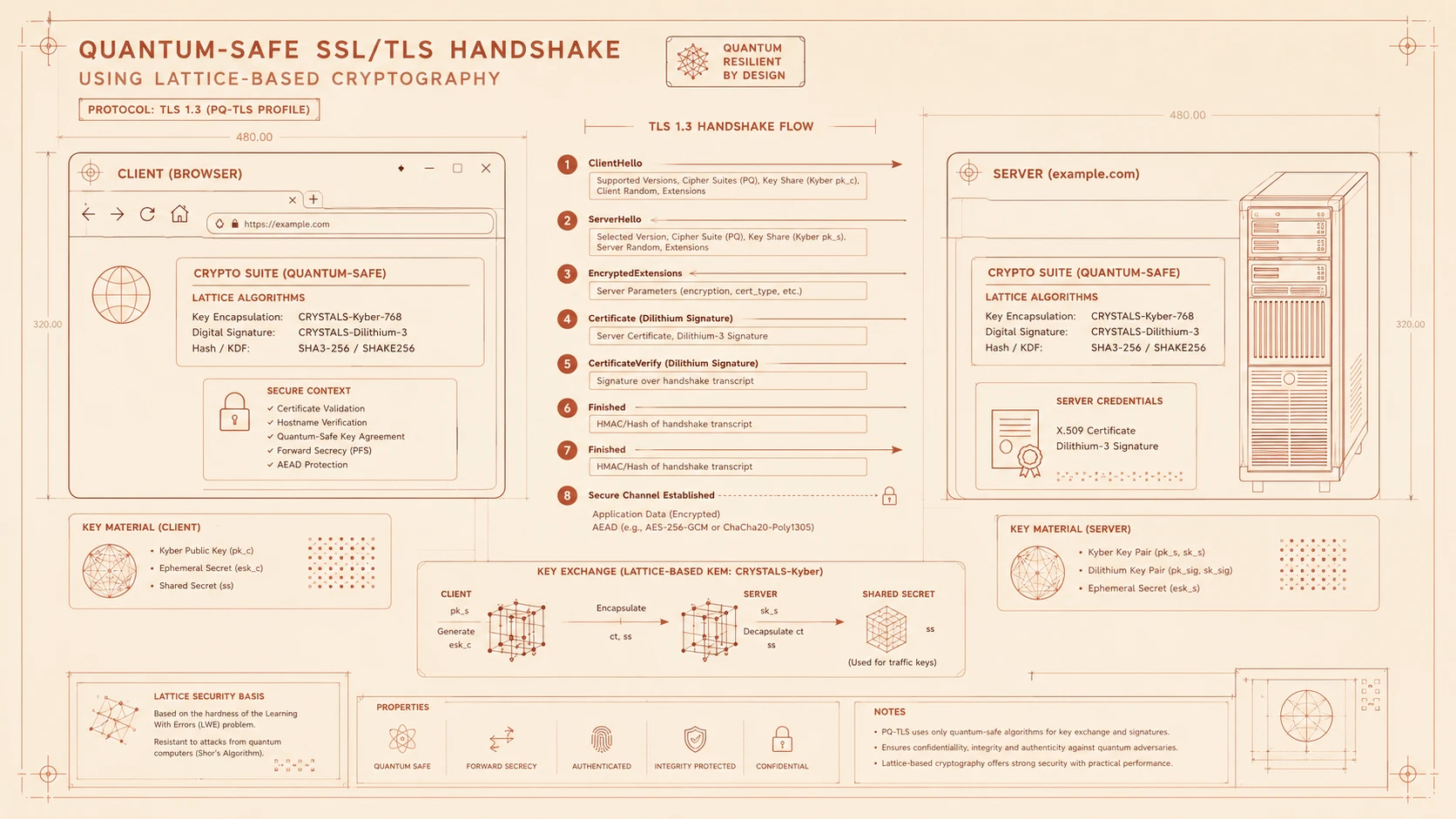
Quantum & Web: When the Browser Meets Quantum-Safe Cryptography
Advances in quantum computing are prompting governments, standards organizations, cloud providers, and enterprises to prepare for a future where today's public-key cryptography may no longer provide adequate long-term protection. This article examines the emerging role of quantum-safe cryptography in modern web architectures, browser security, TLS, PKI, enterprise applications, and cloud platforms from the perspective of July 2024.
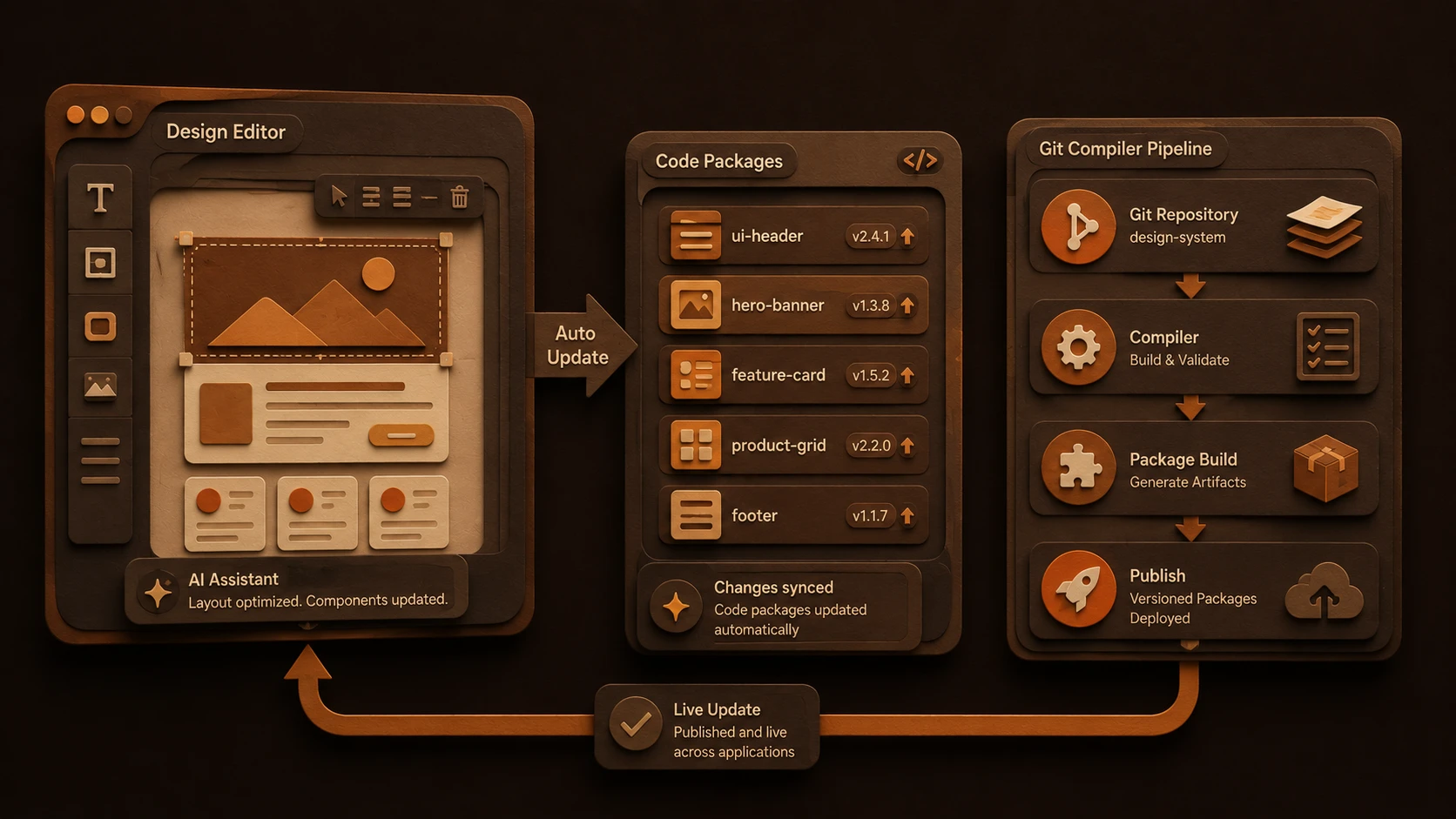
Design Systems Evolved: From Components to DesignOps
By 2024, enterprise design systems have evolved beyond reusable UI components into comprehensive DesignOps platforms that unify designers, developers, product teams, and AI-assisted workflows. This article explores how DesignOps, design tokens, governance, automation, and component ecosystems are reshaping modern software development from the perspective of May 2024.
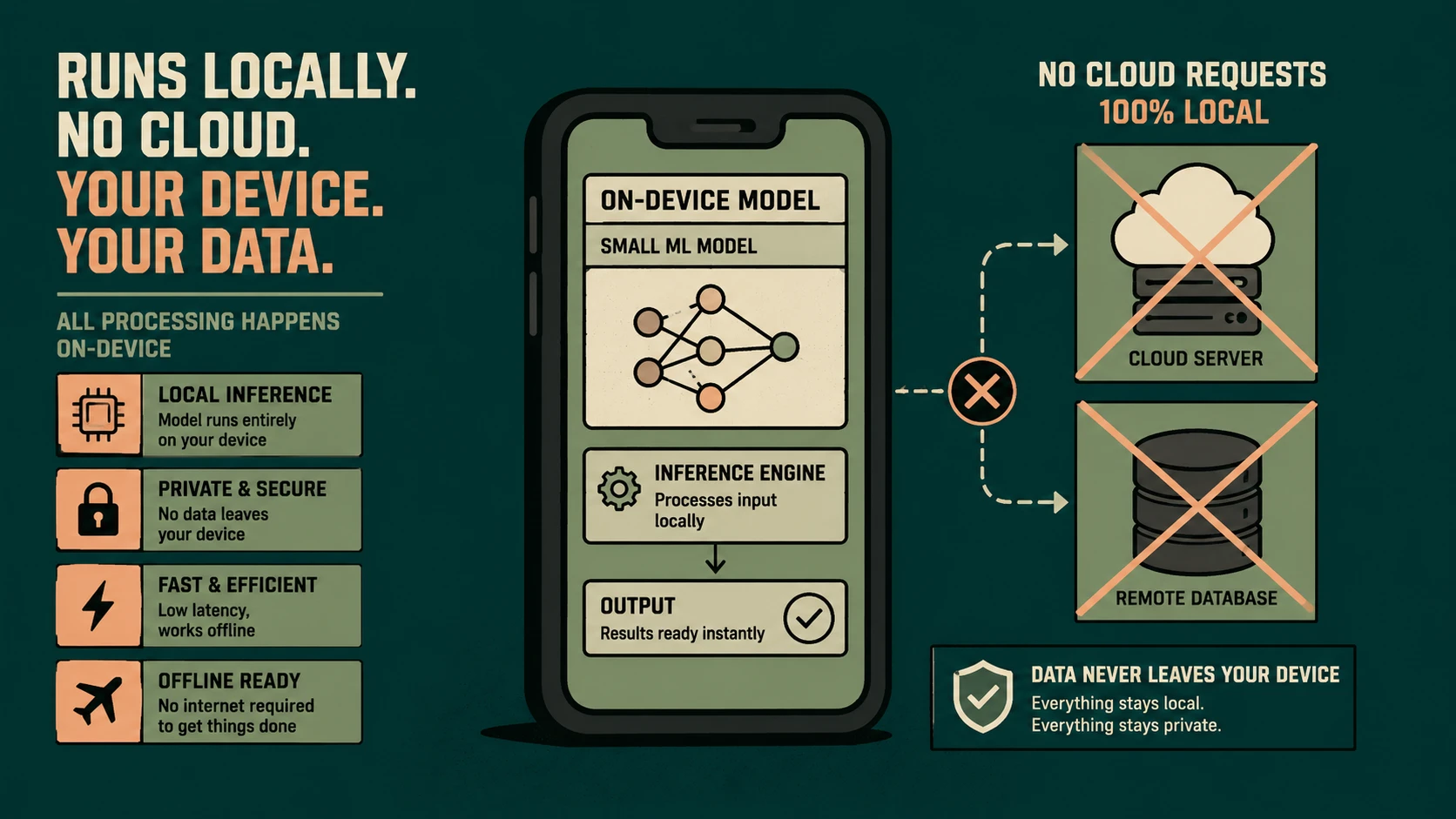
Edge Intelligence: Pushing Cloud Logic to the Device
As AI models become more efficient and edge hardware continues advancing, enterprises are increasingly shifting intelligence from centralized cloud infrastructure to devices operating at the network edge. This evolution enables lower latency, improved privacy, reduced bandwidth consumption, and greater resilience. This article examines Edge Intelligence from the perspective of April 2024, exploring architecture, enterprise adoption, implementation patterns, security, and future opportunities.
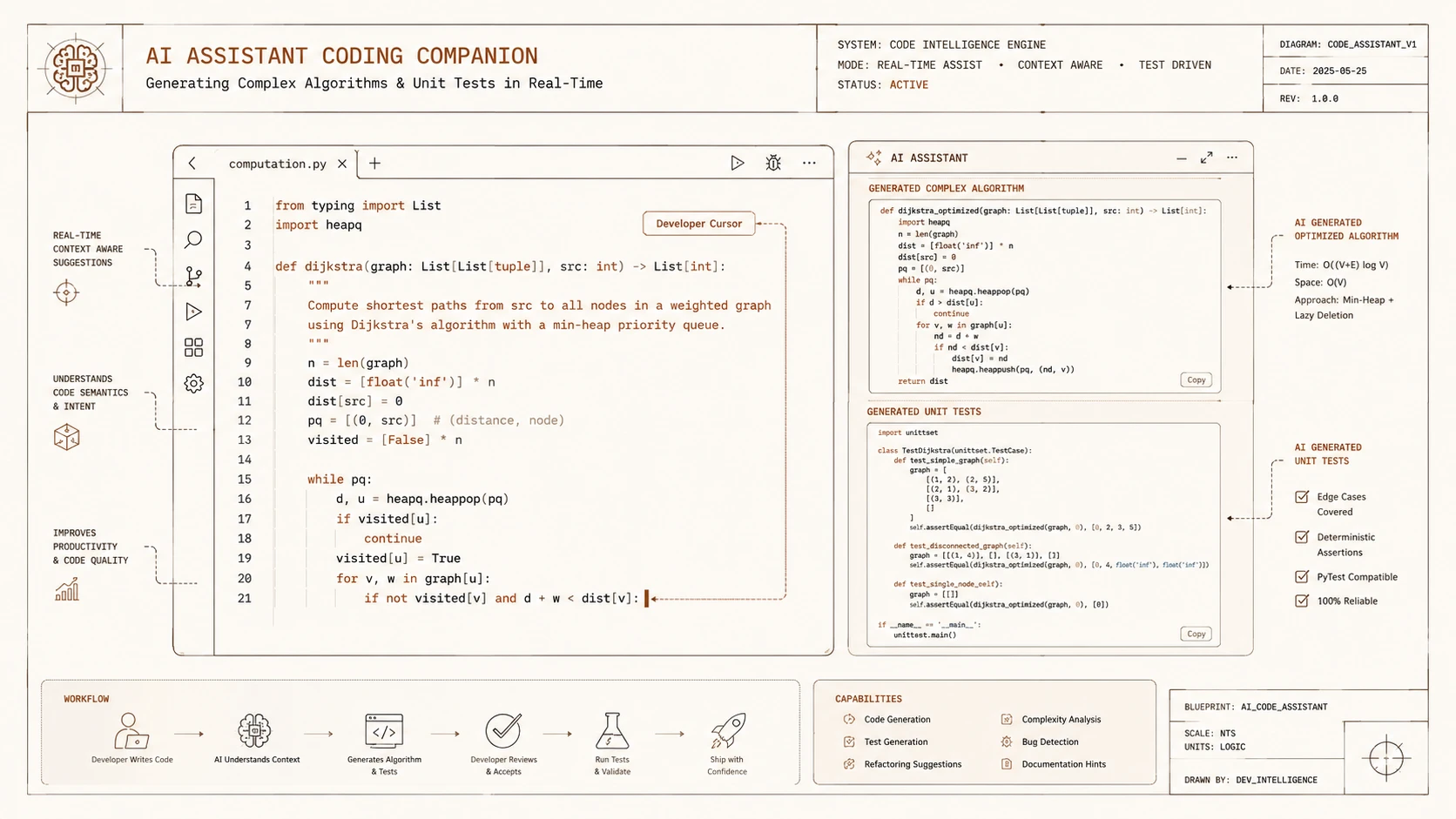
AI for Developer Productivity: From Copilots to Code Generators
By early 2024, AI-powered developer tools have evolved far beyond code completion. Modern developer platforms now assist with architecture design, code generation, documentation, testing, debugging, code review, security analysis, and DevOps automation. This article examines the evolution of AI for developer productivity from the perspective of March 2024, exploring how enterprises are integrating AI into every phase of the software development lifecycle.
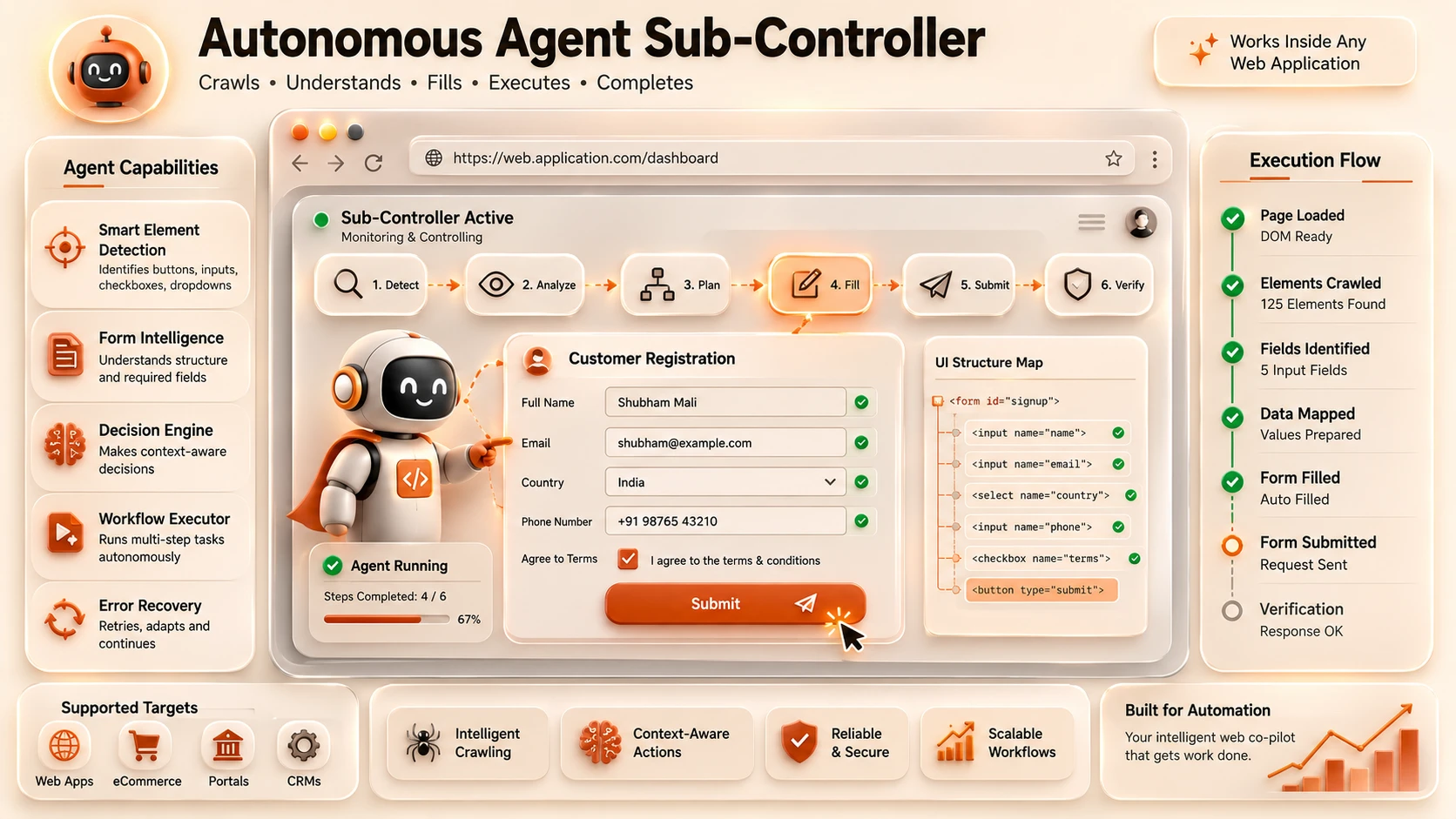
When Browsers Become Agents: Building Web Apps for the AI-First Era
The rapid adoption of generative AI has transformed expectations for modern web applications. Browsers are evolving from passive rendering engines into intelligent execution environments capable of orchestrating AI assistants, autonomous workflows, and natural language interactions. This article explores how enterprises should rethink web application architecture, APIs, user interfaces, security, and developer practices for the AI-first era from the perspective of January 2024.
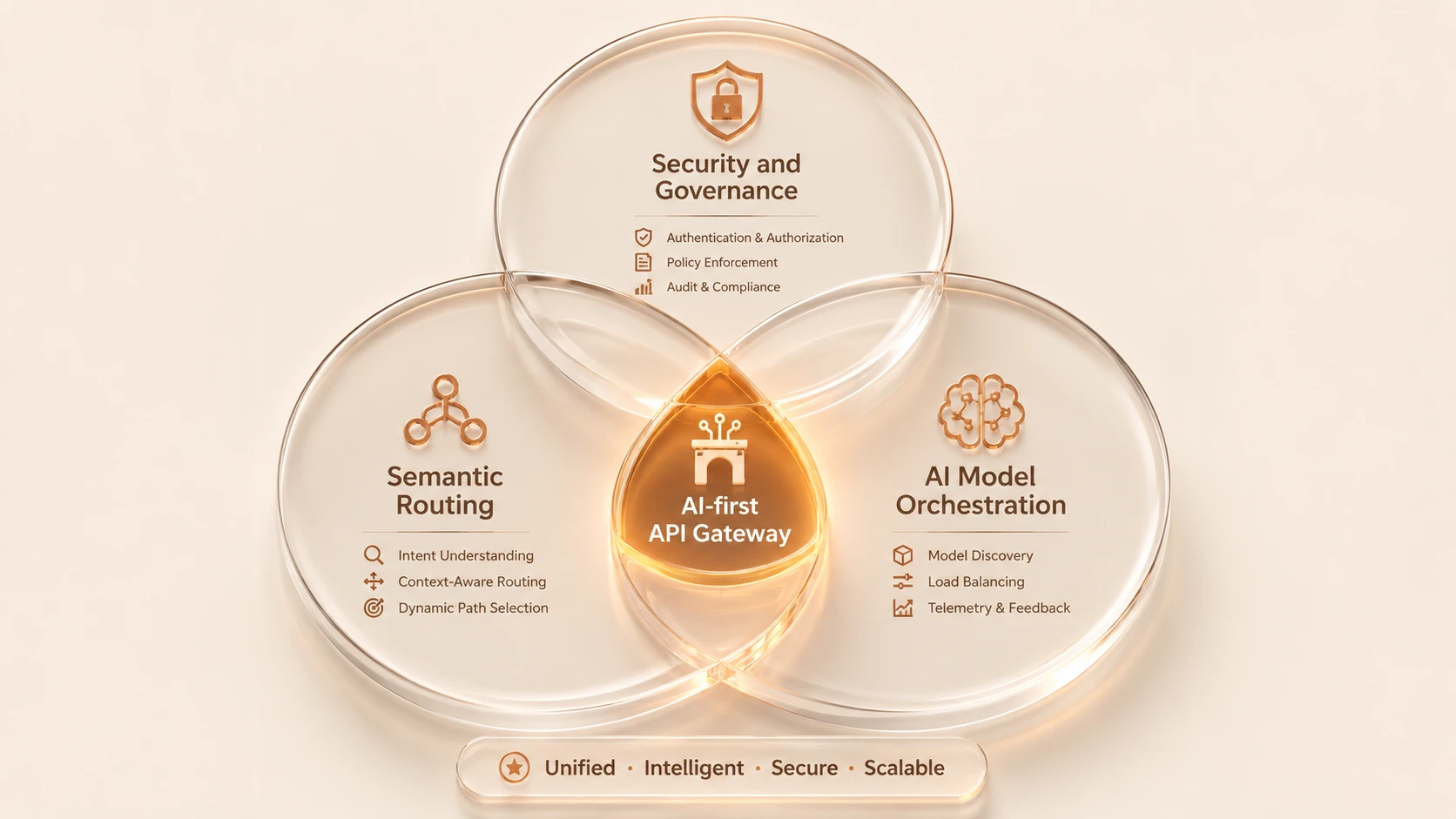
AI-first API Gateways & Semantic Routing: The Next Evolution of Intelligent Enterprise Connectivity
By late 2023, the rapid adoption of Large Language Models has introduced entirely new architectural requirements for enterprise API platforms. Traditional API gateways focused primarily on authentication, routing, rate limiting, and observability. AI-first API gateways extend these capabilities with semantic request understanding, intelligent model selection, prompt governance, context-aware routing, and LLM orchestration. This article examines AI-first API Gateways and Semantic Routing from the perspective of December 2023.
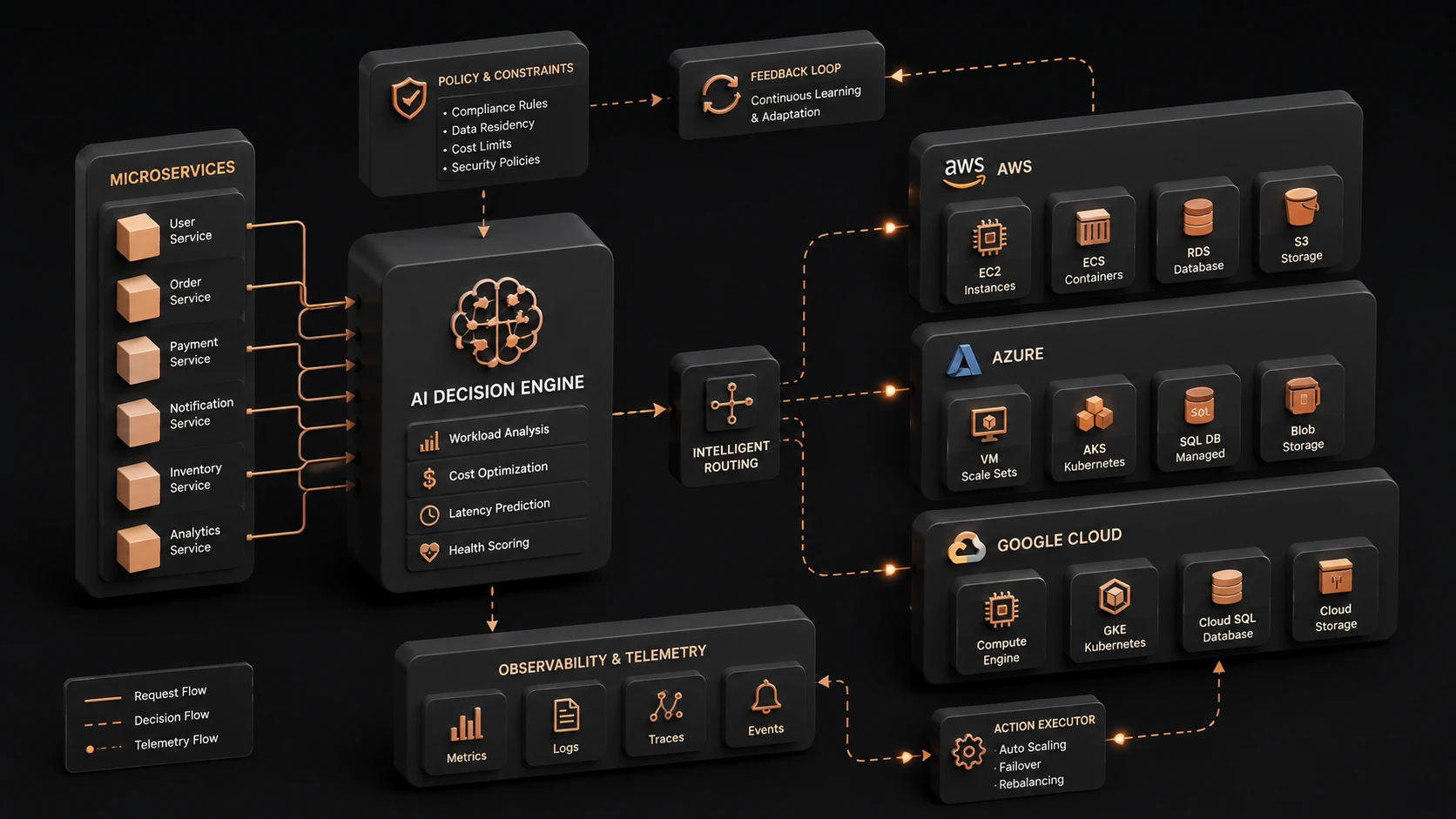
Multi-Cloud Intelligence and Autonomous Systems
By late 2023, enterprises have shifted from simply adopting multiple cloud providers to building intelligent platforms capable of automatically optimizing workload placement, security, costs, resilience, and performance. This article explores how AI-powered multi-cloud management and autonomous systems are transforming enterprise cloud operations from the perspective of December 2023.
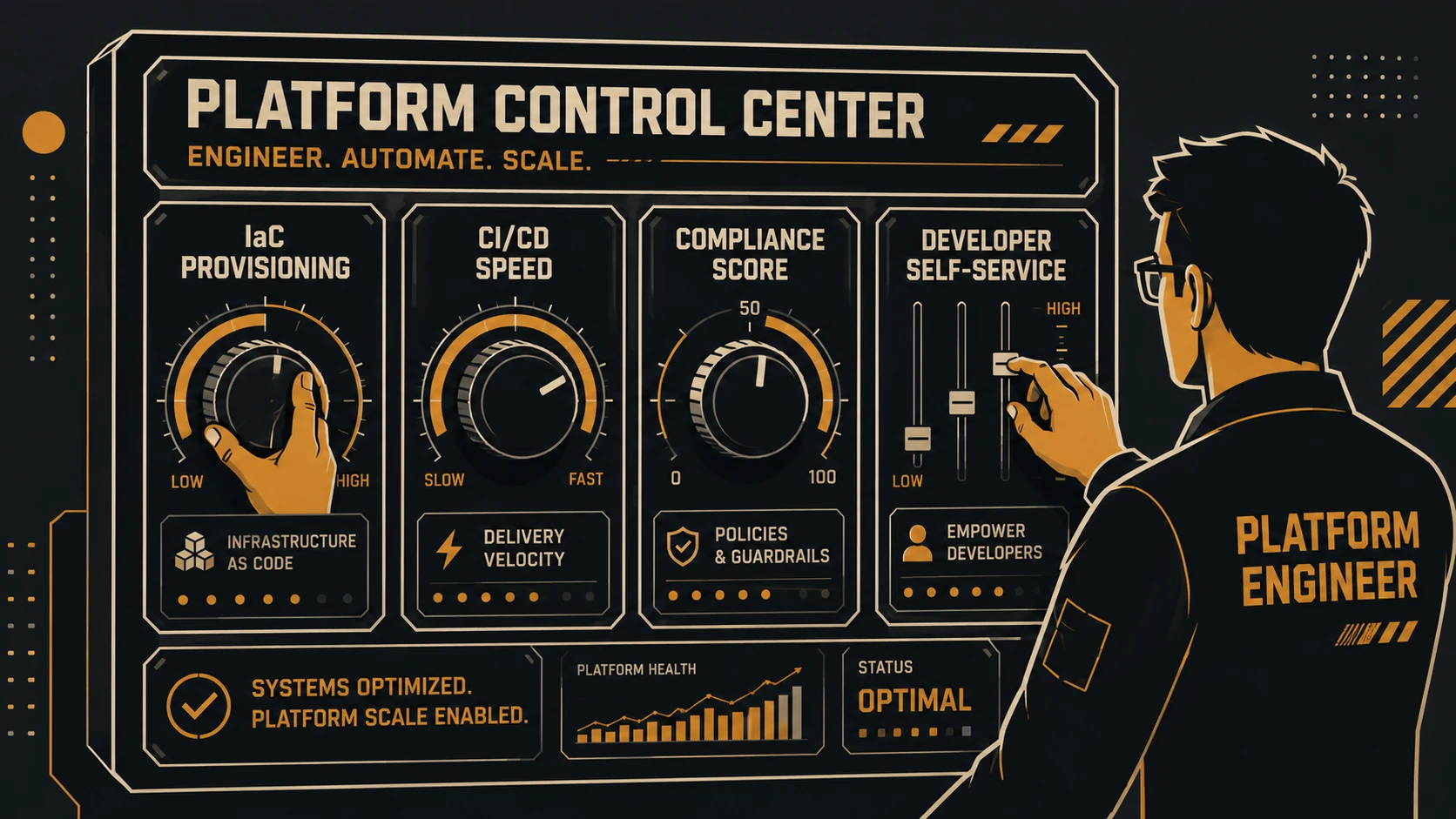
Platform Engineering Becomes Mainstream
Platform Engineering has rapidly emerged as one of the defining enterprise technology movements of 2023. Building on years of DevOps, Kubernetes, cloud-native computing, and Infrastructure as Code, organizations are investing in Internal Developer Platforms (IDPs) that improve developer productivity while standardizing security, governance, and operational excellence. This article examines Platform Engineering from the perspective of November 2023, exploring its architecture, enterprise adoption, implementation strategies, and future direction.
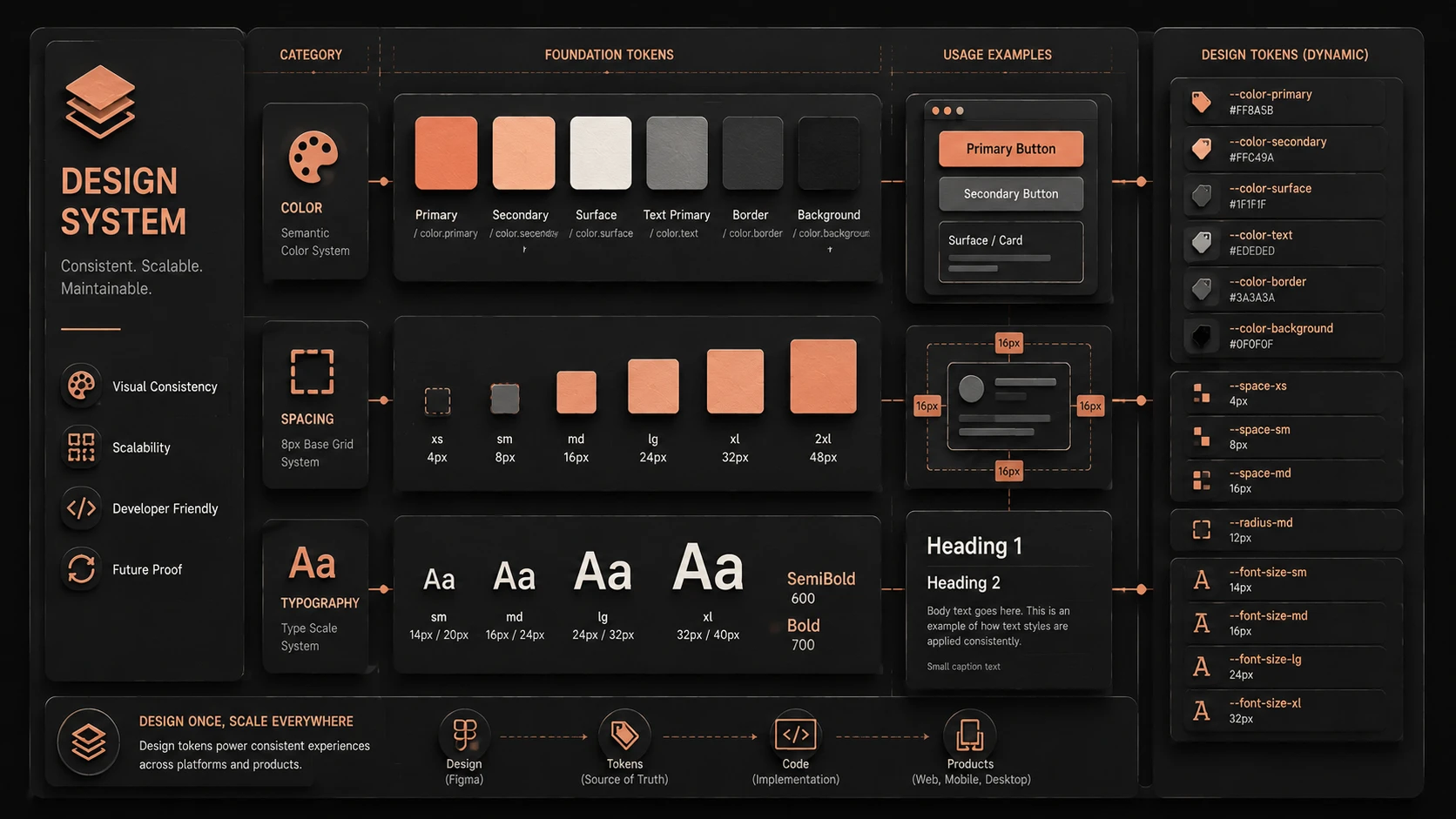
The Rise of Design Tokens and Scalable UX: Building Consistent Enterprise Design Systems
By 2023, Design Tokens have evolved from a niche design system concept into a foundational technology for enterprise digital products. Organizations increasingly use tokens to synchronize design decisions across web, mobile, desktop, and design tools while improving developer productivity and user experience consistency. This article examines the evolution of Design Tokens and scalable UX from the perspective of May 2023.