Cybersecurity
Viewing all posts categorized under Cybersecurity.

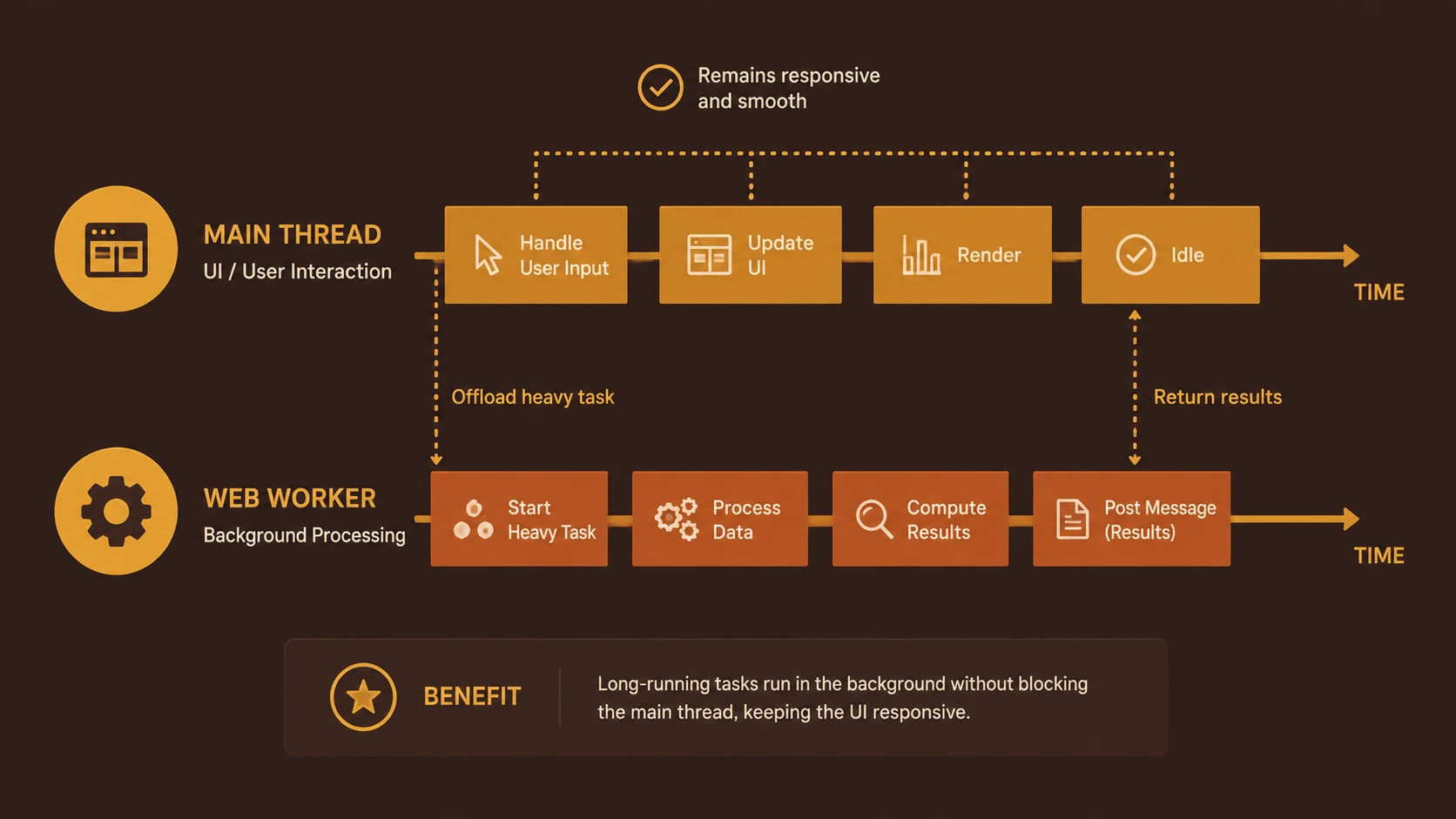
Web Workers: Running Asynchronous JavaScript Threads to Prevent UI Freezes
As enterprise web applications become increasingly sophisticated, long-running JavaScript operations can block the browser's user interface, leading to sluggish interactions and poor user experience. HTML5 Web Workers provide a standardized mechanism for executing JavaScript in background threads, enabling computationally intensive tasks to run without freezing the main UI thread. This article examines Web Workers from the perspective of July 2014, exploring their architecture, enterprise use cases, security considerations, performance implications, and best practices.
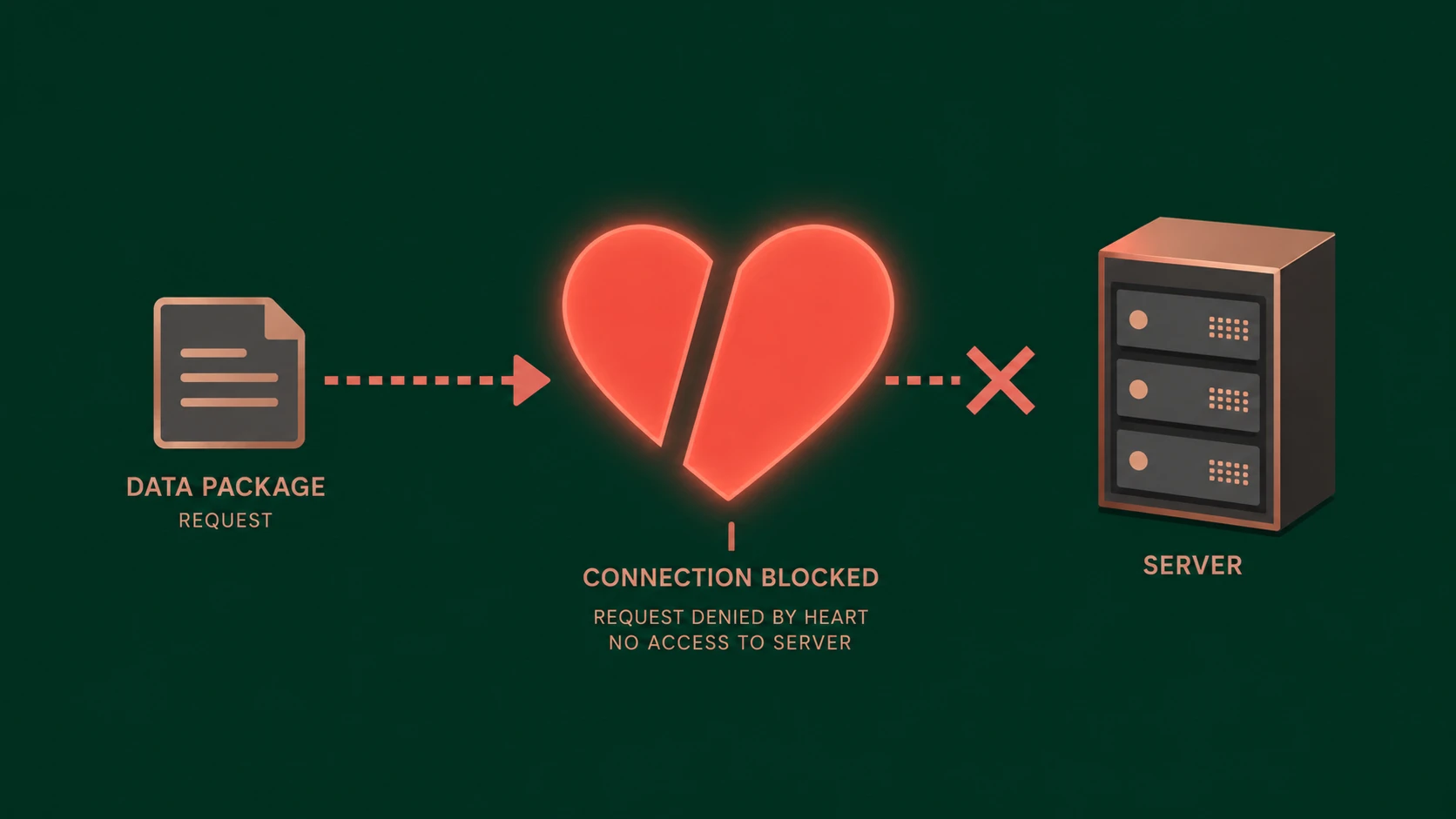
The Heartbleed Bug: Technical Analysis and Mitigations for OpenSSL Vulnerabilities
The disclosure of the Heartbleed vulnerability (CVE-2014-0160) exposed a critical flaw in OpenSSL's implementation of the TLS Heartbeat Extension, placing millions of servers and secure communications at risk. This article examines the technical details of Heartbleed from the perspective of April 2014, explaining its architecture, enterprise impact, mitigation strategies, and operational considerations for security teams.
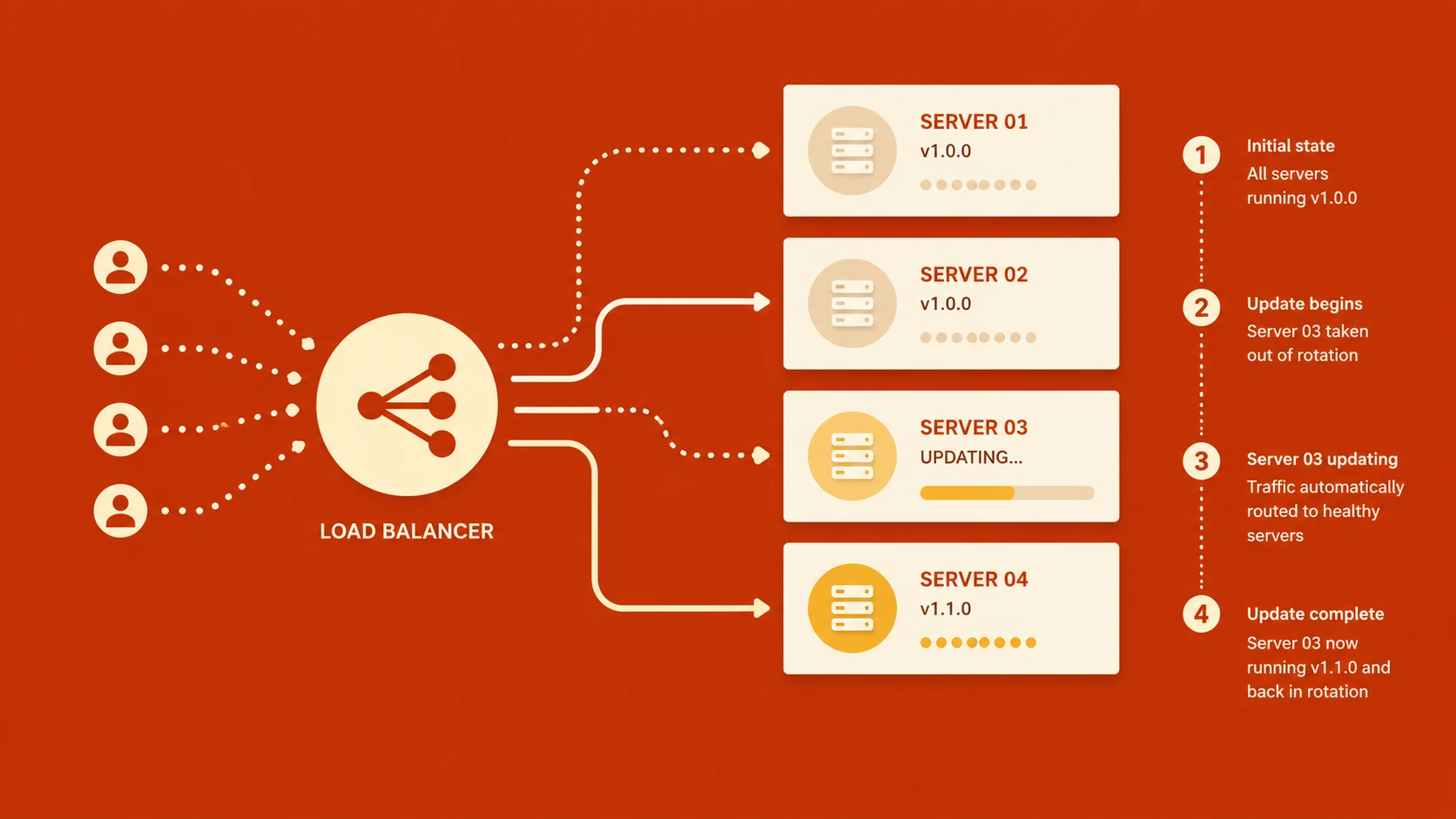
Ansible Playbooks: Orchestrating Zero-Downtime Application Deployments
Ansible has rapidly emerged as a lightweight IT automation platform by eliminating the need for managed agents while using simple YAML-based playbooks to automate infrastructure provisioning, configuration management, and application deployment. As enterprises increasingly embrace DevOps practices, Ansible Playbooks provide a practical approach to orchestrating repeatable, zero-downtime deployments. This article examines Ansible from the perspective of December 2013, exploring its architecture, deployment strategies, scalability, security considerations, and enterprise adoption.
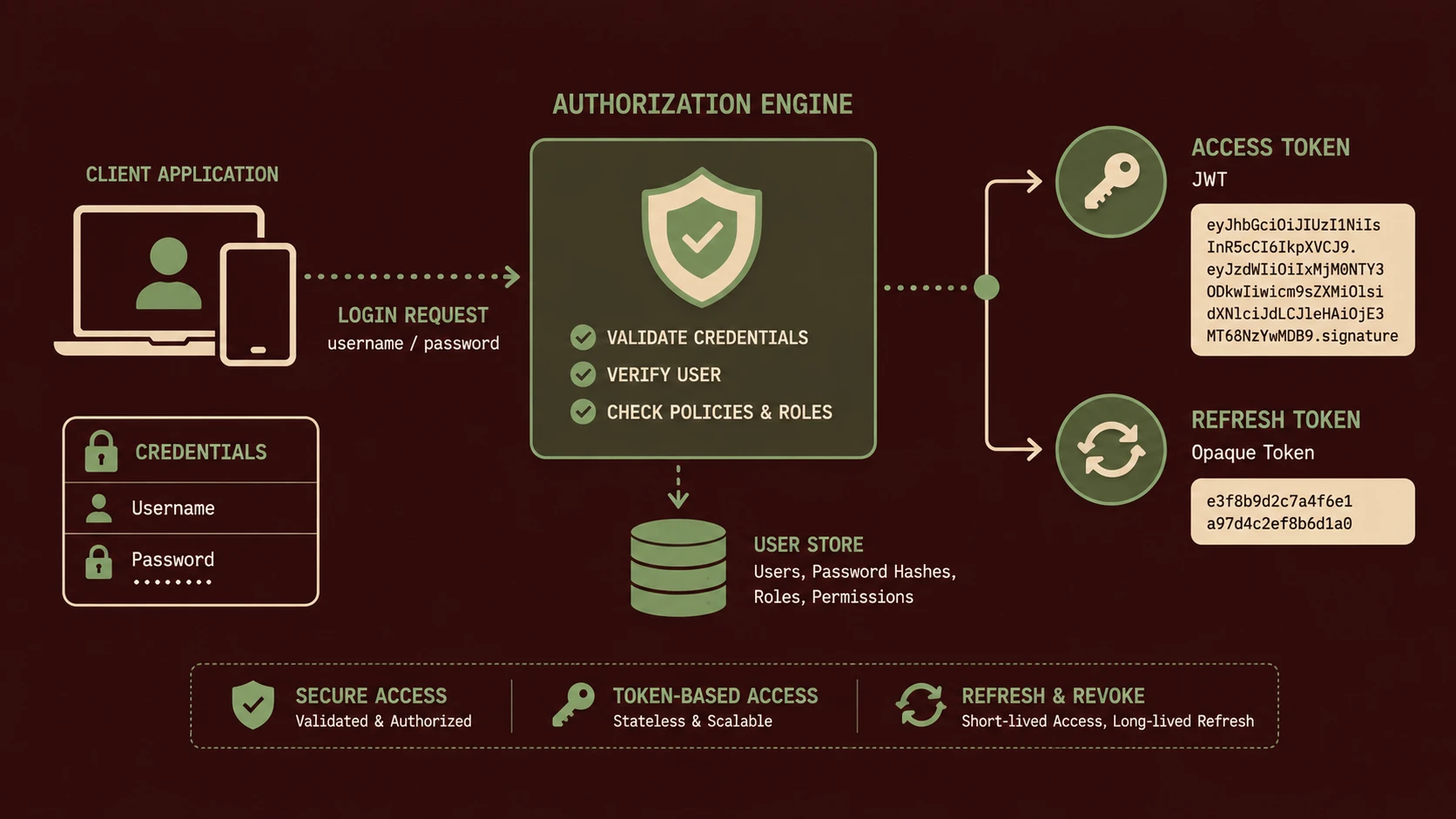
OAuth 2.0 Authorization Server Implementation: Managing Access Tokens and Refresh Tokens
As organizations standardize API security around OAuth 2.0, implementing a robust authorization server becomes a critical architectural responsibility. This article examines authorization server design, token lifecycle management, refresh tokens, security practices, and enterprise deployment considerations from the perspective of October 2013.
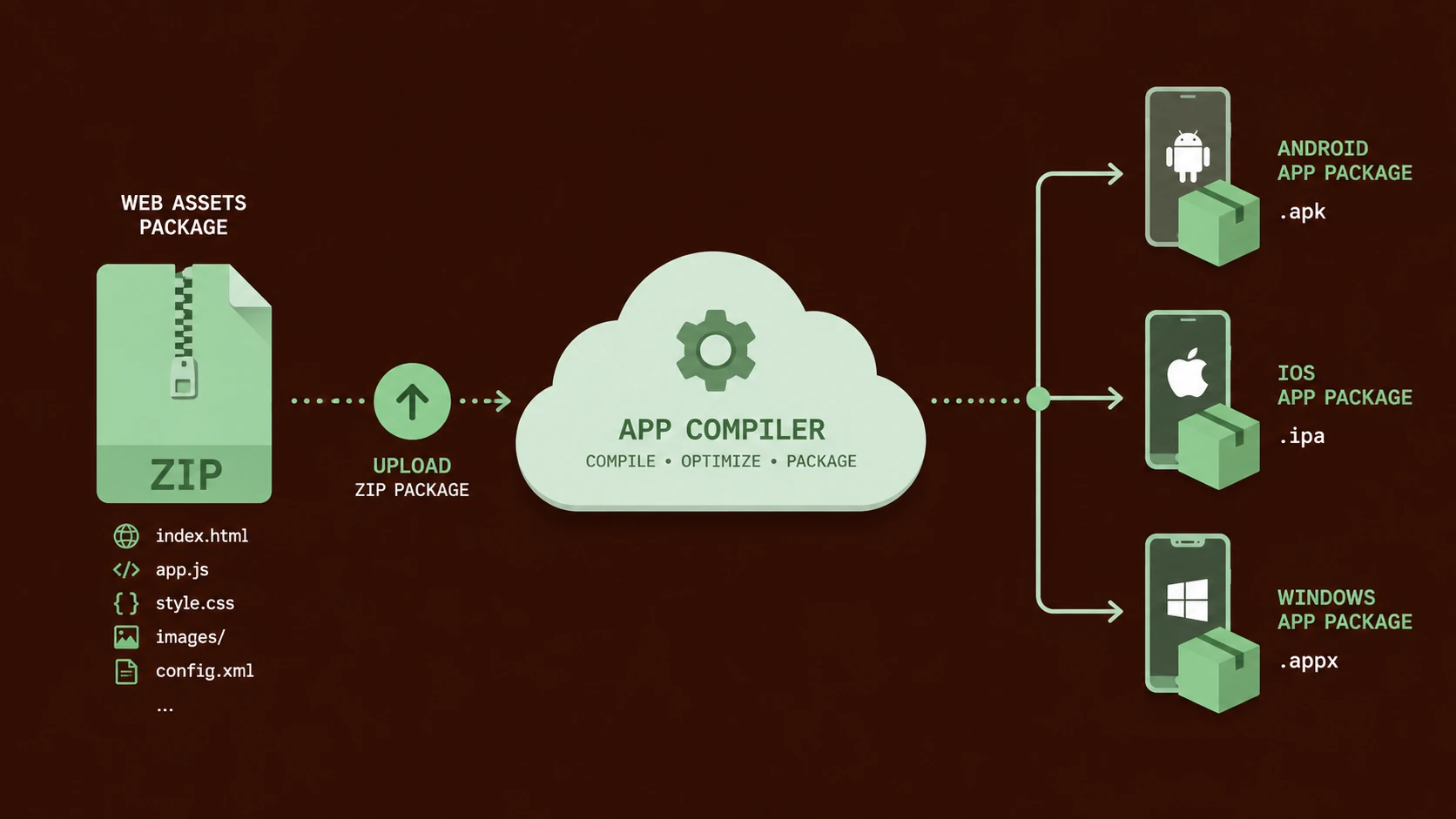
PhoneGap Build: Compiling Cross-Platform Native Packages in the Cloud
PhoneGap Build introduces a cloud-based compilation service that enables developers to package HTML5, CSS3, and JavaScript applications into native mobile applications without maintaining multiple platform-specific SDKs. As enterprise mobility accelerates, PhoneGap Build offers a streamlined approach to cross-platform application deployment. This article examines PhoneGap Build from the perspective of July 2013, exploring its architecture, enterprise use cases, security considerations, and role in modern mobile development.

Cross-Site Request Forgery (CSRF): Understanding Tokens and Double-Submit Cookie Mitigations
Cross-Site Request Forgery (CSRF) remains one of the most significant security threats affecting web applications. This article examines CSRF from the perspective of June 2013, explaining attack mechanics, anti-CSRF tokens, double-submit cookie techniques, enterprise deployment considerations, and security best practices for modern web applications.
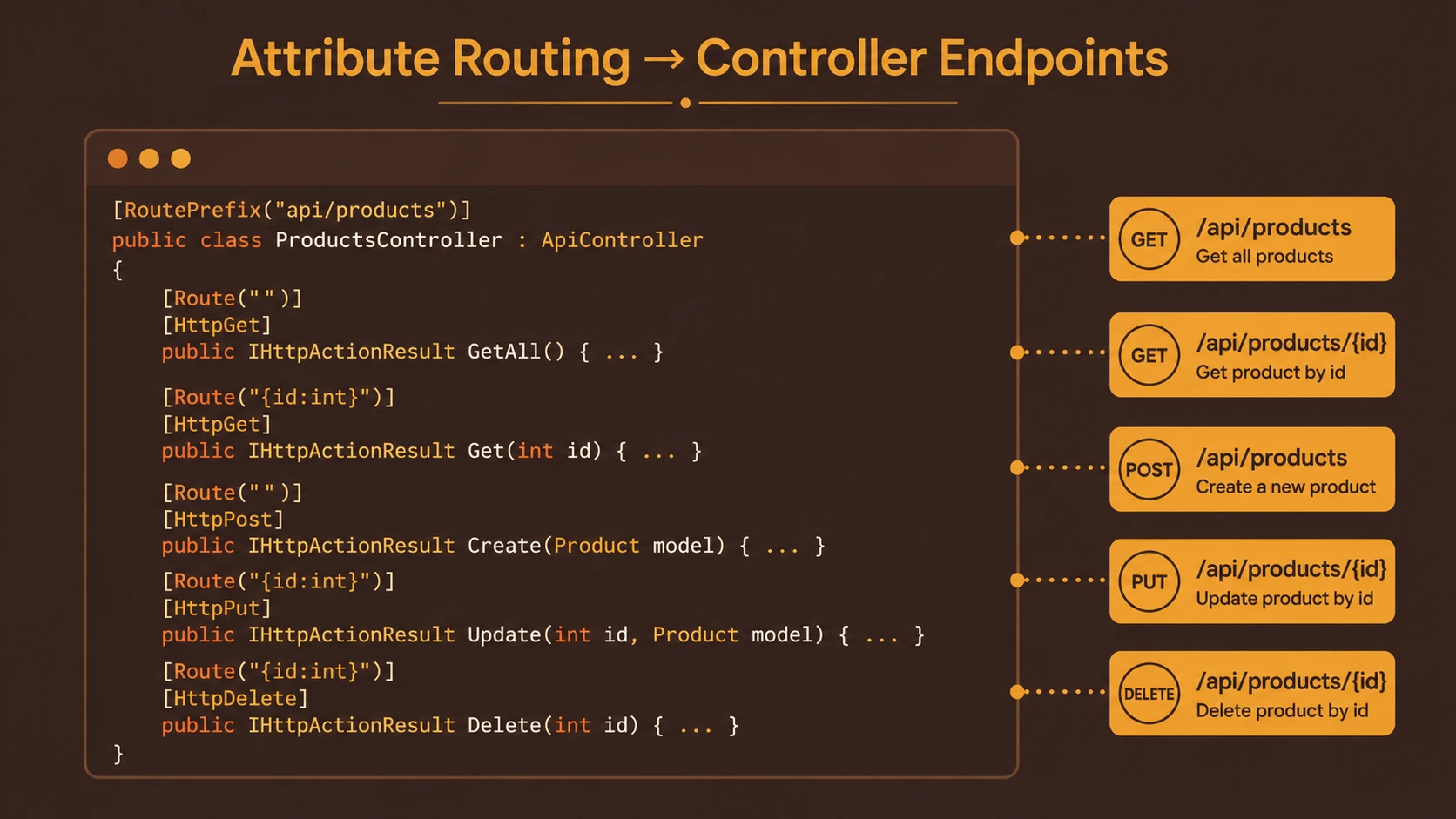
ASP.NET MVC 5: Attribute Routing and OWIN Authentication Integration
Microsoft has announced the direction of the next generation of ASP.NET MVC with a focus on more flexible routing, improved authentication through OWIN, and deeper integration with modern web application architecture. This article examines the emerging capabilities expected in ASP.NET MVC 5 from the perspective of April 2013 and discusses how these changes could influence enterprise web development.
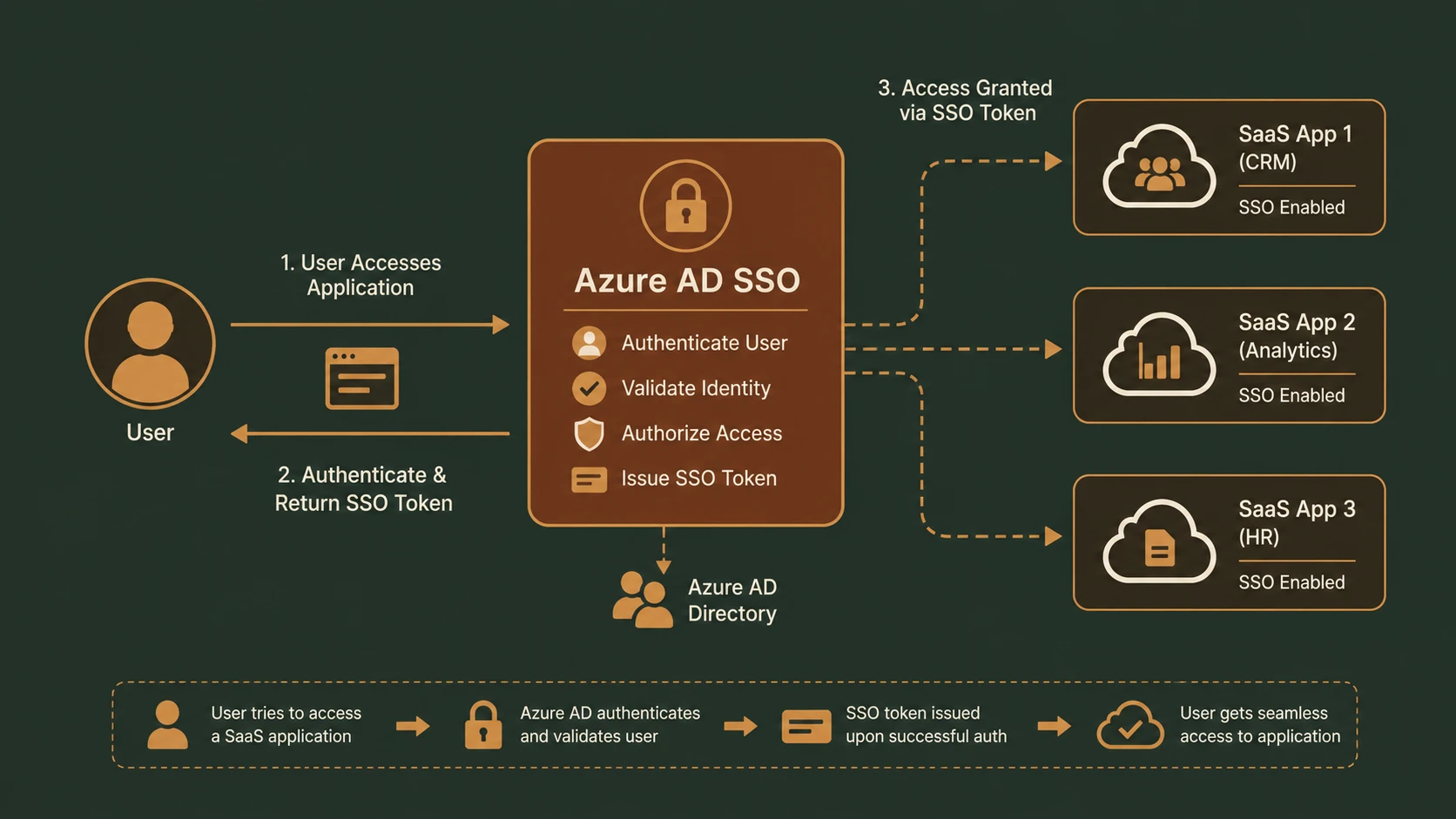
Windows Azure AD: Identity Management and Single Sign-On for Enterprise SaaS
Windows Azure Active Directory introduces Microsoft's cloud-based identity management service, enabling enterprises to extend on-premises Active Directory identities into cloud applications while simplifying authentication and single sign-on. This article examines Windows Azure AD from the perspective of February 2013, exploring its architecture, enterprise integration, security model, and its role in supporting the growing adoption of Software as a Service solutions.
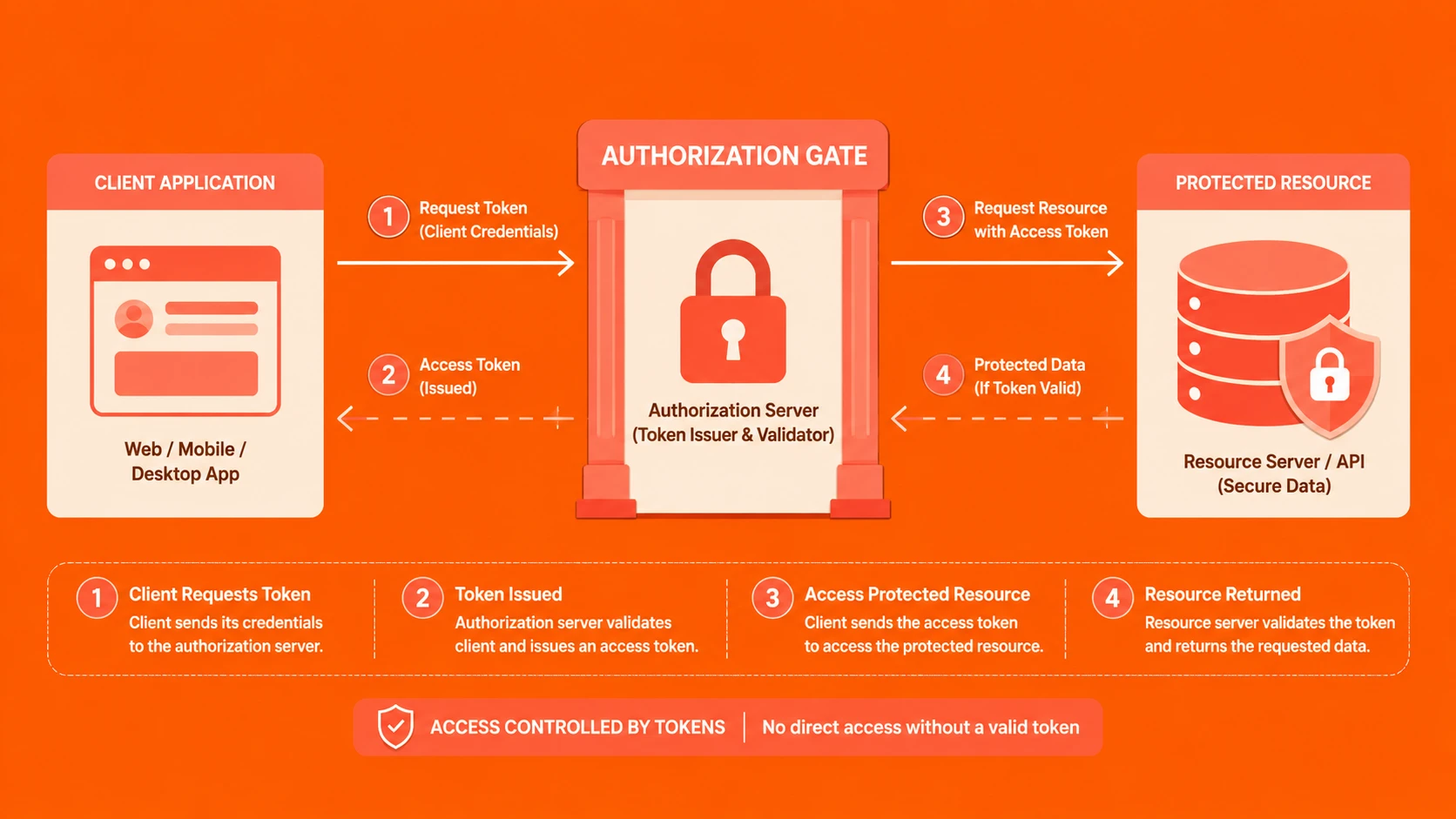
OAuth 2.0 RFC 6749: Standardizing Authorization for Web APIs
OAuth 2.0 has been standardized as RFC 6749, providing a flexible authorization framework for web applications, mobile clients, and APIs. This article examines its architecture, authorization flows, security model, enterprise adoption strategies, and implementation considerations from the perspective of October 2012.
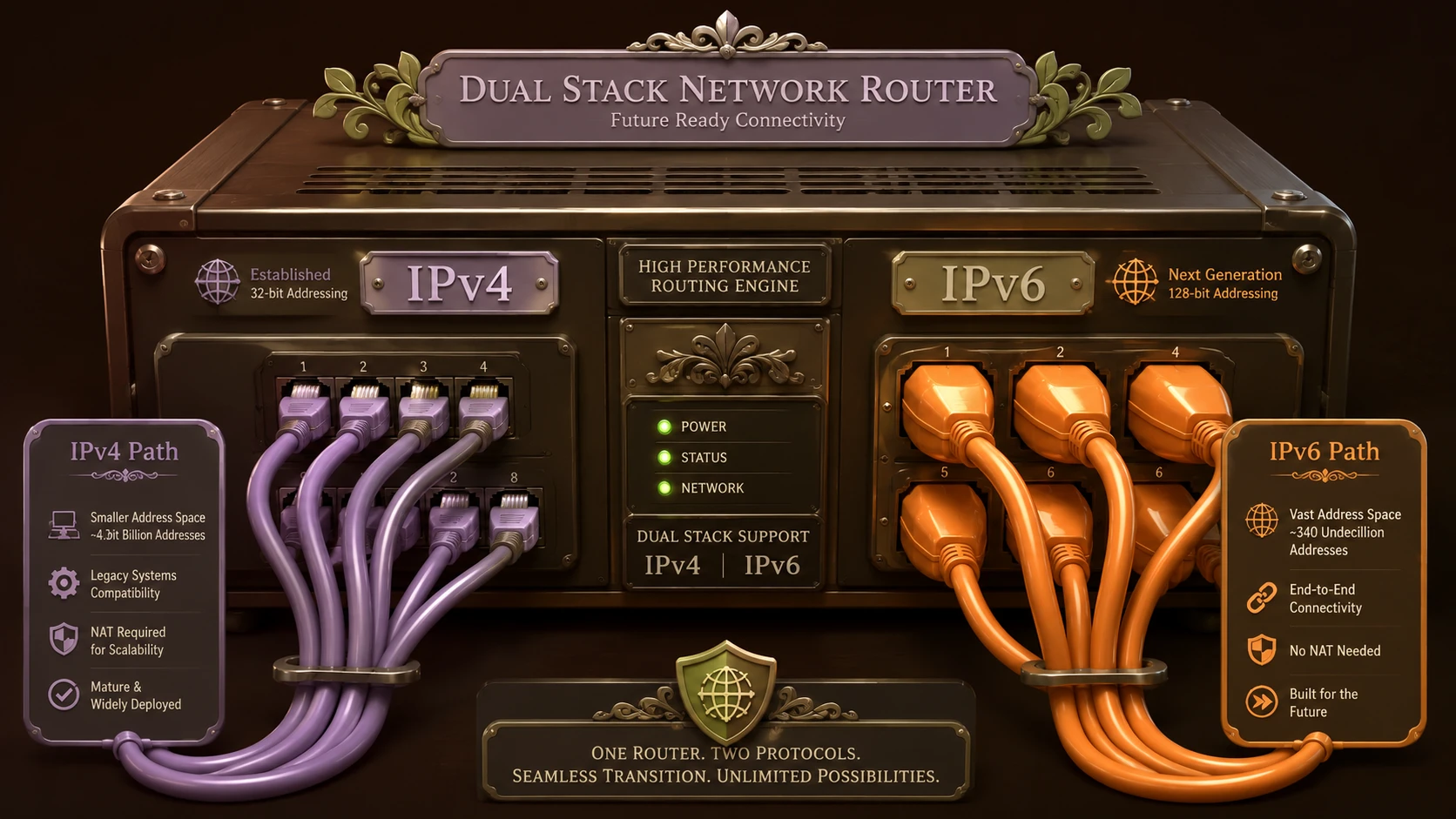
IPv6 World Launch: Preparing Enterprise Infrastructure for the Switch
On June 6, 2012, the World IPv6 Launch marks an important milestone in the Internet's evolution as major content providers, ISPs, and networking companies permanently enable IPv6 services. This article examines what the launch means for enterprise IT teams and outlines practical strategies for planning IPv6 adoption.

The OWASP Top 10 for 2010: Mitigating SQL Injection and XSS Vulnerabilities
As web applications become the foundation of enterprise systems, application security can no longer be treated as an afterthought. The 2010 OWASP Top 10 highlights the industry's most critical security risks, with SQL Injection and Cross-Site Scripting remaining among the most dangerous threats. This guide examines how enterprise teams can identify, mitigate, and manage these vulnerabilities using the technologies and best practices available in mid-2010.

Understanding WCF in .NET 4.0: SOA Best Practices for Enterprise Systems
Windows Communication Foundation in .NET 4.0 provides a unified programming model for building enterprise services across distributed environments. This article explores architecture, bindings, contracts, security, hosting, interoperability, and practical SOA best practices relevant to enterprise development teams in early 2010.