Cybersecurity
Viewing all posts categorized under Cybersecurity.


The CIO's Guide to AI Agent Governance
A CIO's guide to establishing robust AI Agent Governance. Learn about audit trails, human-in-the-loop (HITL) systems, and compliance strategies for secure enterprise AI adoption.

How to Build HIPAA-Compliant AI Agents: A Governance Checklist for Healthcare CTOs
Deploying HIPAA-compliant AI agents in healthcare demands strict governance. This checklist helps CTOs navigate PHI, ensure data privacy, and maintain regulatory compliance.
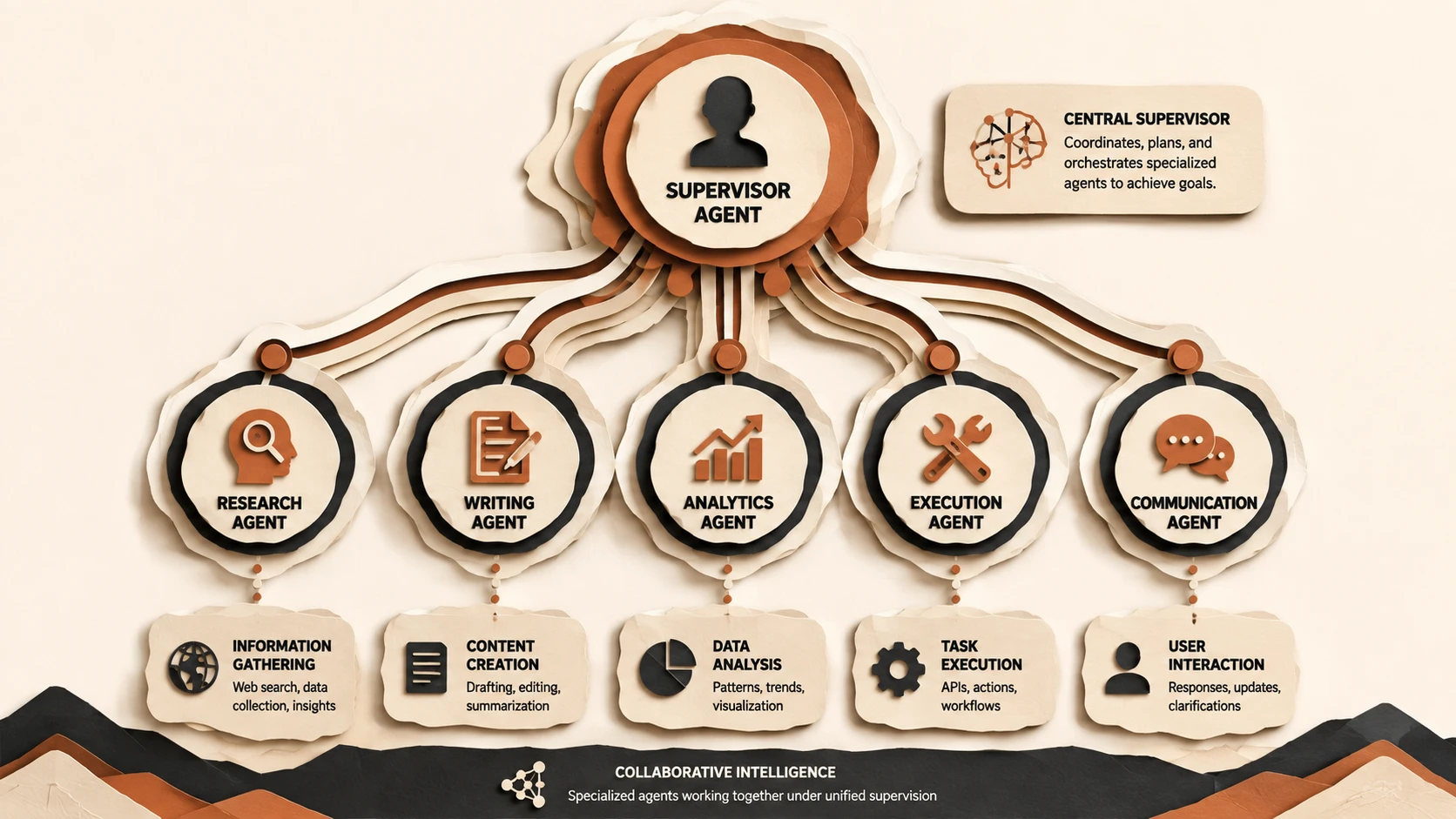
What Is Multi-Agent Orchestration? The Complete 2026 Technical Guide
Multi-agent orchestration is the architectural discipline of coordinating multiple specialized AI agents to work together toward shared business objectives. Rather than relying on a single general-purpose agent, enterprise organizations increasingly deploy teams of autonomous agents responsible for planning, reasoning, collaboration, execution, and governance across business systems. This guide explores orchestration architectures, communication models, planning strategies, coordination patterns, security, observability, scalability, enterprise adoption, and implementation best practices.
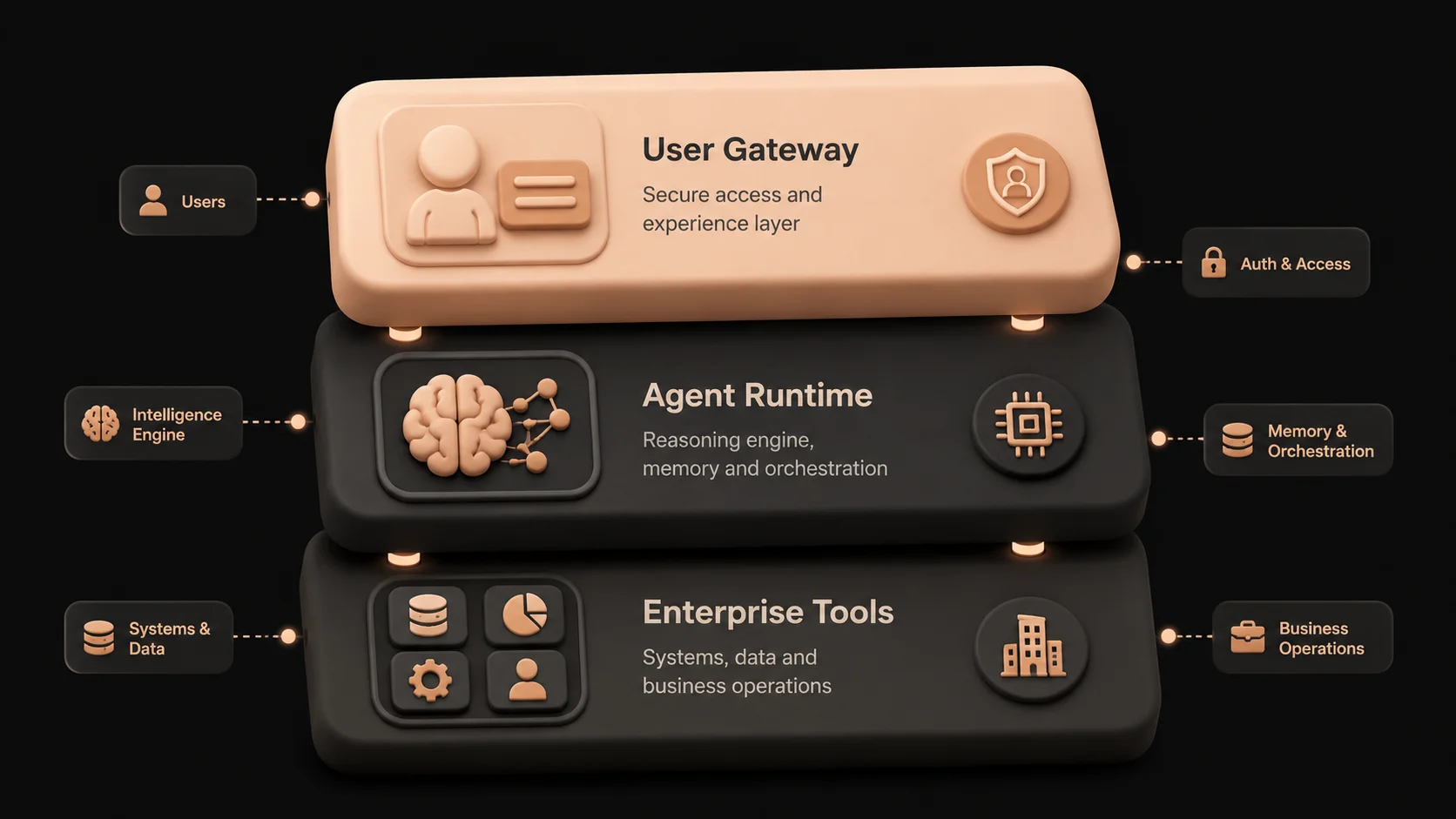
What Is Agent-Native Software Architecture? A Practical Guide for Enterprise Leaders
Agent-native software architecture is redefining how enterprise applications are designed by placing autonomous AI agents at the center of business execution. Unlike traditional applications that follow predefined workflows, agent-native systems can reason, plan, collaborate, use enterprise tools, and adapt to changing business conditions. This guide explores architectural principles, core components, governance, orchestration, multi-agent systems, security, scalability, implementation strategies, and enterprise adoption patterns to help technology leaders build intelligent software for the AI era.
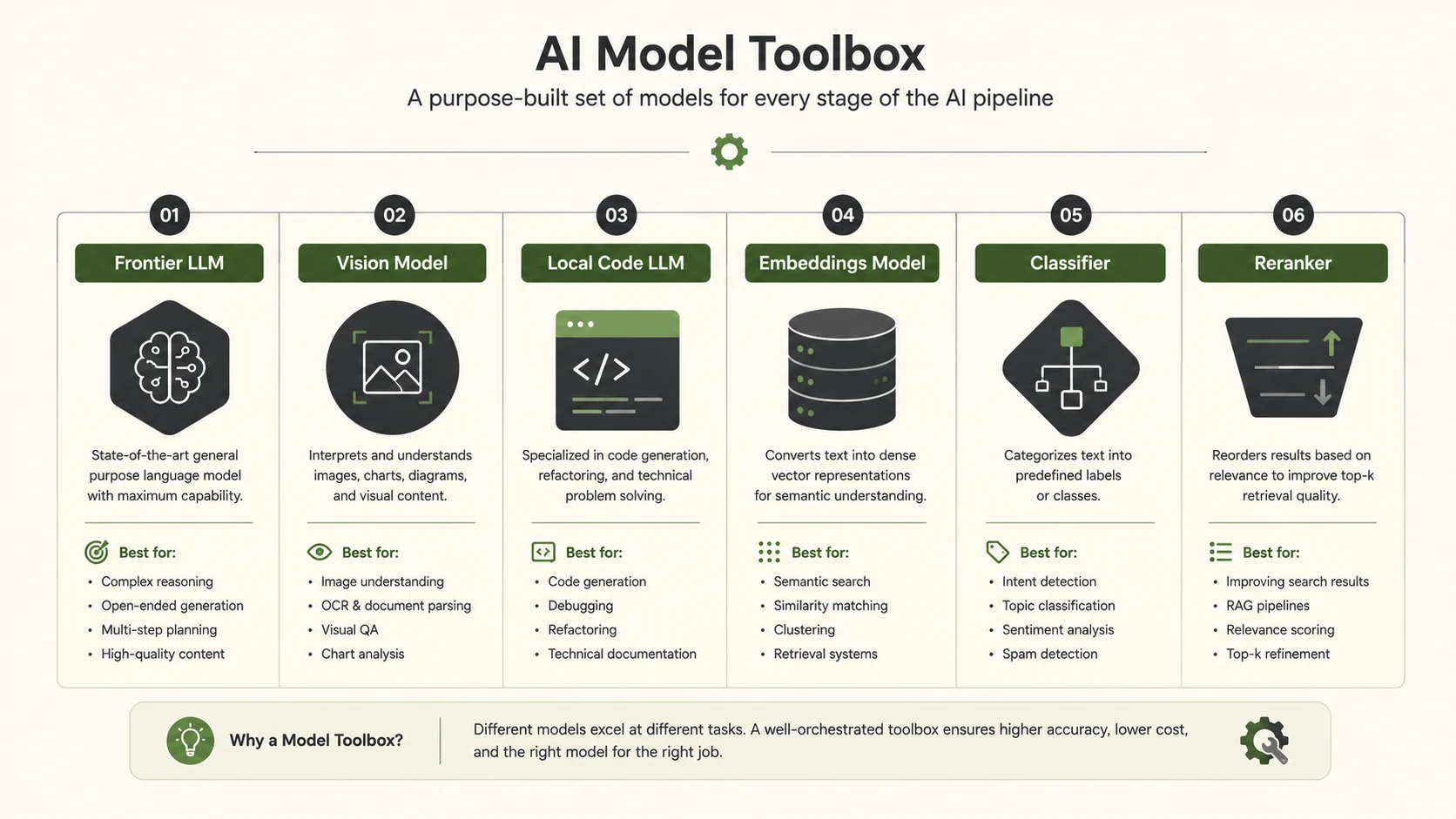
Why Multi-Model AI Is Becoming the New Enterprise Standard
Enterprise AI is moving beyond the search for one perfect model. Multi-model architectures enable organizations to intelligently route workloads across different AI models based on capability, cost, latency, security, compliance, and availability—creating more efficient, resilient, and future-ready AI systems.

Thick Clients to Thick Agents: The .NET Migration Playbook
Enterprise .NET applications are entering a new architectural era. This guide explores how organizations can systematically migrate traditional thick-client applications toward AI-powered thick agents while preserving business logic, security, governance, and operational stability.
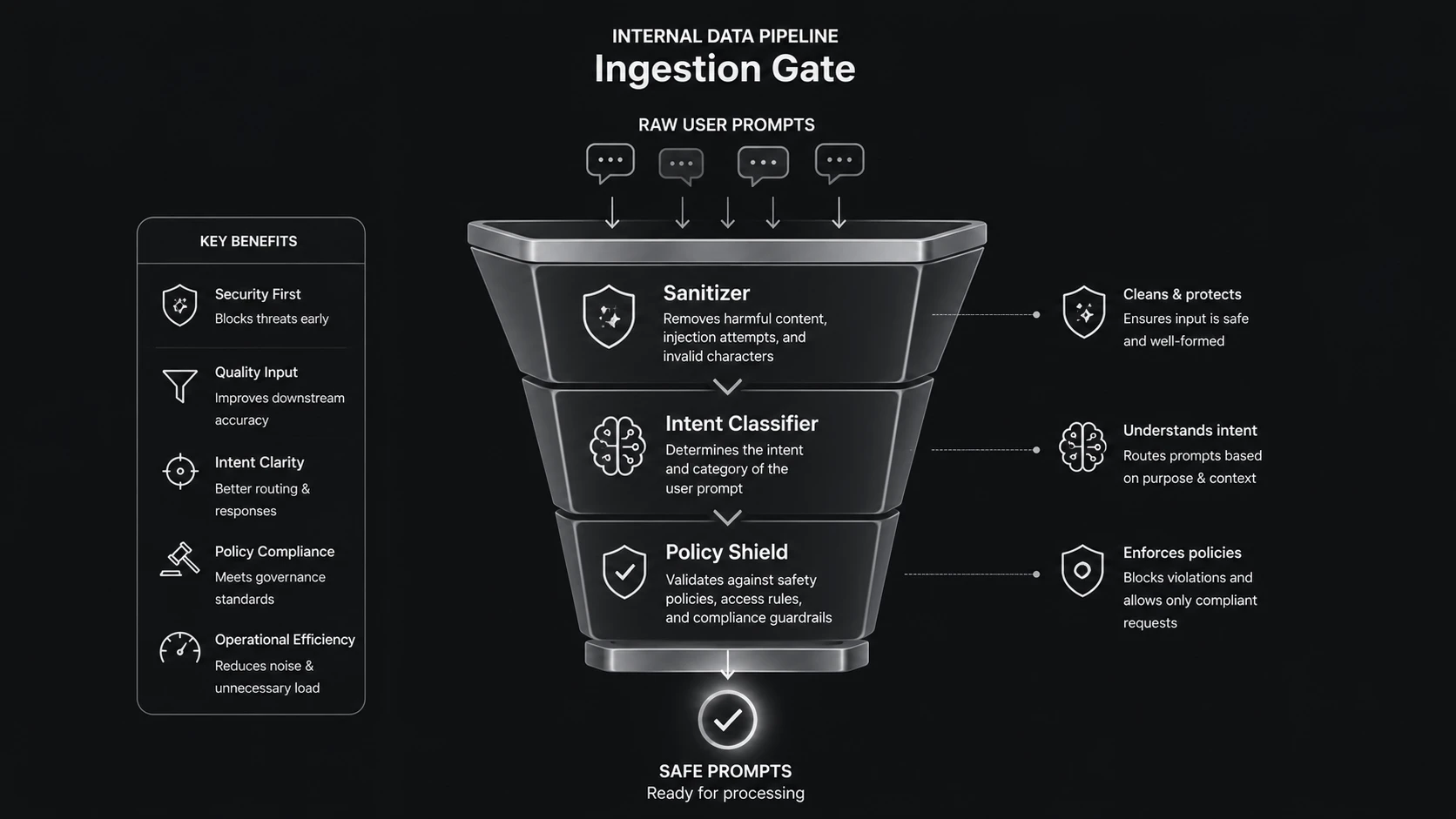
Defending Against Prompt Injection: Hardening Enterprise AI Gateways Against Malicious Inputs
Prompt injection has become one of the most critical security threats to enterprise AI systems. Discover h
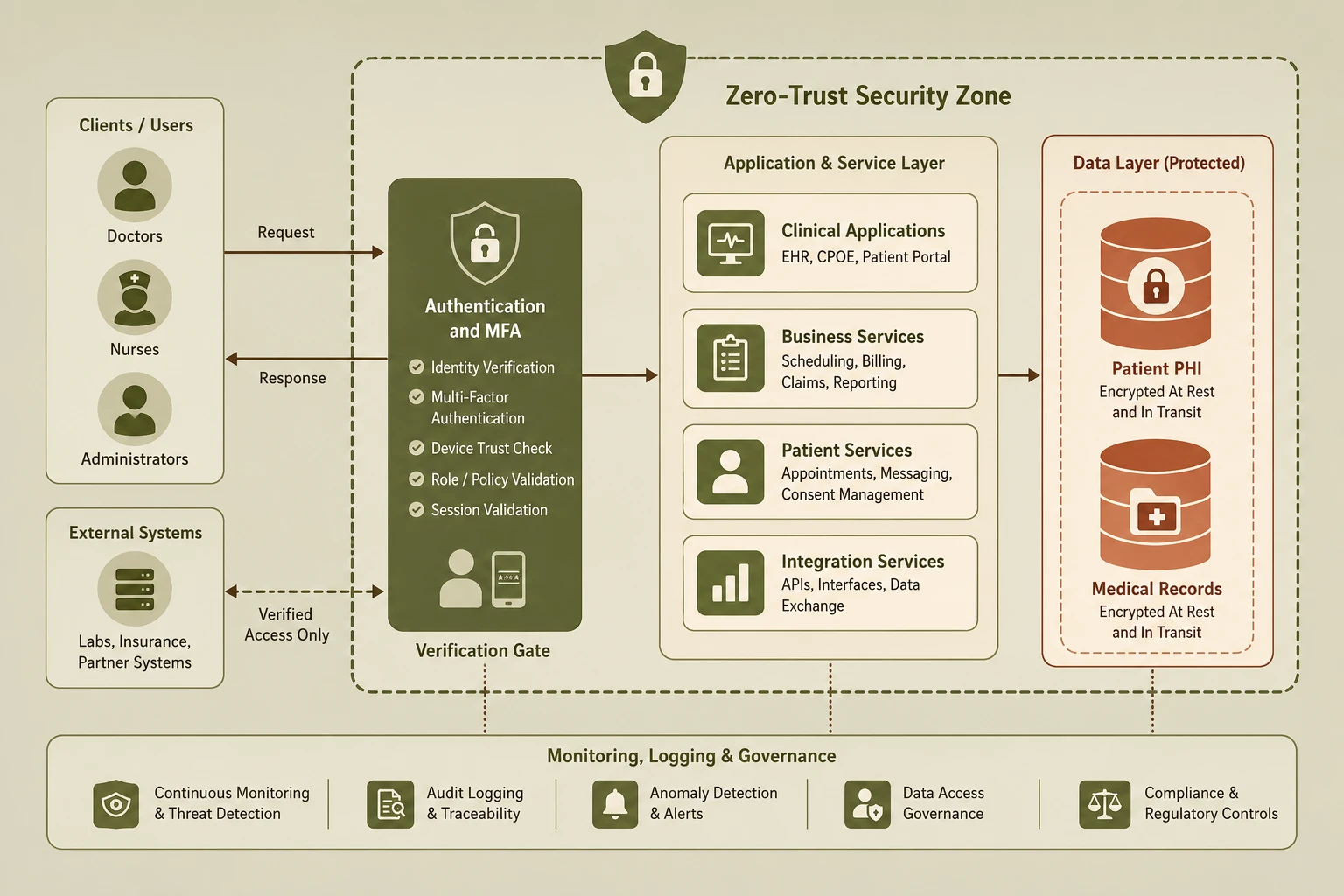
Building HIPAA-Compliant Hospital OS: Architecture Decisions That Matter
Building a HIPAA-compliant Hospital Operating System requires more than encryption. Learn the architecture decisions, security controls, interoperability standards, and cloud-native design patterns that enable secure, scalable, and compliant healthcare platforms.
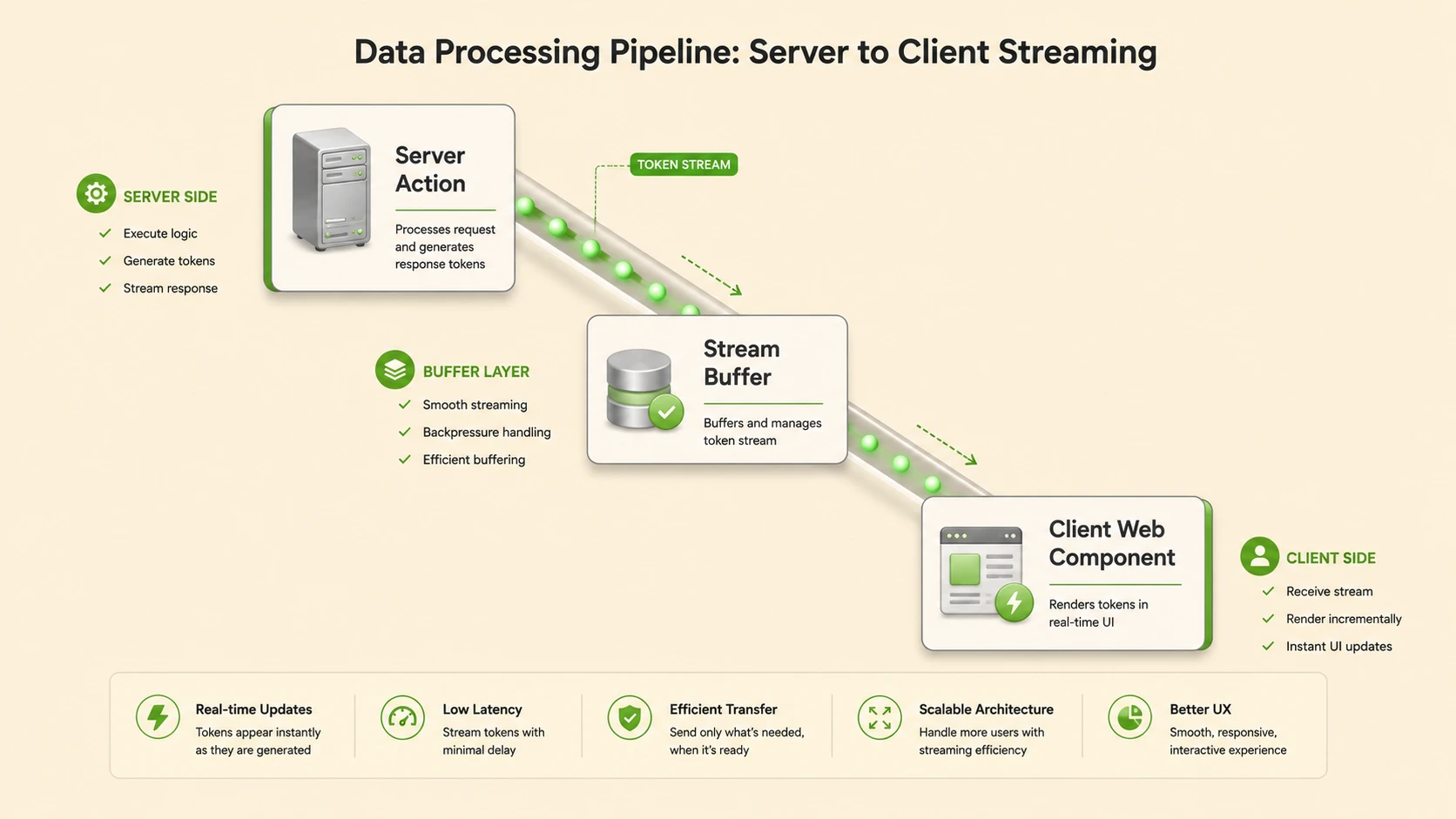
Real-Time AI Streaming in Next.js Server Actions: A UX Pattern for Fast Token Delivery
Learn how to build real-time AI experiences using Next.js Server Actions and streaming responses. Explore architecture patterns, server-side execution, token streaming, Suspense integration, and UX best practices for enterprise AI applications.
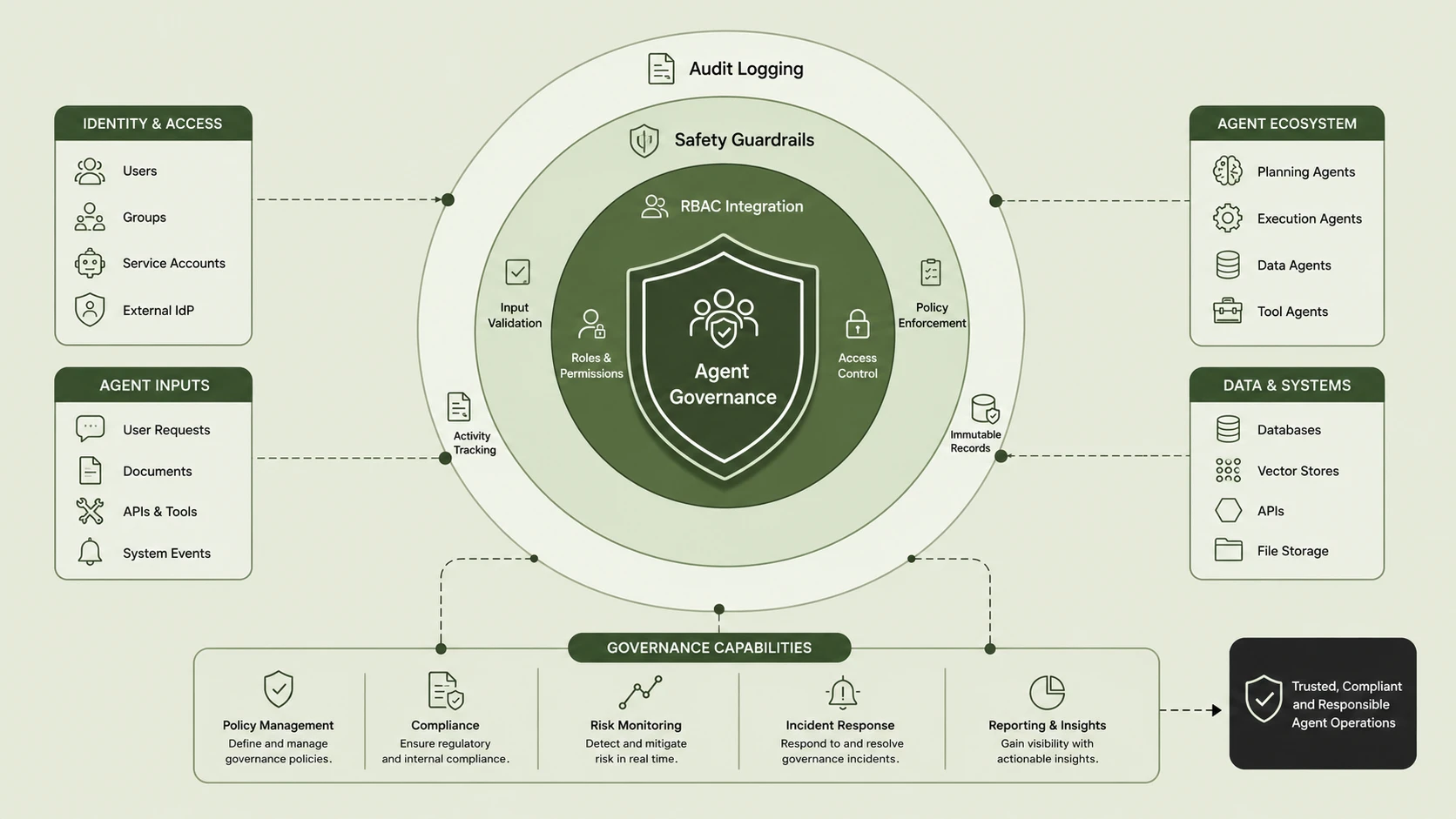
AI Agent Governance: Building RBAC, Guardrails, and Audit Trails for Autonomous Workflows
Discover how RBAC, guardrails, audit trails, and governance frameworks help organizations build secure, transparent, and enterprise-ready autonomous AI workflows.
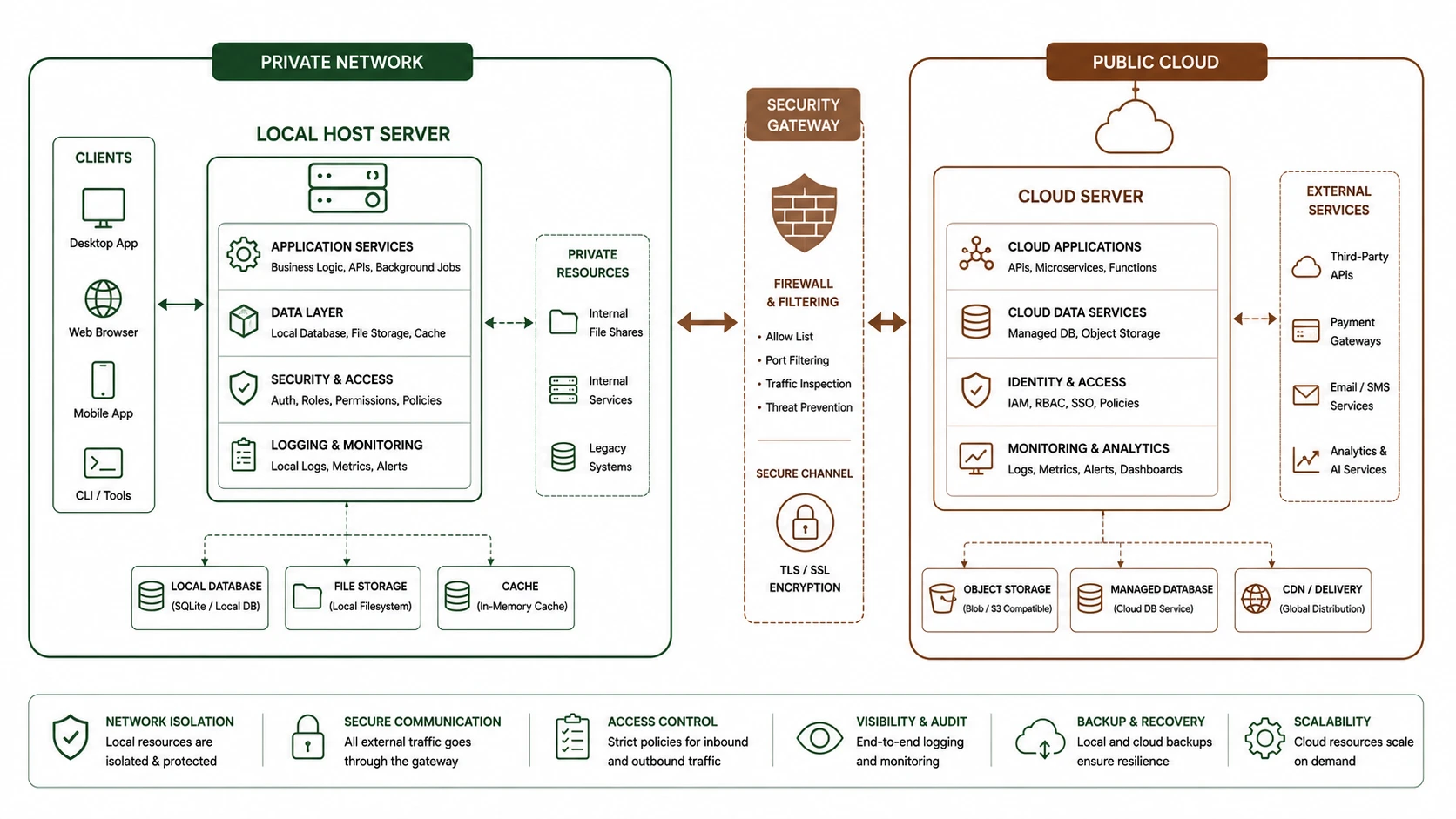
Ollama in Production: Deploying Quantized LLMs Locally to Mitigate Cloud Vulnerabilities
Discover how enterprises use Ollama to deploy quantized LLMs on local infrastructure, improving data privacy, reducing cloud dependency, lowering inference costs, and building resilient AI platforms.
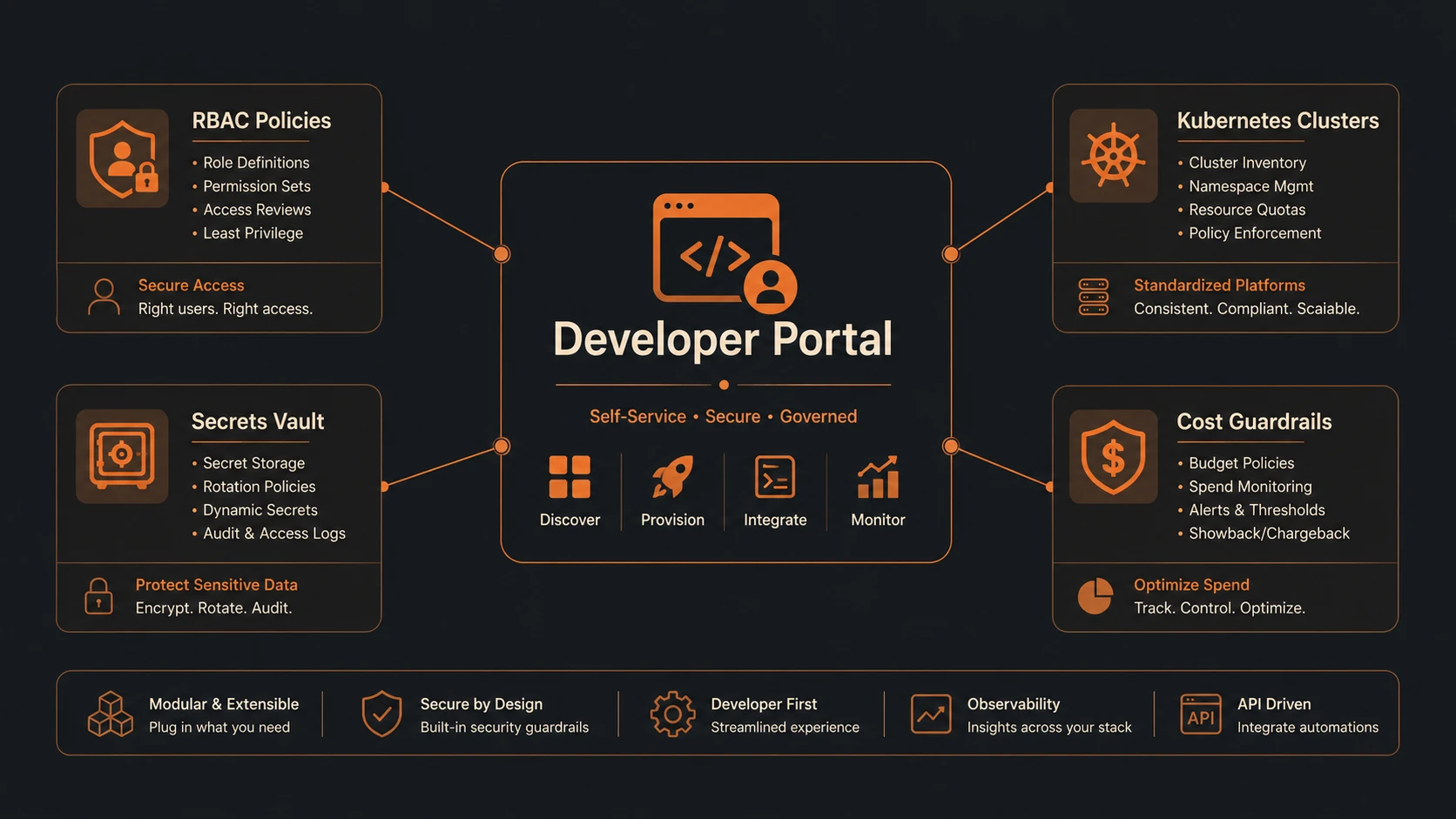
Platform Engineering Governance: Managing Complexity at Scale
Discover how platform engineering governance establishes standardized developer platforms, policy automation, self-service infrastructure, security guardrails, and operational consistency across large enterprise engineering organizations.
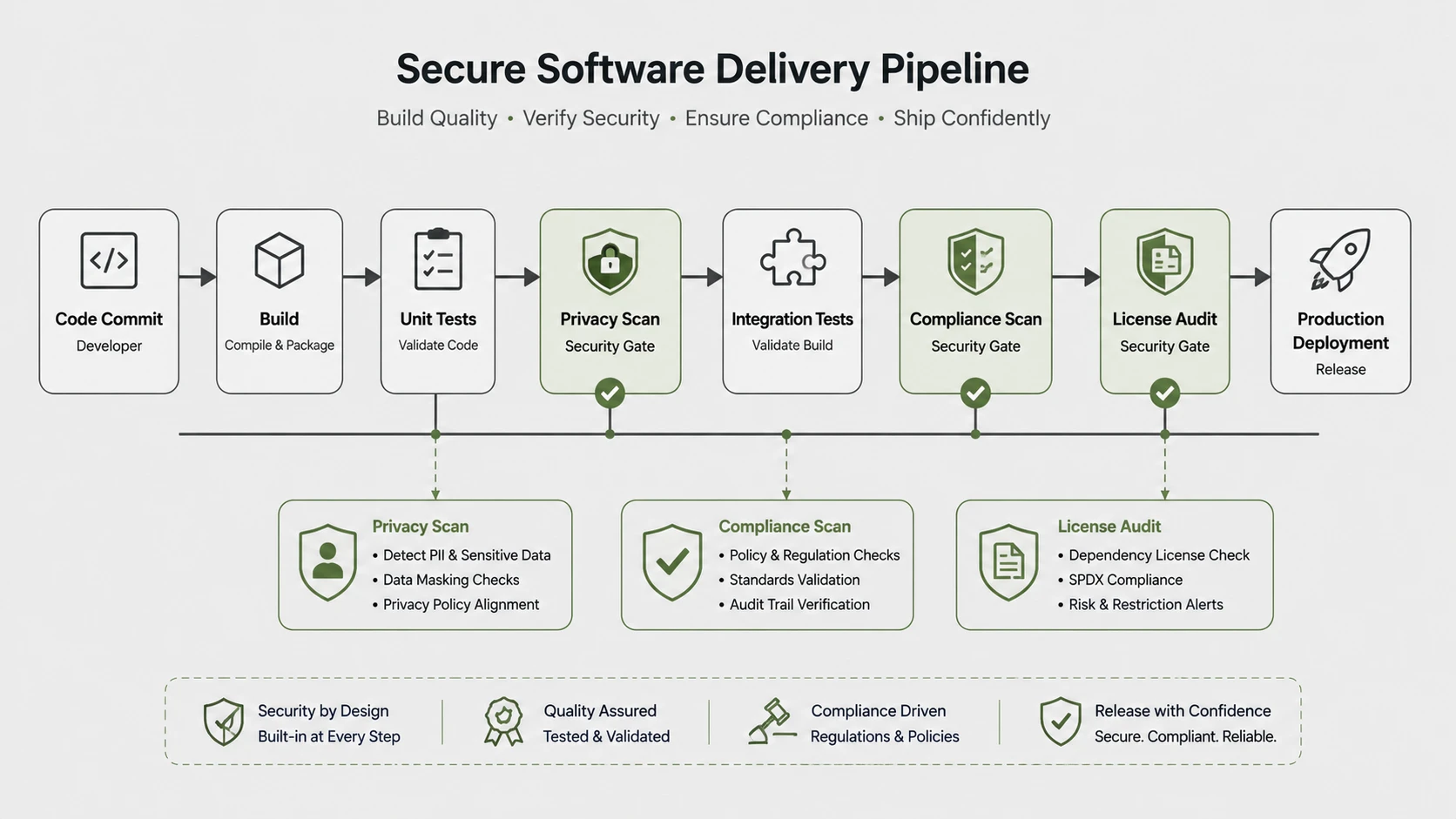
Ethical DevOps: Embedding Trust, Privacy & Security in the Pipeline
Learn how enterprises build trustworthy software delivery pipelines by embedding security, privacy, governance, compliance, and ethical AI principles directly into DevOps workflows through policy automation and continuous validation.
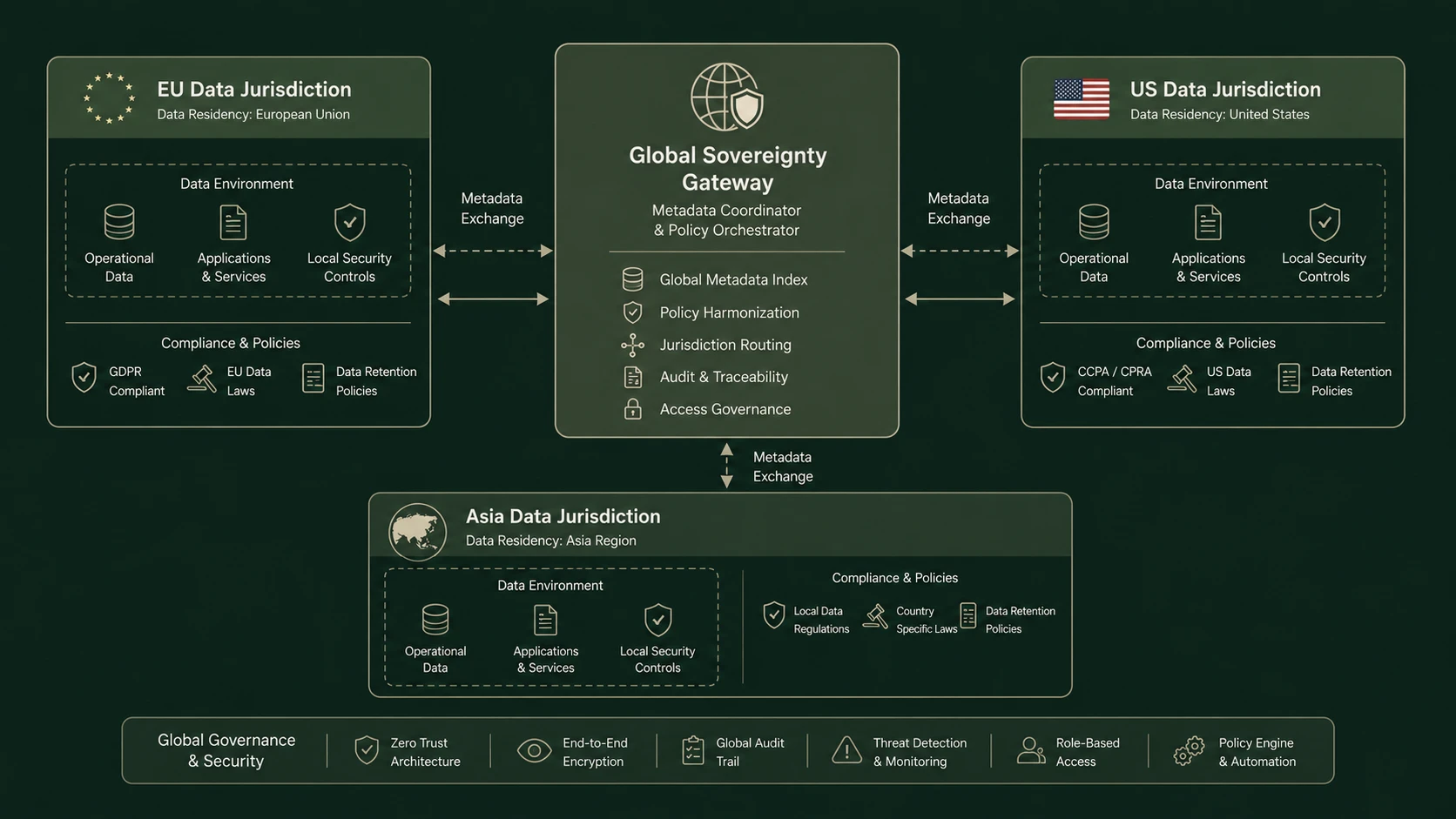
Digital Sovereignty and Data Mesh 2.0: Architectures That Respect Borders
Explore how Digital Sovereignty and Data Mesh 2.0 help enterprises build decentralized, compliant, and border-aware data architectures without sacrificing scalability or innovation.
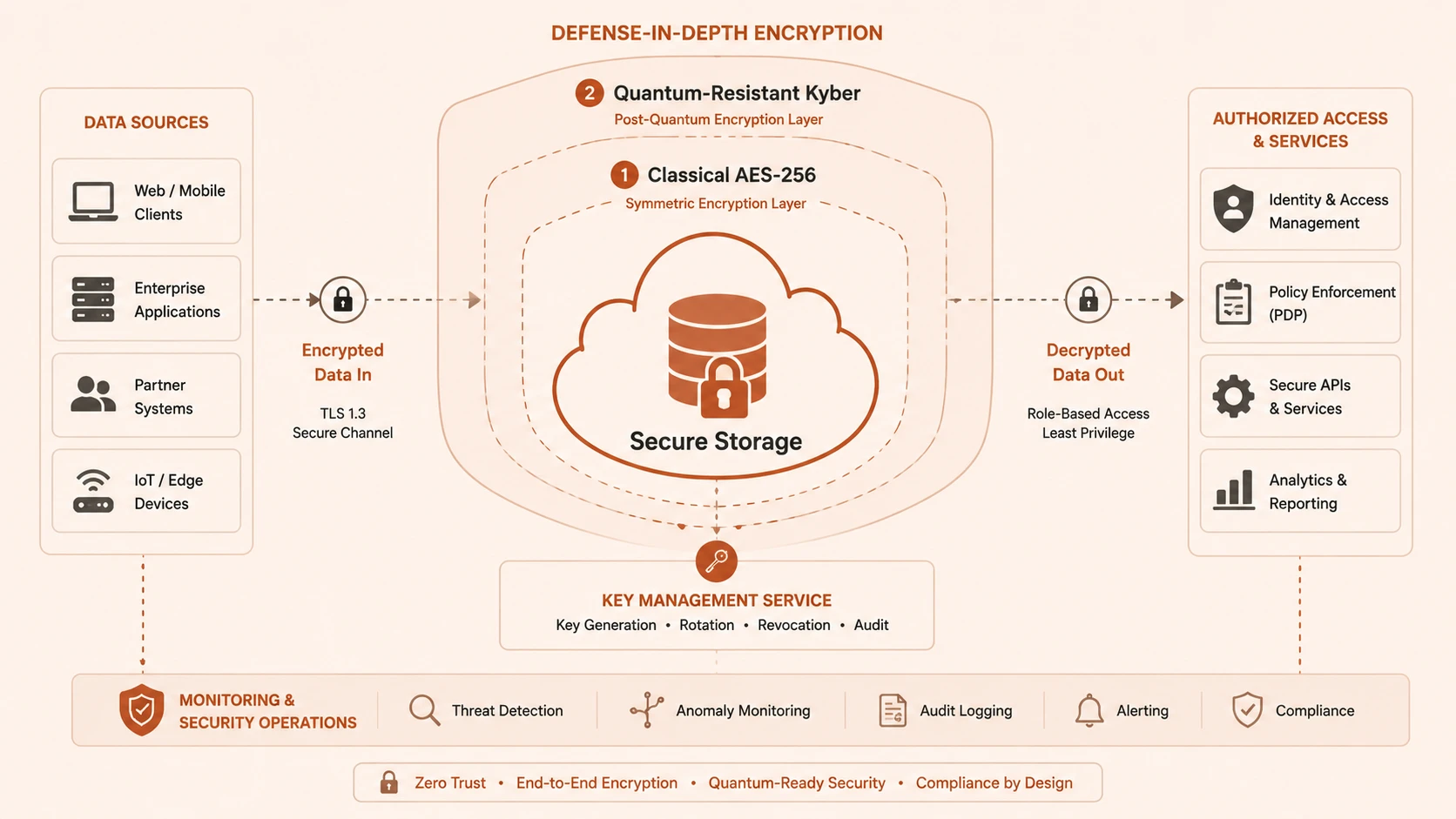
Quantum-Safe Cloud: Preparing for a Post-Quantum Era
Discover how quantum-safe cloud strategies help organizations transition to post-quantum cryptography, protect sensitive data, and future-proof enterprise cloud infrastructure.