Programming Languages
Viewing all posts categorized under Programming Languages.

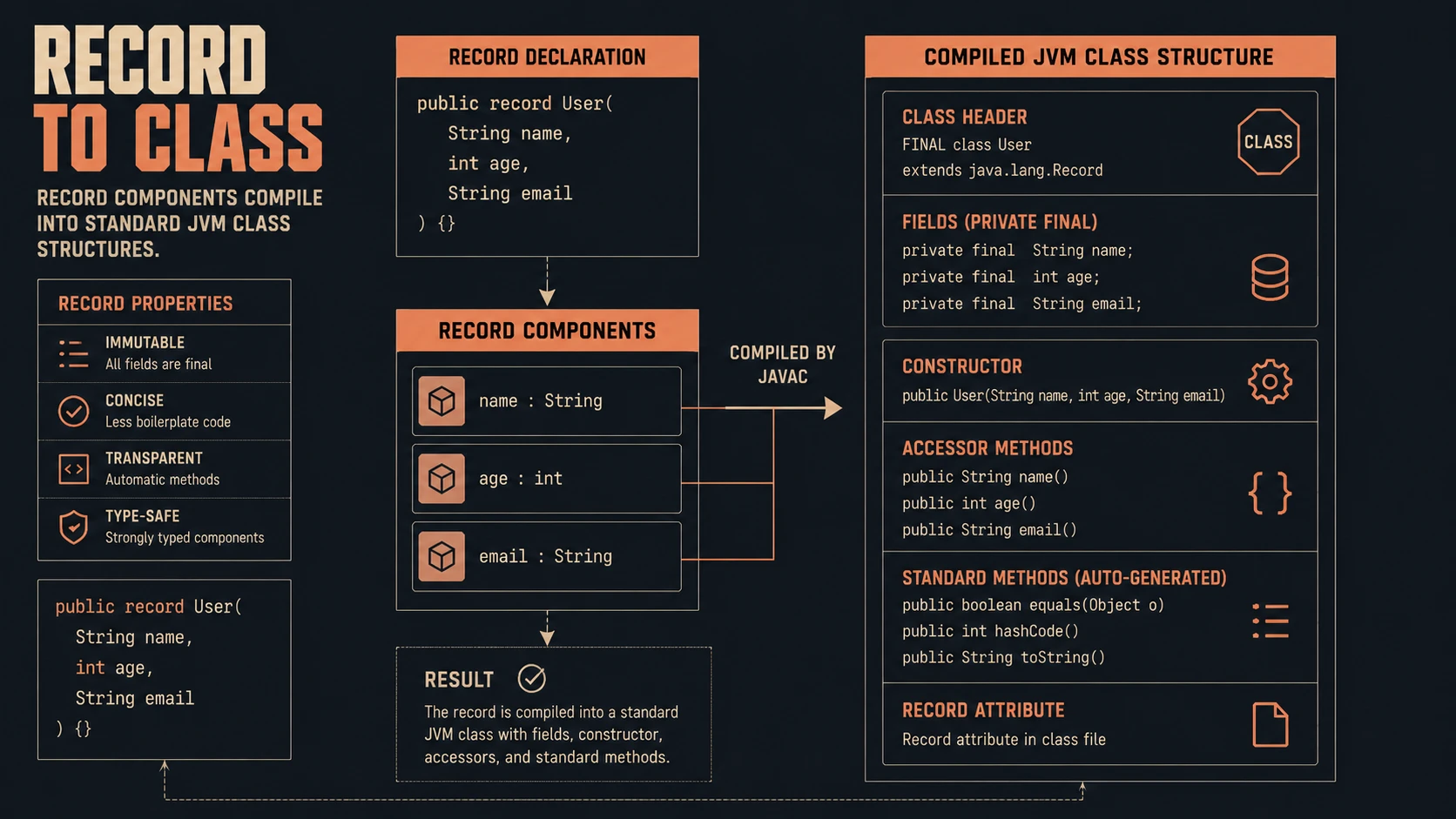
Java 14: Record Classes, Pattern Matching, and Helpful NullPointerExceptions
Java 14 continues the OpenJDK rapid release cadence by introducing Record Classes and Pattern Matching for instanceof as preview features, enabling Helpful NullPointerExceptions by default, and delivering numerous JVM and language refinements. This article examines these capabilities from the perspective of March 2020, focusing on enterprise software architecture, maintainability, developer productivity, and migration planning.
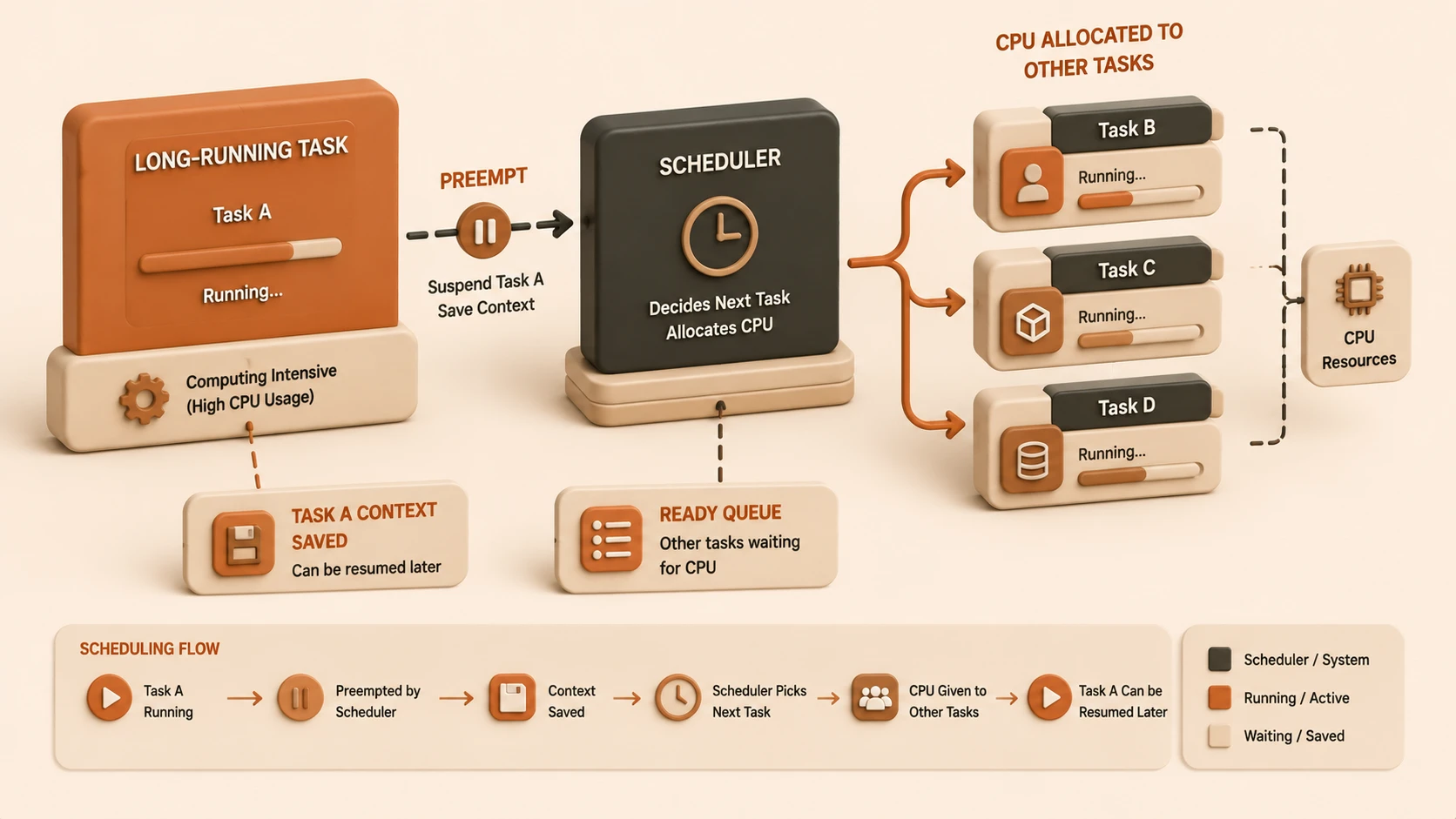
Go 1.14: Production Modules and Goroutine Preemptive Scheduling
Go 1.14 continues the language's focus on simplicity, reliability, and operational efficiency by stabilizing Go Modules for production development and introducing asynchronous goroutine preemption. These enhancements improve dependency management, reduce scheduler latency, and strengthen Go as a platform for cloud-native services, distributed systems, and enterprise backend applications. This article examines Go 1.14 from the perspective of February 2020.
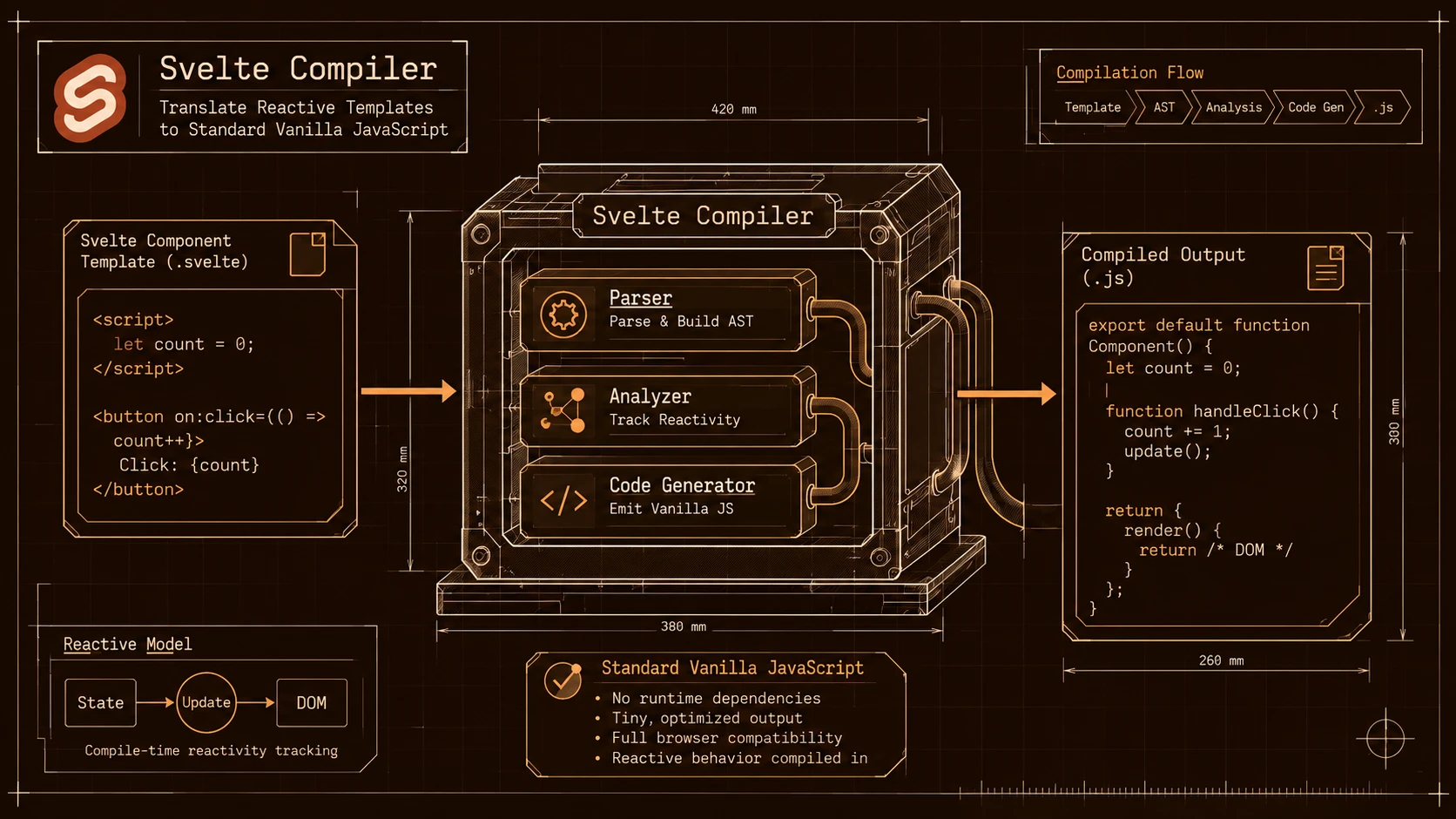
Svelte v3 Adoption: How Compile-Time Frameworks Scaled in Production
Svelte v3 introduces a fundamentally different approach to frontend development by shifting work from the browser to the compiler. Instead of shipping a large runtime, Svelte generates optimized JavaScript during build time, reducing bundle size and improving runtime performance. This article examines Svelte v3 from the perspective of January 2020, exploring its architecture, enterprise implications, scalability, and production readiness.
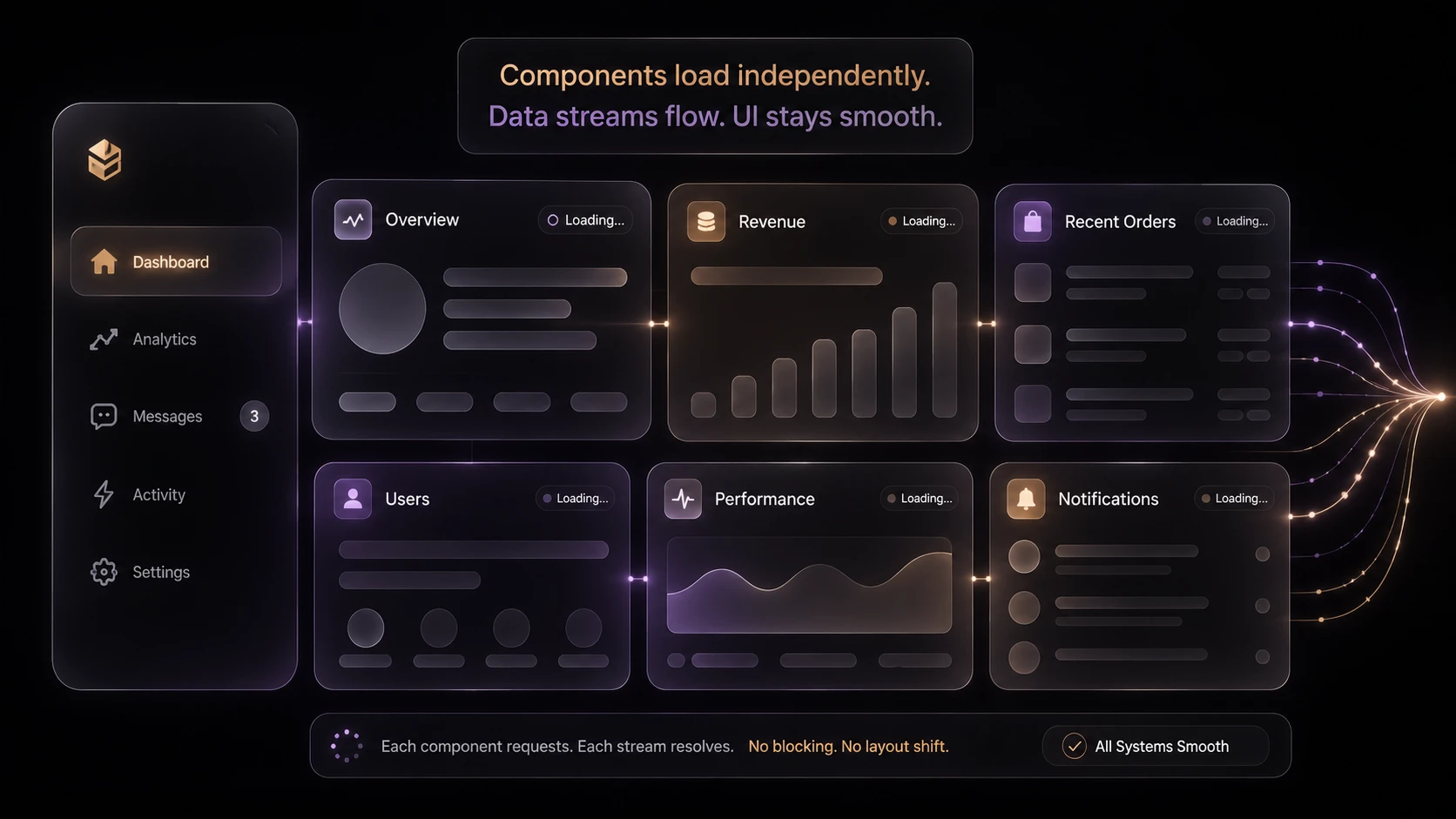
React Concurrent Mode: Previews of Suspense for Data Fetching and User Interactions
React's Concurrent Mode preview introduces a fundamentally new rendering architecture focused on interruptible rendering, improved responsiveness, and better user experience. Together with Suspense for data fetching, these capabilities aim to simplify asynchronous UI development while enabling large enterprise applications to remain responsive under heavy workloads. This article examines the architecture, rendering model, enterprise implications, and adoption considerations from the perspective of December 2019.
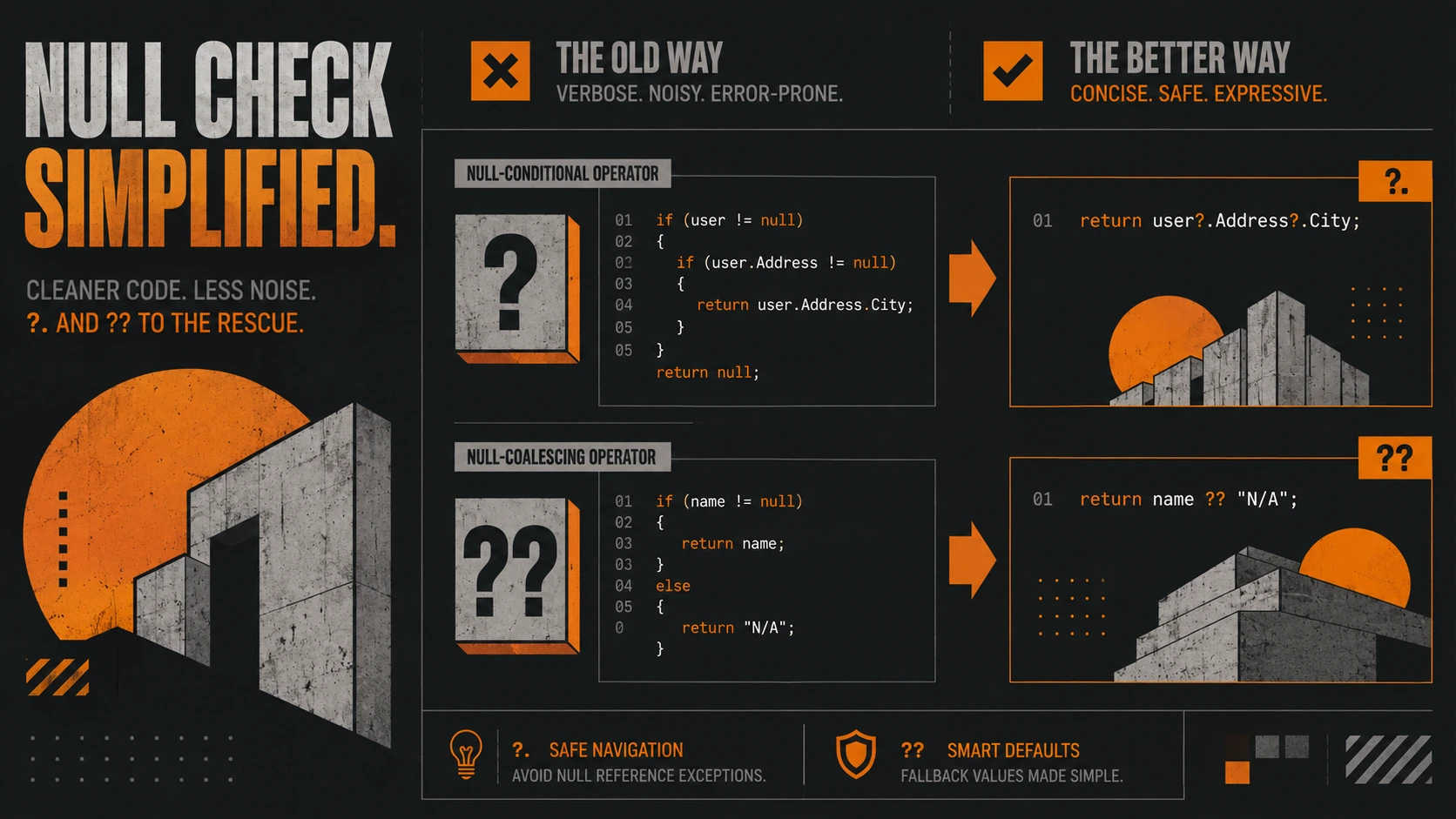
TypeScript 3.7: Optional Chaining and Nullish Coalescing Syntax Support
TypeScript 3.7 introduces two of the language's most anticipated features: Optional Chaining and Nullish Coalescing. Combined with assertion functions, recursive type aliases, and compiler improvements, this release significantly simplifies defensive programming while improving code readability and maintainability for enterprise-scale applications. This article examines TypeScript 3.7 from the perspective of November 2019.
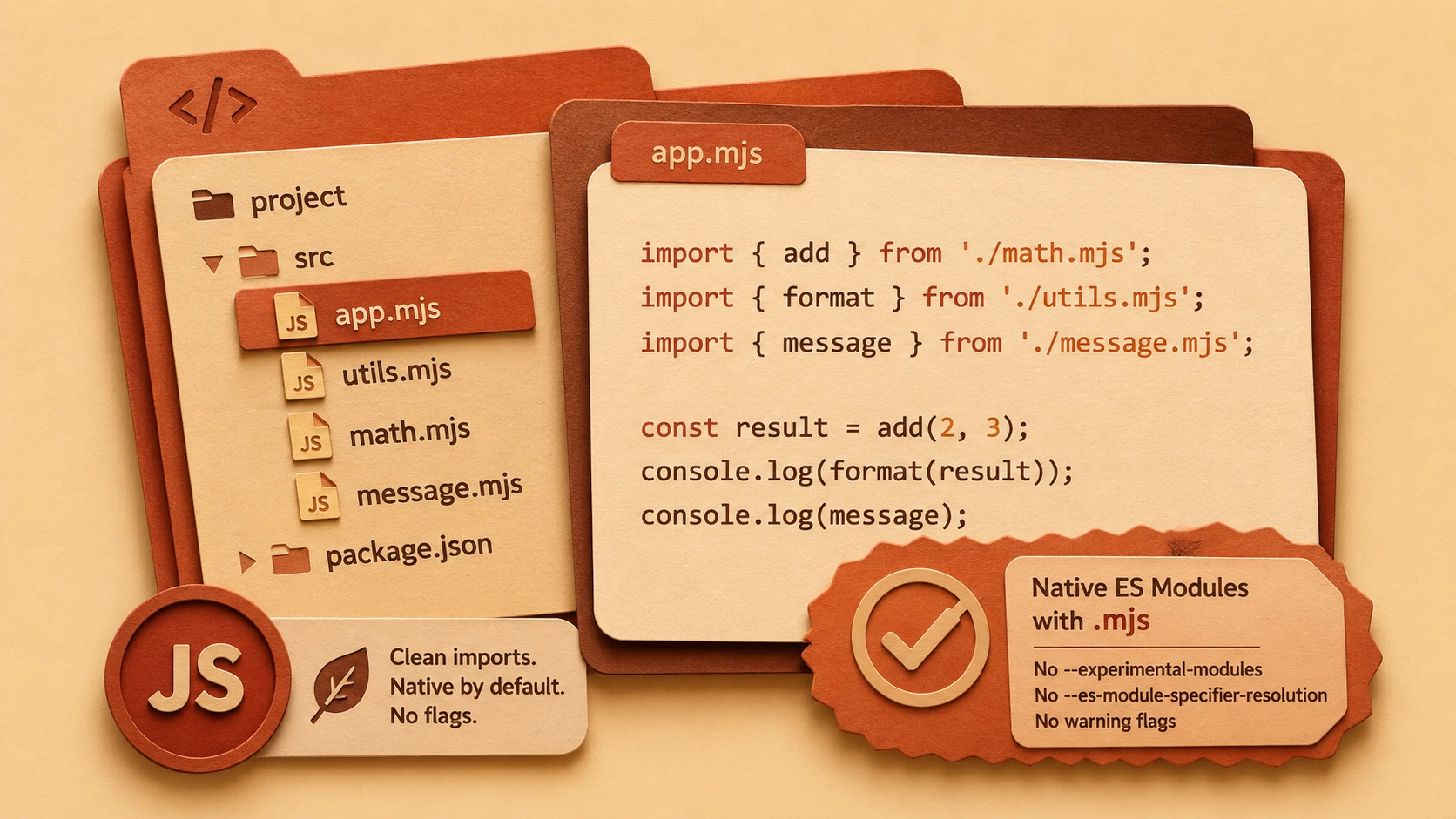
Node.js 13.0: Native ES Modules Support and the Removal of Compiler Flags
Node.js 13.0 significantly advances JavaScript server-side development by enabling native ECMAScript Modules without the experimental compiler flag. This release continues the modernization of the Node.js runtime, introduces improvements to module resolution, and helps align browser and server-side JavaScript development. This article examines the architecture, enterprise implications, migration considerations, and performance characteristics from the perspective of October 2019.
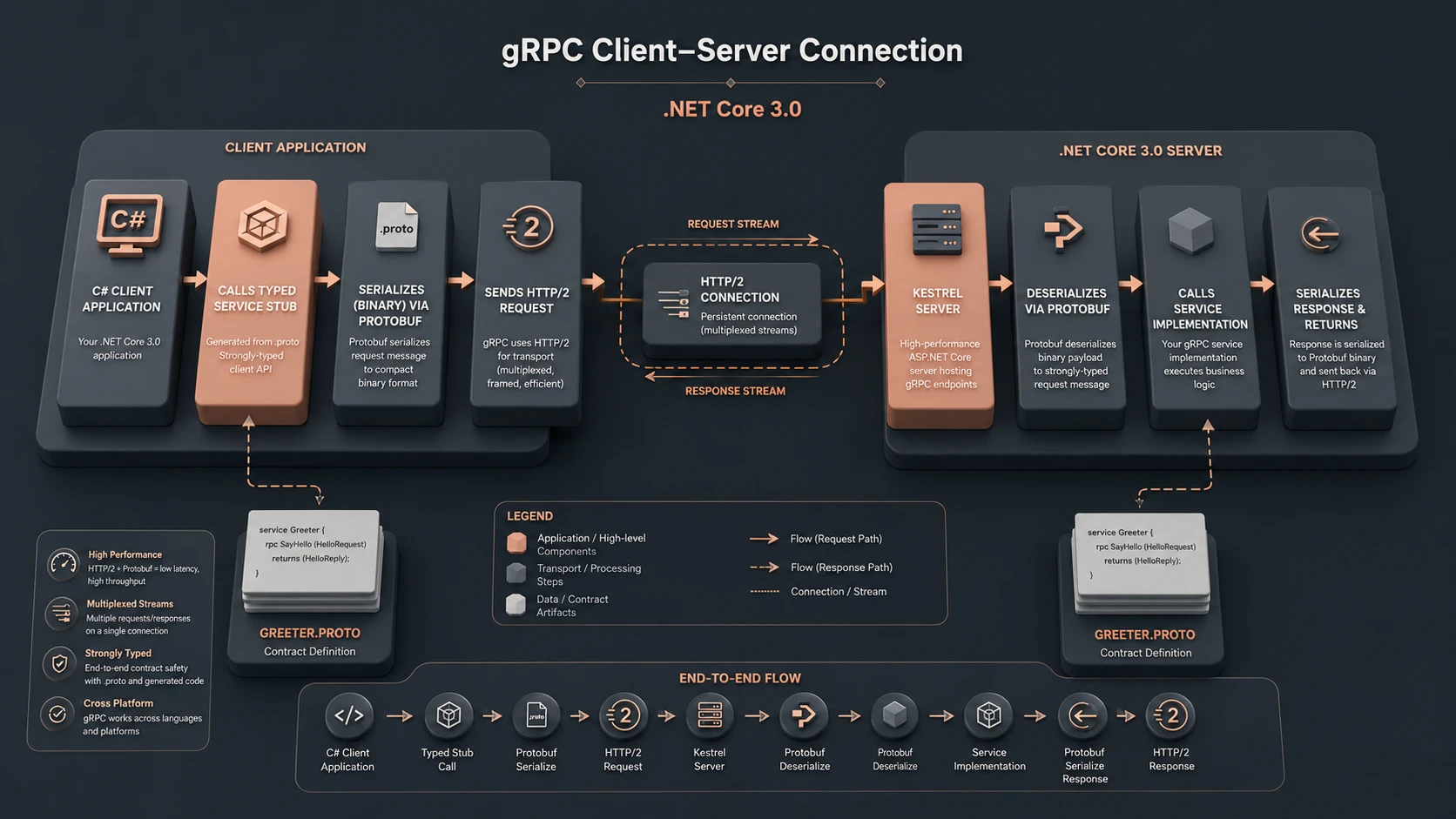
.NET Core 3.0: Standardizing C# 8.0, gRPC Templates, and Assembly Linkers
.NET Core 3.0 marks a major milestone in Microsoft's cross-platform development strategy by introducing full support for C# 8.0, first-party gRPC templates, Windows desktop application support, and assembly trimming capabilities. These enhancements strengthen .NET Core as the preferred platform for modern enterprise applications, cloud-native services, and high-performance distributed systems. This article examines .NET Core 3.0 from the perspective of October 2019.
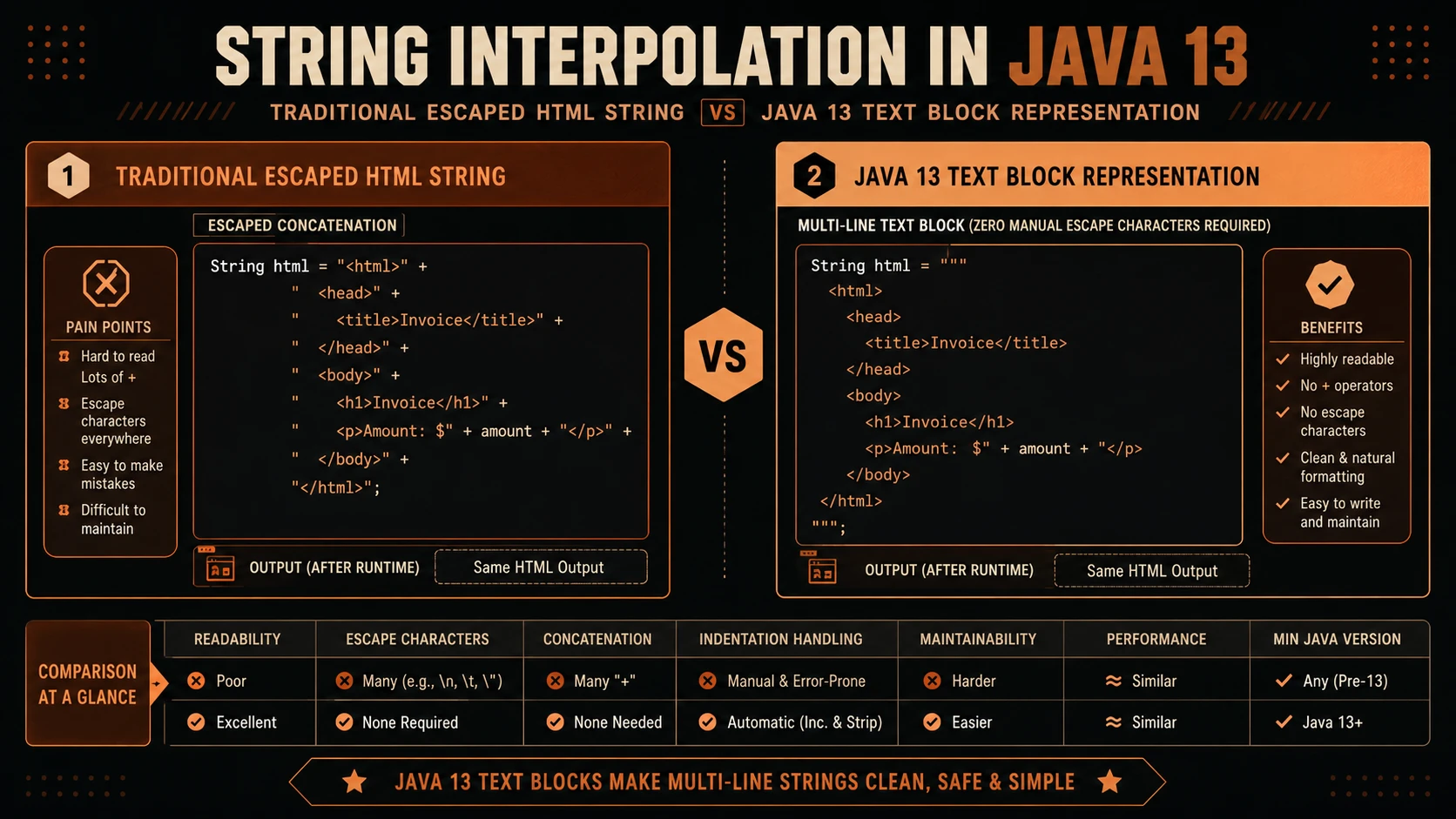
Java 13: Text Blocks Preview and Dynamic CDS Archive Configurations
Java 13 continues the OpenJDK six-month release cadence by introducing Text Blocks as a preview language feature, Dynamic Class Data Sharing (CDS) Archive support, continued Switch Expression refinements, and JVM improvements. This article examines these capabilities from the perspective of September 2019, focusing on enterprise software architecture, developer productivity, startup performance, and migration planning.
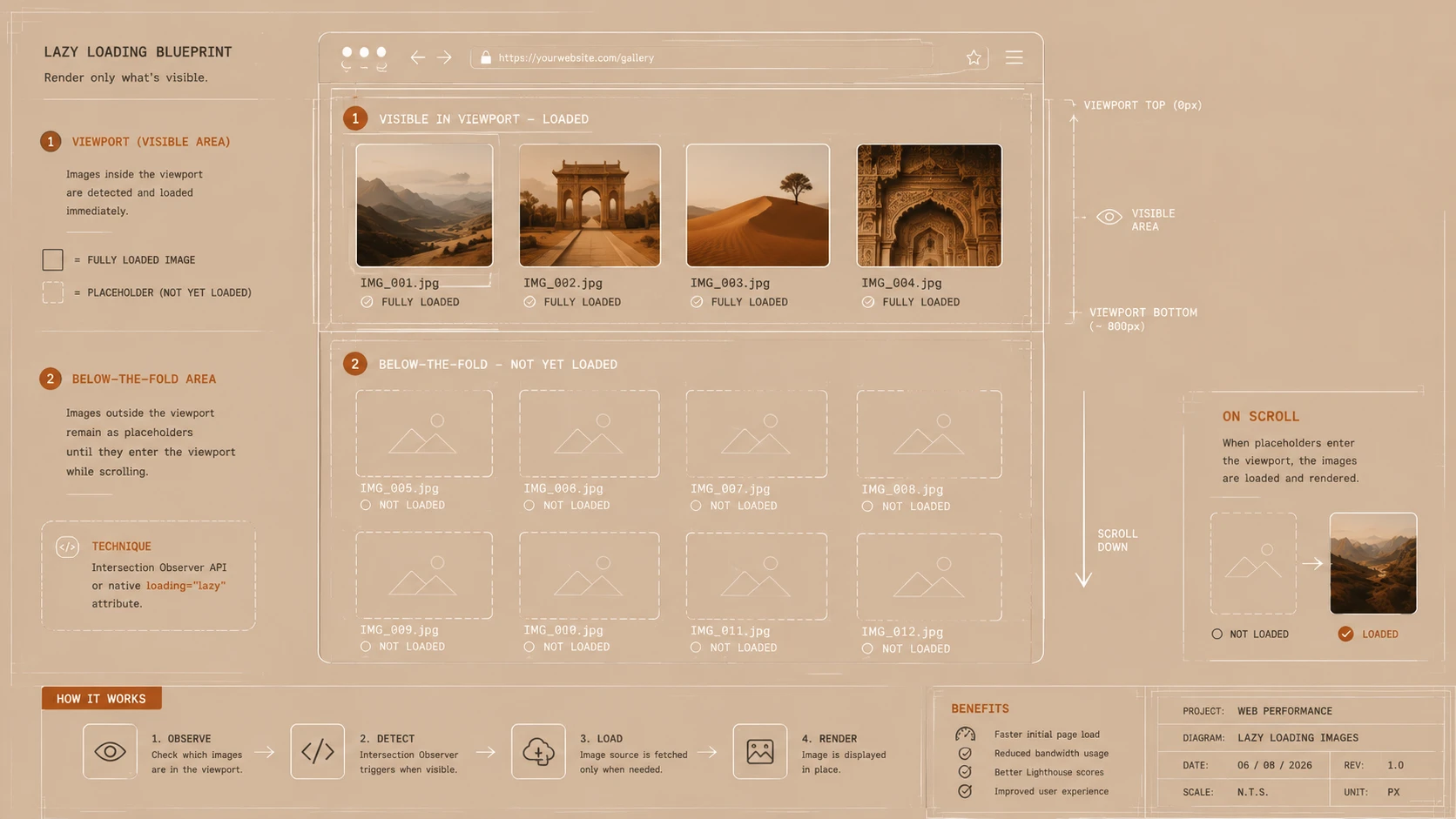
HTML5 Native Lazy Loading: The loading='lazy' Attribute and Browser Layout Optimizations
The introduction of the HTML loading="lazy" attribute marks an important step toward browser-native performance optimization. By allowing browsers to defer offscreen image and iframe loading without JavaScript libraries, developers can reduce network usage, improve page load performance, and simplify front-end architecture. This article examines native lazy loading from the perspective of August 2019, evaluating its architecture, browser support, enterprise implications, and adoption strategies.

React Native 0.60: Autolinking, CocoaPods Integration, and Hermes JS Engine Previews
React Native 0.60 introduces automatic native module linking, first-class CocoaPods integration for iOS, AndroidX migration support, and preview support for the Hermes JavaScript engine on Android. This article examines these capabilities from the perspective of July 2019, focusing on enterprise mobile architecture, build pipelines, performance considerations, and migration strategies.
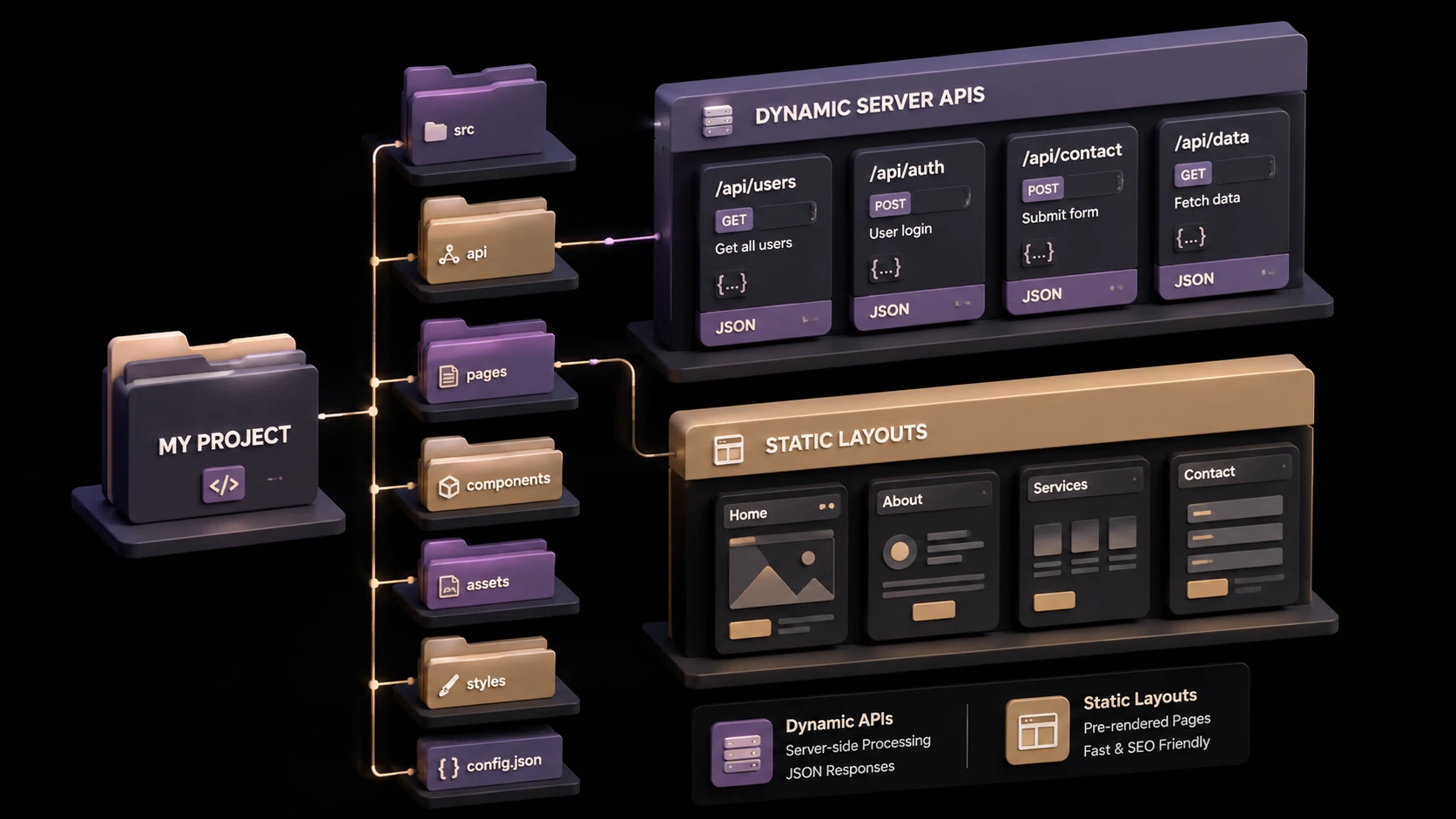
Next.js 9.0: Native API Routes, Automatic Static Optimization, and TypeScript Integration
Next.js 9 marks one of the framework's most significant releases by introducing Native API Routes, Automatic Static Optimization, built-in TypeScript support, and improved production performance. These additions reduce infrastructure complexity while enabling developers to build full-stack React applications using a unified framework. This article examines Next.js 9.0 from the perspective of July 2019.

CSS Scroll Snapping Browser Support: Designing Mobile Galleries Without JavaScript Plugins
With growing browser support for CSS Scroll Snap, web developers can increasingly build native touch-based galleries, sliders, onboarding screens, and product showcases without relying on JavaScript carousel plugins. This article examines CSS Scroll Snap from the perspective of June 2019, analyzing its architecture, browser support, enterprise use cases, performance implications, and adoption strategy.
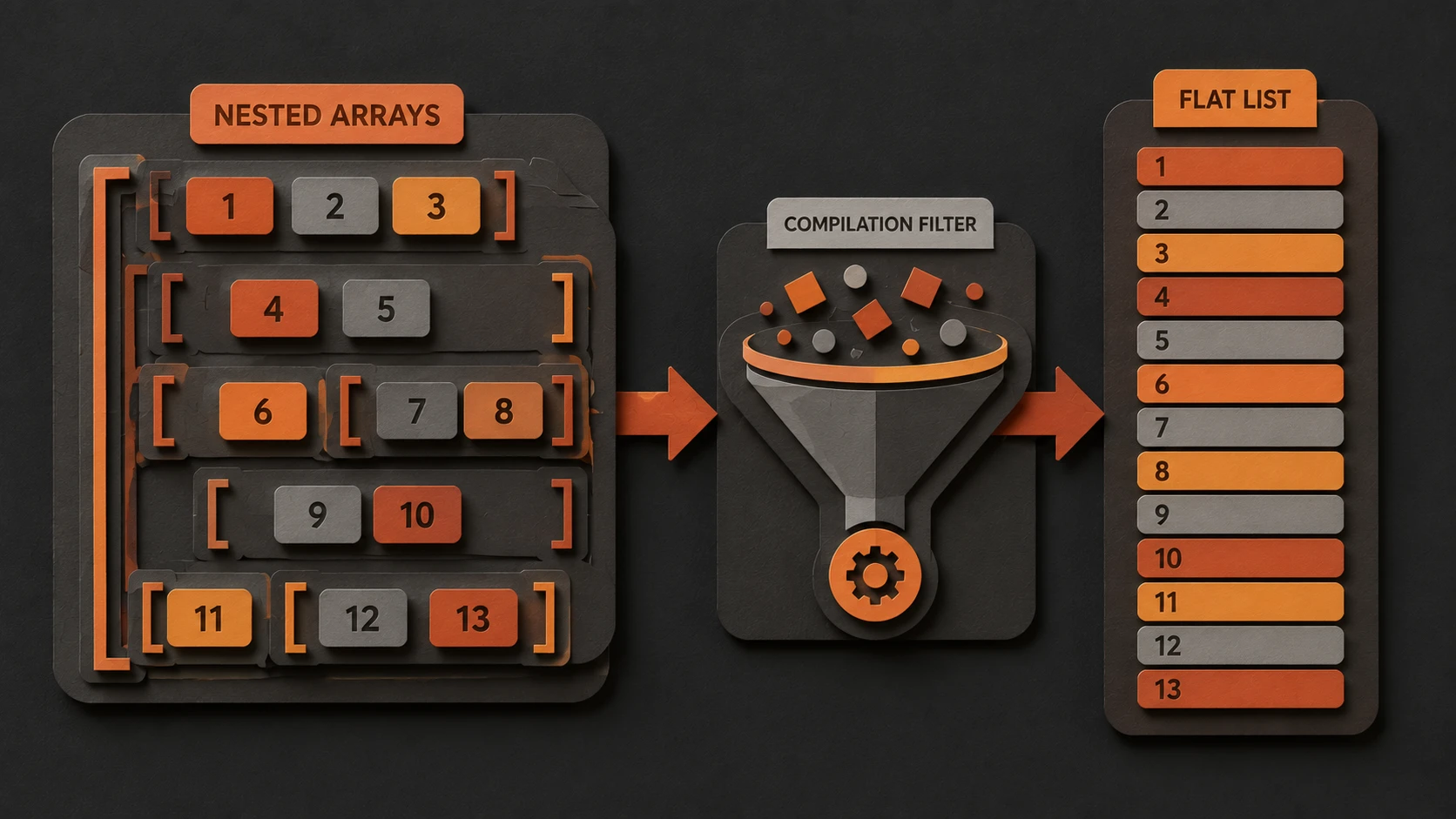
ES10 / ECMAScript 2019: Array.prototype.flat, Object.fromEntries, and Optional Catch Bindings
ECMAScript 2019 (ES10) continues JavaScript's annual evolution with practical language enhancements including Array.prototype.flat(), Array.prototype.flatMap(), Object.fromEntries(), Optional Catch Bindings, Symbol.description, and improved JSON support. This article examines these features from the perspective of June 2019, focusing on enterprise software architecture, developer productivity, and adoption strategies.
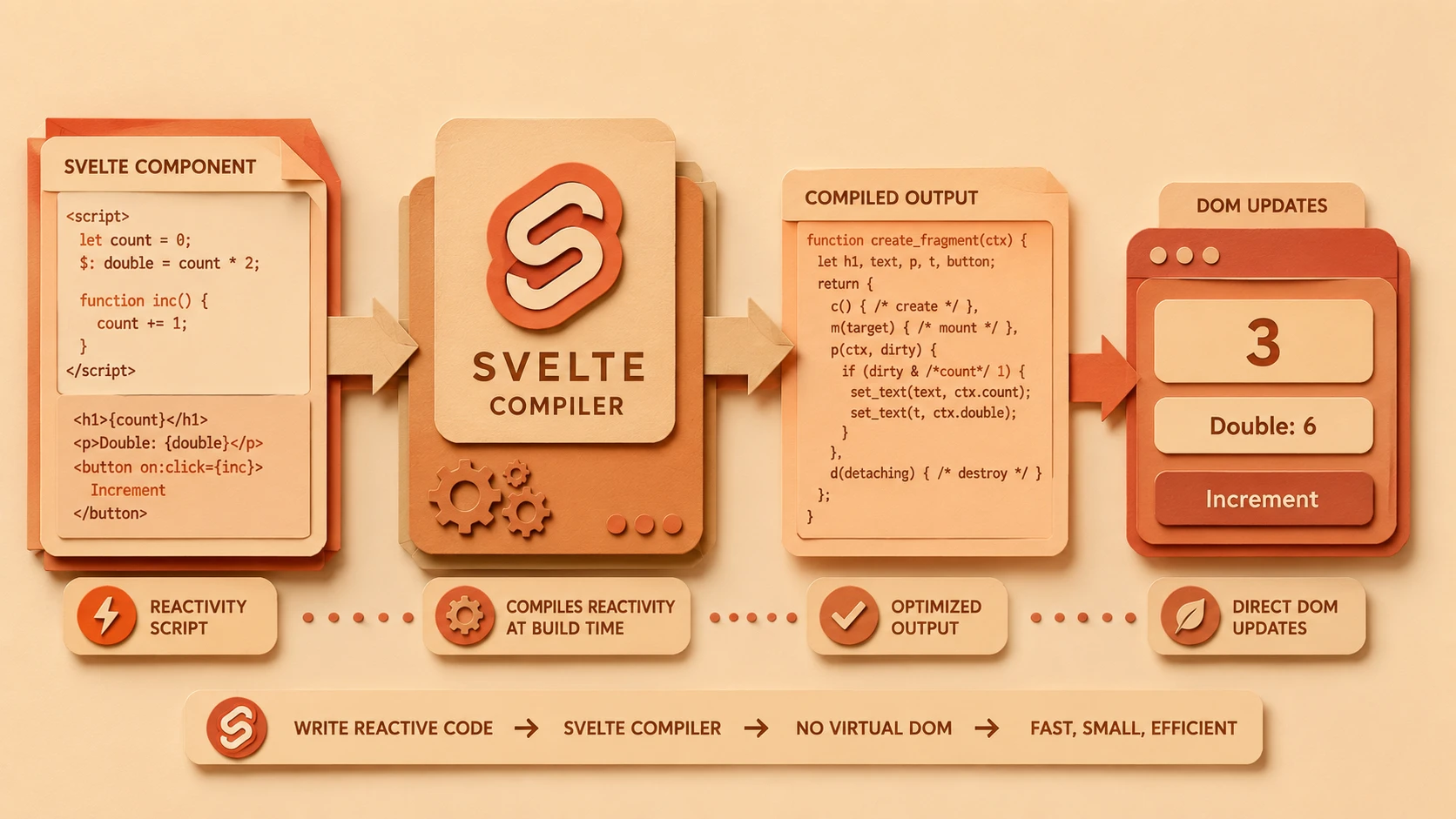
Svelte 3.0 Release: Compiler Reactivity without the Virtual DOM
Svelte 3.0 introduces a compiler-first approach to front-end development, shifting much of the framework's work from the browser to build time. By eliminating the Virtual DOM and embracing compiler-driven reactivity, Svelte aims to deliver smaller bundles, faster runtime performance, and a simpler developer experience. This article examines Svelte 3.0 from the perspective of May 2019.
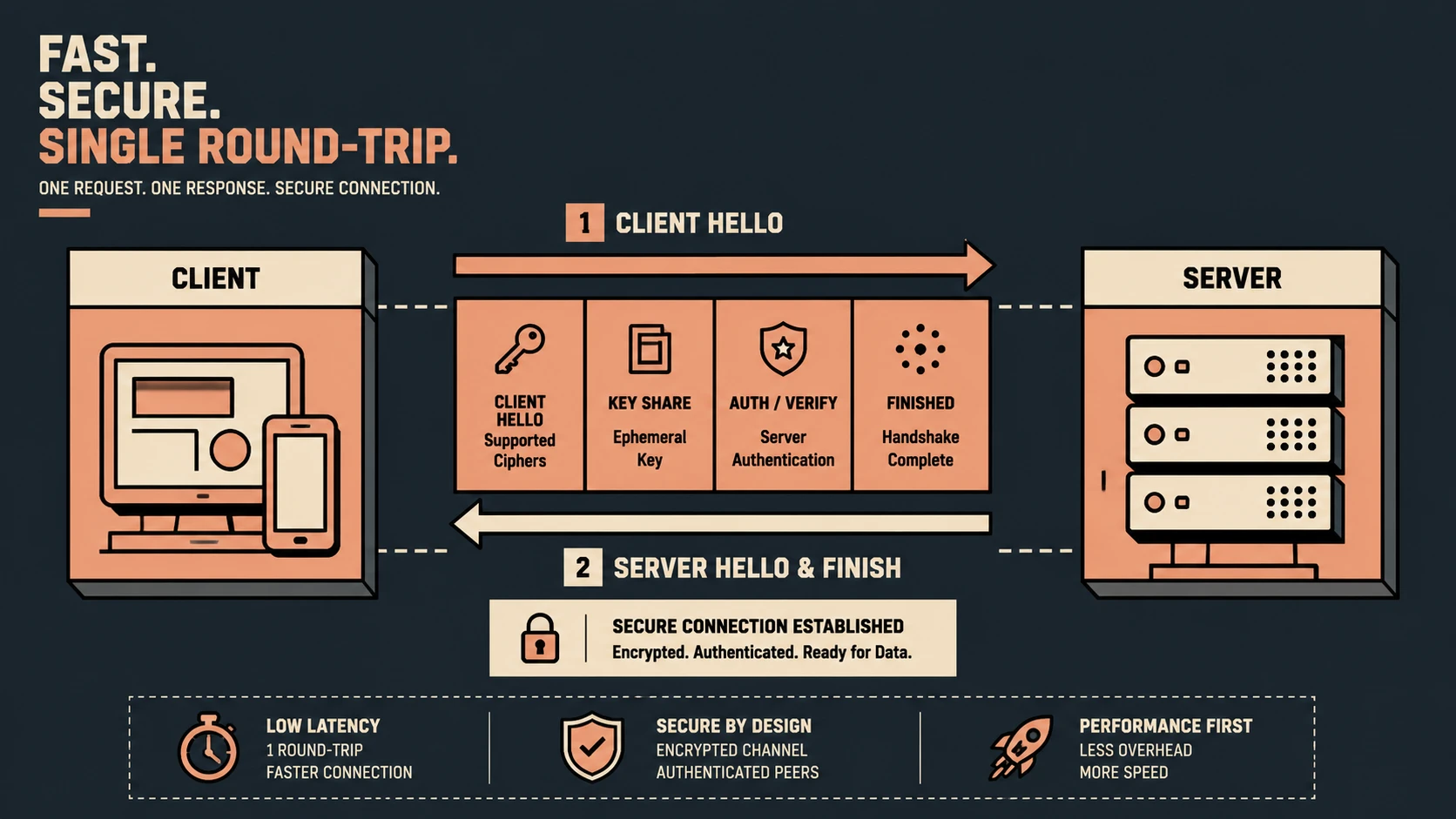
Go 1.12: TLS 1.3 Protocol Support, Module Proxies, and GC Sweep Speeds
Go 1.12 strengthens the Go ecosystem with production-ready TLS 1.3 support, improved module adoption through proxy infrastructure, faster garbage collection sweeping, and runtime optimizations. These enhancements further establish Go as a leading language for cloud infrastructure, distributed systems, networking services, and enterprise backend development. This article examines Go 1.12 from the perspective of May 2019.