AI Engineering
Viewing all posts categorized under AI Engineering.

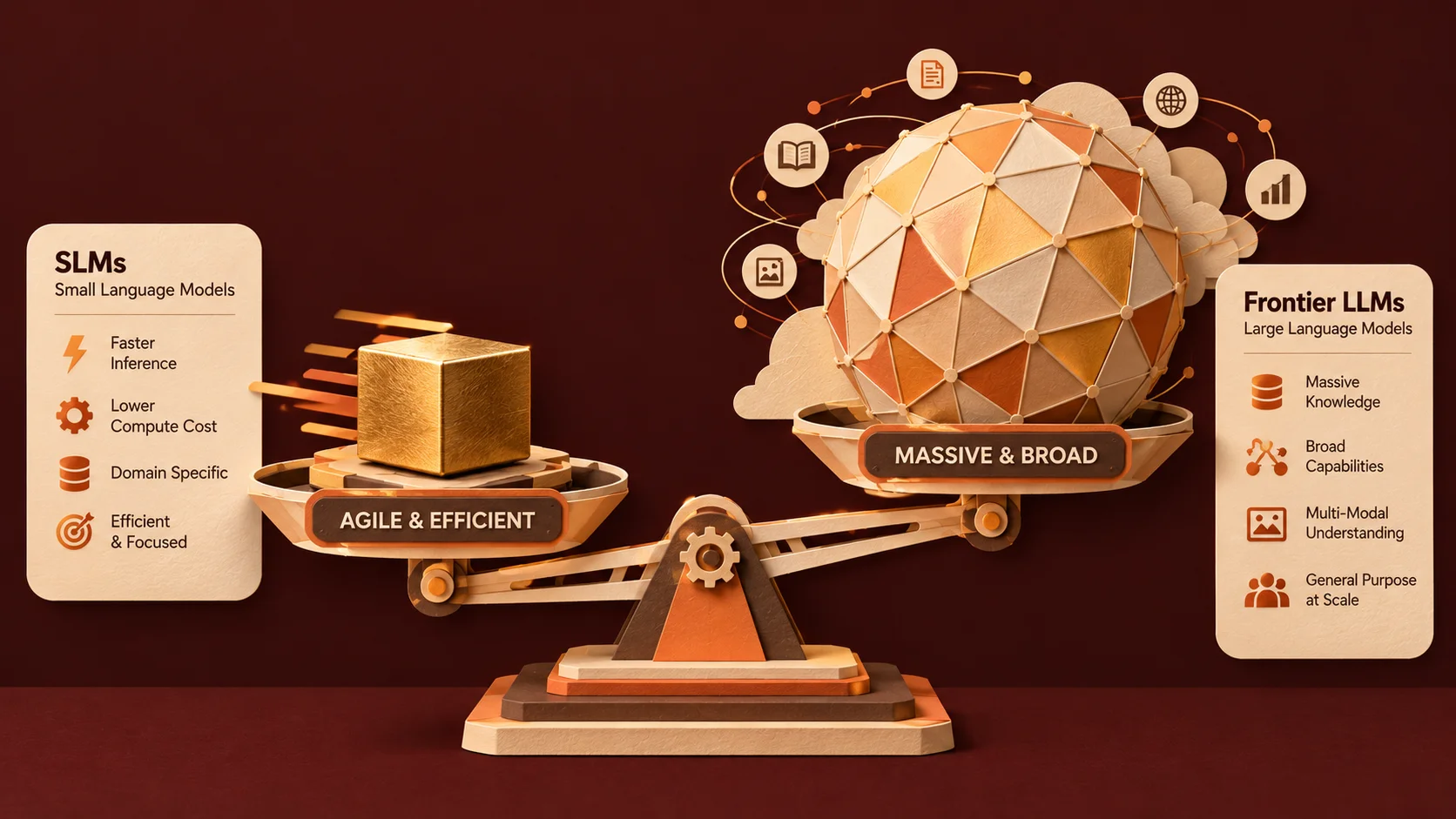
Small Language Models (SLMs) vs LLMs: When to Use What in 2026
Small Language Models are changing how enterprises design and deploy AI applications in 2026. While Large Language Models offer broad capabilities and advanced reasoning, SLMs can deliver faster, more cost-effective inference for focused tasks. This guide compares SLMs and LLMs across architecture, performance, infrastructure, security, and total cost of ownership. Learn when to use local models, when to choose a hosted LLM, and how to build hybrid AI systems that route each task to the most appropriate model.
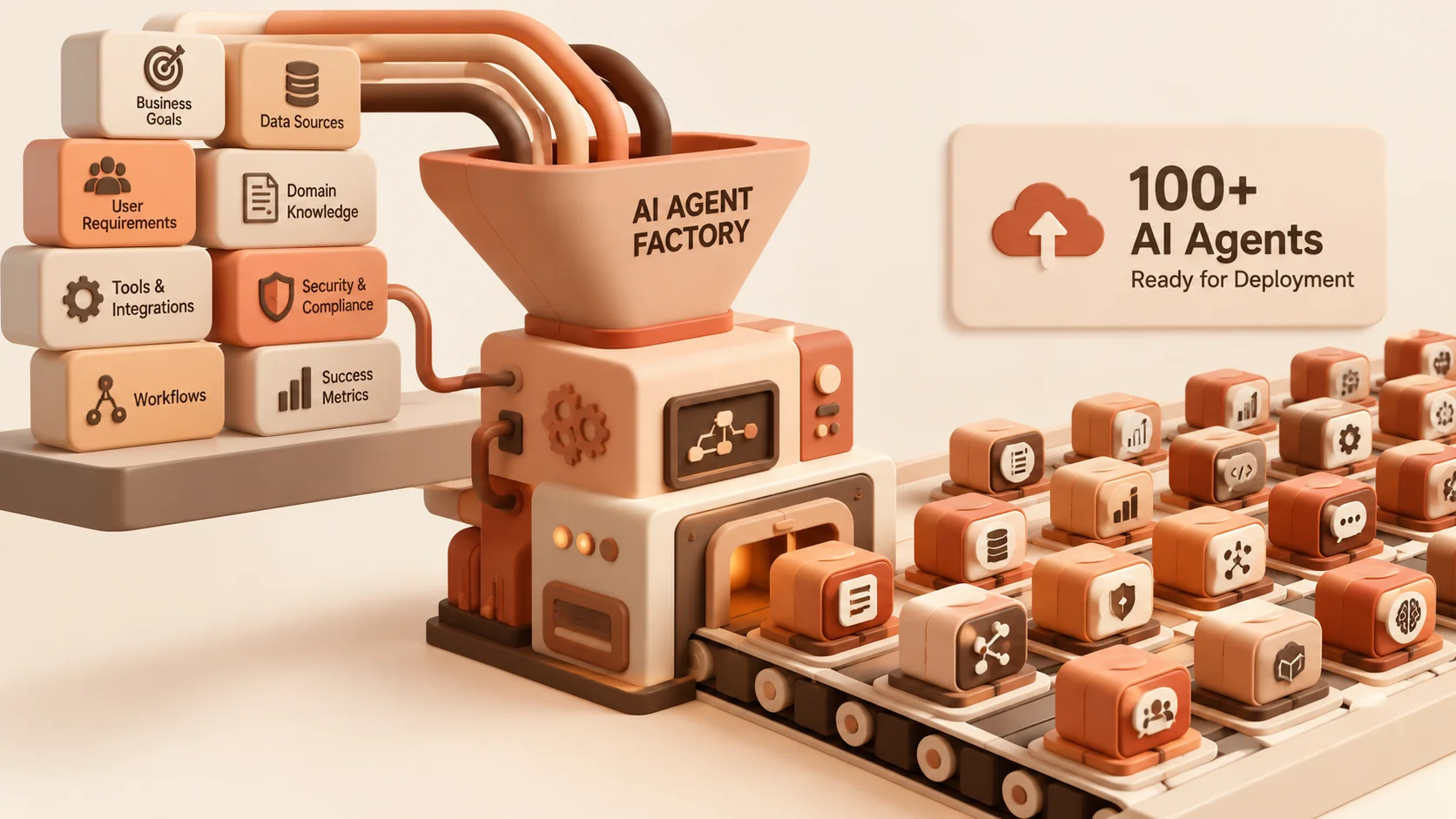
The Agent Factory: How to Build 100+ Specialized AI Agents at Scale
Building one AI agent is an engineering project. Building and operating 100 specialized agents is a platform engineering challenge. This guide explains how to design an Agent Factory that standardizes agent creation, dynamically routes requests, reuses tools and capabilities, enforces security policies, automates testing, and manages the full agent lifecycle. Learn how enterprise engineering teams can scale from isolated AI pilots to a governed ecosystem of specialized agents without creating 100 independent systems to maintain.
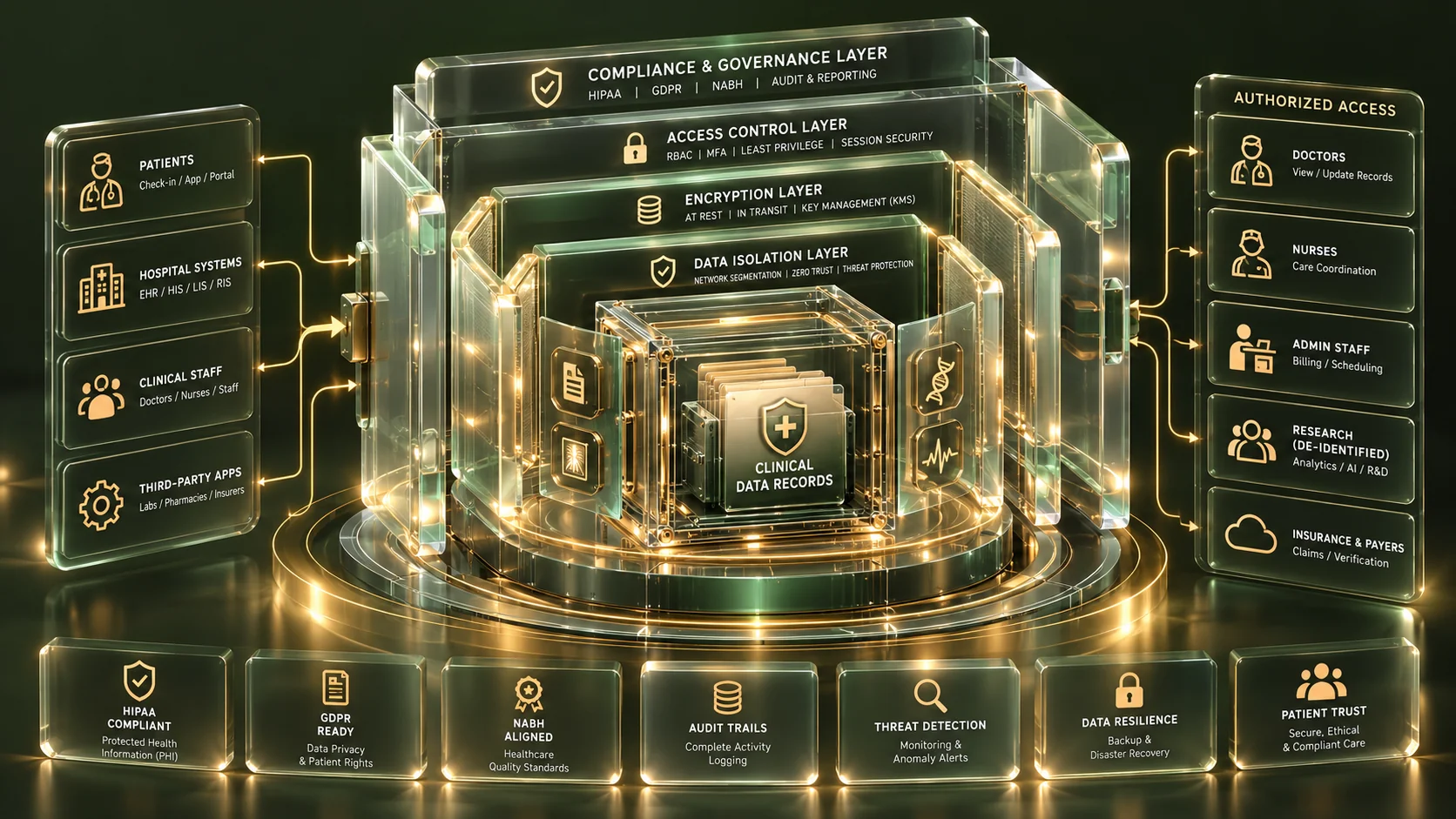
HIPAA-Compliant AI Agents: Governance Architecture for Healthcare
Healthcare AI agents introduce new governance challenges when they interact with electronic health records, clinical workflows, billing systems, and patient information. This technical guide explains how to design a HIPAA-aligned AI agent architecture using least-privilege access, business associate agreements, data minimization, encryption, immutable audit trails, prompt-injection defenses, human oversight, and continuous risk assessment. It also outlines a practical implementation strategy for healthcare organizations deploying agentic AI without compromising patient privacy or operational accountability.
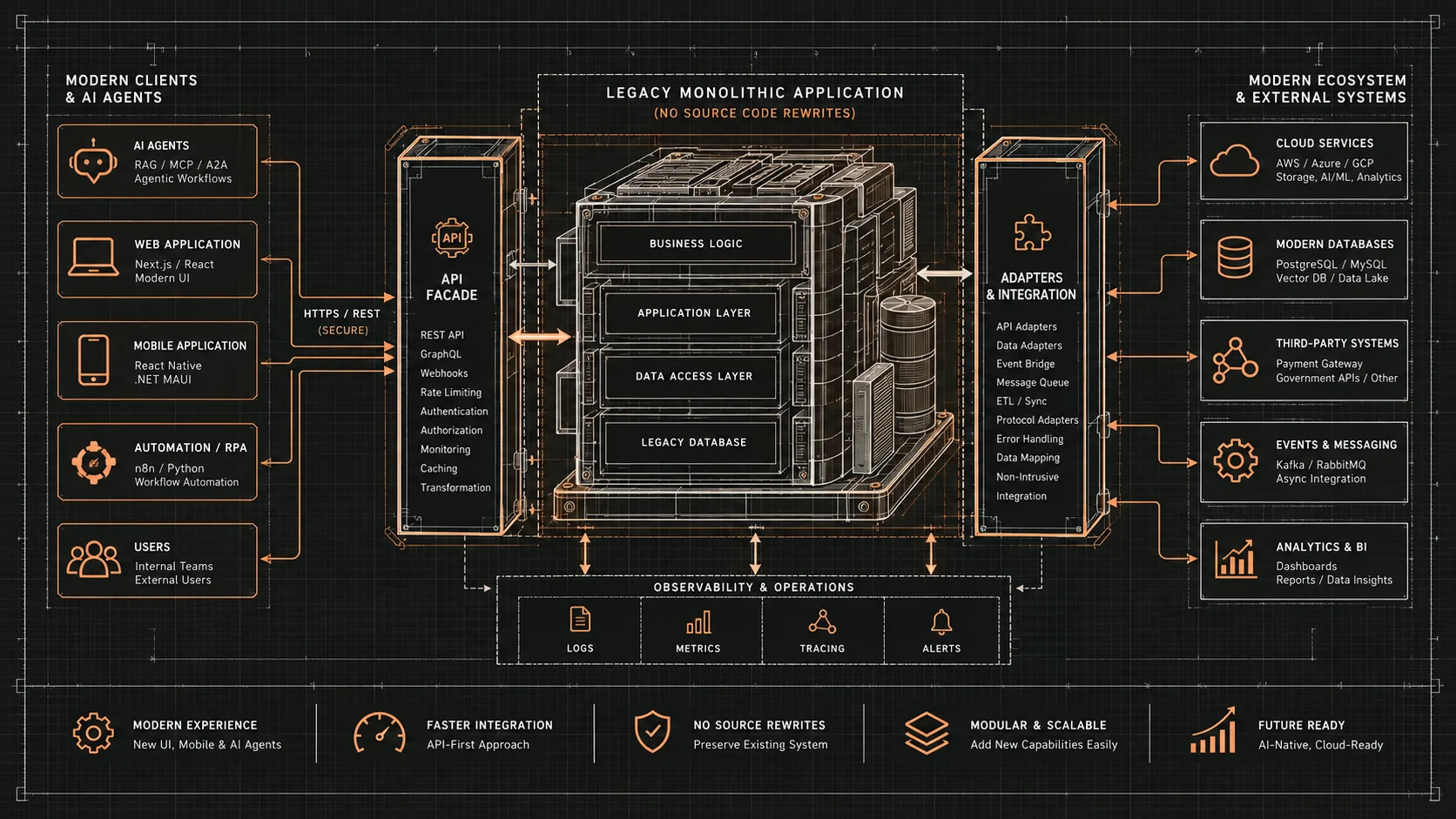
Legacy .NET to Agent-Native: A Zero-Rewrite Migration Playbook
Learn how to modernize legacy .NET applications for agentic AI without rewriting business-critical systems. This enterprise migration playbook explains facade adapters, ASP.NET Core reverse proxies, OpenAPI contracts, Semantic Kernel integration, agent orchestration, security boundaries, deployment strategies, and a phased roadmap for introducing AI capabilities while preserving existing business logic.
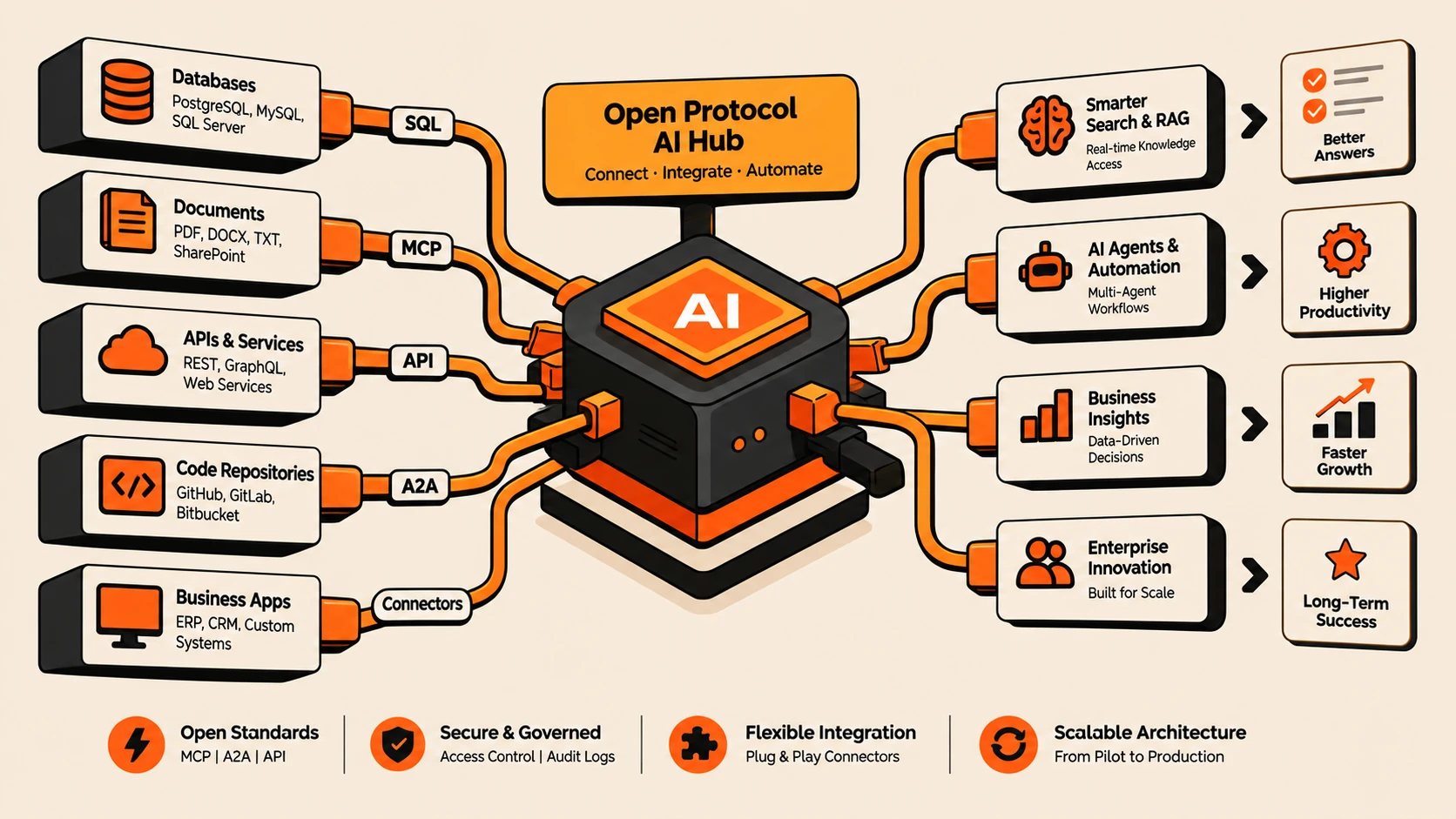
MCP Protocol Explained: Building the Agent Internet with Model Context Protocol
As enterprises move from isolated AI assistants to agentic systems, interoperability is becoming a critical challenge. Model Context Protocol (MCP) provides a standardized approach for connecting AI models with tools, data sources, enterprise applications, and other agents. This guide explains MCP architecture, enterprise adoption patterns, security considerations, and its role in building the emerging Agent Internet in 2026.
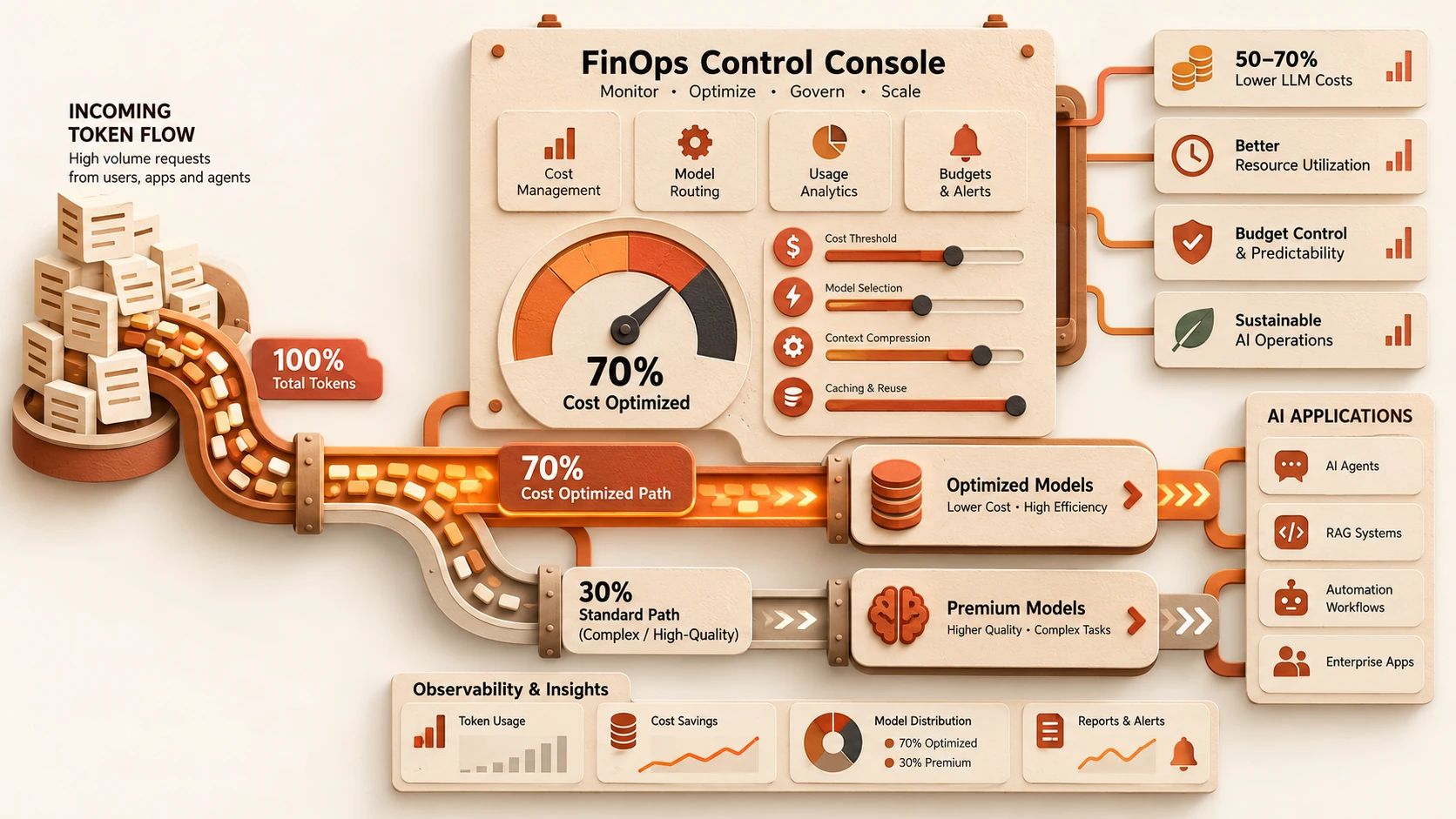
FinOps for AI: How We Cut LLM Costs by 70% Using Hybrid Routing
As enterprise AI adoption accelerates, inference spending is becoming a significant operational expense. This guide explains how a hybrid routing architecture can reduce LLM costs by up to 70% by matching workloads to the appropriate model, implementing governance controls, and applying FinOps principles to AI platforms.
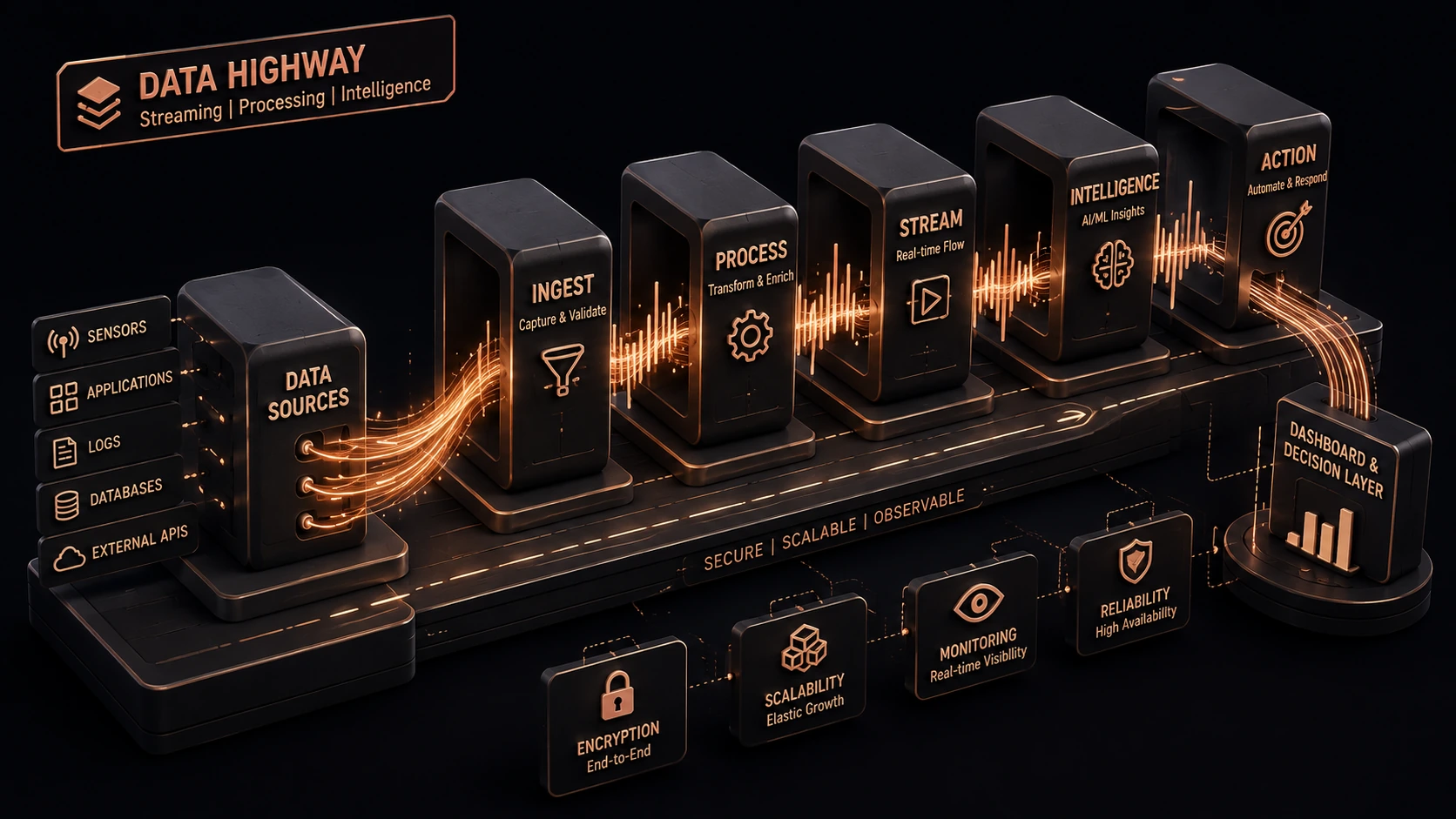
Voice AI Agents in 2026: Beyond Chatbots to Bidirectional Conversational Systems
Voice AI transforms traditional IVR systems into intelligent conversational agents that can listen, reason, execute workflows, and respond in real time. Using speech recognition, large language models, retrieval, memory, and speech synthesis, Voice AI powers customer service, sales, healthcare, and enterprise automation. This guide covers architecture, security, orchestration, latency, deployment, and production best practices.

The CIO's Guide to AI Agent Governance
A CIO's guide to establishing robust AI Agent Governance. Learn about audit trails, human-in-the-loop (HITL) systems, and compliance strategies for secure enterprise AI adoption.

Modernize Legacy .NET Applications with Agentic AI: Zero-Rewrite
Unlock the power of Agentic AI to modernize legacy .NET applications without a full rewrite. Learn architectural patterns, implementation steps, and best practices for enterprise success.

RAG with pgVector: Beyond LLM Hallucinations
Learn what RAG is and how pgVector, a PostgreSQL extension, revolutionizes LLMs by enabling efficient vector search for enterprise knowledge.

Local LLM Inference with Ollama and Qwen: An Enterprise Deployment Guide
Discover how enterprises can achieve secure, cost-effective Local LLM Inference using Ollama and Qwen. This guide covers architecture, implementation, and best practices.

6 Stages of Agentic Execution for Enterprise AI
Discover the 6 critical stages of Agentic Execution, a blueprint for building autonomous AI systems that learn, plan, and act in complex enterprise environments.

Semantic Kernel vs LangChain: Which Framework Wins for Enterprise .NET Teams in 2026?
Which LLM orchestration framework should your .NET team choose? Dive deep into Semantic Kernel vs LangChain.NET for enterprise AI development. Discover pros, cons, and real-world trade-offs.

FinOps for AI: Master LLM Infrastructure Cost Optimization
Discover a practical FinOps for AI framework to optimize large language model (LLM) infrastructure costs, ensuring sustainable and scalable generative AI deployments.

How to Build HIPAA-Compliant AI Agents: A Governance Checklist for Healthcare CTOs
Deploying HIPAA-compliant AI agents in healthcare demands strict governance. This checklist helps CTOs navigate PHI, ensure data privacy, and maintain regulatory compliance.