Introduction: The AI Coding Competition Is Becoming a Platform Competition
For the past few years, the AI developer ecosystem has been shaped by a relatively simple arrangement: model providers build powerful foundation models, developer platforms integrate them, and enterprises consume them through APIs and subscriptions.
That arrangement is changing.
At Microsoft Ignite on November 17, 2026, Microsoft introduced MAI Code 2 and MAI Code 2 Flash, a new family of agentic coding models developed by Microsoft AI. The models are designed for different types of software engineering work, from complex repository-wide changes to everyday coding assistance.
The announcement matters for more than benchmark performance. Microsoft already operates several critical layers of the developer ecosystem: GitHub, GitHub Copilot, Visual Studio, Visual Studio Code, Azure, Microsoft Foundry and enterprise identity and governance services. Adding proprietary coding models gives Microsoft another important layer to integrate into that ecosystem.
The strategic direction is becoming clearer: Microsoft wants to influence not only where developers write code, but also which models reason about that code, which agents execute development tasks, where those agents run and how enterprises govern their actions.
This is the broader significance of MAI Code 2.
1. What Is Microsoft MAI Code 2?
MAI Code 2 is Microsoft's flagship agentic coding model, introduced as part of its MAI model family at Ignite 2026. It is designed to handle demanding software engineering workflows rather than only generating isolated code snippets.
Microsoft highlights several target capabilities:
- ◆Deep debugging across complex codebases.
- ◆Multi-file implementation and modification.
- ◆Repository-wide reasoning.
- ◆Complex refactoring tasks.
- ◆User-interface and frontend development.
- ◆Multi-step software engineering workflows.
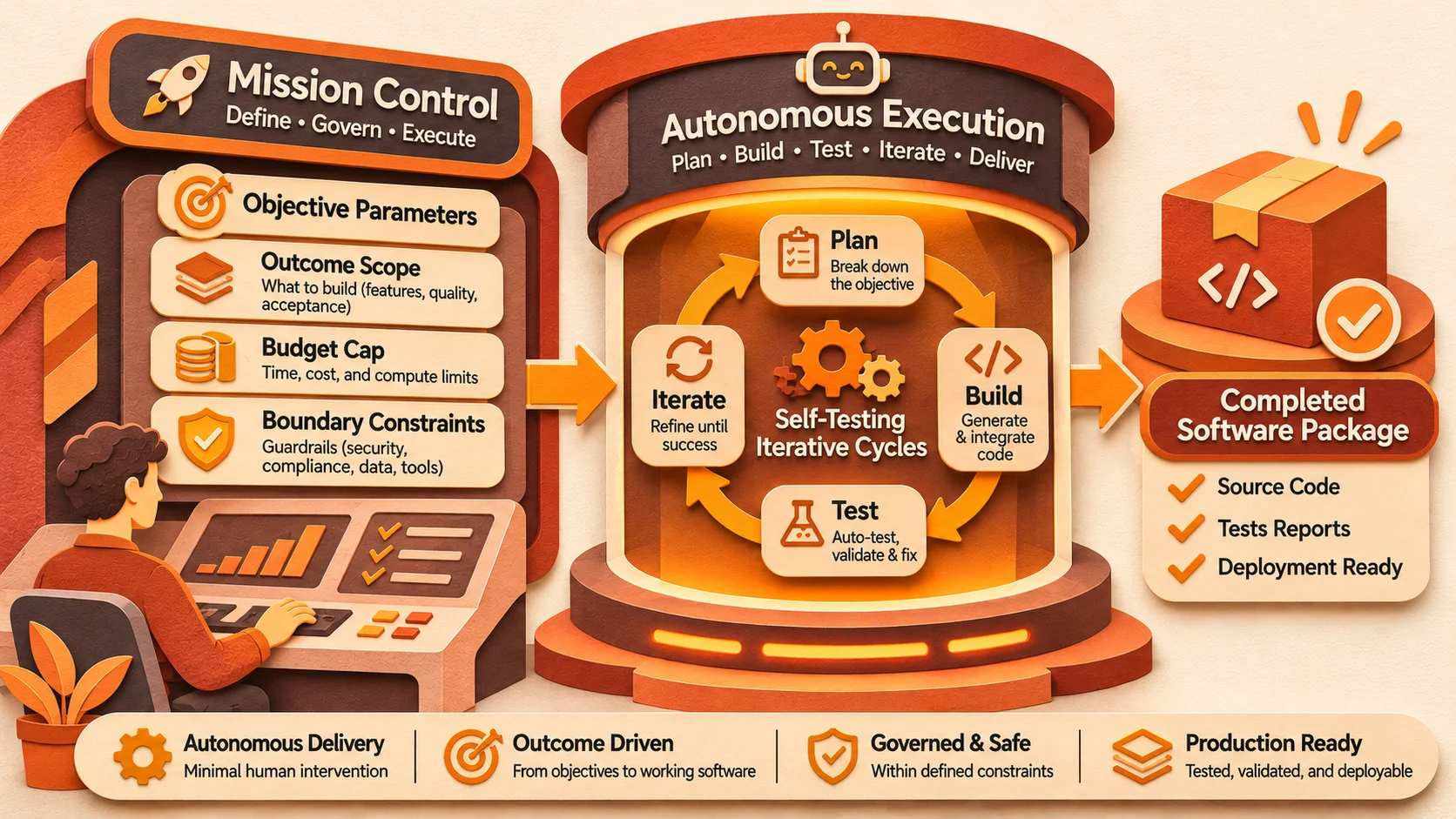
The distinction is important. Traditional code completion predicts what a developer might type next. An agentic coding model is expected to understand a broader task, inspect relevant files, plan changes, use tools, evaluate results and continue working through multiple steps.
Microsoft also introduced MAI Code 2 Flash, a smaller and faster model intended for high-volume everyday coding activities, including code explanations, targeted edits, routine fixes and rapid iterations.
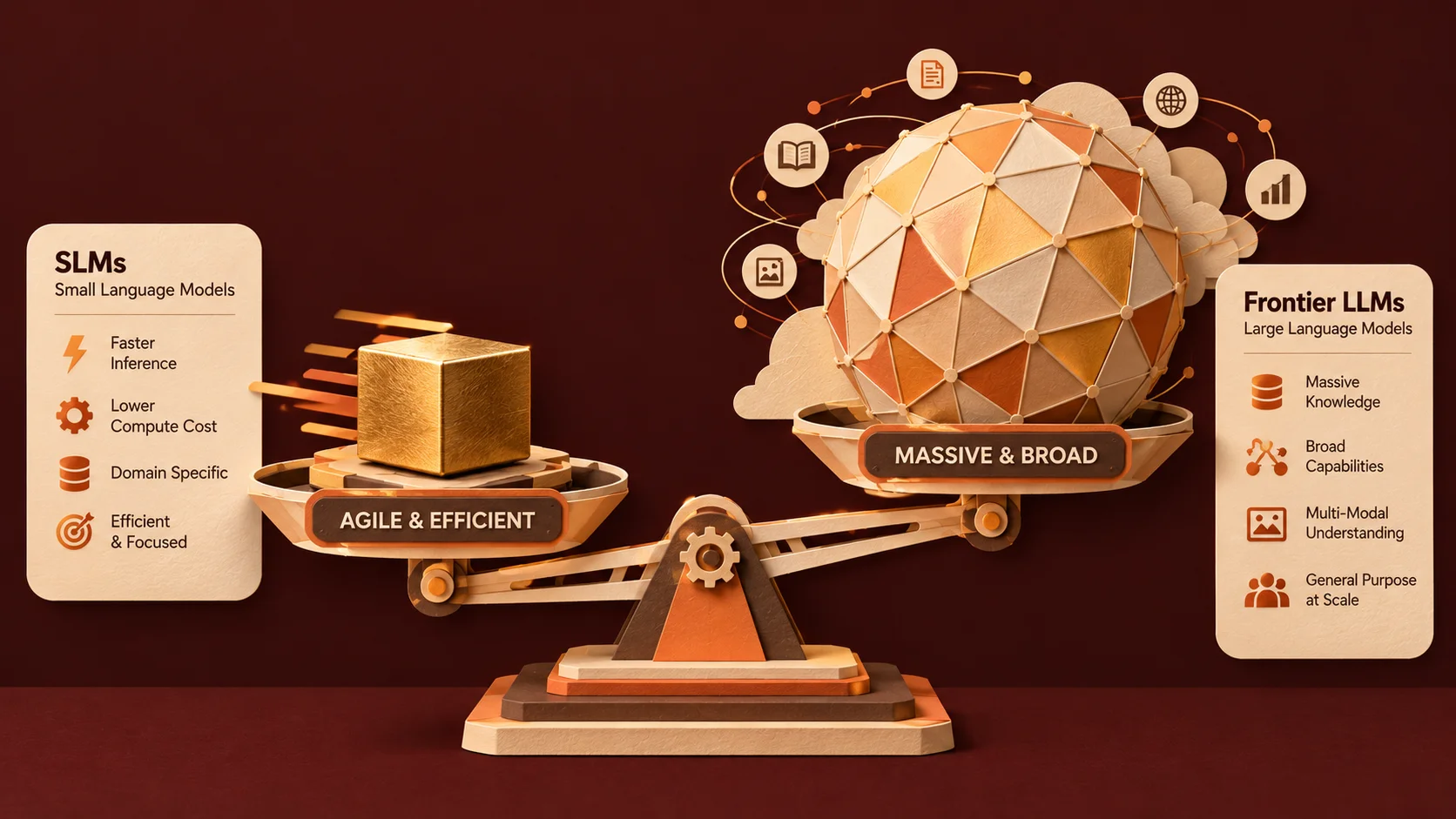
The two-model approach reflects a practical enterprise requirement: not every development task needs the most capable and expensive model.
MAI Code 2 vs MAI Code 2 Flash
| Capability | MAI Code 2 | MAI Code 2 Flash |
|---|---|---|
| Primary purpose | Complex agentic software engineering | Everyday, high-volume coding |
| Typical tasks | Deep debugging, multi-file changes, repository reasoning | Code explanations, targeted edits, routine fixes |
| Model positioning | Flagship model | Faster, cost-efficient model |
| Enterprise use | Difficult engineering workflows | Frequent development assistance |
| Strategic value | Higher capability for demanding tasks | Lower-cost execution at scale |
The important architectural idea is workload separation. A development platform can route routine tasks to a smaller model and reserve the flagship model for work that requires deeper reasoning.
Microsoft's MAI model announcement describes this price-performance strategy and the wider family of models introduced at Ignite.
2. Why Microsoft Is Building Its Own Coding Models
Microsoft has a significant position in software development, but historically it has relied on partnerships and external model providers for important parts of its AI capabilities.
Building MAI Code 2 gives Microsoft another option: develop and operate its own coding intelligence while integrating it directly into its existing products.
There are five strategic reasons behind this direction.
2.1 Greater Control Over Model Economics
AI coding assistants can generate substantial inference demand. A developer may request an explanation, ask for a code change, run a test, request a correction and repeat the process several times.
Agentic workflows multiply this demand because one user request can trigger multiple model calls, tool interactions and validation steps.
If every operation depends on an expensive frontier model, the cost of operating an AI development platform can grow quickly.
A proprietary model gives Microsoft more control over:
- ◆Model development and optimization.
- ◆Inference efficiency.
- ◆Product-specific model tuning.
- ◆Deployment economics.
- ◆Pricing and packaging strategies.
Microsoft says MAI Code 2 delivers 98% of GPT-6.1 Sol's performance at approximately 40% of its price across four coding benchmarks used in its evaluation. It also reports 96% of Claude Opus 5.5's performance at approximately 5% of the price.
These are Microsoft's reported comparisons, not a universal guarantee that the model will achieve the same results on every enterprise codebase. The outcome depends on task selection, evaluation methodology, model configuration and the actual engineering environment.
For Microsoft, however, the strategic benefit is clear: it can offer a first-party model option without depending exclusively on external model providers.
2.2 Reduced Dependence on External AI Providers
Microsoft has invested heavily in AI partnerships, infrastructure and product integration. But relying on external providers for core model capabilities creates commercial and technical dependencies.
Those dependencies can include:
- ◆Model availability and release schedules.
- ◆External API pricing.
- ◆Usage limits and rate restrictions.
- ◆Changes in model behavior.
- ◆Contractual and commercial terms.
- ◆Product roadmap alignment.
Developing proprietary models does not eliminate these dependencies entirely. Microsoft can still offer external models and maintain partnerships. It does, however, give the company more control over its own product roadmap.
This is particularly important for GitHub Copilot, where model selection directly affects product cost, user experience and enterprise margins.
The launch is therefore not simply Microsoft entering the coding-model market. It is Microsoft strengthening its negotiating position and expanding its ability to control the economics of its developer platform.
2.3 Differentiation Inside GitHub Copilot
GitHub Copilot is one of Microsoft's most important AI developer products.
Its value is not determined by a model alone. It also depends on the development environment, repository context, available tools, agent execution, code review workflows and integrations with existing engineering processes.
A proprietary model gives Microsoft another way to optimize this complete experience.
For example, a developer working in a large .NET repository might ask an agent to:
- 1.Inspect the existing application architecture.
- 2.Identify the source of a production bug.
- 3.Trace the affected API and database interactions.
- 4.Modify multiple files.
- 5.Add or update automated tests.
- 6.Execute the relevant test suite.
- 7.Review the proposed changes before merging.
The quality of the result depends on more than code generation. It depends on how effectively the model works with repository context, tools and execution feedback.
Microsoft can co-design its model and product environment around these workflows instead of treating the model as an interchangeable external API.
2.4 Better Control Over Enterprise Requirements
Large organizations do not evaluate coding AI exclusively on benchmark scores.
They also need to consider:
- ◆Source-code confidentiality.
- ◆Access control and identity.
- ◆Data residency.
- ◆Auditability.
- ◆Model availability.
- ◆Operational reliability.
- ◆Security review and approval processes.
Microsoft's existing enterprise ecosystem gives it a distribution and integration advantage. GitHub, Azure and Microsoft Foundry already provide important parts of the environment in which enterprise AI applications are developed and operated.
A first-party model can be integrated into that environment with product-specific controls and commercial arrangements.
2.5 Building Long-Term AI Platform Differentiation
If every developer platform uses exactly the same models, the underlying intelligence becomes less effective as a competitive differentiator.
Platforms then compete primarily through user experience, integrations, pricing and workflow design.
Owning proprietary models gives Microsoft another source of differentiation. It can tune models for its developer products, collect product feedback and improve the interaction between model capability and the surrounding tools.
The long-term advantage is not necessarily owning the best model for every possible task. It is building a platform that delivers reliable engineering outcomes at an attractive cost.
3. The Full AI Developer Stack Microsoft Is Assembling
The most important way to understand MAI Code 2 is to look at the layers surrounding it.
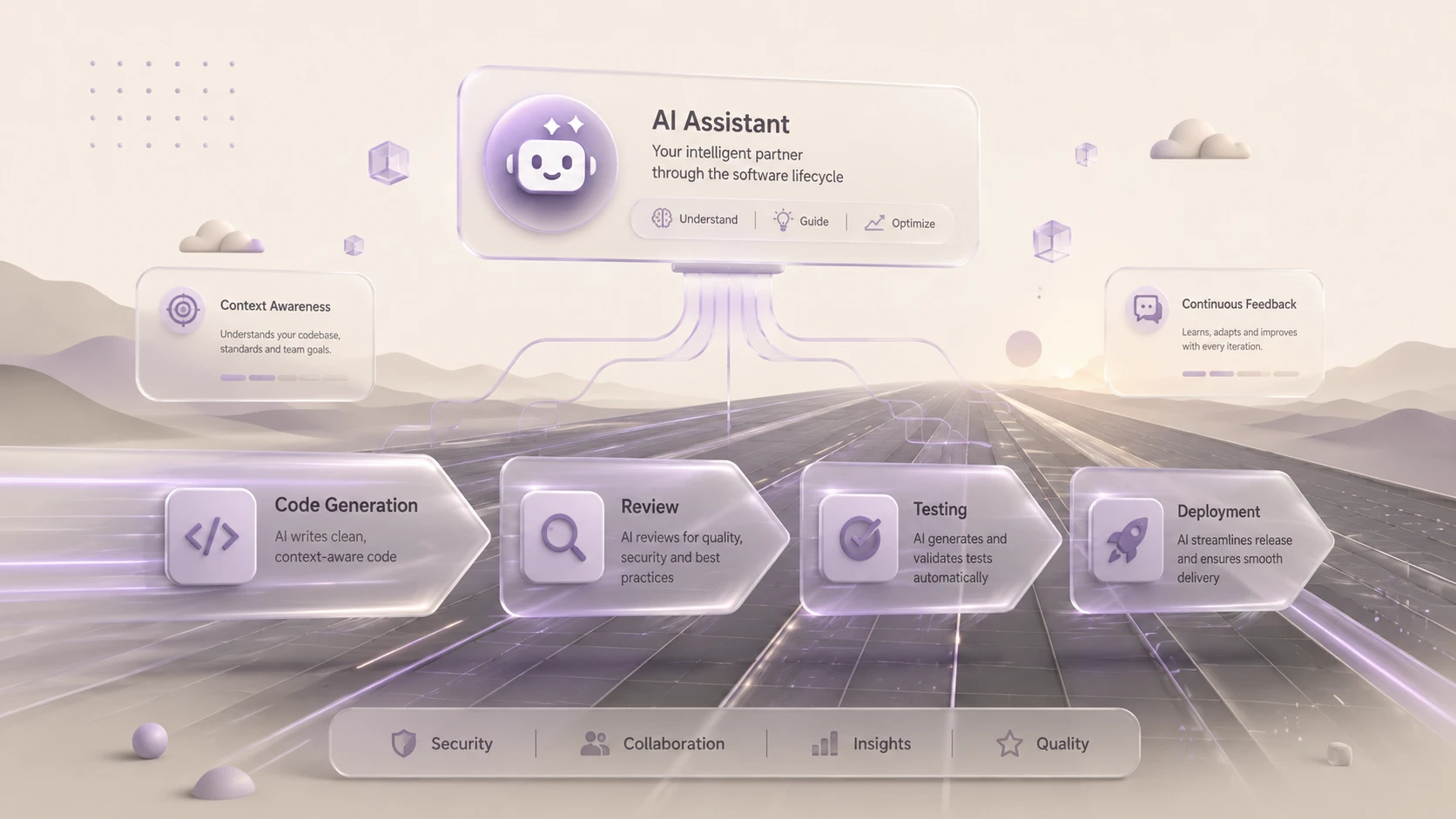
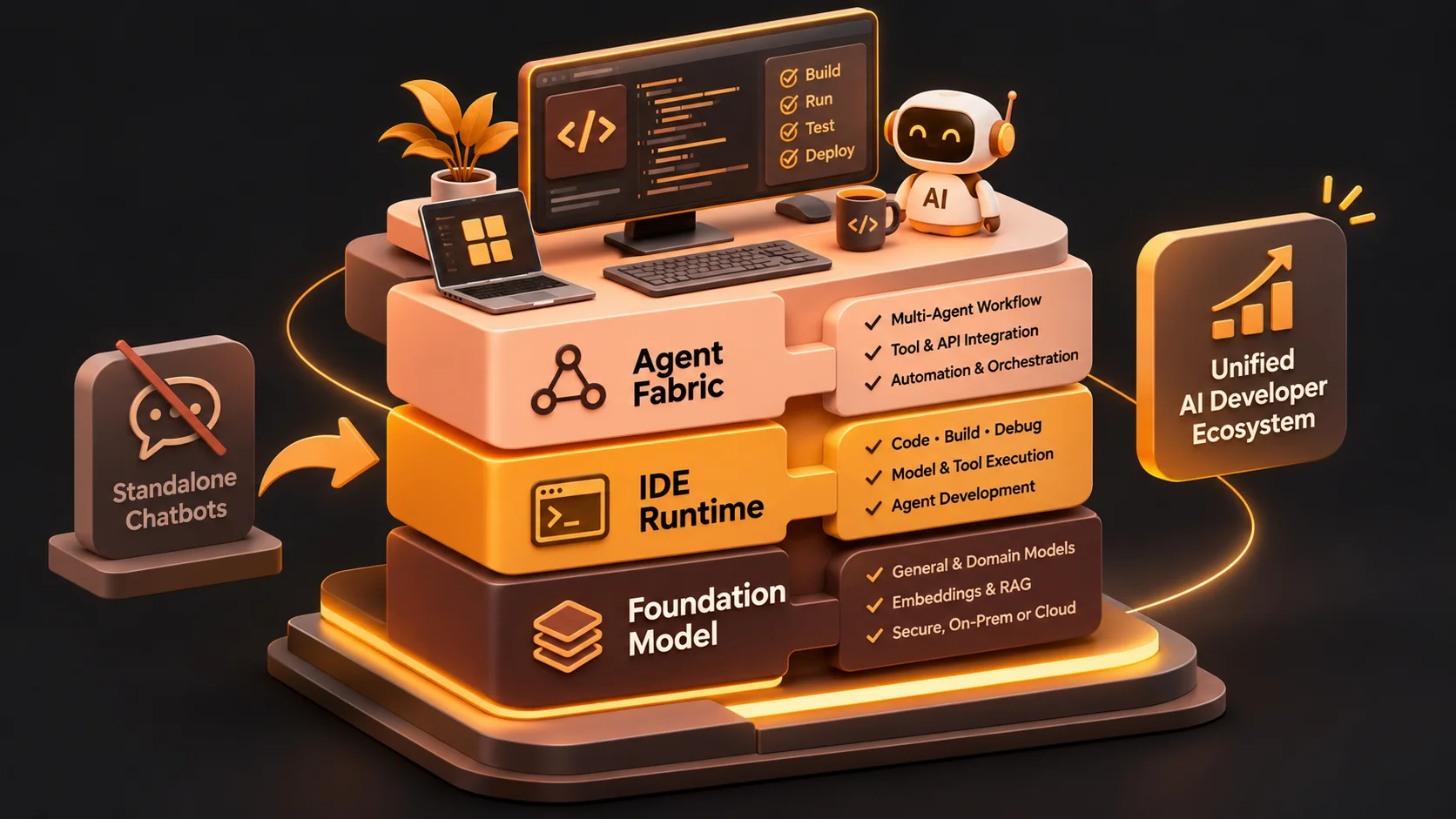
An enterprise AI development platform is not simply a model endpoint. It is a connected system involving the developer environment, model, orchestration layer, tools, infrastructure and governance.
Microsoft already has products across many of these layers.
Layer 1: Developer Workspace
The developer workspace is where engineers interact with software projects.
Microsoft's ecosystem includes:
- ◆Visual Studio Code.
- ◆Visual Studio.
- ◆GitHub.
- ◆GitHub Copilot.
- ◆GitHub repositories and collaboration workflows.
This layer provides the interface through which developers describe tasks, inspect suggestions, review changes and collaborate with AI agents.
The workspace also supplies important context, including the active files, repository structure, terminal output and development workflow.
Layer 2: Foundation Models
This is where MAI Code 2 enters the architecture.
Microsoft now has first-party coding models designed for different workload profiles:
- ◆MAI Code 2 for demanding agentic coding tasks.
- ◆MAI Code 2 Flash for frequent and routine development work.
The model layer is responsible for understanding instructions, reasoning about code and producing proposed actions or modifications.
A critical point: the model is not the complete agent. It needs a surrounding system to provide tools, context, execution feedback and permissions.
Layer 3: Agent Runtime and Orchestration
An agent runtime coordinates the work between the model and the development environment.
It may be responsible for:
- ◆Providing repository and file context.
- ◆Invoking terminal and development tools.
- ◆Managing multi-step task execution.
- ◆Tracking intermediate results.
- ◆Running tests and collecting feedback.
- ◆Handling retries and failures.
- ◆Applying permission and approval policies.
This layer transforms model intelligence into an operational development workflow.
Microsoft's broader Copilot and agent ecosystem is important here. The model can reason about a change, while the surrounding runtime determines which tools it can use and what actions it is permitted to perform.
Layer 4: Developer Tools and Enterprise Integrations
Coding agents need access to real engineering systems.
Examples include:
- ◆Git repositories and pull requests.
- ◆Build and test pipelines.
- ◆Issue and project tracking systems.
- ◆Package managers.
- ◆Linters and static analysis tools.
- ◆Deployment workflows.
- ◆Internal documentation and APIs.
The quality of an agentic coding system depends heavily on how safely and reliably these integrations work.
Microsoft's ownership of GitHub gives it a particularly strong position in this layer.
Layer 5: Cloud and Model Infrastructure
AI agents require compute, storage, networking and model-serving infrastructure.
Azure provides Microsoft's cloud foundation for enterprise workloads, while Microsoft Foundry provides model discovery, evaluation and deployment capabilities.
The Foundry ecosystem also supports models from multiple providers. Microsoft is therefore not pursuing a strategy in which every enterprise must use only MAI models.
Instead, it can offer its own models alongside external and open models within a broader platform.
Layer 6: Identity, Security and Governance
An enterprise coding agent can potentially read source code, modify files, access internal services and execute commands.
That creates security and governance requirements beyond those associated with ordinary code completion.
Organizations need to define:
- ◆Which repositories an agent can access.
- ◆Which tools it can invoke.
- ◆Which commands require approval.
- ◆Whether it can access production systems.
- ◆How its actions are logged.
- ◆How generated code is reviewed.
- ◆How sensitive information is protected.
Microsoft's Agent 365 initiative is part of its broader approach to enterprise agent management and governance.
The strategic picture is a connected platform: developer workspace, model, runtime, tools, cloud and governance.
Microsoft does not need to own every third-party component to influence the complete developer experience. It needs to make its own products valuable and deeply integrated across these layers.
4. Why the Model Alone Is Not the Competitive Advantage
A common mistake in evaluating AI coding platforms is focusing only on benchmark rankings.
Benchmarks are useful, but production software engineering is much more complicated.
Consider a task such as migrating an older ASP.NET Core application to a newer architecture.
The coding model must understand the existing project structure, identify dependencies, inspect API contracts, modify multiple files, preserve business rules and help validate the result.
Even a highly capable model can fail if:
- ◆The repository context is incomplete.
- ◆The agent selects the wrong files.
- ◆Tool execution is unreliable.
- ◆The test environment differs from production.
- ◆The model misunderstands an existing business rule.
- ◆The generated code introduces a security vulnerability.
This is why the surrounding engineering system matters.
A useful way to think about the architecture is:
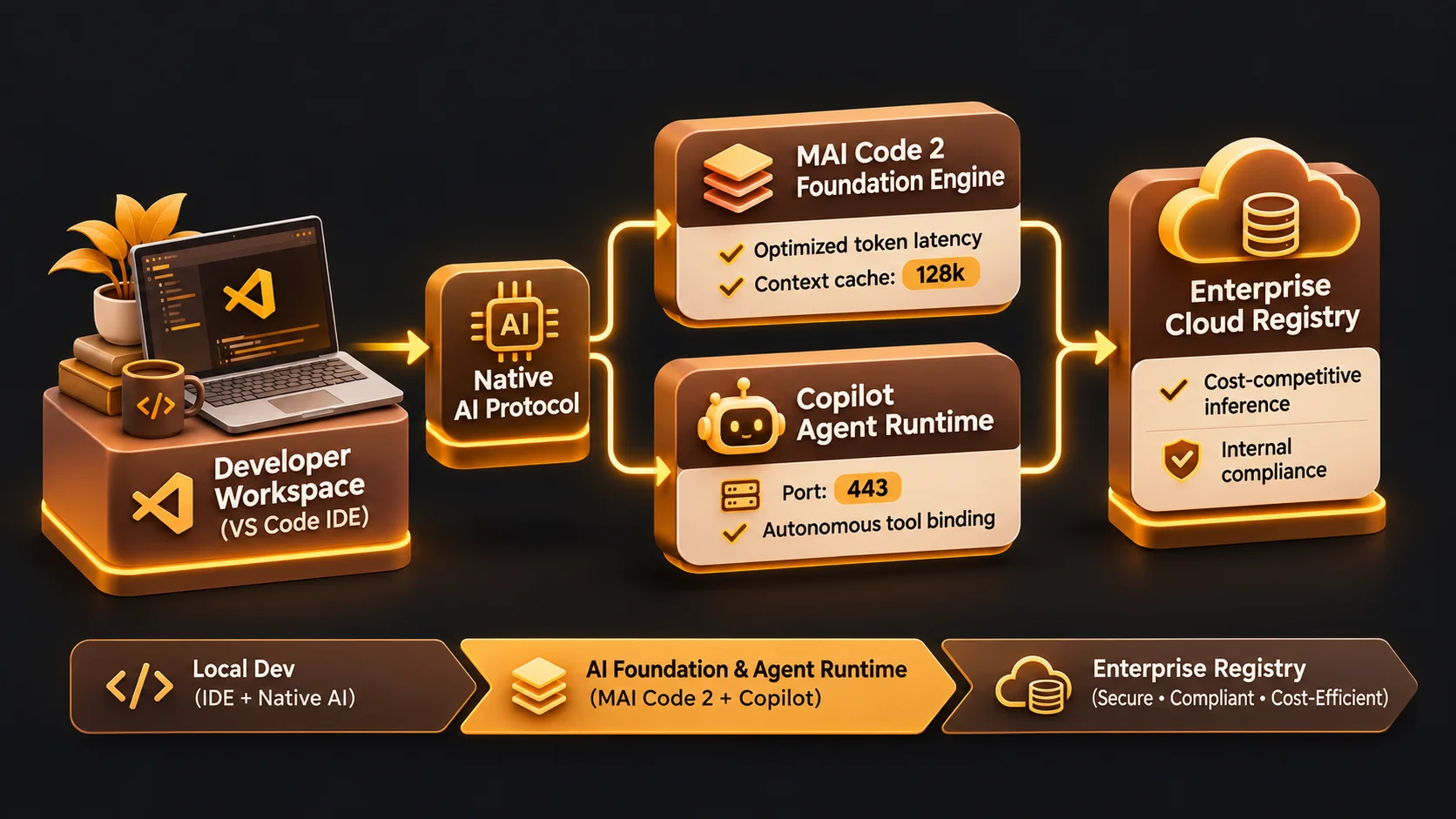
Unified developer stack architecture contrasting integrated model-IDE coupling against fragmented third-party API dependencies.
Engineering outcome = Model capability + Context quality + Tool reliability + Execution controls + Human review
This is a conceptual framework, not a mathematical formula. It emphasizes that model quality is only one part of successful AI-assisted engineering.
Microsoft's platform strategy becomes more interesting when viewed through this lens. The company can optimize multiple layers together rather than competing exclusively on model intelligence.
5. MAI Code 2 and the Economics of Agentic Software Development
The economics of AI-assisted coding change when developers move from asking for snippets to delegating complete engineering tasks.
A simple code completion may require one model interaction. An agentic workflow could involve dozens of operations:
- 1.Understand the developer's request.
- 2.Inspect repository files.
- 3.Identify dependencies.
- 4.Create an implementation plan.
- 5.Modify source files.
- 6.Run tests.
- 7.Interpret errors.
- 8.Correct the implementation.
- 9.Generate a change summary.
- 10.Prepare a pull request for review.
Each step can consume model tokens and infrastructure resources.
If an organization uses an expensive model for every operation, the total cost can become significant.
A more efficient architecture uses model selection based on task complexity.
| Workload | Suggested model strategy | Reason |
|---|---|---|
| Code explanation | Smaller, fast model | Limited reasoning requirement |
| Routine bug fix | Flash model | Frequent, targeted work |
| Simple unit test generation | Flash or comparable efficient model | Repeatable task |
| Multi-file refactoring | Flagship coding model | Broader codebase reasoning |
| Complex debugging | Flagship coding model | Requires deeper investigation |
| Repository-wide implementation | Flagship coding model | Multiple dependent changes |
| Security-sensitive modification | Strong model plus security tools and human review | Higher risk and verification needs |
This approach can reduce model expenditure, but model pricing is only one part of engineering economics.
Enterprises should measure the cost of completed and accepted changes, including:
- ◆Model inference.
- ◆Agent execution infrastructure.
- ◆Developer review time.
- ◆Test execution.
- ◆Security scanning.
- ◆Rework caused by incorrect suggestions.
- ◆Maintenance of AI-generated code.
The most useful metric is not simply cost per million tokens. It is the cost per successfully completed engineering task.
6. What Microsoft's Own Benchmark Claims Actually Tell Us
Microsoft's Ignite announcement reports that MAI Code 2 reaches 98% of GPT-6.1 Sol's performance at approximately 40% of the price across four coding benchmarks. It also reports 96% of Claude Opus 5.5's performance at approximately 5% of the price.
For MAI Code 2 Flash, Microsoft reports comparable performance to GPT-6 Luna and Claude Haiku 5.5 on selected everyday coding benchmarks at lower prices.
These claims are relevant because they show Microsoft's focus on price-performance rather than pursuing a single model that is optimized for every possible intellectual task.
However, enterprise teams should interpret benchmark results carefully.
First, benchmark performance does not guarantee equivalent results on proprietary repositories.
Second, pricing comparisons can depend on the benchmark configuration, usage assumptions and applicable promotional rates.
Third, coding quality must be evaluated alongside reliability, security and the amount of human correction required.
Fourth, Microsoft explicitly says the models are optimized for everyday enterprise coding tasks and are not yet tuned for harder areas such as fundamental scientific research and very long-horizon agentic work.
The practical conclusion is straightforward: MAI Code 2 deserves evaluation as a coding model, but organizations should validate it against their own workloads before making platform-wide decisions.
For more detail, see Microsoft's MAI Code 2 announcement and its model card.
7. What This Means for CTOs and Enterprise Architects
For technology leaders, MAI Code 2 creates an additional option in an increasingly competitive coding-model market.
The decision should not be based solely on whether a model is cheaper or performs well on a public benchmark.
A structured evaluation should include the following areas.
Repository-Level Performance
Test the model on real internal repositories rather than isolated coding exercises.
Evaluate whether it can understand project conventions, dependencies, architecture boundaries and existing implementation patterns.
Engineering Workflow Integration
Measure how effectively the model works with the tools developers already use.
Check repository navigation, terminal operations, test execution, pull request preparation and issue tracking.
Security and Permissions
AI coding agents should operate with least-privilege access.
A model should not automatically receive unrestricted access to production credentials, deployment environments or sensitive repositories.
Use sandboxed execution, approval gates and auditable tool permissions.
Cost Per Accepted Change
Compare the complete cost of producing an accepted change, not just model token prices.
Include developer review, failed attempts, test execution and rework.
Model Portability
Avoid designing the application architecture around a single provider-specific model interface.
Use an abstraction layer that allows teams to evaluate and switch between approved models when requirements or economics change.
Governance and Observability
Record agent activity, tool calls, approvals, model usage and outcomes.
This is essential for debugging, compliance reviews and cost management.
8. A Practical Reference Architecture for Enterprise AI Coding
An enterprise should treat AI coding as a governed engineering capability rather than an unrestricted chatbot connected to a source repository.
A practical reference architecture can be organized into six components.
1. Developer Interface
Use GitHub Copilot, an IDE extension or an internal developer portal to collect developer requests and present proposed changes.
2. Model Gateway
Create a central routing layer that selects an approved model based on task type, complexity, cost and latency requirements.
3. Agent Orchestrator
Manage planning, repository inspection, tool invocation, task state and execution feedback.
4. Controlled Tool Layer
Expose approved tools for source control, file operations, builds, tests, static analysis and internal documentation. Enforce permissions at the tool boundary.
5. Isolated Execution Environment
Run commands and tests inside controlled environments. Avoid exposing production secrets or unrestricted infrastructure access to coding agents.
6. Governance and Observability
Track model usage, tool activity, approvals, failures, code quality and engineering outcomes.
The resulting workflow looks like this:
Developer / IDE
       |
       v
AI Coding Interface
       |
       v
Model Gateway and Policy Engine
       |
       +---------------------------+
       |                           |
       v                           v
MAI Code 2                  MAI Code 2 Flash
Complex engineering        Routine coding tasks
       |                           |
       +-------------+-------------+
                     |
                     v
             Agent Orchestrator
                     |
                     v
              Controlled Tools
                     |
          +----------+----------+
          |          |          |
          v          v          v
       GitHub      Build      Testing
          |          |          |
          +----------+----------+
                     |
                     v
           Human Review and Approval
                     |
                     v
             Merge / Deployment

       Governance, Security and Cost Monitoring
                  Across Layers
This architecture is not a claim that every component is a single Microsoft product. It is a reference design showing how enterprise teams can combine coding models, developer tools and operational controls.
9. Is Microsoft Trying to Lock Developers Into Its Ecosystem?
The phrase full-stack ownership can suggest that Microsoft intends to control every part of software development. That would be too simplistic.
Microsoft Foundry supports a broad model ecosystem, including models from Microsoft and other providers. Developers and enterprises can choose models based on their workloads.
However, Microsoft has a strong commercial incentive to make its own models especially effective inside its products.
Consider the potential relationship:
- ◆GitHub provides source-code collaboration and repository workflows.
- ◆GitHub Copilot provides AI-assisted development.
- ◆MAI Code 2 supplies first-party coding intelligence.
- ◆Azure provides cloud infrastructure.
- ◆Microsoft Foundry supports model evaluation and deployment.
- ◆Enterprise identity and governance services help manage access and risk.
When these products work together, the value of the overall platform can become greater than the value of any individual component.
This creates ecosystem advantages. It can also create switching costs if an organization becomes deeply dependent on proprietary workflows, integrations or services.
For enterprise architects, the appropriate response is not to avoid integrated platforms. It is to preserve architectural flexibility through clear interfaces, exportable data, portable workflows and regular model evaluations.
10. The Limitations Enterprises Should Not Ignore
MAI Code 2 is a significant development, but it does not remove the fundamental risks of AI-assisted software engineering.
Generated Code Still Requires Review
A model can produce code that looks convincing but contains logical errors, incorrect assumptions or subtle regressions.
Repository Context Can Be Incomplete
Large systems often contain undocumented business rules, legacy dependencies and integration behavior that are difficult to infer from source code alone.
Agent Permissions Create New Risks
An agent that can execute commands, access files and modify repositories needs stronger controls than a simple autocomplete feature.
Benchmark Results Are Not Production Guarantees
Organizations must test their own repositories, development workflows and quality requirements.
Model Strategy Can Change
Pricing, model availability, capabilities and product terms may evolve. Enterprise architecture should accommodate model replacement.
The best approach is controlled adoption: begin with low-risk workflows, evaluate results, define permission boundaries and expand only when measurable benefits are demonstrated.
11. What Happens Next in the AI Developer Platform Market?
MAI Code 2 is part of a broader shift from standalone AI assistants to integrated agentic development platforms.
The next phase of competition is likely to focus on several areas.
Repository-level engineering: Models will increasingly be evaluated on their ability to understand and modify complete software projects rather than generate isolated snippets.
Agent orchestration: Platforms will compete on how effectively they coordinate models, tools, tests and human approvals.
Cost-aware model routing: Different tasks will use different models according to their complexity and performance requirements.
Enterprise governance: Identity, permissions, observability and auditability will become central requirements for deploying autonomous coding agents.
Developer productivity measurement: Organizations will need better ways to measure accepted changes, engineering quality, delivery stability and total cost.
Model choice and portability: Enterprises will increasingly expect the freedom to combine first-party, third-party and open models within a governed architecture.
The strongest platforms will not necessarily be those with a single model that leads every benchmark. They will be those that consistently turn AI capability into secure, measurable engineering outcomes.
Conclusion: Microsoft Wants to Own More Than the Coding Model
Microsoft MAI Code 2 is important because it adds a proprietary coding-model layer to an ecosystem that already includes GitHub, Copilot, Visual Studio, Azure and Microsoft Foundry.
The strategic opportunity is larger than replacing an external model provider. Microsoft can co-design model capabilities, developer experiences, agent workflows and cloud services around the way enterprise software teams actually work.
That creates advantages in product integration, cost optimization, enterprise distribution and platform differentiation.
But owning more of the stack does not automatically guarantee better engineering outcomes. Enterprises still need to evaluate model performance against real repositories, control agent permissions, review generated code and maintain flexibility across providers.
For CTOs and software architects, the central lesson is this: the next competitive advantage in AI-assisted software development will come from the quality of the complete engineering system, not from the model alone.
MAI Code 2 is Microsoft's move to become a stronger owner of that system.
References
- 1.Microsoft AI: Seven New World-Class Models at Scalable Price-Performance, November 17, 2026
- 2.Microsoft Ignite 2026: Building the Frontier Ecosystem
- 3.Microsoft Ignite 2026: Book of News
- 4.MAI Code 2 and MAI Code 2 Flash Model Card
- 5.Microsoft: From Model Choice to Your Durable Advantage
- 6.InfoWorld: Microsoft Launches MAI Code 2 Models to Challenge OpenAI and Anthropic