Introduction
Kubernetes has rapidly become the de facto orchestration platform for modern cloud-native infrastructure. Enterprises increasingly depend on Kubernetes to operate microservices, databases, event processing platforms, continuous delivery systems, monitoring stacks, and large-scale internal platforms across public and private cloud environments.
As Kubernetes adoption expands beyond single-cloud deployments, infrastructure portability has become an increasingly important engineering objective. Organizations want application workloads to remain portable while reducing dependencies on vendor-specific APIs, infrastructure assumptions, and cloud-specific scheduling logic.
Earlier Kubernetes releases embedded significant cloud-provider-specific functionality directly within the core project. Although this simplified initial adoption, it also created maintenance challenges as Kubernetes and cloud providers evolved independently.
Kubernetes 1.17 continues addressing these architectural concerns by advancing cloud provider extraction efforts and introducing standardized node labels that provide a consistent mechanism for identifying infrastructure characteristics across environments.
From the perspective of December 2019, these improvements represent another important step toward making Kubernetes a more modular, portable, and enterprise-ready orchestration platform.
Industry Background
Enterprise Kubernetes adoption continues accelerating across industries.
Organizations increasingly deploy:
- ◆Microservices.
- ◆API platforms.
- ◆Machine learning workloads.
- ◆Continuous Integration systems.
- ◆Monitoring platforms.
- ◆Data processing pipelines.
- ◆Internal developer platforms.
Modern infrastructure strategies increasingly emphasize:
- ◆Hybrid cloud.
- ◆Multi-cloud deployment.
- ◆Infrastructure portability.
- ◆Vendor neutrality.
- ◆Automated operations.
- ◆Declarative infrastructure.
Consistent infrastructure metadata becomes increasingly important for scheduling, automation, and policy enforcement.
The Business Problem
Large Kubernetes environments frequently encounter several operational challenges.
Organizations commonly experience:
- ◆Cloud-specific infrastructure assumptions.
- ◆Inconsistent node metadata.
- ◆Scheduling complexity.
- ◆Platform portability concerns.
- ◆Cluster maintenance overhead.
- ◆Vendor-specific automation.
- ◆Operational inconsistency.
When infrastructure metadata differs across environments, deployment automation and workload scheduling become more difficult to standardize.
Kubernetes 1.17 addresses these concerns through standardized labeling conventions and continued cloud provider modularization.
Understanding the Technology
Kubernetes node labels provide structured metadata describing worker nodes.
The scheduler, administrators, and automation systems use these labels to:
- ◆Identify infrastructure.
- ◆Select deployment targets.
- ◆Apply scheduling constraints.
- ◆Organize workloads.
- ◆Support operational automation.
- ◆Enforce placement policies.
Kubernetes 1.17 advances standardized node labels while continuing the long-term transition toward external cloud provider integrations.
Core Architecture
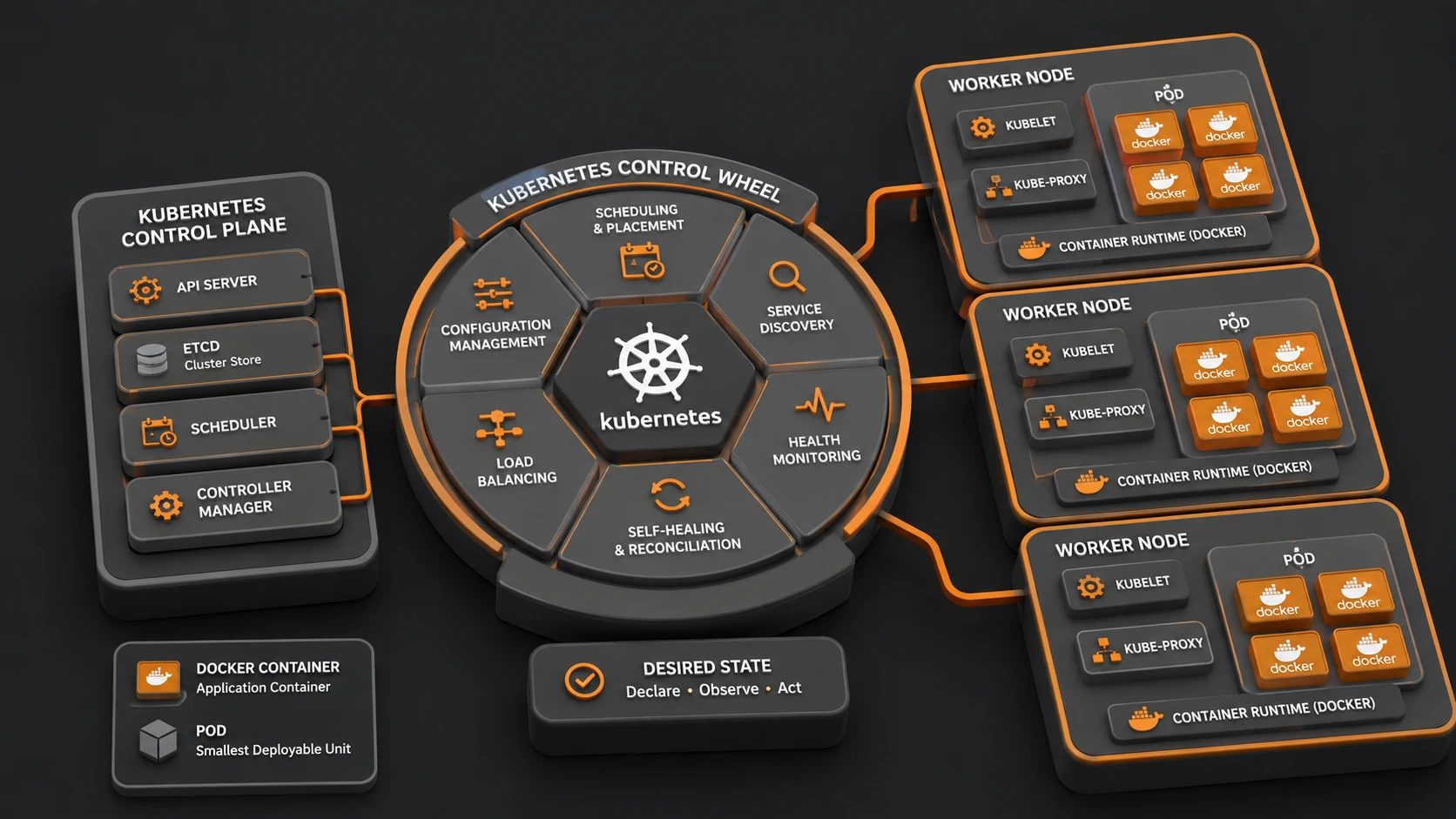
A simplified Kubernetes 1.17 infrastructure architecture appears below.
| Component | Responsibility |
|---|---|
| Kubernetes API Server | Cluster management |
| Scheduler | Workload placement |
| Worker Nodes | Execute Pods |
| Standardized Node Labels | Infrastructure metadata |
| External Cloud Provider | Cloud integration |
| Controller Manager | Cluster reconciliation |
| Pods | Application workloads |
Node labels provide scheduling metadata while cloud integrations increasingly evolve independently from Kubernetes core components.
Key Features
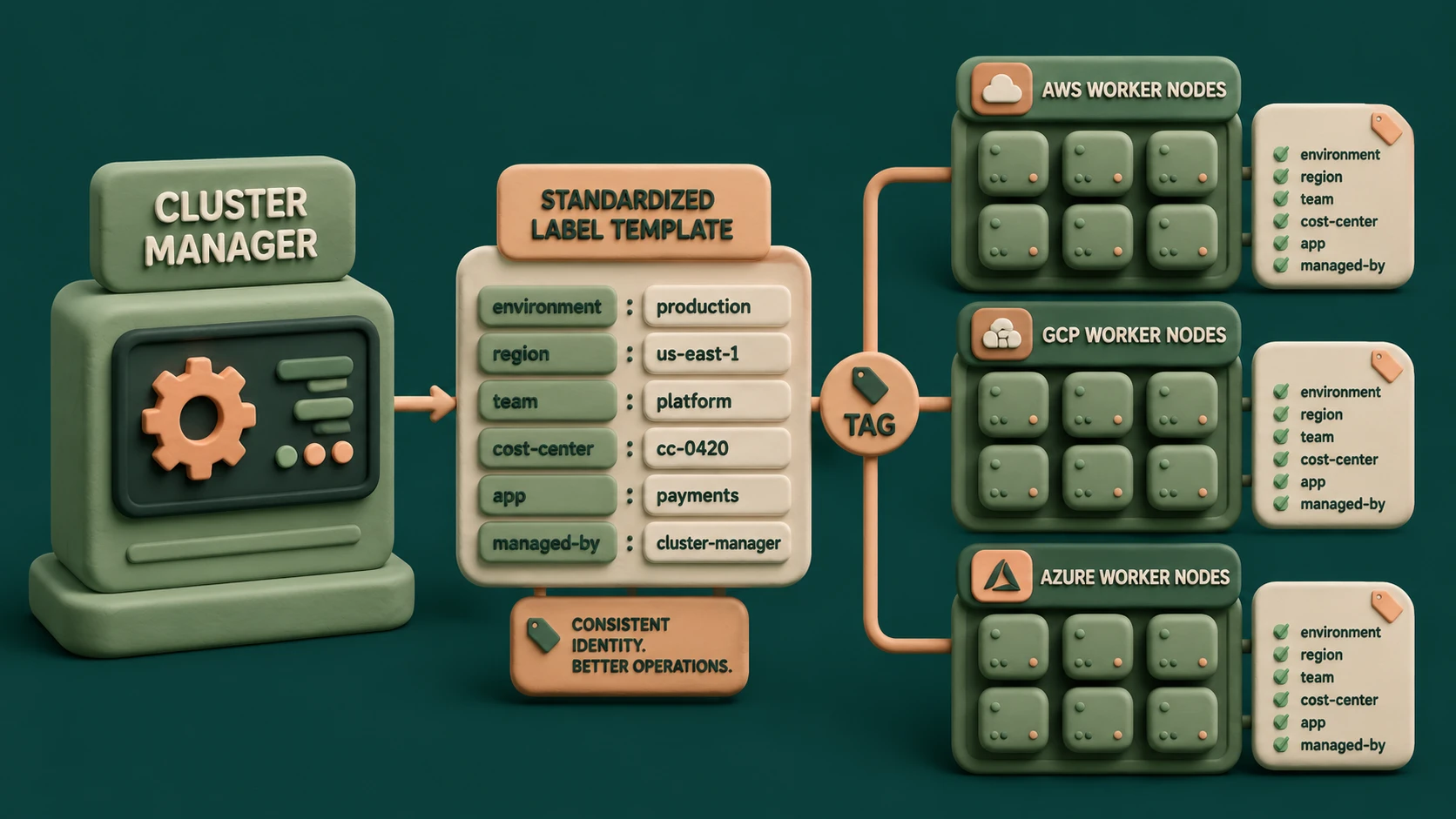
Standardized Cloud Provider Labels
One of the most important infrastructure improvements in Kubernetes 1.17 is the continued adoption of standardized node labels.
Rather than depending upon provider-specific naming conventions, Kubernetes increasingly defines consistent metadata for describing node characteristics.
These labels improve portability by allowing deployment policies to reference standardized infrastructure information instead of vendor-specific implementations.
Continued External Cloud Provider Migration
The Kubernetes project continues separating cloud-provider-specific functionality from the core codebase.
This architectural direction provides several advantages:
- ◆Independent cloud provider releases.
- ◆Reduced Kubernetes core complexity.
- ◆Faster infrastructure innovation.
- ◆Better long-term maintainability.
Cloud providers gain greater flexibility while Kubernetes core remains focused on orchestration responsibilities.
Improved Scheduling Consistency
Standardized labels simplify scheduling decisions across heterogeneous environments.
Administrators can define placement policies that remain more consistent across supported infrastructure providers.
Better Multi-Cloud Portability
Organizations deploying workloads across multiple cloud environments benefit from a more uniform metadata model.
Automation becomes easier to maintain because deployment logic relies less on provider-specific identifiers.
Infrastructure Automation
Operational tooling can consume standardized labels when performing:
- ◆Cluster inventory.
- ◆Capacity planning.
- ◆Deployment automation.
- ◆Compliance validation.
- ◆Infrastructure reporting.
Consistent metadata simplifies automation development.
Continued Platform Maturity
Although Kubernetes 1.17 includes many incremental improvements, infrastructure standardization represents one of the most significant long-term architectural investments for enterprise deployments.
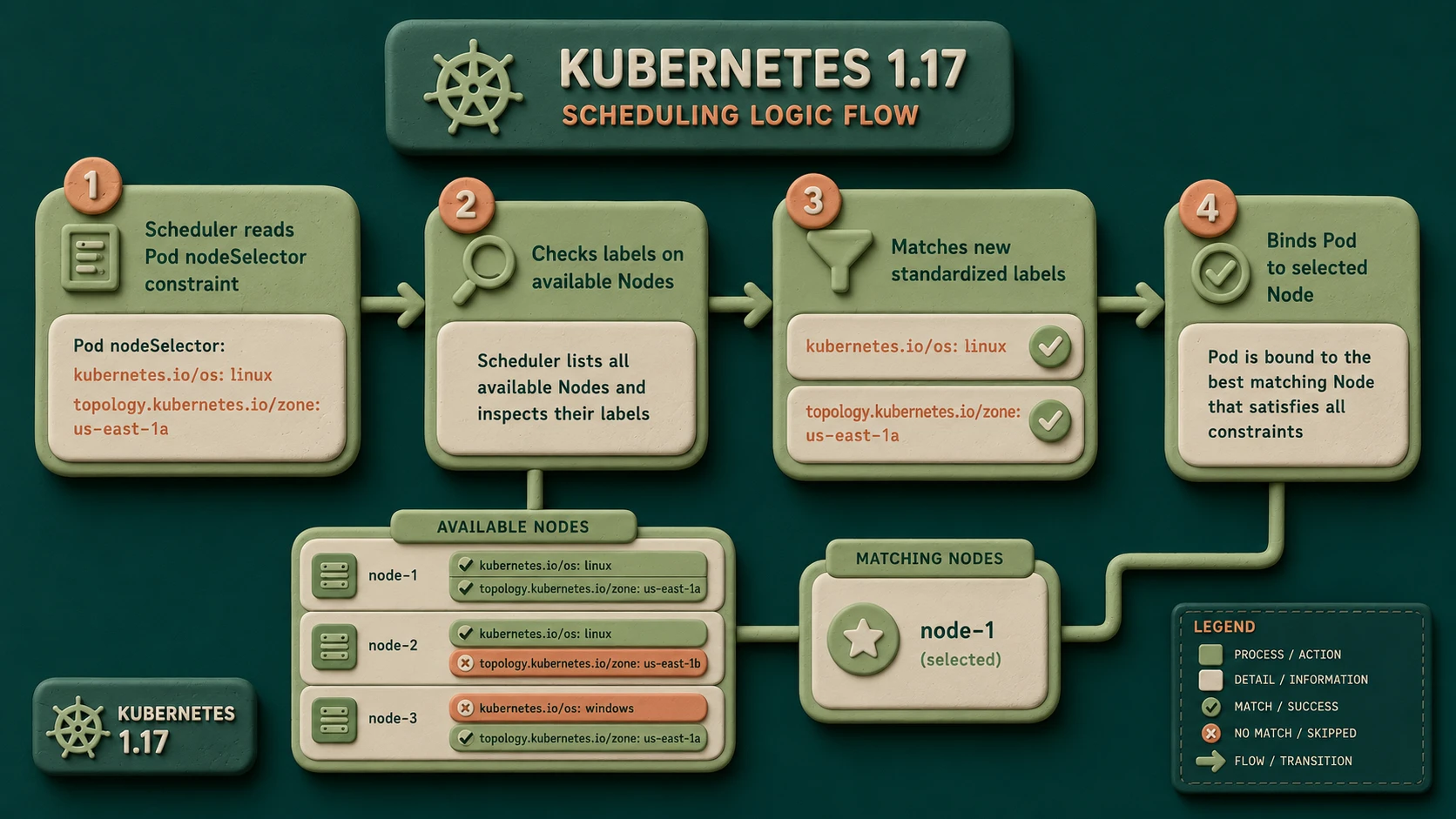
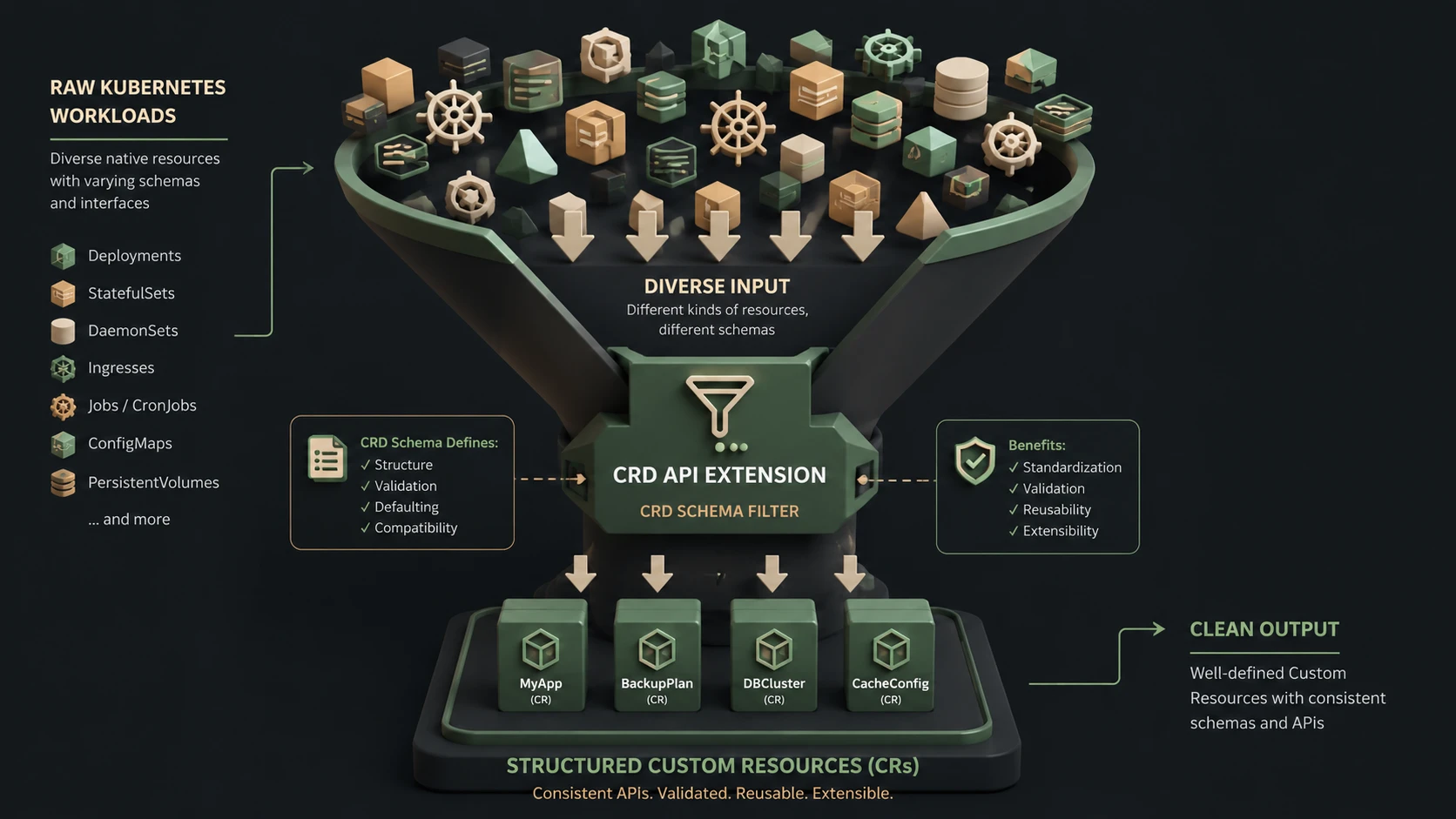
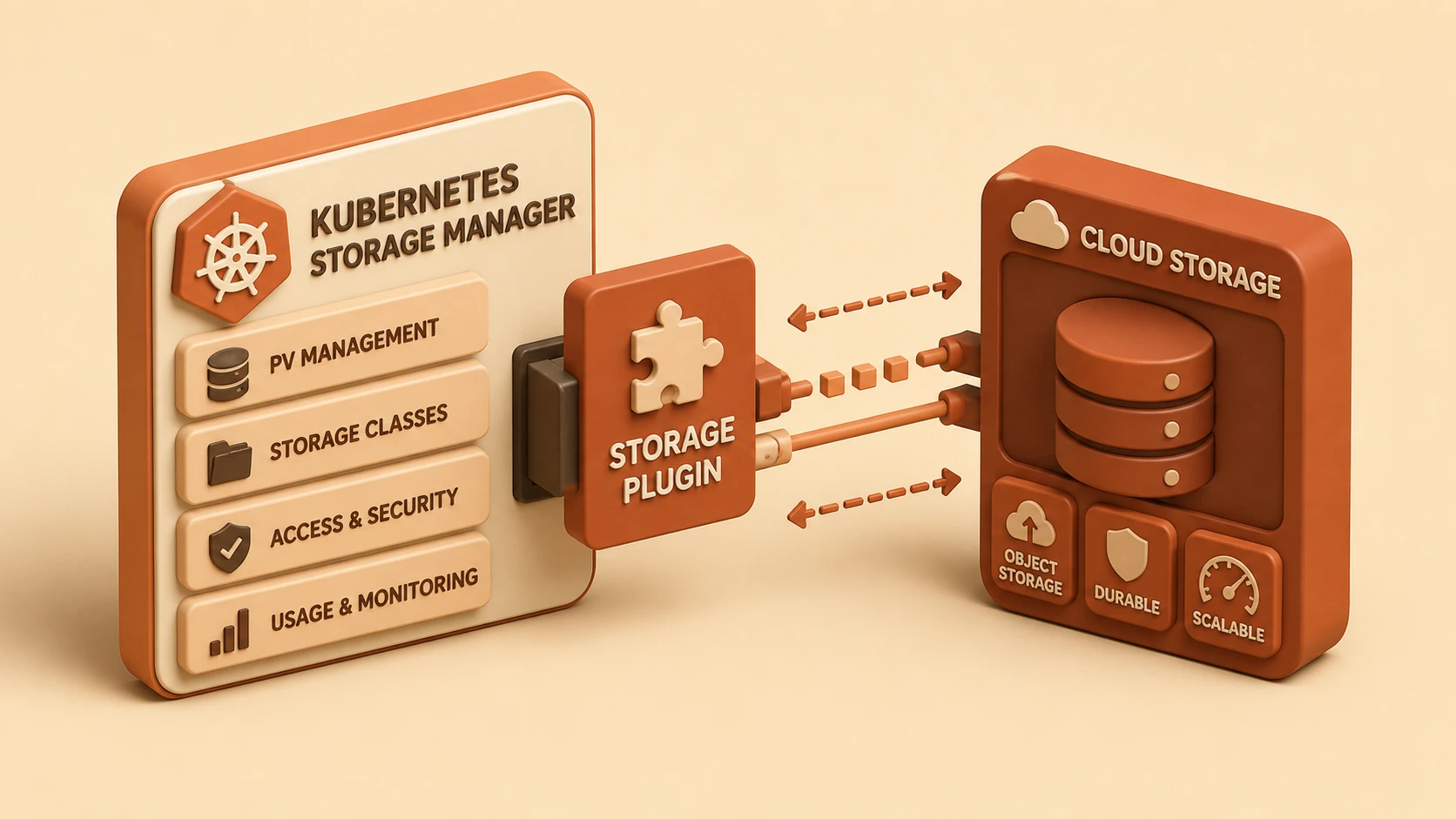
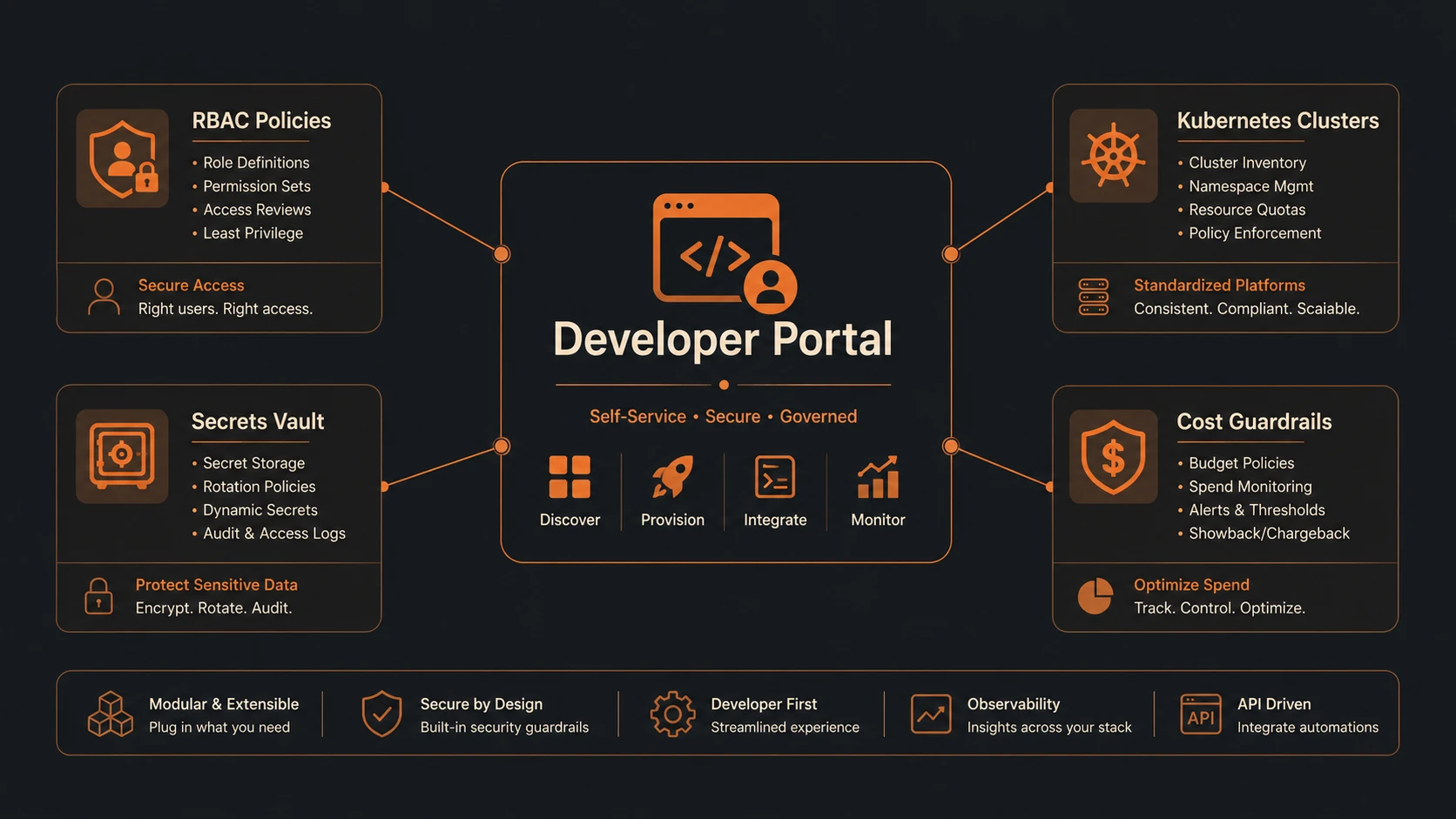
System architecture diagram and conceptual workflow layout for Kubernetes 1.17.
How It Works
A simplified scheduling workflow appears below.
Application Deployment
          |
Kubernetes Scheduler
          |
Read Standard Node Labels
          |
Evaluate Scheduling Policies
          |
Select Worker Node
          |
Deploy Pod
The scheduler evaluates standardized node metadata before assigning workloads to appropriate worker nodes.
Enterprise Use Cases
Hybrid Cloud Platforms
Organizations operating private infrastructure alongside public cloud services benefit from consistent scheduling metadata.
Multi-Cloud Deployments
Deployment automation becomes easier to standardize across multiple cloud providers.
Internal Platform Engineering
Platform teams gain a more predictable foundation for infrastructure automation.
Enterprise DevOps
Deployment pipelines can use standardized labels when targeting specific infrastructure characteristics.
Regulatory Environments
Infrastructure metadata supports workload placement policies required for operational governance.
Performance Considerations
Standardized labels primarily improve infrastructure organization rather than application runtime performance.
Organizations should evaluate:
- ◆Scheduler efficiency.
- ◆Label consistency.
- ◆Automation performance.
- ◆Cluster scalability.
- ◆Node inventory management.
- ◆Deployment latency.
Operational improvements arise primarily through simplified infrastructure management.
Security Considerations
Node metadata contributes to secure cluster operations when combined with broader Kubernetes security practices.
Organizations should continue implementing:
- ◆Role-Based Access Control.
- ◆Network Policies.
- ◆Secure admission control.
- ◆Node authentication.
- ◆Secrets management.
- ◆Audit logging.
Infrastructure labels should support, rather than replace, comprehensive security architecture.
Scalability
Kubernetes 1.17 strengthens scalability through:
- ◆Consistent infrastructure metadata.
- ◆Improved automation.
- ◆Better scheduling portability.
- ◆Reduced cloud-provider coupling.
- ◆Cleaner platform architecture.
These characteristics become increasingly valuable as enterprise clusters continue expanding across multiple environments.
Best Practices
Organizations adopting Kubernetes 1.17 should:
- ◆Standardize deployment policies around the new node labels.
- ◆Avoid introducing unnecessary provider-specific scheduling logic.
- ◆Review infrastructure automation scripts for compatibility.
- ◆Validate cluster upgrades in staging environments.
- ◆Keep cloud provider integrations aligned with Kubernetes guidance.
- ◆Monitor scheduling behavior after migration.
- ◆Document standardized infrastructure conventions.
Consistent operational practices improve long-term maintainability across enterprise Kubernetes environments.
Common Mistakes
| Mistake | Business Impact |
|---|---|
| Continuing to rely exclusively on provider-specific labels | Reduced portability |
| Mixing legacy and standardized labeling strategies inconsistently | Operational complexity |
| Skipping validation during cluster upgrades | Scheduling inconsistencies |
| Ignoring infrastructure documentation | Increased maintenance effort |
| Hardcoding cloud-specific assumptions into deployment automation | Vendor lock-in |
| Neglecting operational testing after migration | Deployment risk |
Successful adoption depends on treating standardized metadata as part of a broader infrastructure modernization strategy.
Technology Comparison
| Characteristic | Earlier Kubernetes Releases | Kubernetes 1.17 |
|---|---|---|
| Node Metadata | Greater provider-specific variation | Increased label standardization |
| Cloud Integration | More functionality within Kubernetes core | Continued externalization |
| Infrastructure Portability | Good | Further improved |
| Multi-Cloud Consistency | Platform dependent | Stronger standardization |
| Operational Automation | Provider-specific implementations common | More consistent infrastructure metadata |
Kubernetes 1.17 continues refining infrastructure architecture while reducing long-term operational complexity.
Adoption Strategy
Organizations should approach Kubernetes 1.17 through incremental infrastructure modernization.
- 1.Upgrade non-production clusters first.
- 2.Review node labeling conventions.
- 3.Update deployment automation to use standardized labels.
- 4.Validate scheduler behavior across representative workloads.
- 5.Coordinate upgrades with cloud provider integrations.
- 6.Expand production rollout after operational validation.
This phased strategy minimizes operational risk while allowing infrastructure teams to benefit from improved portability and standardization.
Limitations
As of December 2019, organizations should recognize several considerations.
- ◆Existing automation may require updates to align with standardized labels.
- ◆Hybrid environments should validate metadata consistency across providers.
- ◆Infrastructure modernization should occur gradually to avoid deployment disruption.
- ◆Cloud provider integrations continue evolving independently.
- ◆Operational testing remains essential before organization-wide adoption.
These considerations should guide enterprise Kubernetes upgrade planning.
Looking Ahead
From the perspective of December 2019, Kubernetes 1.17 continues the project's steady evolution toward a more modular, portable, and enterprise-focused orchestration platform. Standardized cloud provider labels and the ongoing migration of cloud-specific functionality outside Kubernetes core demonstrate a long-term architectural commitment to reducing platform coupling while improving operational consistency.
Organizations investing in hybrid cloud, multi-cloud infrastructure, and internal platform engineering should view Kubernetes 1.17 as an important refinement that strengthens infrastructure automation, scheduling portability, and long-term maintainability. Rather than introducing dramatic user-facing capabilities, this release reinforces the architectural foundations required for operating production Kubernetes clusters at enterprise scale.