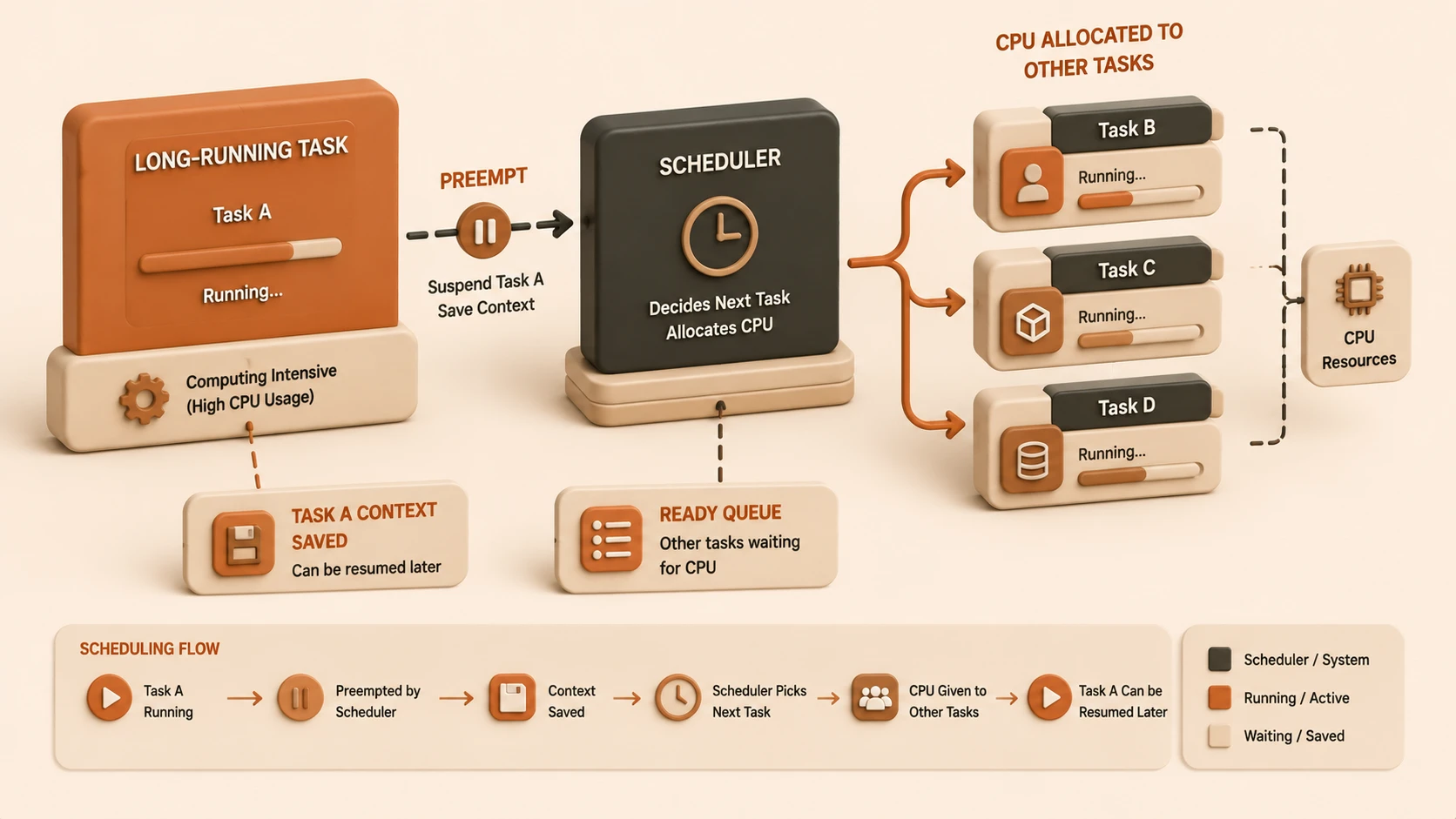
Introduction
Go has rapidly established itself as one of the preferred programming languages for cloud-native infrastructure, distributed systems, networking software, developer tooling, and microservices. Its straightforward syntax, fast compilation, efficient concurrency model, and predictable runtime behavior have made it particularly attractive to organizations building highly scalable backend systems.
As enterprise adoption has expanded, developers have increasingly requested improvements in two areas: dependency management and runtime scheduling. Large engineering teams require reproducible builds with reliable version management, while production services handling thousands of concurrent requests benefit from a scheduler capable of maintaining low latency under heavy workloads.
Go 1.14 addresses both concerns. Go Modules continue their evolution into the recommended dependency management system, while asynchronous goroutine preemption significantly improves scheduler responsiveness by allowing long-running goroutines to be interrupted safely.
Rather than introducing dramatic language changes, Go 1.14 strengthens the development and runtime experience, making it an important release for organizations deploying production Go services.
Industry Background
Go is increasingly used for:
- ◆Cloud-native applications
- ◆Kubernetes tooling
- ◆REST APIs
- ◆gRPC services
- ◆Networking software
- ◆Distributed systems
- ◆DevOps automation
- ◆Command-line utilities
As these systems grow in complexity, efficient dependency management and predictable runtime performance become increasingly important.
The Business Problem
Enterprise development teams commonly encounter:
- ◆Dependency version conflicts
- ◆Inconsistent build environments
- ◆Long-running goroutines delaying scheduling
- ◆Latency spikes under heavy CPU workloads
- ◆Complex release management
- ◆Scaling backend services across multiple environments
Organizations require language tooling that minimizes operational complexity while maintaining high runtime efficiency.
Understanding Go 1.14
Go 1.14 focuses primarily on runtime improvements, module maturity, and developer productivity.
Key objectives include:
- ◆Mature Go Modules
- ◆Improved scheduler responsiveness
- ◆Better runtime behavior
- ◆Faster development workflows
- ◆Improved tooling
- ◆Production reliability
These enhancements strengthen Go without changing its core programming model.
Core Architecture
| Component | Responsibility |
|---|---|
| Go Compiler | Compiles source code |
| Go Modules | Dependency management |
| Runtime Scheduler | Manages goroutines |
| Goroutines | Lightweight concurrent execution |
| Garbage Collector | Automatic memory management |
| Go Toolchain | Build, test, and package management |
Together these components provide a complete platform for building scalable backend applications.
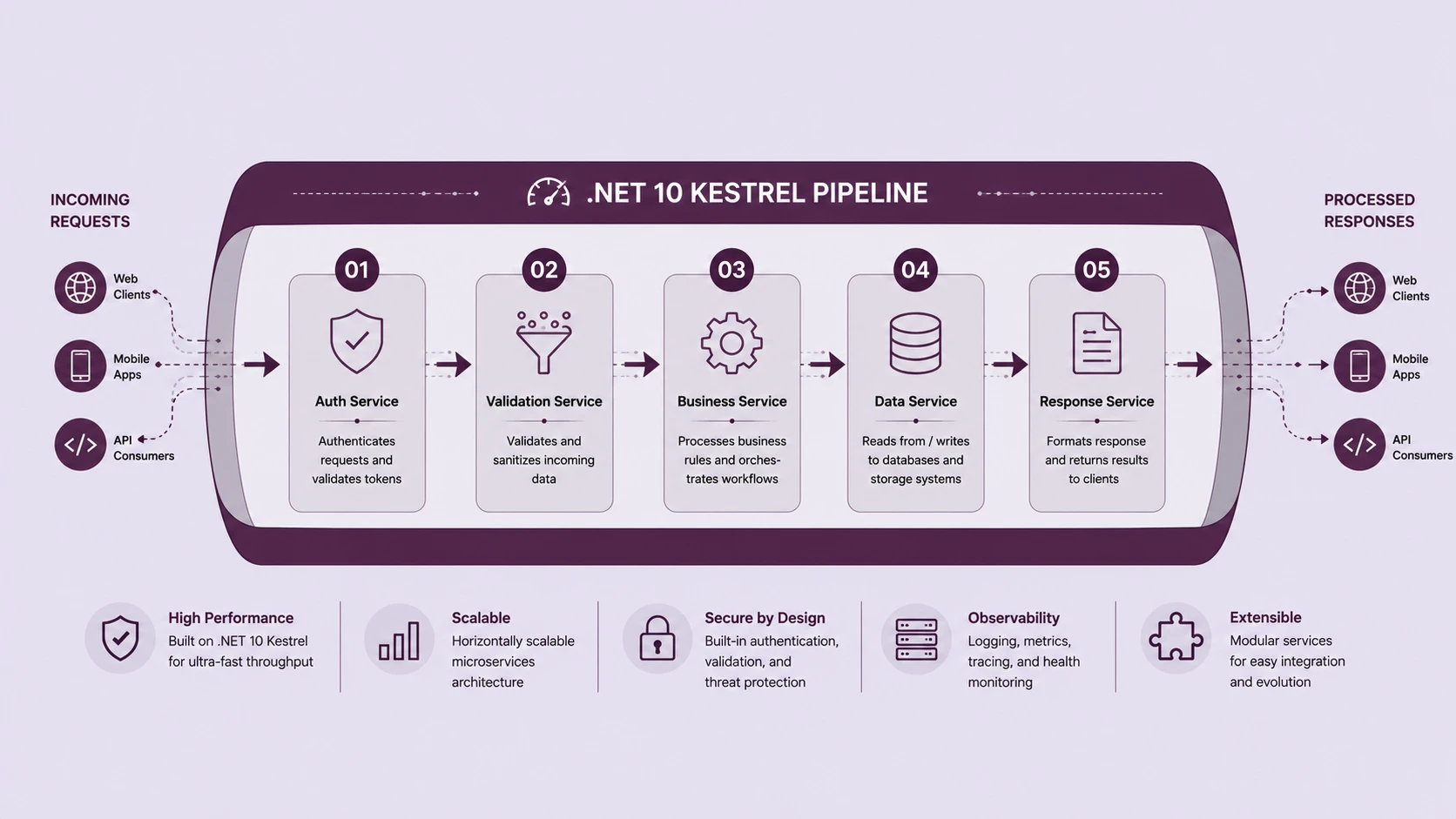
How Go 1.14 Works
- 1.Developers manage project dependencies using Go Modules.
- 2.Source code is compiled through the Go toolchain.
- 3.Applications execute using the Go runtime.
- 4.Goroutines perform concurrent tasks.
- 5.The runtime scheduler allocates CPU time efficiently.
- 6.Asynchronous preemption prevents long-running goroutines from monopolizing processors.
- 7.Applications continue serving requests with improved responsiveness.
Production Go Modules
Go Modules continue maturing as the standard dependency management system.
Organizations benefit from:
- ◆Explicit dependency versions
- ◆Reproducible builds
- ◆Simplified project management
- ◆Reduced reliance on GOPATH
- ◆Better collaboration across engineering teams
For new projects, Go Modules should be considered the preferred dependency management approach.
Asynchronous Goroutine Preemption
One of the most important runtime improvements in Go 1.14 is asynchronous goroutine preemption.
Earlier scheduler behavior relied primarily on goroutines reaching safe scheduling points before relinquishing execution.
Go 1.14 enables the runtime to preempt long-running goroutines more effectively.
Benefits include:
- ◆Lower scheduling latency
- ◆Improved responsiveness
- ◆Better CPU utilization
- ◆More predictable execution under heavy workloads
- ◆Reduced starvation of other goroutines
This enhancement is particularly valuable for compute-intensive applications where long-running loops previously delayed scheduler decisions.
Runtime Improvements
Go 1.14 also includes numerous runtime refinements.
Areas receiving continued attention include:
- ◆Scheduler efficiency
- ◆Runtime diagnostics
- ◆Compiler optimizations
- ◆Toolchain stability
- ◆Memory management
These improvements collectively enhance production reliability.
Key Features
Mature Go Modules
Dependency management becomes the recommended approach for modern Go development.
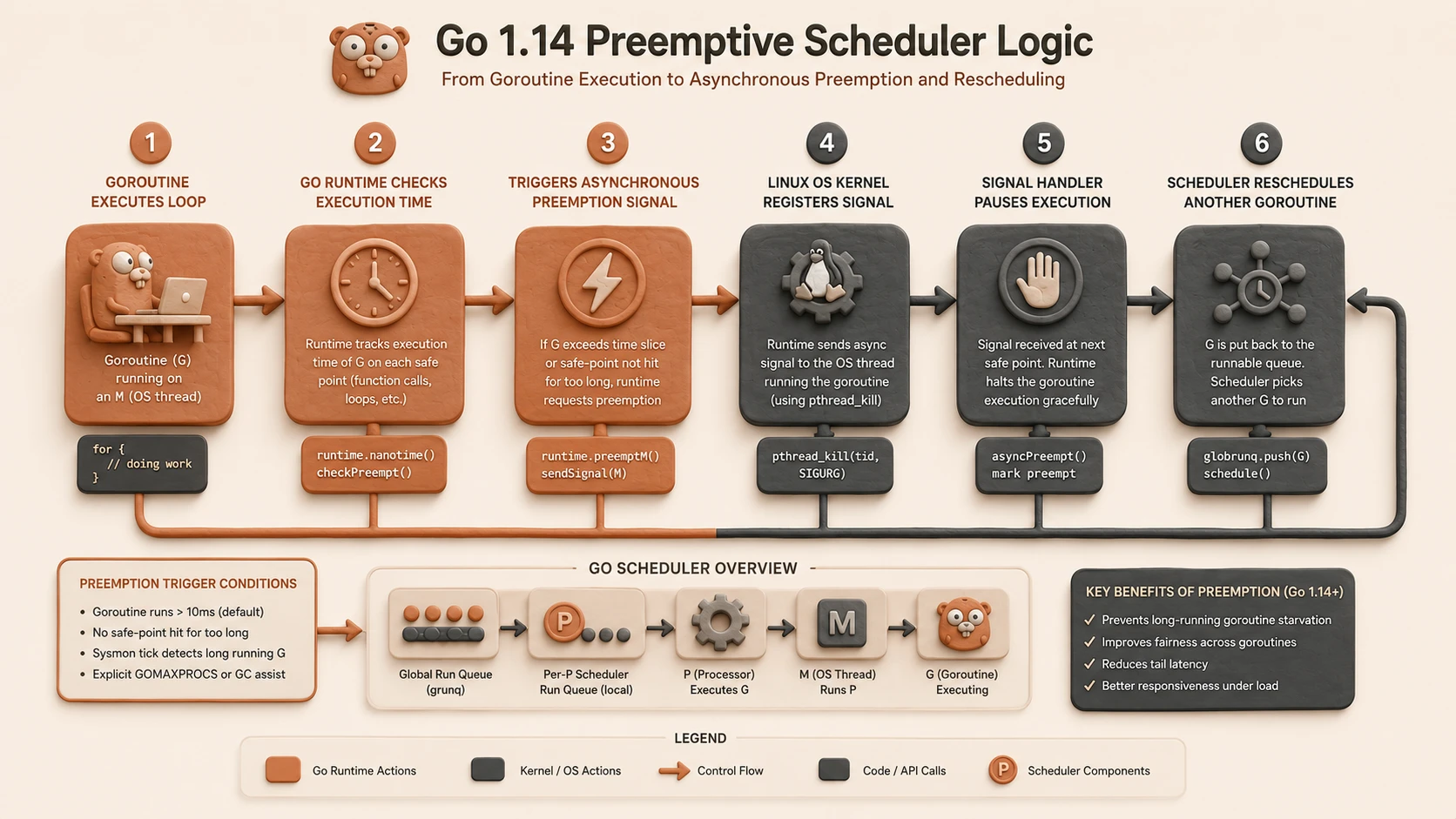
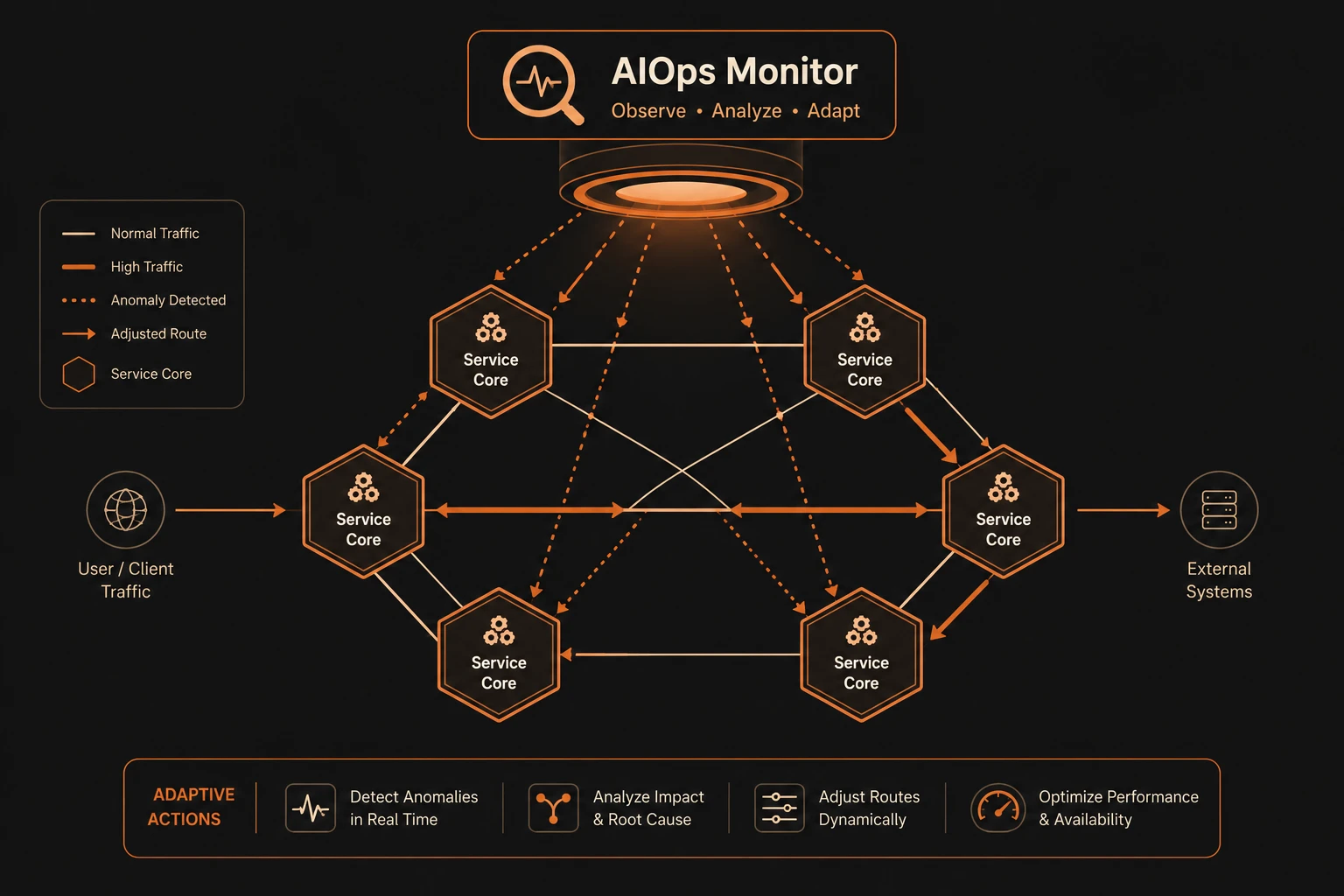
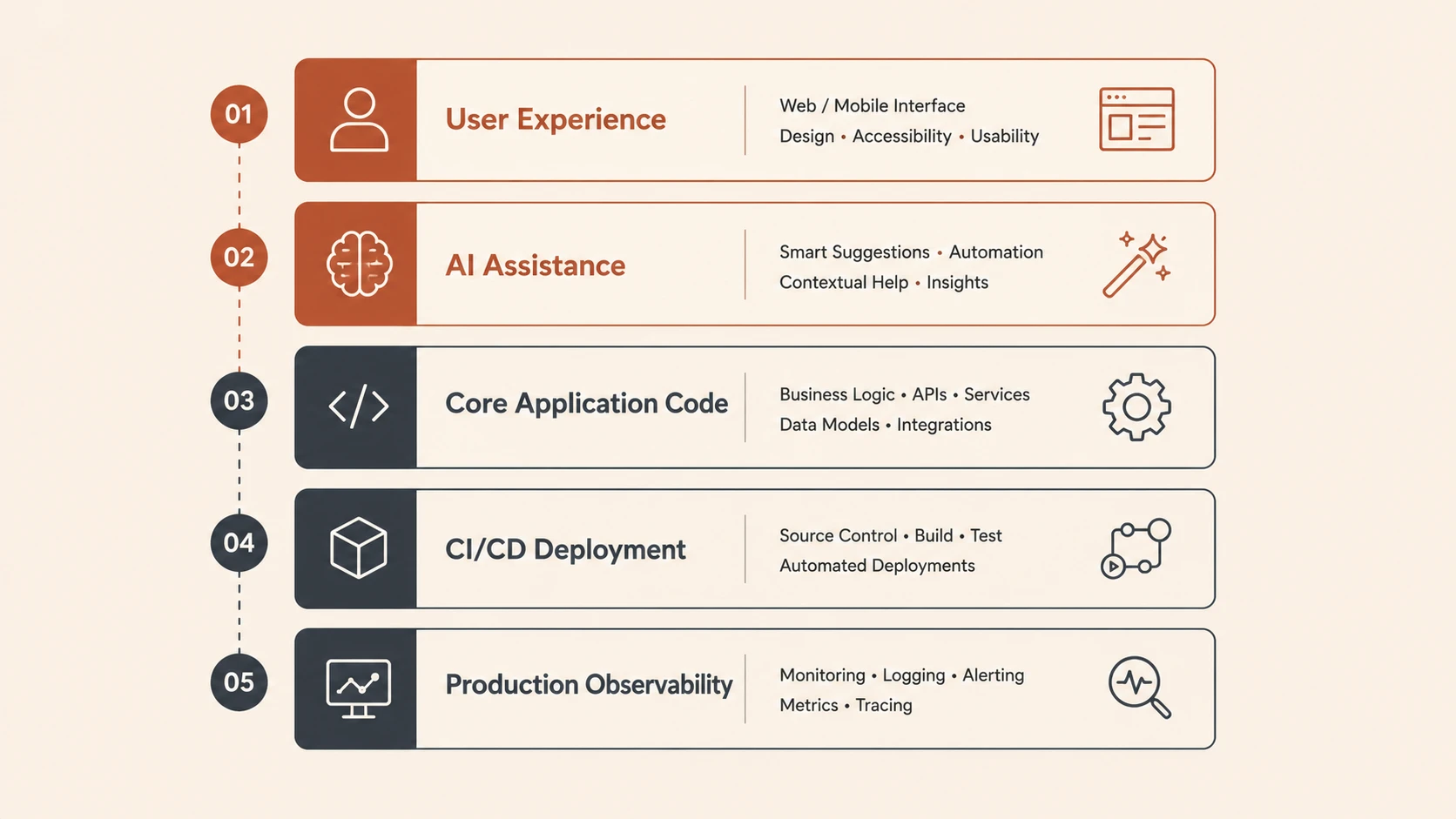
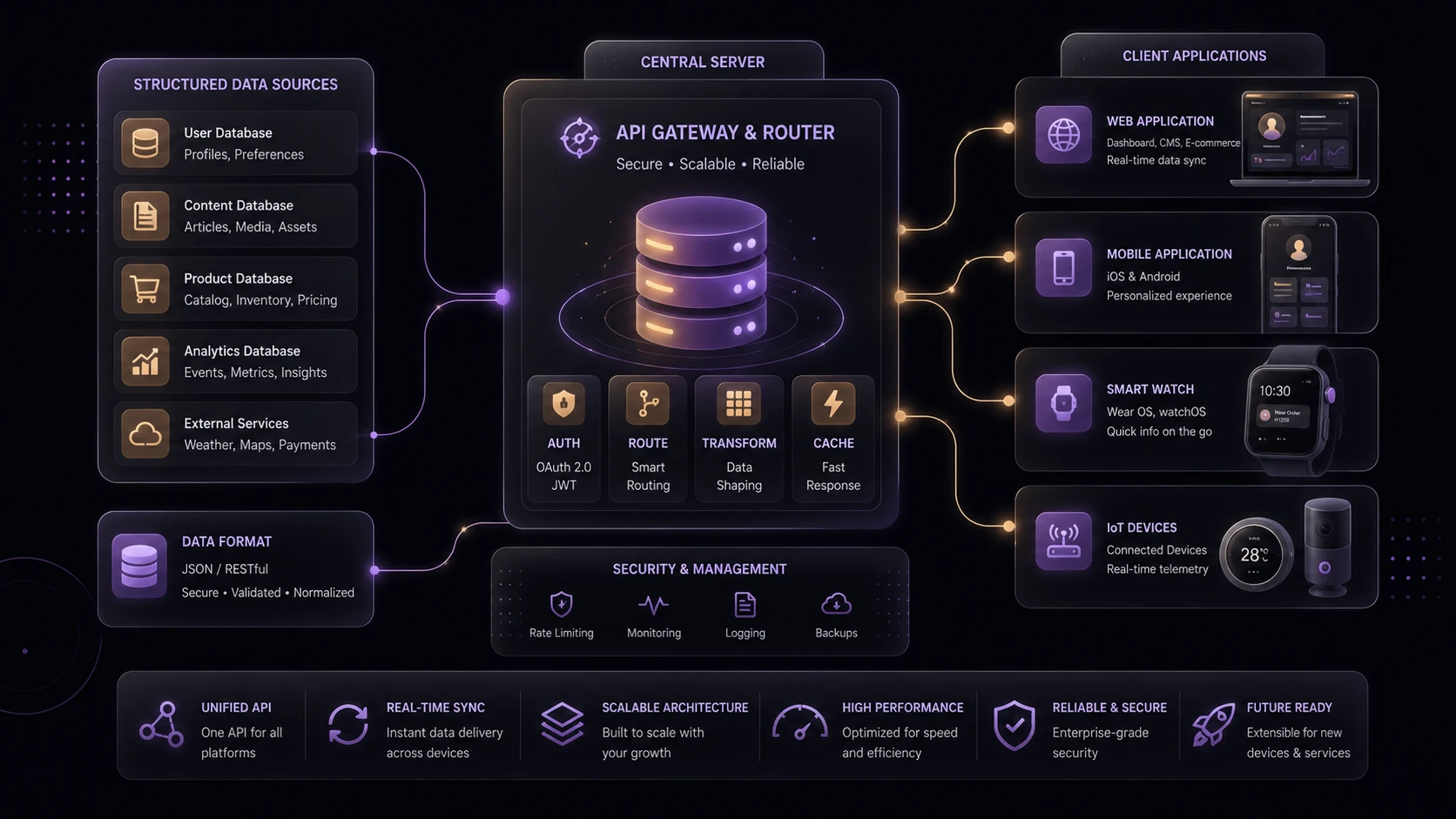
System architecture diagram and conceptual workflow layout for Go 1.14: Production Modules and Goroutine Preemptive Scheduling.
Asynchronous Goroutine Preemption
Long-running goroutines no longer delay scheduler responsiveness unnecessarily.
Improved Runtime Performance
Runtime enhancements improve overall execution consistency.
Stable Toolchain
Go continues emphasizing predictable development workflows.
Cloud-Native Readiness
The language remains well suited for containerized and distributed applications.
Enterprise Use Cases
Microservices
Improved scheduler behavior benefits high-concurrency backend services.
Kubernetes Controllers
Efficient runtime scheduling improves responsiveness for control loops.
API Platforms
Go Modules simplify dependency management across multiple services.
Networking Software
Concurrency improvements support high-throughput network processing.
DevOps Tooling
Predictable builds simplify software distribution and maintenance.
Performance Considerations
Organizations should evaluate:
- ◆Scheduler latency
- ◆CPU utilization
- ◆Request throughput
- ◆Module download performance
- ◆Build reproducibility
- ◆Memory allocation
Benchmarking should be performed using production-like workloads to measure the benefits of asynchronous preemption.
Security Considerations
Go 1.14 does not fundamentally change application security practices.
Enterprise teams should continue implementing:
- ◆Secure dependency review
- ◆HTTPS communication
- ◆Authentication and authorization
- ◆Input validation
- ◆Regular dependency updates
- ◆Secure build pipelines
Go Modules make dependency tracking more transparent, supporting stronger software supply chain practices.
Scalability
Go 1.14 improves scalability through:
- ◆Efficient goroutine scheduling
- ◆Reliable dependency management
- ◆Stable runtime behavior
- ◆Fast compilation
- ◆Lightweight concurrency
These capabilities continue making Go a strong choice for cloud-native infrastructure and distributed systems.
Best Practices
- ◆Use Go Modules for all new projects.
- ◆Commit module definition files into version control.
- ◆Benchmark applications after upgrading to Go 1.14.
- ◆Continue writing small, focused goroutines.
- ◆Profile CPU-intensive workloads.
- ◆Keep dependencies current.
- ◆Automate builds and testing.
- ◆Monitor runtime behavior in production.
Common Mistakes
| Mistake | Enterprise Impact |
|---|---|
| Continuing to rely on legacy dependency workflows | Reduced maintainability |
| Ignoring module version management | Inconsistent builds |
| Assuming scheduler improvements eliminate all performance bottlenecks | Misleading performance expectations |
| Creating excessively large concurrent workloads without profiling | Reduced efficiency |
| Skipping benchmark comparisons after upgrading | Missed optimization opportunities |
| Neglecting automated testing | Lower software quality |
Technology Comparison
| Capability | Go 1.13 | Go 1.14 |
|---|---|---|
| Go Modules | Mature | Recommended for Production |
| Goroutine Scheduling | Cooperative Safe Points | Asynchronous Preemption |
| Runtime Responsiveness | Strong | Improved |
| Toolchain Stability | High | Enhanced |
| Enterprise Readiness | Excellent | Improved |
| Cloud-Native Development | Excellent | Enhanced |
Adoption Strategy
- 1.Upgrade development environments to Go 1.14.
- 2.Migrate remaining projects to Go Modules.
- 3.Validate third-party dependency compatibility.
- 4.Benchmark production workloads.
- 5.Measure scheduler responsiveness.
- 6.Update CI/CD pipelines.
- 7.Train development teams on module best practices.
- 8.Roll out upgrades incrementally across production services.
Limitations
As of February 2020, Go 1.14 introduces meaningful runtime improvements while preserving compatibility with existing Go applications. Organizations should still benchmark workloads after upgrading because the performance impact of asynchronous preemption depends on application characteristics. Teams migrating older projects should also plan dependency transitions carefully when adopting Go Modules.
Looking Ahead
From the perspective of February 2020, Go 1.14 represents another significant step in the language's evolution as an enterprise development platform. Production-ready Go Modules simplify dependency management across large engineering organizations, while asynchronous goroutine preemption improves scheduler responsiveness for highly concurrent applications. Together, these enhancements reinforce Go's position as a dependable choice for building cloud-native services, distributed systems, and modern backend infrastructure.