Build Smarter.
Ship Faster.AI Agent DevelopmentAI Agent DevelopmentMulti-Agent AI & SwarmsAdvanced Hybrid RAG EnginesLLM Cost OptimizationLegacy .NET ModernizationEnterprise SaaS Engineering
Deep technical content on agentic AI systems, LLM cost optimization, Commander Architecture, and production SaaS engineering — from 18+ years of building.
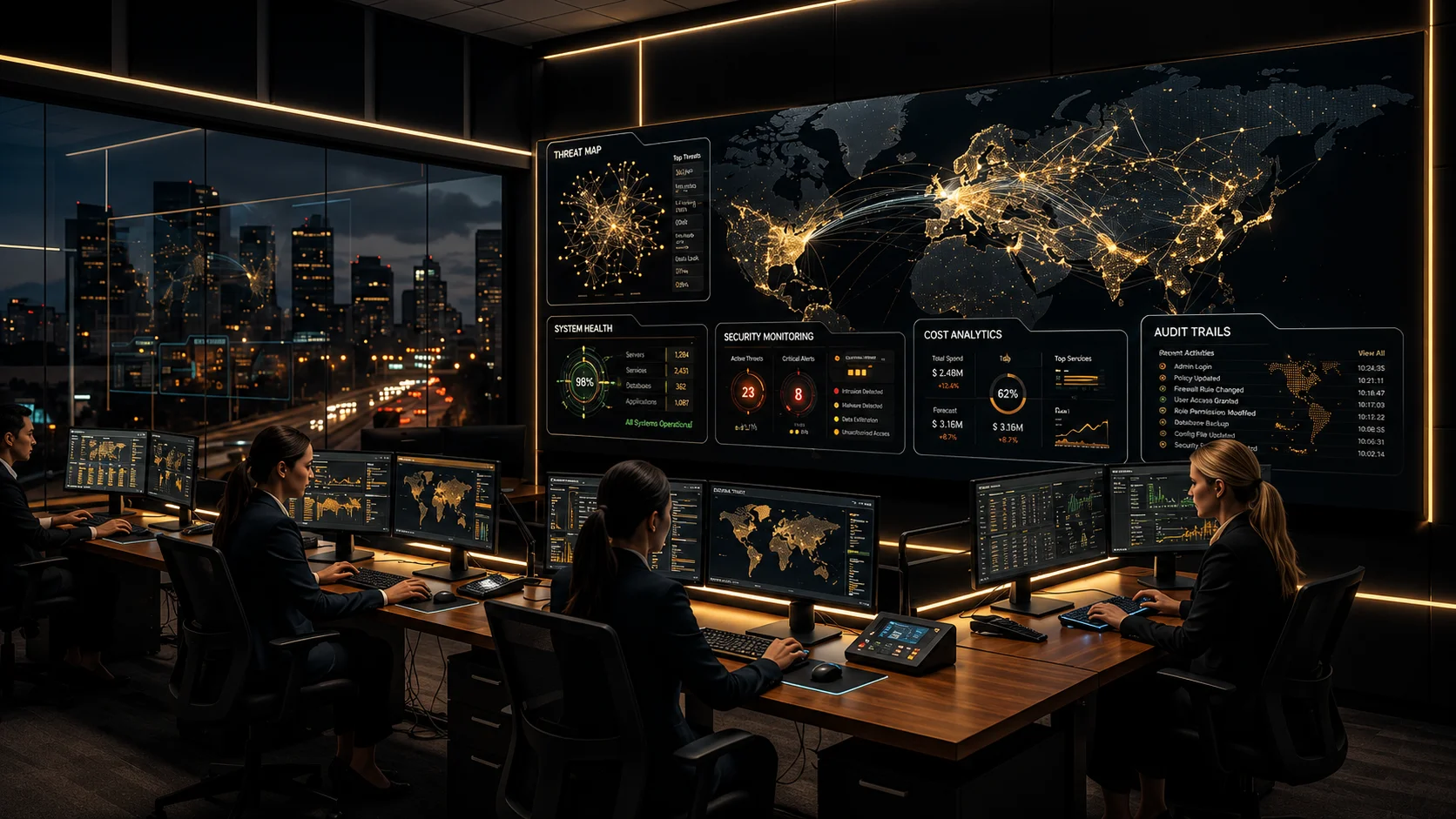
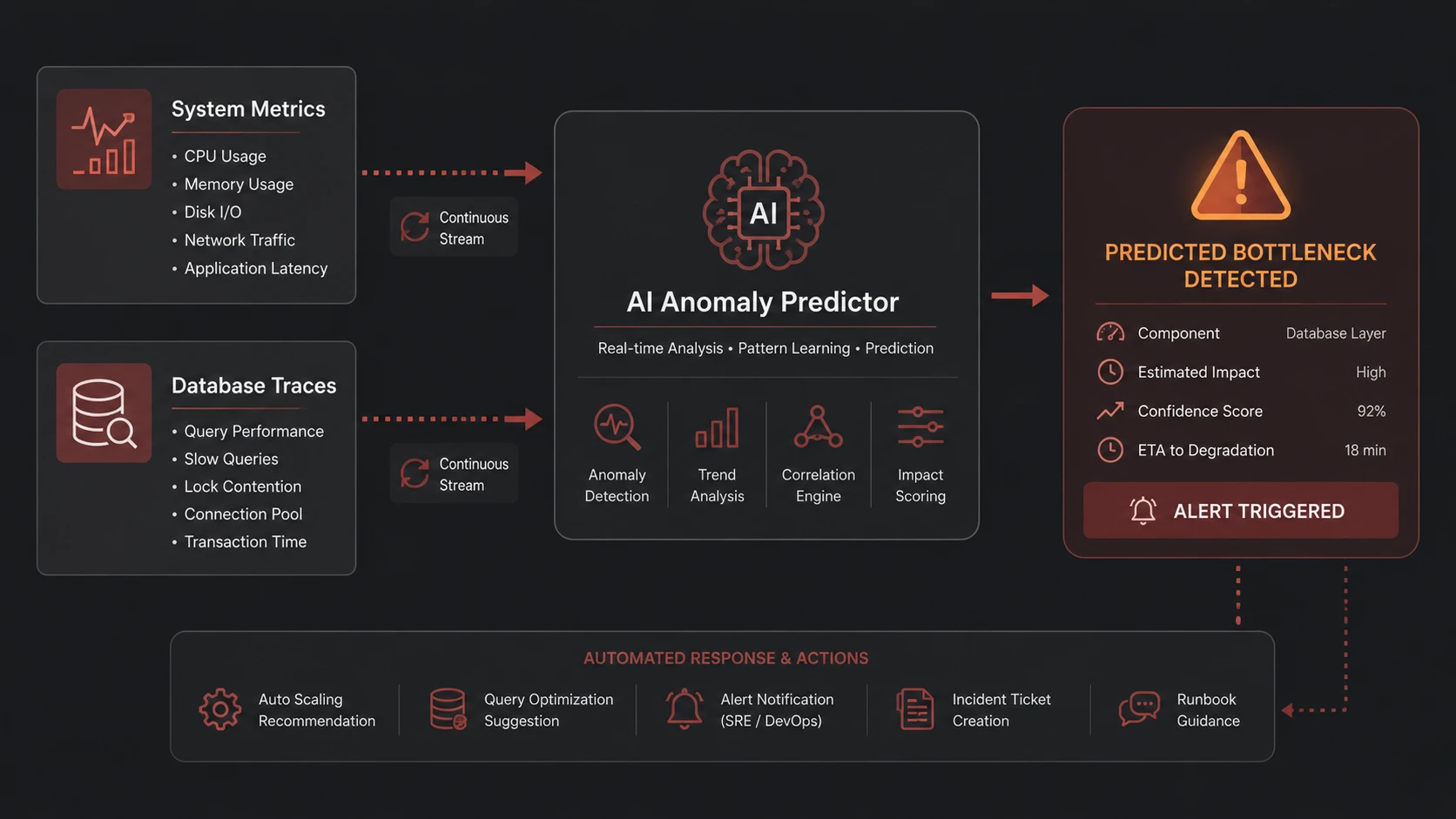
Observability 3.0: Predictive, Adaptive and Autonomous Systems
Learn how Observability 3.0 combines AI, machine learning, distributed telemetry, predictive analytics, and autonomous remediation to build self-monitoring and self-healing enterprise systems.
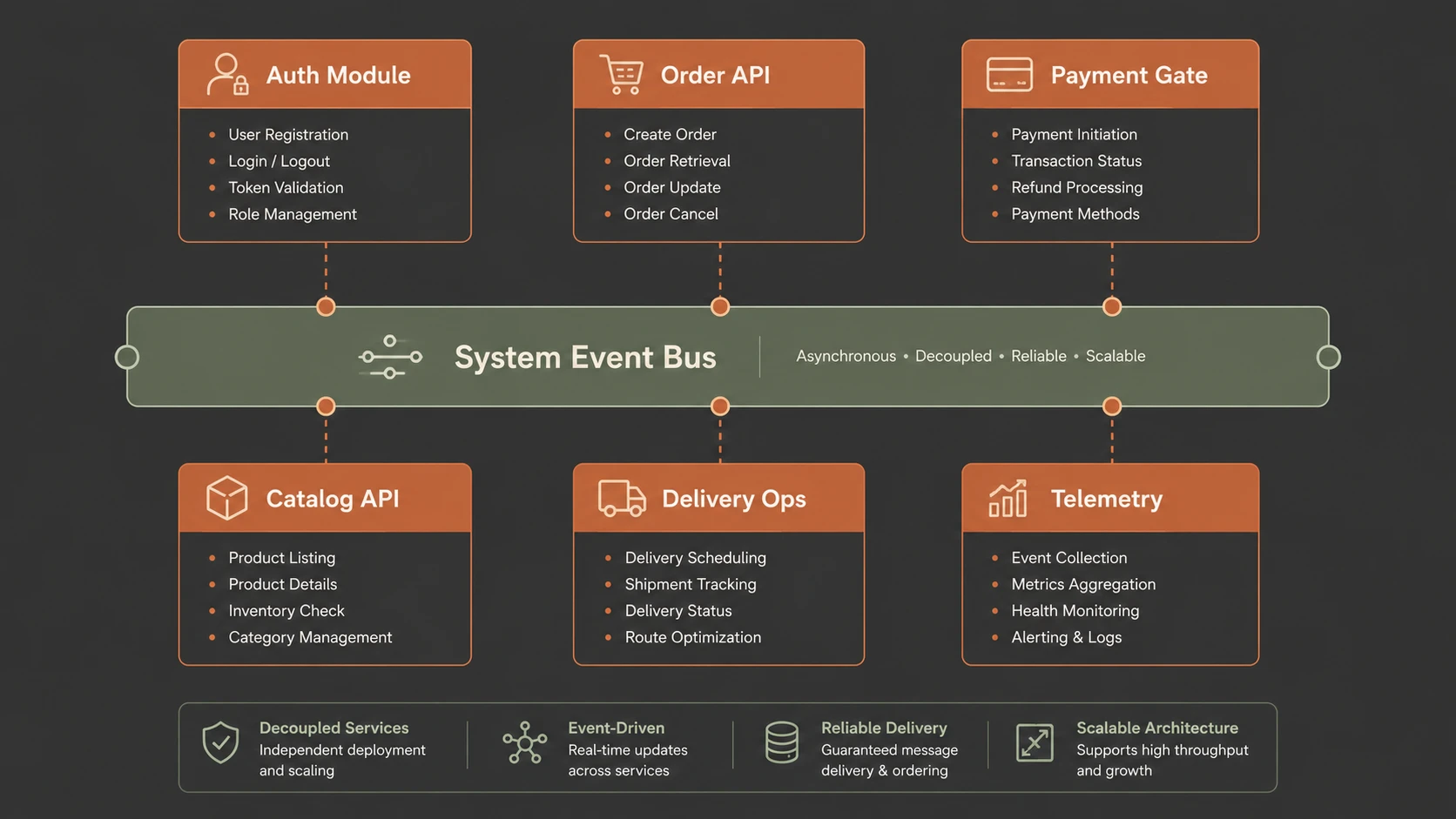
Composable Business Logic: Feature Modules as Independent Products
Learn how modern enterprises are replacing monolithic business logic with composable feature modules, enabling independent development, deployment, versioning, and AI-ready business capabilities across distributed platforms.
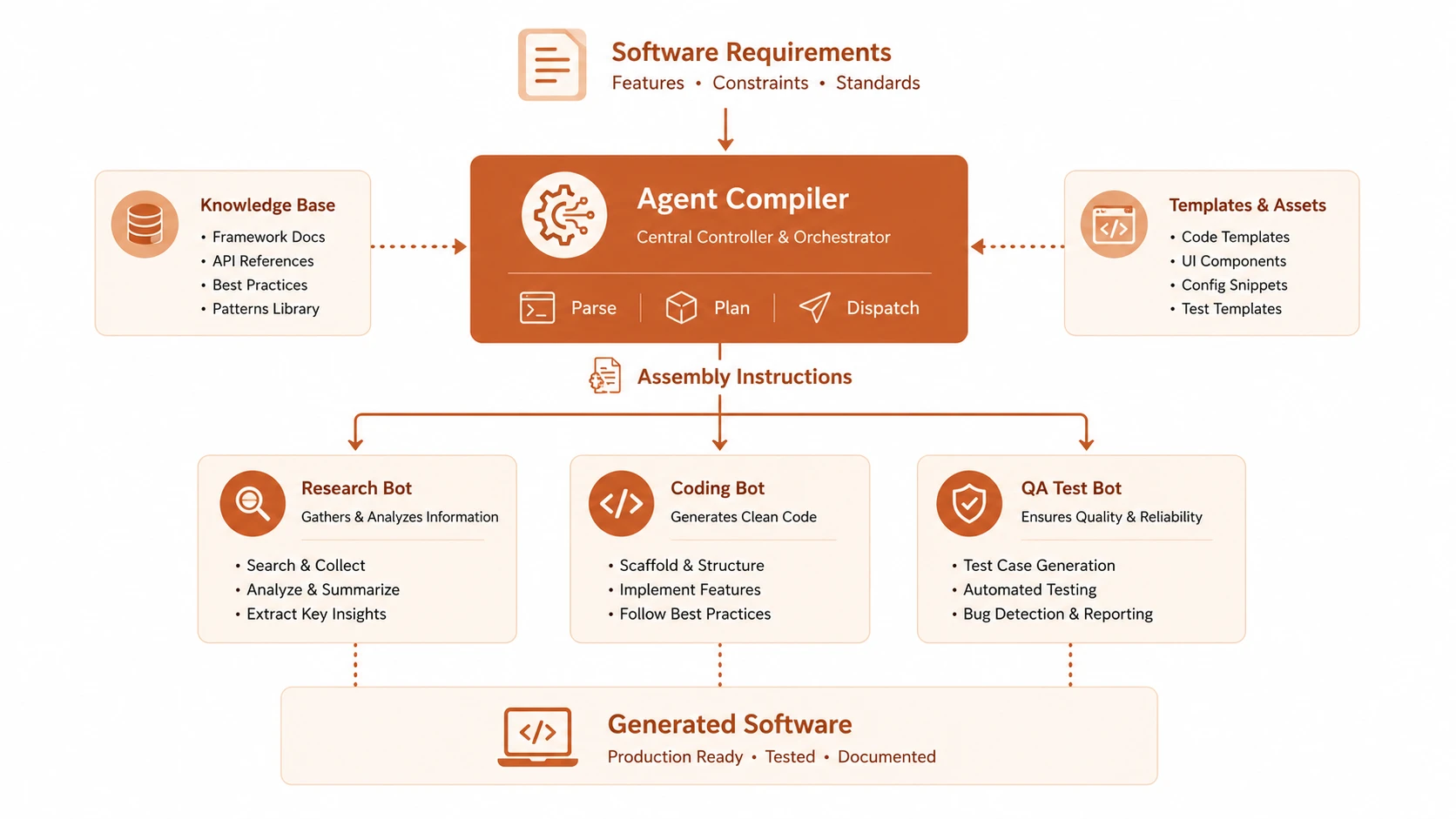
Agentic DevTools: Bots That Build Other Bots
Discover how Agentic DevTools enable autonomous software engineering by allowing AI agents to generate, evaluate, optimize, and deploy other AI agents, accelerating enterprise AI development and reducing manual engineering effort.
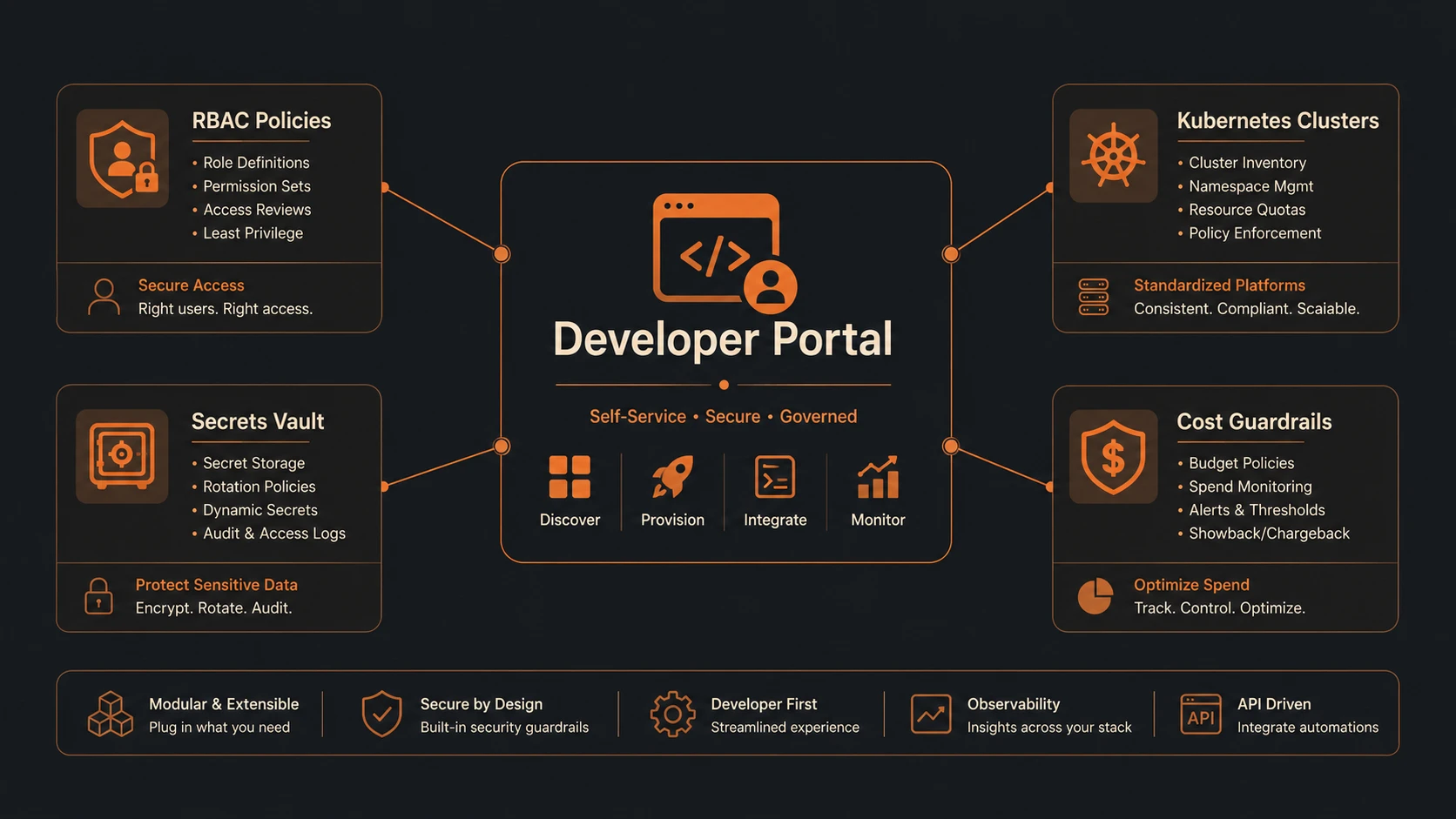
Platform Engineering Governance: Managing Complexity at Scale
Discover how platform engineering governance establishes standardized developer platforms, policy automation, self-service infrastructure, security guardrails, and operational consistency across large enterprise engineering organizations.
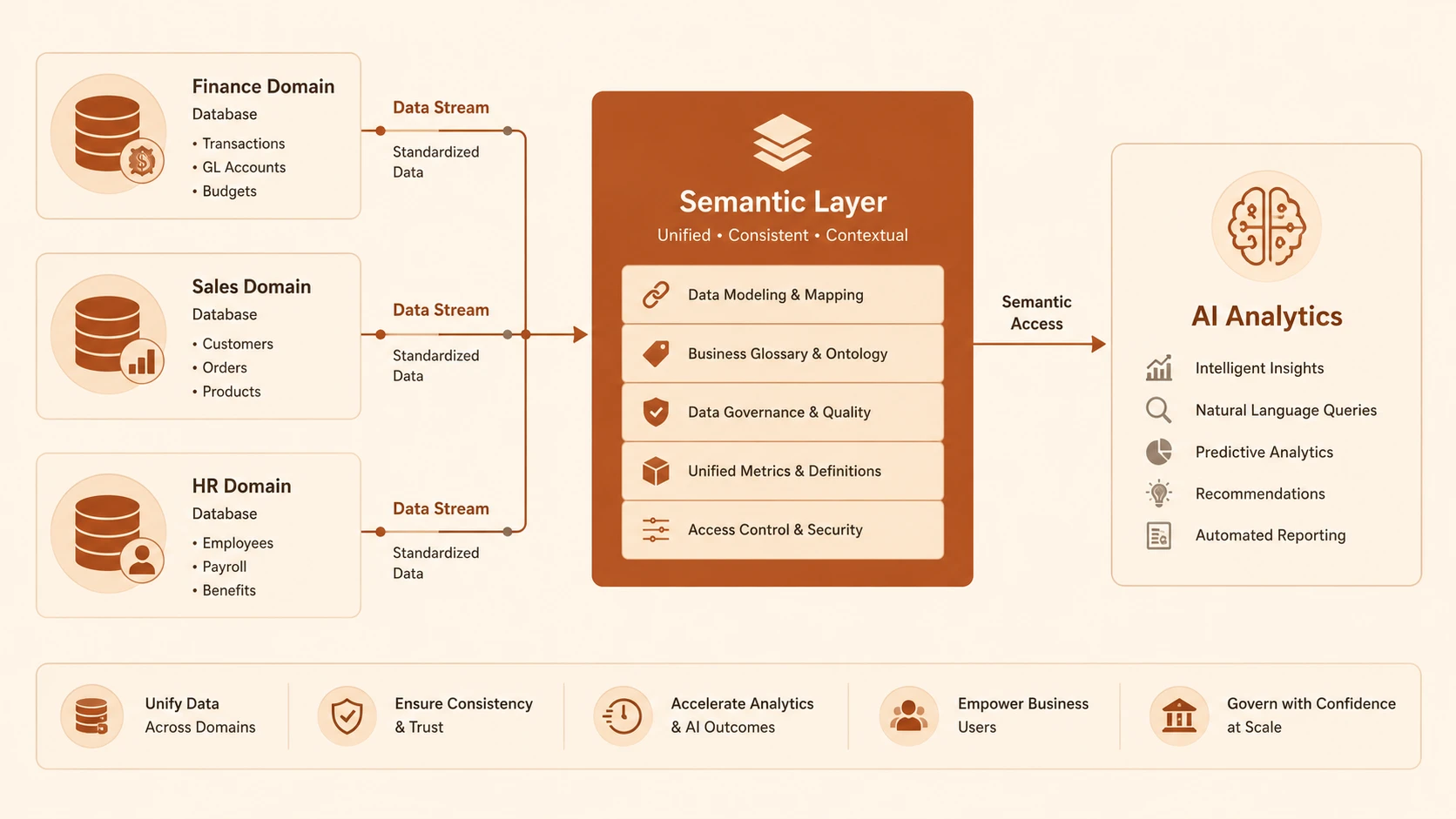
Data Fabric 2.0: Semantic Layers, Domain-Driven Data and Real-Time Insights
Learn how Data Fabric 2.0 transforms enterprise data architecture through semantic layers, domain-oriented data products, real-time analytics, event streaming, and AI-ready data ecosystems for faster business decision-making.
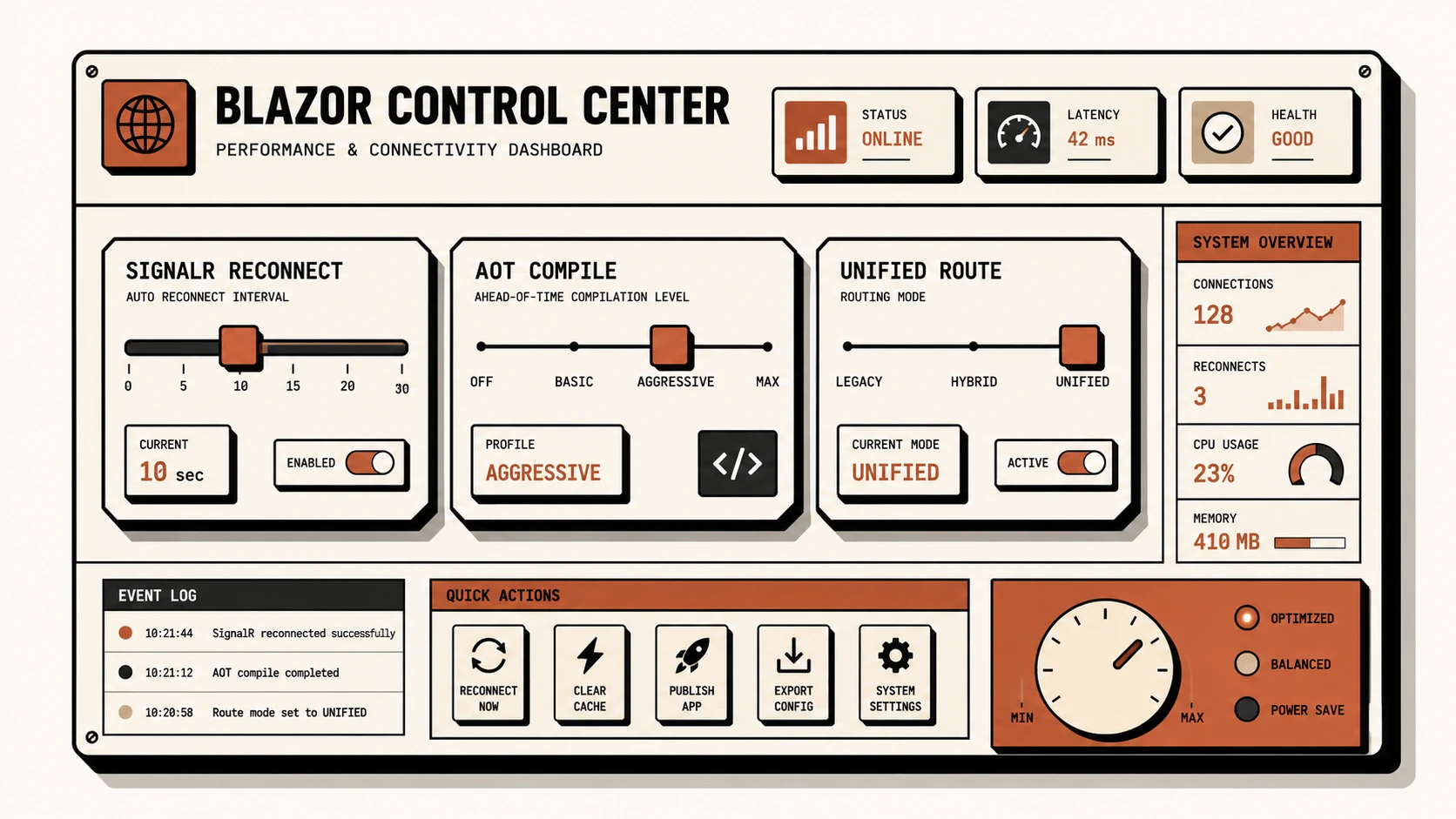
Blazor in 2025: Is It Ready for Enterprise Production?
Five years after its launch, Blazor has matured significantly across rendering models, ecosystem, tooling, and performance. This honest enterprise assessment covers .NET 8 unified rendering, production architecture patterns, the component ecosystem in 2025, and where Blazor is genuinely the right choice versus where it still falls short.
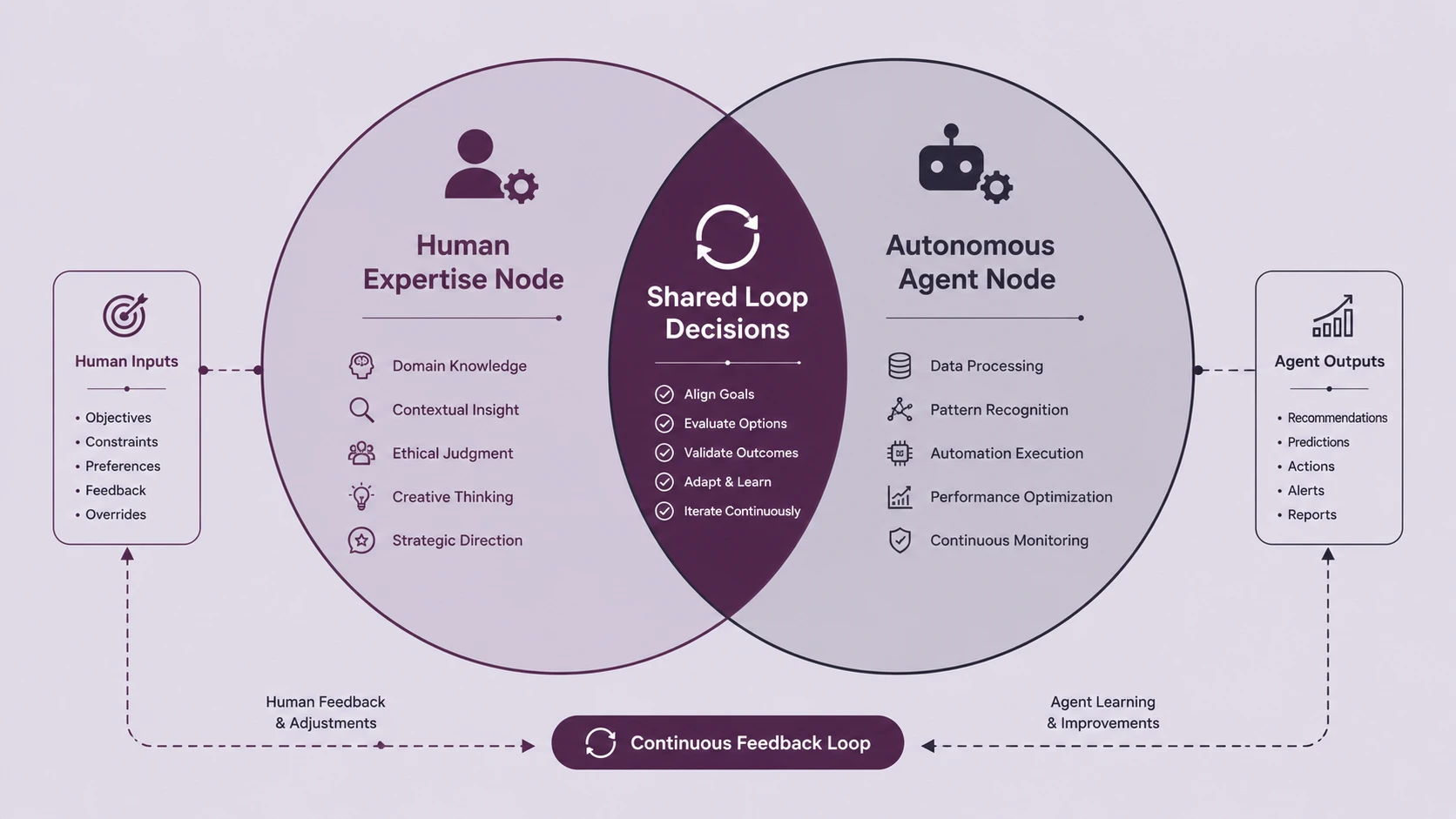
Hybrid Intelligence: Humans + Agents in the Loop
Learn how enterprises design Human-in-the-Loop AI systems where autonomous agents collaborate with people through shared decision-making, governance, continuous learning, and intelligent workflow orchestration.
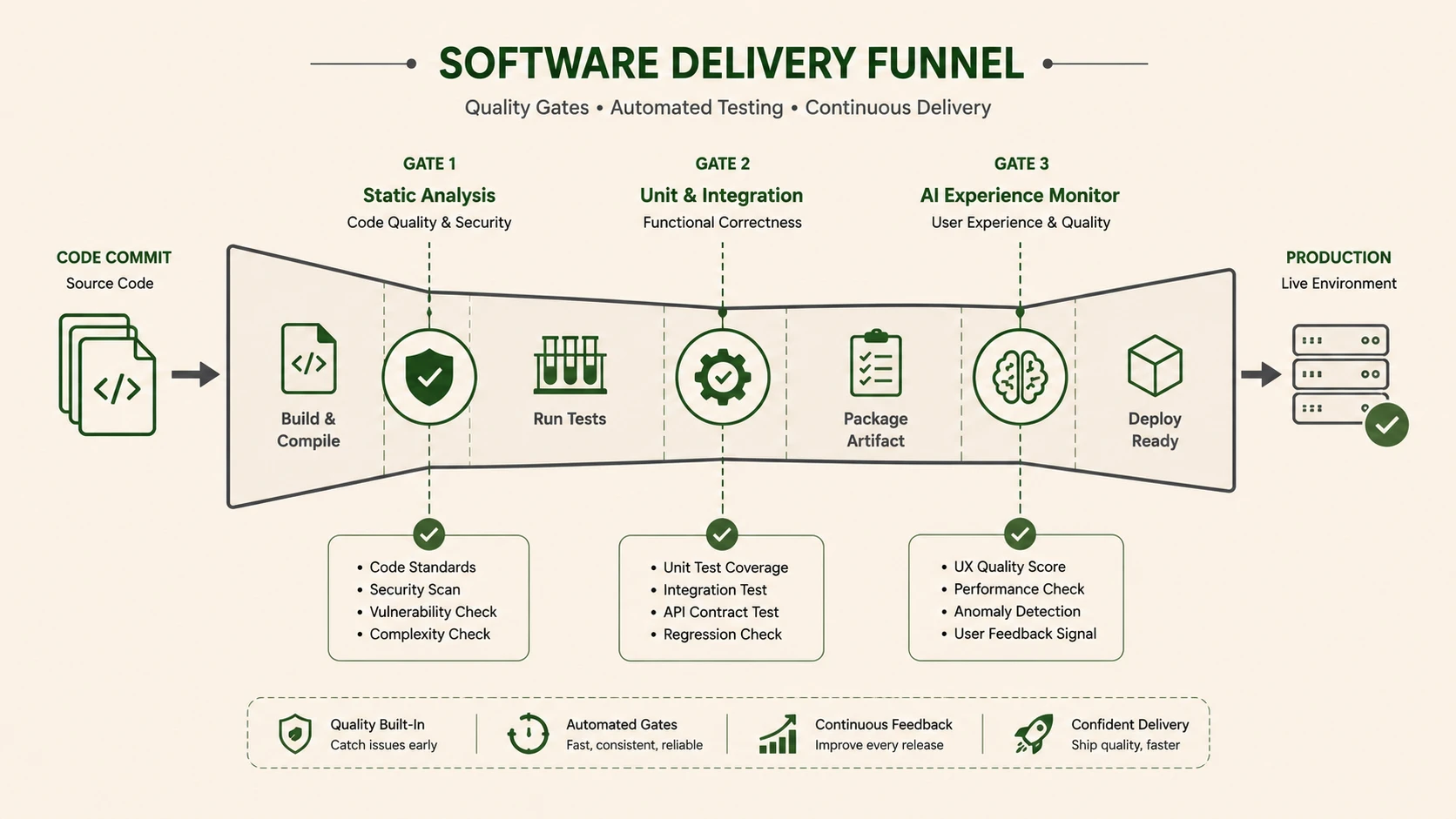
AI-Driven Full-Lifecycle Testing: From Code to Production to Experience
Learn how AI-driven testing platforms automate quality assurance across development, CI/CD, production, observability, and real-user experience, enabling enterprises to deliver reliable software faster.
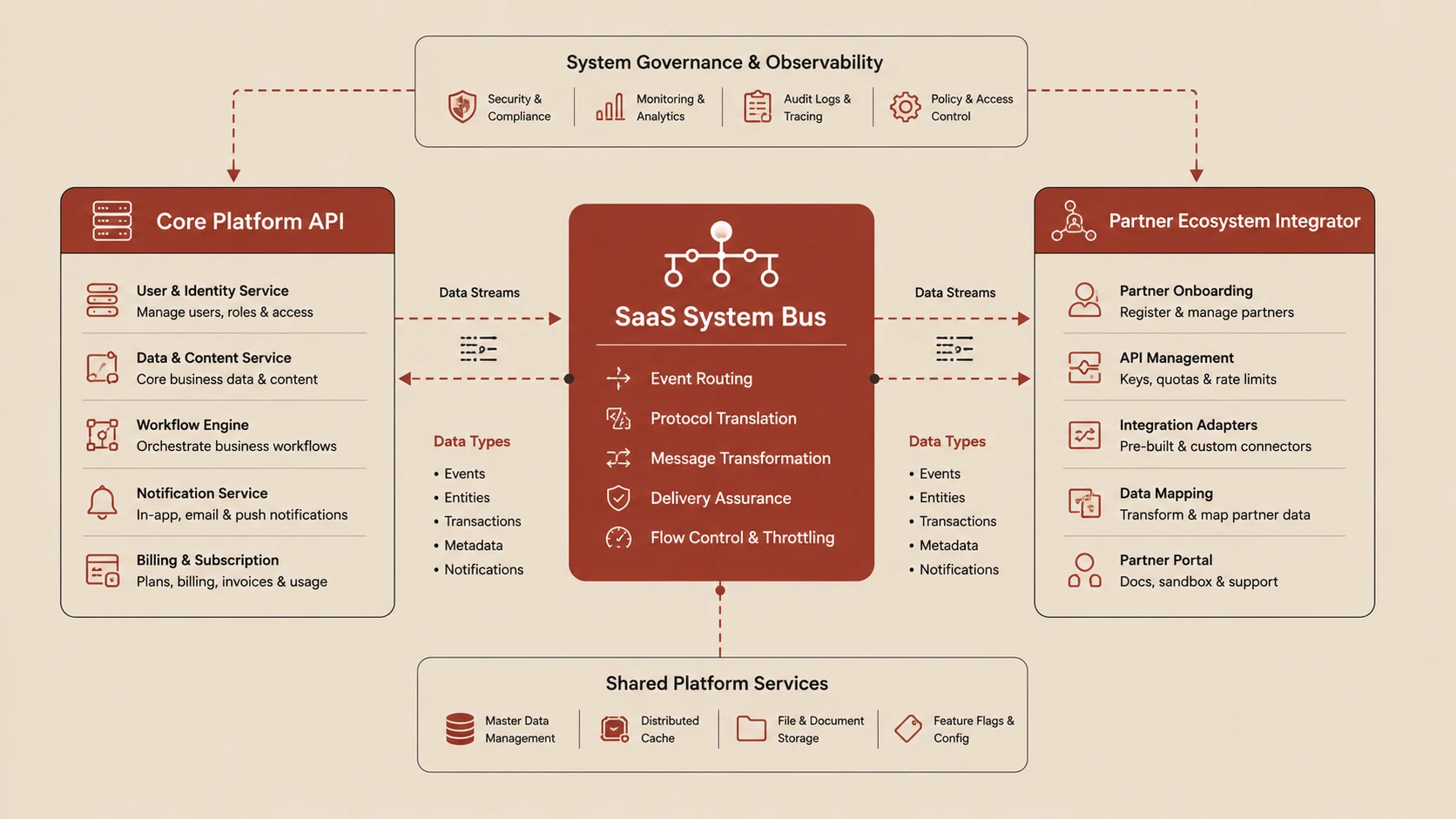
Platform Ecosystem Playbooks: Turning SaaS into System-of-Systems
Learn how enterprises transform standalone SaaS applications into scalable platform ecosystems by integrating APIs, event-driven architecture, partner platforms, AI agents, and composable services that create network effects and continuous innovation.
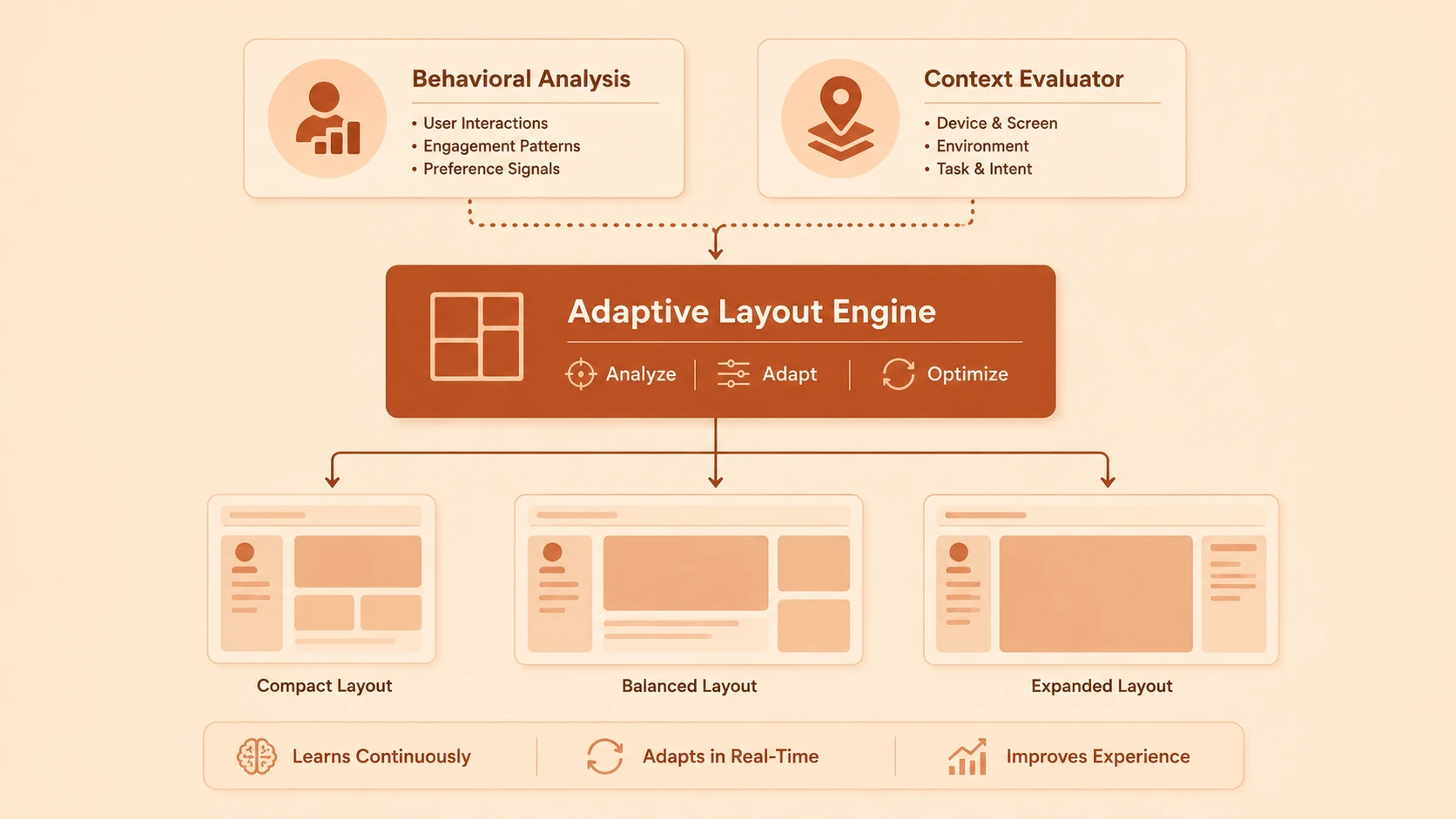
Autonomous UX: Interfaces That Adapt and Evolve Themselves
Learn how Autonomous UX combines AI, behavioral analytics, contextual awareness, and adaptive design to create interfaces that personalize themselves, optimize workflows, and improve continuously without manual redesign.
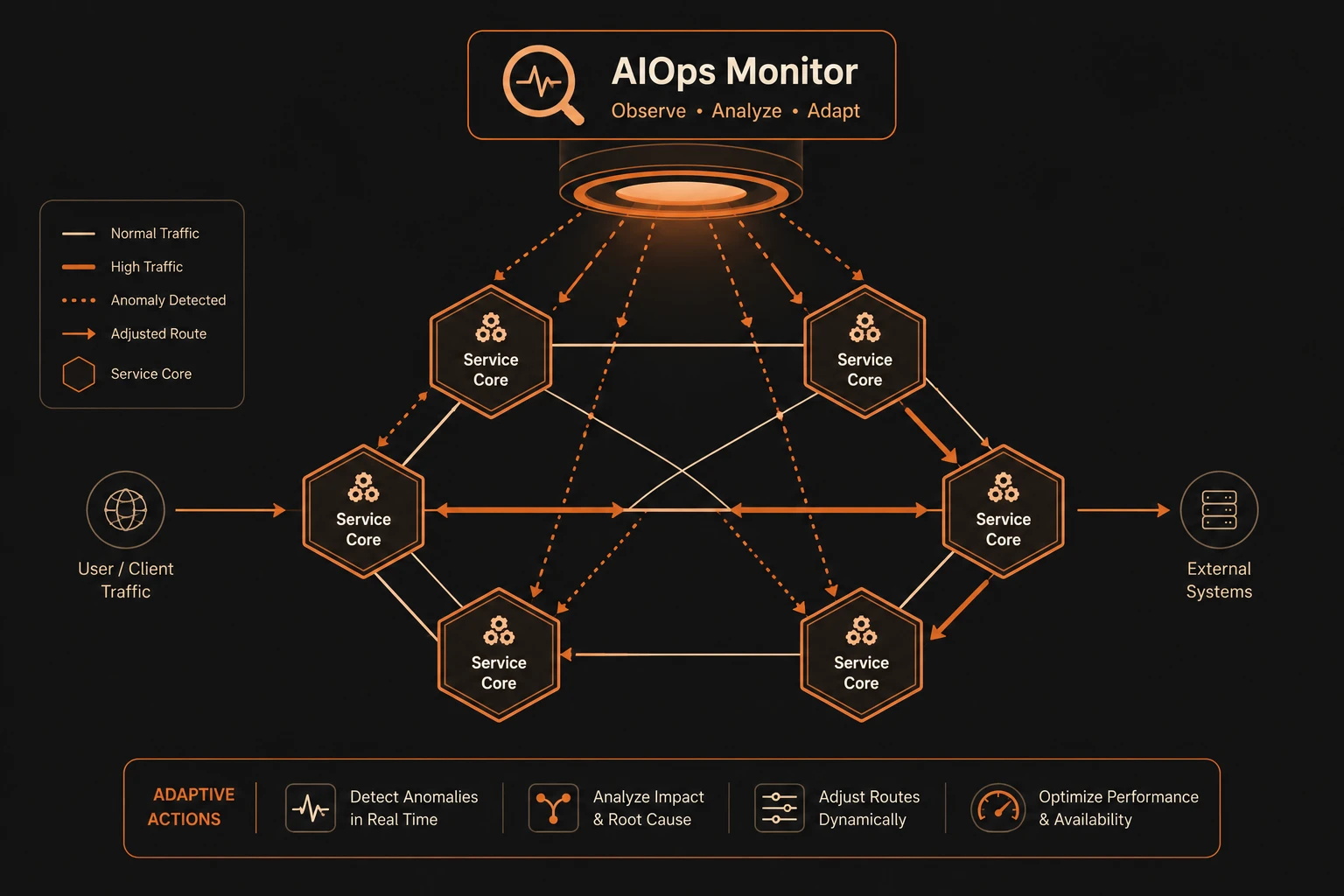
Micro-Service Meshes + AI Ops: Self-Optimising Systems
Learn how enterprises integrate Service Mesh architectures with AI-driven operations to enable intelligent traffic routing, predictive scaling, autonomous remediation, and self-optimizing cloud-native systems.
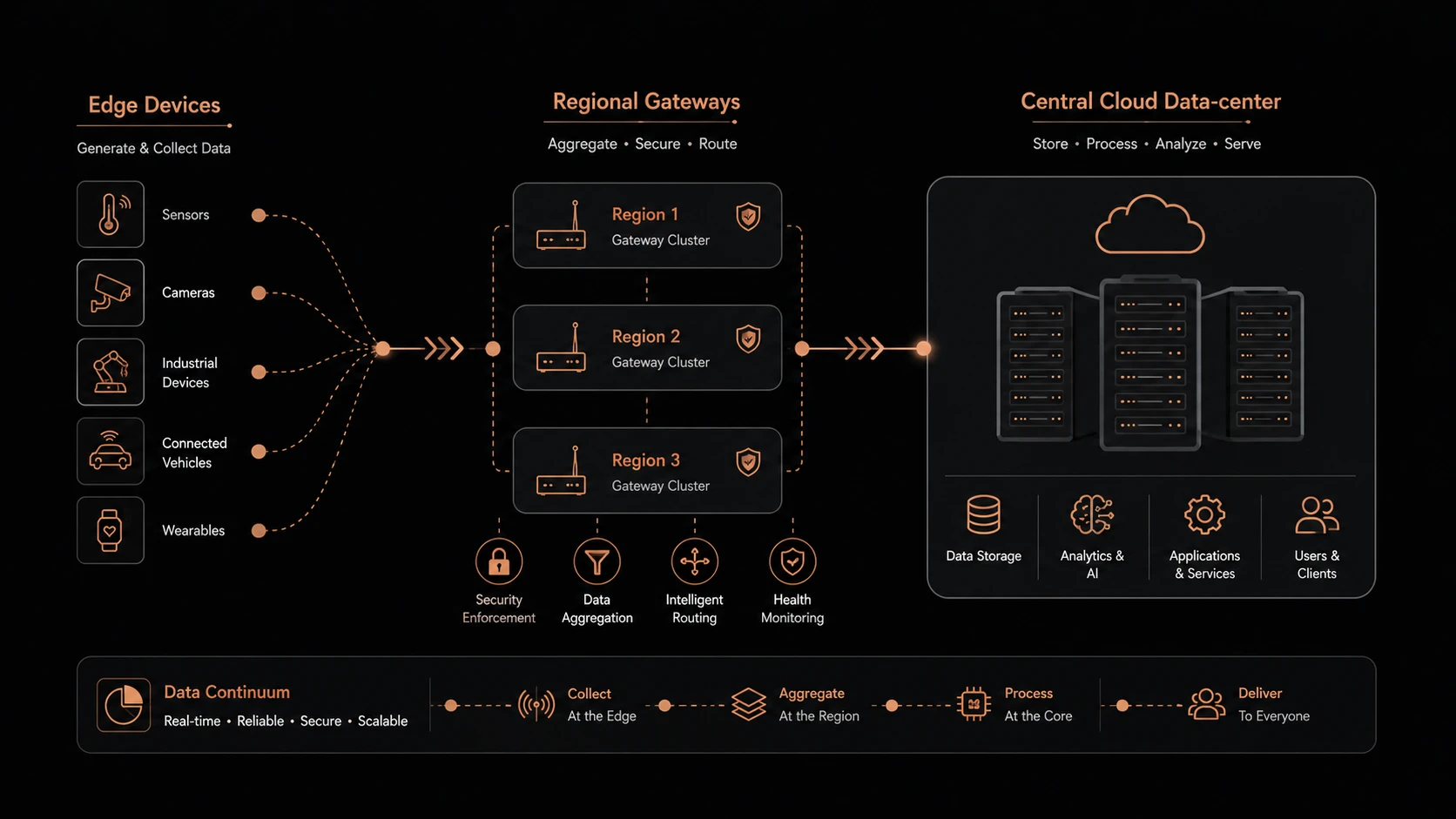
Edge Cloud Continuum: Seamless Logic from Device to Data-centre
Learn how the Edge Cloud Continuum combines edge computing, cloud platforms, AI inference, IoT, and intelligent workload orchestration to deliver low-latency, resilient, and scalable enterprise applications.
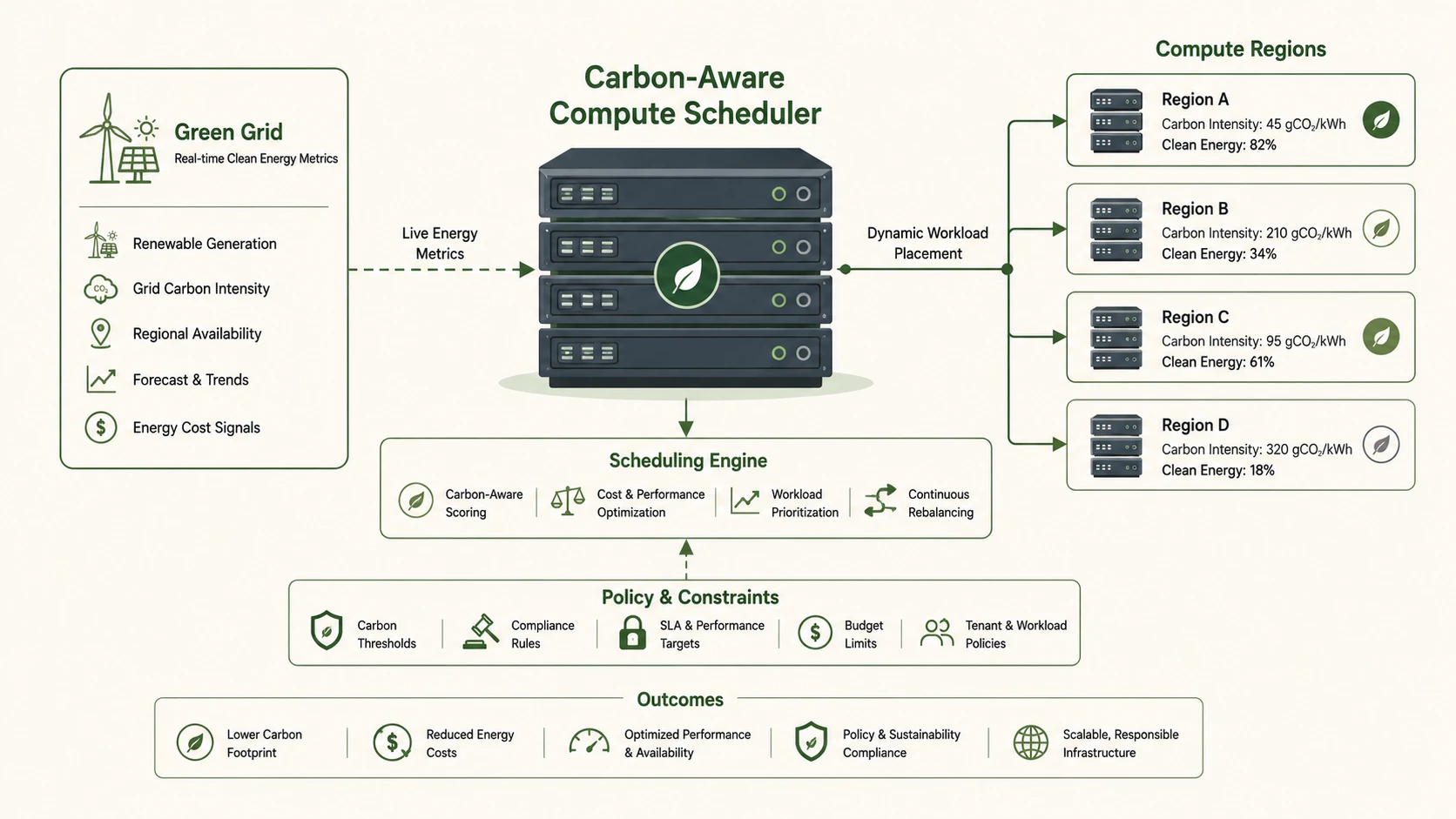
Green Cloud 2.0: Carbon-Smart Architectures and Sustainable Tech
Discover how Green Cloud 2.0 combines carbon-aware computing, renewable-powered cloud infrastructure, AI-driven resource optimization, and sustainable software engineering to reduce environmental impact without sacrificing performance.
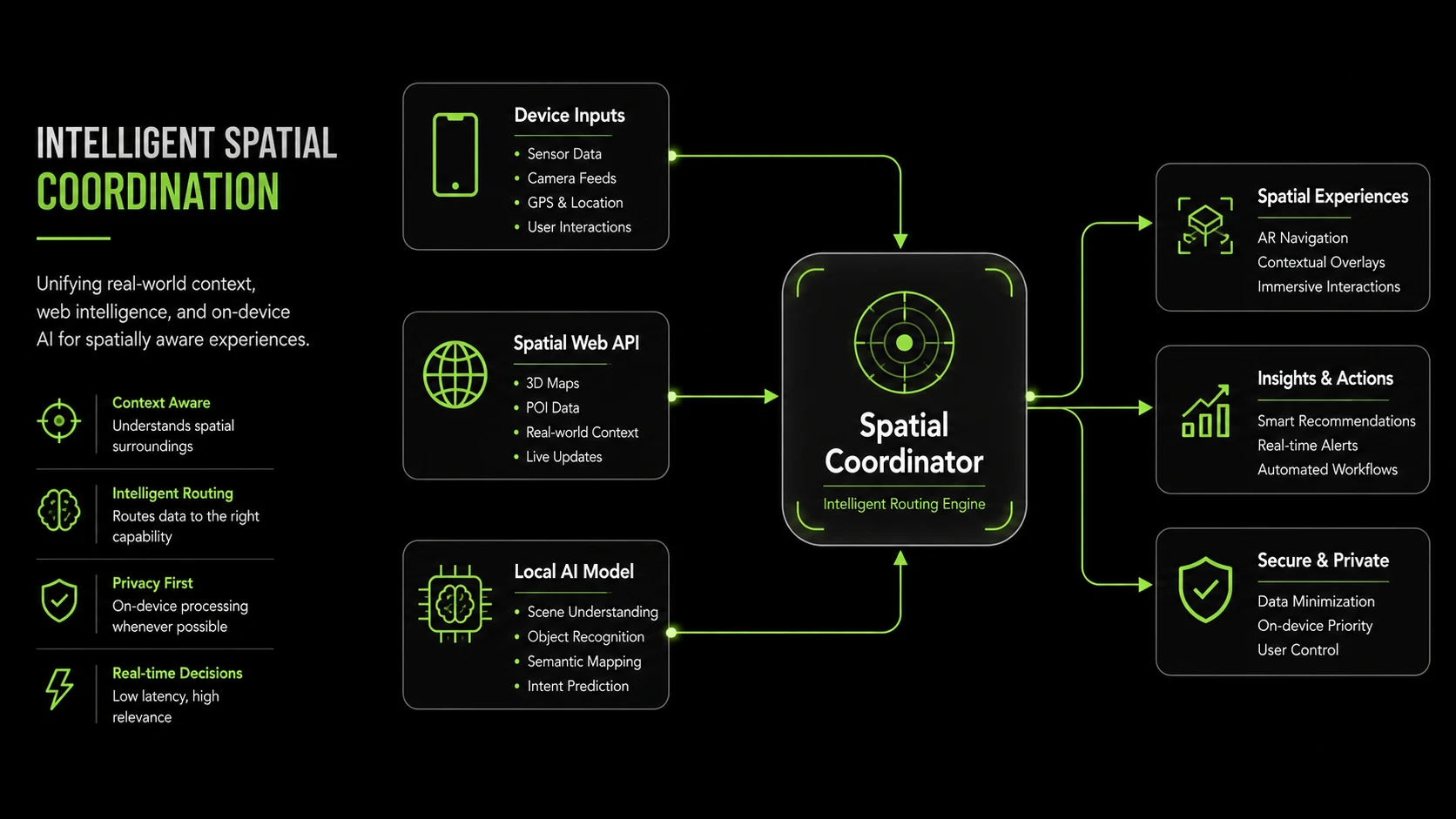
XR + Web + AI: Experiences That Move Beyond Screens
Learn how XR, Web technologies, AI agents, spatial computing, and real-time cloud platforms combine to build intelligent immersive experiences for enterprise collaboration, training, retail, healthcare, and industrial operations.
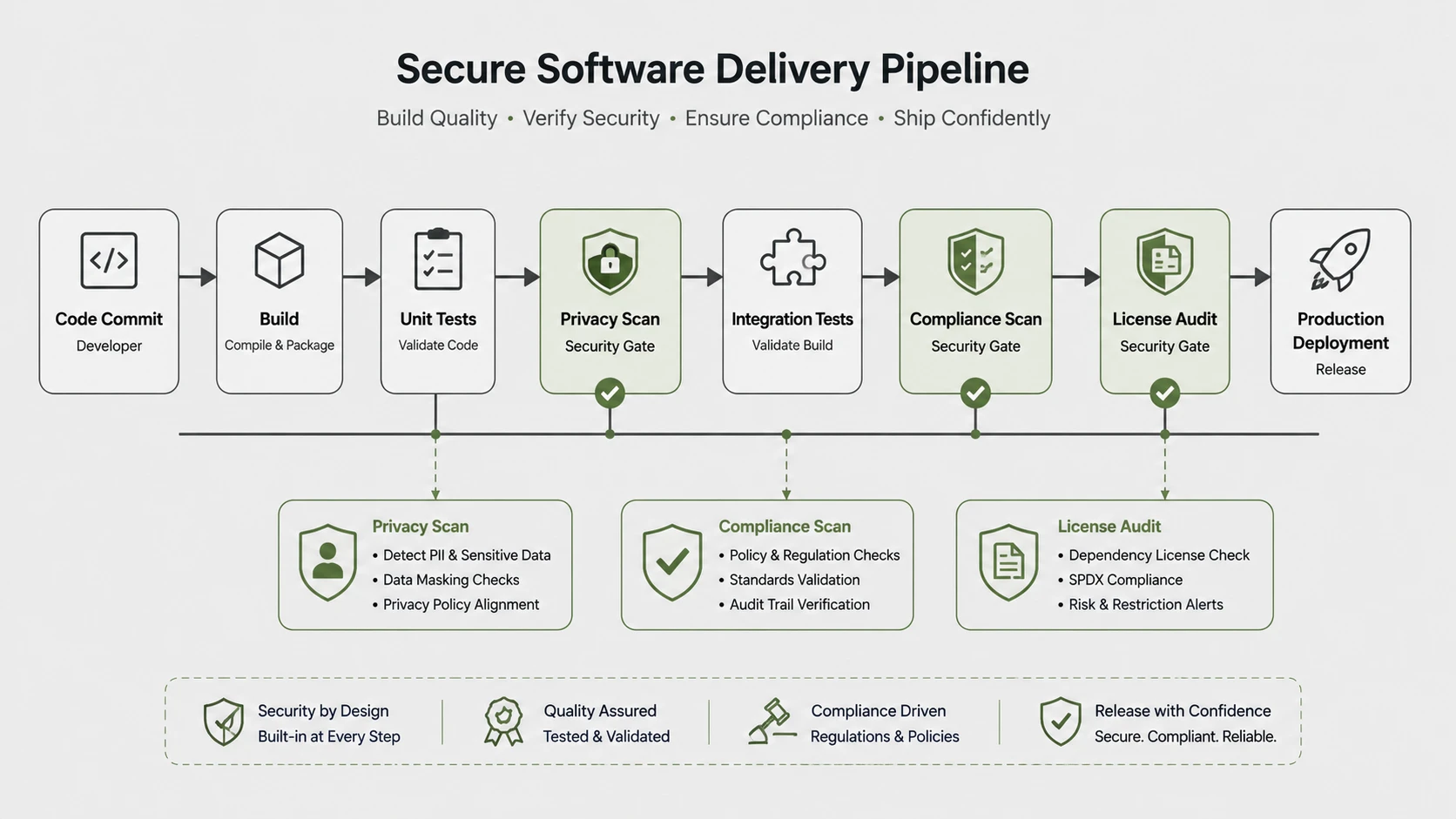
Ethical DevOps: Embedding Trust, Privacy & Security in the Pipeline
Learn how enterprises build trustworthy software delivery pipelines by embedding security, privacy, governance, compliance, and ethical AI principles directly into DevOps workflows through policy automation and continuous validation.
Frequently Asked Questions.
Get all your answers here and if something remains, feel free to contact us directly or book a strategy session.
We design and build agent-native custom software architectures from day one. Instead of simply building bolt-on API wrappers, we deploy multi-agent orchestration systems (like our Commander Architecture), run local secure LLMs to slash token expenses by 40–70%, and modernize legacy Microsoft ecosystem codebases to modern AI-native structures.
It is our proprietary 5-agent pipeline framework. High-tier cloud models (like Claude Opus) act as 'Supreme Commanders' to analyze complexity and structure task files, which are then processed at high concurrency by local models (like Qwen on Ollama) at around $0.001 per task, drastically lowering API costs.
By integrating custom prompt caching strategies and context-aware semantic routing, we achieve a prompt cache hit rate of ~90%. This bypasses redundant processing of duplicate context instructions to dramatically slash monthly token bills.
We specialize in modern high-performance tech stacks: Next.js/React, Drizzle ORM, SQLite/PostgreSQL databases, .NET Core 8 cloud services, React Native/Expo for mobile apps, and cognitive frameworks such as Semantic Kernel, FastAPI, and Neo4j Knowledge Graphs.
We implement secure architectures by deploying local LLMs inside your virtual private cloud (VPC), ensuring sensitive data never leaves your environment. We also establish strict end-to-end data encryption, audit trails, and role-based access control.
Yes, we specialize in converting legacy systems (WinForms, WPF, ASP.NET WebForms) to modern, distributed systems built on modern .NET 8, micro-frontend architectures, and containerized Docker services running in AWS/Azure.
A typical proof of concept (PoC) takes 2 to 4 weeks. Full enterprise agent orchestration systems or multi-agent swarms integrated with your legacy APIs take about 8 to 12 weeks to build, test, and deploy to production.
Absolutely. We build React Native applications using local SQLite databases (via Drizzle or WatermelonDB) that can perform complex tasks offline and sync changes securely with the cloud server once internet connectivity is restored.
Speculative decoding uses a small, fast model to suggest draft tokens, which are verified in parallel by a larger target model. This speeds up text generation by 2x to 3x and cuts down latency without losing output quality.
Yes. All custom code, agent system designs, proprietary database configurations, and custom integration scripts developed during our engagement are 100% owned by your company from day one.
Client Impact & Success
"SHIVAM ITCS completely transformed our content workflow. Their Commander Architecture cut our monthly LLM cost by 65% while keeping quality pristine."
Partner with SHIVAM ITCS to build resilient, scalable systems. Our senior engineering teams specialize in enterprise AI orchestration, legacy modernization, and high-performance cloud architecture.
Schedule a Technical Consultation →Get New Posts In Your Inbox
No spam. Deep technical content when we publish — roughly twice a month.