Cloud Computing
Viewing all posts categorized under Cloud Computing.
Hybrid Workflows & Dev Environments: The Code Anywhere Era
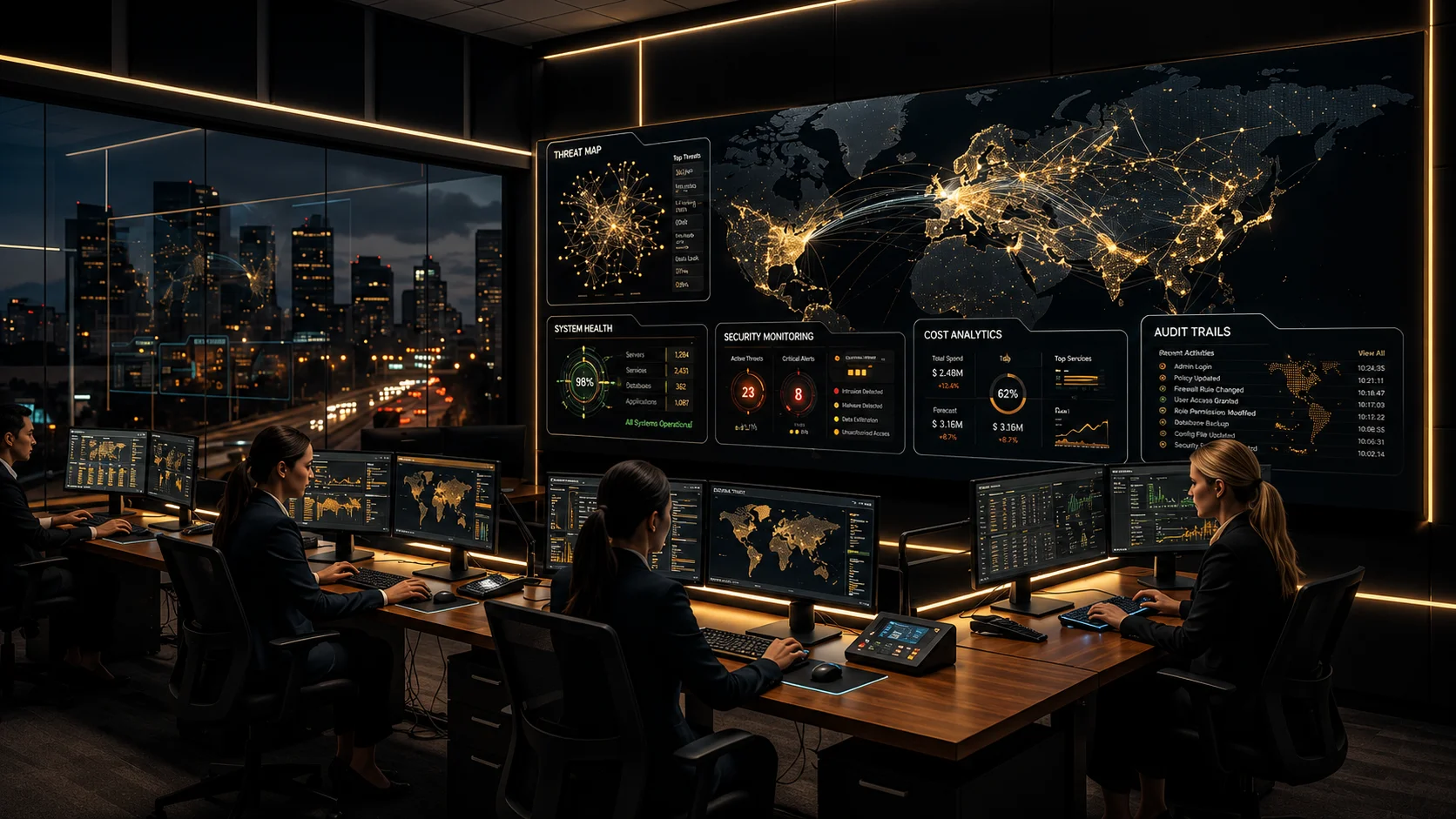
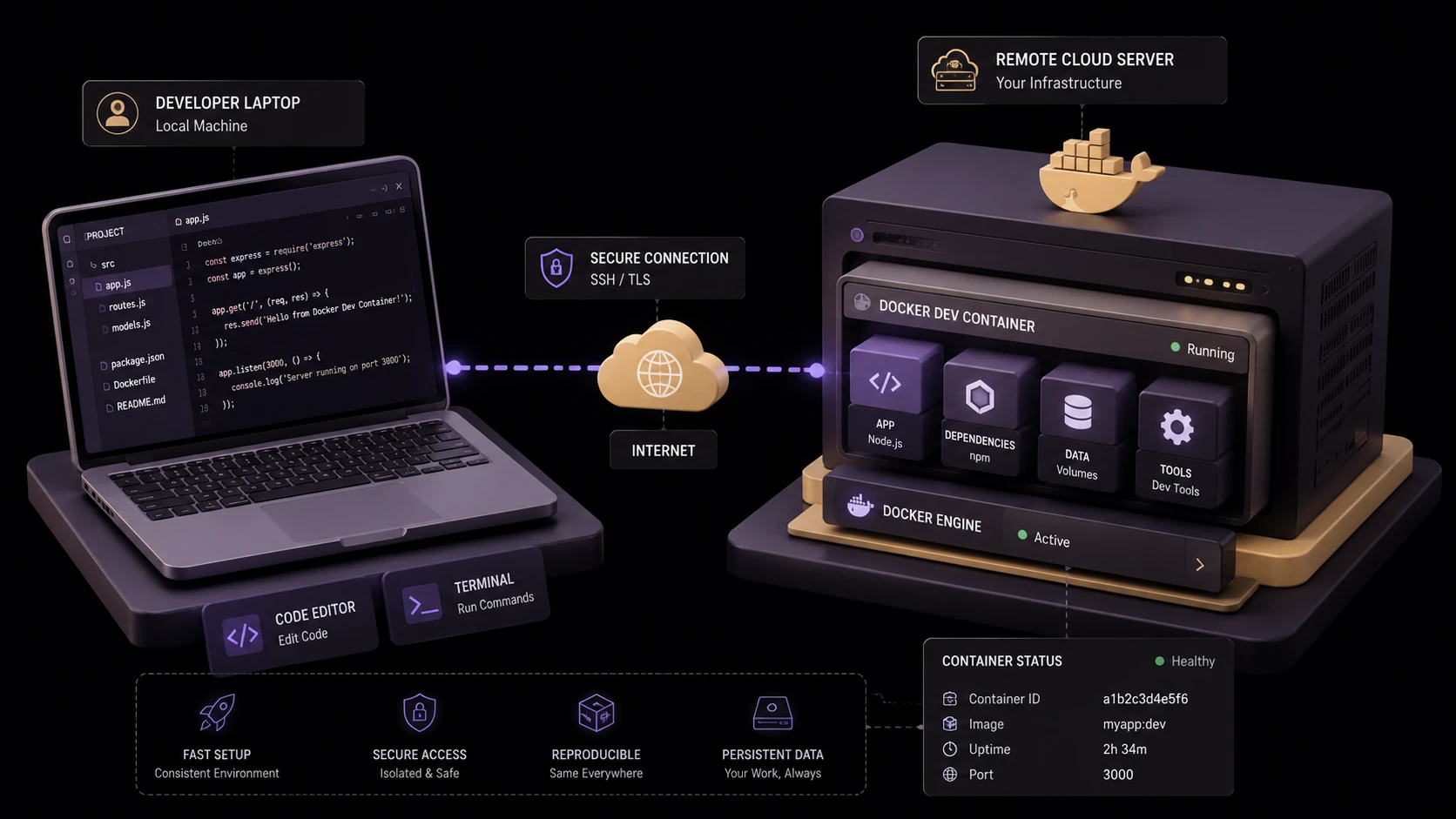
Enterprise software development has entered the 'Code Anywhere' era, where developers seamlessly move between local machines, cloud workspaces, AI-powered coding assistants, browser-based IDEs, and ephemeral development environments. This article explores the architecture, technologies, governance, and enterprise best practices behind hybrid developer workflows as of August 2024.
API Monetization & Internal Marketplaces: Software as a Platform
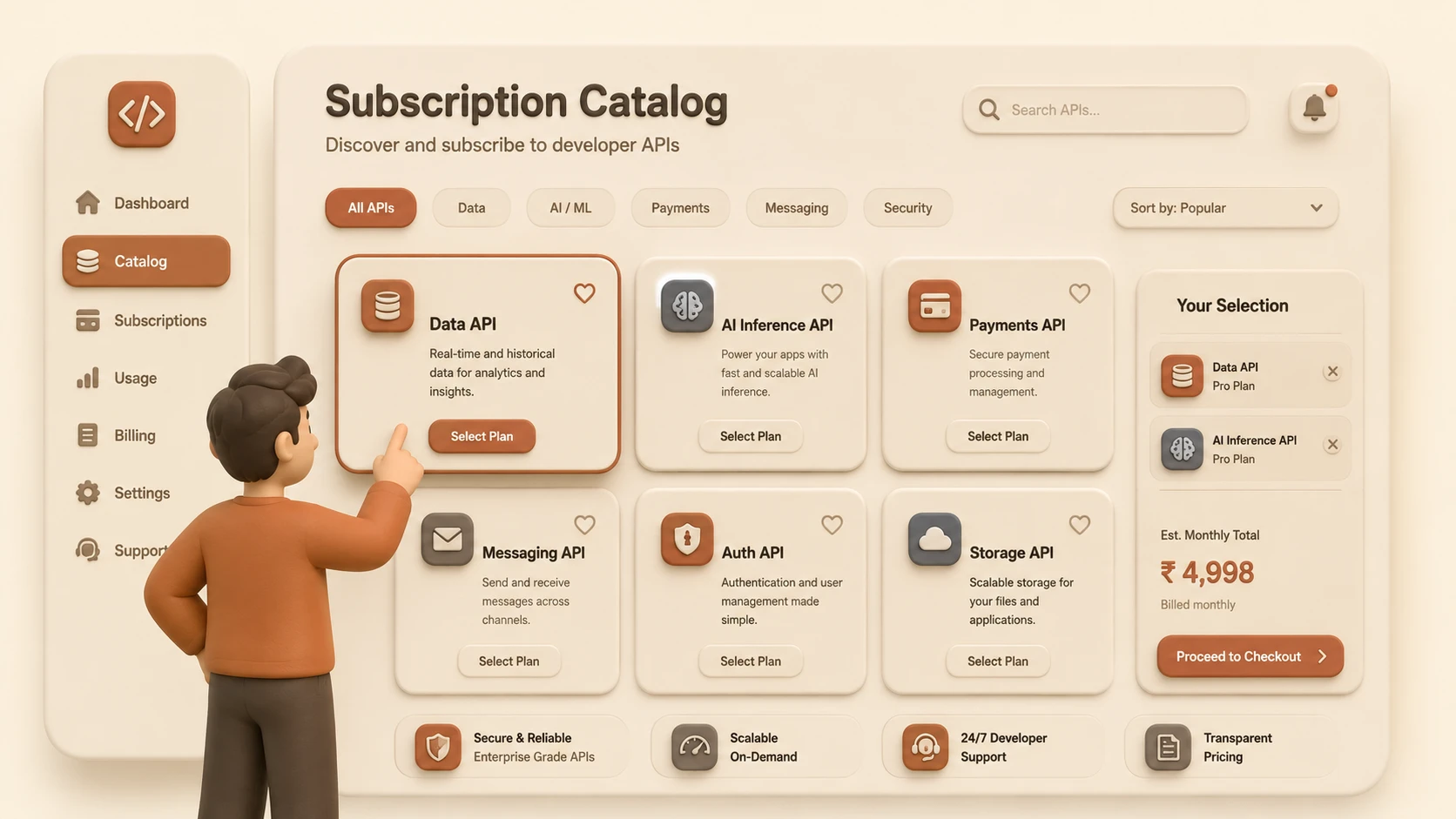
By 2024, APIs have evolved beyond integration mechanisms into strategic business products. Organizations are building internal API marketplaces, developer portals, usage-based monetization models, and platform engineering capabilities that transform software into reusable enterprise services. This article explores how API monetization and internal marketplaces are redefining software platforms from the perspective of August 2024.
WebAssembly 2.0 & Beyond: High-Performance Logic in the Browser
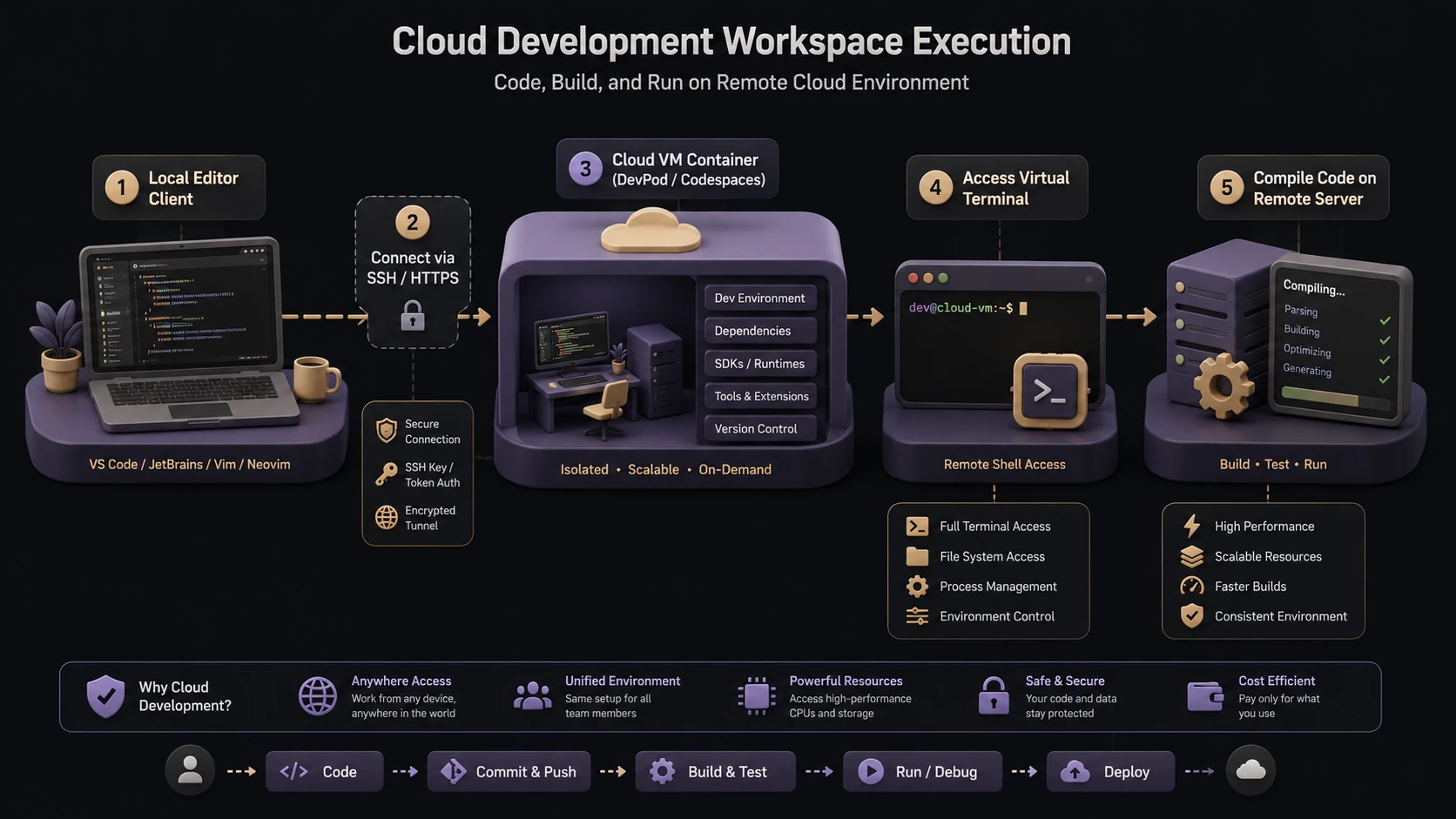
By mid-2024, WebAssembly has evolved far beyond its original role as a browser optimization technology. With advancements in the Component Model, WebAssembly System Interface (WASI), garbage collection support, and cross-language interoperability, WebAssembly is becoming a universal execution platform for both browsers and servers. This article examines the evolution of WebAssembly from the perspective of July 2024.
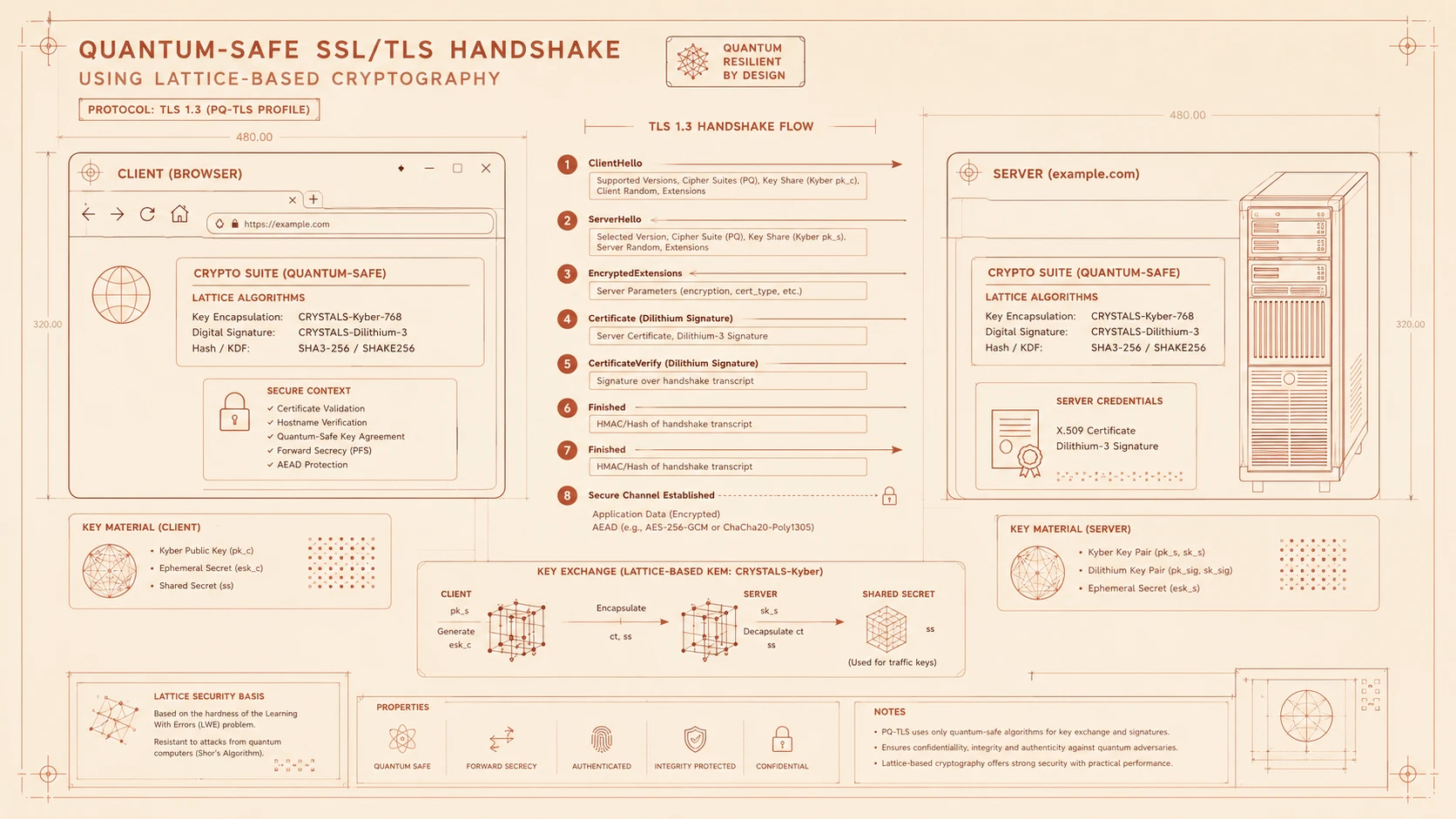
Quantum & Web: When the Browser Meets Quantum-Safe Cryptography
Advances in quantum computing are prompting governments, standards organizations, cloud providers, and enterprises to prepare for a future where today's public-key cryptography may no longer provide adequate long-term protection. This article examines the emerging role of quantum-safe cryptography in modern web architectures, browser security, TLS, PKI, enterprise applications, and cloud platforms from the perspective of July 2024.
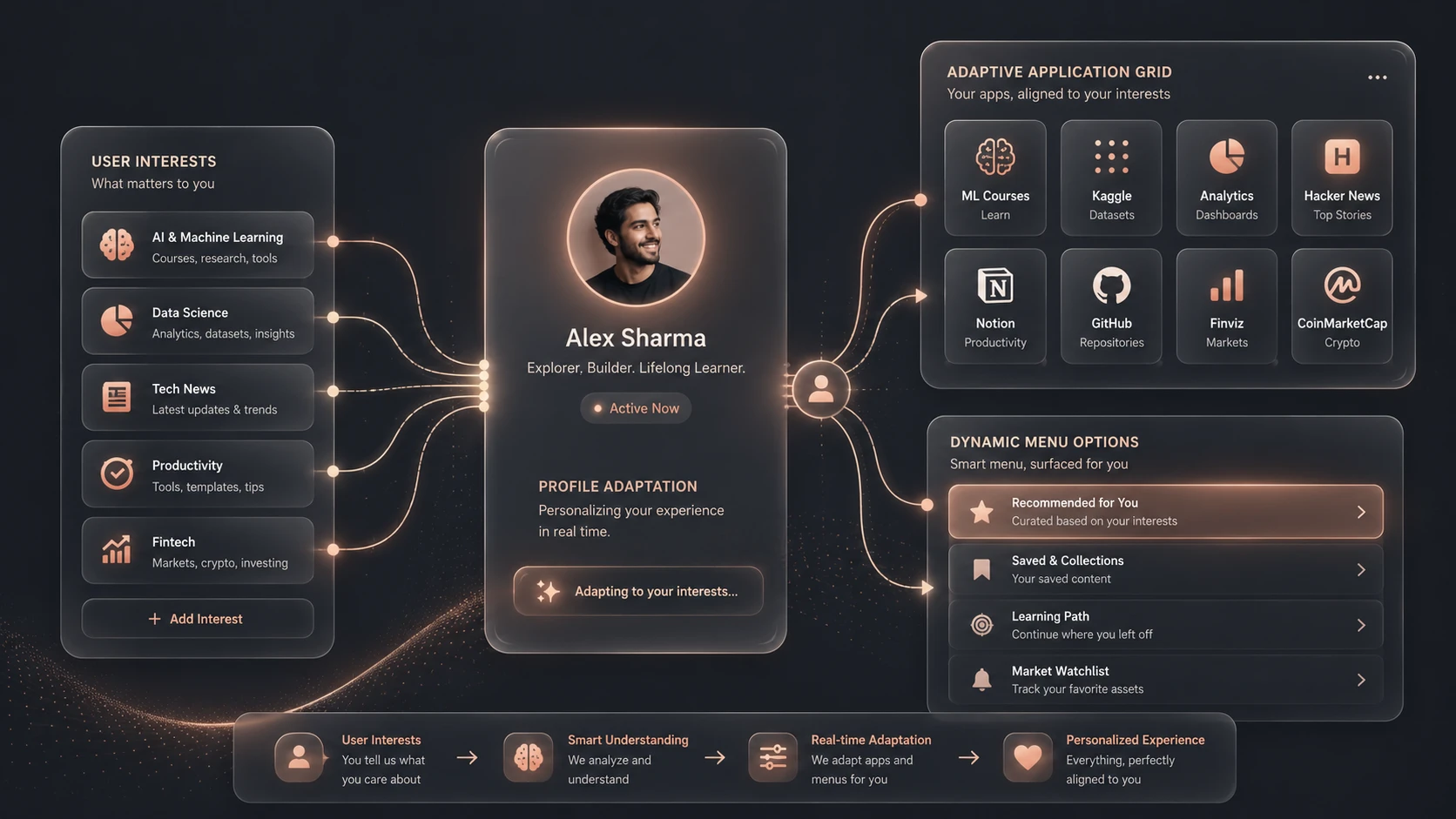
AI-Driven Personalization at Scale: The Next-Gen UX
Modern users expect every digital interaction to be personalized, contextual, and adaptive. By mid-2024, AI-powered recommendation engines, large language models, customer data platforms, and real-time analytics are enabling enterprises to deliver hyper-personalized experiences across every digital touchpoint. This article explores the architectural foundations, technologies, and best practices behind AI-driven personalization at scale from the perspective of June 2024.
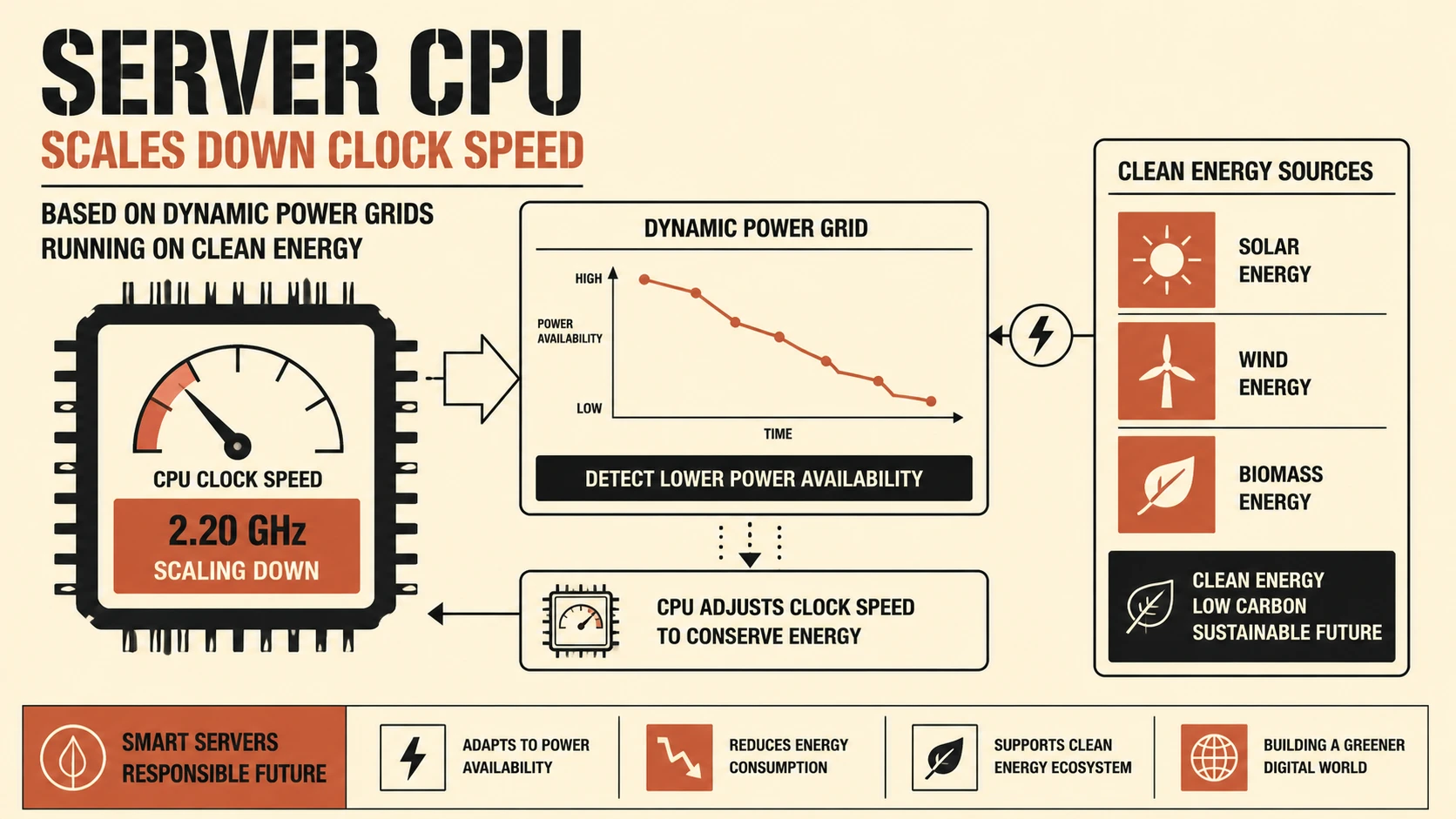
Green Software & Sustainable Architecture: Building Ethically in 2024
By mid-2024, sustainability has become an important consideration in enterprise software architecture. Organizations are no longer evaluating systems solely by performance, scalability, and cost—they are increasingly measuring energy efficiency, infrastructure utilization, carbon impact, and responsible resource consumption. This article examines Green Software and Sustainable Architecture from the perspective of June 2024.
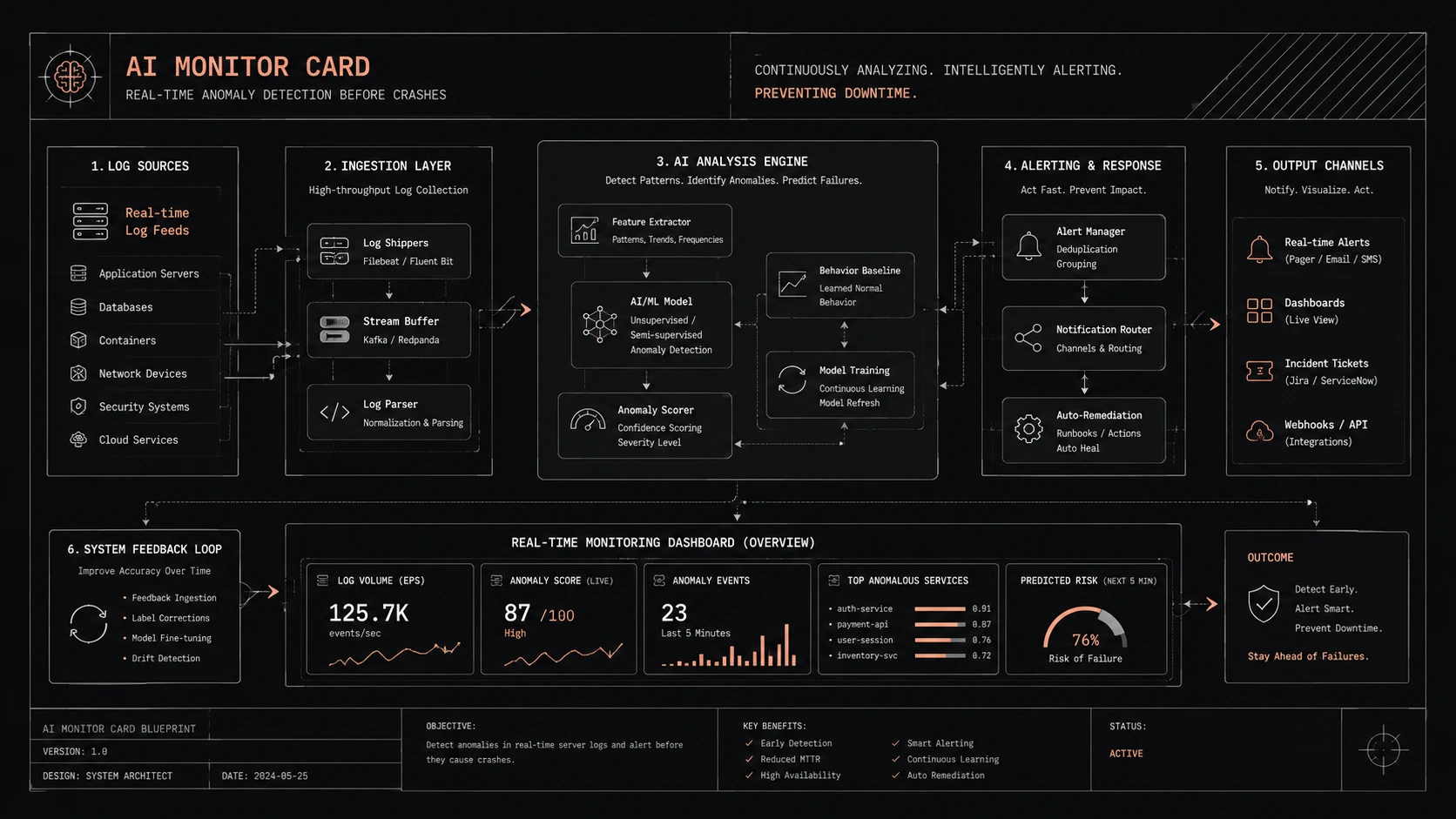
Observability & AIOps: Predicting Issues Before They Happen
As enterprise systems become increasingly distributed across cloud platforms, Kubernetes clusters, microservices, edge infrastructure, and AI-powered applications, traditional monitoring approaches are no longer sufficient. Observability combined with AIOps enables organizations to correlate telemetry, predict incidents, automate remediation, and improve operational resilience. This article explores enterprise adoption, architecture, implementation patterns, and best practices from the perspective of May 2024.
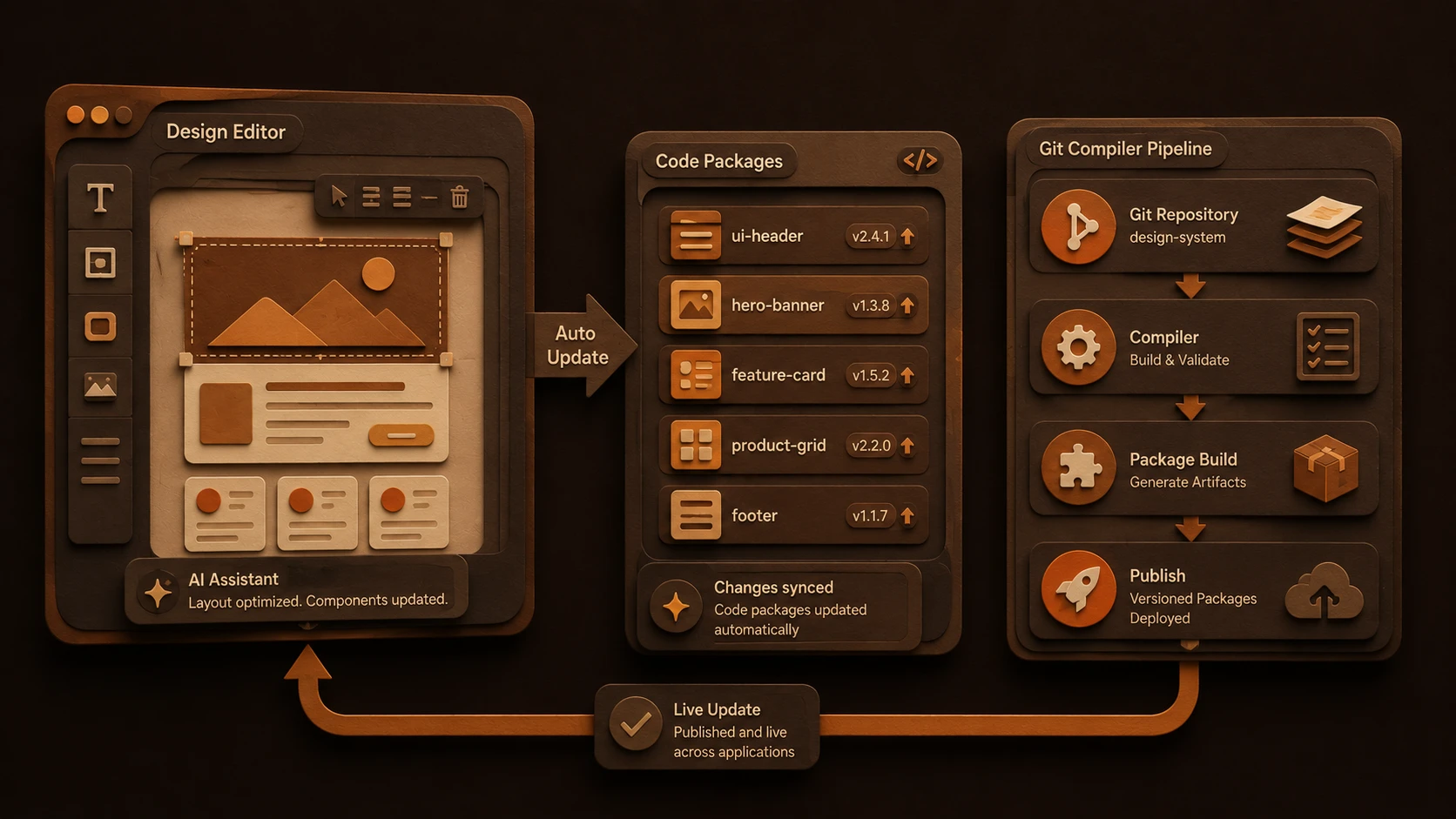
Design Systems Evolved: From Components to DesignOps
By 2024, enterprise design systems have evolved beyond reusable UI components into comprehensive DesignOps platforms that unify designers, developers, product teams, and AI-assisted workflows. This article explores how DesignOps, design tokens, governance, automation, and component ecosystems are reshaping modern software development from the perspective of May 2024.
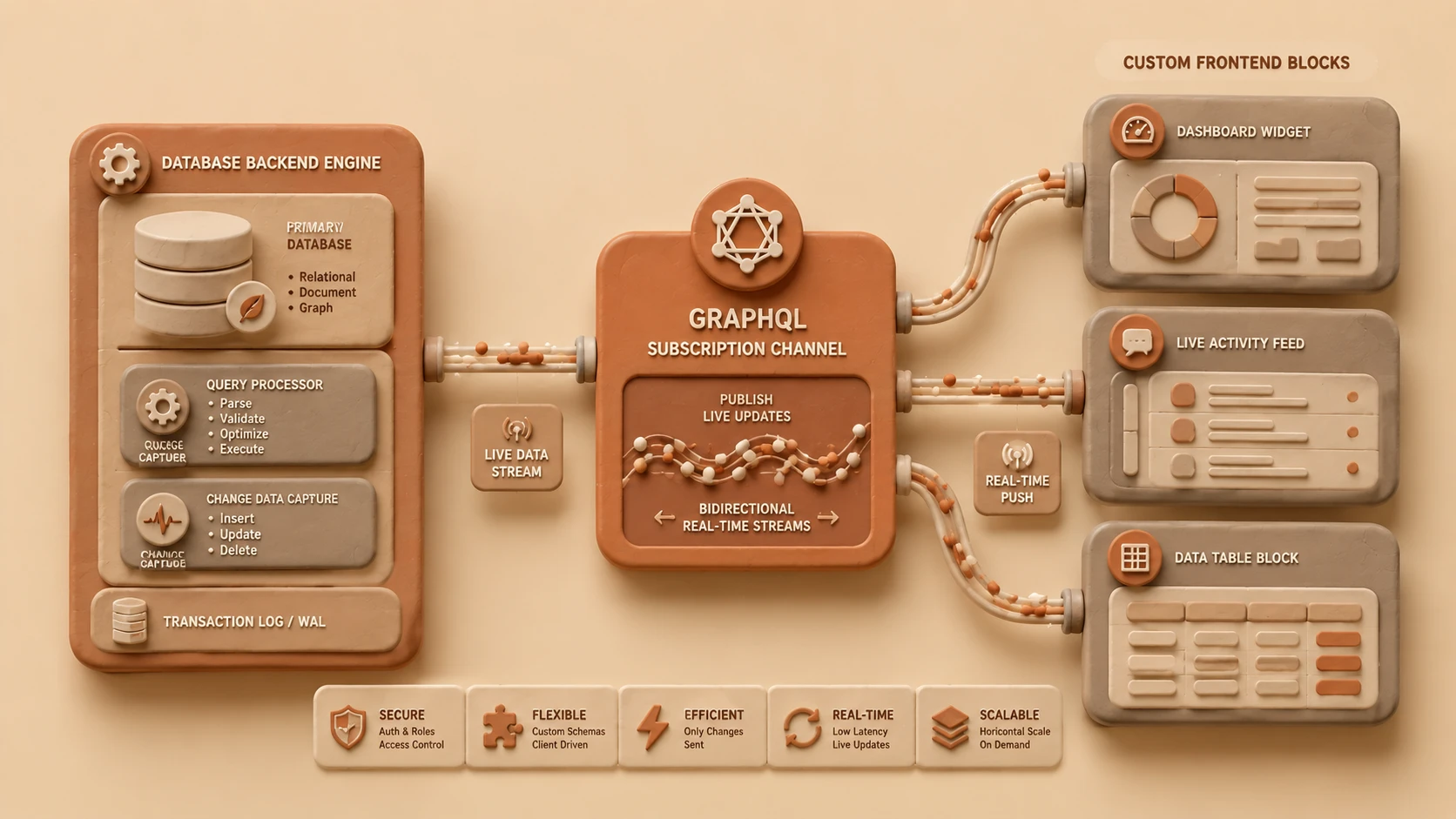
Headless + GraphQL + Real-Time: The Backend Stack of 2024
By 2024, enterprise backend architecture has evolved beyond traditional REST-based monoliths. Organizations increasingly combine Headless platforms, GraphQL APIs, event-driven systems, real-time communication, and cloud-native infrastructure to build scalable digital experiences across web, mobile, IoT, AI, and omnichannel platforms. This article examines the modern backend stack from the perspective of April 2024.
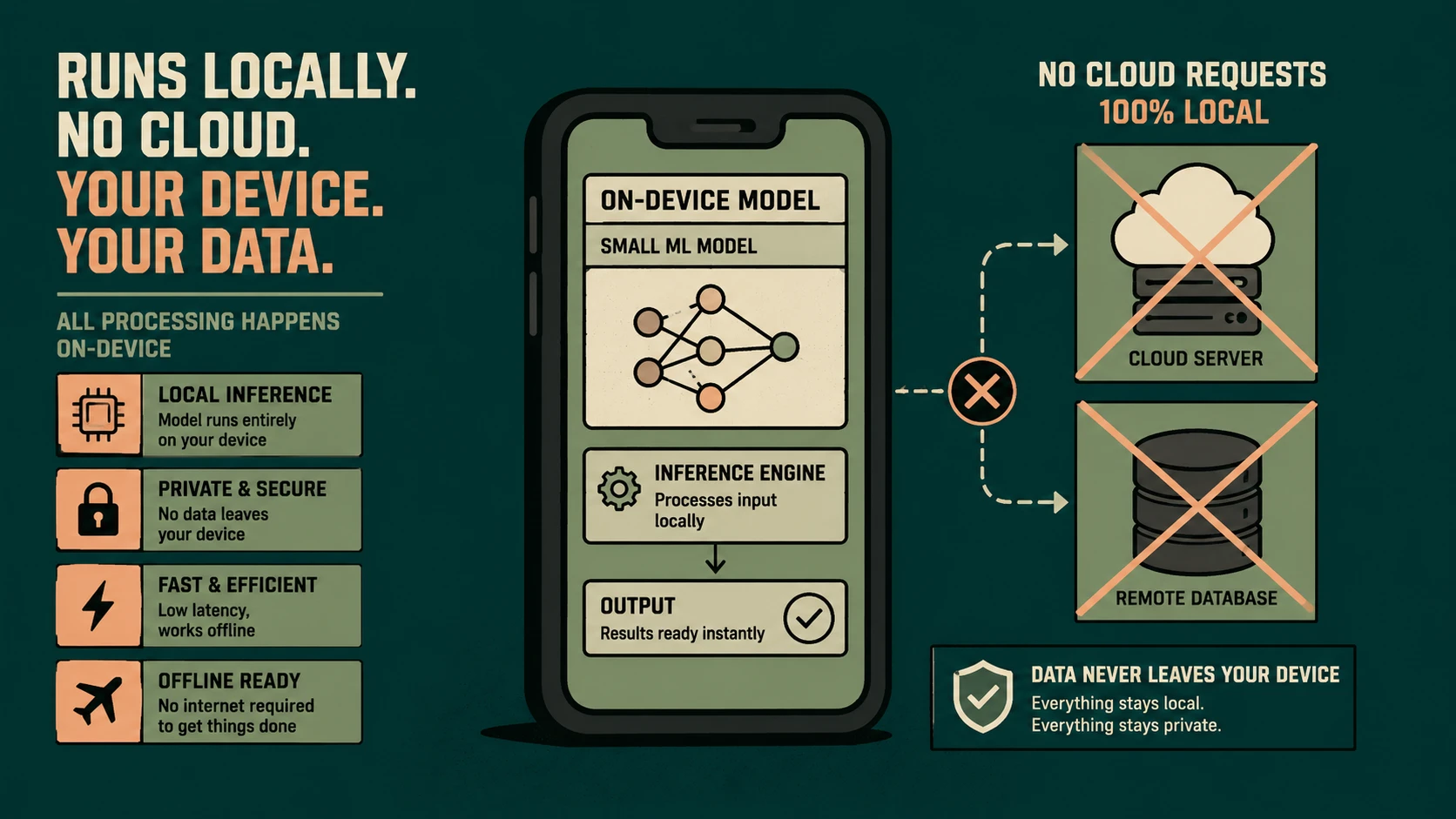
Edge Intelligence: Pushing Cloud Logic to the Device
As AI models become more efficient and edge hardware continues advancing, enterprises are increasingly shifting intelligence from centralized cloud infrastructure to devices operating at the network edge. This evolution enables lower latency, improved privacy, reduced bandwidth consumption, and greater resilience. This article examines Edge Intelligence from the perspective of April 2024, exploring architecture, enterprise adoption, implementation patterns, security, and future opportunities.
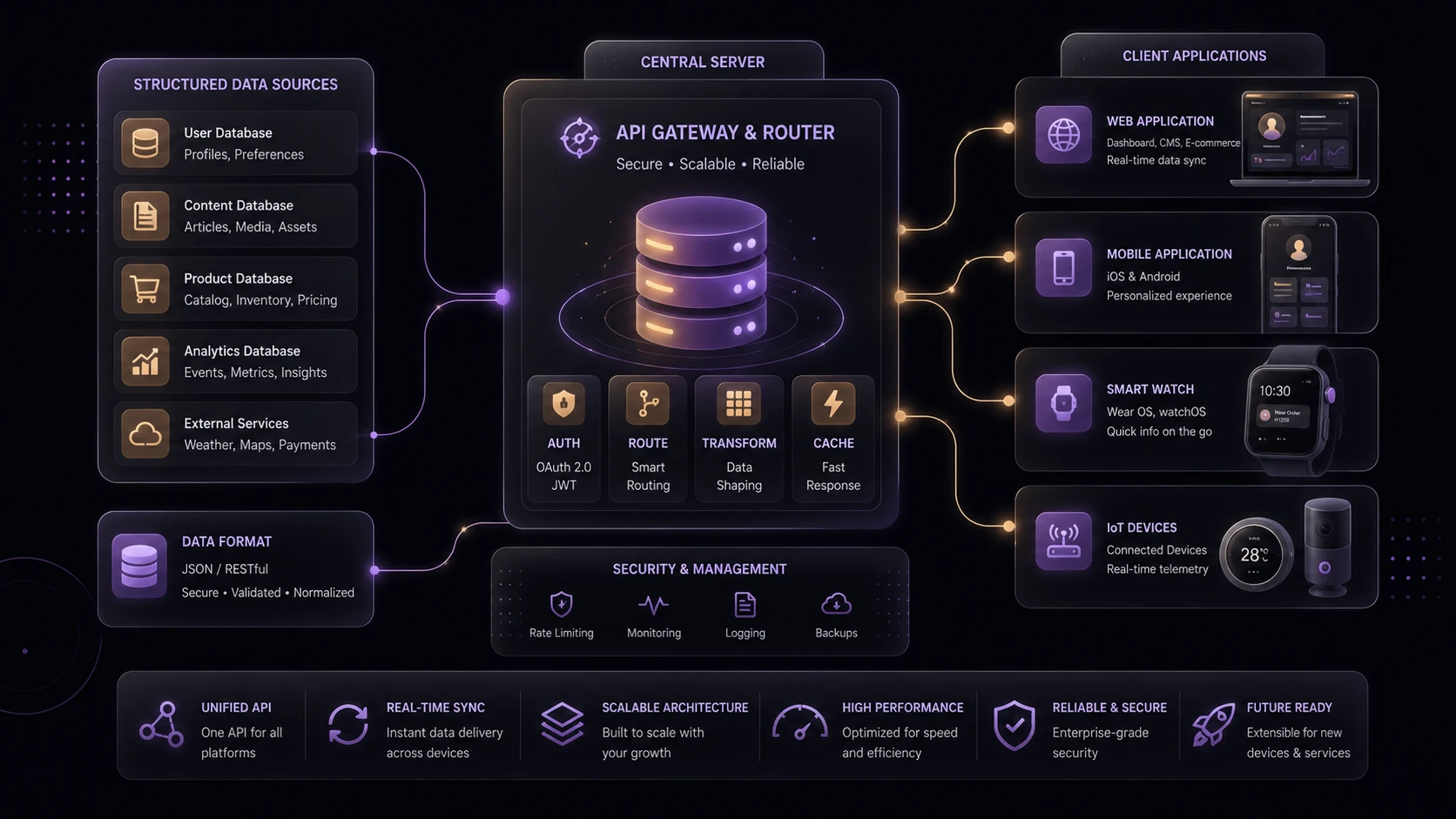
Multi-Experience Apps: One Back-end, Many Frontends
As digital ecosystems continue expanding, enterprises are no longer building applications for a single platform. Modern organizations increasingly serve customers across web browsers, native mobile apps, smart devices, conversational AI, kiosks, and connected vehicles using a shared backend architecture. This article explores Multi-Experience Development Platforms (MXDP) and the architectural principles behind building one backend that powers many frontend experiences, from the perspective of March 2024.
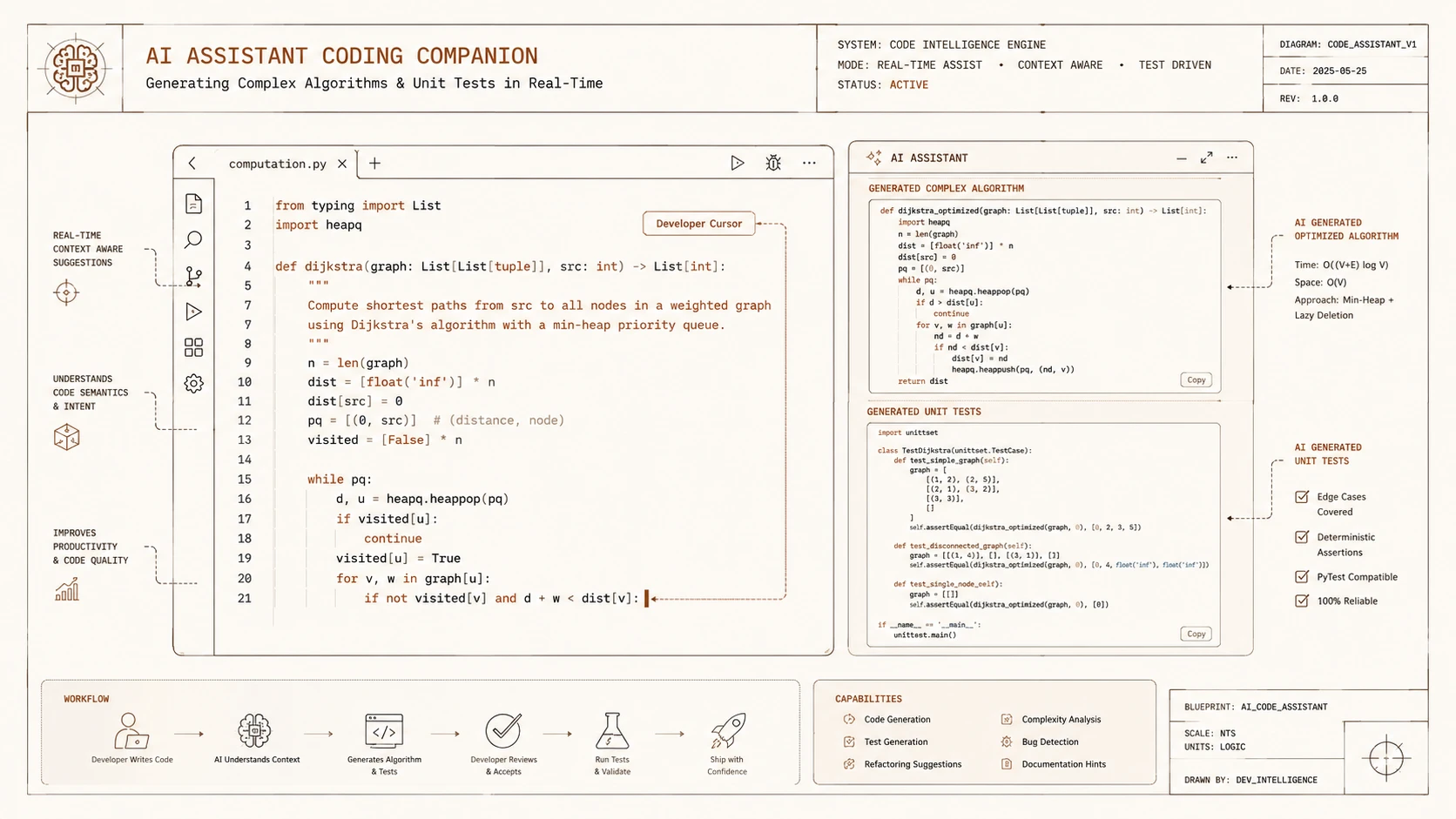
AI for Developer Productivity: From Copilots to Code Generators
By early 2024, AI-powered developer tools have evolved far beyond code completion. Modern developer platforms now assist with architecture design, code generation, documentation, testing, debugging, code review, security analysis, and DevOps automation. This article examines the evolution of AI for developer productivity from the perspective of March 2024, exploring how enterprises are integrating AI into every phase of the software development lifecycle.
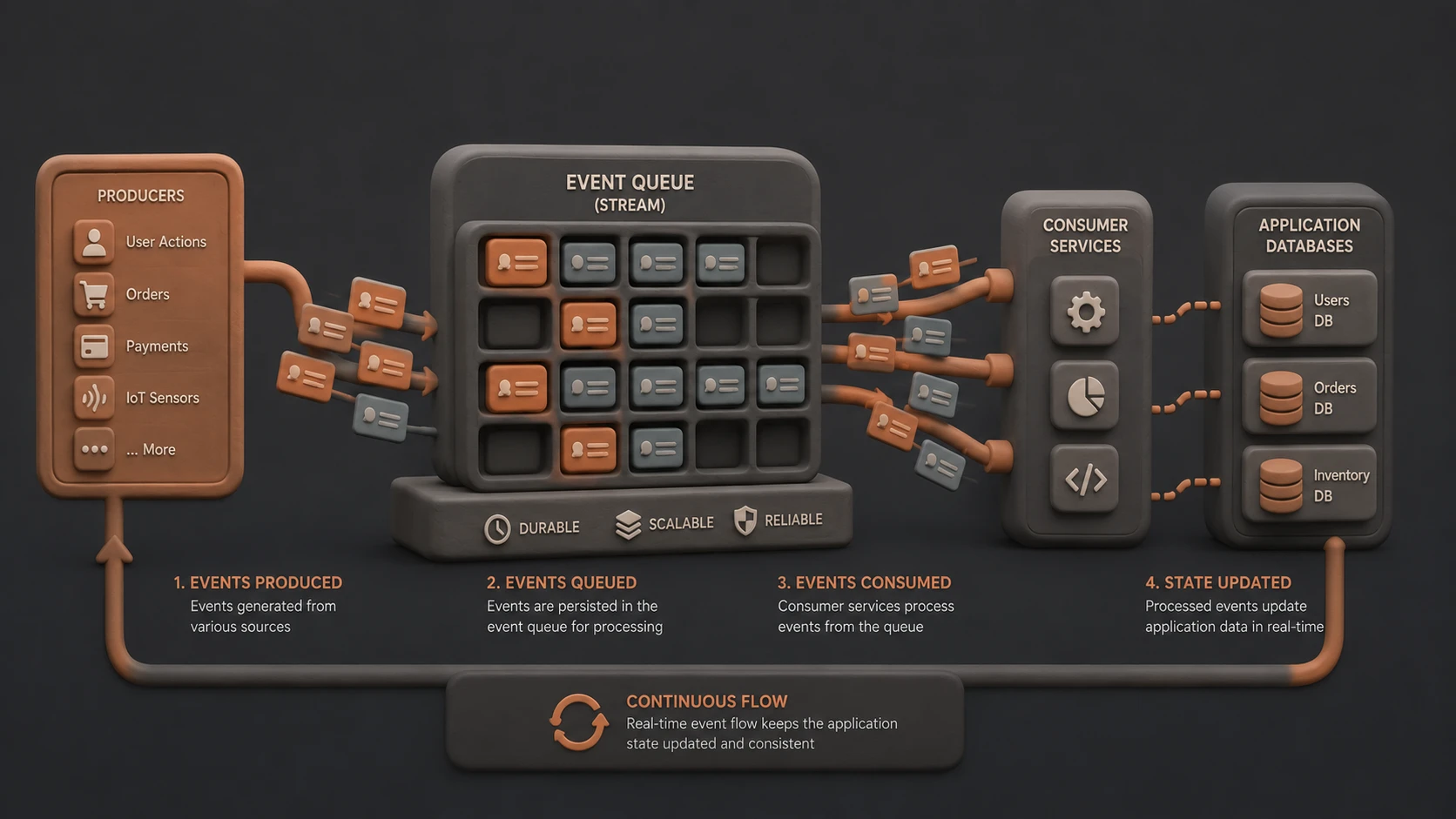
Beyond Serverless Functions: The Event-Driven, Cloud-Native Application
Serverless computing has evolved beyond individual functions into complete event-driven application architectures. Modern cloud-native platforms increasingly combine managed messaging, event streaming, workflow orchestration, containers, APIs, and serverless services to build scalable, resilient, and cost-efficient enterprise systems. This article examines this architectural evolution from the perspective of February 2024.
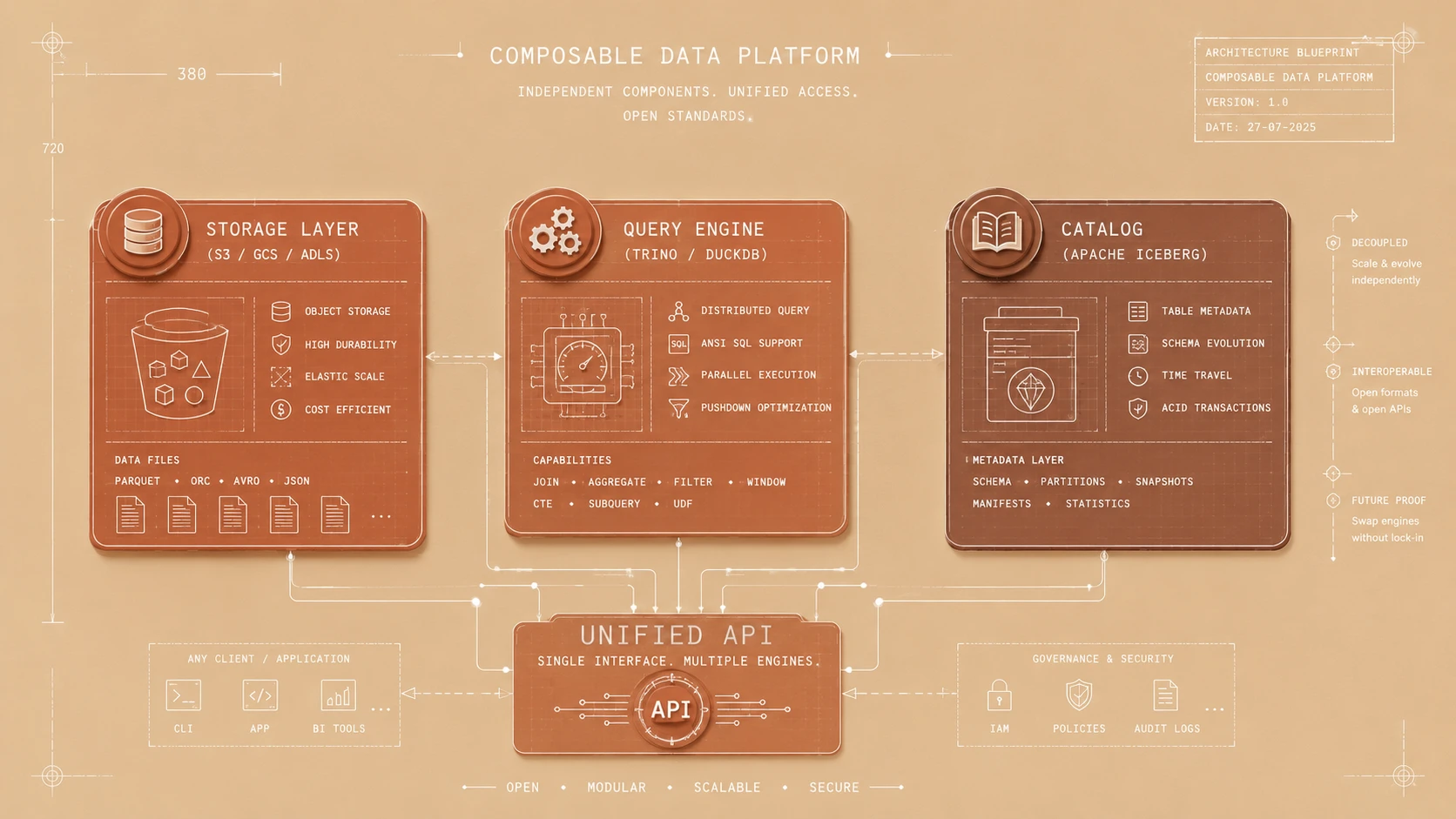
Composable Data Platforms: Building the Enterprise Fabric for 2025
Enterprise data architecture is rapidly shifting from centralized monolithic warehouses toward composable data platforms that combine data products, lakehouse architectures, domain ownership, AI-ready pipelines, and policy-driven governance. This article examines the evolution of composable enterprise data platforms from the perspective of February 2024.
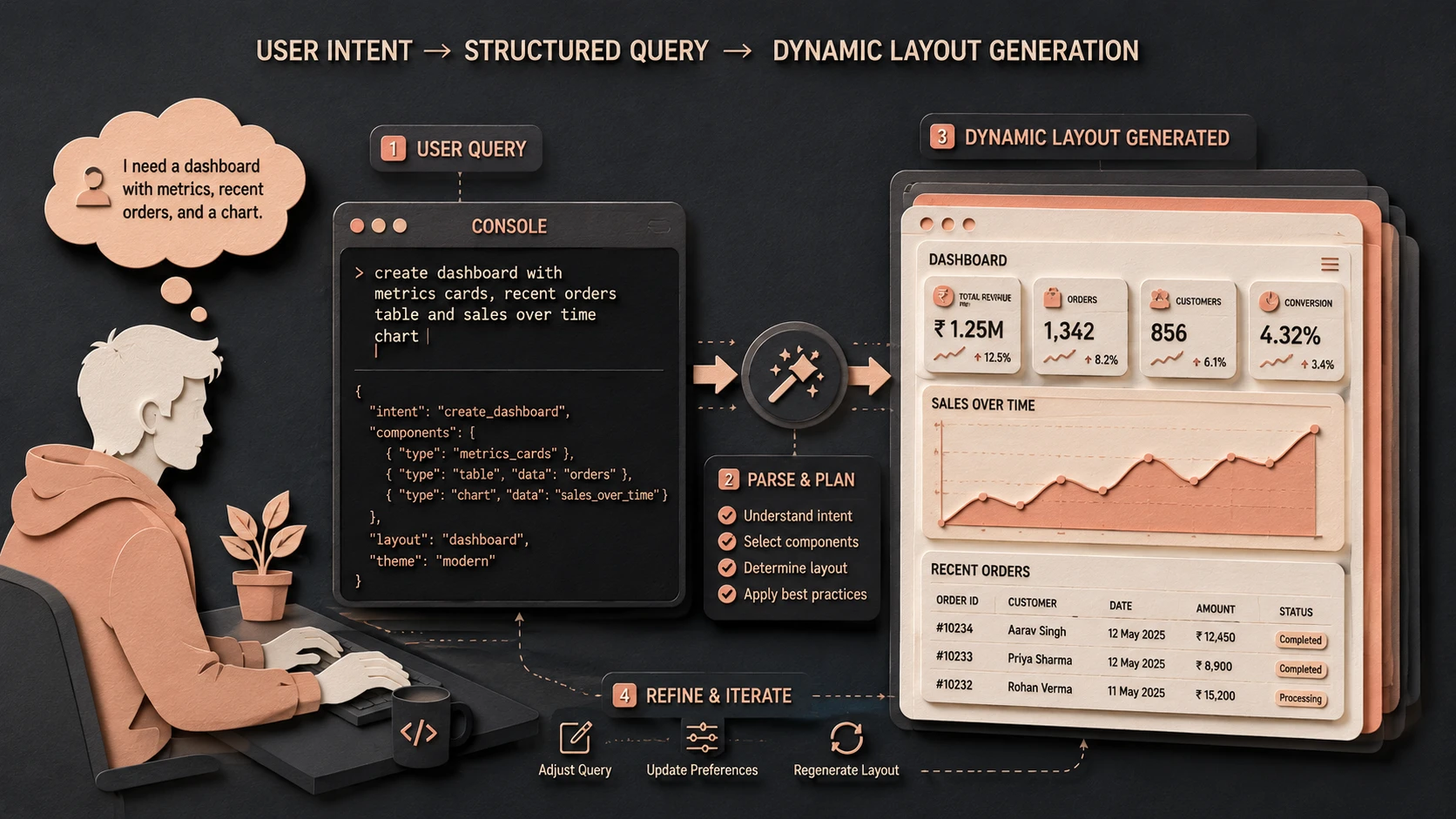
The Rise of Intent-Driven UIs: From Clicks to Conversations
By early 2024, enterprise software is undergoing one of its biggest interface transformations since the adoption of graphical user interfaces. Instead of forcing users to navigate menus, dashboards, and forms, organizations are increasingly designing applications around user intent using Large Language Models, conversational interfaces, AI copilots, and multimodal experiences. This article examines the rise of Intent-Driven User Interfaces from the perspective of January 2024.