Cloud Computing
Viewing all posts categorized under Cloud Computing.

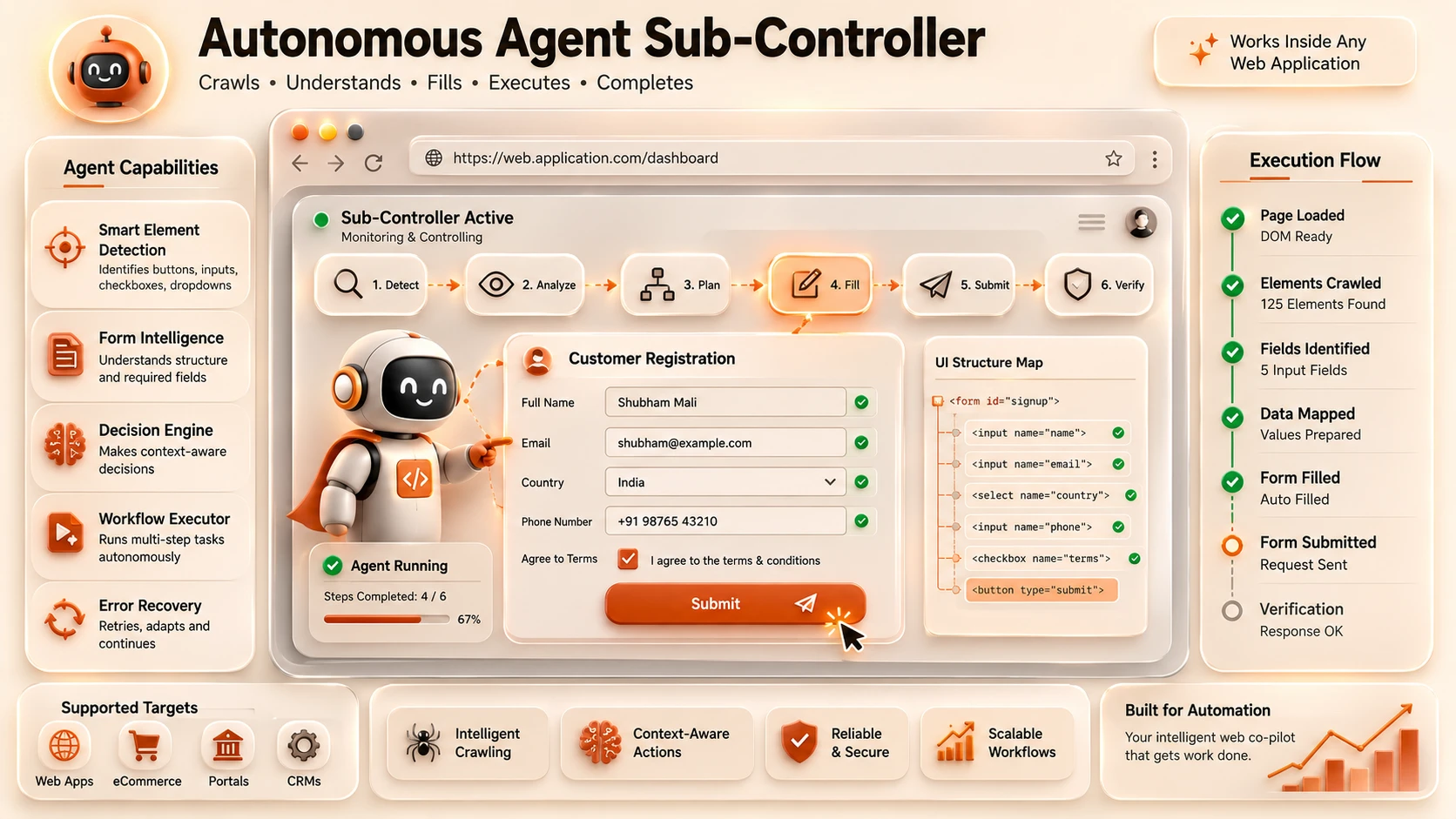
When Browsers Become Agents: Building Web Apps for the AI-First Era
The rapid adoption of generative AI has transformed expectations for modern web applications. Browsers are evolving from passive rendering engines into intelligent execution environments capable of orchestrating AI assistants, autonomous workflows, and natural language interactions. This article explores how enterprises should rethink web application architecture, APIs, user interfaces, security, and developer practices for the AI-first era from the perspective of January 2024.
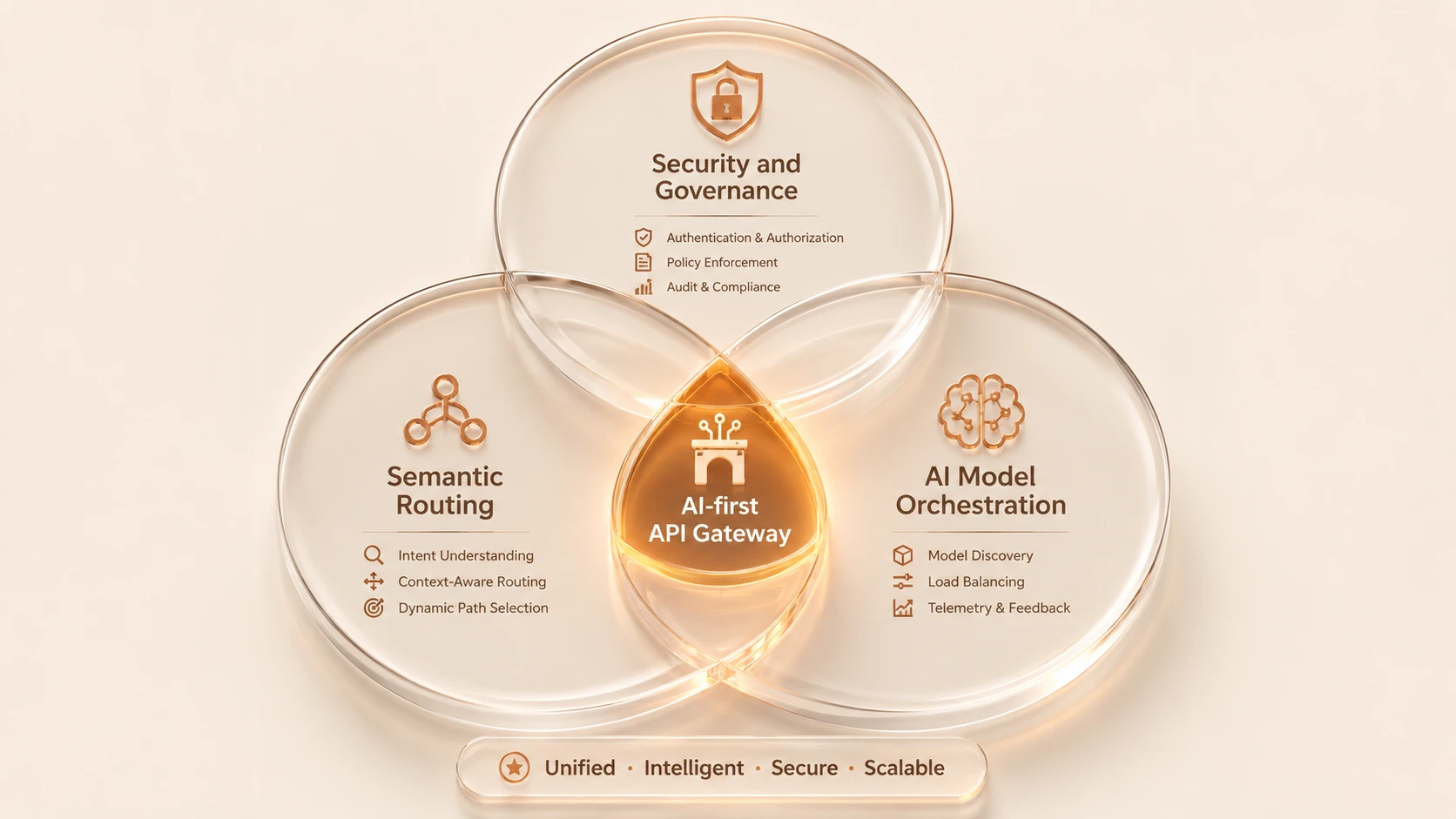
AI-first API Gateways & Semantic Routing: The Next Evolution of Intelligent Enterprise Connectivity
By late 2023, the rapid adoption of Large Language Models has introduced entirely new architectural requirements for enterprise API platforms. Traditional API gateways focused primarily on authentication, routing, rate limiting, and observability. AI-first API gateways extend these capabilities with semantic request understanding, intelligent model selection, prompt governance, context-aware routing, and LLM orchestration. This article examines AI-first API Gateways and Semantic Routing from the perspective of December 2023.
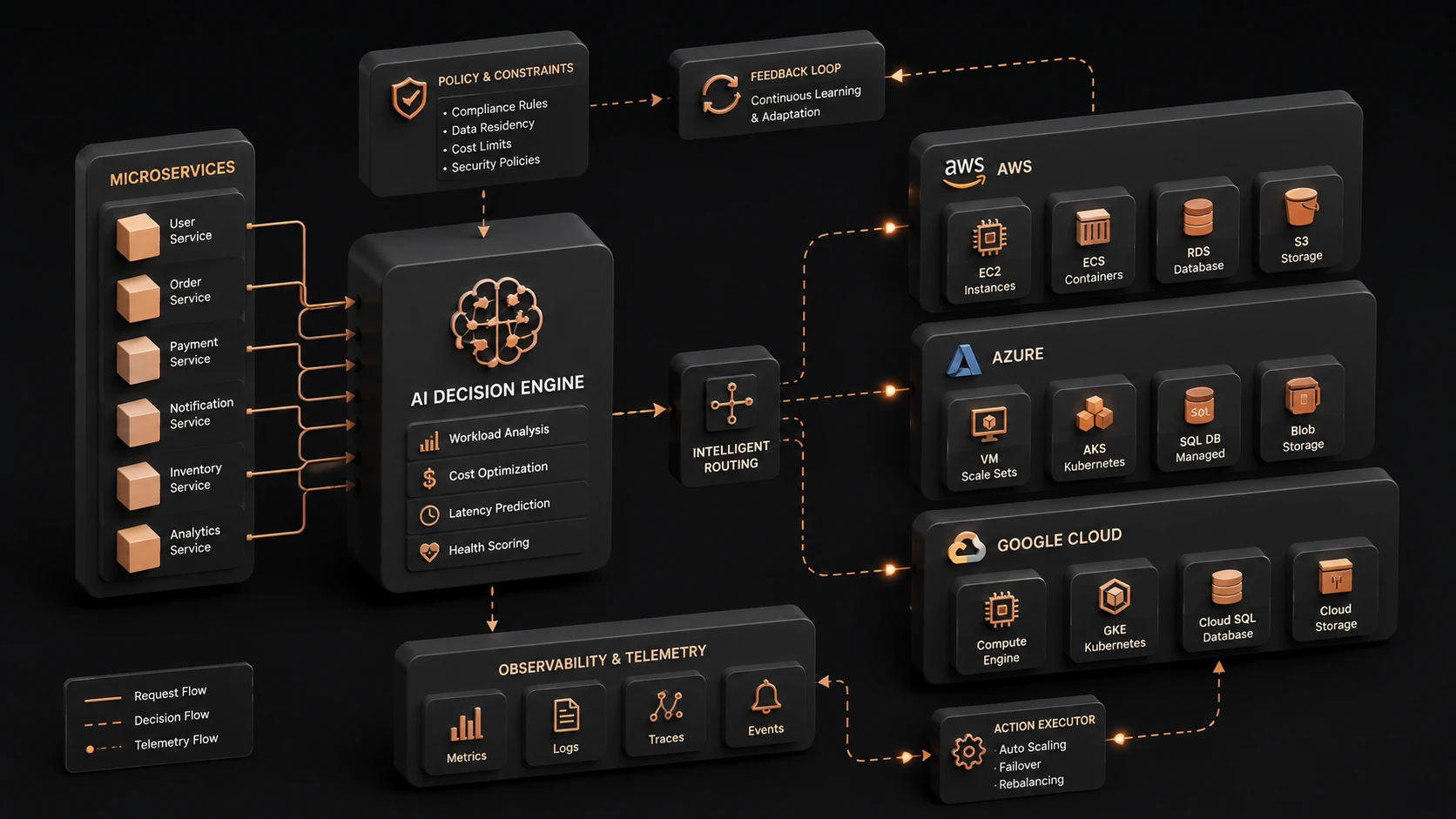
Multi-Cloud Intelligence and Autonomous Systems
By late 2023, enterprises have shifted from simply adopting multiple cloud providers to building intelligent platforms capable of automatically optimizing workload placement, security, costs, resilience, and performance. This article explores how AI-powered multi-cloud management and autonomous systems are transforming enterprise cloud operations from the perspective of December 2023.
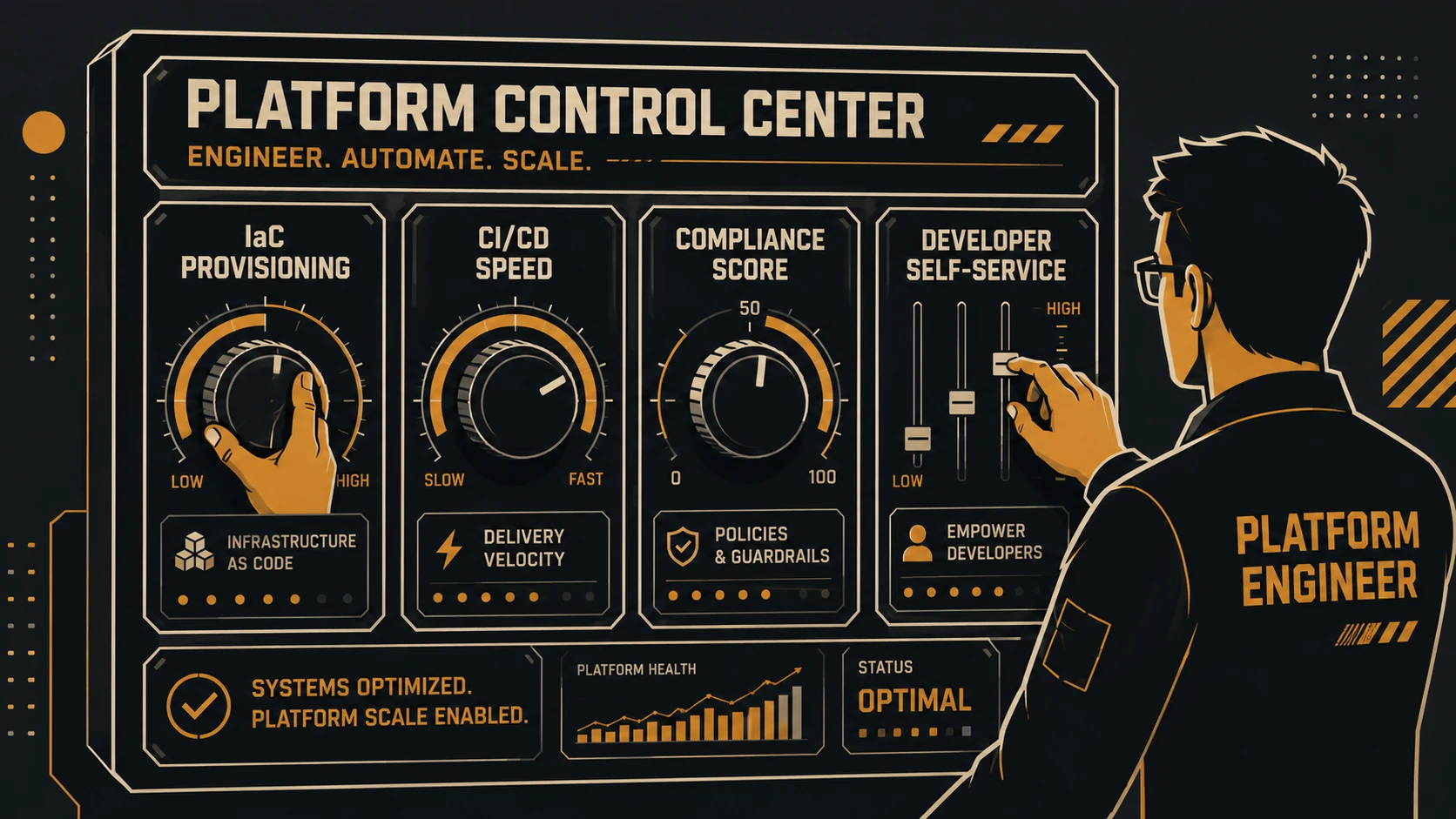
Platform Engineering Becomes Mainstream
Platform Engineering has rapidly emerged as one of the defining enterprise technology movements of 2023. Building on years of DevOps, Kubernetes, cloud-native computing, and Infrastructure as Code, organizations are investing in Internal Developer Platforms (IDPs) that improve developer productivity while standardizing security, governance, and operational excellence. This article examines Platform Engineering from the perspective of November 2023, exploring its architecture, enterprise adoption, implementation strategies, and future direction.
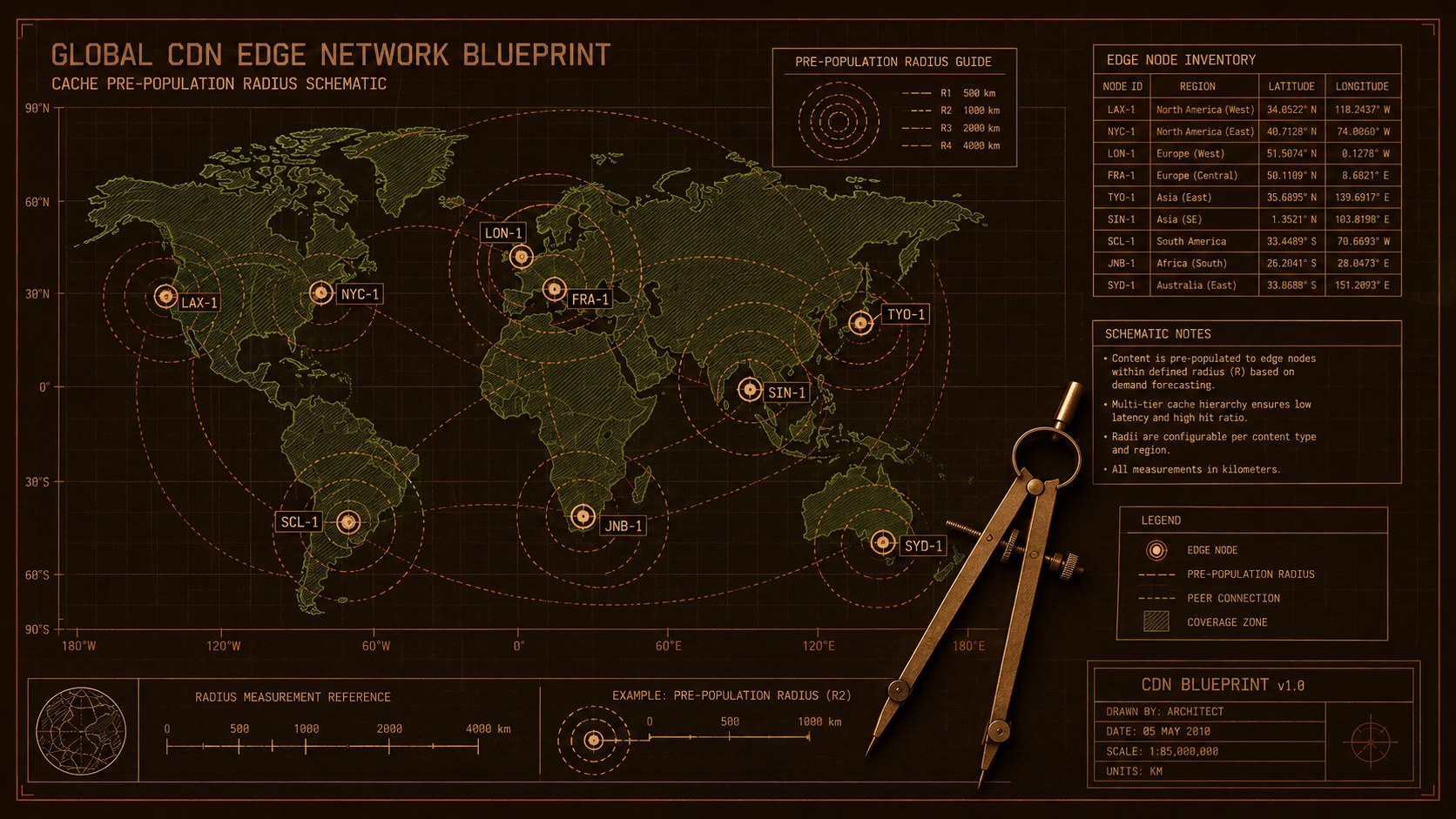
Intelligent Caching with Predictive Edge Logic
Modern applications are expected to deliver near-instant responses regardless of user location or traffic volume. By late 2023, intelligent caching has evolved beyond static cache rules into predictive systems powered by machine learning, edge computing, real-time analytics, and behavioral insights. This article examines how predictive edge logic is transforming enterprise web performance from the perspective of November 2023.
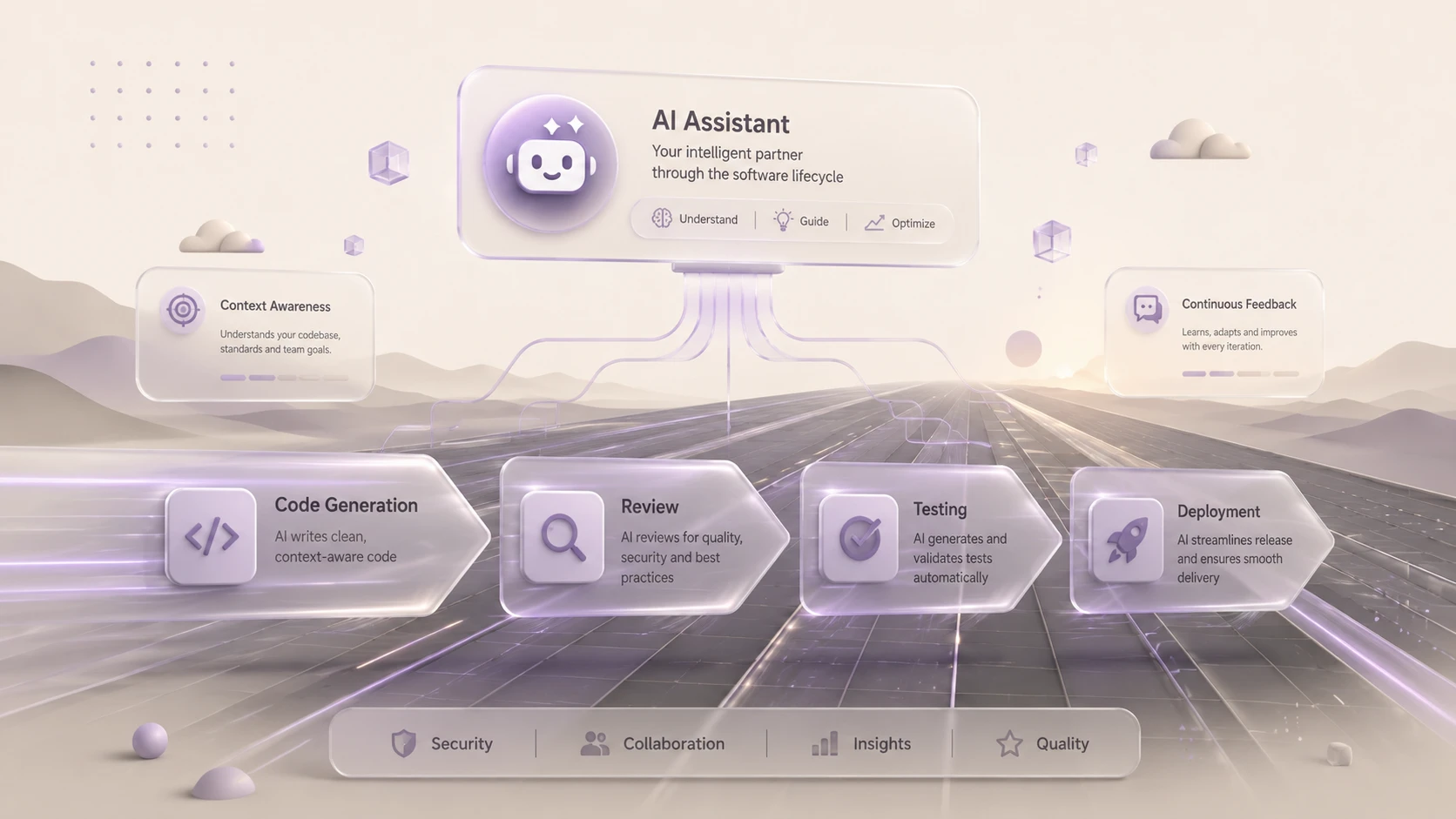
The Rise of AI-Augmented Engineering: Transforming the Enterprise Software Development Lifecycle
By late 2023, AI-Augmented Engineering has evolved from experimental coding assistants into a strategic capability for enterprise software organizations. Large Language Models (LLMs), AI-powered IDEs, automated testing assistants, and intelligent DevOps platforms are accelerating software delivery while changing how engineers design, implement, review, test, and maintain applications. This article examines AI-Augmented Engineering from the perspective of October 2023.
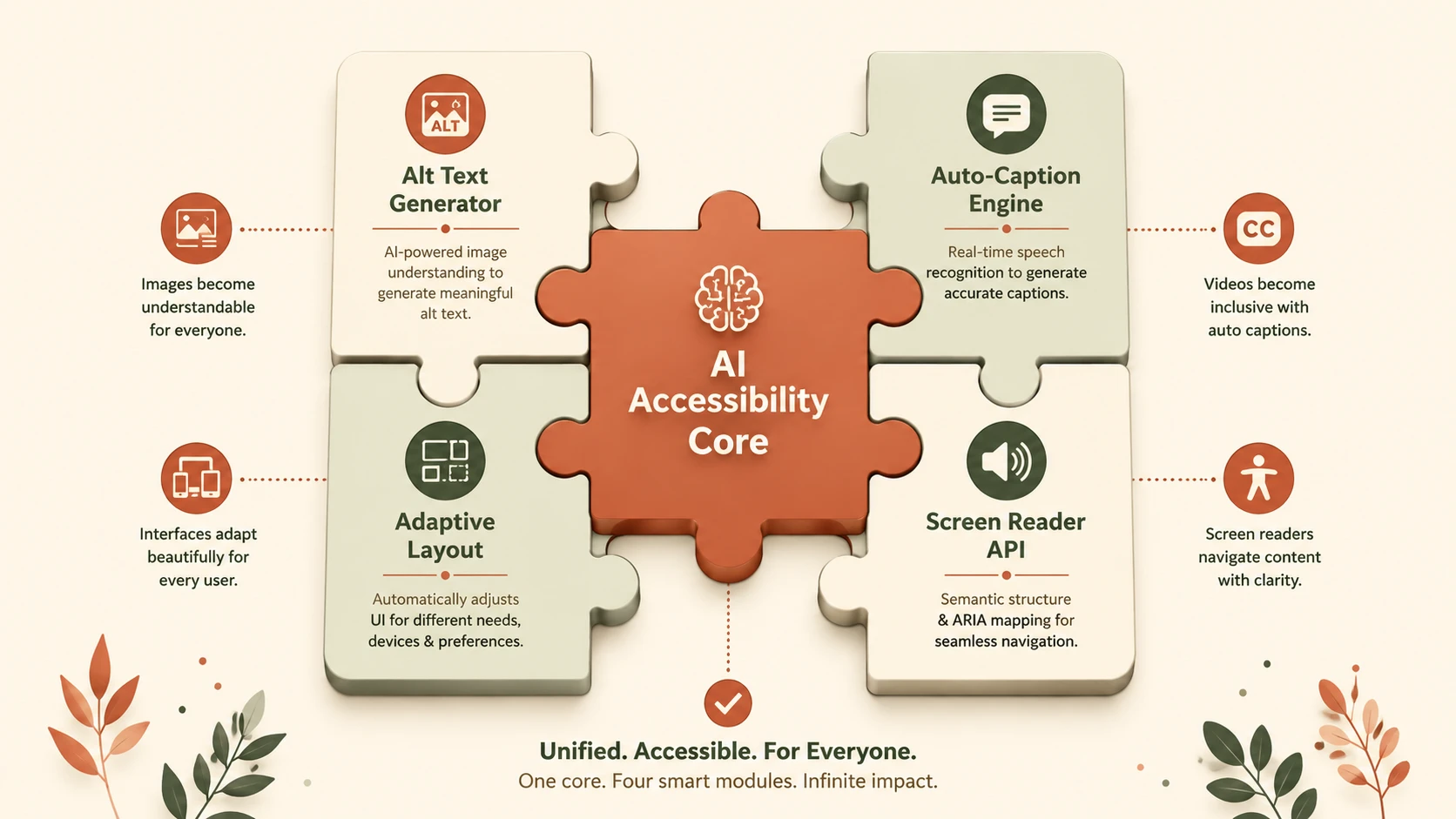
AI-Enhanced Accessibility & Inclusive Design
Artificial intelligence is increasingly becoming a practical tool for improving digital accessibility across websites, enterprise applications, customer platforms, and workplace software. Rather than replacing established accessibility standards, AI augments existing design practices through automation, personalization, speech technologies, computer vision, and intelligent user assistance. This article explores enterprise adoption, implementation patterns, governance, and architectural considerations from the perspective of October 2023.
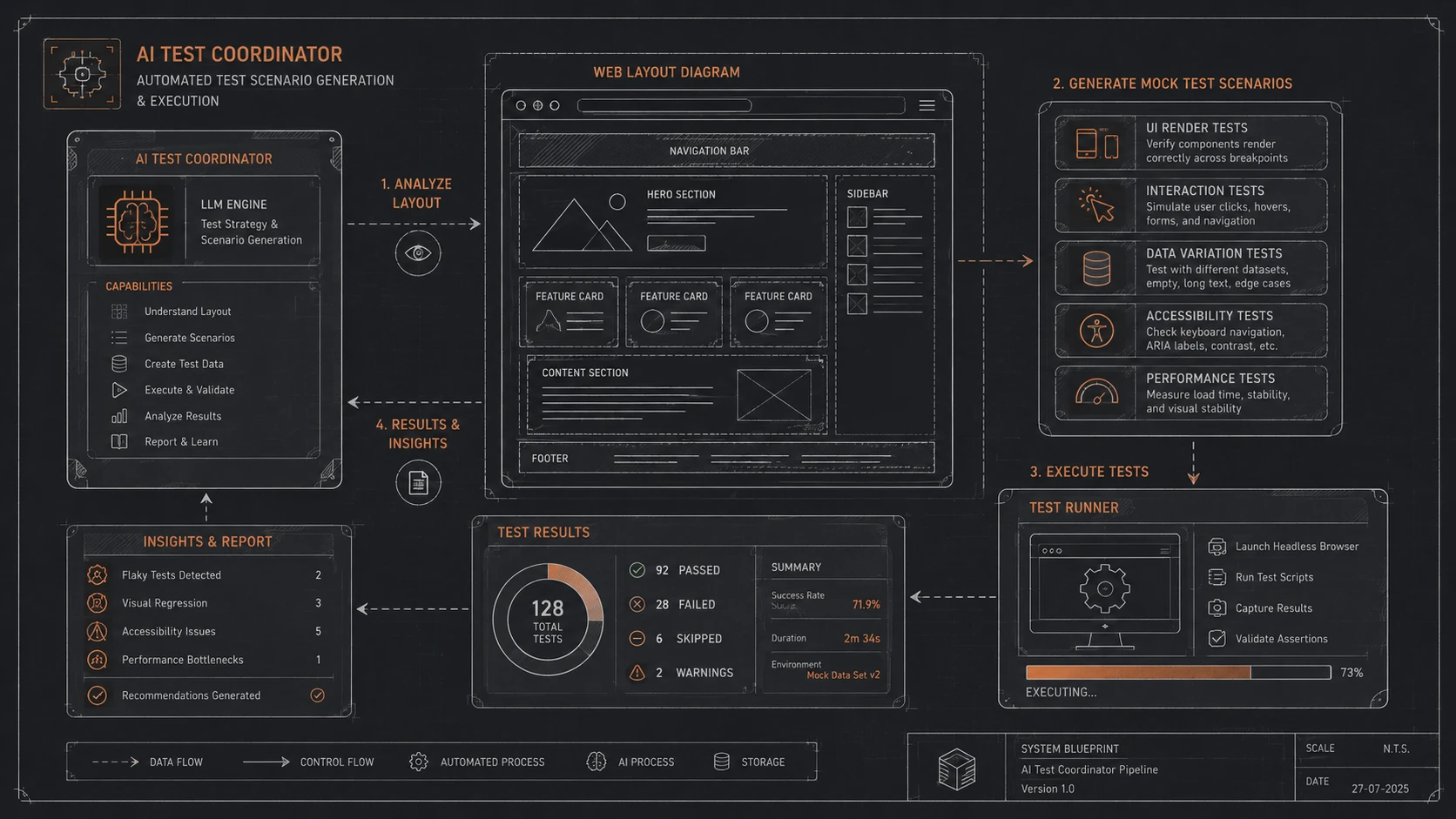
AI-driven QA and Autonomous Testing
Artificial Intelligence is reshaping software quality assurance by moving beyond scripted automation toward intelligent, adaptive, and autonomous testing. By late 2023, AI-driven QA platforms are assisting teams with test generation, self-healing automation, defect prediction, risk-based testing, and continuous quality engineering. This article explores the evolution of AI-powered testing from the perspective of September 2023.
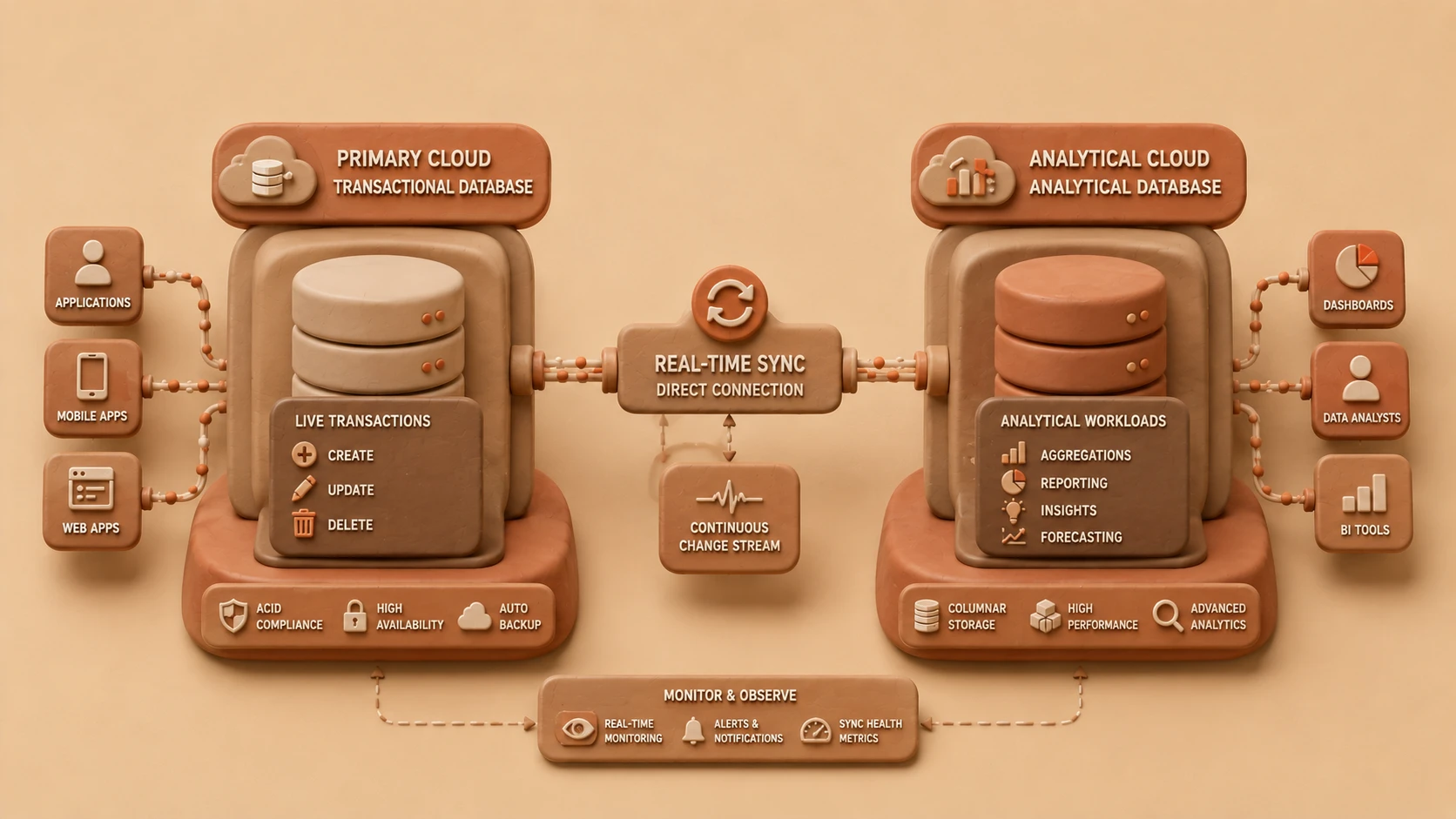
Hybrid Cloud APIs and Zero-ETL Pipelines: Building Real-Time Enterprise Data Architectures
By 2023, enterprises are increasingly replacing traditional batch-oriented ETL architectures with API-driven integration and Zero-ETL data pipelines. Hybrid cloud platforms, event streaming, managed databases, and cloud-native analytics services enable organizations to synchronize operational and analytical systems with minimal data movement. This article examines Hybrid Cloud APIs and Zero-ETL Pipelines from the perspective of August 2023.
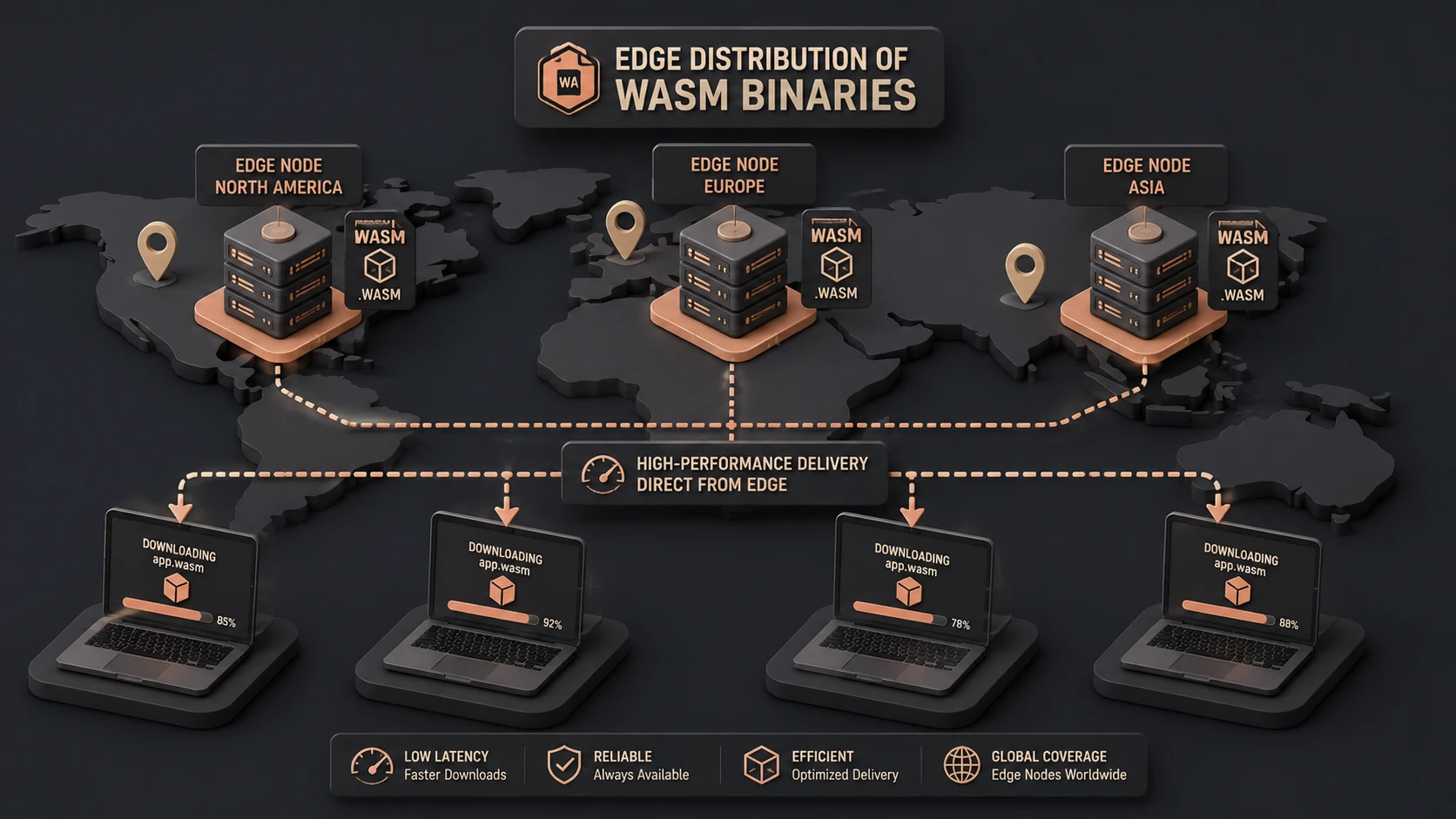
High-Performance Web with WASM and Edge Compute
As WebAssembly matures beyond browser-based execution and edge computing platforms continue expanding globally, enterprises are rethinking where application logic should execute. Combining WebAssembly with edge runtimes enables low-latency, secure, and highly scalable workloads closer to end users. This article explores the architecture, enterprise adoption, implementation patterns, performance considerations, and future outlook of WASM-powered edge computing from the perspective of July 2023.
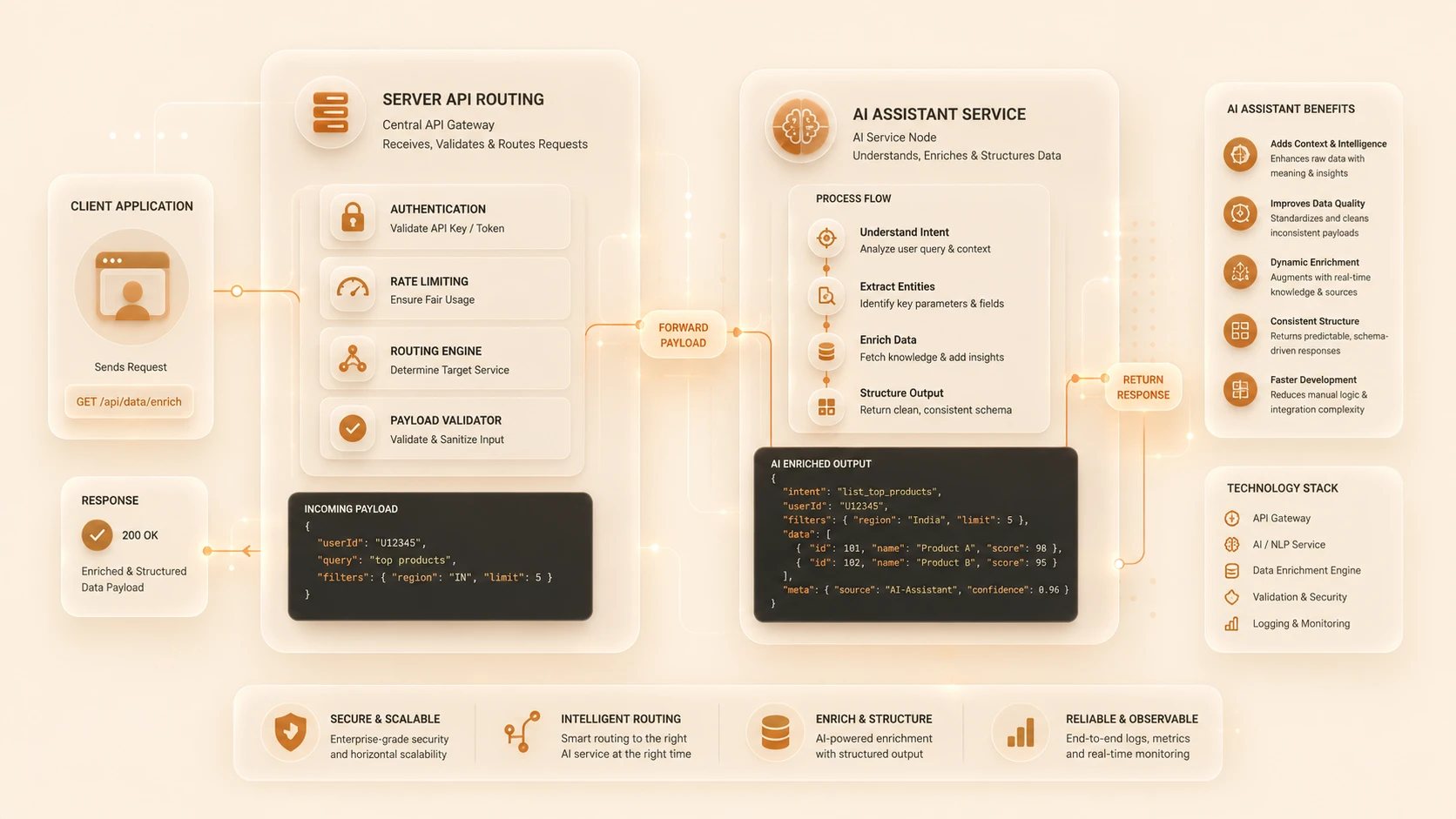
Intelligent APIs with AI Assistants
The emergence of Large Language Models (LLMs) and AI assistants has transformed APIs from simple request-response interfaces into intelligent service layers capable of understanding natural language, reasoning over enterprise data, and orchestrating complex workflows. This article explores the architectural patterns, opportunities, and challenges of building AI-powered APIs from the perspective of June 2023.
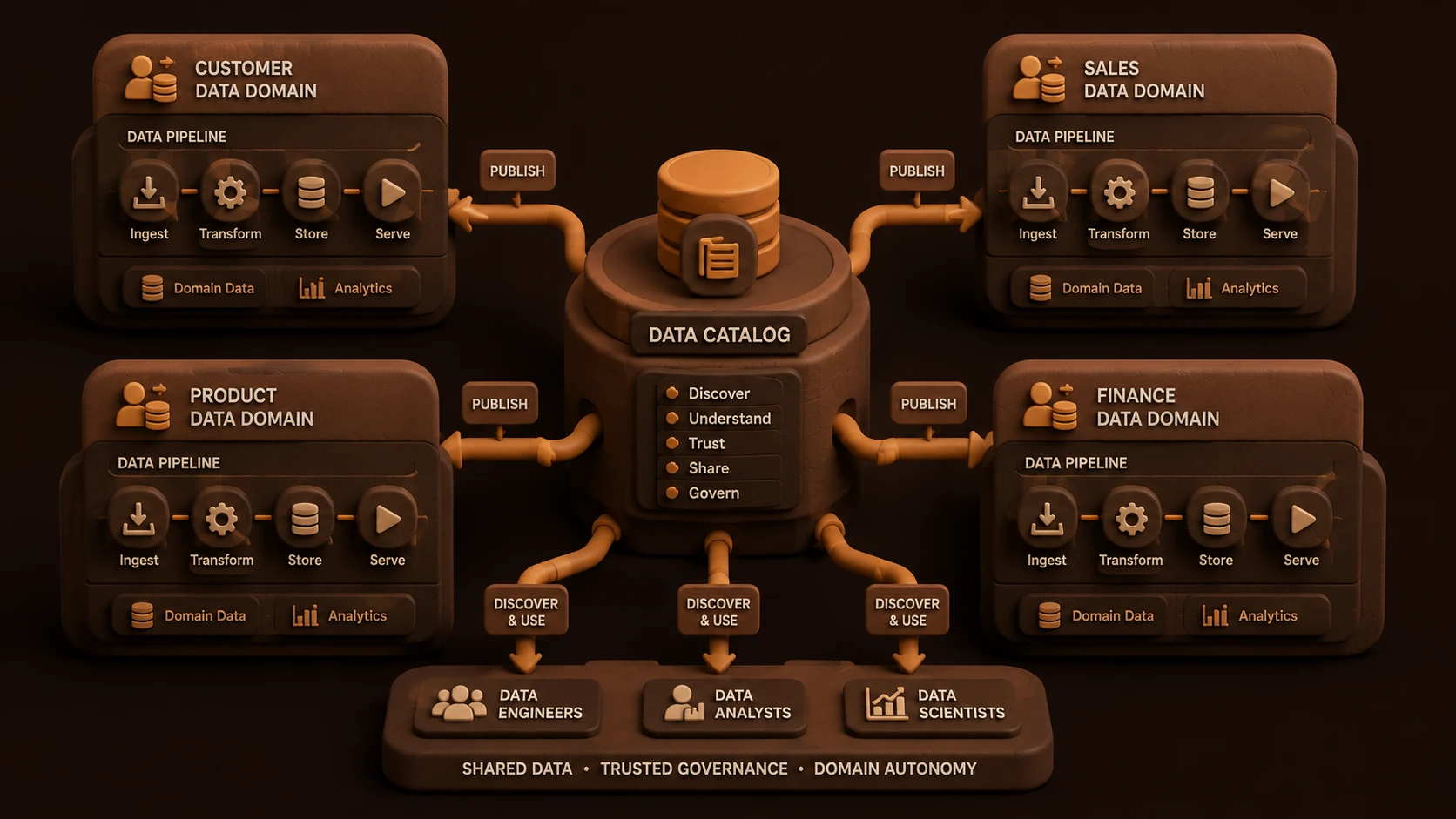
Data Mesh Adoption in Real Enterprises
As enterprise data volumes continue to grow across cloud platforms, SaaS applications, operational systems, and streaming architectures, organizations are rethinking centralized data management. Data Mesh has emerged as an architectural approach that distributes data ownership to business domains while providing standardized self-service infrastructure and governance. This article examines Data Mesh adoption from the perspective of April 2023, focusing on architecture, implementation patterns, enterprise challenges, and practical migration strategies.
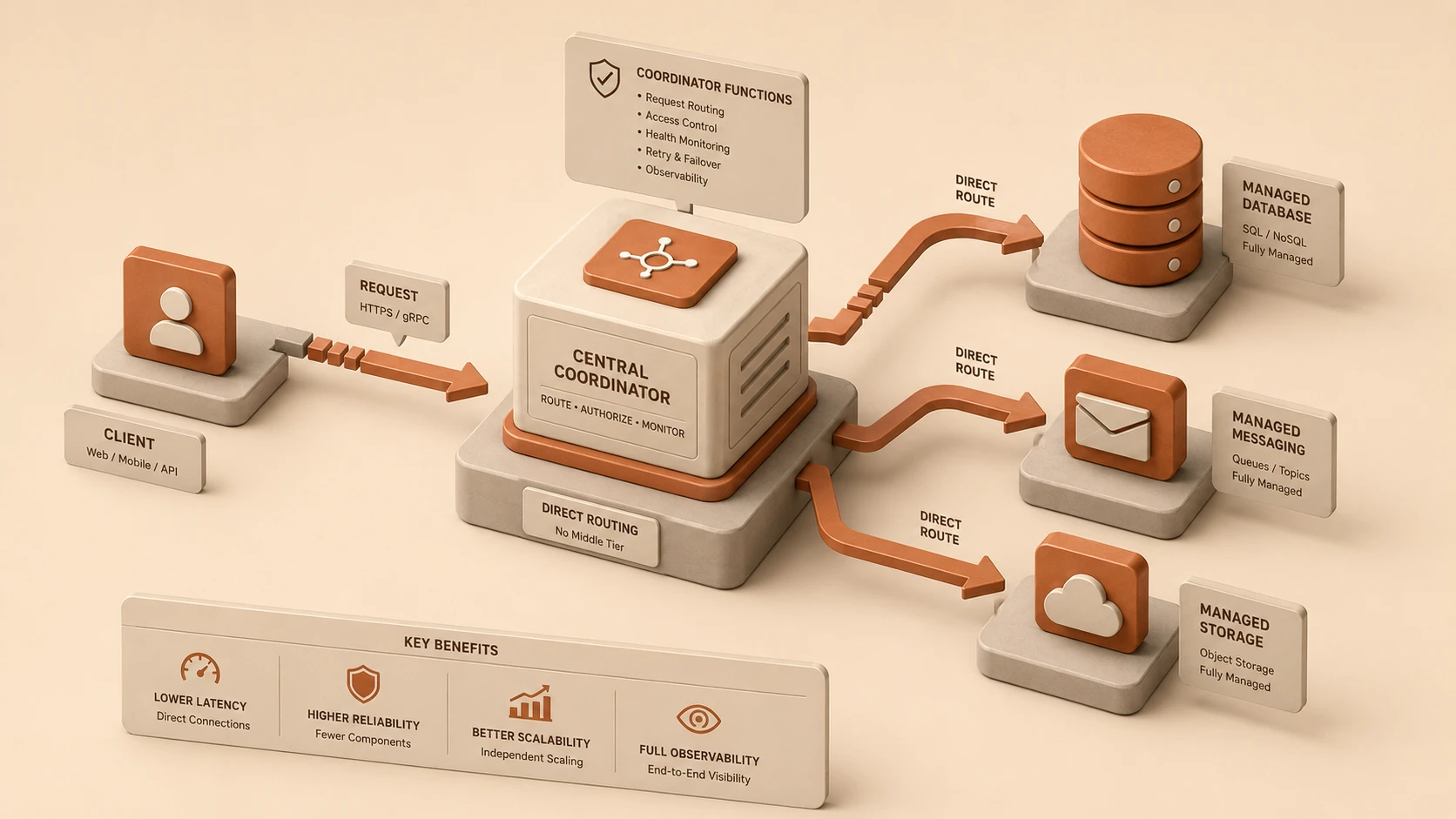
Evolution of Serverless Beyond Functions
Serverless computing has matured far beyond simple Function-as-a-Service (FaaS). By early 2023, cloud providers increasingly offer serverless databases, containers, messaging, workflows, APIs, and event-driven integration services that enable organizations to build complete cloud-native platforms without managing infrastructure. This article examines the evolution of serverless computing from the perspective of March 2023.
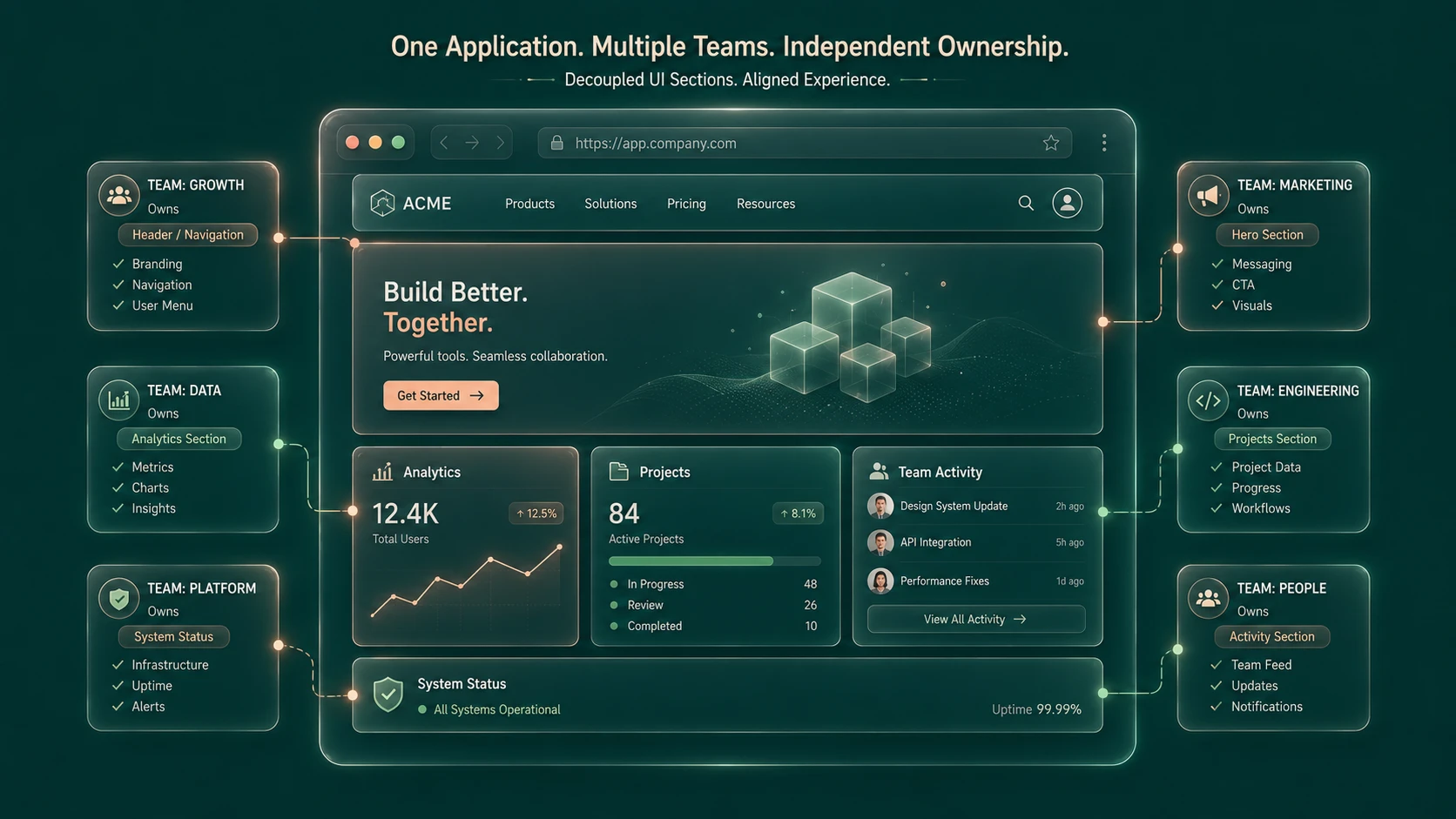
Advances in Micro-Frontend Architecture: Scaling Enterprise Front-End Platforms Beyond the Monolith
By 2023, Micro-Frontend Architecture has matured from an experimental concept into a practical enterprise strategy for scaling large web applications. Advances in module federation, independent deployment, design systems, and platform engineering enable multiple teams to collaborate on a single application while maintaining autonomy. This article examines the state of Micro-Frontend Architecture from the perspective of February 2023.
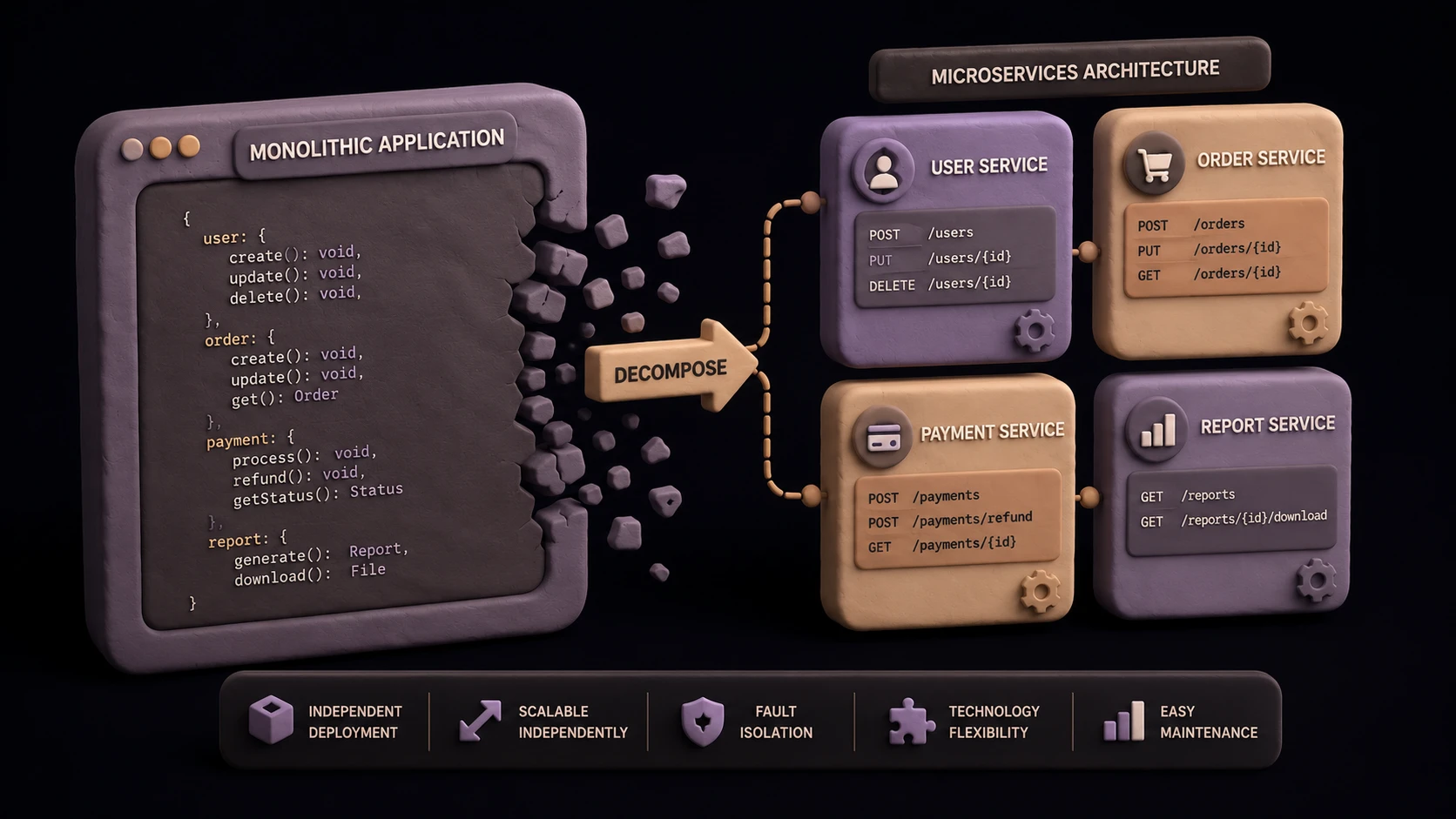
Rethinking Legacy Systems with Modernization Patterns
Enterprise organizations continue to depend on decades-old mission-critical systems that remain essential to business operations. As cloud computing, APIs, containers, and modern development practices mature, modernization has become less about complete replacement and more about controlled evolution. This article explores modernization patterns, architectural strategies, migration approaches, and governance considerations from the perspective of January 2023.