Build Smarter.
Ship Faster.AI Agent DevelopmentAI Agent DevelopmentMulti-Agent AI & SwarmsAdvanced Hybrid RAG EnginesLLM Cost OptimizationLegacy .NET ModernizationEnterprise SaaS Engineering
Deep technical content on agentic AI systems, LLM cost optimization, Commander Architecture, and production SaaS engineering — from 18+ years of building.

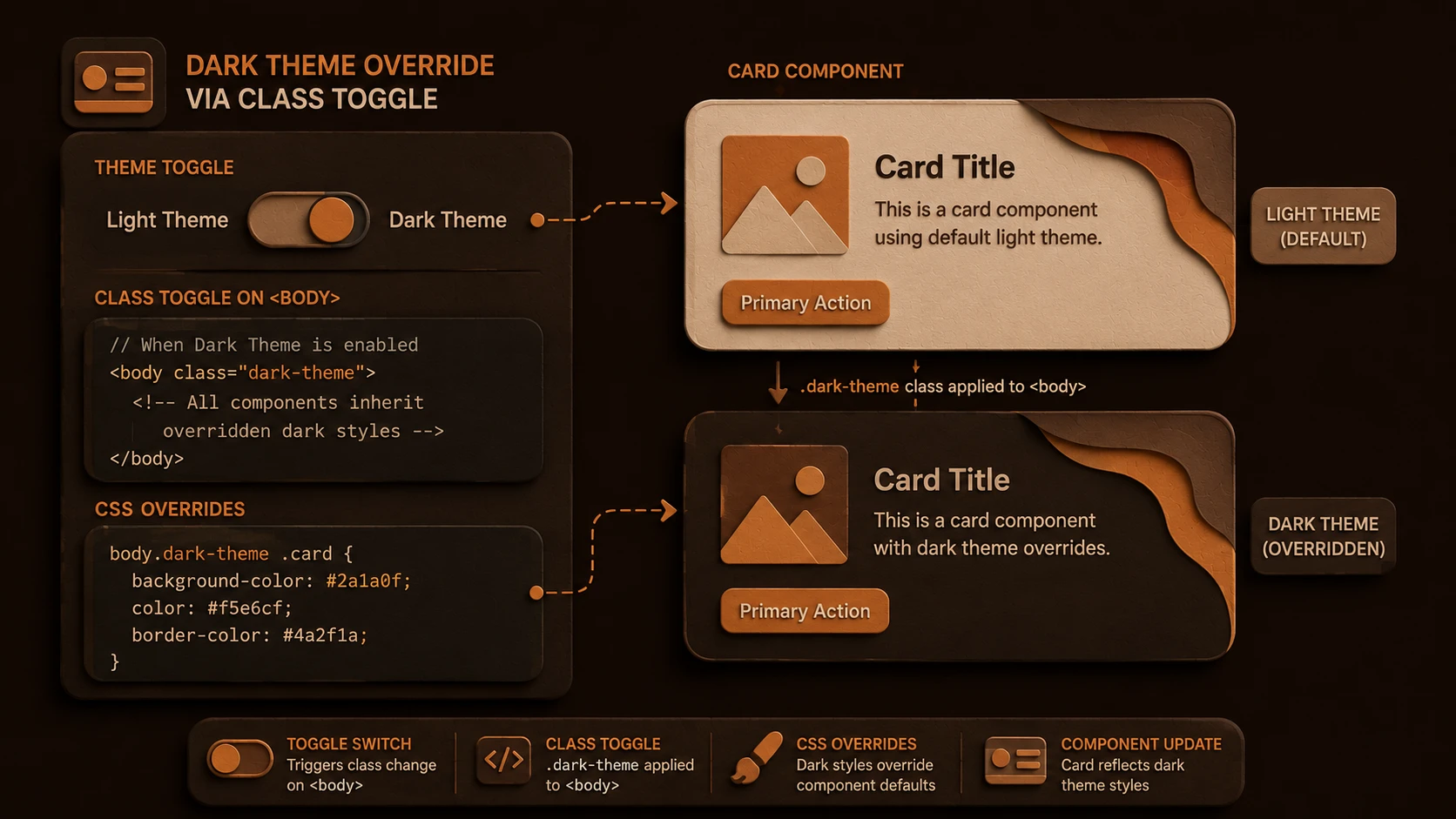
Tailwind CSS 2.0: Dark Mode Class Bindings, Extended Color Palettes, and NPM Installations
Tailwind CSS 2.0 expands the utility-first CSS framework with production-ready Dark Mode support, a dramatically larger default color palette, extended typography utilities, and an improved installation experience through npm. These enhancements make Tailwind CSS an increasingly compelling choice for enterprise design systems, responsive applications, and scalable front-end architectures. This article examines Tailwind CSS 2.0 from the perspective of November 2020.
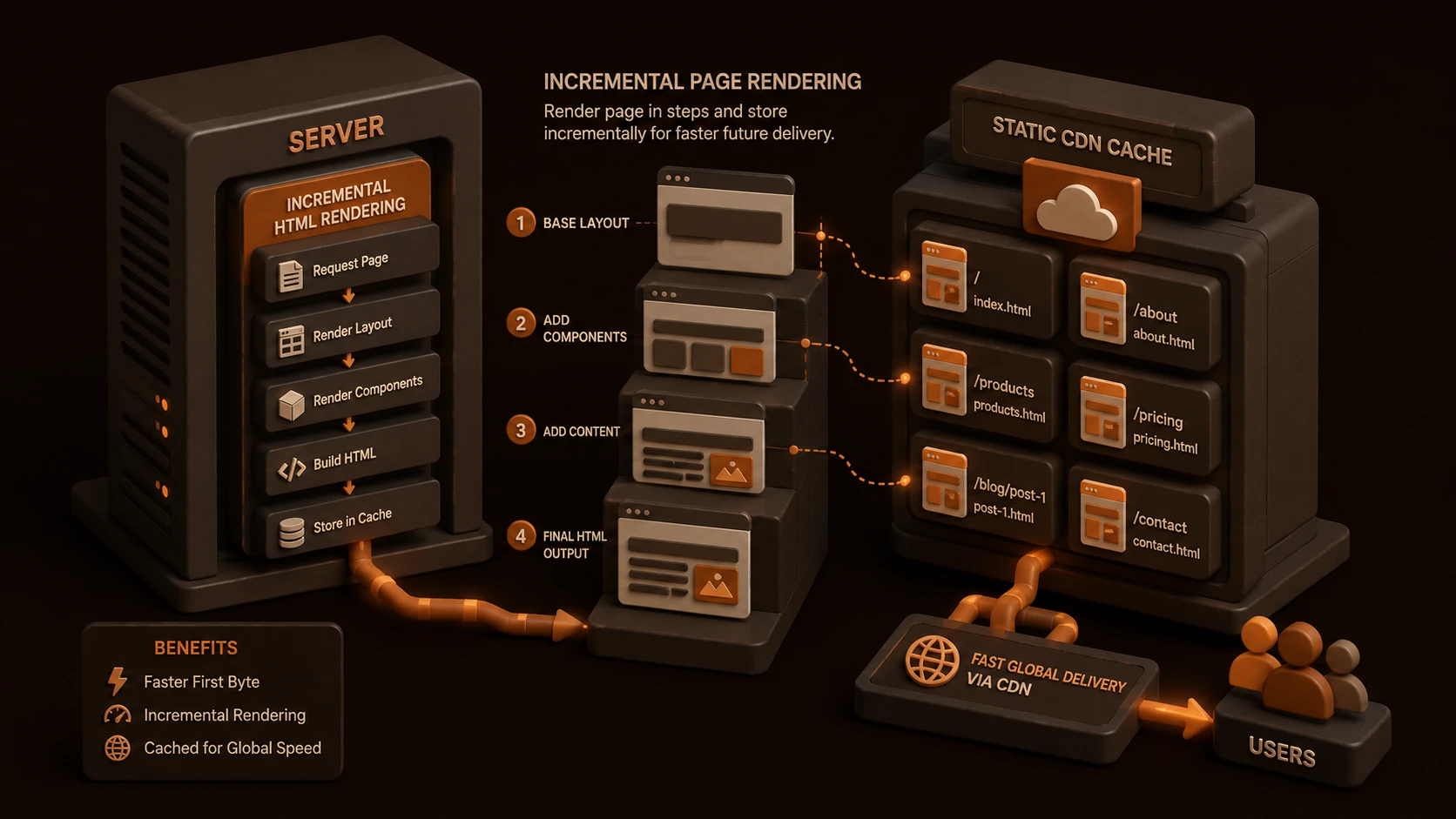
Next.js 9.4: Fast Refresh and Incremental Static Regeneration (ISR) Previews
Next.js 9.4 introduces Fast Refresh for significantly faster development iterations and previews Incremental Static Regeneration (ISR), extending static site generation beyond traditional build-time limitations. Together with environment variable support and improved developer tooling, this release strengthens Next.js as a modern framework for enterprise React applications. This article examines Next.js 9.4 from the perspective of June 2020.
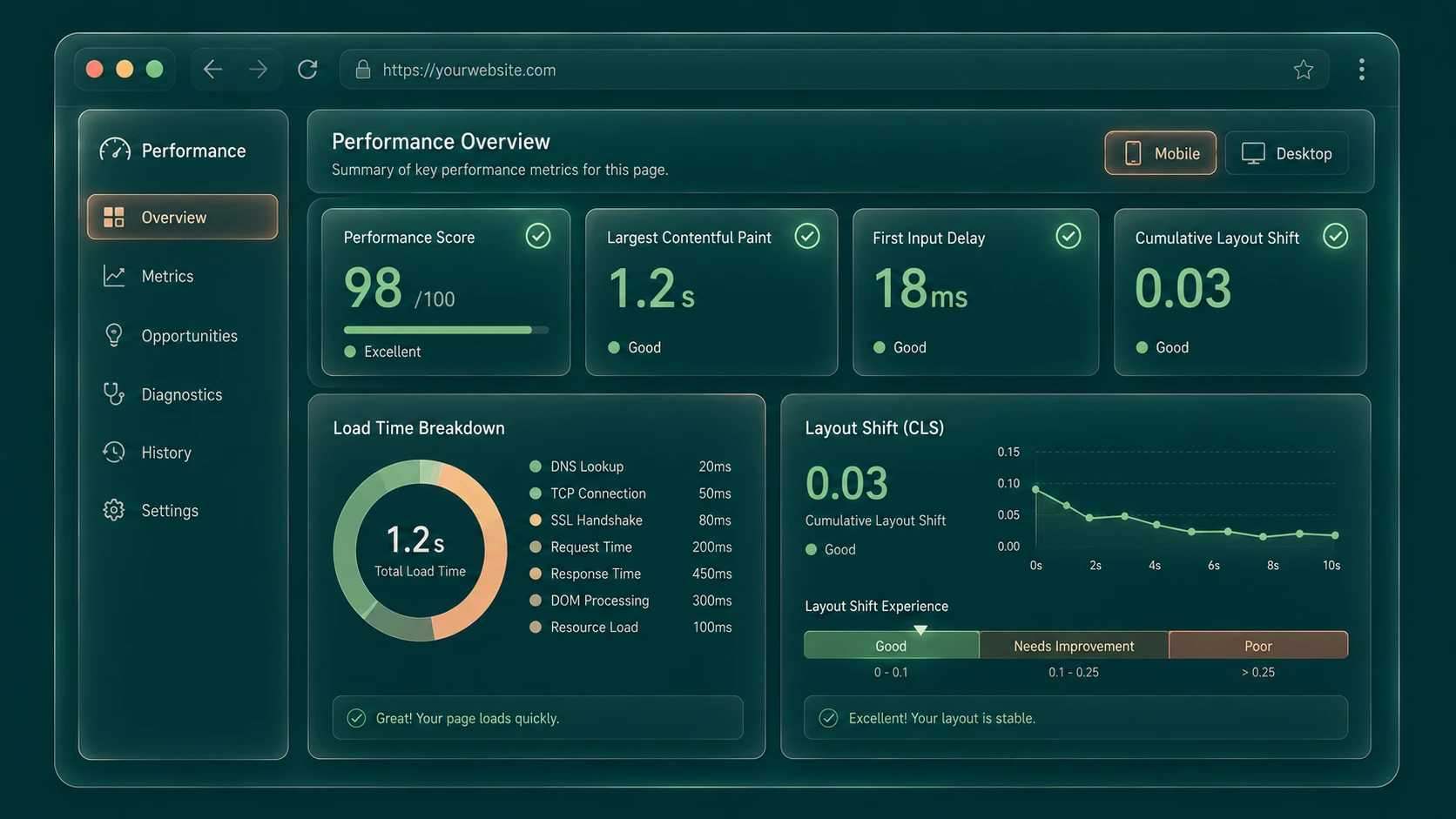
Google Core Web Vitals: LCP, FID, and CLS Performance Standards
Google has introduced Core Web Vitals as a standardized set of user-centric metrics designed to measure real-world web experience. Centered around Largest Contentful Paint (LCP), First Input Delay (FID), and Cumulative Layout Shift (CLS), these metrics provide developers and enterprise organizations with measurable indicators for page loading performance, responsiveness, and visual stability. This article examines Core Web Vitals from the perspective of May 2020.
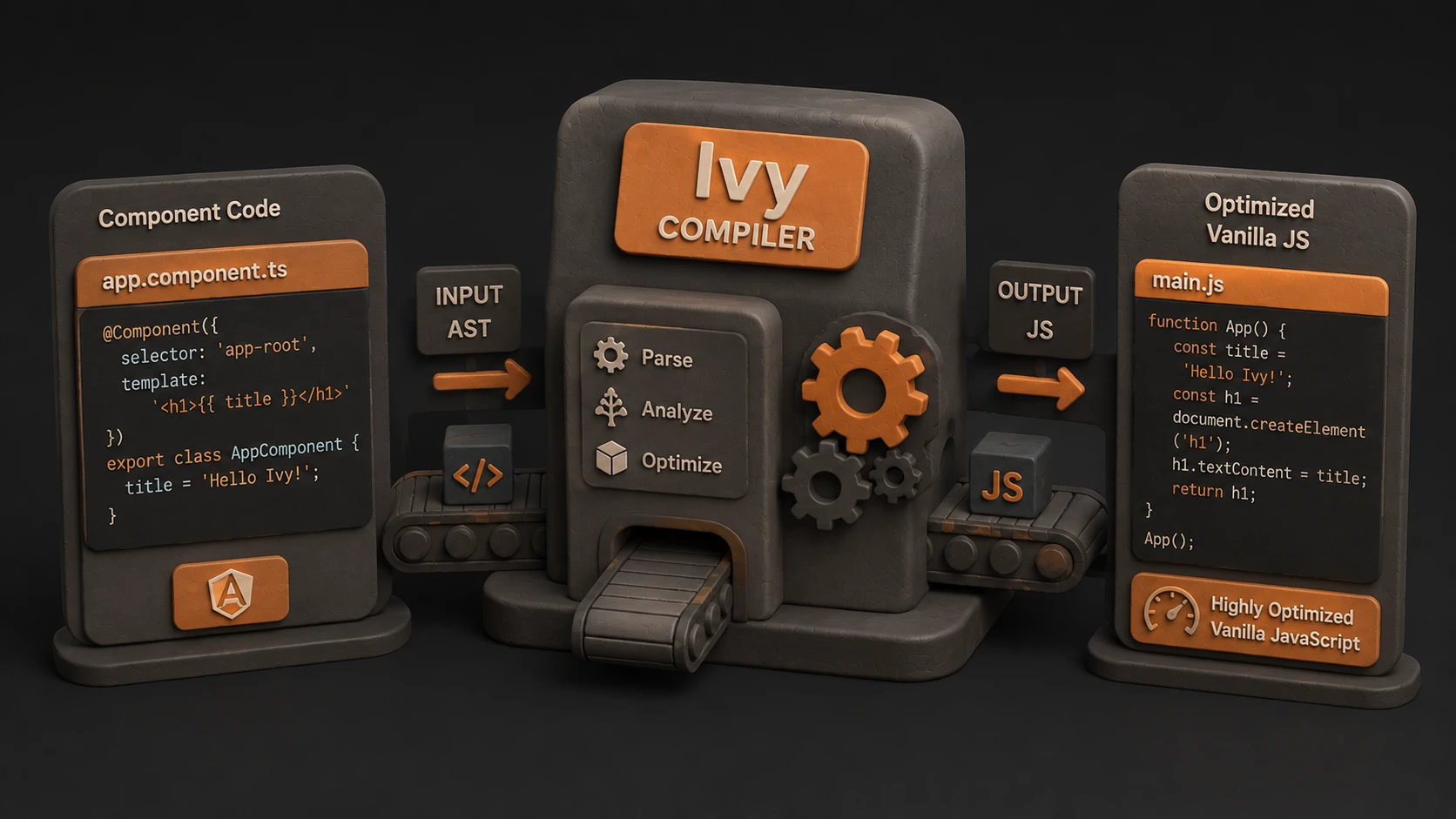
Angular 9.0: The Ivy Compiler, Bundle Size Reductions, and Compilation Speeds
Angular 9 marks one of the most significant milestones in the framework's evolution by making the Ivy compiler and rendering engine the default. With improved compilation speeds, smaller bundle sizes, enhanced debugging, and better build performance, Angular 9 strengthens its position as a production-ready framework for enterprise-scale web applications. This article examines Angular 9 from the perspective of April 2020.

CSS Subgrid Layout Specification Status: Nested Grid Alignments Inside Layouts
The CSS Subgrid specification continues progressing as one of the most anticipated enhancements to CSS Grid Layout. By allowing nested grid containers to inherit track definitions from their parent grids, Subgrid promises cleaner layout architecture, improved alignment consistency, and reduced markup complexity. This article examines the technology from the perspective of March 2020, evaluating its architecture, browser implementation status, enterprise implications, and adoption strategy.
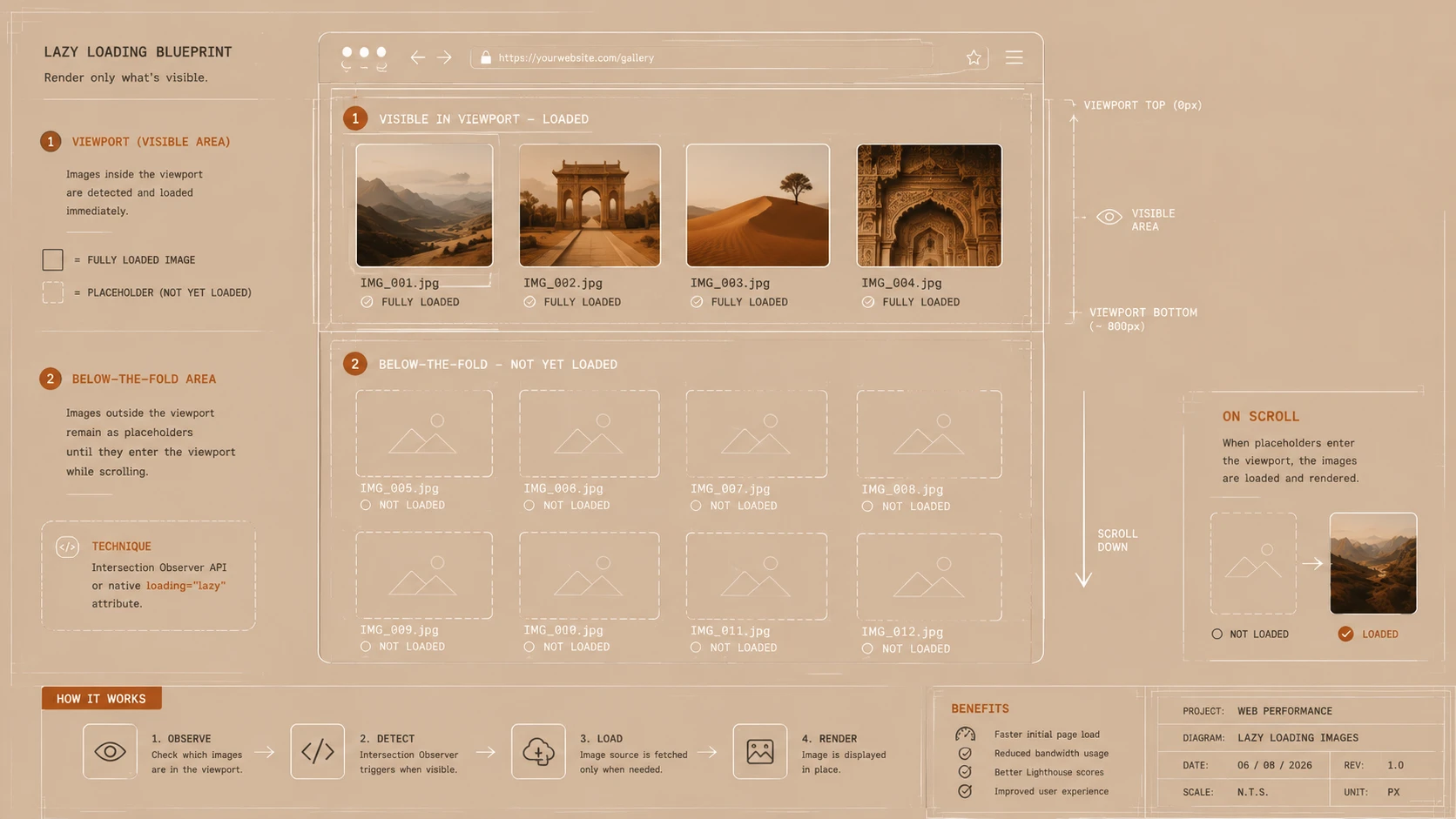
HTML5 Native Lazy Loading: The loading='lazy' Attribute and Browser Layout Optimizations
The introduction of the HTML loading="lazy" attribute marks an important step toward browser-native performance optimization. By allowing browsers to defer offscreen image and iframe loading without JavaScript libraries, developers can reduce network usage, improve page load performance, and simplify front-end architecture. This article examines native lazy loading from the perspective of August 2019, evaluating its architecture, browser support, enterprise implications, and adoption strategies.
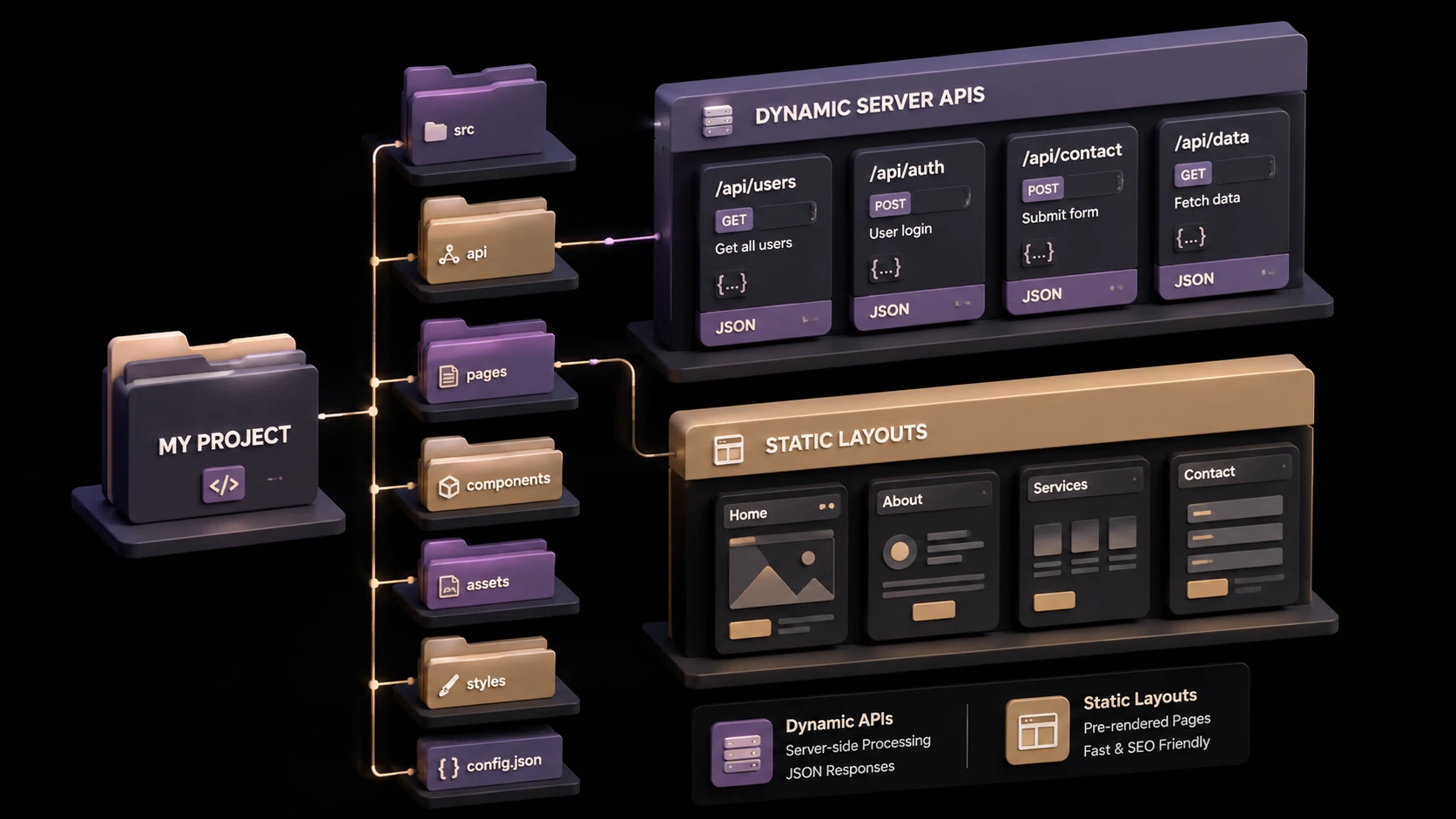
Next.js 9.0: Native API Routes, Automatic Static Optimization, and TypeScript Integration
Next.js 9 marks one of the framework's most significant releases by introducing Native API Routes, Automatic Static Optimization, built-in TypeScript support, and improved production performance. These additions reduce infrastructure complexity while enabling developers to build full-stack React applications using a unified framework. This article examines Next.js 9.0 from the perspective of July 2019.
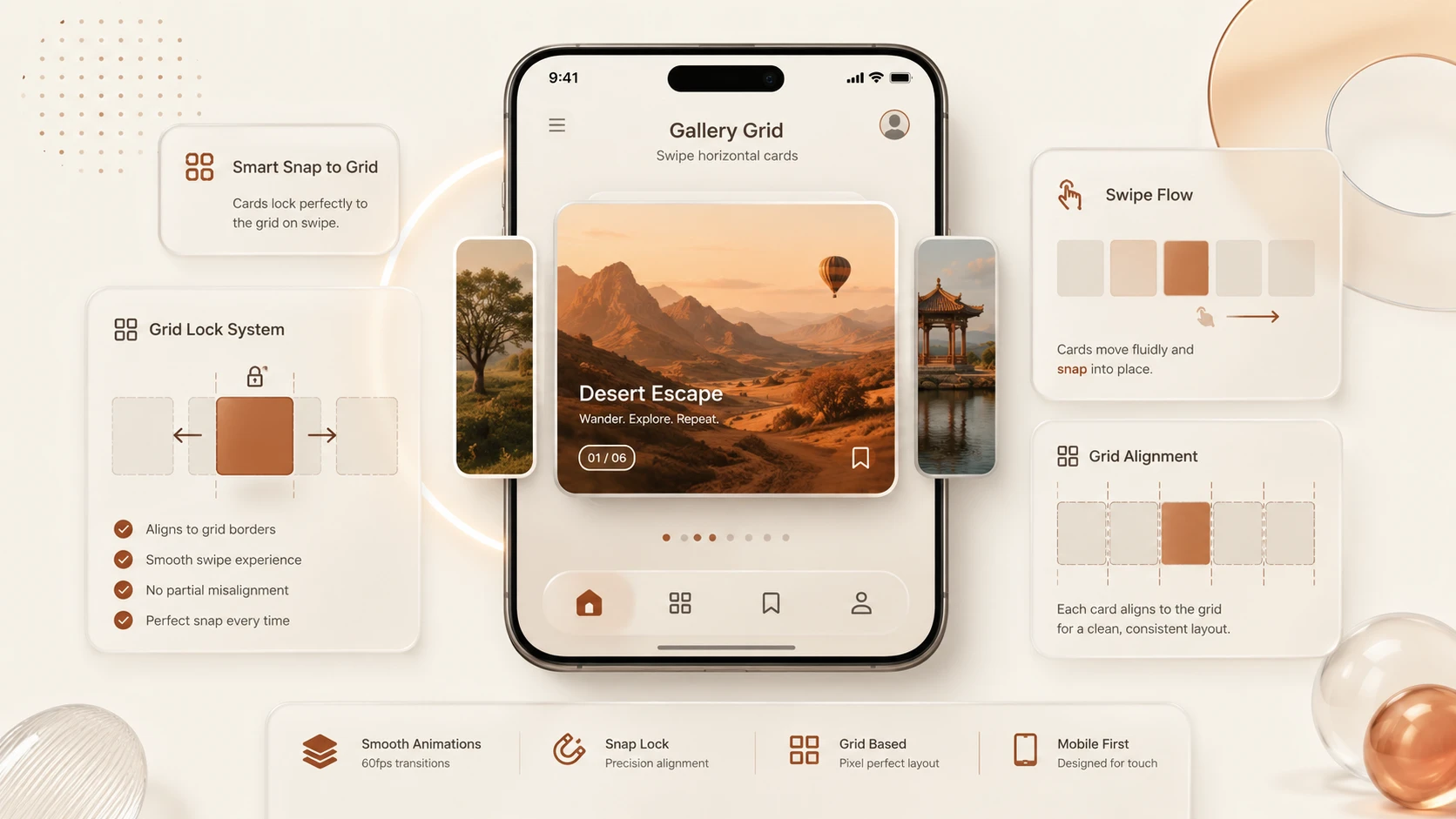
CSS Scroll Snapping Browser Support: Designing Mobile Galleries Without JavaScript Plugins
With growing browser support for CSS Scroll Snap, web developers can increasingly build native touch-based galleries, sliders, onboarding screens, and product showcases without relying on JavaScript carousel plugins. This article examines CSS Scroll Snap from the perspective of June 2019, analyzing its architecture, browser support, enterprise use cases, performance implications, and adoption strategy.
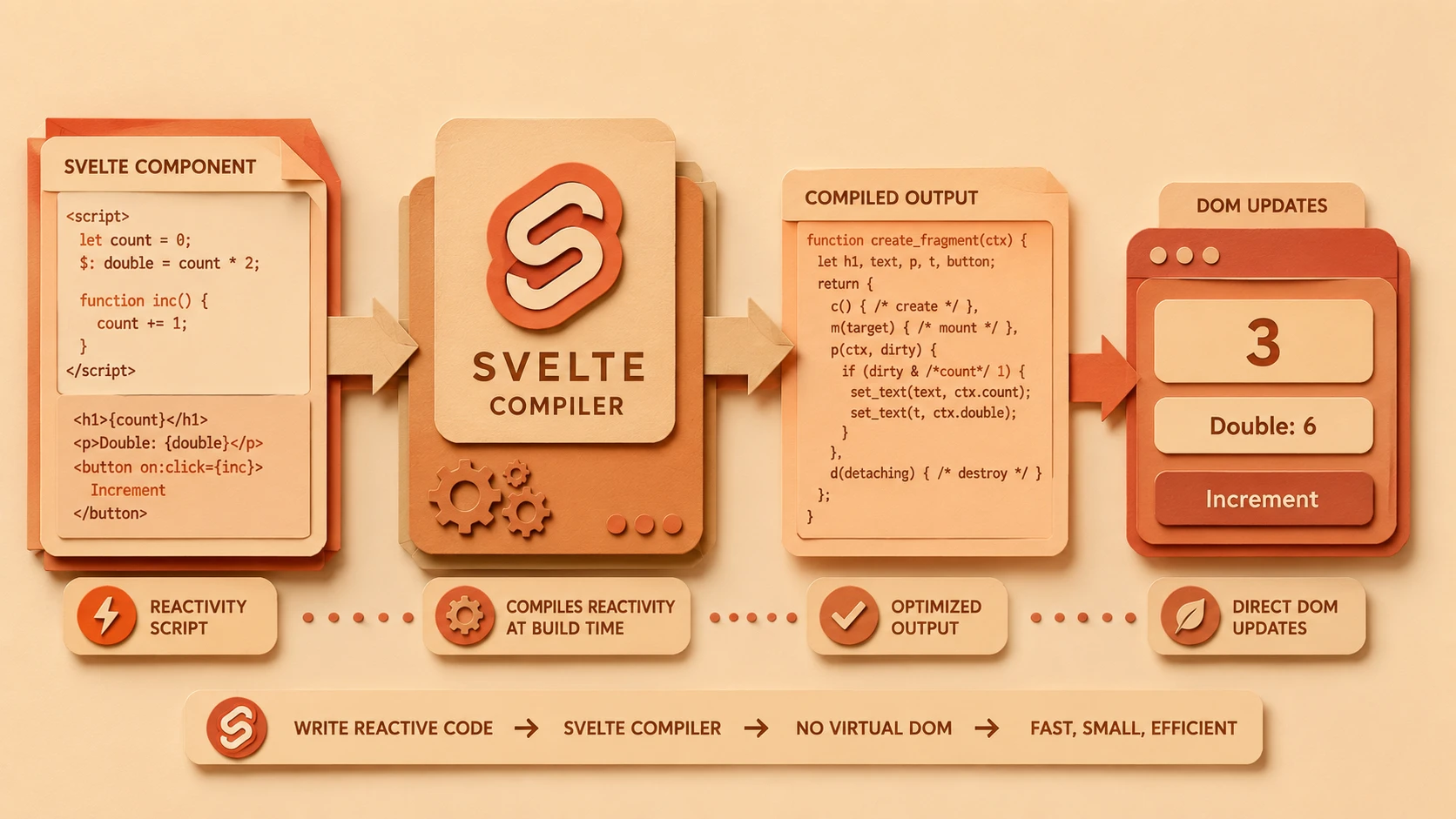
Svelte 3.0 Release: Compiler Reactivity without the Virtual DOM
Svelte 3.0 introduces a compiler-first approach to front-end development, shifting much of the framework's work from the browser to build time. By eliminating the Virtual DOM and embracing compiler-driven reactivity, Svelte aims to deliver smaller bundles, faster runtime performance, and a simpler developer experience. This article examines Svelte 3.0 from the perspective of May 2019.
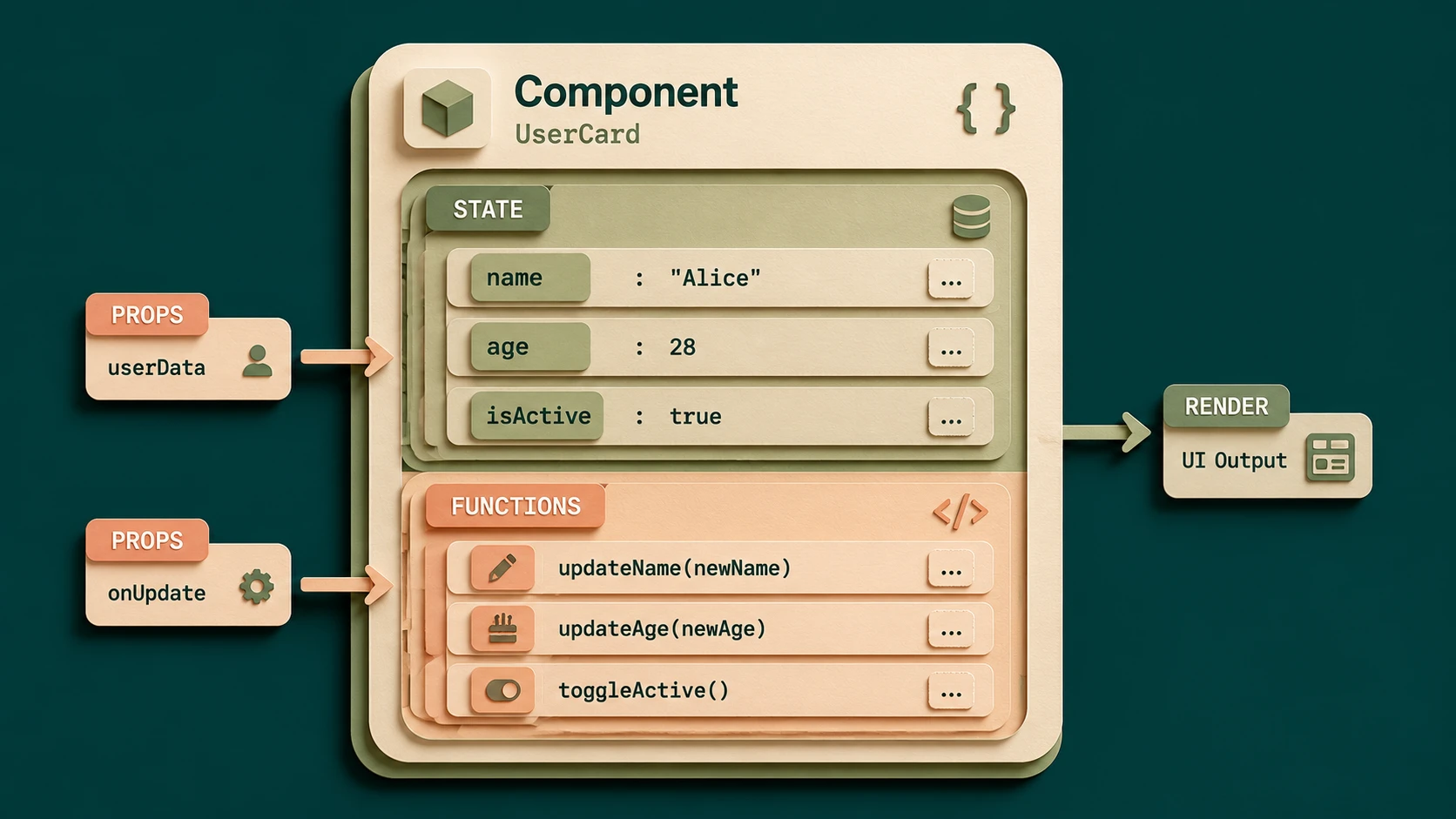
Vue.js 3.0 Composition API RFC: Rethinking Code Reuse in Vue Apps
The Vue.js 3.0 Composition API RFC introduces a new programming model aimed at improving code organization, logic reuse, and scalability in large Vue applications. Rather than replacing the familiar Options API, the proposal offers an alternative approach that groups code by feature instead of component option. This article examines the Composition API RFC from the perspective of February 2019, when it was first introduced for community feedback.
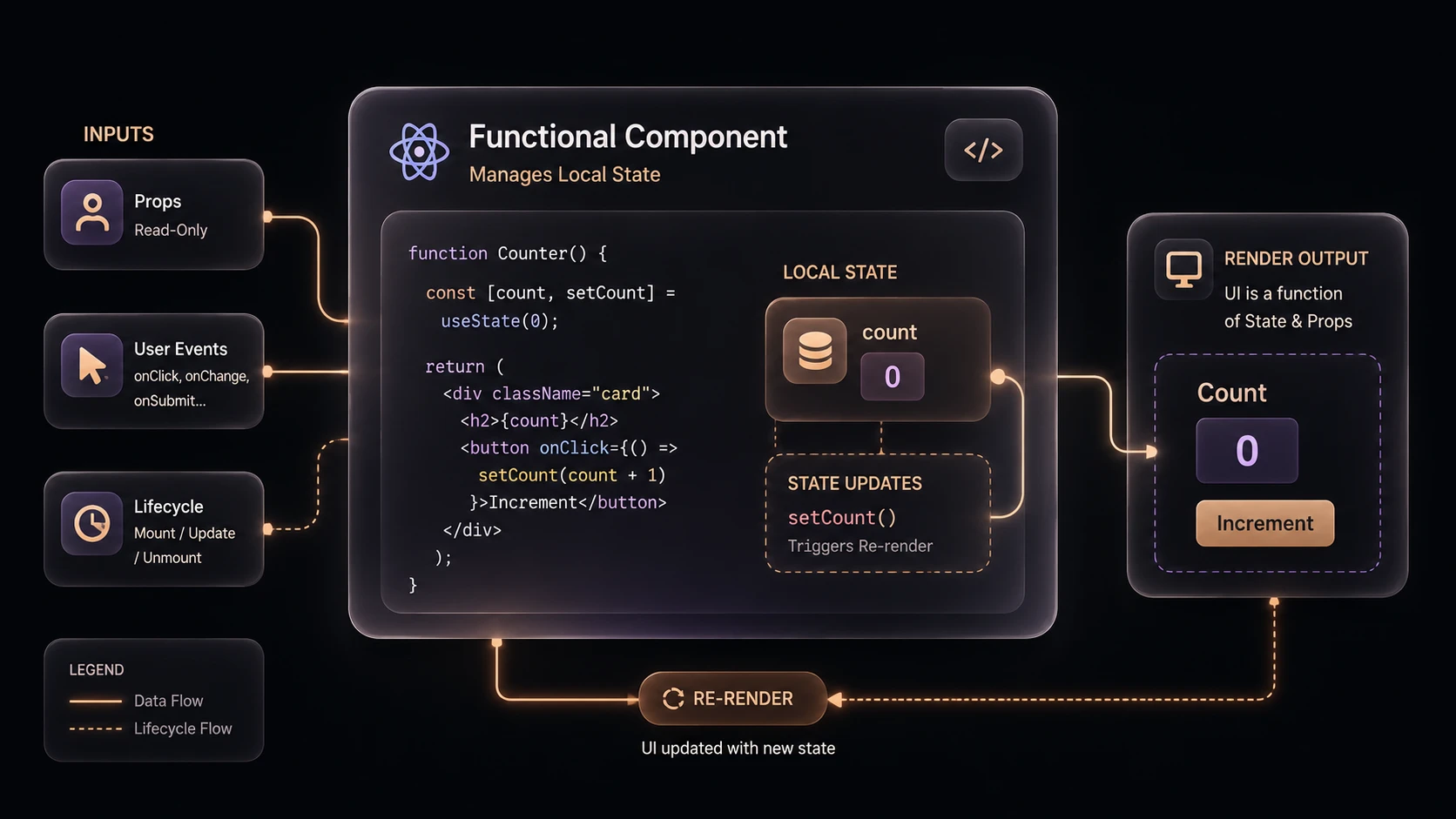
React 16.8 Release: Standardizing React Hooks and Stateful Functional Components
React 16.8 introduces Hooks, one of the most significant API additions since React's original release. Hooks allow functional components to manage state, lifecycle behavior, and side effects without classes, simplifying component architecture while improving code reuse and maintainability. This article examines React 16.8 from the perspective of February 2019, evaluating its architecture, enterprise implications, performance characteristics, migration strategies, and adoption guidance.
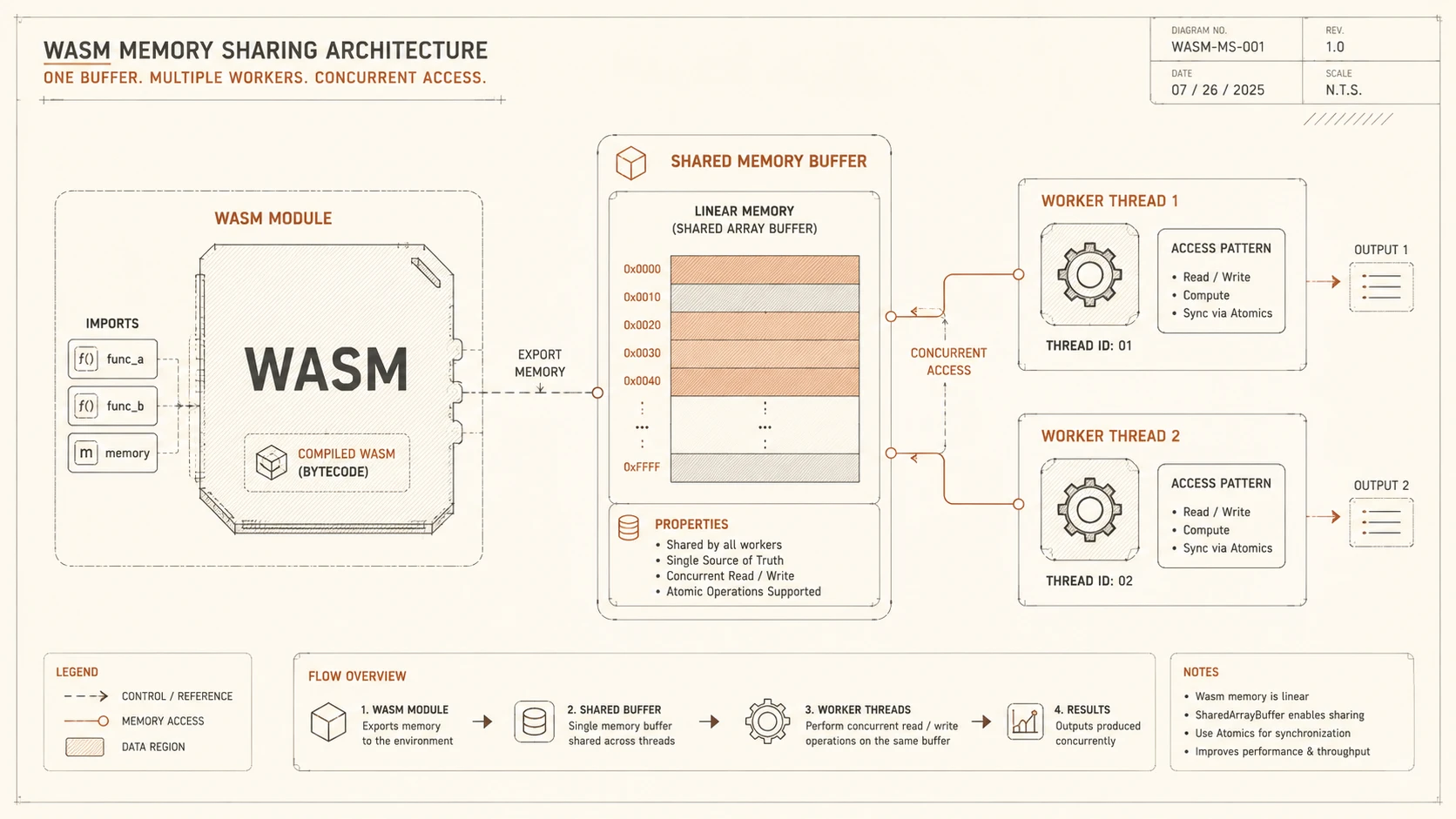
WebAssembly Threads: SharedArrayBuffer and Concurrency in the Browser
WebAssembly Threads introduce a standardized model for parallel execution inside modern browsers by combining SharedArrayBuffer and JavaScript Atomics. As browser vendors continue restoring shared memory capabilities following Spectre mitigations, WebAssembly gains an important foundation for computationally intensive applications. This article examines the architecture, programming model, enterprise implications, and adoption considerations from the perspective of January 2019.
Frequently Asked Questions.
Get all your answers here and if something remains, feel free to contact us directly or book a strategy session.
We design and build agent-native custom software architectures from day one. Instead of simply building bolt-on API wrappers, we deploy multi-agent orchestration systems (like our Commander Architecture), run local secure LLMs to slash token expenses by 40–70%, and modernize legacy Microsoft ecosystem codebases to modern AI-native structures.
It is our proprietary 5-agent pipeline framework. High-tier cloud models (like Claude Opus) act as 'Supreme Commanders' to analyze complexity and structure task files, which are then processed at high concurrency by local models (like Qwen on Ollama) at around $0.001 per task, drastically lowering API costs.
By integrating custom prompt caching strategies and context-aware semantic routing, we achieve a prompt cache hit rate of ~90%. This bypasses redundant processing of duplicate context instructions to dramatically slash monthly token bills.
We specialize in modern high-performance tech stacks: Next.js/React, Drizzle ORM, SQLite/PostgreSQL databases, .NET Core 8 cloud services, React Native/Expo for mobile apps, and cognitive frameworks such as Semantic Kernel, FastAPI, and Neo4j Knowledge Graphs.
We implement secure architectures by deploying local LLMs inside your virtual private cloud (VPC), ensuring sensitive data never leaves your environment. We also establish strict end-to-end data encryption, audit trails, and role-based access control.
Yes, we specialize in converting legacy systems (WinForms, WPF, ASP.NET WebForms) to modern, distributed systems built on modern .NET 8, micro-frontend architectures, and containerized Docker services running in AWS/Azure.
A typical proof of concept (PoC) takes 2 to 4 weeks. Full enterprise agent orchestration systems or multi-agent swarms integrated with your legacy APIs take about 8 to 12 weeks to build, test, and deploy to production.
Absolutely. We build React Native applications using local SQLite databases (via Drizzle or WatermelonDB) that can perform complex tasks offline and sync changes securely with the cloud server once internet connectivity is restored.
Speculative decoding uses a small, fast model to suggest draft tokens, which are verified in parallel by a larger target model. This speeds up text generation by 2x to 3x and cuts down latency without losing output quality.
Yes. All custom code, agent system designs, proprietary database configurations, and custom integration scripts developed during our engagement are 100% owned by your company from day one.
Client Impact & Success
"SHIVAM ITCS completely transformed our content workflow. Their Commander Architecture cut our monthly LLM cost by 65% while keeping quality pristine."
Partner with SHIVAM ITCS to build resilient, scalable systems. Our senior engineering teams specialize in enterprise AI orchestration, legacy modernization, and high-performance cloud architecture.
Schedule a Technical Consultation →Get New Posts In Your Inbox
No spam. Deep technical content when we publish — roughly twice a month.