Build Smarter.
Ship Faster.AI Agent DevelopmentAI Agent DevelopmentMulti-Agent AI & SwarmsAdvanced Hybrid RAG EnginesLLM Cost OptimizationLegacy .NET ModernizationEnterprise SaaS Engineering
Deep technical content on agentic AI systems, LLM cost optimization, Commander Architecture, and production SaaS engineering — from 18+ years of building.
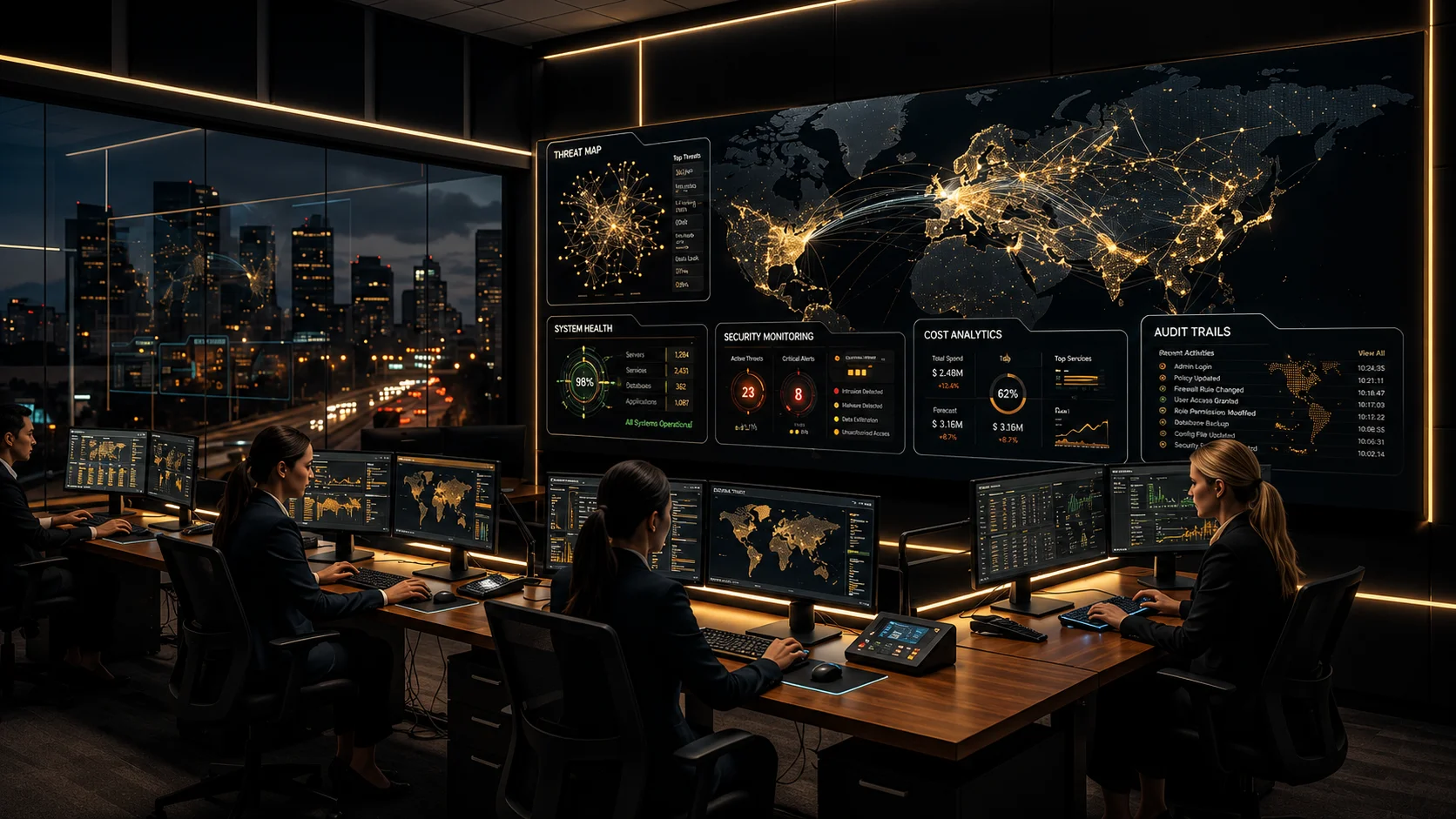
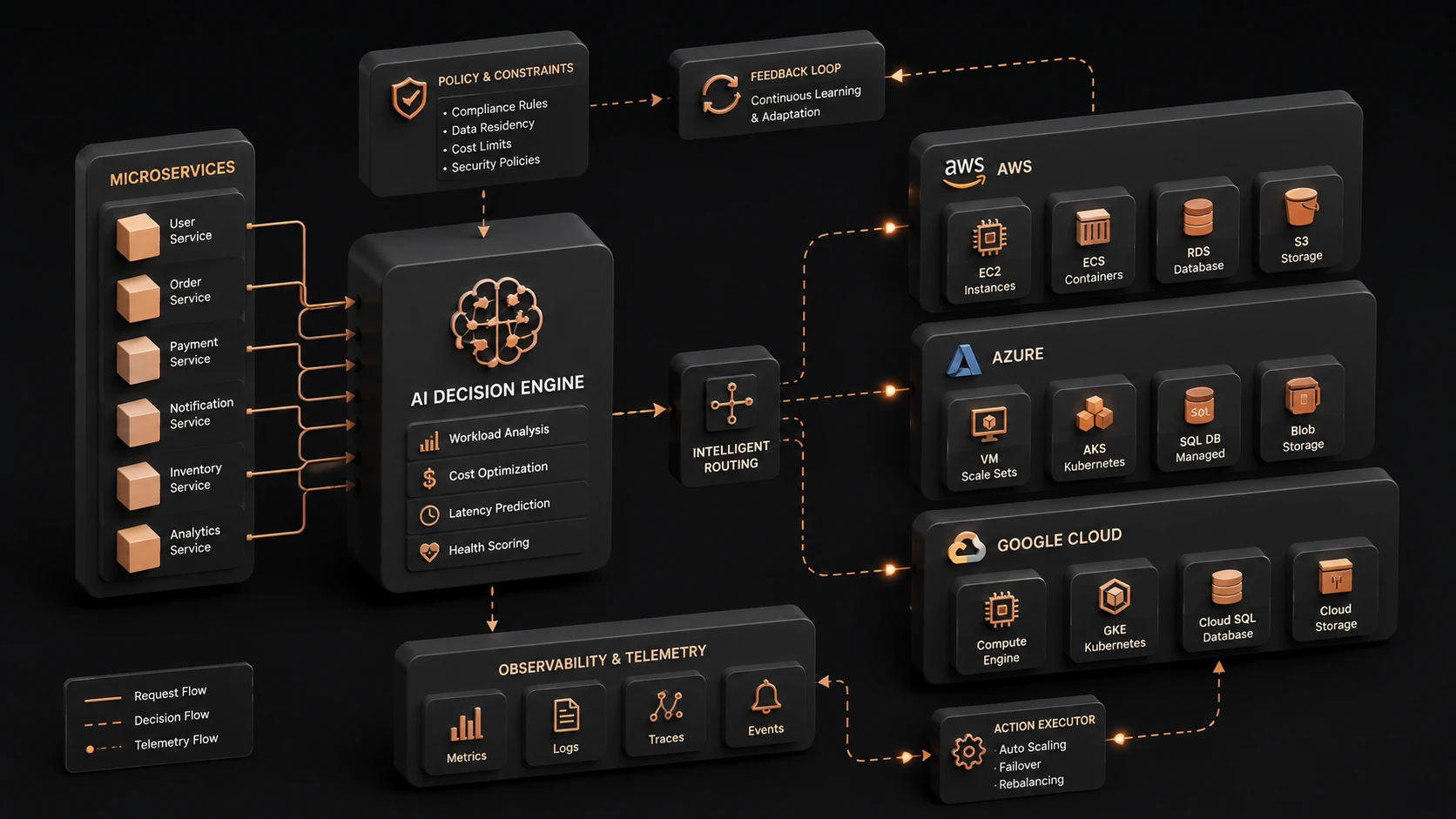
Multi-Cloud Intelligence and Autonomous Systems
By late 2023, enterprises have shifted from simply adopting multiple cloud providers to building intelligent platforms capable of automatically optimizing workload placement, security, costs, resilience, and performance. This article explores how AI-powered multi-cloud management and autonomous systems are transforming enterprise cloud operations from the perspective of December 2023.
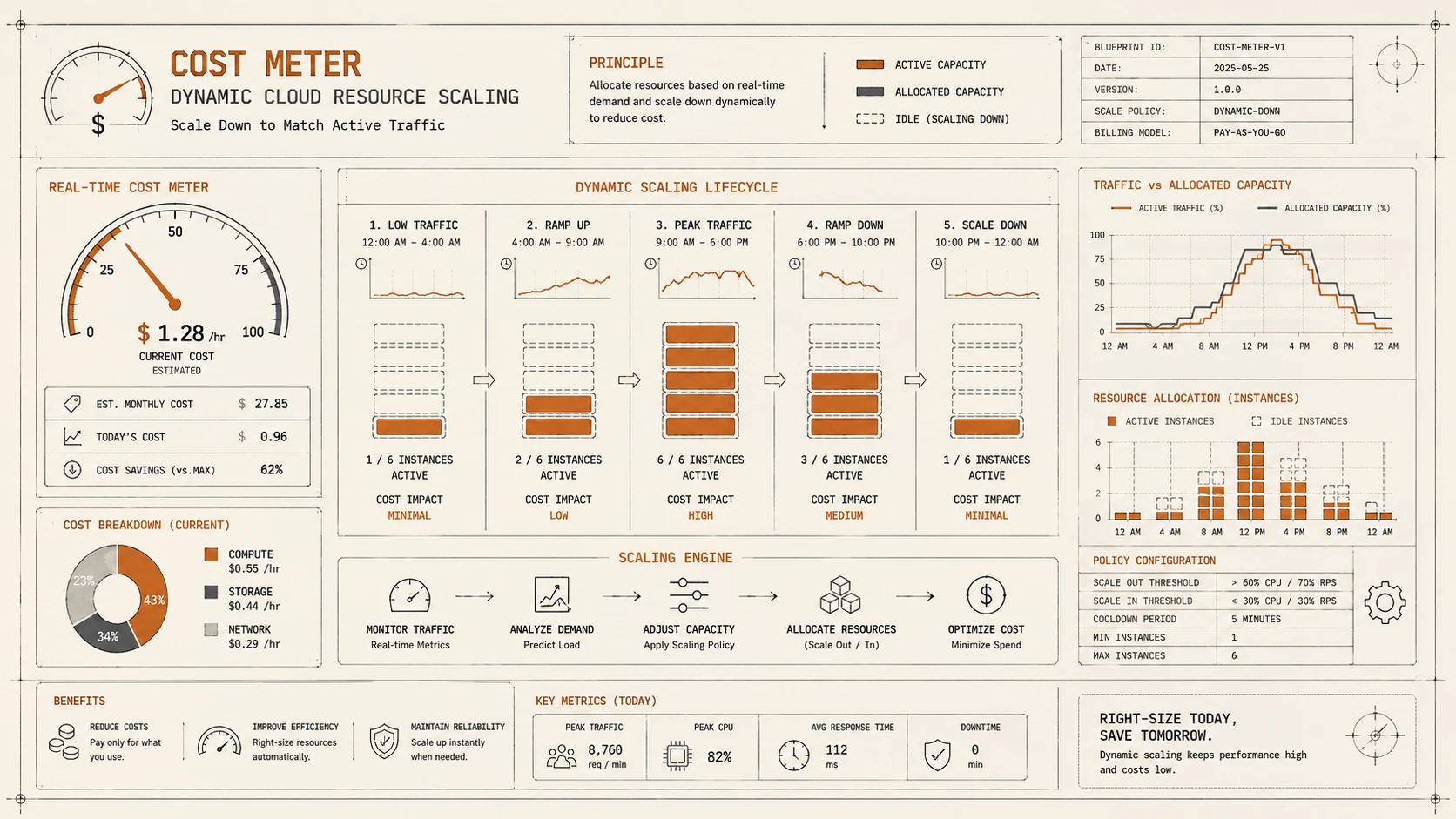
Cloud FinOps & Cost Intelligent Engineering
As cloud adoption accelerates across enterprises, controlling infrastructure costs has become a strategic engineering challenge rather than solely a financial responsibility. Cloud FinOps combines engineering, finance, and operations to optimize cloud spending while maintaining innovation velocity. This article examines the state of Cloud FinOps and cost-intelligent engineering from the perspective of April 2022.
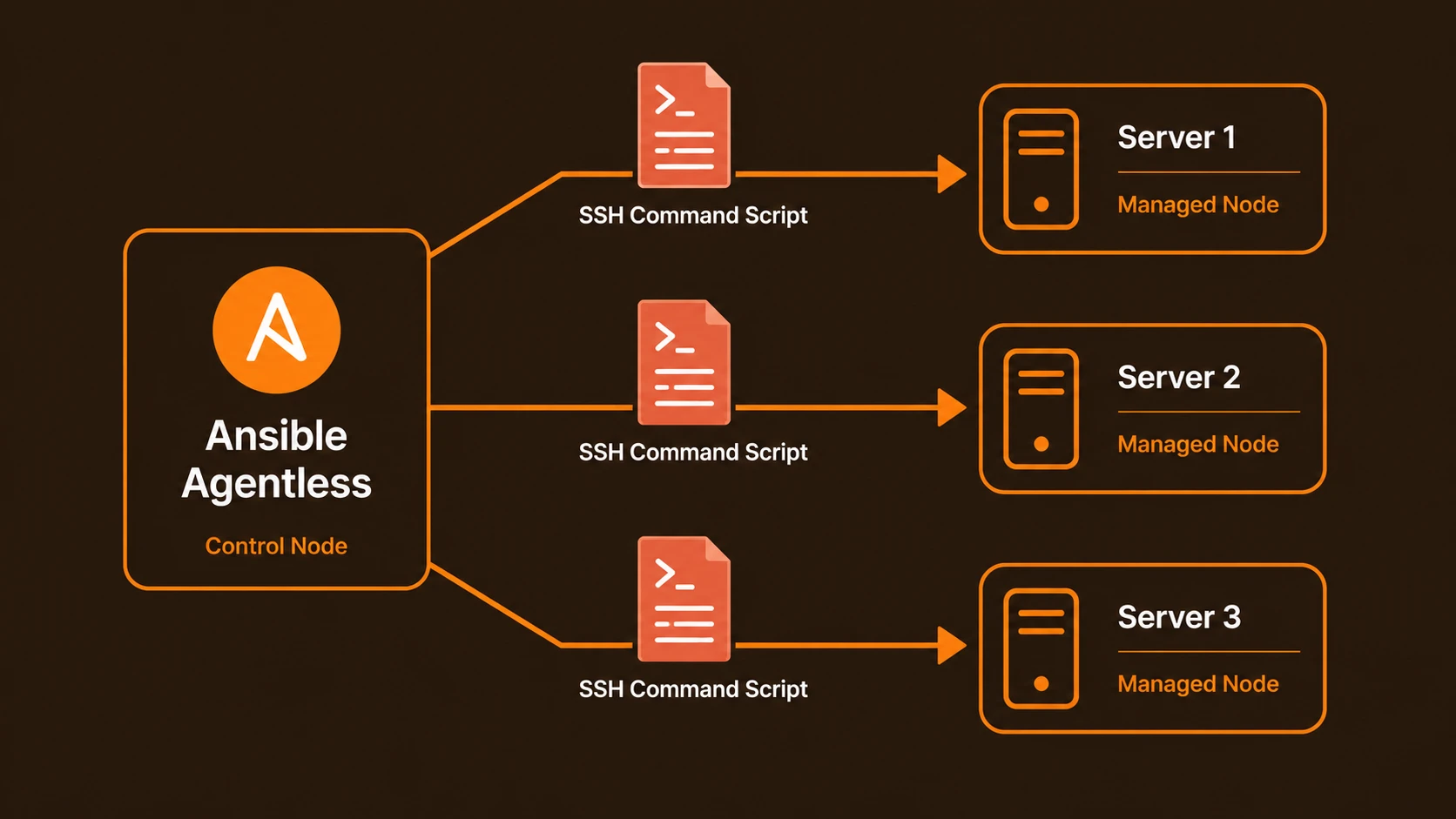
Infrastructure Automation: Ansible vs. Puppet and Chef in 2012
As enterprise IT environments continue growing in complexity, infrastructure automation has become a strategic priority. This article compares Ansible, Puppet, and Chef from the perspective of June 2012, examining their architectures, deployment models, scalability, operational characteristics, and suitability for enterprise infrastructure management.
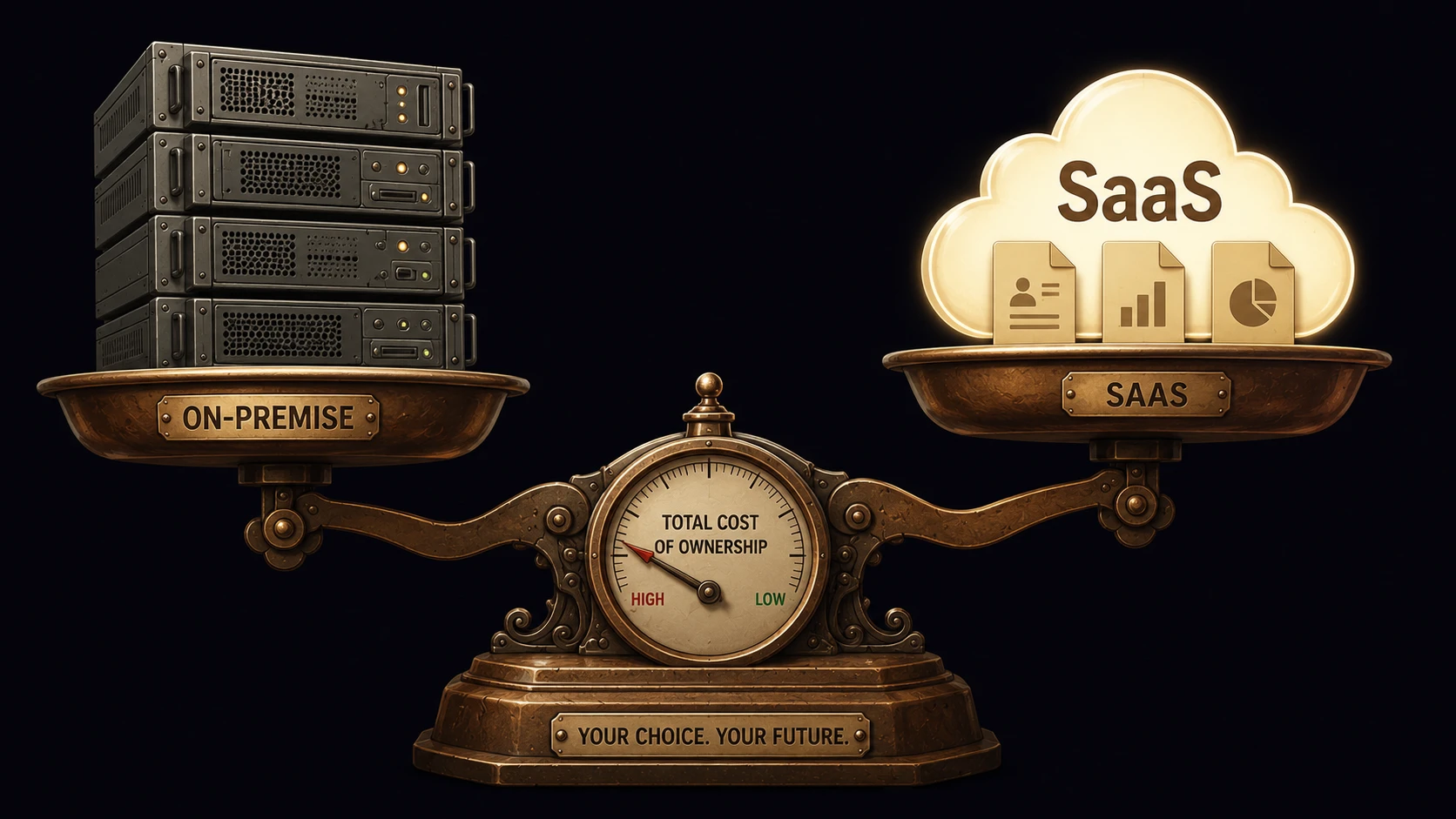
SaaS vs. On-Premise: Key Lessons from the Launch of Office 365
Microsoft's launch of Office 365 marks a significant milestone in enterprise cloud computing. Combining Exchange Online, SharePoint Online, Lync Online, and Office productivity tools, Office 365 introduces a compelling Software-as-a-Service model for organizations evaluating the transition from traditional on-premise infrastructure. This article examines the architectural implications, benefits, challenges, and adoption strategies from the perspective of June 2011.
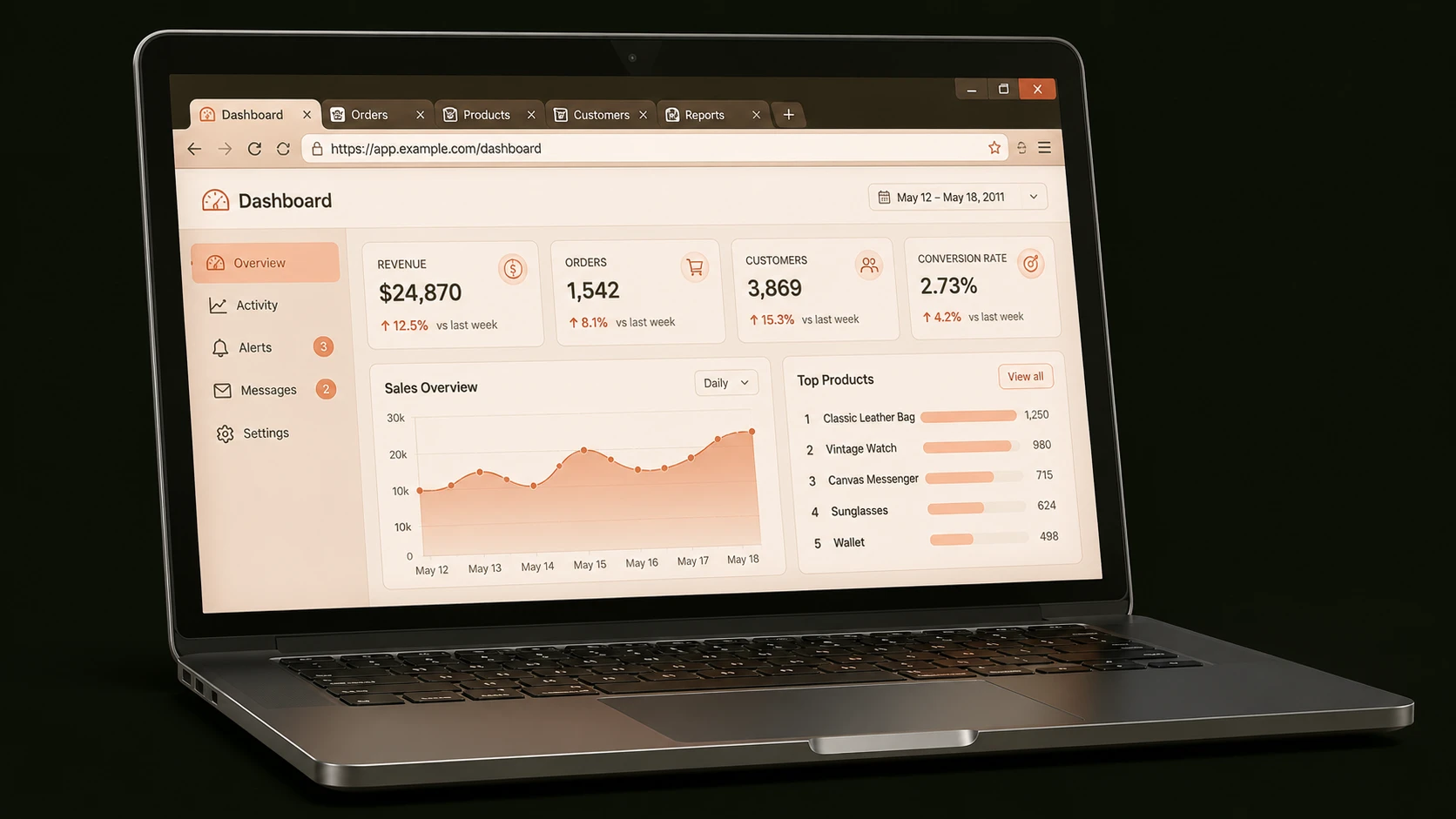
The Chromebook Era: Can the Browser Become the Operating System?
Google's introduction of Chromebooks represents a bold rethinking of personal computing, placing the web browser at the center of the user experience. As enterprises increasingly adopt cloud applications and web services, organizations must evaluate whether browser-centric computing can become a practical alternative to traditional desktop operating systems.
The Rise of DevOps: Bridging the Divide Between Software Engineering and Operations
DevOps is rapidly emerging as a new approach to enterprise software delivery, encouraging closer collaboration between development and operations teams. This article examines the principles, practices, challenges, and expected future of DevOps from the perspective of March 2010.
The Oracle-Sun Merger: What the Future Holds for Java and Enterprise Databases
Oracle's planned acquisition of Sun Microsystems is one of the most significant events in enterprise computing. This analysis explores what the merger could mean for Java, MySQL, Solaris, enterprise databases, middleware, hardware integration, and enterprise IT strategy from the perspective of January 2010.
Frequently Asked Questions.
Get all your answers here and if something remains, feel free to contact us directly or book a strategy session.
We design and build agent-native custom software architectures from day one. Instead of simply building bolt-on API wrappers, we deploy multi-agent orchestration systems (like our Commander Architecture), run local secure LLMs to slash token expenses by 40–70%, and modernize legacy Microsoft ecosystem codebases to modern AI-native structures.
It is our proprietary 5-agent pipeline framework. High-tier cloud models (like Claude Opus) act as 'Supreme Commanders' to analyze complexity and structure task files, which are then processed at high concurrency by local models (like Qwen on Ollama) at around $0.001 per task, drastically lowering API costs.
By integrating custom prompt caching strategies and context-aware semantic routing, we achieve a prompt cache hit rate of ~90%. This bypasses redundant processing of duplicate context instructions to dramatically slash monthly token bills.
We specialize in modern high-performance tech stacks: Next.js/React, Drizzle ORM, SQLite/PostgreSQL databases, .NET Core 8 cloud services, React Native/Expo for mobile apps, and cognitive frameworks such as Semantic Kernel, FastAPI, and Neo4j Knowledge Graphs.
We implement secure architectures by deploying local LLMs inside your virtual private cloud (VPC), ensuring sensitive data never leaves your environment. We also establish strict end-to-end data encryption, audit trails, and role-based access control.
Yes, we specialize in converting legacy systems (WinForms, WPF, ASP.NET WebForms) to modern, distributed systems built on modern .NET 8, micro-frontend architectures, and containerized Docker services running in AWS/Azure.
A typical proof of concept (PoC) takes 2 to 4 weeks. Full enterprise agent orchestration systems or multi-agent swarms integrated with your legacy APIs take about 8 to 12 weeks to build, test, and deploy to production.
Absolutely. We build React Native applications using local SQLite databases (via Drizzle or WatermelonDB) that can perform complex tasks offline and sync changes securely with the cloud server once internet connectivity is restored.
Speculative decoding uses a small, fast model to suggest draft tokens, which are verified in parallel by a larger target model. This speeds up text generation by 2x to 3x and cuts down latency without losing output quality.
Yes. All custom code, agent system designs, proprietary database configurations, and custom integration scripts developed during our engagement are 100% owned by your company from day one.
Client Impact & Success
"SHIVAM ITCS completely transformed our content workflow. Their Commander Architecture cut our monthly LLM cost by 65% while keeping quality pristine."
Partner with SHIVAM ITCS to build resilient, scalable systems. Our senior engineering teams specialize in enterprise AI orchestration, legacy modernization, and high-performance cloud architecture.
Schedule a Technical Consultation →Get New Posts In Your Inbox
No spam. Deep technical content when we publish — roughly twice a month.