Agentic AI
Viewing all posts categorized under Agentic AI.

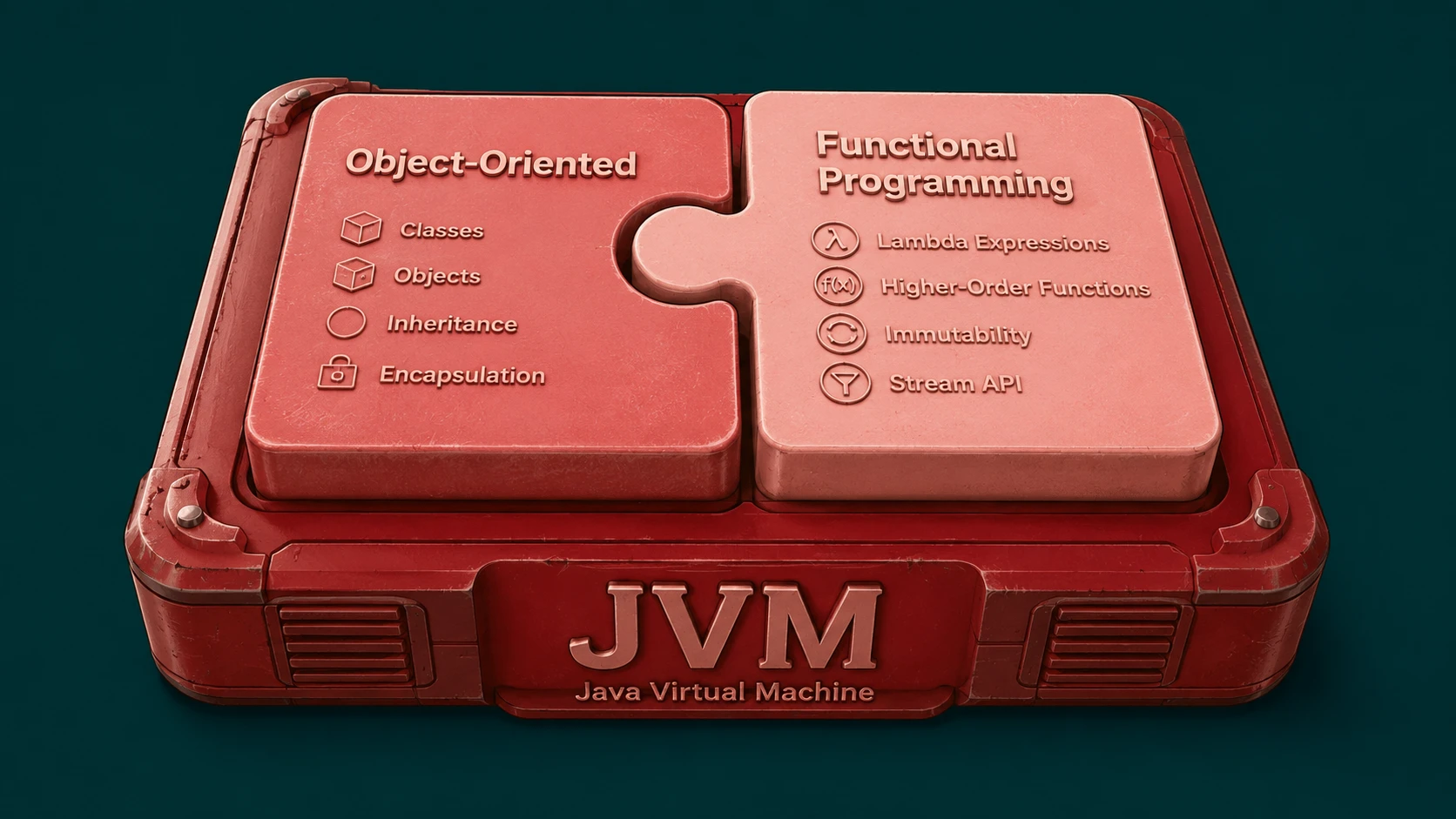
The Rise of Scala: Bringing Functional Programming to the JVM
Scala is gaining significant attention among enterprise developers by combining functional programming with object-oriented design on the Java Virtual Machine. This article explores Scala's language features, interoperability with Java, enterprise use cases, and architectural considerations from the perspective of early 2011.
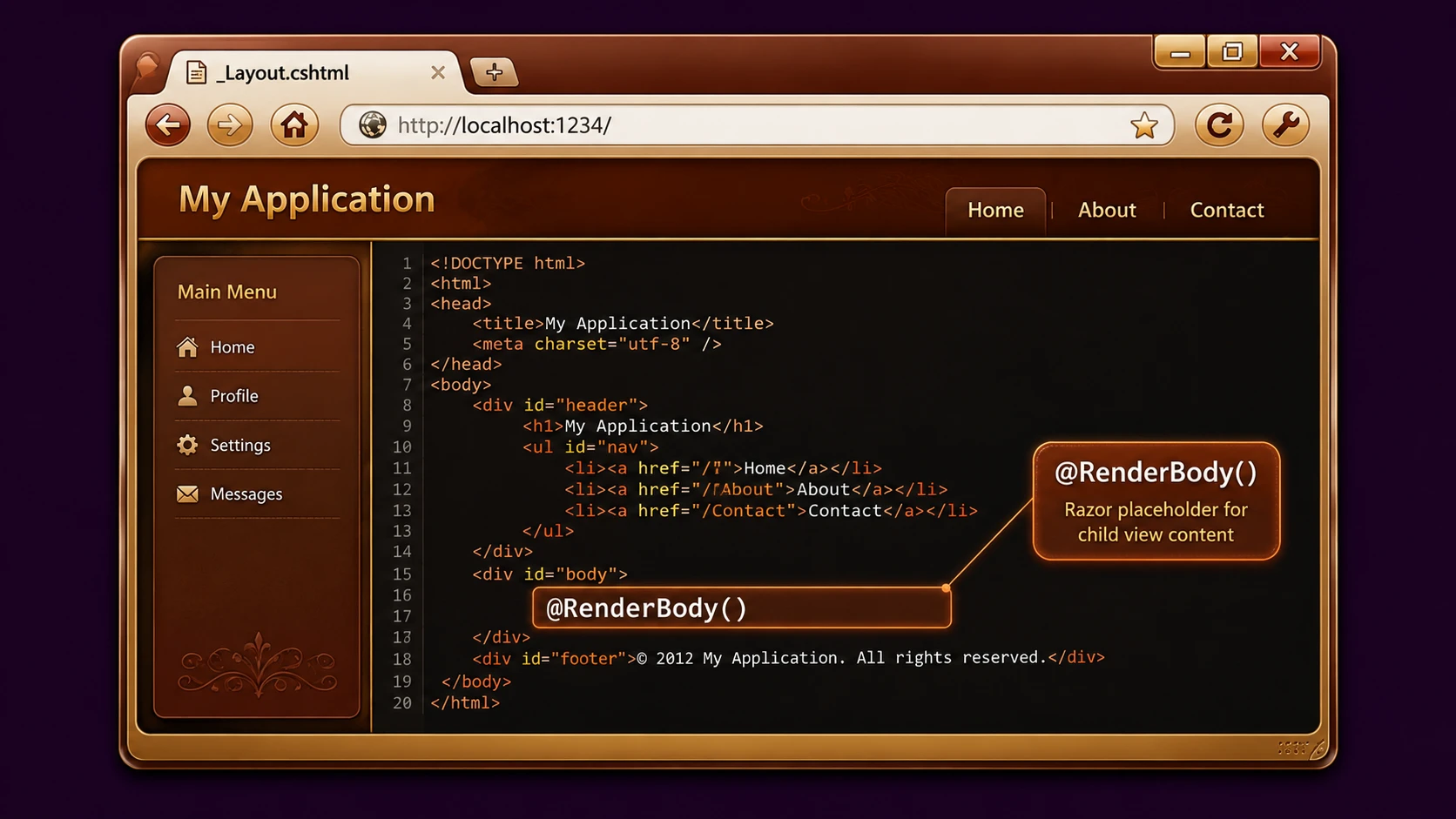
ASP.NET MVC 3: Introducing the Razor View Engine and Global Filters
ASP.NET MVC 3 introduces the Razor view engine, global filters, enhanced dependency injection support, and improved extensibility, making it easier for enterprise teams to build maintainable, testable, and scalable web applications. Learn how these new capabilities can improve modern .NET web development in early 2011.
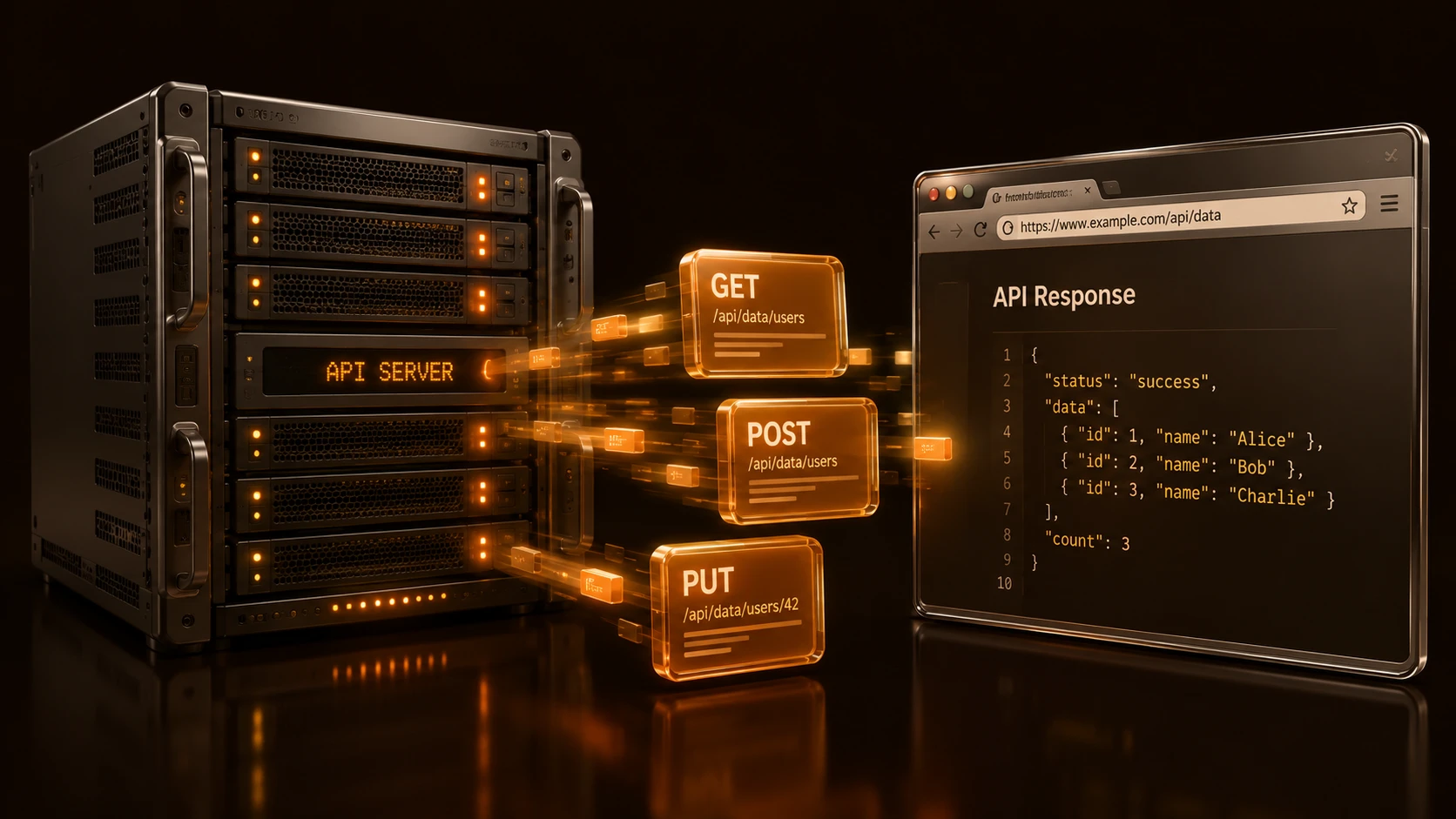
Designing Scalable HTTP APIs: Early Architectures with WCF Web API
As HTTP-based services gain momentum beyond traditional SOAP web services, Microsoft's WCF Web API preview introduces a new programming model for building resource-oriented APIs. Learn how enterprise architects can evaluate its architecture, scalability considerations, and adoption strategies in late 2010.
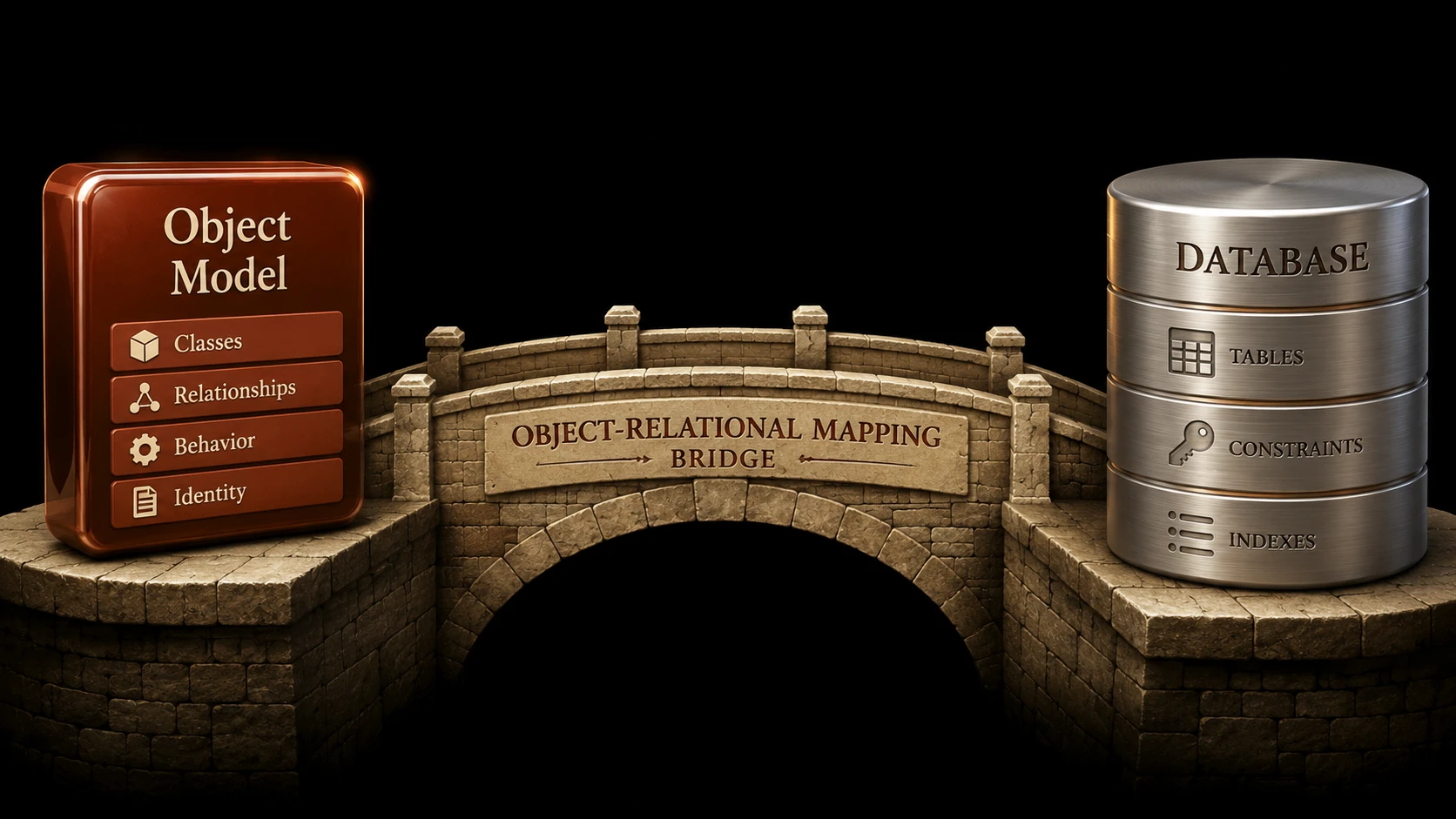
Entity Framework 4.0: Resolving the Object-Relational Impedance Mismatch
Entity Framework 4.0 represents a significant step forward for Microsoft's Object-Relational Mapping platform. With improved POCO support, better testability, foreign key associations, and cleaner persistence capabilities, enterprise developers can build maintainable and scalable data access layers while reducing the complexity of bridging object-oriented applications with relational databases.

The OWASP Top 10 for 2010: Mitigating SQL Injection and XSS Vulnerabilities
As web applications become the foundation of enterprise systems, application security can no longer be treated as an afterthought. The 2010 OWASP Top 10 highlights the industry's most critical security risks, with SQL Injection and Cross-Site Scripting remaining among the most dangerous threats. This guide examines how enterprise teams can identify, mitigate, and manage these vulnerabilities using the technologies and best practices available in mid-2010.

Silverlight 4 vs. HTML5: The Impending Battle for the RIA Throne
Silverlight 4 promises powerful enterprise application capabilities with rich media, .NET integration, and desktop features, while HTML5 is rapidly gaining industry attention as an open web standard. Which technology should enterprises choose for future Rich Internet Applications in 2010?
ES10 / ECMAScript 2019: Array.prototype.flat, Object.fromEntries, and Optional Catch Bindings
ECMAScript 2019 (ES10) continues JavaScript's annual evolution with practical language enhancements including Array.prototype.flat(), Array.prototype.flatMap(), Object.fromEntries(), Optional Catch Bindings, Symbol.description, and improved JSON support. This article examines these features from the perspective of June 2019, focusing on enterprise software architecture, developer productivity, and adoption strategies.
Next.js 7.0: Webpack 4.0 Integration and Optimized Bundle Compilation
Next.js 7.0 modernizes React application development by adopting Webpack 4 as its default bundler, improving compilation performance, reducing production bundle sizes, and simplifying deployment workflows. Combined with improved Babel support, better TypeScript integration, and enhanced developer tooling, Next.js 7 positions itself as a mature framework for enterprise server-rendered and static React applications. This article examines Next.js 7.0 from the perspective of November 2018.