Build Smarter.
Ship Faster.AI Agent DevelopmentAI Agent DevelopmentMulti-Agent AI & SwarmsAdvanced Hybrid RAG EnginesLLM Cost OptimizationLegacy .NET ModernizationEnterprise SaaS Engineering
Deep technical content on agentic AI systems, LLM cost optimization, Commander Architecture, and production SaaS engineering — from 18+ years of building.
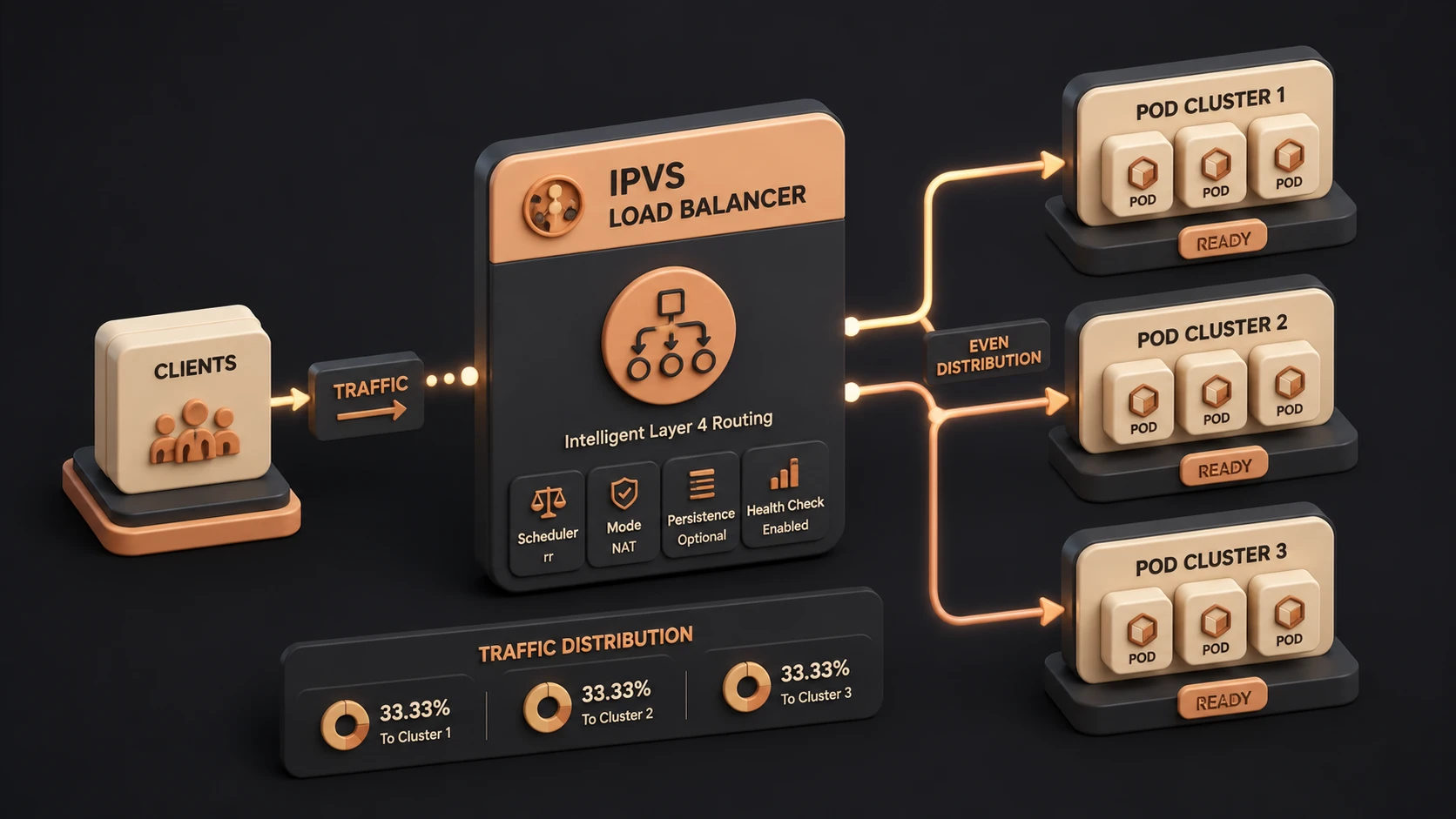
Kubernetes 1.11: IPVS Load Balancing and CoreDNS Cluster Integrations
Kubernetes 1.11 introduces major networking improvements with IPVS-based Service load balancing reaching General Availability and CoreDNS graduating to beta as a replacement for kube-dns. These enhancements improve scalability, networking performance, operational simplicity, and DNS reliability for production Kubernetes clusters. This article examines Kubernetes 1.11 from the perspective of July 2018.
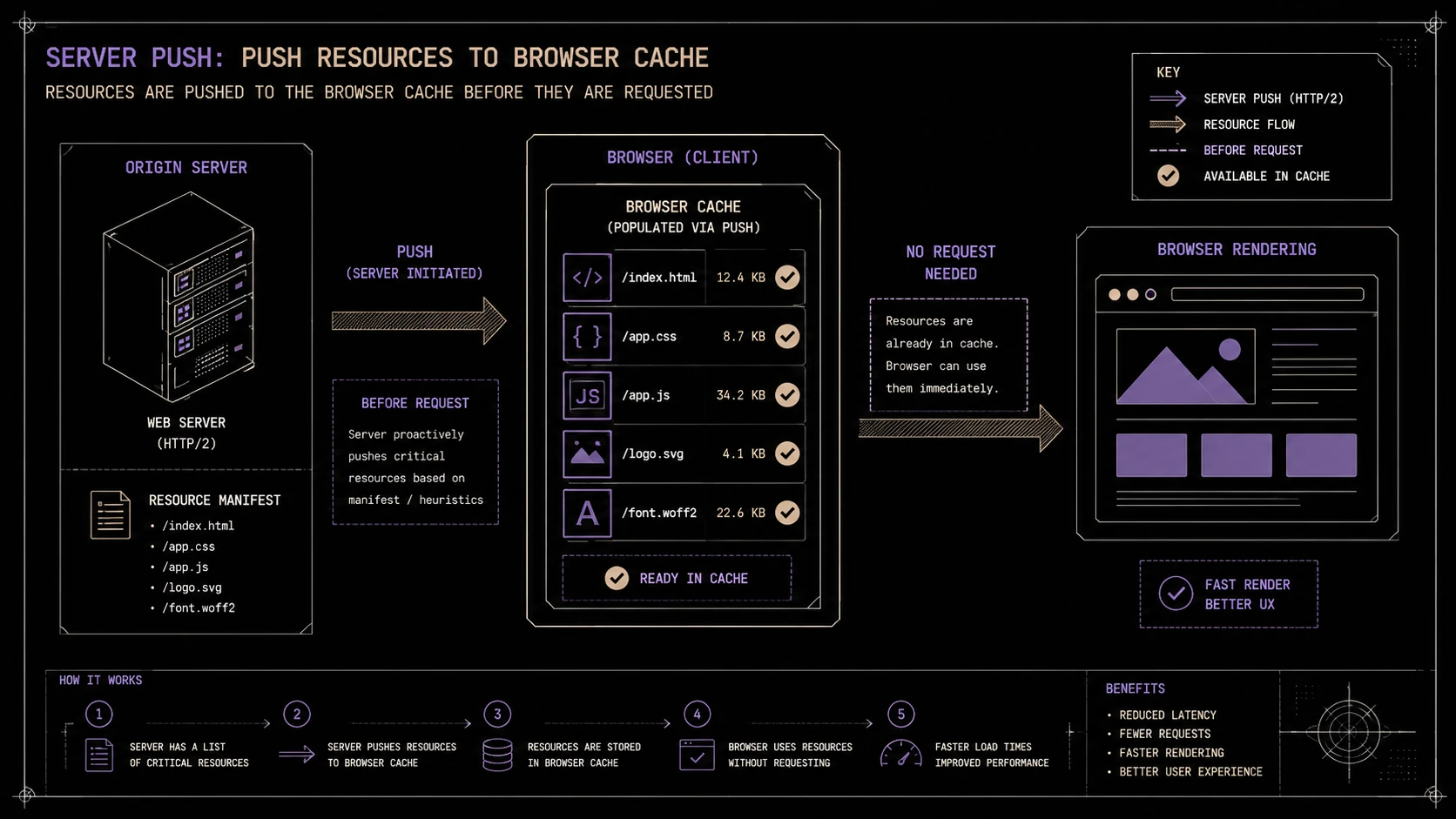
HTTP/2 Server Push: Evaluating Real-World Performance and TCP Head-of-Line Bottlenecks
One year after HTTP/2 standardization, enterprise teams are beginning to evaluate Server Push in production environments. While the feature promises lower latency by proactively delivering resources before browsers request them, real-world deployments reveal important considerations involving cache efficiency, bandwidth usage, prioritization, and TCP head-of-line blocking. This article examines HTTP/2 Server Push from the perspective of January 2017.
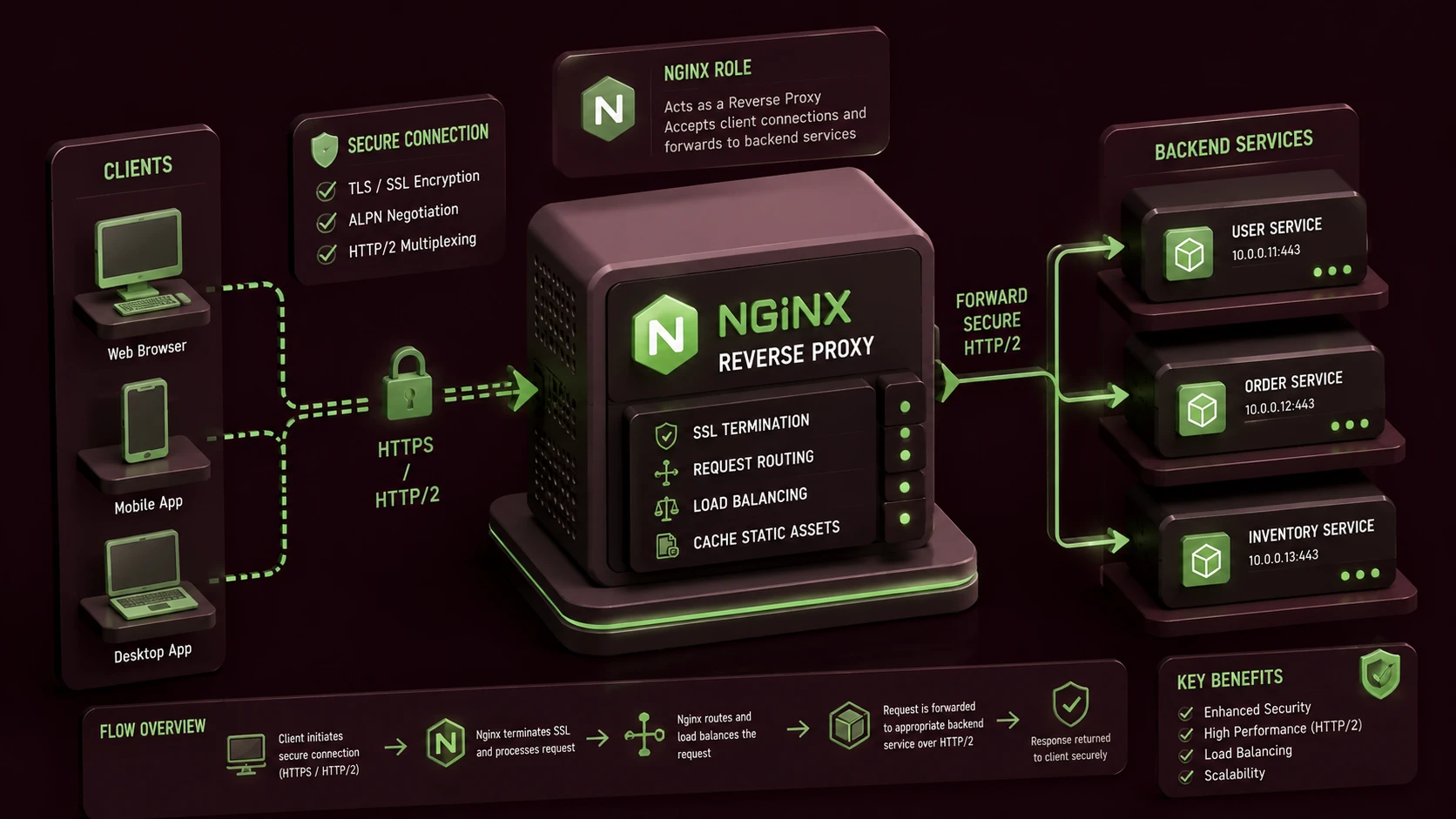
HTTP/2 in Production: Configuring Nginx Reverse Proxy with HTTPS Protocols
With HTTP/2 becoming available across modern browsers and web servers, enterprises are evaluating how the new protocol can improve website performance without changing application logic. This article examines HTTP/2 from the perspective of December 2015, focusing on Nginx reverse proxy deployments, HTTPS requirements, multiplexing, server configuration, performance benefits, and operational best practices.
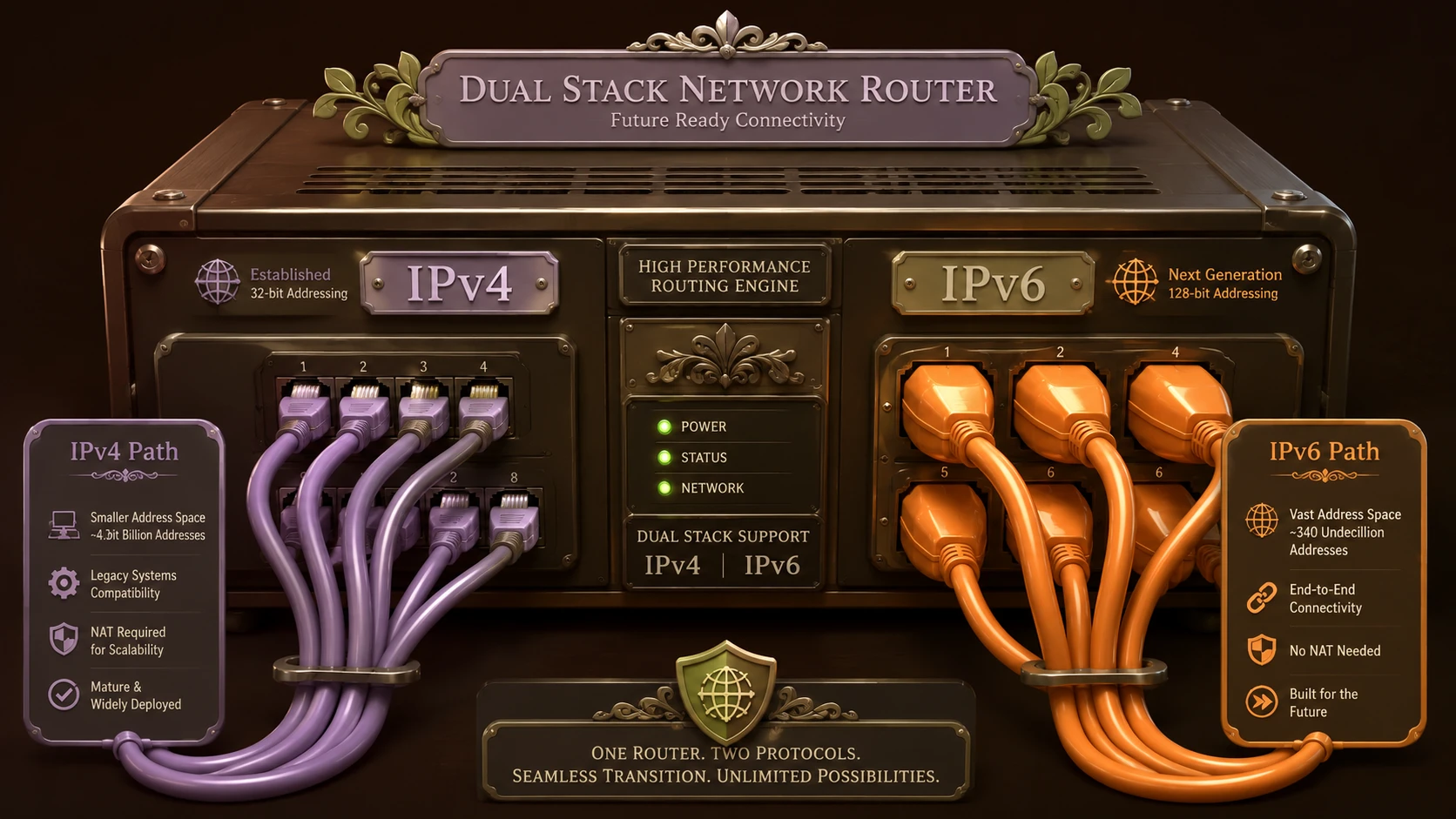
IPv6 World Launch: Preparing Enterprise Infrastructure for the Switch
On June 6, 2012, the World IPv6 Launch marks an important milestone in the Internet's evolution as major content providers, ISPs, and networking companies permanently enable IPv6 services. This article examines what the launch means for enterprise IT teams and outlines practical strategies for planning IPv6 adoption.
Frequently Asked Questions.
Get all your answers here and if something remains, feel free to contact us directly or book a strategy session.
We design and build agent-native custom software architectures from day one. Instead of simply building bolt-on API wrappers, we deploy multi-agent orchestration systems (like our Commander Architecture), run local secure LLMs to slash token expenses by 40–70%, and modernize legacy Microsoft ecosystem codebases to modern AI-native structures.
It is our proprietary 5-agent pipeline framework. High-tier cloud models (like Claude Opus) act as 'Supreme Commanders' to analyze complexity and structure task files, which are then processed at high concurrency by local models (like Qwen on Ollama) at around $0.001 per task, drastically lowering API costs.
By integrating custom prompt caching strategies and context-aware semantic routing, we achieve a prompt cache hit rate of ~90%. This bypasses redundant processing of duplicate context instructions to dramatically slash monthly token bills.
We specialize in modern high-performance tech stacks: Next.js/React, Drizzle ORM, SQLite/PostgreSQL databases, .NET Core 8 cloud services, React Native/Expo for mobile apps, and cognitive frameworks such as Semantic Kernel, FastAPI, and Neo4j Knowledge Graphs.
We implement secure architectures by deploying local LLMs inside your virtual private cloud (VPC), ensuring sensitive data never leaves your environment. We also establish strict end-to-end data encryption, audit trails, and role-based access control.
Yes, we specialize in converting legacy systems (WinForms, WPF, ASP.NET WebForms) to modern, distributed systems built on modern .NET 8, micro-frontend architectures, and containerized Docker services running in AWS/Azure.
A typical proof of concept (PoC) takes 2 to 4 weeks. Full enterprise agent orchestration systems or multi-agent swarms integrated with your legacy APIs take about 8 to 12 weeks to build, test, and deploy to production.
Absolutely. We build React Native applications using local SQLite databases (via Drizzle or WatermelonDB) that can perform complex tasks offline and sync changes securely with the cloud server once internet connectivity is restored.
Speculative decoding uses a small, fast model to suggest draft tokens, which are verified in parallel by a larger target model. This speeds up text generation by 2x to 3x and cuts down latency without losing output quality.
Yes. All custom code, agent system designs, proprietary database configurations, and custom integration scripts developed during our engagement are 100% owned by your company from day one.
Client Impact & Success
"SHIVAM ITCS completely transformed our content workflow. Their Commander Architecture cut our monthly LLM cost by 65% while keeping quality pristine."
Partner with SHIVAM ITCS to build resilient, scalable systems. Our senior engineering teams specialize in enterprise AI orchestration, legacy modernization, and high-performance cloud architecture.
Schedule a Technical Consultation →Get New Posts In Your Inbox
No spam. Deep technical content when we publish — roughly twice a month.